
words by TIANA DE HASETH
All of a Sudden by Ryūsuke Hamaguchi shows the importance of human connection. It’s a film about care, human dignity, illness and mortality. Almost three hours and twenty minutes long, the pace allows relationships to develop naturally, becoming movie that you can fully emerge into.
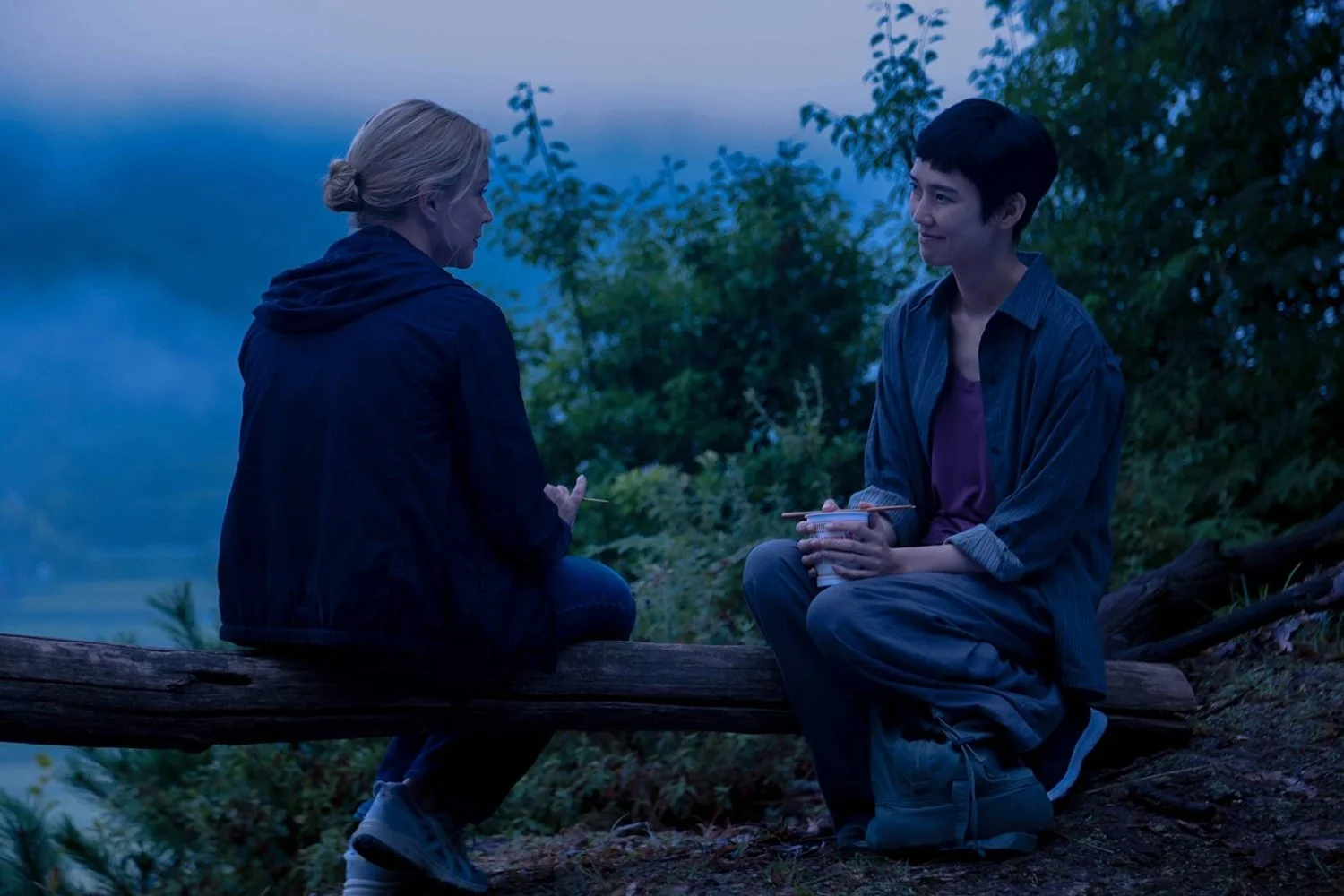
The film is set in a nursing home on the outskirts of Paris and follows Marie-Lou, the newly appointed director of the care home who wants to introduce a more humane approach to elderly care. The staff, however, disagrees with her new approach, meanwhile they struggle working in an understaffed institution.
What I learned in the film is the demand of working in a care home and everything it truly needs to function. Caregivers need enough staffing, time, resources and support to deliver the quality of care that residents deserve. Here, you really see the tension between the management and the reality of everyday caregiving.
As Marie-Lou struggles with this as a manager, she’s also confronted with the guilt of her mother’s recent death and the limitations of her own ideals. She wants to introduce a caregiving philosophy called Humanitude, which is based on eye contact, touch, communication and recognising the person behind the illness. It is a slow approach to caregiving that pays more attention and treats patience more as human beings.
Hamaguchi also shows the conflict between care and capitalism, and how efficiency, productivity and financial considerations can clash with human needs. Especially when the quality of care is dependent on budgets and operational demands, it becomes more difficult for the institution.
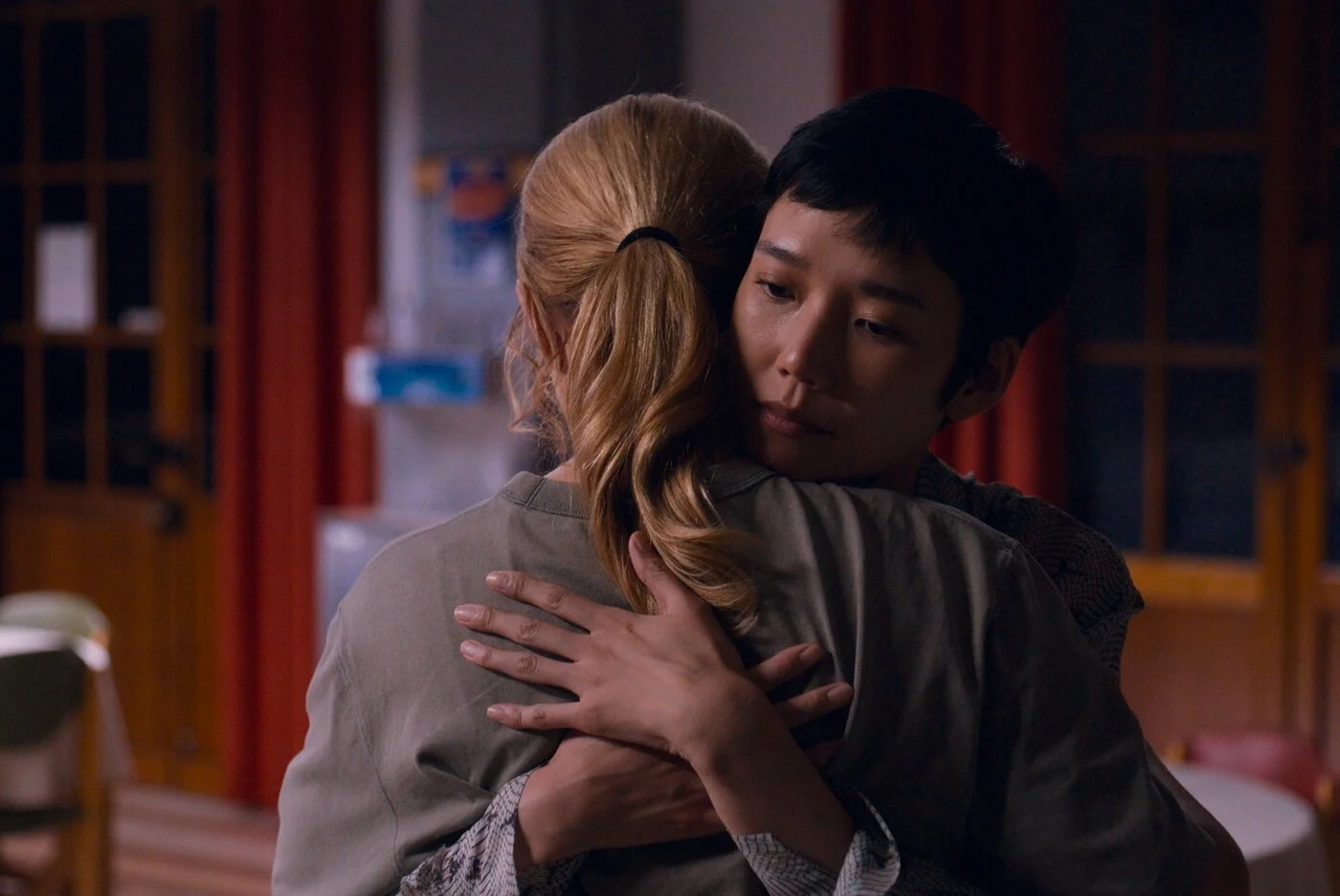
But the part where the film becomes more about caregiving is when they introduce Marie-Lou's friendship with Mari, a Japanese theatre director who is living with terminal cancer. They quickly create a strong bond, to the point that Mari herself becomes a part of the care home. Their relationship adds another layer to the film, when they start talking about illness, death, happiness and society.
The film also connects theatre with the world of caregiving, which becomes my favourite part. It shows how both are connected with the human presence, communication and how to recognise or respond to another person. You see this when they introduce Tomoki, an autistic boy who spontaneously joins the theatre show and states welcomed as part of the play instead of treating him as if he’s a disruption.
Instead of making him adapt to societal expectations, the actors choose to make space for him. It reflects the same philosophy that Marie-Lou wants to introduce into her care home: meeting people where they are, rather than expecting them to fit into a system.
Despite its length, I never felt that the film was in a hurry to get somewhere. The slow pace is part of what makes it so moving. Hamaguchi gives us time to observe people, listen to their conversations and understand the relationships developing between them and that’s what makes the movie beautiful.
The story doesn’t just make you question illness, mortality and connections, it also makes you understand them. It shows how we relate to one another, how we experience suffering and how human connection can give meaning to our lives, even when it gets confronted with death.
