AVATAR: THE LAST AIRBENDER SEASON 2 FINDS ITS OWN ELEMENT
words by LEANDRO DA SILVA
There are stories we return to not because we have forgotten them, but because they continue to reveal something new about ourselves.
Over time, the details inevitably begin to fade. We no longer remember every line of dialogue or every turn of the plot. What remains is something far less tangible: the friendships that felt real, the fears we recognised before we had the words to name them, the quiet hope that somehow always found its way back.

all images courtesy of NETFLIX
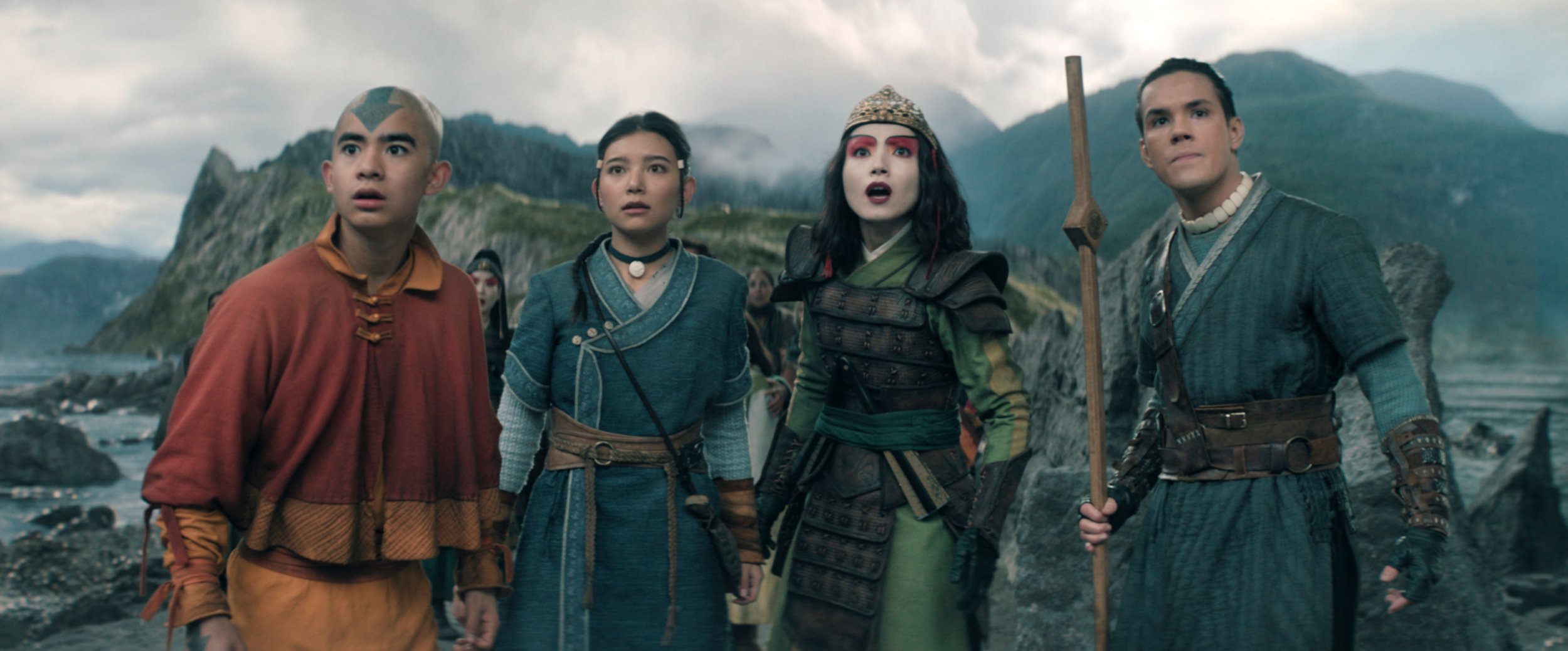
For nearly two decades, Avatar: The Last Airbender has occupied that rare space in popular culture. Its world may be built on the four elements, yet its true language has always been profoundly human. Identity. Belonging. Grief. Forgiveness. Growing into responsibilities no one ever feels ready to carry.
Season 2 continues that journey, expanding its world while remaining anchored in the questions that have always defined it. What does it mean to protect those we love? How do we find balance in times of conflict? And where, in the midst of constant change, do we find a place to call home?
It is perhaps no surprise, then, that mythology wasn't where the creative process began.
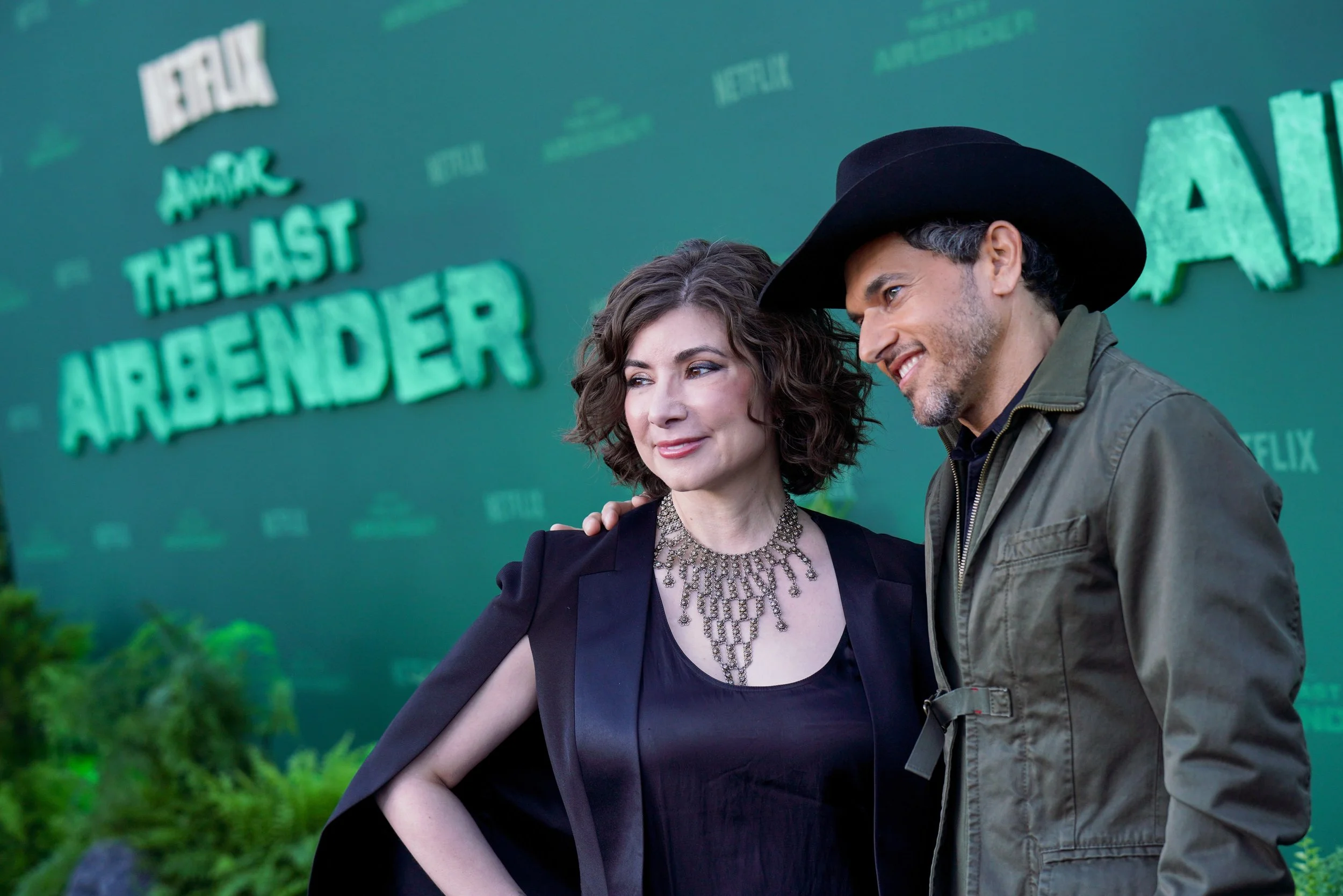
Throughout our conversation with executive producers Christine Boylan and Jabbar Raisani, one idea quietly returned again and again: before Avatar is a fantasy, it is a profoundly human story. Before a single episode of Season 2 was outlined, Boylan asked the writers to set kingdoms, spirits and bending aside. Instead, she asked them to speak about their own families. About migration. About displacement. About leaving one home behind while learning to call another your own. Only then did the writing begin.
That decision shaped everything that followed.
Inside the writers' room, the team first mapped the moments they believed were essential to the season moments they considered impossible to lose. But preserving those landmarks was never the ultimate goal. Every scene, every conversation and every action sequence had to answer a far more important question: did it serve the emotional journey of the characters? If it didn't, no amount of spectacle could justify its place. Character always came first.
That same philosophy extended far beyond the writers' room. As Raisani explains, scripts continued to evolve during production, performances reshaped dialogue, and scenes were reconsidered again in the editing room. The objective was never perfection for its own sake, but honesty finding the emotional rhythm that would allow each moment to feel earned rather than simply impressive.
Perhaps the most revealing moment of our conversation arrived at its conclusion. For Boylan and Raisani, storytelling is never complete once the cameras stop rolling. It only becomes whole when it reaches its audience. Viewers don't simply watch Avatar; they bring themselves to it. Their memories. Their experiences. Their understanding of home, family and belonging. Every generation encounters the same story through a different lens, and in doing so, transforms it into something uniquely its own.
Maybe that is why Avatar continues to endure. Not because every generation sees the same story, but because every generation finds a different part of itself reflected within it.