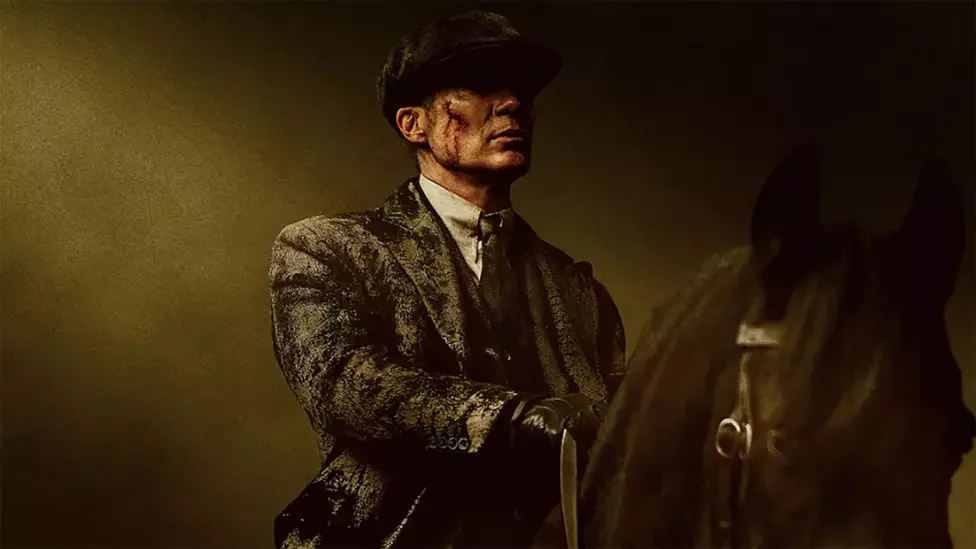
BEHIND THE SCENES OF ‘PEAKY BLINDERS: THE IMMORTAL MAN’
words by ANOUK WOUDT
The new upcoming film Peaky Blinders: The Immortal Man follows Tommy Shelby’s return from self-imposed isolation to find his estranged son, Duke Shelby at the head of the new generation of Peaky Blinders. Heading backstage behind the production, we are given an insider’s peek into what how the film came to be.
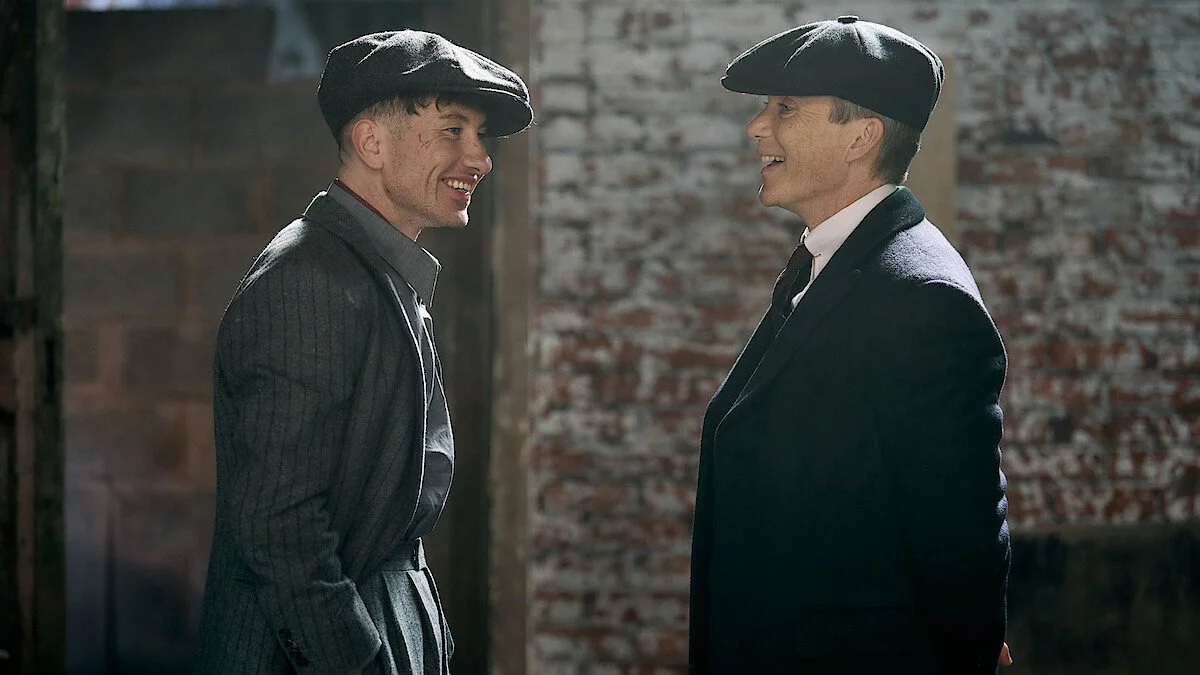
all images courtesy of Netflix
Jumping forward six years after the series finale, we find ourselves in 1940, amidst the terrors of World War II. This may seem like a swift divergence from the original time period of the show, but as revealed by its creator, Steven Knight, it was always planned for the story to span between the two World Wars. The film can be distinguished from the series by its setting, which automatically categorises it as a war epic and crime thriller, in stark contrast to the series’ historical drama roots. Though the premise makes it distinctly different, the show's main themes of family loyalty and class dynamics linger throughout. However, with the introduction of Tommy’s son, we can see an extra layer added exploring generational trauma as a major theme.
Though fans expected Tommy’s story to be finalised with the end of season six, we know now that the showrunners has long intended to end the story with a movie, with the show’s star, Cillian Murphy, saying:
“We were developing the idea for like quite a few years, so it was always a conversation that kept happening over and over again. […] It wasn’t a sudden decision. It was something that was discussed and developed over a long period.”
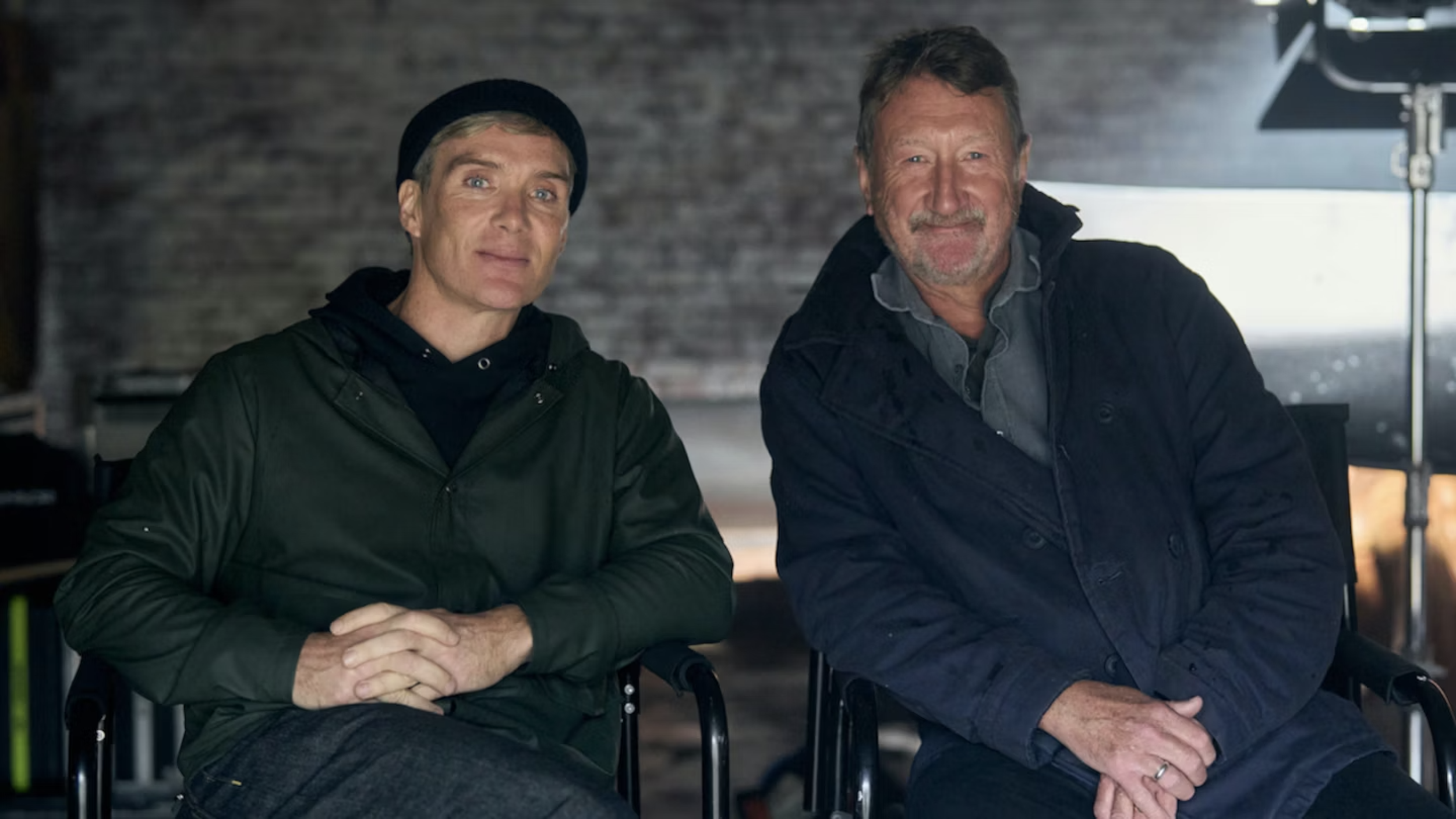
In an expansion from the show’s original plot, new narrative fuel is introduced with the father-son rivalry that felt needed to justify this feature-length conclusion. Though, with returning director Tom Harper, the film is sure to stay true to the show’s spirit. Even Cillian Murphy had early involvement with the script, inserting his own character into the narrative’s creation to ensure a faithful evolution of the iconic Tommy Shelby.
Getting into the heart of the plot, the film is based on real-life events of the Second World War. Centred around Operation Bernhard, a real Nazi counterfeit plot, the story starts with the bombing of the Birmingham Small Arms factory, which connects to Knight’s family history, bringing some of his personal narrative to the story. Tommy is reintroduced as an older version of himself, plagued by the ghosts of his past, which becomes central to his character arc in this film. He is joined by returning characters Ada Shelby, Hayden Stagg, Johnny Dogs and more to combat the rise of his son’s gangster influence.
The year 1940 specifically was chosen since it was, as Knight explained, “the height of the blitz in Birmingham, when bombs were dropping pretty much every night. People weren't really sure they were going to be alive tomorrow […] so, there's a spirit of hedonism in the city.” It was also chosen considering the historical context to allow for the Nazi bankrupting the British economy plotline to make sense.
“This was a time when Britain was the only country that was in Europe that was standing alone. And so therefore it was sort of feasible that it could have worked. And so when Tommy makes the decision he makes, it sort of affects the course of the war, which affects the course of history.”
Delving deeper into the actors, we get a glimpse into Cillian Murphy’s feelings on the reprisal of this iconic role. After the extended period away from this character, it took him a while to re-enter as Tommy Shelby, finding difficulty inhabiting his physicality and psychology. Despite this, Knight and Harper describe Murphy as a force on set, breathing a newfound authority into Shelby, which matches his character’s story perfectly.
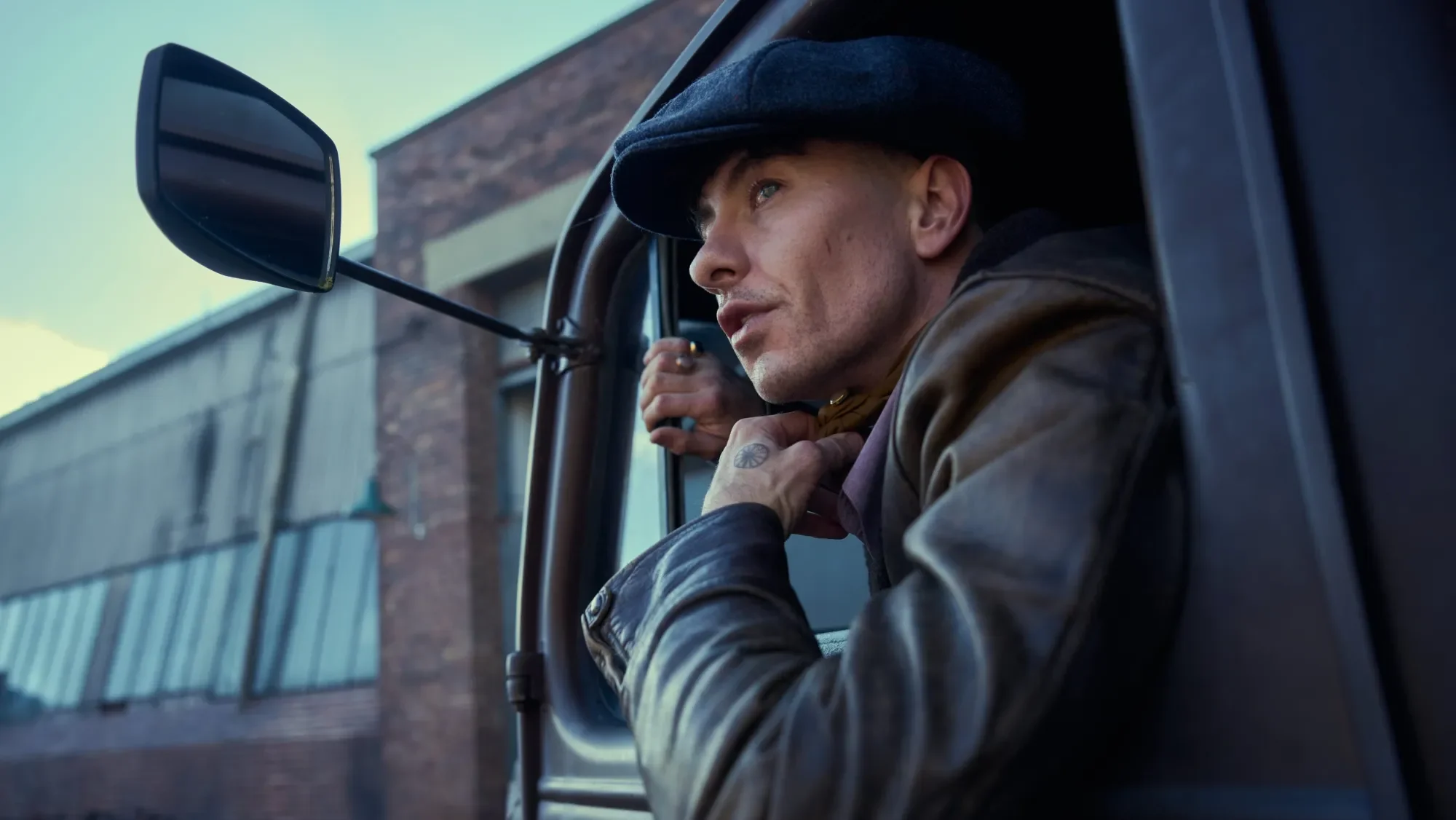
Of course, we have to mention the cast’s newest addition, Barry Keoghan, who is also addressed with a deep dive into the character and actor’s interpretation, respectively. Duke Shelby is the leader of the new generation of Peaky Blinders, who are more reckless than they have ever been, described as similar to A Clockwork Orange’s gang dynamic. They carry an air of arrogance, but truly are overwhelmed by unresolved trauma that dictates the way they act, desperate to live up to the myth of the old gang. Keoghan interprets Duke as a façade of himself, seeking paternal approval through imitation of his father’s legacy. The film will single in on Duke’s struggles with identity and father issues, which is why Barry Keoghan was chosen for the role. His previous acting roles show that he is able to balance hardness with vulnerability, which is exactly what this character needed.
Another new cast member is Tim Roth, who plays the film’s major antagonist, apart from Duke Shelby. His character, Beckett, serves the British Union of Fascists and oversees the Nazi counterfeit money operation that the film surrounds. Roth’s portrayal is very grounded and “reasonable”, adding to the character's eeriness.
“It’s fun for me to think of him as the good guy. He’s trying to help finish a war. But on the other hand, he’s a profiteer and he’s self-serving as well. So, he’s a very familiar character now in the present world.”
Rebecca Ferguson also joins the cast as Kaulo Chiklo, who is a Romany spiritual leader that persuades Tommy to re-enter this world. Her character allows for an exploration of Romany culture and mysticism of the time period, though she hints at manipulating her faith for power, which adds an interesting human complexity to her. In an interview with Ferguson, when asked about this power over Tommy, she says:
“She comes in at a perfect moment. When she meets Tommy, he’s sort of sedimented with grief and he’s lived this sort of the peaky life, with noise and violence. At that perfect breaking point of vulnerability is when she can sort of possess her own power over him.”
The scale of the production is way more extensive than anything filmed for the TV series, spanning multiple cities with bigger crews and expanded production design. Shot throughout Northern London, the film is set in real locations, which allow full immersion into the narrative. As Knight says, “It was a stipulation at the very beginning for me that, although we show urban environments and quite poor urban environments, it's always beautiful. We didn't want to make it look like a terrible place to be because people living in that environment, don't see it as that. They see it as their world.”
Some iconic locations make their return, including Charlie’s Yard and The Garrison Pub, so OG fans can feel right at home. Realism was very important to the film’s core, with real weather conditions being used, opting against props and sets that could distance the film from the historical reality it is based on. Even the scenes with explosions also used practical effects enhanced by VFX, rather than CGI.
Inspired by Westerns and American myth-making, the cinematic style has shifted from the series in a way that blends gangster, war, and even supernatural tones. Costuming is very intentional, evolving to reflect the film’s narrative, using darker tones to represent Tommy’s isolation before returning to his classic Peaky suit that we know and love. Duke’s costuming is also built to emphasise his Romany heritage— with Keoghan himself, even adding “little gemstones and necklaces on my wrist [to make him] a bit bolder”— while eventually showing his evolution into someone more business-like. For the sound, you can expect moody swirls mixed with plucky needle drops that reflect the turmoil of their world. Injecting the soundscape with modernity, Composer and Musical Supervisor Alex Genn includes song choices from indie bands such as Arctic Monkeys, Radiohead and The White Stripes, setting the film apart from its historical drama peers.
With the release date inching closer, Peaky Blinders: The Immortal Man is going to be bigger and more audacious than anything we have ever seen from the Peaky Blinders team. From production to performances, visual themes of vulnerability will meet destruction to create the well-deserved finale for the beloved show. After all, it is the only fitting way for such an iconic show to live up to its own towering heights.