
MADONNA’S ‘CONFESSIONS II’: A DANCE-FUELED TRIP DOWN MEMORY LANE
words by ANOUK WOUDT
Madonna’s revival is hitting in full force — she’s been an inescapable figure of pop culture these past months, whether front row at Saint Laurent SS27 or sharing the stage with Sabrina Carpenter at this year’s Coachella. And now, the whispers of Confessions II have finally come to fruition. Nearly 21 years since Confessions on a Dance Floor first hit the scene in 2005, its long-awaited continuation still pulses with that disco-drenched, Danceteria drama that has since crowned it the jewel of her discography.
From opening with Hung Up to the sensual, spacey ballad Forbidden Love, it’s a hard act to follow—but Confessions II clearly tries. It would be a crime to call this new record better than the original, but what it does achieve is something equally alluring in its own right. Acting as a memoir, this album paints an image of her legacy, born and built on the dancefloor, as she takes a dance-fueled trip down memory lane —making it no doubt her strongest record since.
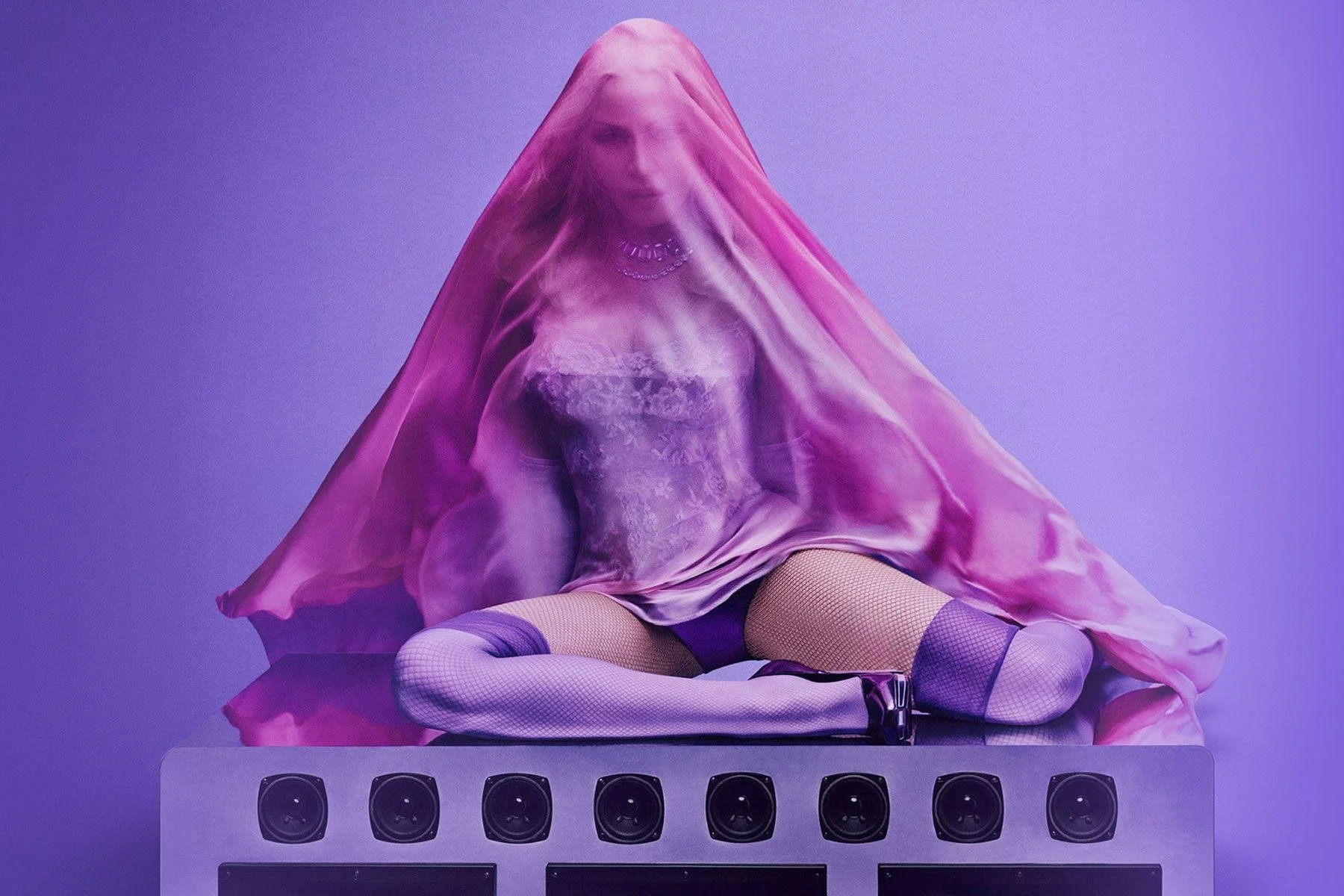
If you’ve already watched the iconic, celebrity-packed Confessions II short film, you might recognise the first six tracks of the album, which were already played in their entirety, backdropping the film. Each of these songs fades into the next seamlessly, gripping you into this groove-fueled rollercoaster that doesn’t let you off until it's reached its dramatic last drop.
The album opens with I Feel So Free, which builds slowly through breathy whispers that set the tone of the record before it breaks out into full dance beats. Sampling the Lil Louis house classic French Kiss, the beat feels very reminiscent of her 90s to early 2000s era — arguably her most experimental (and best) period.
After the Confessions II Film sequence immerses you back into the haze of the short film, featuring album heavy-hitters such as Danceteria and Bring Your Love featuring Sabrina Carpenter, Everything follows, marking the symbolic height of the rollercoaster, crashing into an auto-tuned frenzy that drills its beat deep into your skull. Love Sensation trails behind, breathing the much-needed girly house energy back for a song that already feels destined to become a dancefloor classic.
The latter half of the album drifts into a subtle melancholy, though still shrouded in high BPMs. Nonetheless, the beat exists only as a complementary touch, while slower, drawn-out chord progressions allow the listener to cool off after the non-stop dance break that acted as the first half. This builds toward the final track, L.E.S Girl, which abandons the dancefloor entirely, closing the record on a tender, love-lorn lullaby. Detailing the trials and tribulations of the Lower East Side life, she expresses a certain rawness and vulnerability that feels rare coming from the Queen of Pop — precisely what makes it land as such a poignant closing sequence.
Despite being a sequel to Confessions on a Dance Floor, the album manages to pay tribute to every era at once — echoing flashes of Ray of Light, Bedtime Stories, and Music in its ebbing synths and syncopated drum patterns. Each song becomes integral to a soundscape that maps out her club-crazy years of DJing in Danceteria and the entire NYC cultural bubble that surrounded it.
After years of re-releases and unmemorable albums, this record feels like a complete re-awakening, rather than a re-invention — in the best way possible. Trial and error has seemed to bring Madonna right back to her roots, where she rightfully belongs, culminating in one of her best albums to come out in twenty years.
