
PLUNGING INTO THE DEPTHS OF NETFLIX’S NEW SERIES ‘DETECTIVE HOLE’
words by FRANCESCO PIZZUTI
interview by TIMOTEJ LETONJA
From page to screen — Netflix just brought Jo Nesbø’s bestselling series to life in a gripping, binge-worthy adaptation impossible to look away from.
With the characters’ moral complexity being the central pulling force into the series’ world, you can forget the black and white clarity of words on paper. Now, on screen, everything slips even further into shades of grey as Detective Hole fuses the brooding atmosphere of Nordic Noir with an electrifying American-style pace and a spectacular production scale. The series follows Harry Hole, a smart but deeply troubled detective who has to navigate a string of brutal and psychologically complex crimes in Oslo. Known for his self-destructive tendencies, Harry is the case’s greatest asset but also its biggest liability.
In conversation with the cast and creators, it became clear how central this psychological tension is to the series. Nearly three decades after creating the character, Jo Nesbø found himself confronting a version of Harry that feels both familiar and estranged. “It’s of course not the Harry I imagined when writing — it couldn’t be”, Nesbø said. He also humourously remarked:
“I think readers of the Harry Hole series are allowed to keep their private Harry. We made our Harry. We built this guy from the ground up. He may seem like a real-life person to you, but he’s actually a hybrid of a human being and a robot. So this is Harry Hole. And it’s exciting to see him.”
Nesbø also attributed a lot of Harry’s character’s new shadows and facets to what Tobias Santelmann was able to offer as an actor playing such an iconic character, stating: “Tobias brings so much to the table that is different — and better — than what I imagined”.
The series is truly a character study. As Harry investigates these mysterious disappearances and killings, he is pulled into a twisted web of violence, manipulation, and buried trauma. The deeper he digs, the more the case begins to mirror his own internal chaos and struggles with addiction, shifting from work duty to personal obsession. On playing such a complex character Tobias shared:
“I think one of the challenging things is that Harry doesn’t really care much if people like him or not. I care if people like me, I care quite a lot. He doesn’t do anything to please others, even when it comes to normal human interactions. And that’s quite hard as an actor, because when I’m working with another actor, it can feel like I’m not giving them anything back since Harry’s can often be so stone-faced”
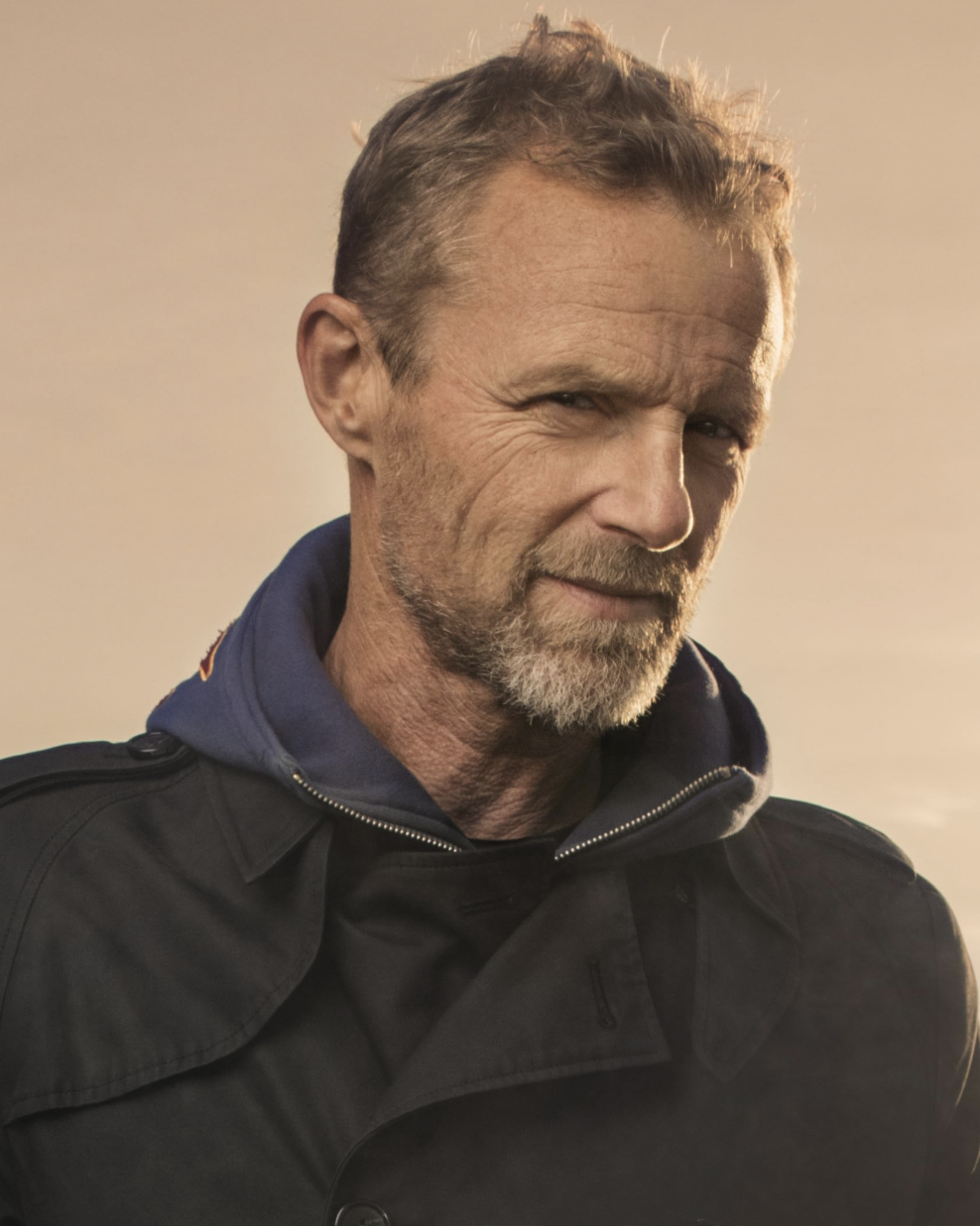
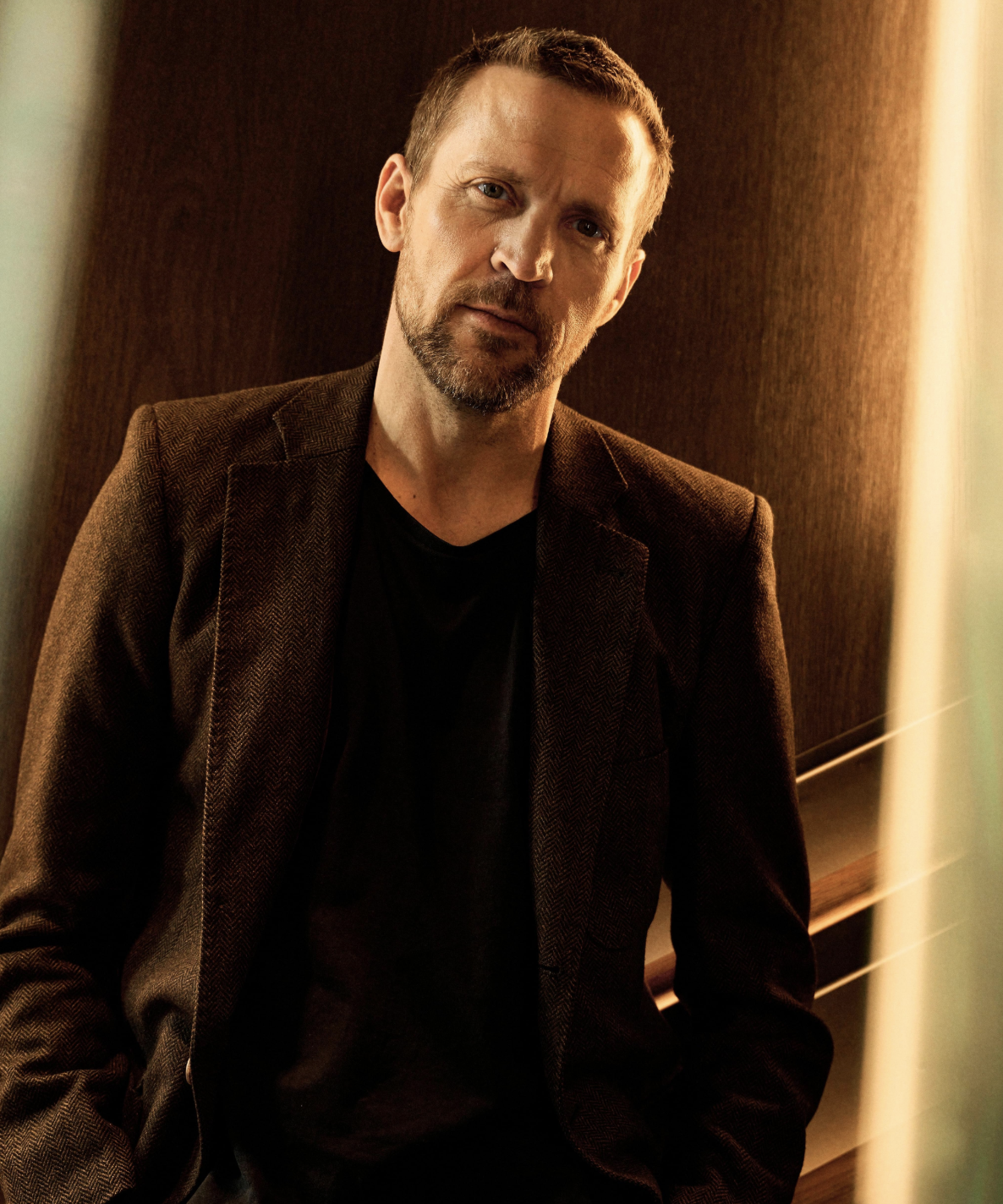
Jo Nesbø and Tobias Santelmann
all images via IMDB
This main character’s psychological depth extends very interestingly to the antagonist as well, creating a compelling dynamic of almost two anti-heroes. Played by Joel Kinnaman, Tom is one of Harry’s colleagues, who, while highly regarded by everyone and close to a promotion, is, in reality, very corrupt. He’s a man of many secrets, consumed by rage and violence; in a twisted way, he mirrors Harry’s most inner, darkest shadows. Joel Kinnaman highlighted the importance, as an actor, of understanding rather than judging such a character: “You have to find a way to love the person you are playing… to understand what made them this way. Tom has very little empathy, but he can feel empathy. And I found that distinction really interesting — someone who can act without empathy, but still has some capacity for it”. The result is a “villain” that feels real; shaped by distortion and contradiction rather than pure evil.
This psychological core is perhaps best articulated by Ellen Helinder, who plays the meticulous detective Beate Lønn. She emphasises the series’s focus on character as much as plot. “It’s not just about solving the crime”, she says. “It’s just as much about the emotional lives and ethical struggles of the characters.” It’s almost like the investigation is a tool; a mirror to the inner worlds of those involved.
When asked what might surprise audiences most, Helinder’s answer was simple: “probably the why”. It’s a response that speaks to the series’s deeper preoccupation with human behavior, with the characters’ motivations that often remain obscured and delayed, slowly unveiling the psychological fractures that drive both victim and perpetrator. Harry must, in fact, confront not only a ruthless antagonist but also the ethical and emotional consequences of his own being.
Everything unfolds in an Oslo like it’s never been portrayed before — dark and dirty —making the city feel like almost a character in its own right and rendering it incredibly refreshing to be able to witness something quite rare. As Kinnaman weighed in on the Nordic noir genre:
“I think the whole environment plays a huge role. We’ve never seen a Scandinavian city shown in this way. It’s very exciting for people from Scandinavia to work on something of this scale, with this kind of funding. I think the budget of this show is more than twice the previous biggest Scandinavian production”
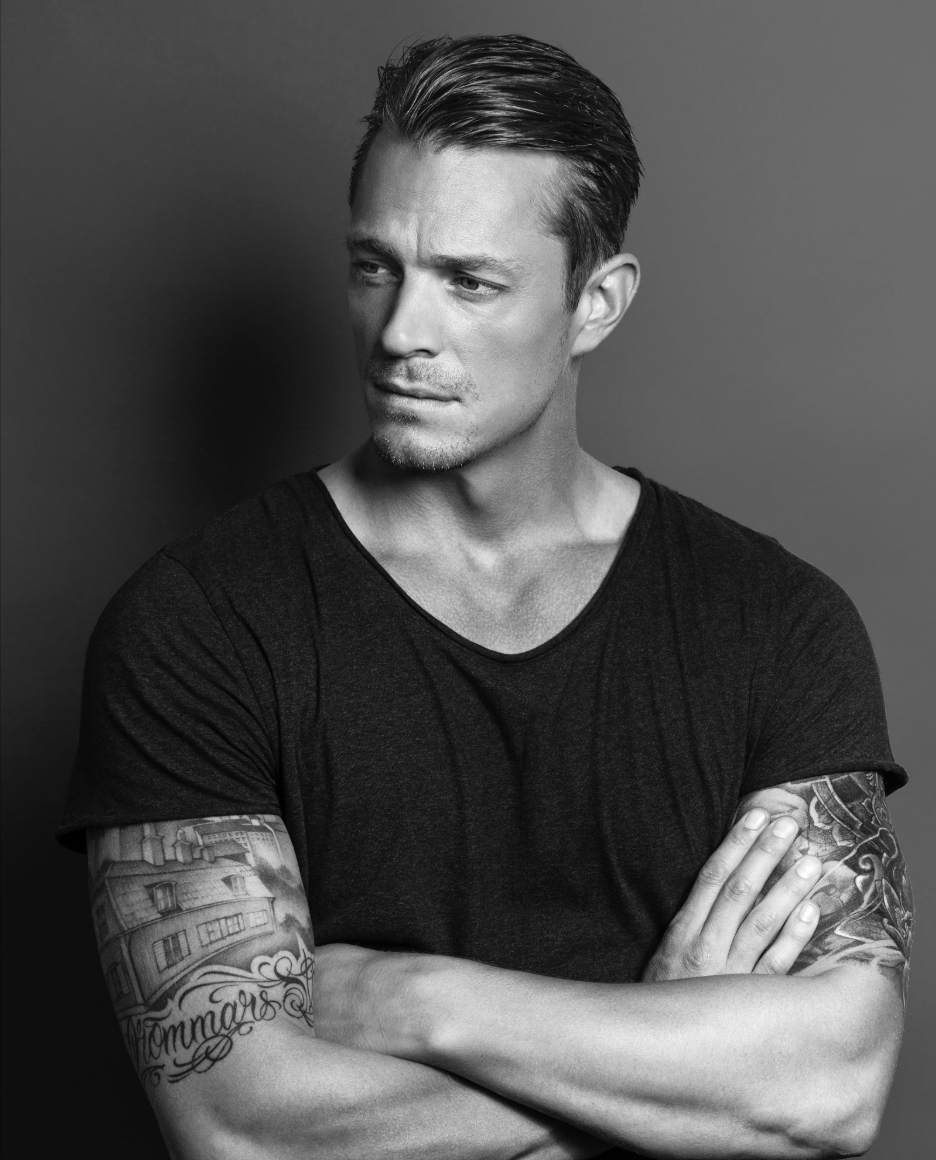
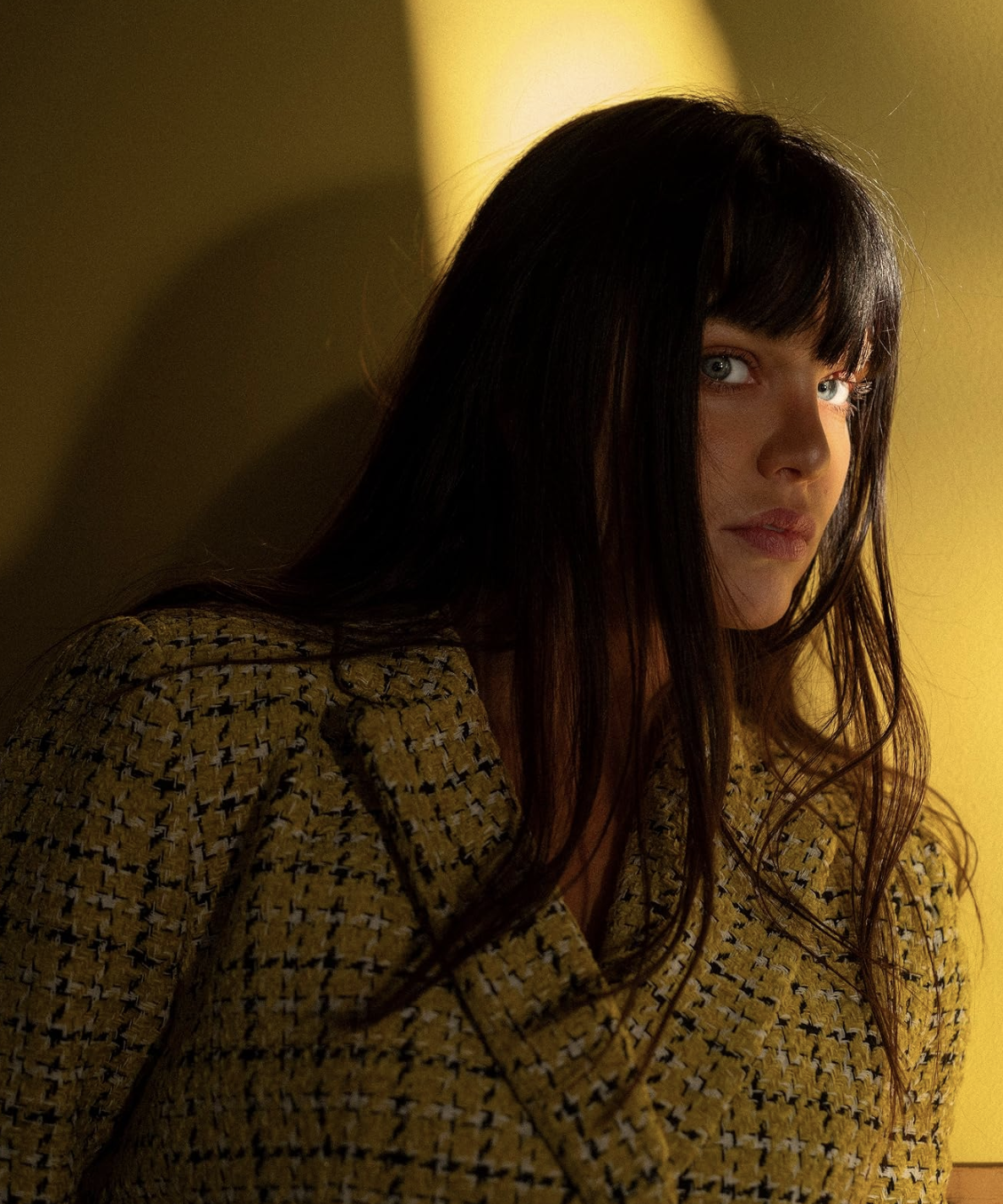
Joeal Kinnaman and Ellen Helinder
There is something so alluring about dark environments and gritty stories, a desire to know more that often borders on fear. As Kinnaman suggests, “we’ve always done this — sitting around campfires, telling stories of monsters and bad people.” These narratives create a shared space of curiosity, where the unknown becomes something to collectively confront.
At its core, Detective Hole is more of an investigation of the human mind, between violence, ptsd, addiction, and religious cults; it’s a story about obsession, where every answer only opens up deeper, more unsettling questions.
