
POP IS SO BACK! BETWEEN SELF-INDULGENCE AND RESISTANCE
words by FRANCESCO PIZZUTI
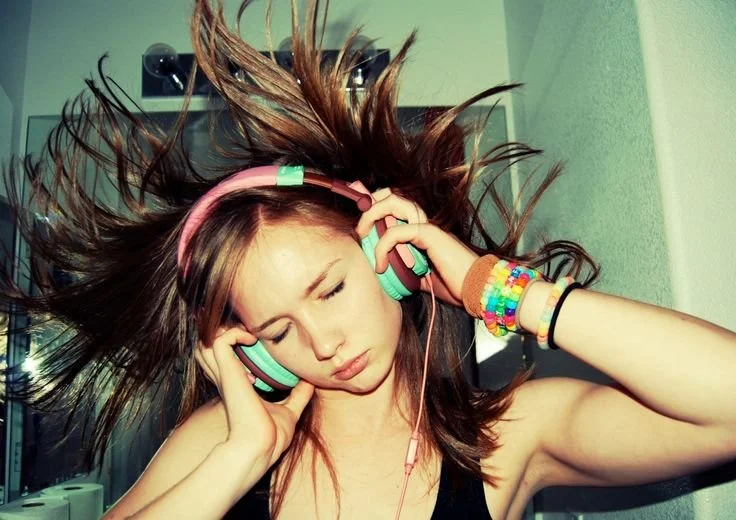
What do we do when life gets hectic, heavy, when it seems like everything in the world is going sideways and every anchor point starts to fail? Perhaps we turn inward, to what has made us happy in the past, and we hold onto that simple, unapologetic joy. In a similar manner, this year, we turned to pop music, and pop was there waiting for us: ready to embrace us, distract us, and remind us that sometimes we just need to have fun.
@extrovrt101 via pinterest
Of course, it's not like pop ever really disappeared — let that be clear. Pop has always been around, sitting comfortably in the charts and dominating playlists. But over the last half-decade, mainstream music began to shift. The biggest sounds became increasingly experimental, fragmented, and genre-blurring. Music was either hyper-stimulating and chaotic or deeply introspective, moody, and slow. Hyperpop exploded, alternative pop became darker and more atmospheric, and even chart-topping artists seemed interested in reinvention.
Until this year.
Over the last few months, there has been a noticeable resurgence of pop, and not just in terms of quantity. But more importantly, there is a renewed enthusiasm for the genre itself. Suddenly, catchy hooks, danceable choruses, and unapologetic fun are back at the centre of the conversation. From the Zara Larsson and Addison Rae phenomenon to Slayyyter's continued rise, Kim Petras's latest era with Detour, Marina’s comeback with Princess of Power, newcomers like ADÉLA bringing internet-age edge to pop stardom and the ongoing dominance of artists like Ariana Grande, Sabrina Carpenter, Olivia Rodrigo, Chappell Roan and PinkPantheress, pop feels exciting again. Not ironic, not guilty, just exciting.

@addisonrae via instagram
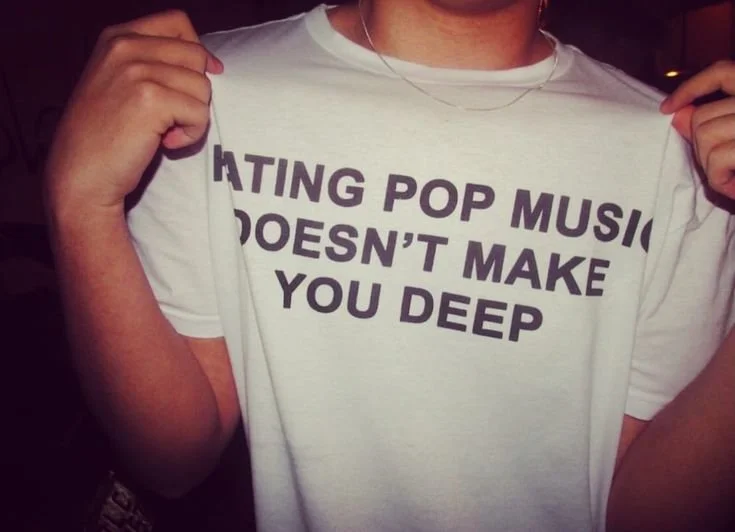
The question is: why? Haven't we spent years trying to move beyond this supposedly "commercial" form of music? Didn't audiences become more interested in niche genres, underground sounds, and experimental production? In theory, yes. But culture rarely moves in a straight line. In moments of uncertainty, people tend to seek comfort, familiarity, and pleasure. We gravitate toward things that make us feel good. Pop stars are returning, new ones are emerging, and audiences are responding with genuine enthusiasm. Moreover, this new wave is not abandoning experimentation altogether; it is simply putting fun back at the centre.
@atmosphsre via pinterest
None of this should actually come as a surprise. What we're witnessing is less a musical revolution and more a collective emotional response. It reflects a hedonistic need to break away from the uncertainty of everyday life. We are living through a moment defined by instability and relentless visibility. Everything is constantly in front of us. Every crisis, every political disaster, every war, every economic downturn arrives directly on our phones. The collapse of institutions feels too immediate, too personal, and impossible to ignore.
And perhaps that is exactly why pop feels so appealing right now. There is a strange exhaustion that comes from being aware of everything all the time. AI threatens entire industries. Conservative politics are resurging across much of the world. Many people feel powerless in the face of forces that seem far larger than themselves.
@jaillet2740 via pinterest
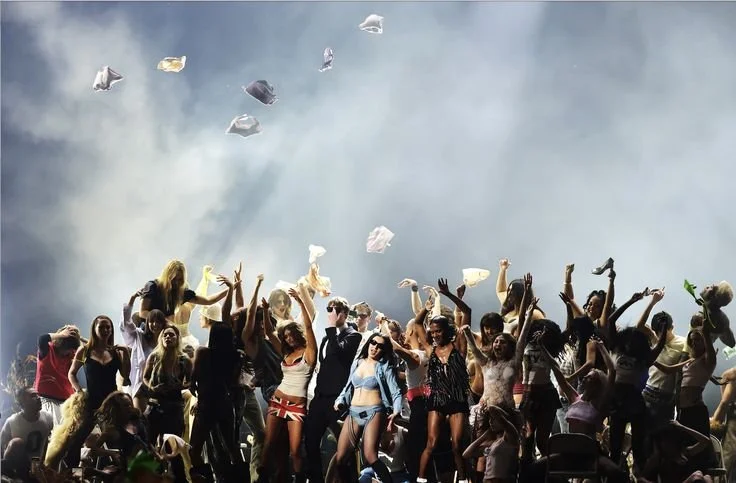
So what do we do? Maybe we dance
And not to ignore the problems or to not dignify them, but because the collective pleasure and joy of music and dancing have always been a form of survival, a form of resistance.
This is why artists like Marina continue to resonate. Her return feels perfectly timed. Throughout her career, she has understood that pop can be playful while still engaging with larger anxieties. Her music has always balanced escapism with self-awareness, offering fantasy without completely disconnecting from reality. In many ways, that balance defines the current pop resurgence.
@madonna via instagram
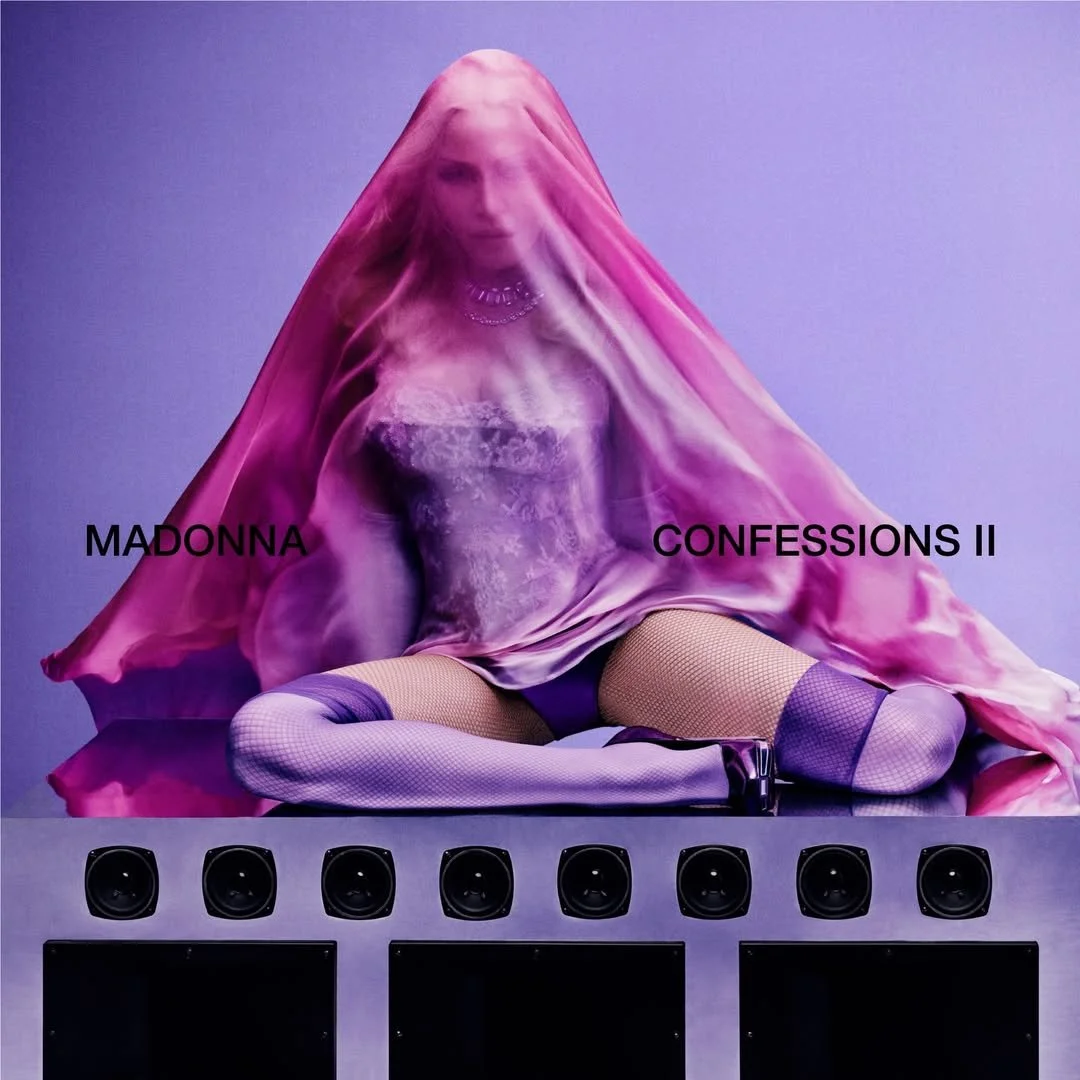
Even the legends are feeling the shift. Madonna is now preparing Confessions II, a sequel to her beloved 2005 dance-pop masterpiece Confessions on a Dance Floor. The lead single “Bring Your Love”, a collaboration with Sabrina Carpenter, signals a full return to euphoric dance music; glittery, communal, and designed to make us move.
Sometimes, having fun is not the opposite of caring; it is how we continue caring at all. And in a world that constantly demands our attention, our anxiety, and our outrage, this self-indulgent pop revival feels almost radical.
