
THE STAKES GET HIGH-ER IN ‘EUPHORIA’ SEASON 3
words by FRANCESCO PIZZUTI
interview by TIMOTEJ LETONJA
Almost five years later, Euphoria Sundays are finally back, with the third season premiering on April 13. We waited, we lingered patiently, ready to be transported back into the visual heaven and cultural monument that the show has become, and finally, the moment has come. It doesn’t come as a surprise that, like many of us, the series too has undergone a change of look over this half-decade; so yes, we can say goodbye to the manic high school storytelling and to the purple-and-blue sparkly hues and disorienting dizziness of seasons one and two. But, while they will be missed, if there is one show that never fails visually, it is Euphoria.
We can expect a “God and Country” season — as Sam Levinson has called it — tapping into Western visual culture and introducing a whole new set of characters and life experiences as we move from glittery parties and suburban claustrophobia into early adulthood. Five years after graduation, the kids from “Euphoria High” are now dealing with life in their early twenties, approaching adulthood as something threaded with moral instability, longing, violence, humor, and spiritual hunger. We spoke with some of the new additions to the cast, who will play a major role in this shift, as well as with others we got to know in season two, to get some exclusive insights into the new season.
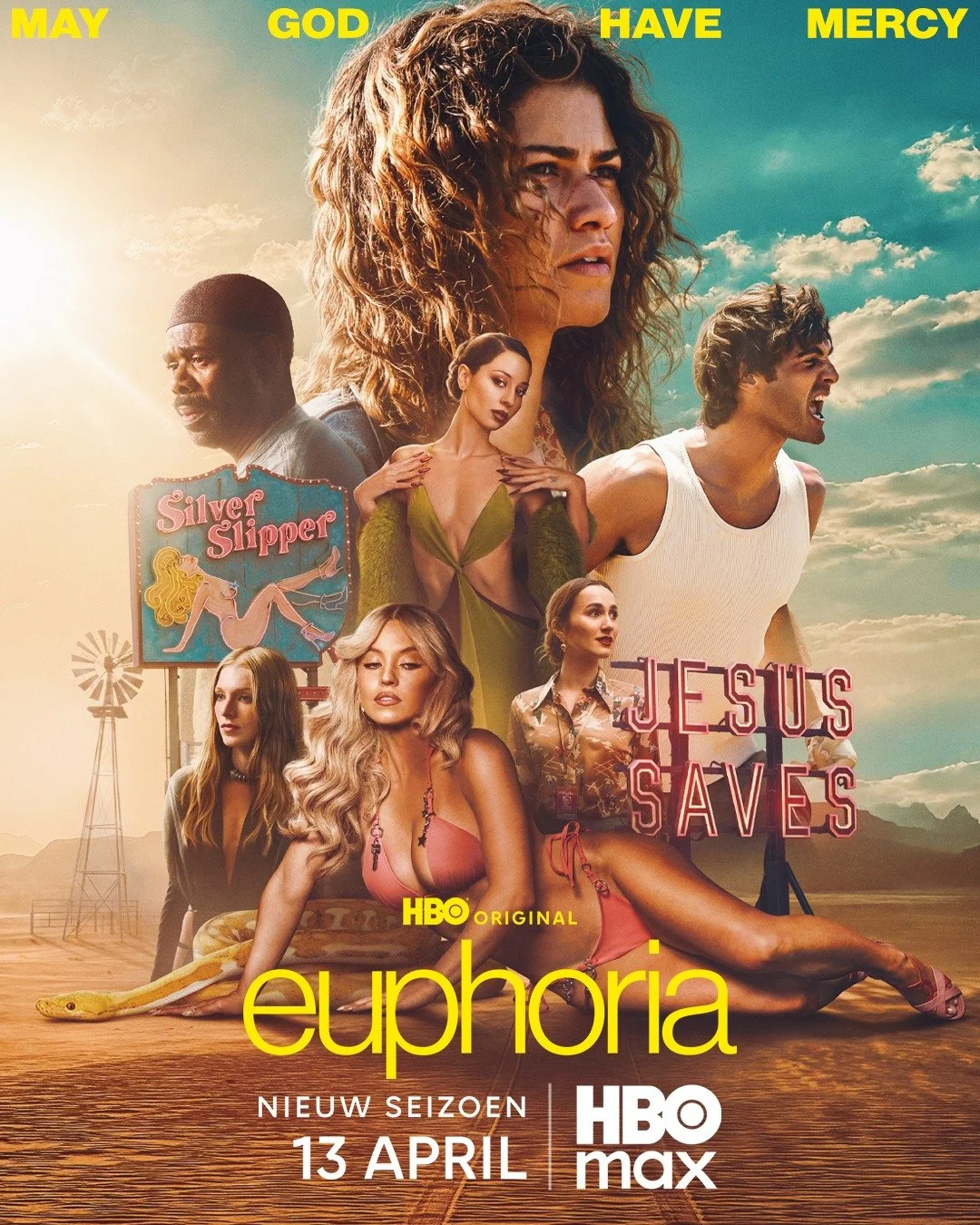
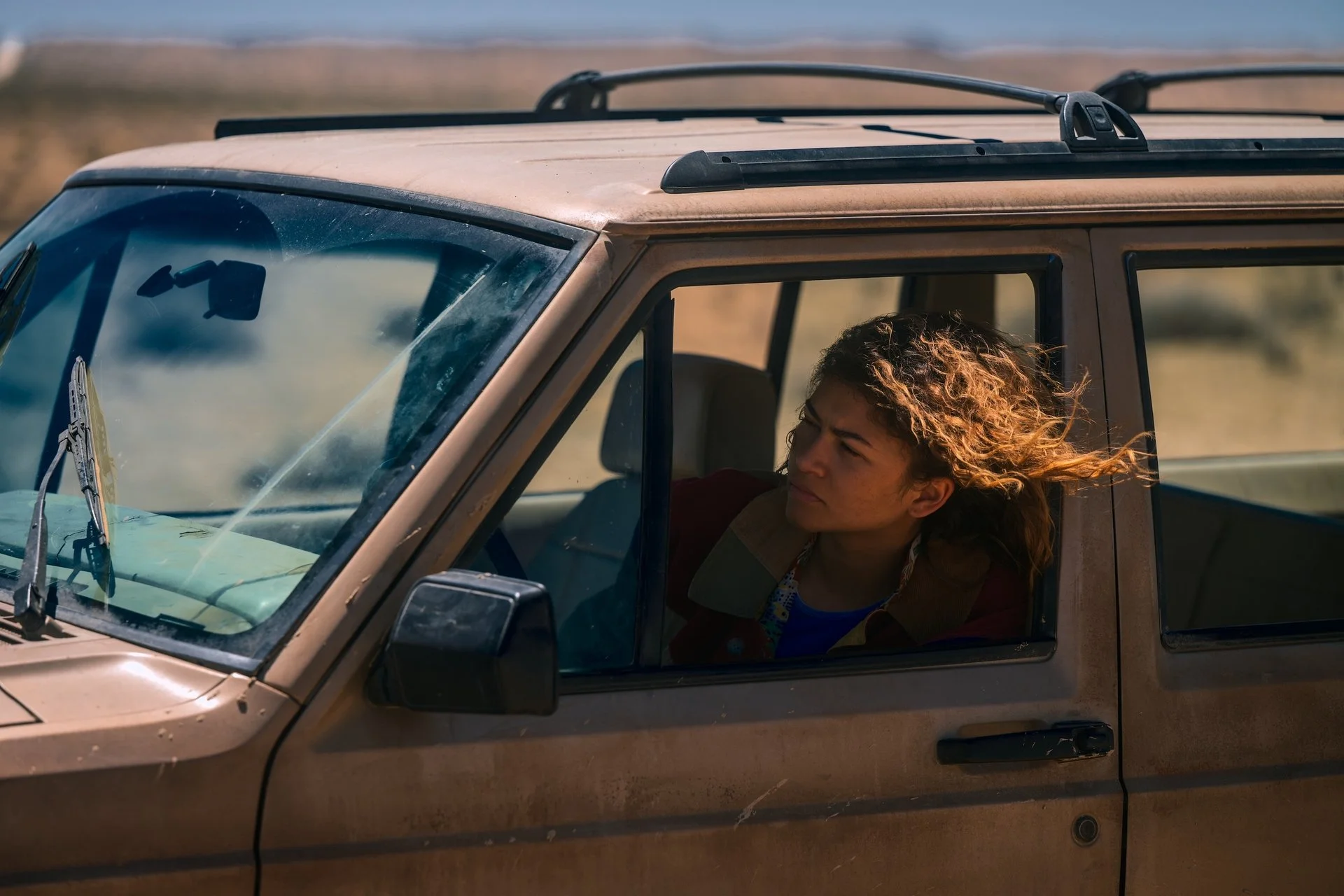
A shift was due; so the familiar interiors of bedrooms, bathrooms, and house parties give way to deserts, strip clubs, highways, and far-off horizons. Rather than staying enclosed within the emotional and subjective intensity of teenage life, season three asks what becomes of these characters once the rituals of youth have ended and there is no longer a script to follow. At the center of that question is still Rue, played by Zendaya, though the Rue we meet now is neither redeemed nor transformed. If anything, she is suspended between past and future, still haunted by addiction, still romanticizing what might have been with Jules.
Around her, the old cast returns in newly complicated forms. Cassie is chasing perfection at any cost while everything around her crumbles. Nate has inherited the infrastructure of patriarchal power while remaining trapped inside the damage caused by his father. Jules is caught between artistic aspiration and economic survival. Maddy, perhaps the most pragmatic dreamer of them all, tries to build a future on her own terms without sacrificing her sense of self. Lexi enters Hollywood, where ambition becomes its own moral test.
But what makes this season especially intriguing is the world they now inhabit and the relationships that come with it. Euphoria’s expansion introduces a new set of figures around Rue, most importantly, Alamo, the strip-club owner played by Adewale Akinnuoye-Agbaje. In conversation with the actor, it became clear how Alamo is less a conventional villain (not that we were expecting any differently from Euphoria) than a man whose empire runs on force, charisma, and theatrical cruelty. As Akinnuoye-Agbaje told us, Alamo is impossible to reduce to a single identity.
“He’s certainly a businessman; he’s built his empire on strip clubs. He sells guns out in the back rooms. He sells drugs. He sells people… and he believes himself to be the emperor of that empire. The way he acts might look chaotic to others, but in order to become — especially in America — successful as a black man, whether it’s a criminal success or a legitimate one, you’ve got to be organised in some way, shape, or form; chaotic or not.”
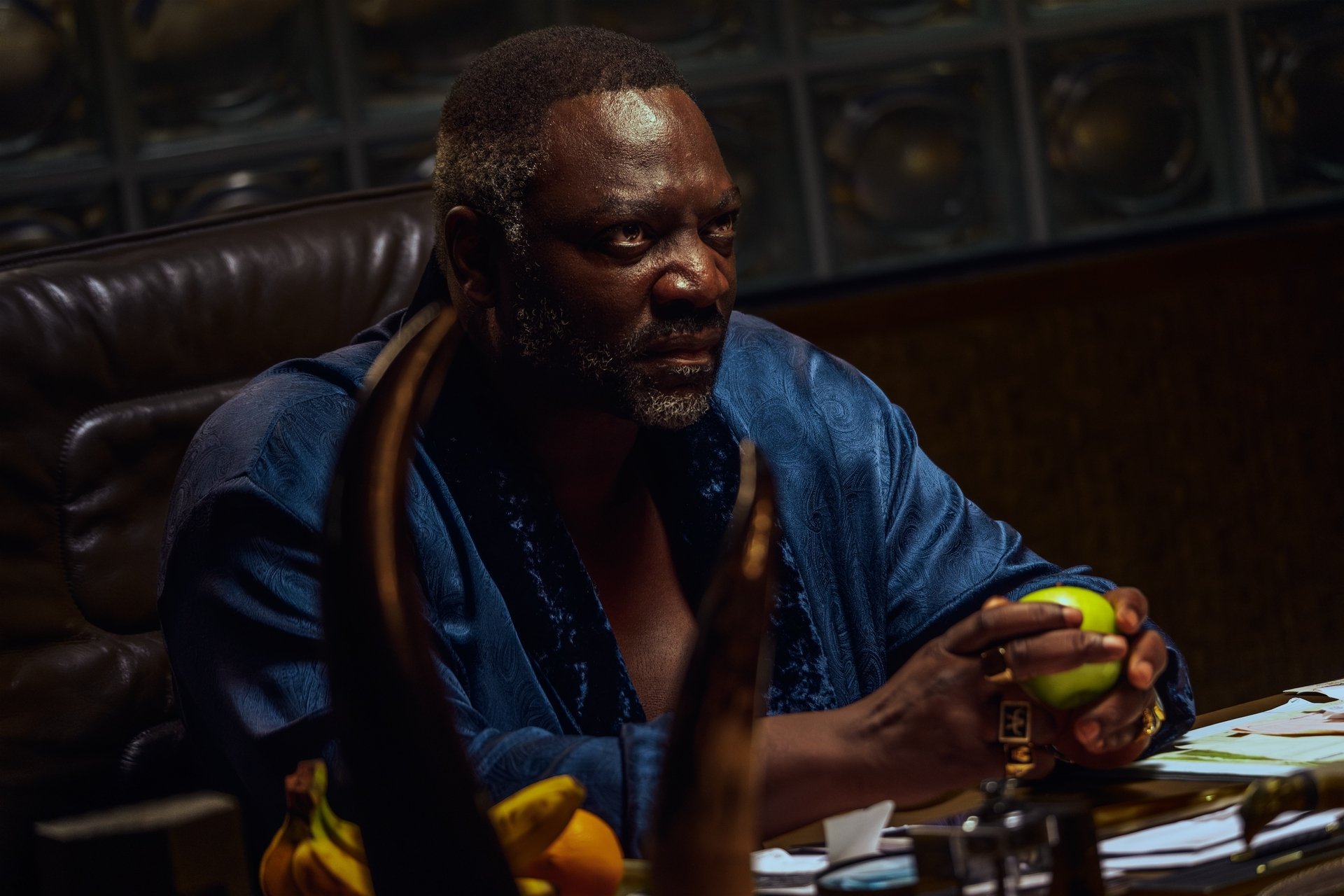
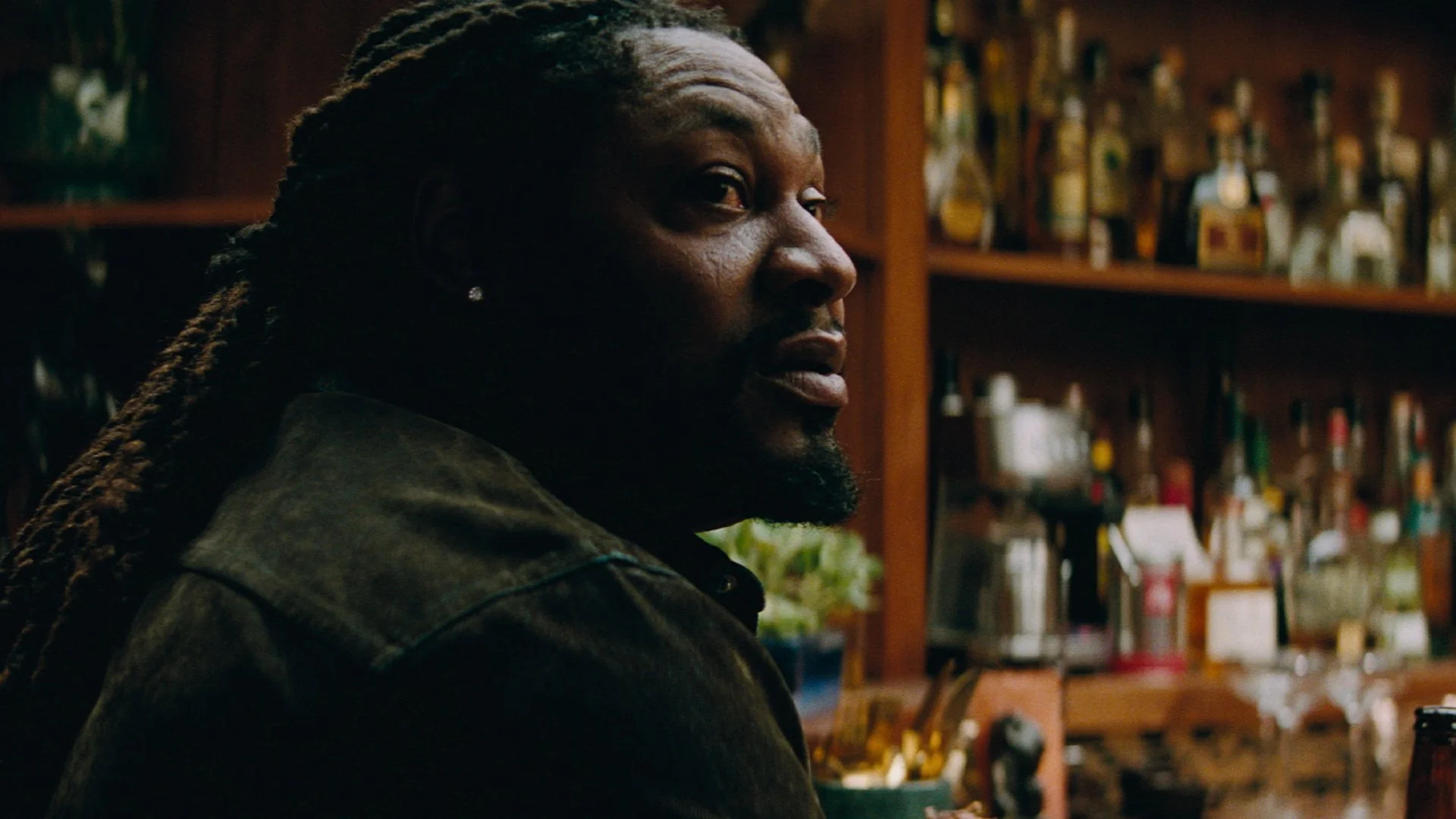
His performance seems to hinge on these contradictions as Alamo is both organized and erratic, a ruler whose chaos is deeply pleasurable. This idea of drama as pleasure feels essential to the season at large. Euphoria has always been excessive, but now it seems more knowingly so, embracing darkness and its potential absurdity. This tonal shift comes through strongly in the new ensemble surrounding Alamo, including Darrell Britt-Gibson’s Bishop and Marshawn Lynch’s G. Their dynamic appears to bring an unexpectedly comic current.
Lynch told us that this humor was not something rigidly predetermined. “I kind of think that it gradually developed”, he said, “It was a process of more so me just trying to figure out who this dude really is and how he’s really moving”. With Lynch and Britt-Gibson’s leading with instinct and looseness, the result is a trio framed by danger and menace but elevated by comic unpredictability.
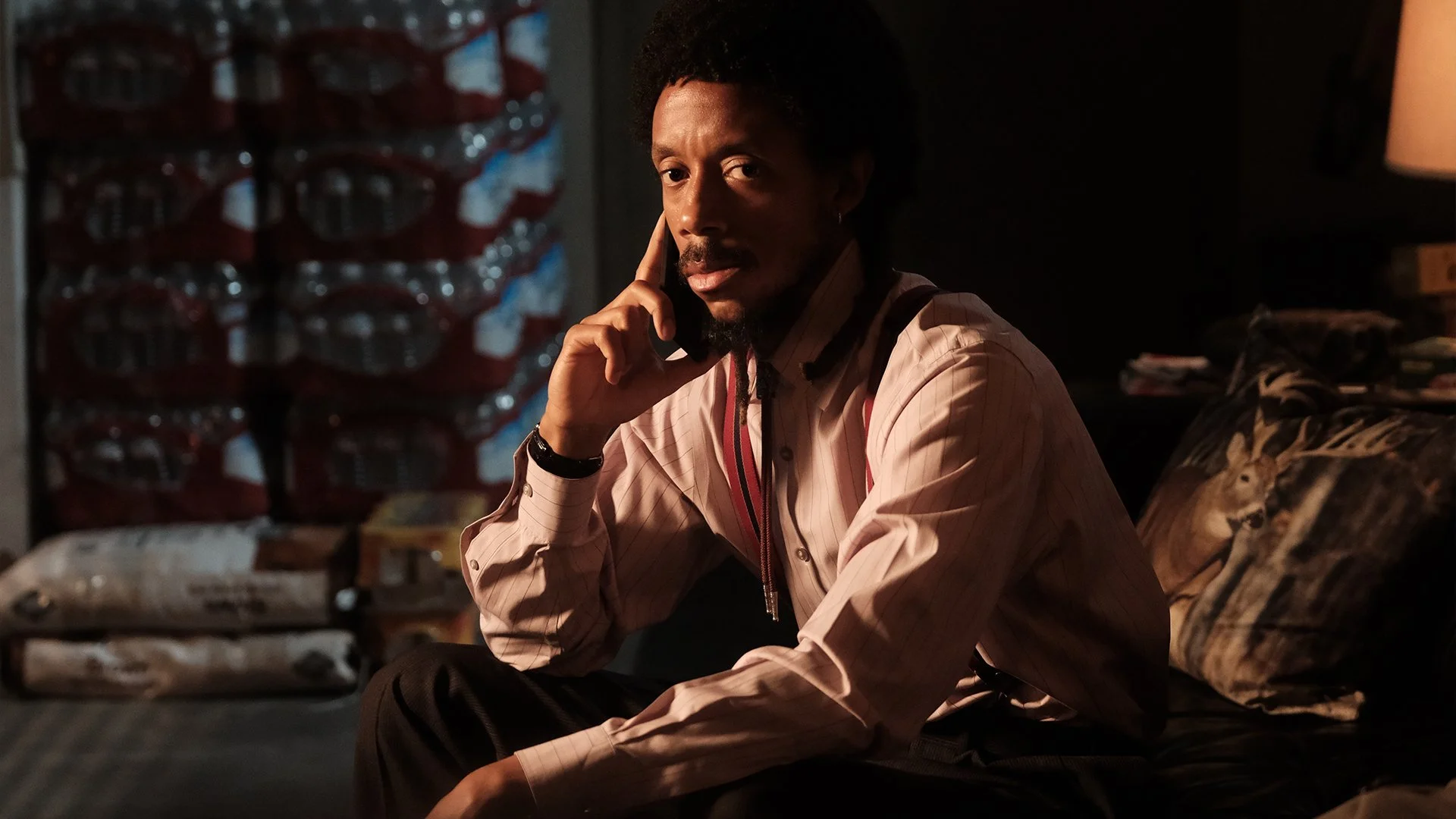
That same tension between brutality and humor also defines the season’s return to Laurie and Faye, played by Martha Kelly and Chloe Cherry. Both actors were clear about the strange comic charge running through very heavy and dark material.
“Some of the scenes that were very high stakes to me were genuinely so preposterous and so ridiculous and so over the top with how dark it was that it almost became funny. Dark humor became a kind of coping mechanism both on set and within the characters themselves.”
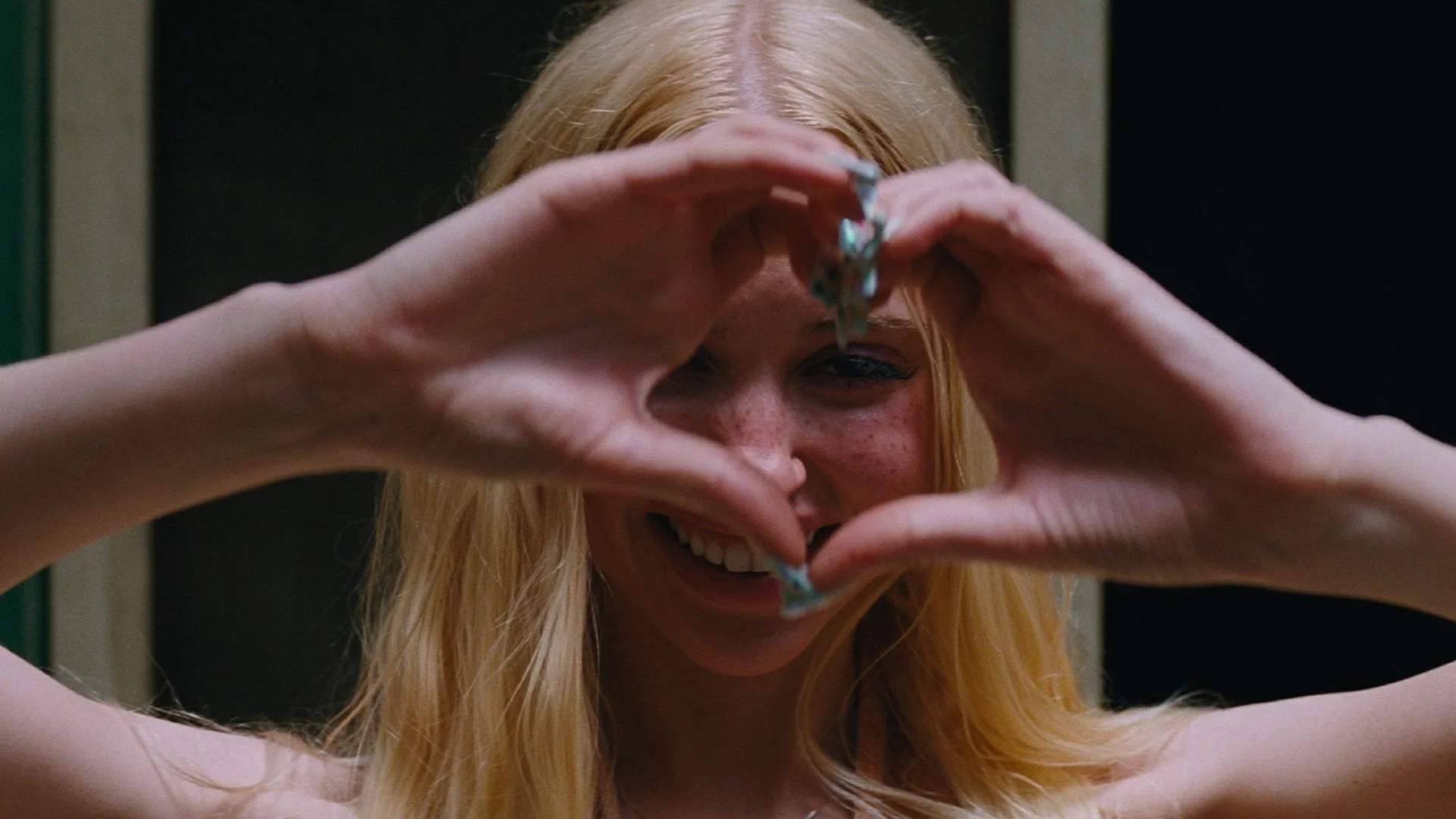
Kelly, whose background is in comedy, agreed with Cherry. “There was a lot of joking around between takes, and it was really fun,” she told us, adding that she often asked if she could try a funnier version of a line.
“Towards the end of the season, I said to Sam, ‘I’m sorry I keep trying to make this into a comedy,’ and he said, ‘It is a comedy.”
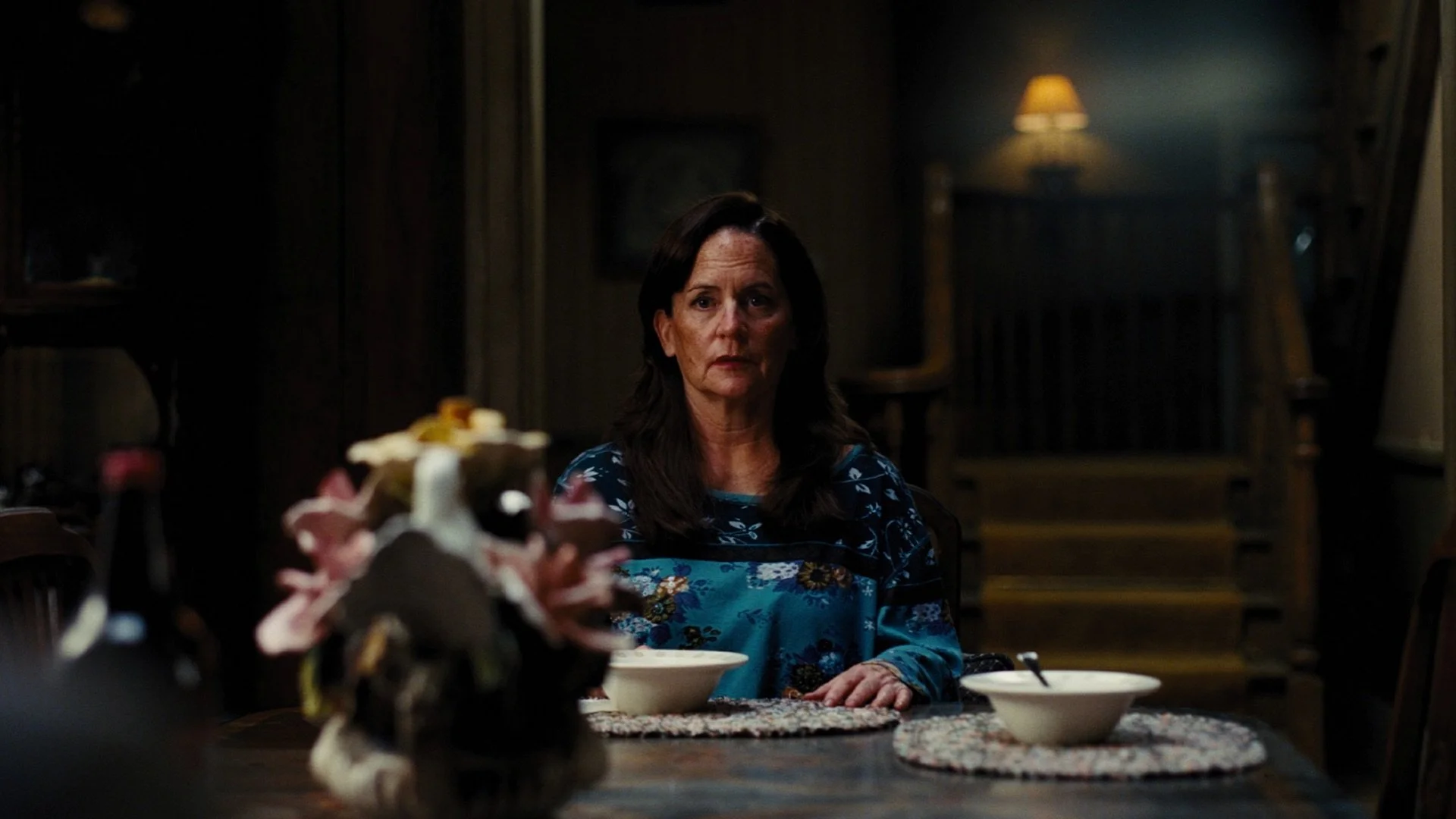
Obviously, it’s not like Euphoria has suddenly become light and season three is clearly not going to be a full-on comedy, but it feels newly interested in the grotesque comedy of power and uncontrolled darkness. But beyond that, this new season simply feels big; expansive and destabilizing in every way, part neo-Western, part black comedy, but still unmistakably Euphoria.
