
‘WHY WE RUN’: A NUMÉRO NETHERLANDS X NEW BALANCE EDITORIAL
words by MADELEINE WOON
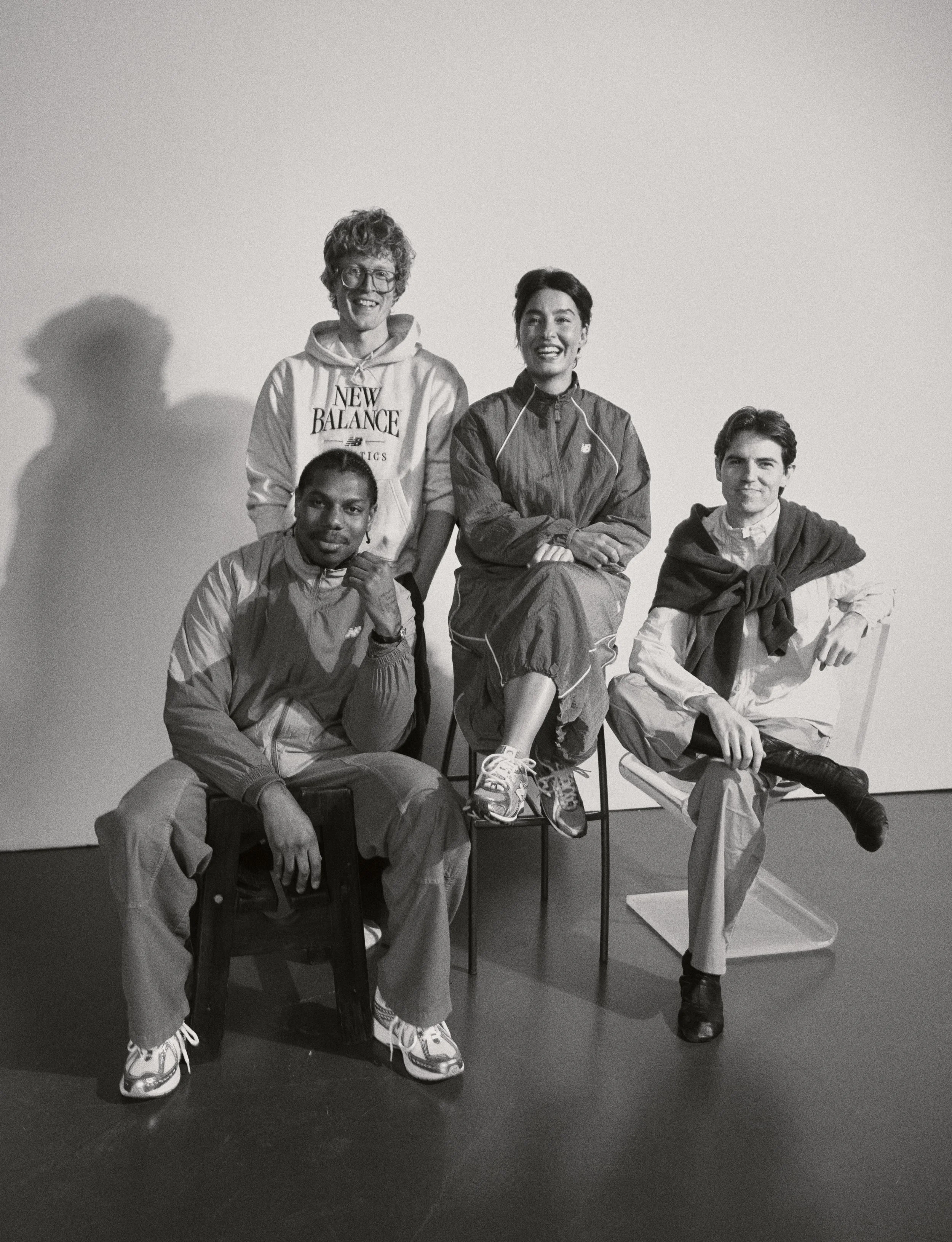
Running is often framed as endurance, but its real pull is harder to define. It can empty the mind or sharpen it, impose structure or simply create space. What persists is the return — again and again — to the same motion. We speak to four creatives from different disciplines about the role running plays both in their practice and the way they move through the world.
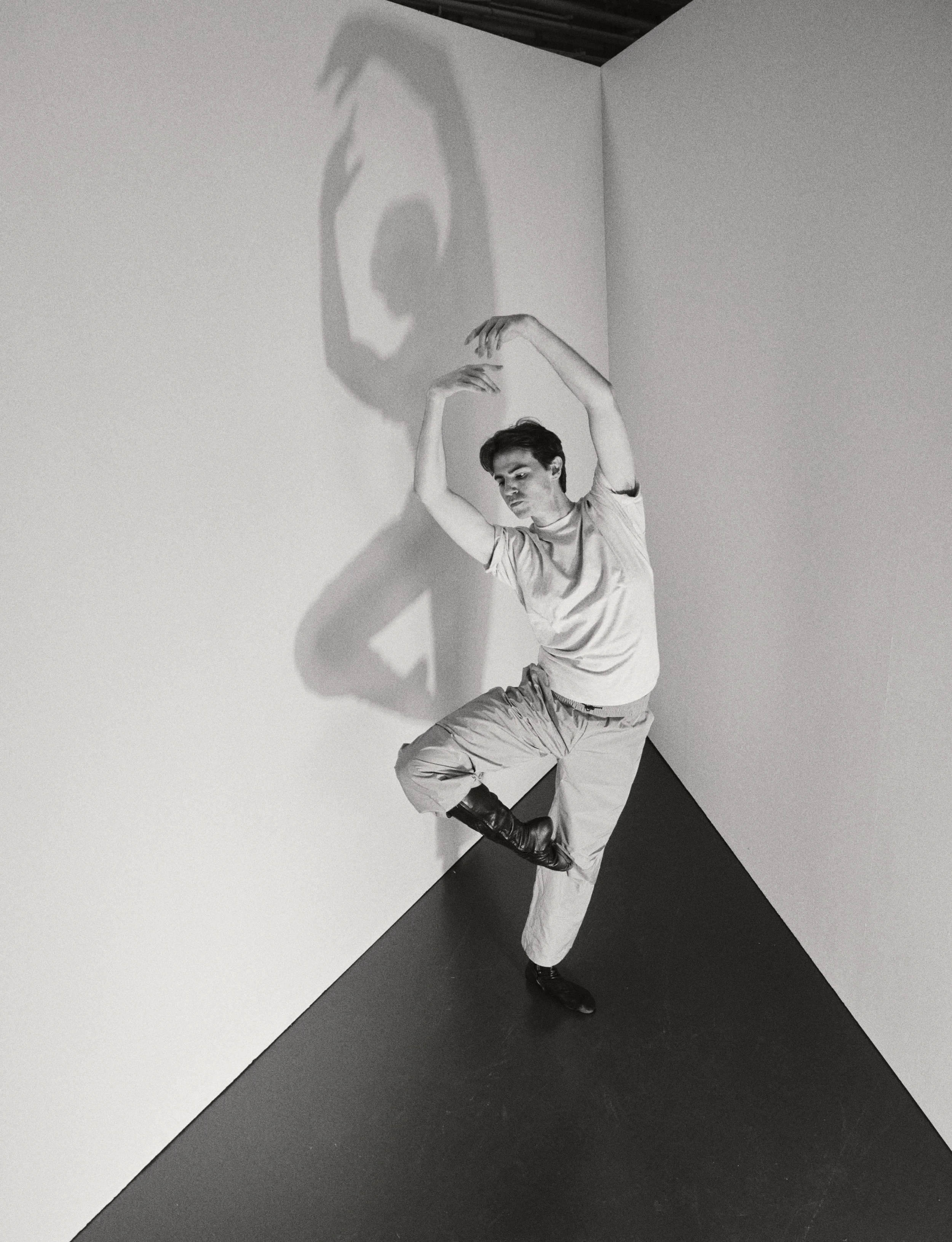
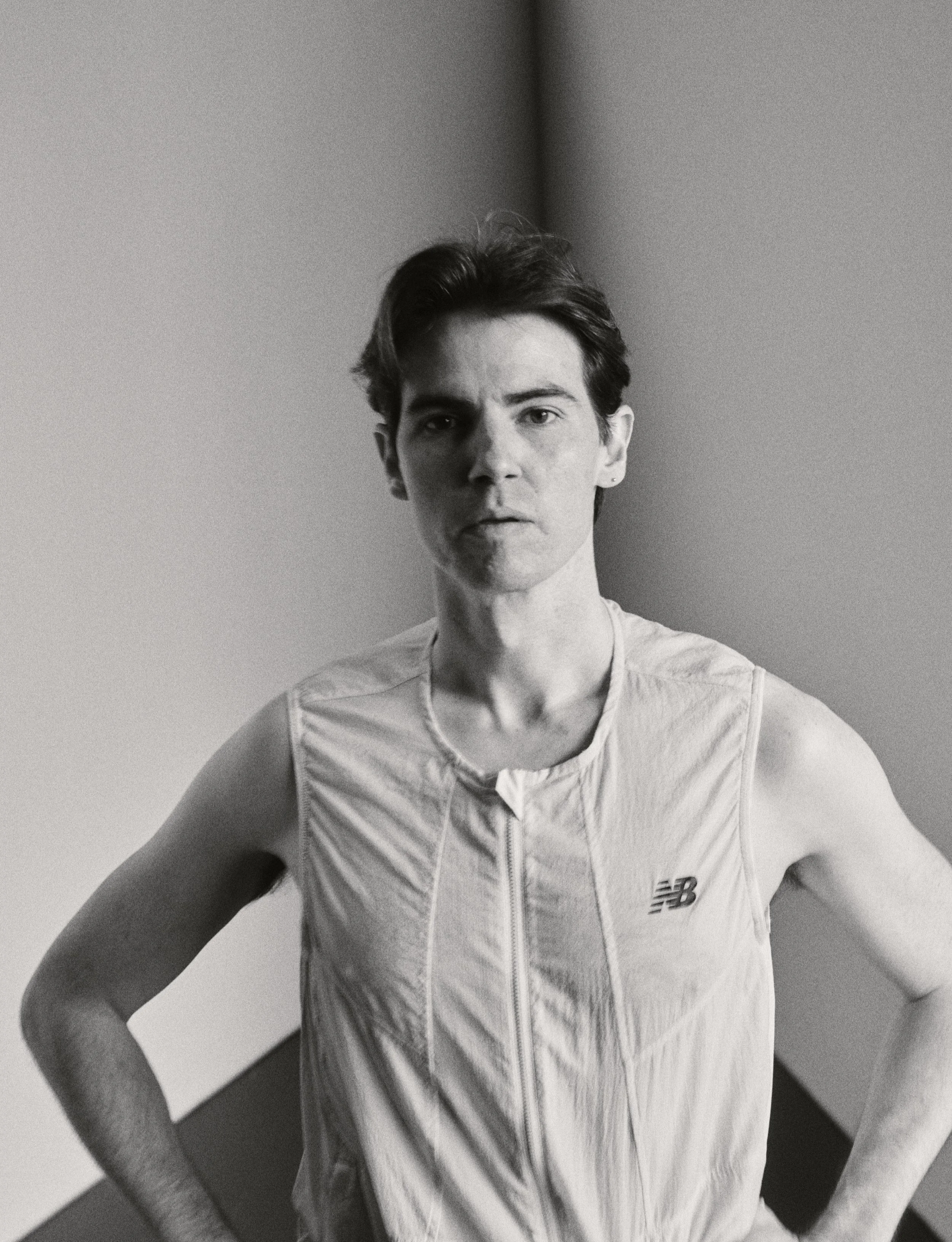
JARED WRIGHT
Ballet Soloist and Movement Director
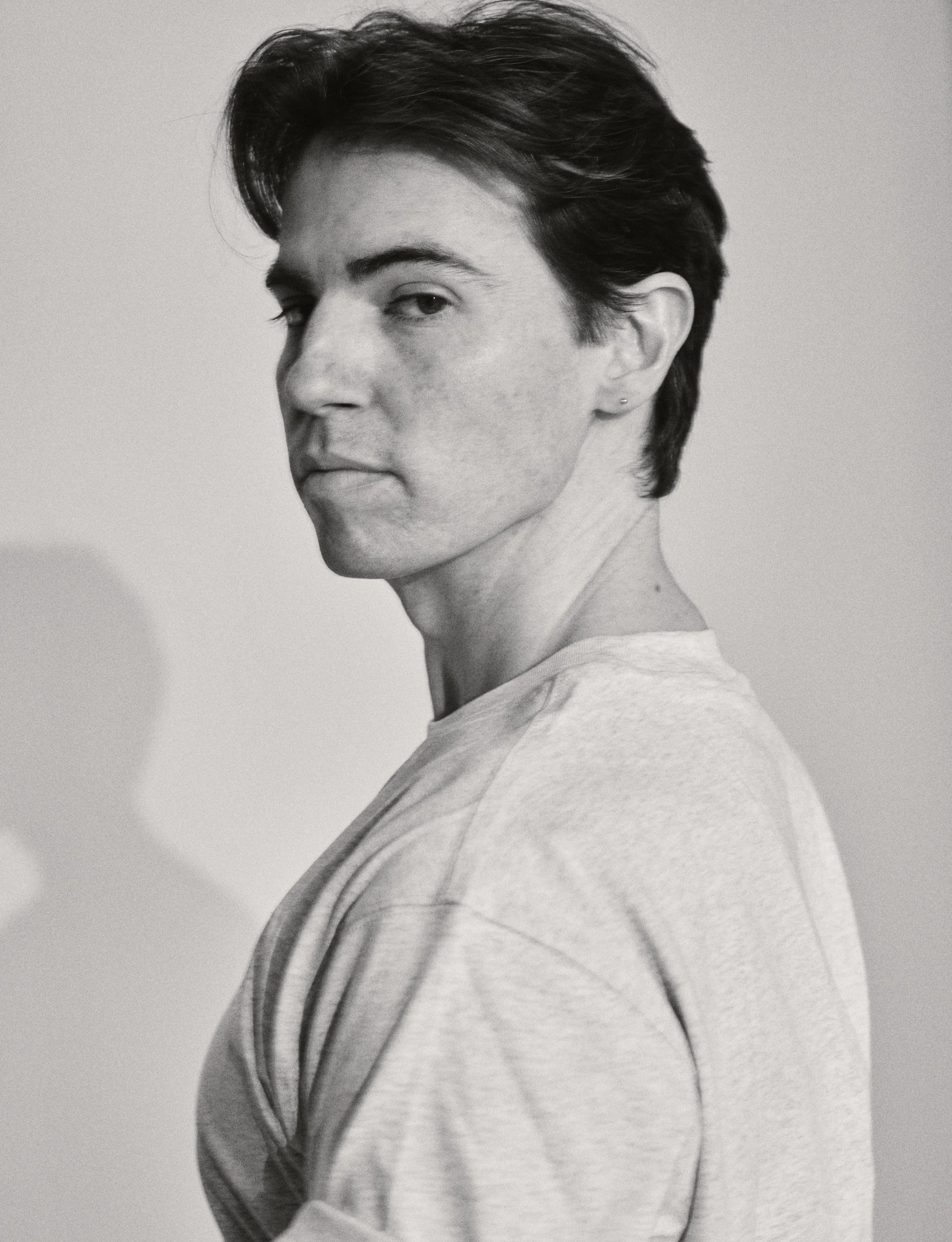
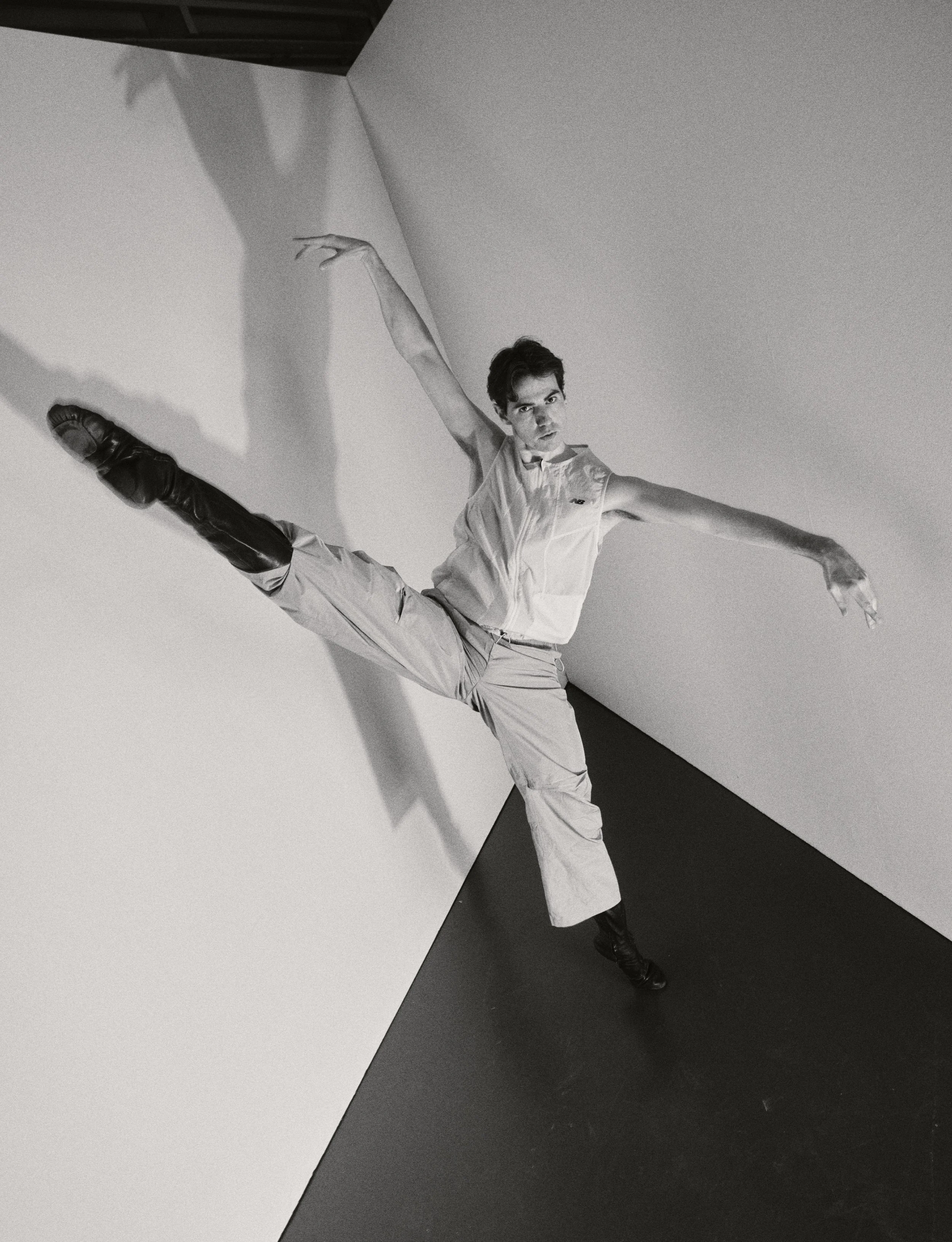
all looks NEW BALANCE
“Running is the closest endorphin high I have to performing Swan Lake.”
MADELEINE WOON
Why do you run?
JARED WRIGHT
I use it almost as a meditative state. That’s what classical ballet class became for me during my career, and that’s what running has become for me now. It’s one of the ways I like to move. Running also gives space for creativity. It opens my mind and feels like a higher connection of self to something bigger.
MW
Discipline and repetition can create freedom. Does that resonate with you?
JW
Yes! In ballet, you learn structure from a young age, which essentially gives you the freedom to move how you want to move. Discipline and structure are the cornerstones of freedom, really. If you don’t have structure or discipline, your creativity can’t fly. That structural foundation in the body becomes the basis for many other forms of movement. I think that idea translates across everything: athletes, performers, artists.
MW
What parallels do you see between dance and running?
JW
Many. Dance is not always repetitive in the same way as running, but there are certain productions where the physical repetition is very strong. Both involve pushing the body and connecting with yourself. When you run you’re also expressing something — that life force energy moving through the body. For dancers, running also becomes a repetition. You get into that repetition and almost a trance state. It gives you mental space.
NURCAN TUZKAPAN
Founder, Studio3000 and New Gymnasium
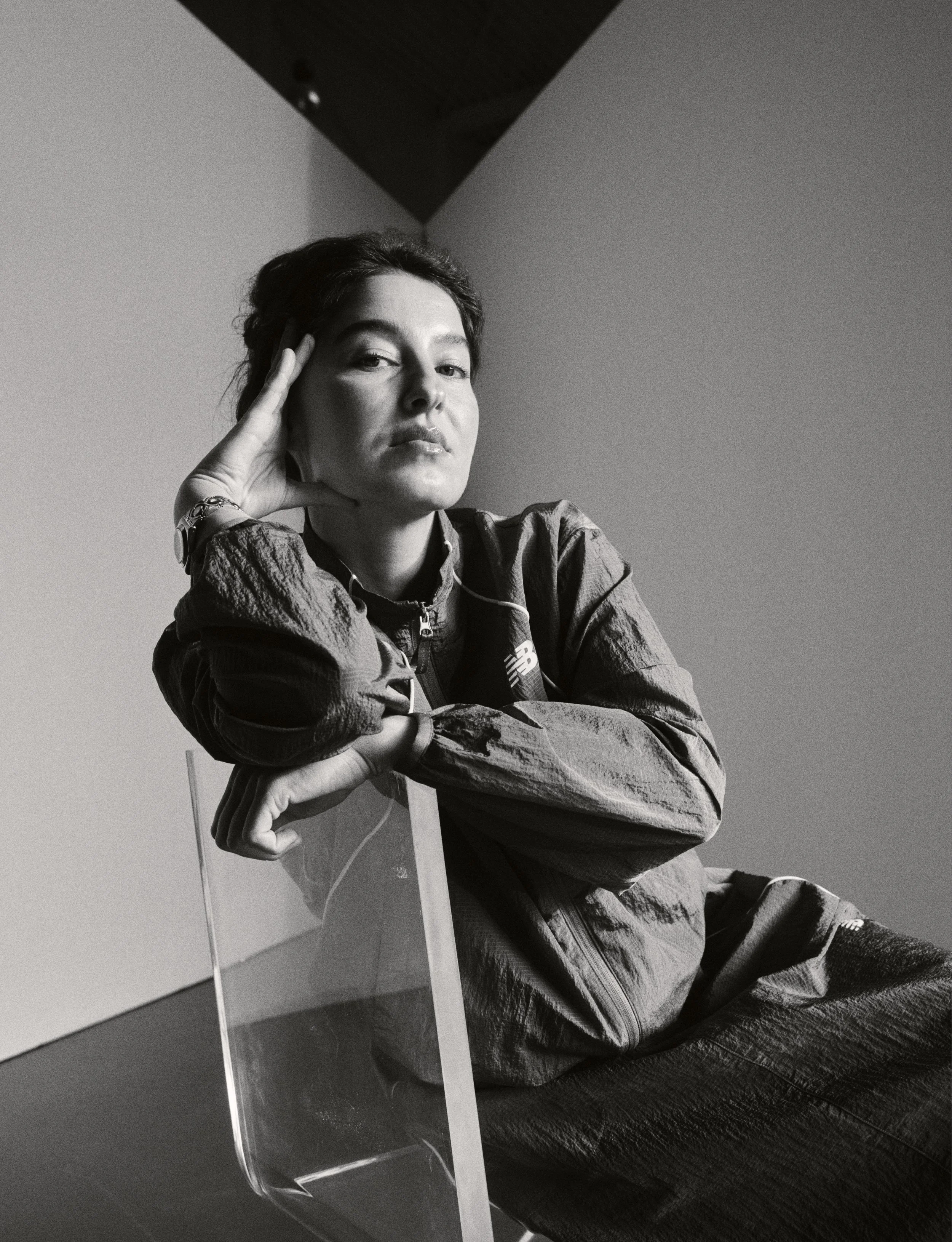
“Running is about showing up for yourself, for others and for your dreams. I love to dream big.”
MW
Why do you run?
NURCAN TUZKAPAN
To stay fit, but also to stay sane. And now that I think about it, after my runs, my mind does feel clearer. I also sleep like a baby on days I run.
MW
What do you think about when you run?
NT
At first, my head fills with thoughts and to-dos when I run, but slowly that turns into creative ideas. I often end up sending myself voice notes with ideas while I run.
MW
Running is often solitary, while your studios are deeply communal spaces. How do those two experiences balance each other?
NT
It’s perfect for me because I’m an introverted extrovert. I love my work, meeting people and being surrounded by their energy, but I also really enjoy being alone. I travel alone, and I like to run alone too. There’s something about setting your own pace and making your own decisions that I love.
BILL ALLISON
Chef and Content Creator
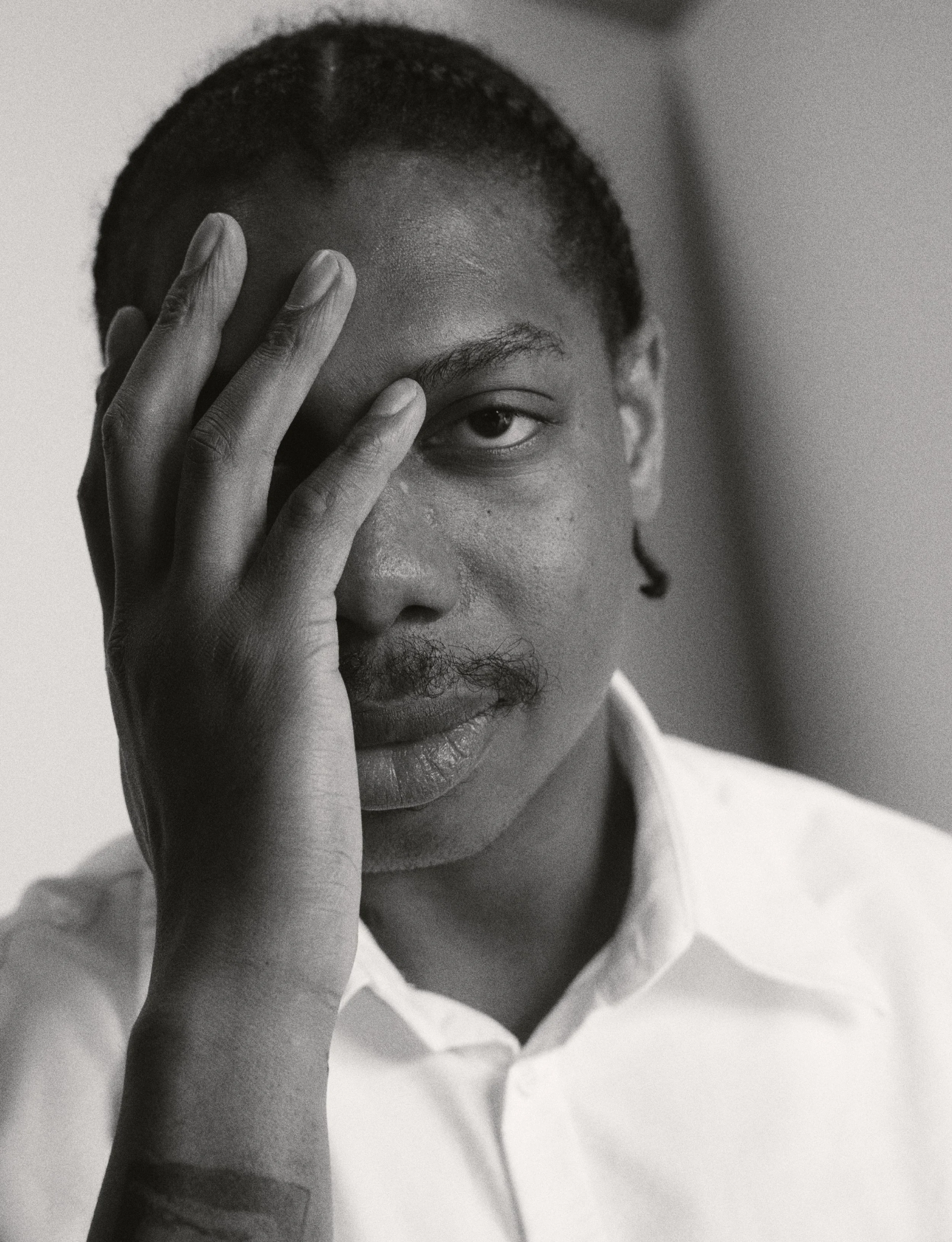
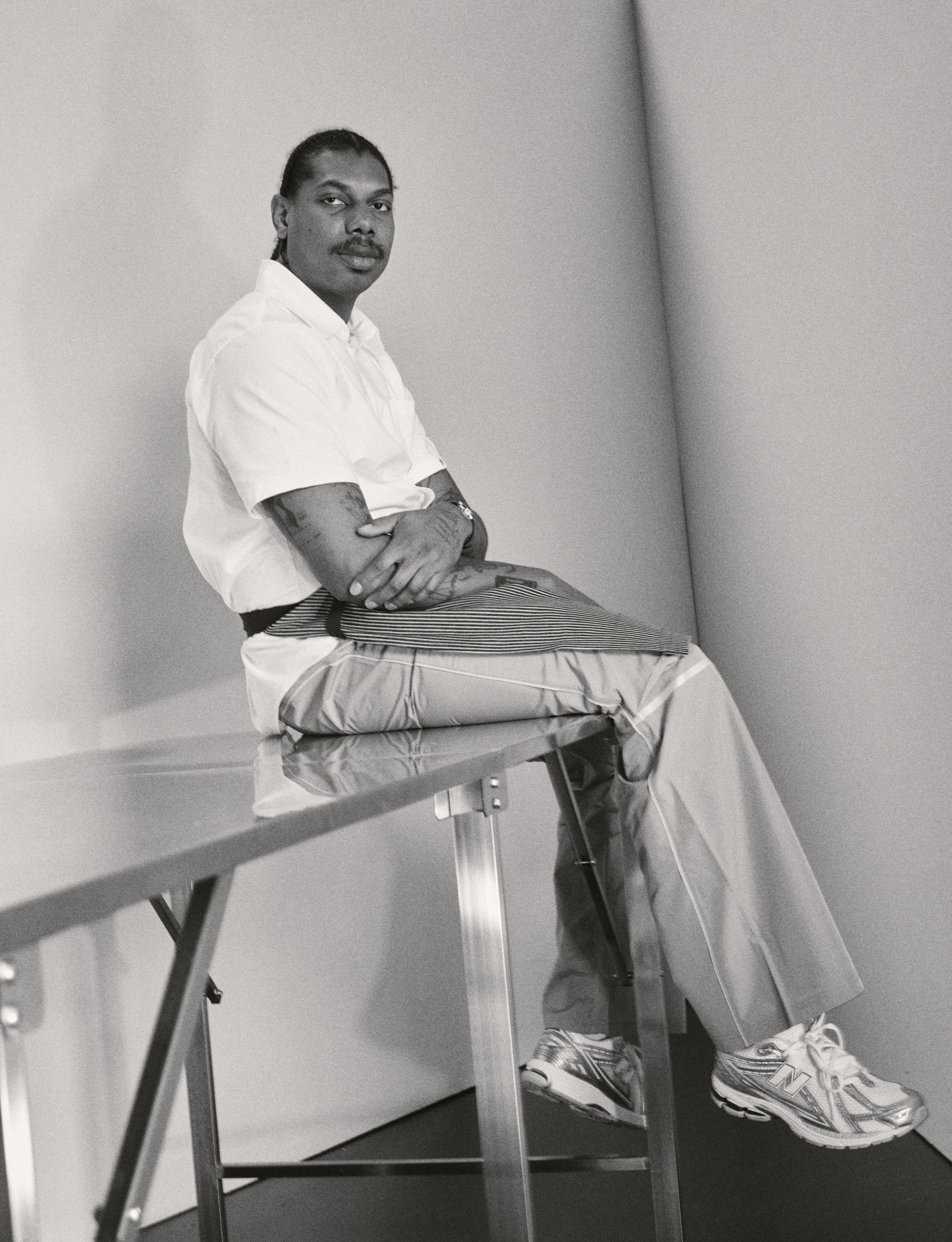
“Sometimes when I run, I completely blank out and a kind of euphoric feeling takes over. It’s difficult to explain; it almost feels like floating. My legs are moving, but I barely notice them.”
MW
Why do you run?
BILL ALLISON
I don’t run for accolades or ego. It’s simply something that fuels me. Running keeps me accountable — I almost use it as a measuring system for my life. As a chef and content creator, I’m chronically online, so running becomes part of my day where I’m completely free from everything.
MW
The hospitality industry has often glamorised long hours and burnout. How has running helped you find balance?
BA
Many people in hospitality believe it’s impossible to take care of yourself while working in the industry. Running is actually incredibly simple. You can run before or after work. One kilometre or 10 kilometres, it doesn’t matter. What matters is consistency. Building habits that make your life better. Once you build that consistency, you start showing up differently in the rest of your life.
MW
People accept that running requires training. But with creativity, we often expect inspiration to just appear. Is discipline as important as talent?
BA
Running humbles you very quickly. If you take time off or neglect recovery, you feel it immediately. Discipline isn’t just about eating well or stretching. It’s about running slow when you want to run fast, not comparing yourself to others, sticking to your routine and, maybe most importantly, resting.
OLLEE MEANS
Furniture Designer
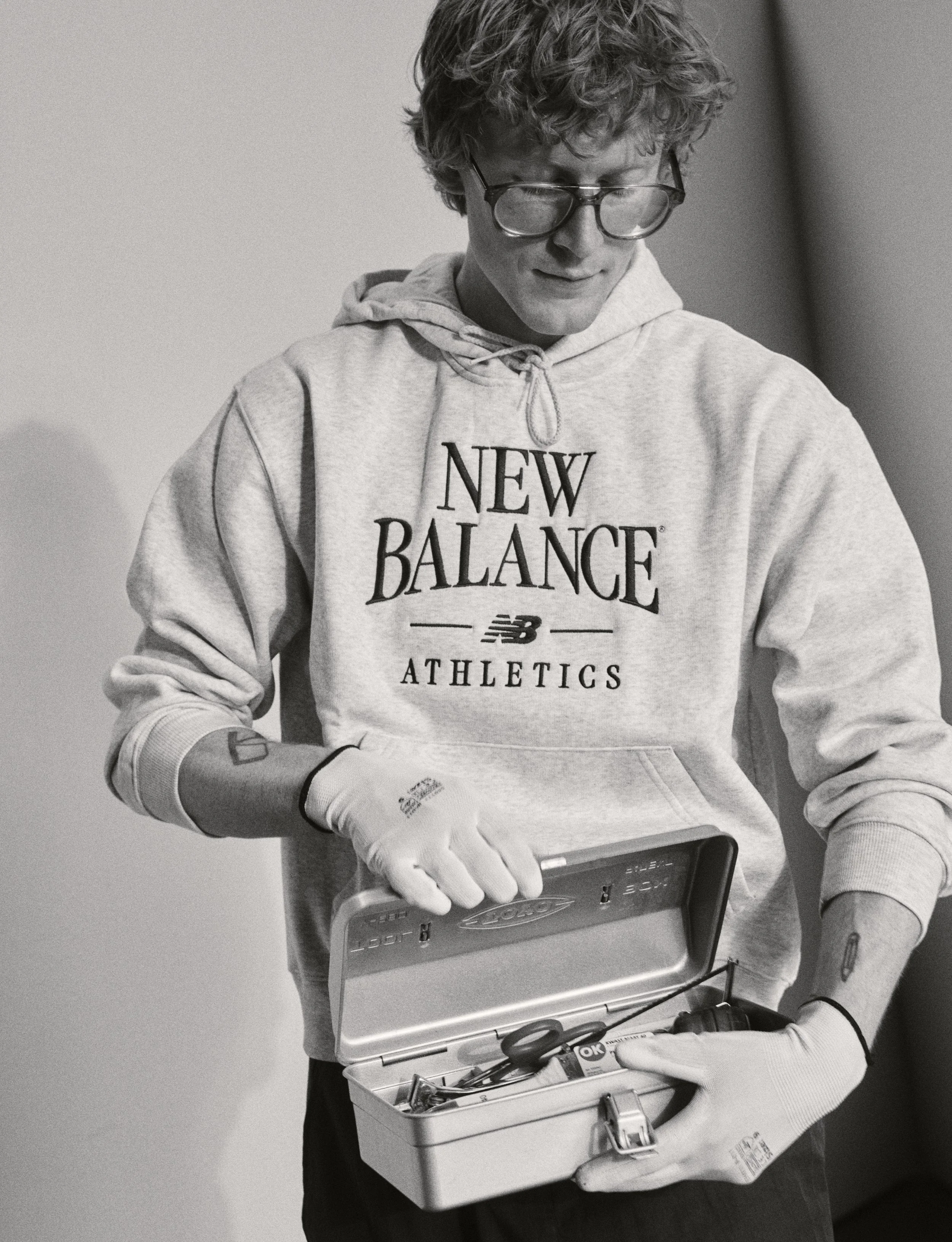
“Running creates long stretches of quiet where thoughts settle and ideas can slowly take shape; in the studio, the same can happen.”
MW
Why do you run?
OLLEE MEANS
To keep the mind rested and the body fit.
MW
Do design ideas ever arrive while you’re in motion?
OM
Rarely do complete ideas arrive. Those usually come in the shower or in a quieter space with music. However, I’m often working out details when I run. Small technicalities that need some thought. Sometimes I do need to just run, but then I’m running hard and fast, so my mind is focused on keeping me alive rather than design.
MW
What parallels do you see between design and running?
OM
Both demand a tolerance for monotony and a willingness to continue when progress feels slow. Over time, the repetition becomes constructive rather than mechanical. It sharpens perception, strengthens discipline and builds the endurance needed to sustain a practice over many years.
MW
Do you see running as a creative endeavour at all?
OM
Life is a creative endeavour.
TEAM CREDITS:
talents BILL ALLISON, NURCAN TUZKAPAN, OLLEE MEANS and JARED WRIGHT
creative direction and set design JUAN LLOBELL
photography BAS VAN EST
styling RAFAELLA BARBA
production NADJA OZEGOVIC
PR SAMBA ESTUDIO
editor MATEO DE LA VEGA
photography assistance ANGUS FRASER
