
words by AYA SOFIA OPPENBERG
Every time a genius falls from grace, the question circulates through our digital discourse: can we love the work without endorsing the person behind it? Or is “separating the art from the artist” a very convenient loophole?
Last weekend, Amsterdam-based Galerie Serieuze Zaken opened a solo exhibition of new work by Juliaan Andeweg, who was recently convicted of rape, sexual assault, and repeatedly abusing his former partner. In other words: a gallery show gives an artist visibility, status, and commercial validation, and the art world seems to be welcoming him back as if nothing happened.
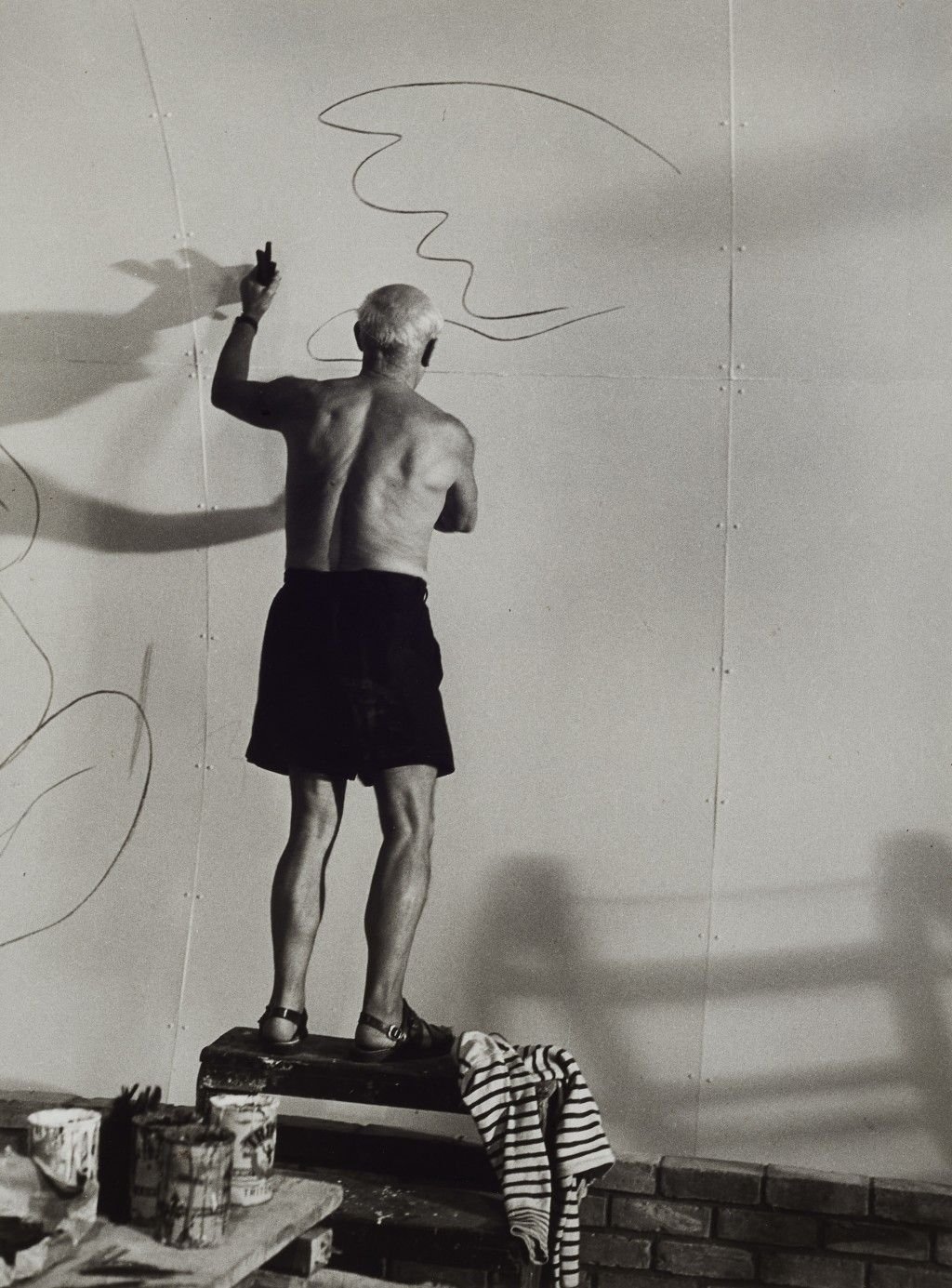
Art can quickly become something autonomous, floating free from its maker. Once released into the world, it becomes ours to interpret, project onto, and defend. This is a comforting idea as it allows us to love the art on the wall without reckoning with the real-world harm we may be subsidizing. Except, it raises the uglier question of what this means to those that were hurt, and what message is being sent to those, whose rehabilitation matters the most?
To our ignorant dismay, art, fashion, and music carry fingerprints of power dynamics, obsessions, and many blind spots. The same nuances that shape a body of work often shape the harm surrounding it. And occasionally, what we try to overlook can also be where the work gets its charge — look no further than Kanye.
Fashion, among all industries, makes this tension more visible than any other. The physical act of wearing a garment blurs the intimate line between creator and creation, when we, as consumers, physically embody the work. One often finds themselves mentioning Jonathan Anderson or Daniel Roseberry, rather than Loewe or Schiaparelli, because in today’s age of bite-sized, viral fashion commentary, we have come to understand the creative director is the house.
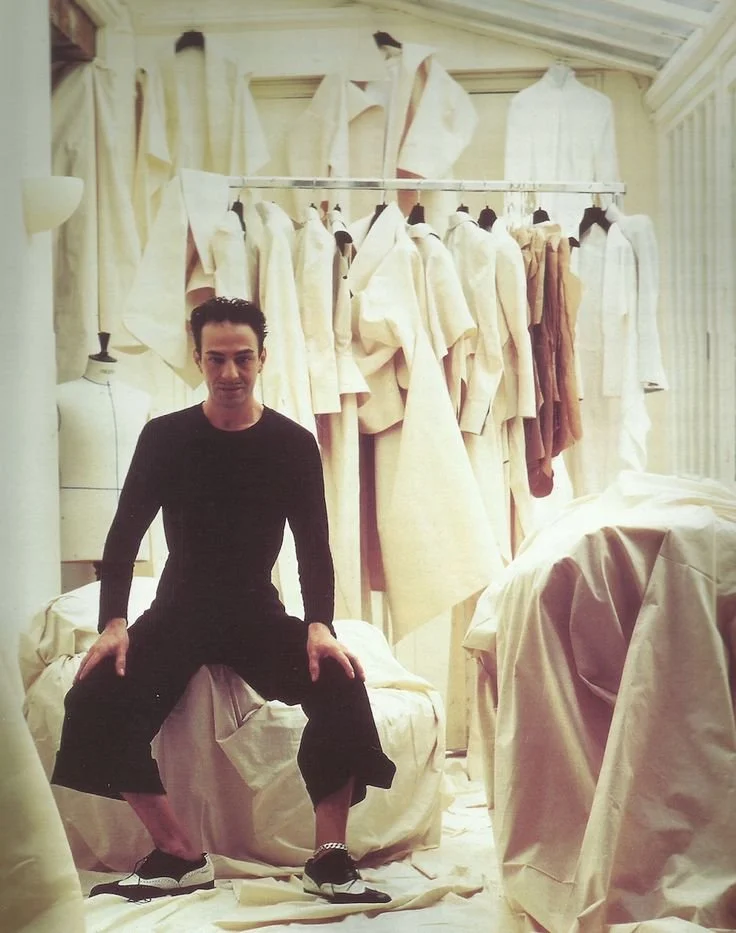
When John Galliano delivered his infamous antisemitic rant in the then-iconic and now-overrated La Perle in Paris in 2011, crumbling down with Galliano’s reputation and reverence came the thousands of archive pieces residing in wardrobes and the era-defining Dior Campaigns. This irreplaceable body of work was now attached to an irredeemably ugly moment. Then again, it remains a fact that many would still do crazy things for a saddle bag.
Still, the reality is messier than a hard yes or no. Art and music have a strange afterlife, one in which they outgrow their creators and mutate in meaning. We tie songs to first loves, films to formative years. Walking away from Nicki Minaj’s Grand Piano was like erasing the full experience of my first breakup.
So who benefits from this separation, and who pays the price? If an artist continues to profit monetarily and retain cultural power, is keeping that one song in your playlist really worth it? Is "separation" actually an exercise in ethical nuance, or a convenient form of absolution? Context matters — and so do timing, money, and scale.
Another complicated detail in fashion often overlooked is the calculus of the machinery around the individual. A Galliano-era Dior gown was also the labour of hundreds of atelier workers, seamstresses, and petite mains, who stood alone from Galliano’s words in that bar. So to cancel the dress, is to punish a collective for one person’s sins. And yet, failing to reckon with it at all lets that person’s legacy persevere, while the people they harmed receive no such grace.
Moral purity has never been art’s strong suit, but using artistic freedom to buffer a convicted abuser isn’t a complex cultural paradox, it’s just complicity. Let the man work in obscurity. The issue does not lie with whether an abuser retains the right to paint or write or sing in private; the question is why institutions, galleries AND audiences continue to build pedestals for those who use their power to violate others.
When galleries host solo shows for convicted abusers, they aren’t engaging in high-minded aesthetic theory — they are choosing profit, prestige, and institutional vanity over the dignity of human beings. We don’t need to perform intellectual gymnastics to shield the ‘canvas’ and then ignore the wreckage left in its wake. Art shouldn’t grant anyone immunity just like genius shouldn’t be a get-out-of-jail free card.
