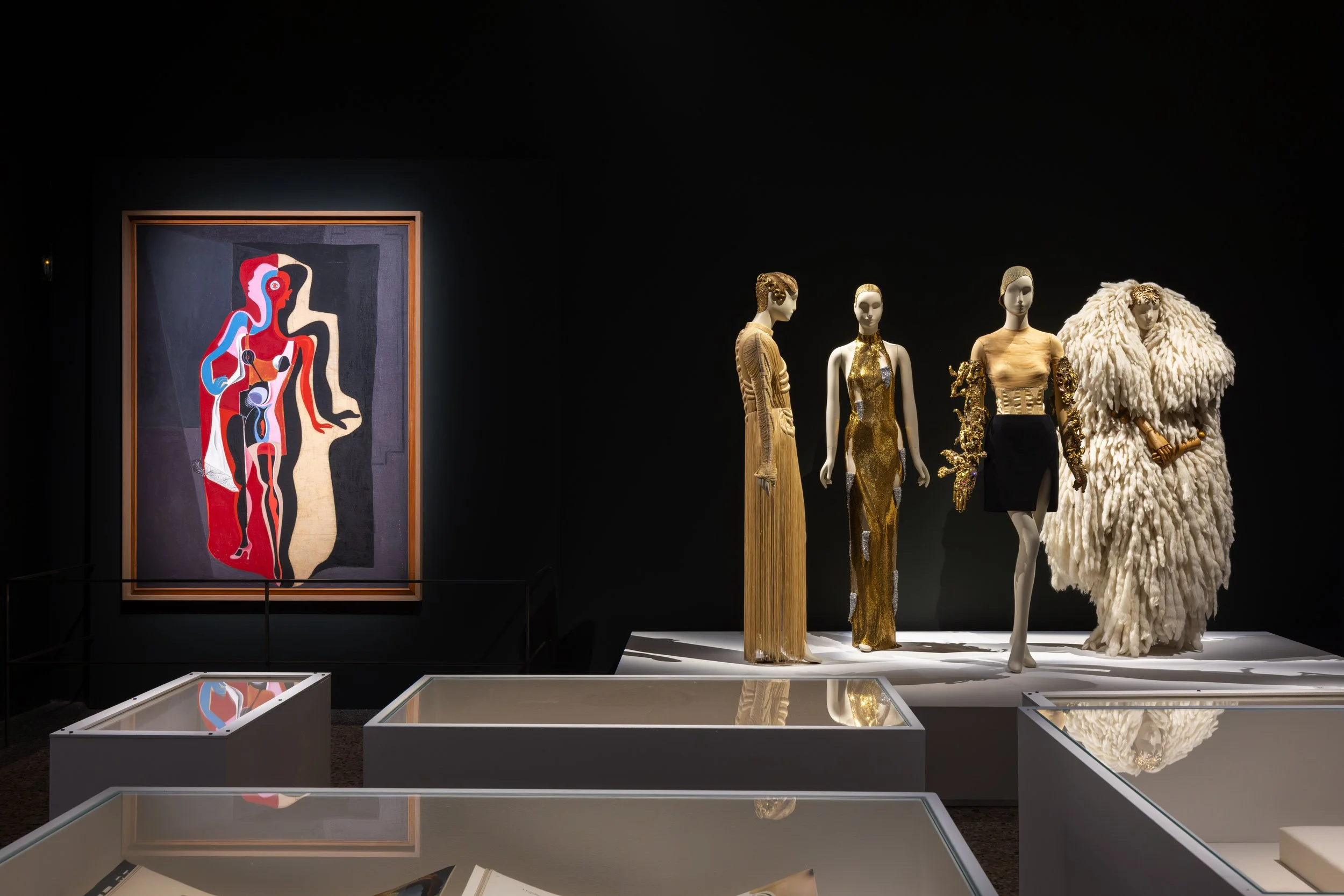
Opened at Palazzo Reale in Milan on September 24, 2026, alongside Milan Fashion Week, and running through January 31, 2027, the exhibition Dalí and Fashion (Dalí e la Moda) gathers over two hundred paintings, garments, photographs, films, jewelry pieces, and archival items.
Organised in collaboration with the Fundació Gala-Salvador Dalí, the exhibition borrows largely from the world’s three main Dalí collections and historic fashion house archives including Schiaparelli, Chanel, Dior, and Rabanne, bringing many pieces to Italy for the first time. Under the scientific direction of Montse Aguer and curated by Laura Bartolomé and Judith Clark with senior curators Lucia Moni and Bea Crespo, it presents Dalí as a multidisciplinary figure who shaped his own image across art and media.
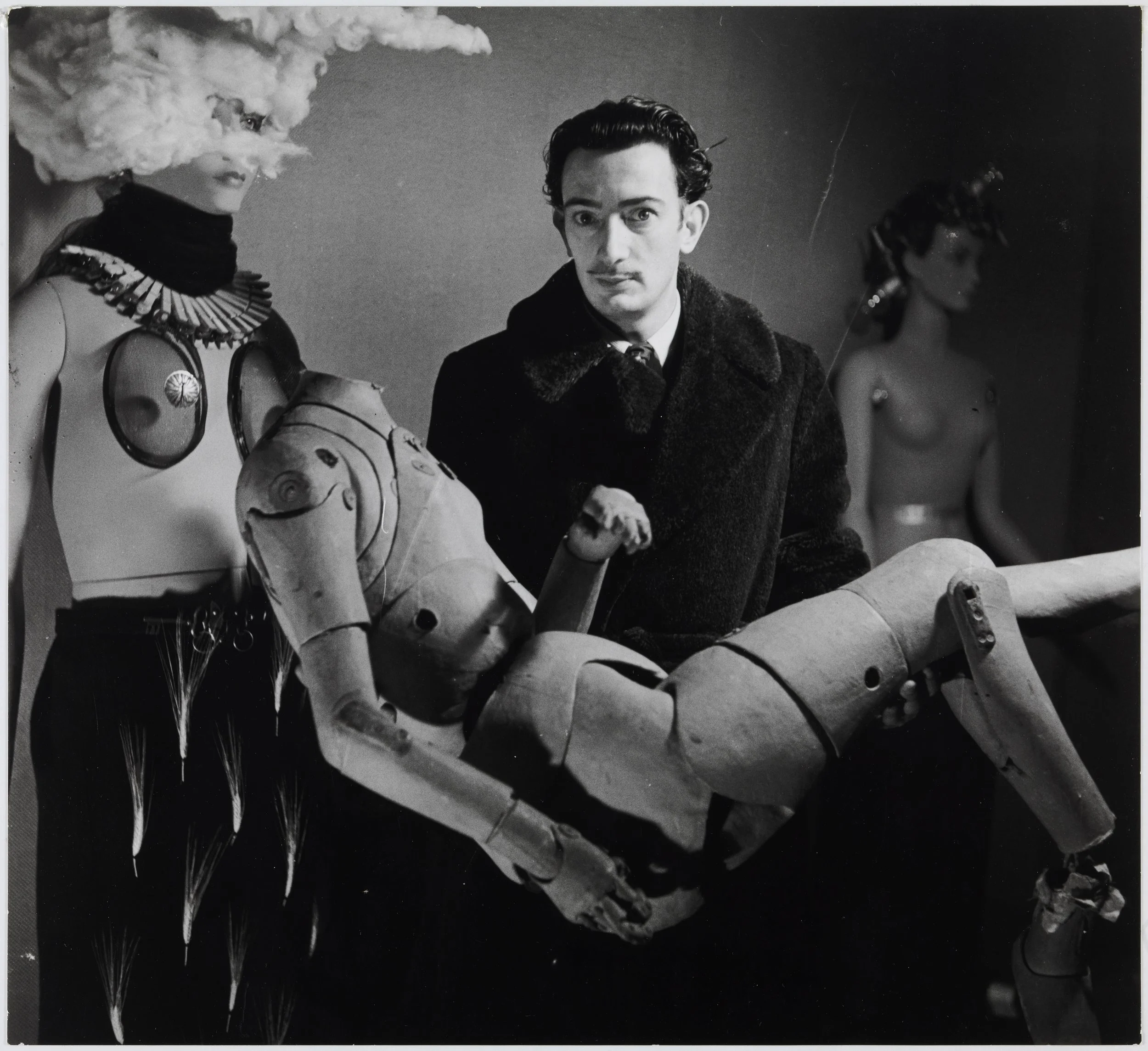
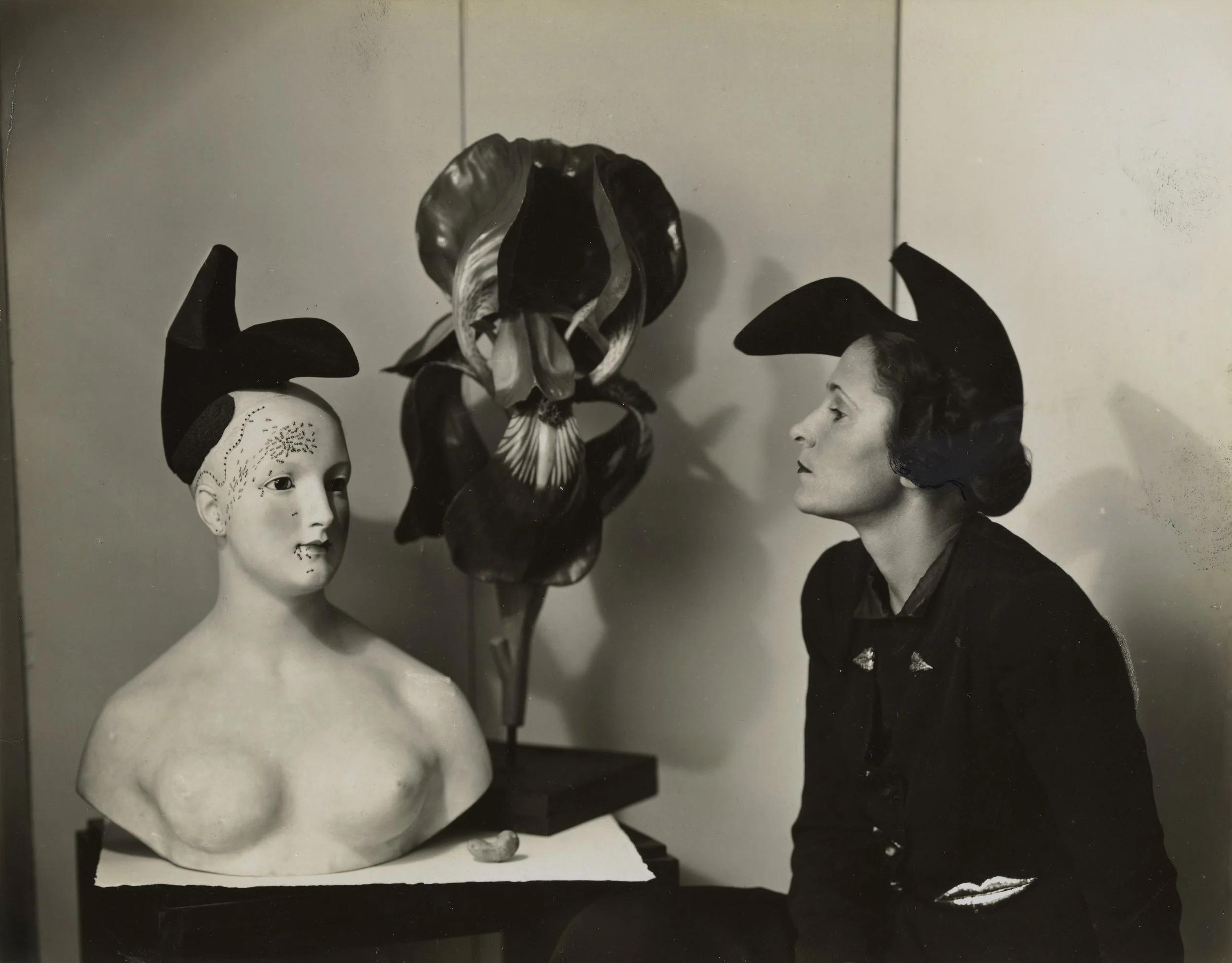
From an early age, and more deliberately after meeting Gala in 1929, Dalí used dress, photography, and press coverage to build a public persona, with garments from his and Gala’s wardrobes shown outside Spain for the first time alongside Bonaveri mannequin busts. His work crossed into magazines and commercial spaces through Harper’s Bazaar illustrations in 1935, a Bonwit Teller window display and partnership with Elsa Schiaparelli in 1936, Vogue shoots, his 1939 Bacchanale ballet collaboration with Coco Chanel, and the 1951 Le Bal Oriental with Christian Dior and Pierre Cardin.
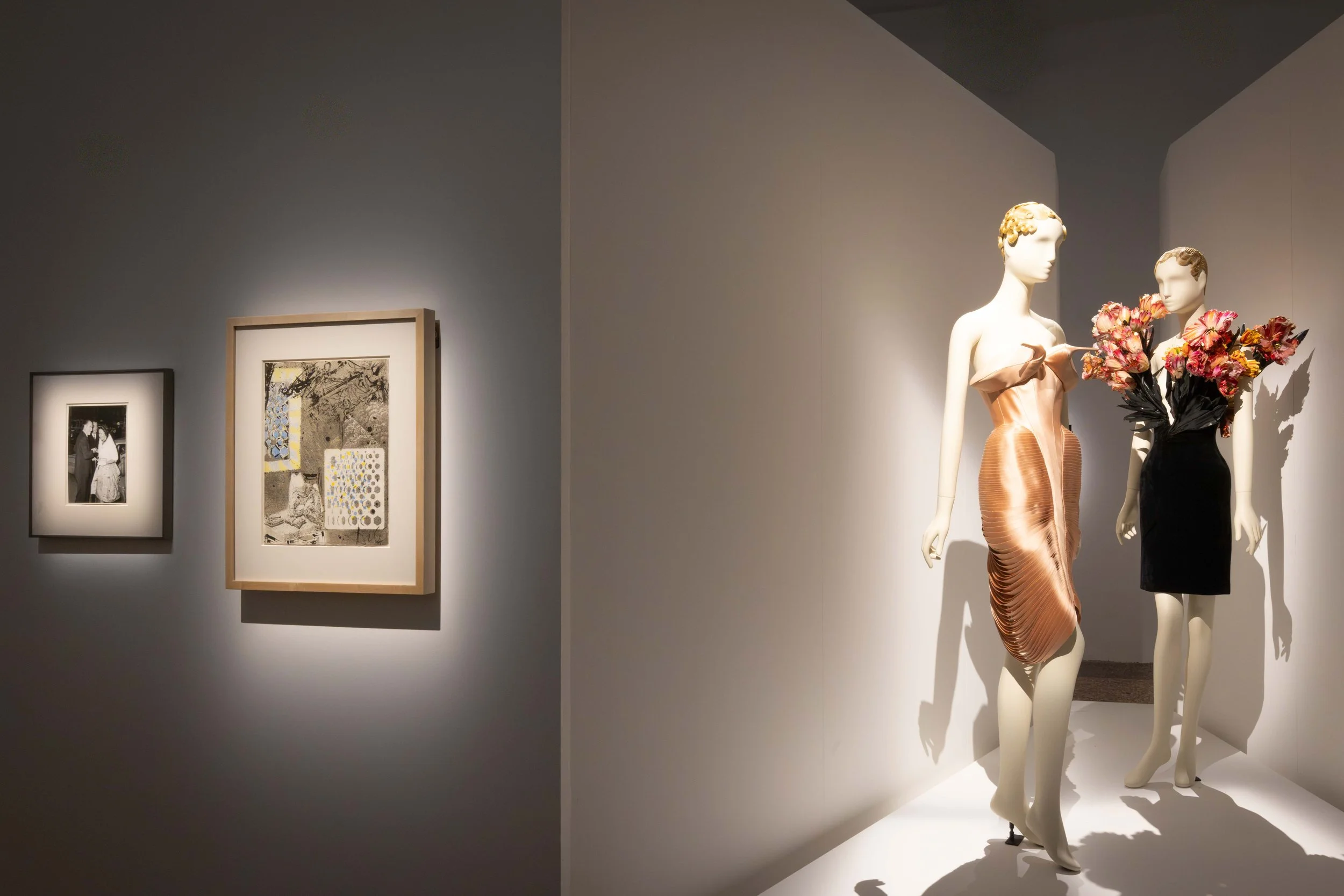
In the 1950s and 1960s, Dalí brought fashion into live performances and happenings, staging events between 1966 and 1969 with figures such as Donyale Luna, Elsa Peretti, and Amanda Lear wearing Paco Rabanne’s metal and plastic designs. Across his 1920s paintings, mannequins, and surrealist jewelry shaped like eyes, lips, and hands from 1949 onward, displayed in Italy for the first time since the foundation acquired them in 1999, the human body is repeatedly broken apart and reassembled.
Accompanied by a Skira Editore catalogue and booking and press contacts through Palazzo Reale, Vivaticket, Civita Mostre e Musei, and the Municipality of Milan, the exhibition examines how Dalí’s approach to fashion and self-presentation connects with contemporary culture.