
THE CASE FOR ORDINARY LIFE
words by AICHA PILMEYER
With the arrival of the smartphone came a whole new way of capturing our lives, and ultimately, ourselves. We constantly look at curated images of the world and each other through our screens. And somewhere along the way, real life seems to have taken the backseat. Ed van der Elsken wanted the opposite. Decades before social media took over, he already pointed his camera at real people living real, unpolished lives. And even then, it took real stubbornness to insist that the ordinary was worth looking at.
credits from left to right:
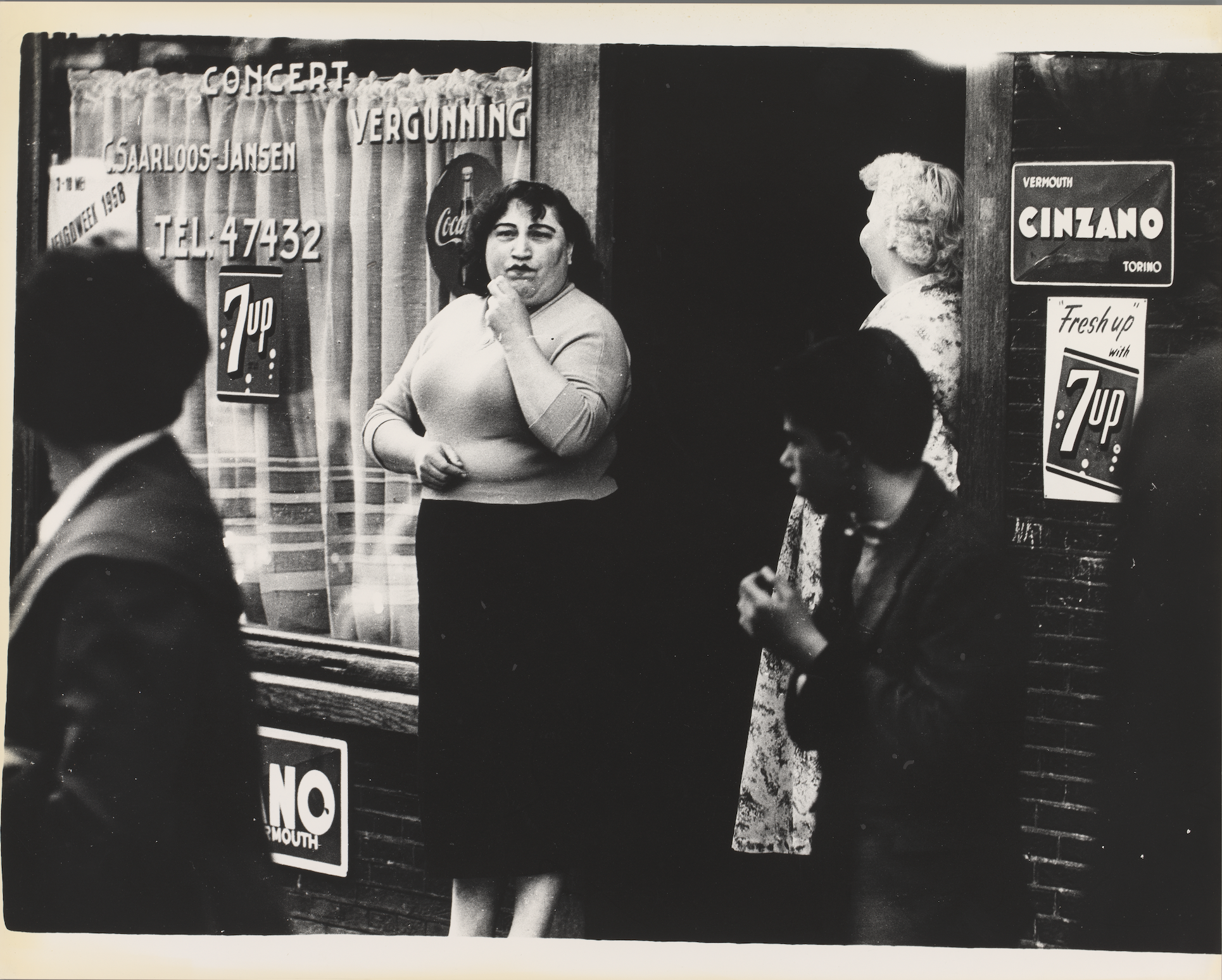
Sex worker 'Apache Alie' in front of café De Zeevaart on Oudezijds Achterburgwal, Amsterdam 1958 Gelatin silver print, 404 x 507 mm (later print) Rijksmuseum, Amsterdam
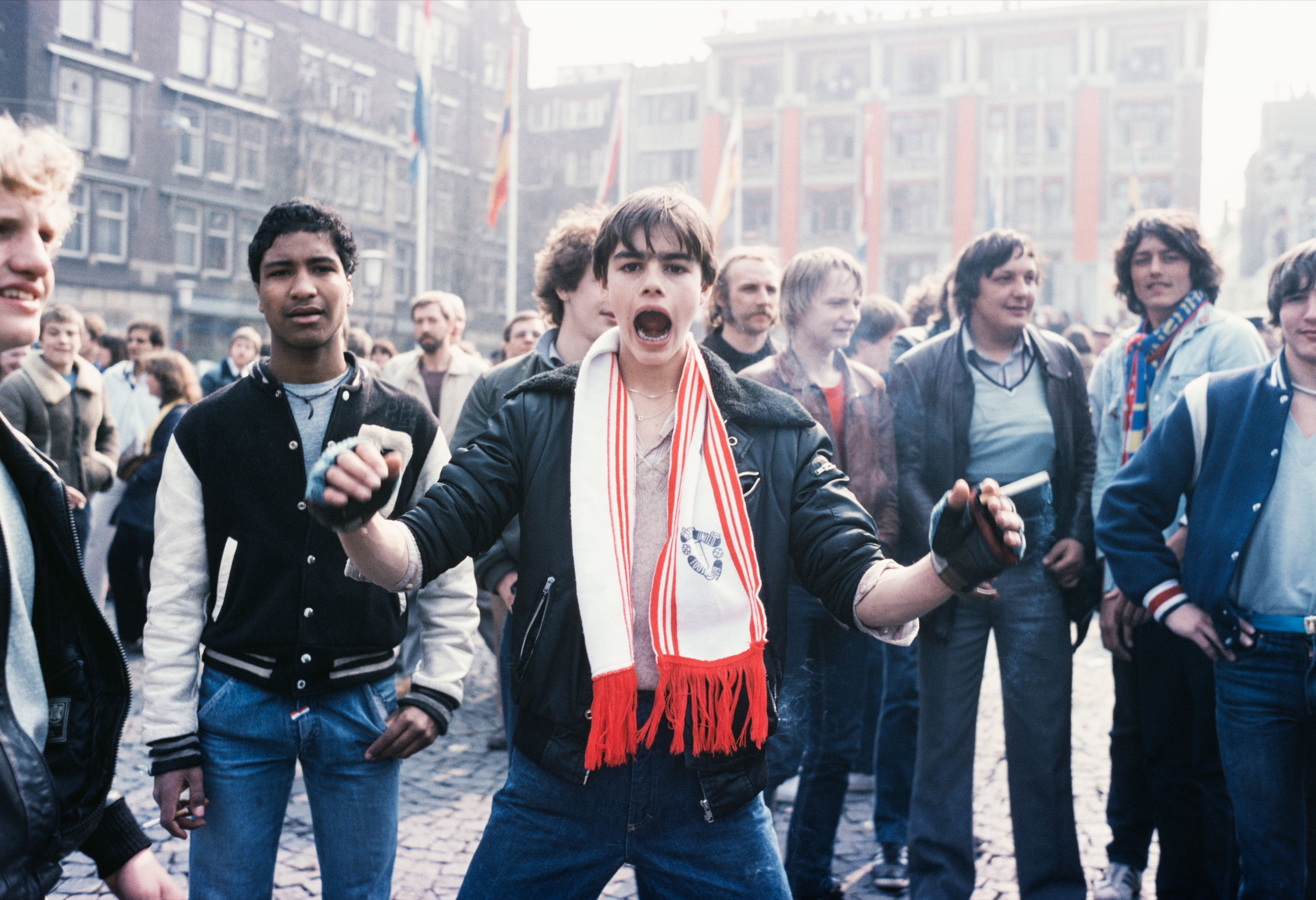
Ed van der Elsken, Queen's Day, Dam Square, Amsterdam, 1980. Nederlands Fotomuseum, Rotterdam. © heirs of Ed van der Elsken/Nederlands Fotomuseum
That stubbornness is now the subject of Ed van der Elsken. Up Close, a major exhibition at the Rijksmuseum, draws on his personal archive, including never-before-seen notes, contact sheets, and darkroom experiments, tracing not just what he captured but how he worked to get there.
Born in Amsterdam in 1925, Van der Elsken first dreamed of becoming a sculptor, an ambition the German occupation cut short. Like much of his generation, he found himself without direction after the war. He drifted through various jobs: an evening course in electrics, a stint as a proofreader, half-formed plans to become a film projectionist. Finally, he arrived at photography, which he later said was inevitable.
Nothing about becoming a photographer came easily to him. He failed his final exam at photography school and never finished formal training. As a young darkroom assistant, he was dismissed as sloppy and undisciplined. He did not fit the mould of what a photographer was supposed to be. Still, he pushed through. Job after job, he taught himself the craft. Slowly, he built both his skills and a strong confidence until photography became entirely his own, a tool he mastered to show what he thought of the world.
credits from left to right:
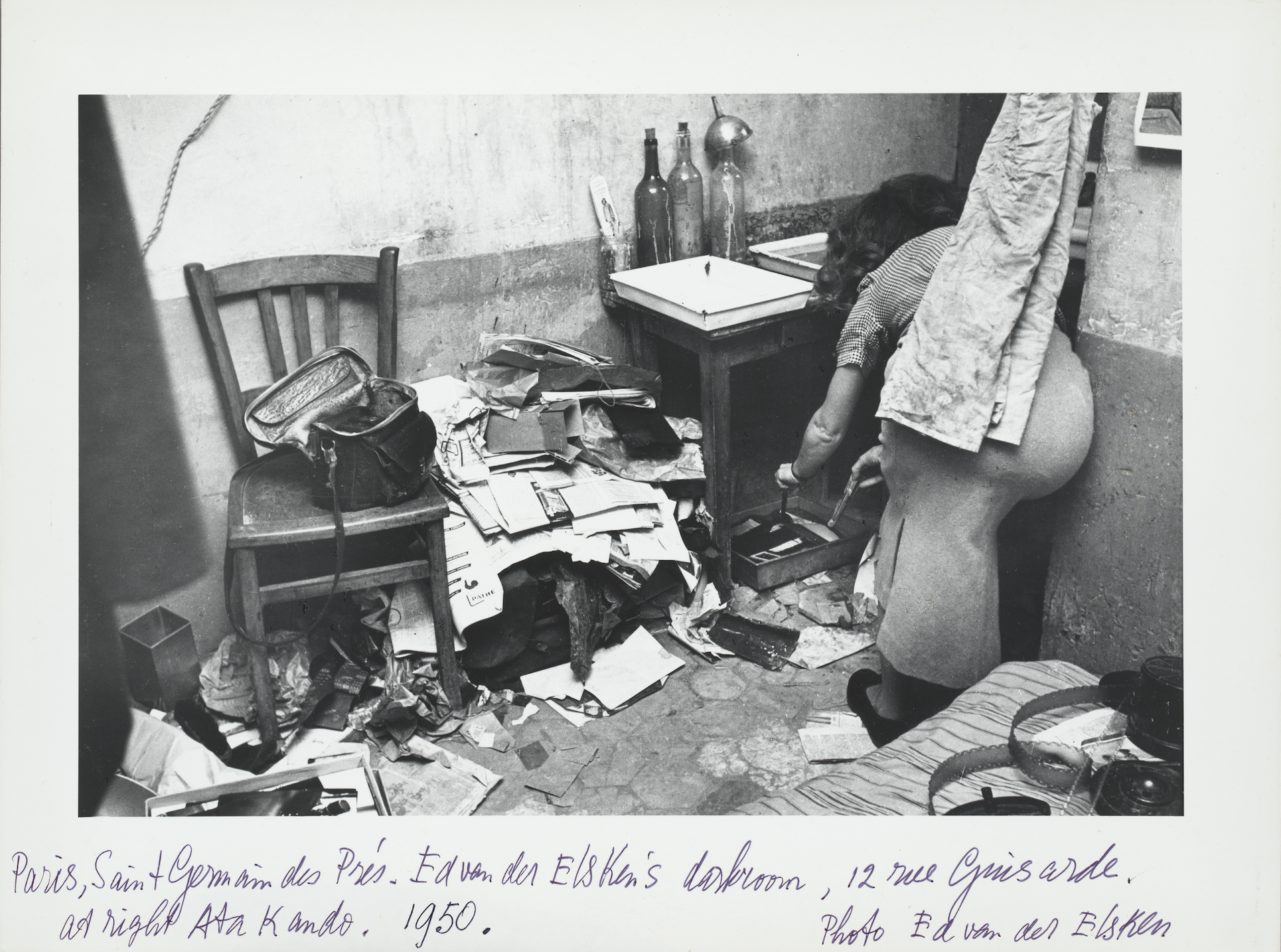
Ata Kandó in Ed van der Elsken's darkroom on Rue Guisarde, Paris 1950 Gelatin silver print with ink
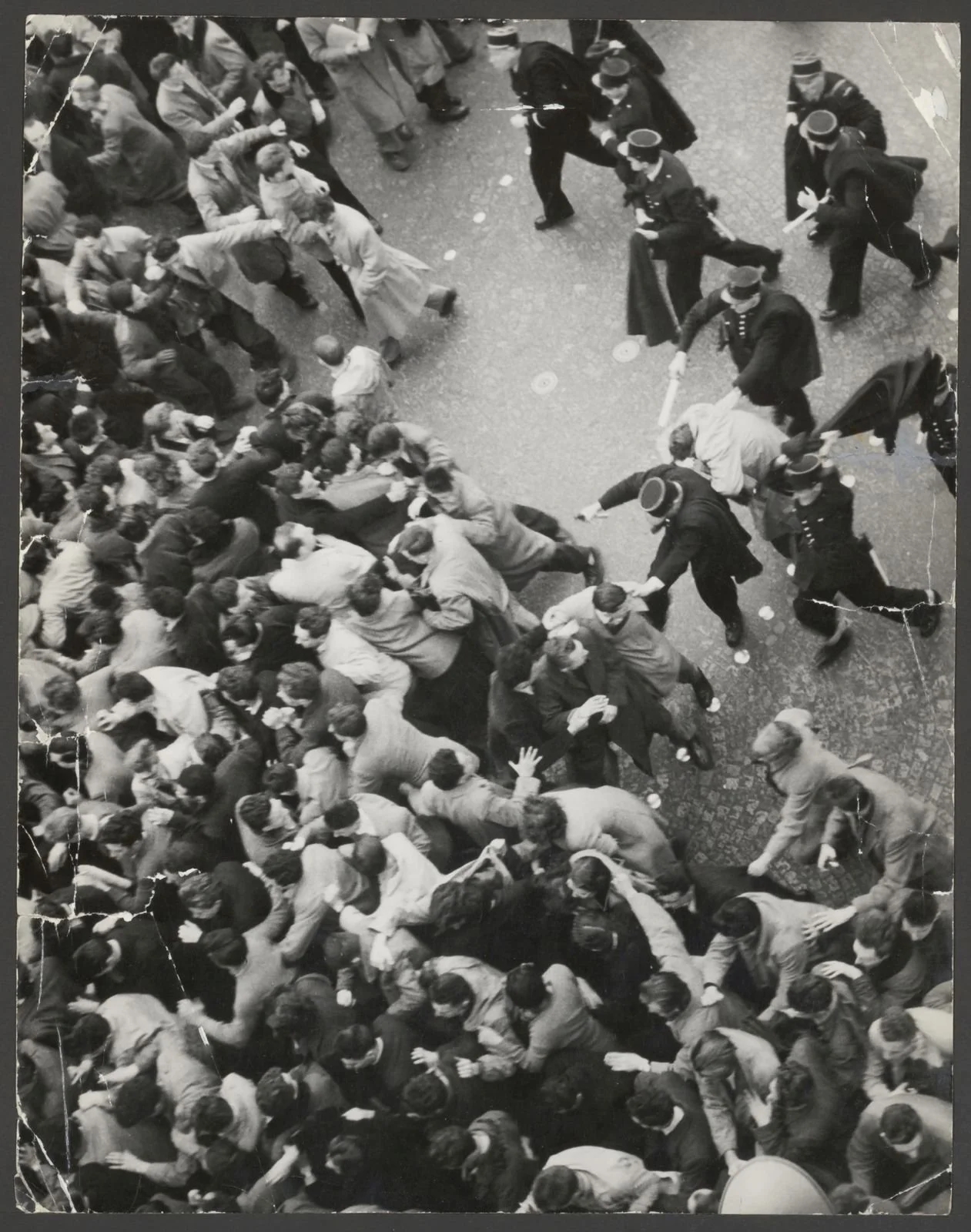
Student demonstration, Paris 1950–1954 Gelatin silver print, 300 x 240 mm
As commissions came in, the commercial world found him, and soon he was working for houses like Dior and Schiaparelli. He could have built a comfortable career on that alone, but he was not interested. Instead, he often turned the commercial photos into a joke at the expense of the rich and famous. By placing these commercial images next to his free work, he created stark contrasts between the lives people actually lived and the lives they were being sold. Off camera, he was just as direct, unafraid to stir convention. For example, he once pitched a shoot to a highly regarded fashion magazine featuring only Black models, at a time when whiteness was the unquestioned standard. He asked its editor point-blank whether the magazine wanted to be more than just a profit-making company without a conscience, or if it was ready to help push the world toward solidarity and a fairer distribution of goods. He wanted his lens to be a weapon for social change, a platform for something he believed in, rather than a tool for flattering the rich. However, the industry wasn't interested, and the magazine turned him down.
credits from left to right:
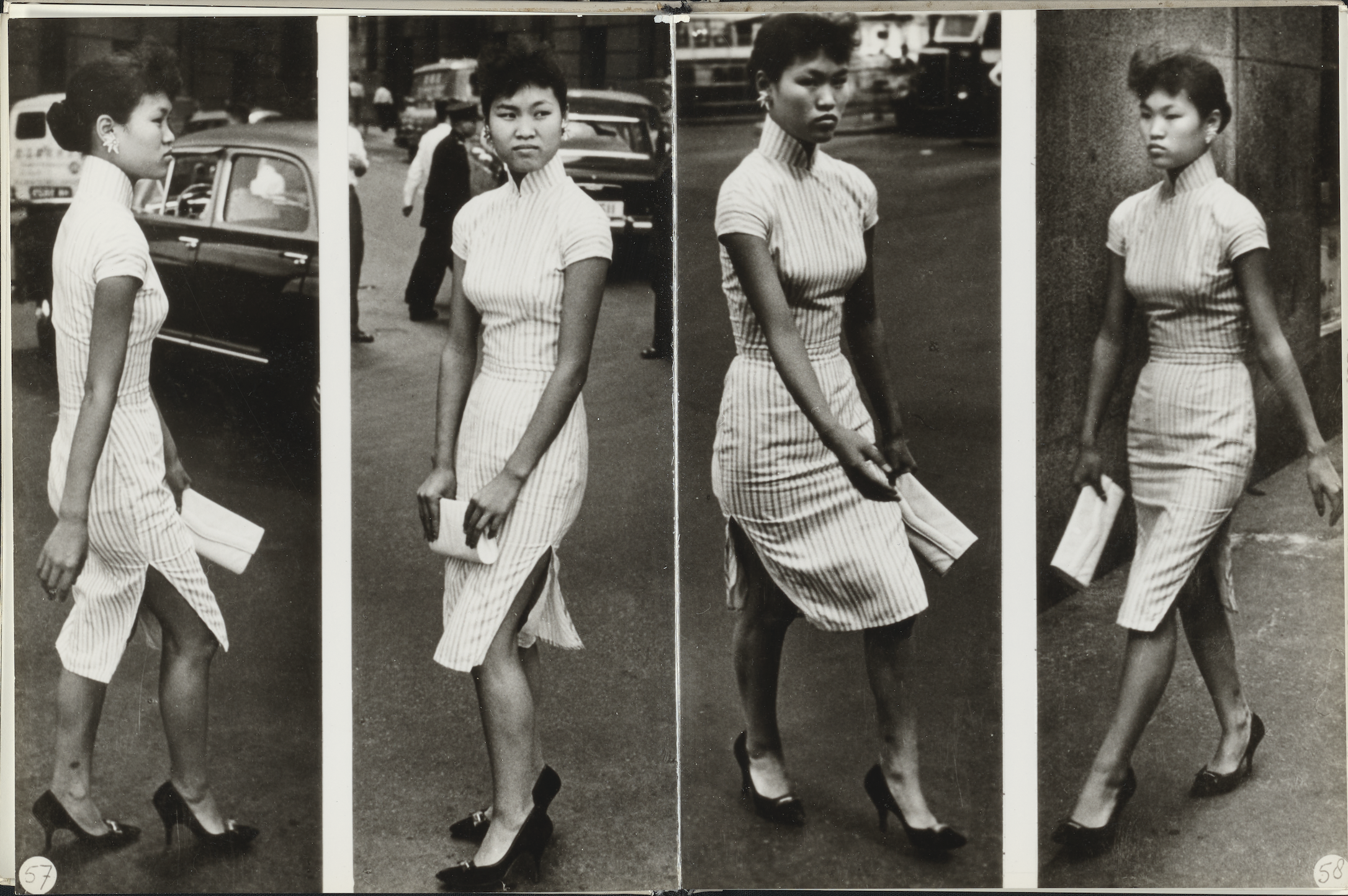
Spread from a dummy of Sweet Life, 1960–1966, featuring Woman in cheongsam, Hong Kong 1959–1960 Gelatin silver prints, bound, 237 x 187 x 40 mm (closed)
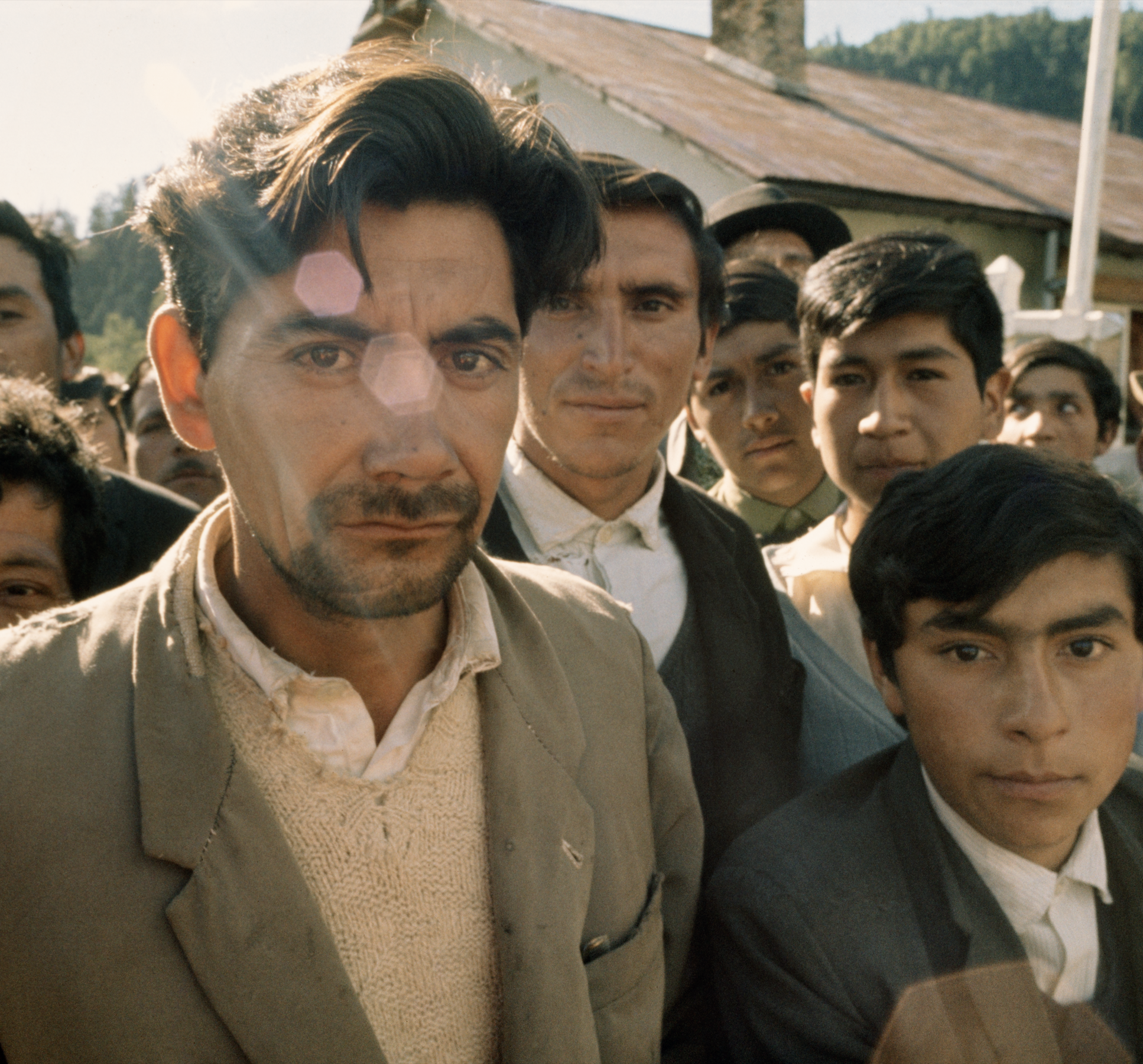
Workers at a timber factory, Chile 1971 Color slide, 24 x 36 mm (detail) Nederlands Fotomuseum, Rotterdam
So he chose the hard road, capturing life in an unpretentious, diary-like style. Fascinated by the ordinary, he photographed raw city streets, and the lives lived on them, the overlooked, performers, riots, youth movements, countercultures. As he documented cities changing around him, his lens allowed people to see places they would likely never experience themselves. In this way, he offered glimpses of other countries and cultures that were, at the time, entirely out of reach for most.
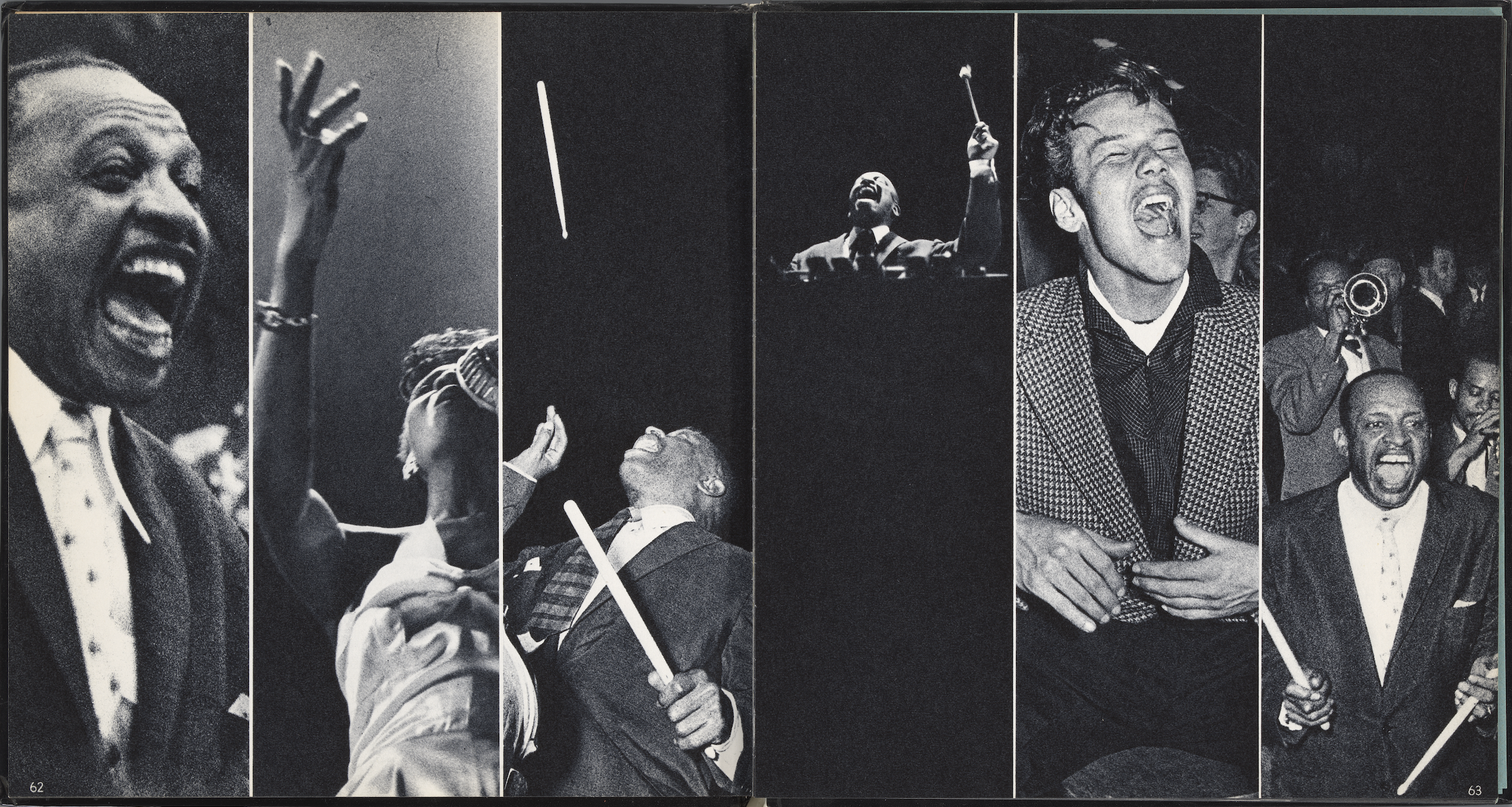
He had a rare gift for shaping his images into photobooks with a distinctive layout and real storytelling. These books took readers to worlds they would never visit themselves. But getting them published wasn't easy. He spent years taking Sweet Life—now regarded as one of the greatest Dutch photobooks ever made—from publisher to publisher before one finally said yes. It was work that paid in almost nothing but meaning.
credits left to right:
Sweet Life, Amsterdam (De Bezige Bij) 1966, pp. 44–45, featuring Image of a lion at the Tiger Balm Garden, Girl urinating, and Stone lion in front of the Bank of China facade, Hong Kong 1959–1960 Photogravure
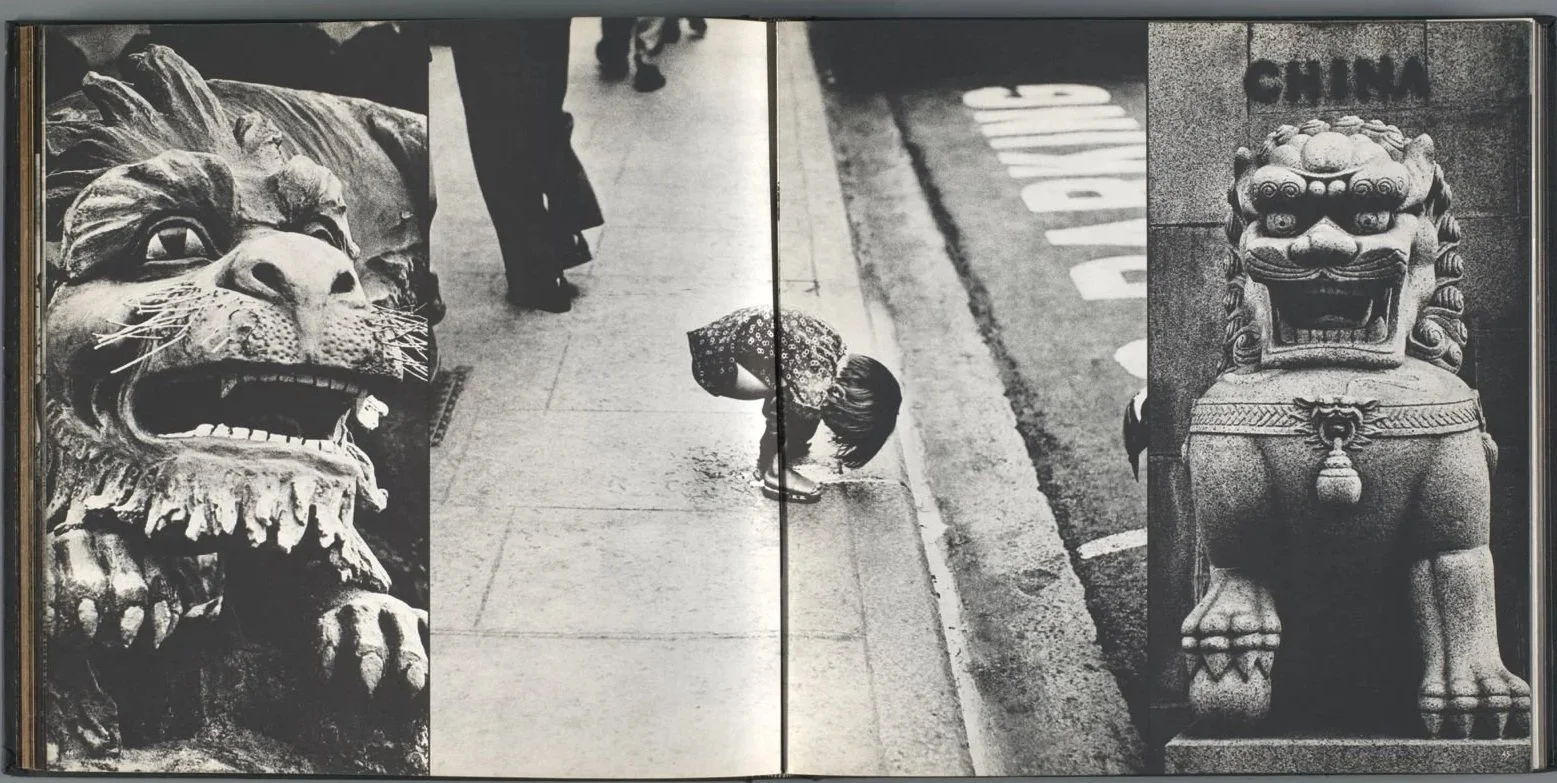
Jazz Amsterdam (de bezige bij) 1959, pp. 62-63, met beelden van een lionel Hampton-concert in de Houtrusthallen, Den Haag 24 maart 1956, Koperdiepdruk Rijksmuseum Research Library, Amsterdam
Today, we're used to perfect images. We slip into a curated version of ourselves the moment a camera appears. Van der Elsken photographed people who didn't know they were being watched. He caught them mid-experience rather than mid-pose. That kind of directness, picturing anyone he pleased, would likely land him in trouble today. But maybe that’s why his subjects feel so alive: mouths wide open in laughter, lost in a trance at a concert, crying in despair, a woman glaring straight into the lens, annoyed at having her picture taken without permission.
Up Close is a celebration of the unposed. Looking at his work now, in a time when we can reach anywhere at the tap of a screen, feels like opening a real time capsule. It stirs an odd nostalgia for an era we never lived in ourselves. It is an ode to the disorganised and the inefficient, a reminder of life's messiness, and an invitation back into it.
Ed van Der Elsken. Up Close runs until the 13th of September at the Rijksmuseum. Book your tickets here.
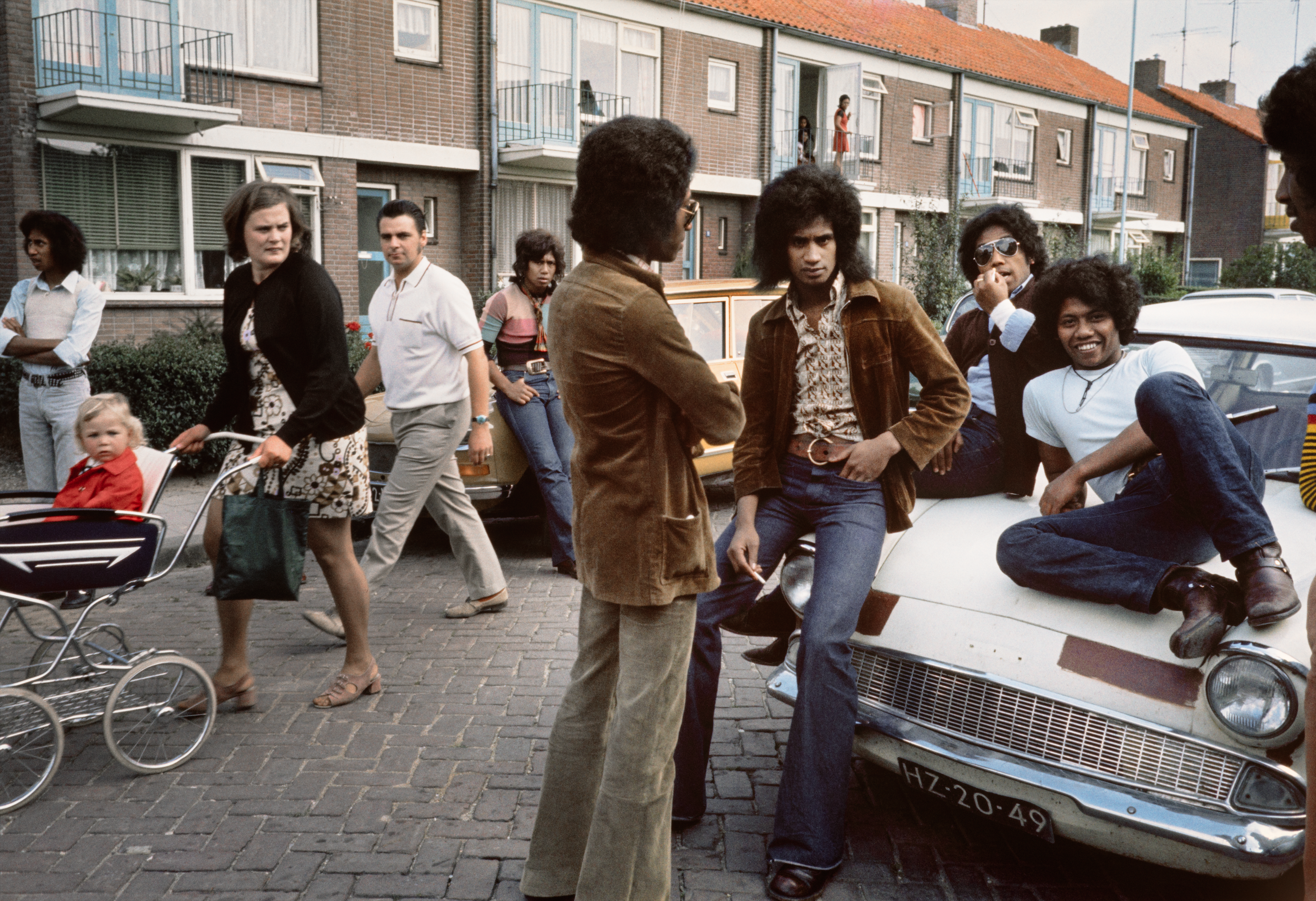
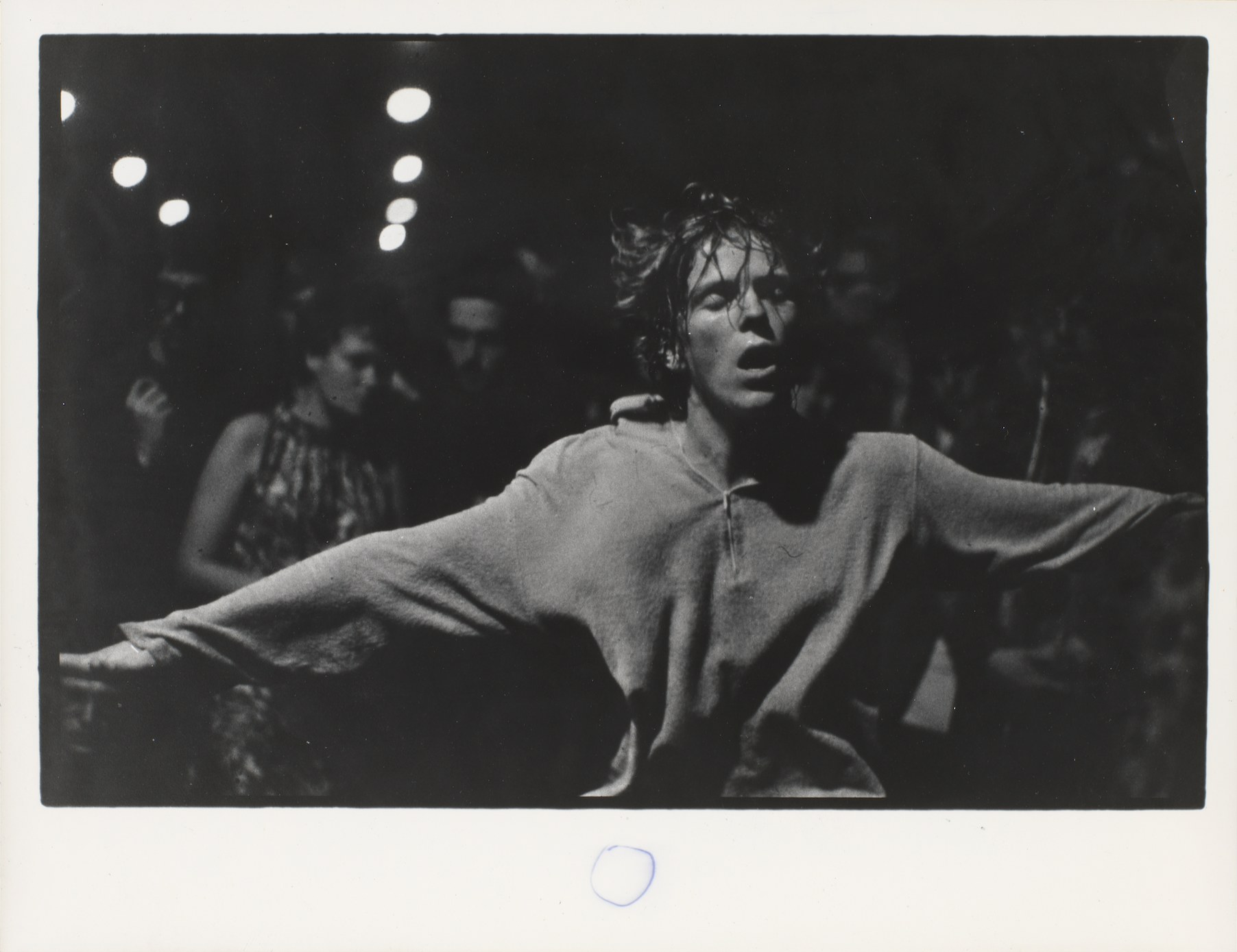
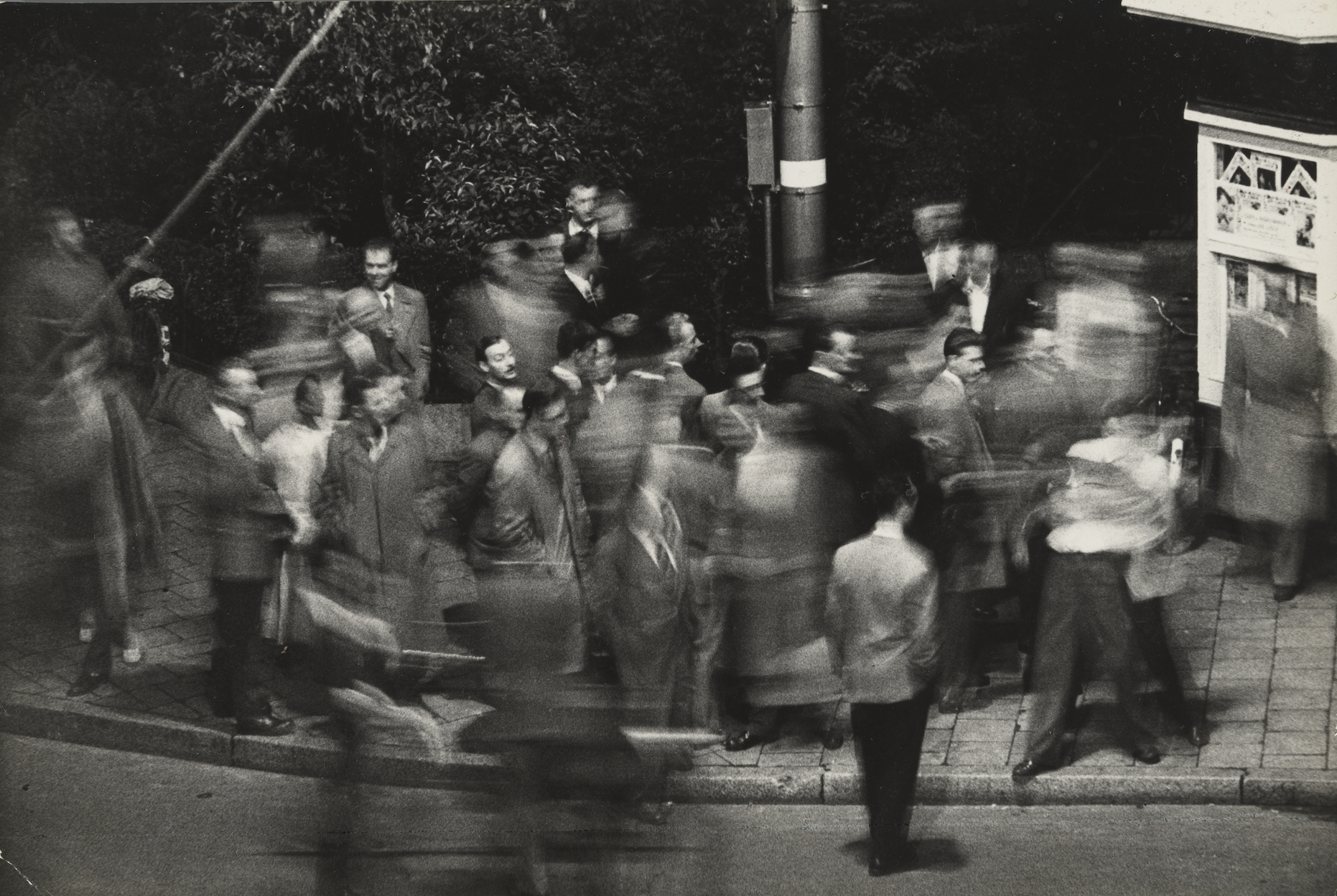
credits from left to right:
Diderik Vijghstraat, Tiel, ca. 1970 Color slide, 24 x 36 mm Nederlands Fotomuseum, Rotterdam
Dancing young man during "Hai in de RAI", Amsterdam, 11 August 1967, Gelatin silver print, 290 x 192 mm, Rijksmuseum, Amsterdam
Thorbeckeplein, ca. 1950–1960 Gelatin silver print, 158 × 236 mm Rijksmuseum, Amsterdam
