
WE BROUGHT OUR MAGAZINES TO NSS EDICOLA AT POLIFONIC
interview by ELIANA CASA
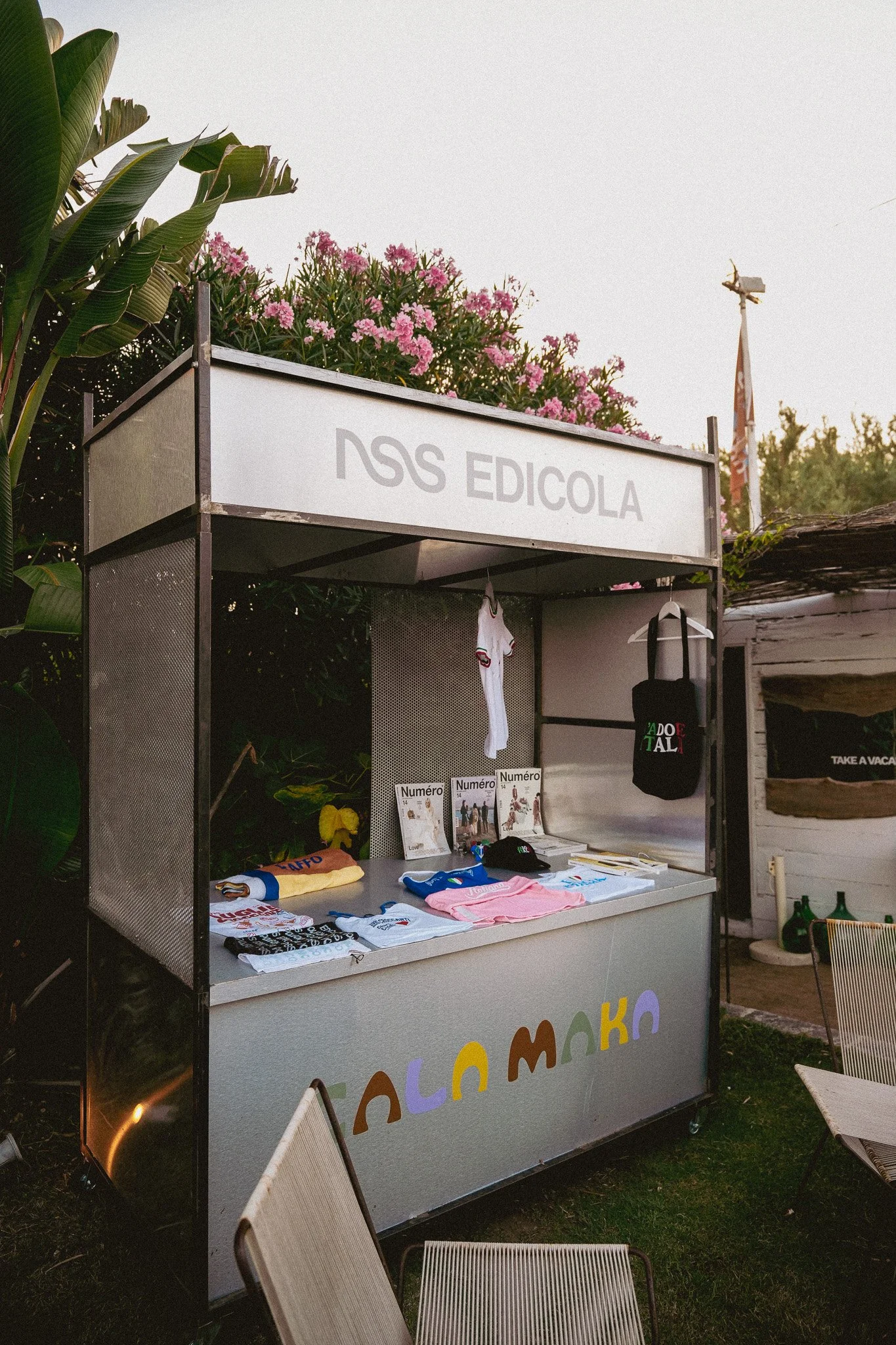
The experience of scrolling through magazines at a festival might sound unusual to some, but for us, it feels like a natural extension of how culture should be discovered and experienced today. During POLIFONIC Festival in Puglia, our magazines arrived at nss edicola: a concept that reimagines the traditional newsstand as a cultural meeting point where publishing, fashion, design, music, and community come together.
“What if the traditional newsstand could become a cultural platform again?” This simple question became the starting point for the project: a response to the gradual disappearance of these everyday spaces and a desire to bring back moments of connection, curiosity, and exchange.
We spoke with WALTER D’APRILE about the origins of nss edicola, the evolving role of publishing in contemporary culture, the collaboration with Numéro Netherlands, and why festivals can become unexpected spaces for connection, discovery, and cultural exchange.
all images courtesy of NSS EDICOLA
What need or desire were you hoping to address with nss edicola?
Historically, newsstands weren't just places to buy newspapers, they were everyday landmarks where people could meet and feel part of a community. As these spaces gradually disappeared, we felt there was an opportunity to rethink their role for a new generation. In an increasingly fast-paced world, we believed that creating simple opportunities for people to connect could itself become a form of cultural resistance.
Today, nss edicola is much more than a newsstand. It's a physical and digital platform where publishing, fashion, design, music, and pop culture coexist through limited-edition drops, curated magazines, books, collaborations, and community-driven events. We wanted to create a place where people could experience culture offline again while remaining deeply connected to the digital world.
What were some of the biggest challenges in bringing nss edicola to life across different cities?
The project began in Piazza San Pasquale in Naples, where the first nss edicola was born from the idea of transforming a traditional newsstand into a space dedicated to culture and community. From there, we brought the concept to Piazza Buozzi in Milan, creating a new meeting point within a different urban context. Over time, nss edicola also evolved into a mobile format, allowing us to bring the project to unexpected locations, from Copenhagen Fashion Week to the beaches of Ibiza.
Each place has its own energy, rhythm, and audience, and this is what makes every edition unique.
How did being inside a festival, rather than in the middle of a city, change the way you imagined and experienced the edicola?
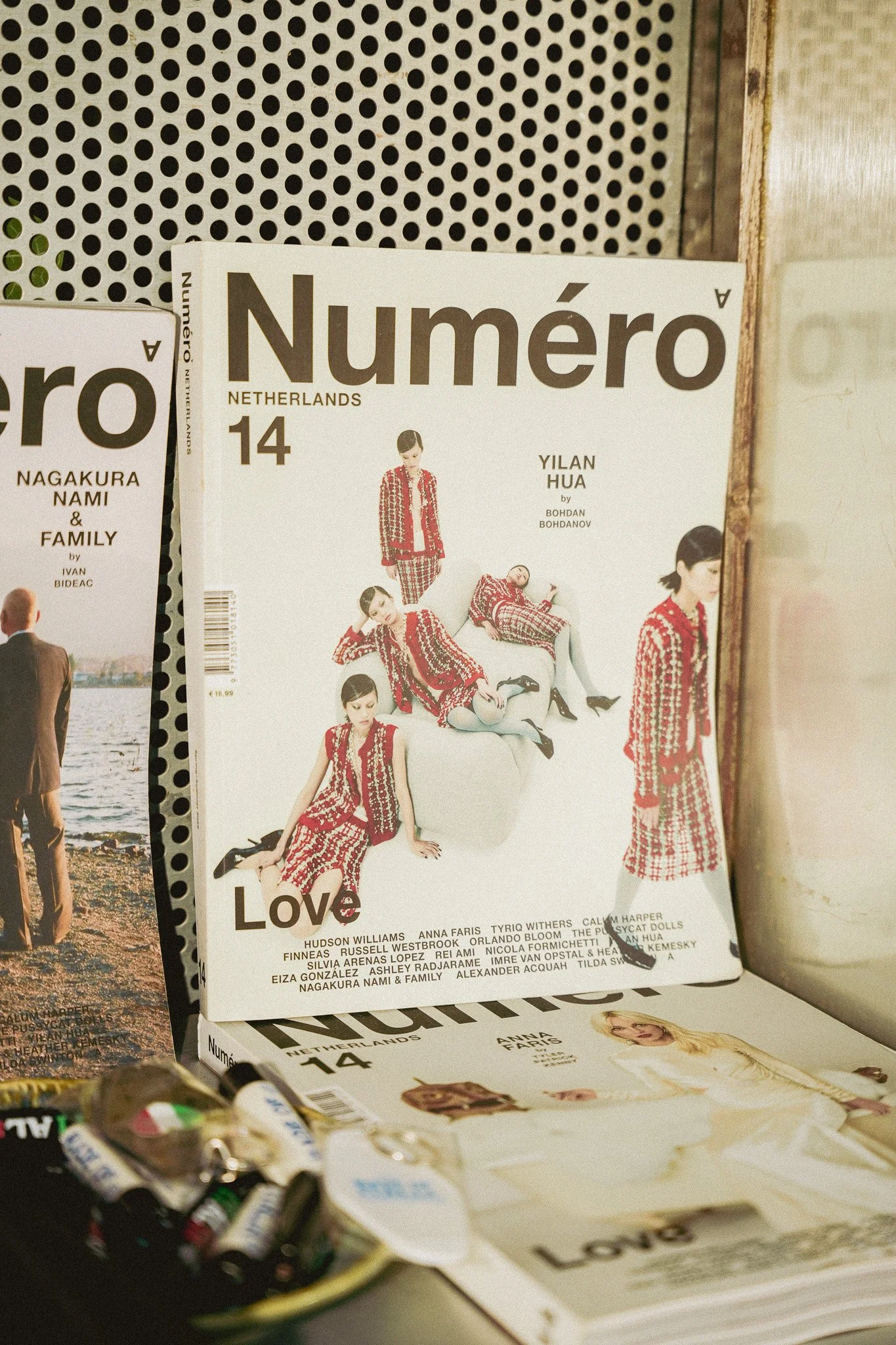
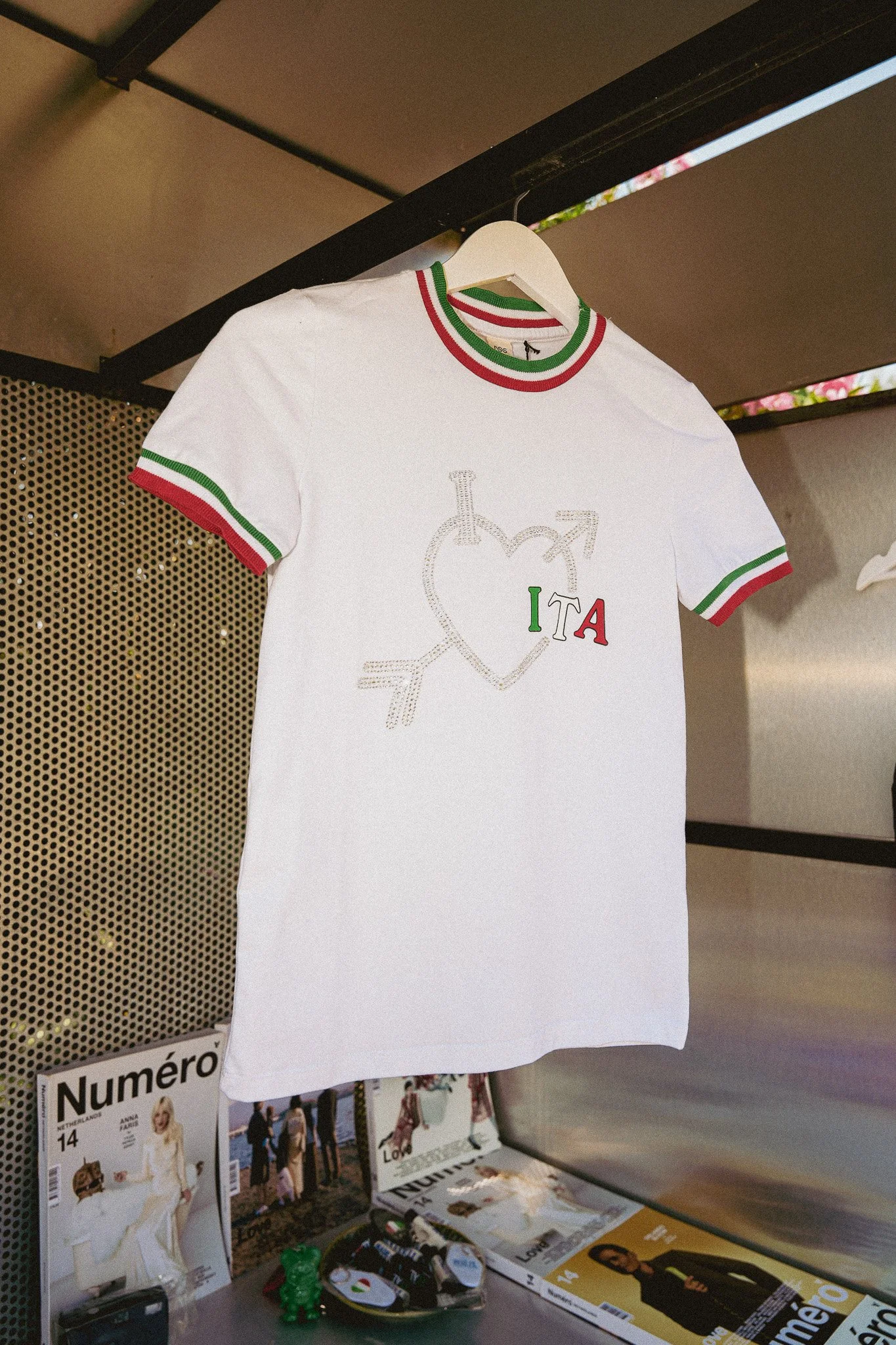
Polifonic transformed the edicola into something even more spontaneous. Inside a city, people intentionally visit edicola as a destination. At the festival, it became part of a temporary community where discovery happened almost by chance. People had the option to stop between concerts, browse magazines, collect objects, have conversations or simply take a break.
What inspired the collaboration with Numéro Netherlands, and what did you want to bring to the edicola through this partnership?
What we appreciated about the collaboration with Numéro Netherlands was the shared belief that publishing can exist beyond the printed page. The festival map was not simply a practical guide; it invited visitors to explore and engage with the surrounding territory, while Numéro Netherlands magazines introduced another editorial voice into the space.
What made Polifonic the right setting for nss edicola, and how do you see the two sharing the same spirit of community, discovery, and cultural exchange?
Polifonic has always represented much more than music. Like nss edicola, it builds experiences around communities rather than audiences. Both projects encourage people to discover the essence of Italian culture and share it with the world. They share the belief that culture is something to experience collectively, and that makes the collaboration feel completely natural.
The edicola brings together fashion, culture, magazines, and more. Is there a product or idea you are currently imagining that you would love to see launched through the edicola?
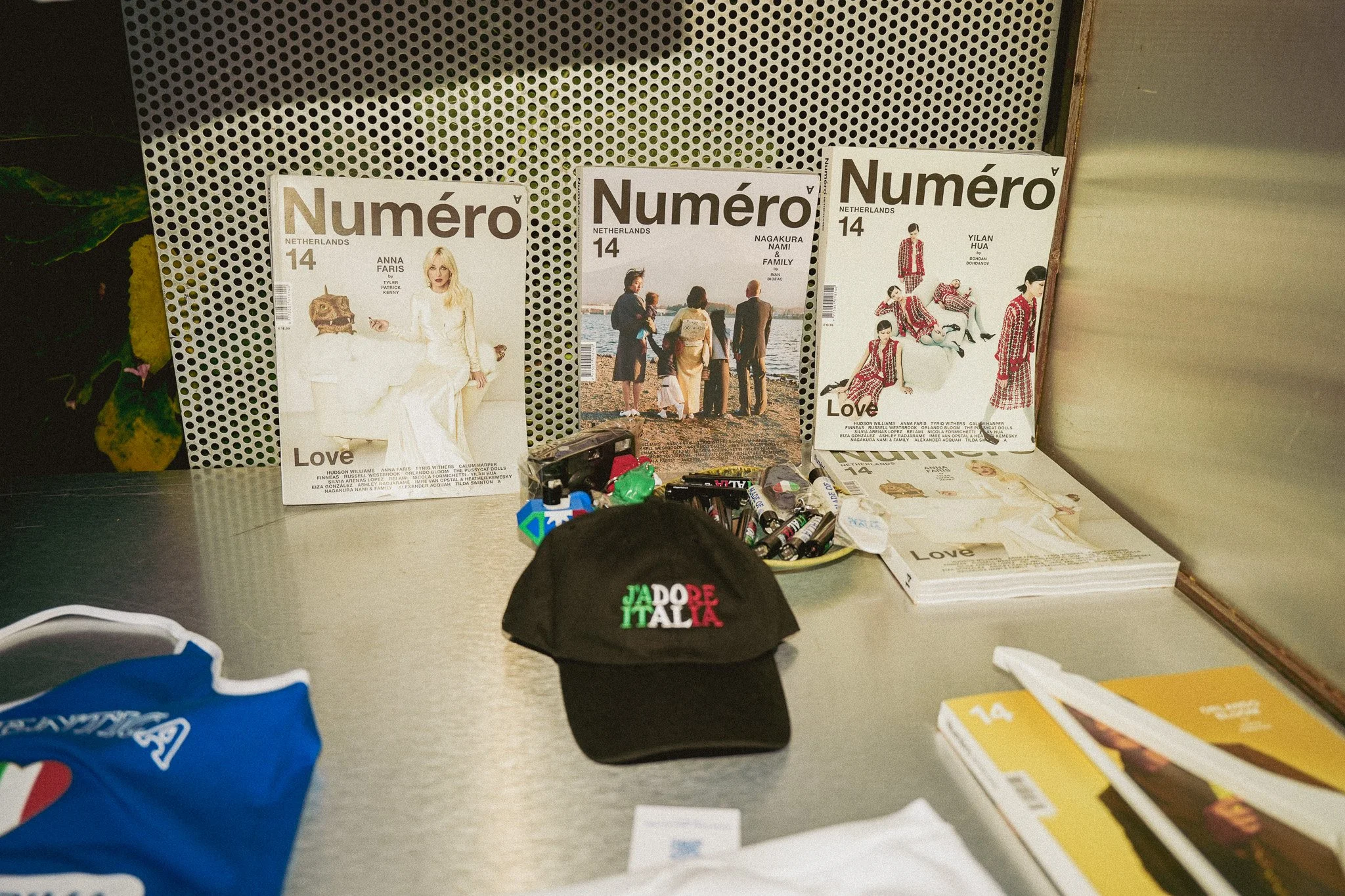
One of the things we find most exciting is continuing to blur the boundaries between publishing and product design. We're interested in creating more collectible editorial objects, projects that exist somewhere between magazines, books, design objects and fashion.
The edicola has become a platform where collaborations aren't simply products, but stories that people can physically take home.
After bringing nss edicola to different cities and now to Puglia, is there another country or city where you would love to take the concept next?
Cities like Tokyo, Seoul, Mexico City or São Paulo would be incredibly exciting because of their strong publishing scenes and vibrant creative communities. At the same time, we'd love to continue growing in places where the edicola can become a recurring meeting point rather than a one-off activation.
We are incredibly proud of what we have achieved so far, and we are excited to see where the future will take us.