
WE HOSTED A SCREENING OF TEENAGE SEX AND DEATH AT CAMP MIASMA WITH CINÉART
On Tuesday night, we partnered with Cinéart to host a special screening of Teenage Sex and Death at Camp Miasma at Soho House Amsterdam. Ahead of its Dutch release, guests gathered to experience Jane Schoenbrun's latest feature that has already sparked passionate discussion since premiering at Cannes.
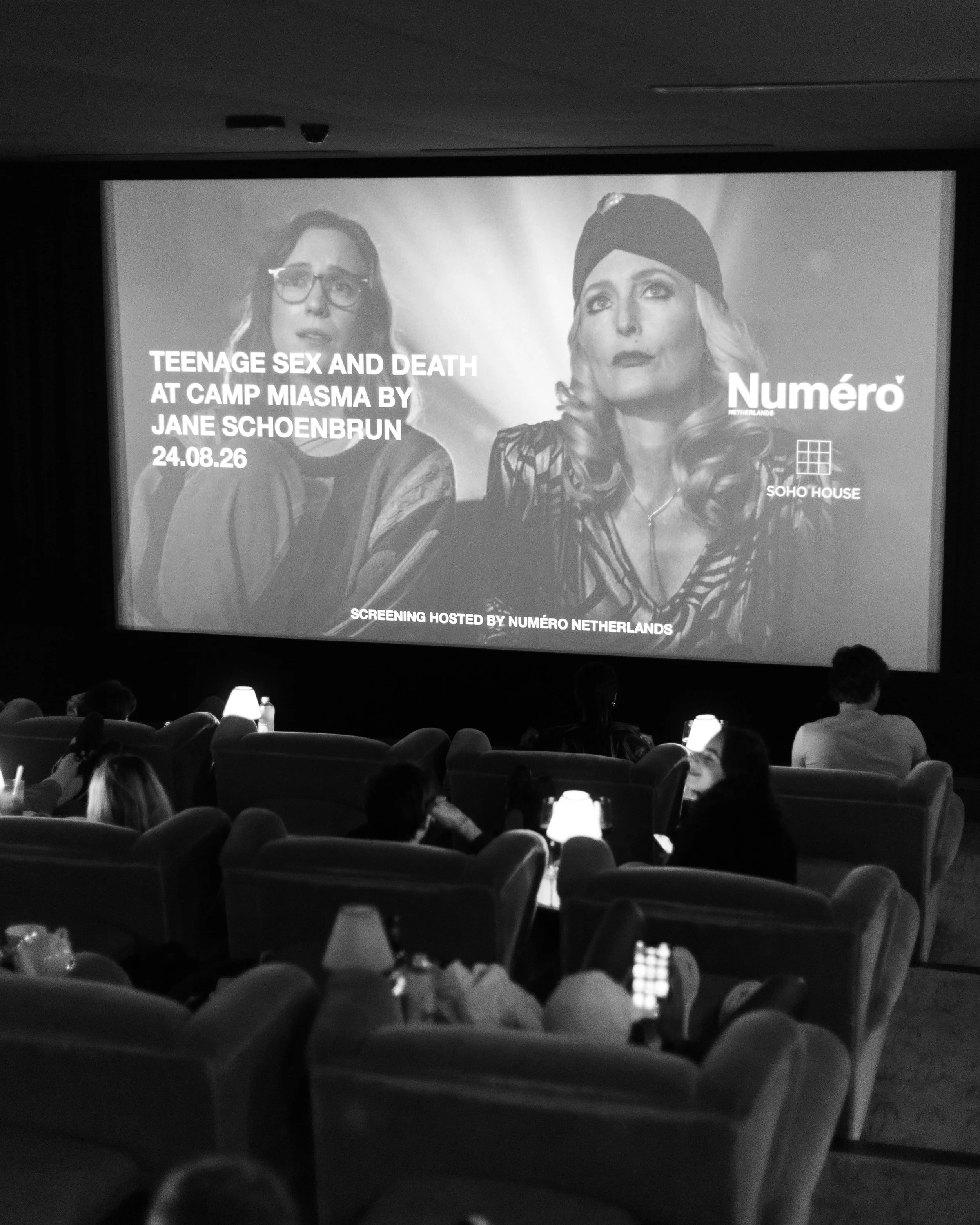
photography by DANIEL SARS
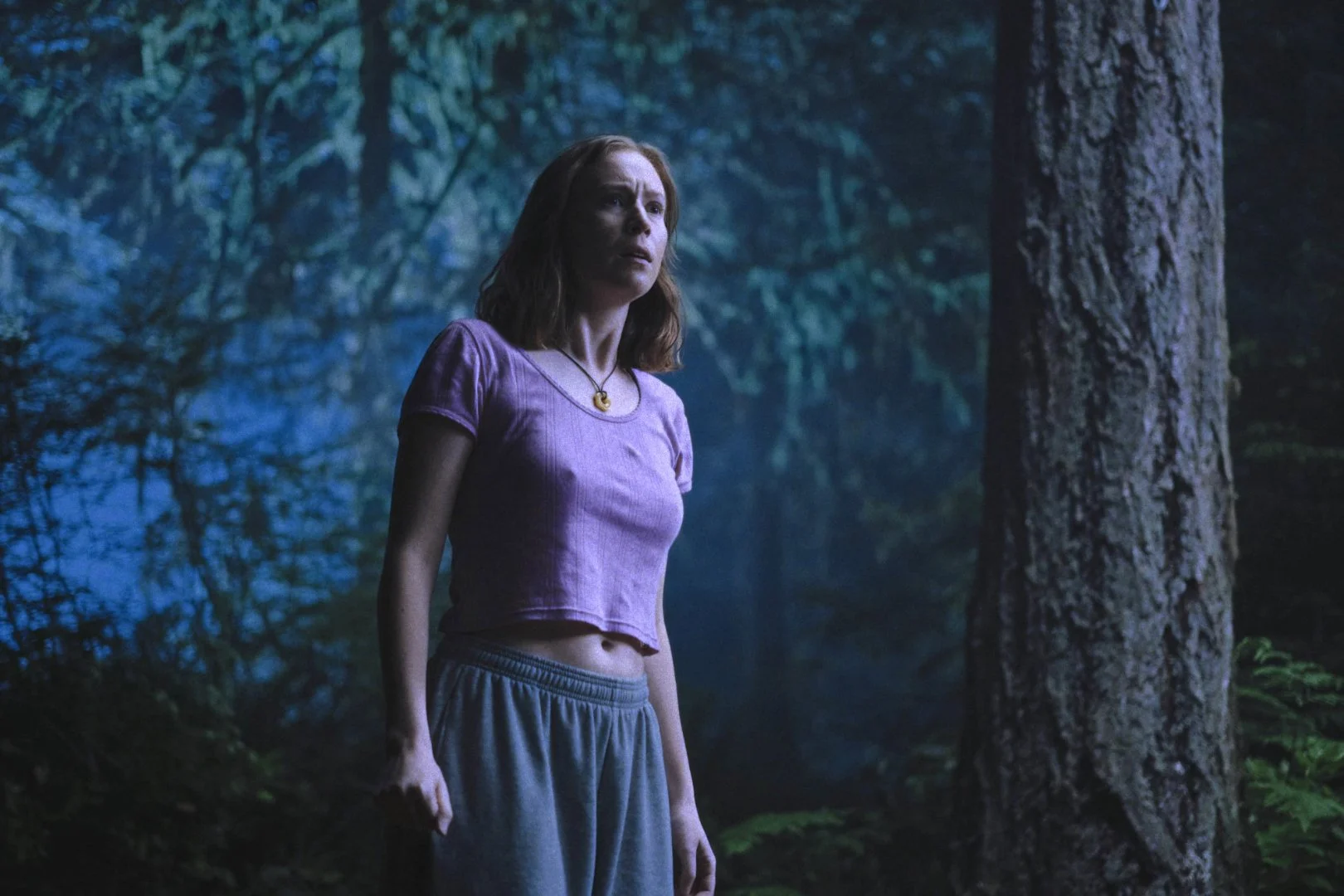
Slasher homage, queer coming-of-age story and meta-Hollywood satire in one, Teenage Sex and Death at Camp Miasma follows Kris (Hannah Einbinder), a young filmmaker tasked with rebooting the long-dormant Camp Miasma franchise, only to find herself confronting not just the legacy of a cult horror series but also her own relationship with desire, identity and creativity. Alongside a magnetic Gillian Anderson as the franchise's elusive original star Billy Presley, Schoenbrun transforms familiar horror tropes into something far stranger, campier and unexpectedly intimate.
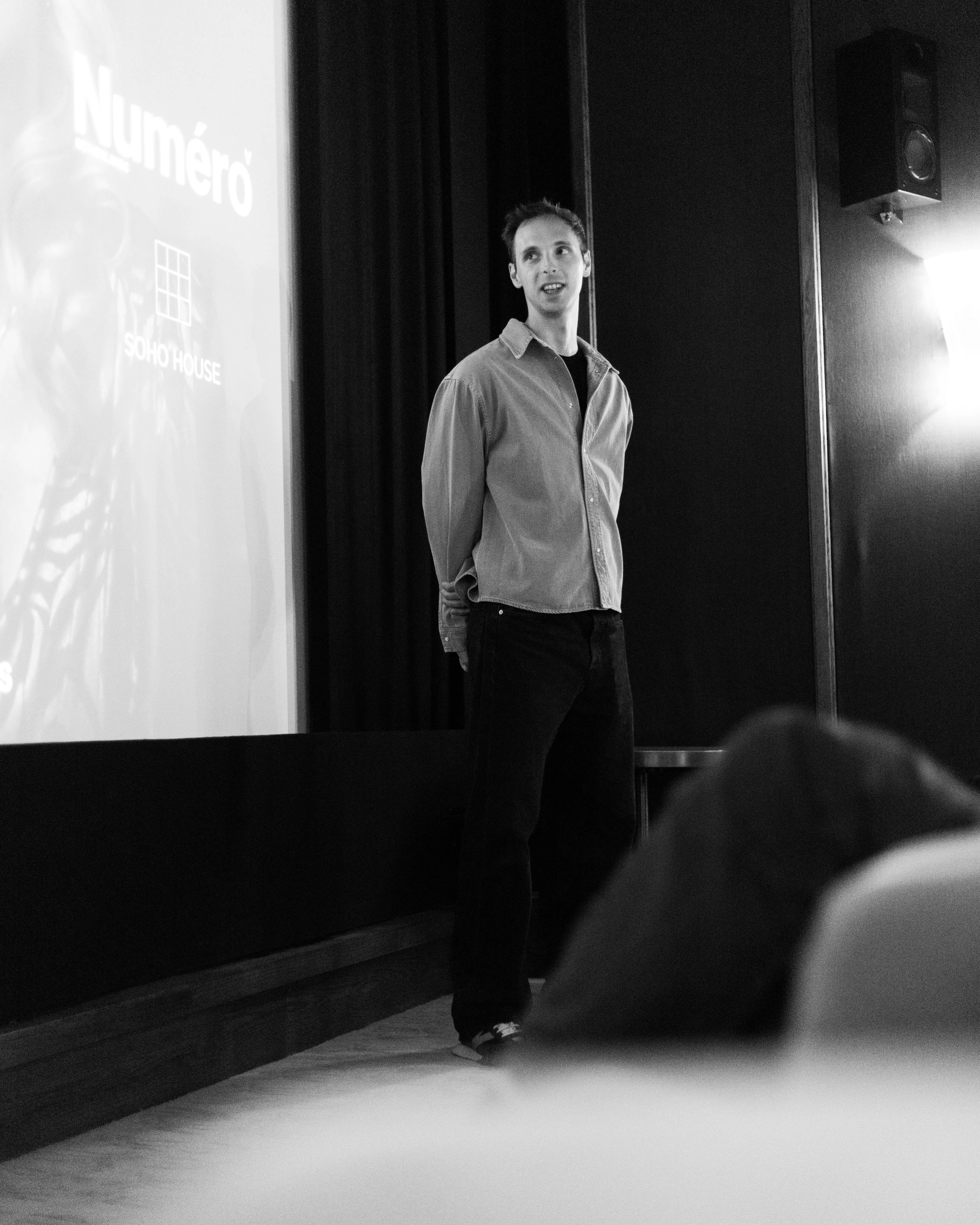
photography by DANIEL SARS
“I expected a much more traditional horror film, but what surprised me most was how comfortably it leaned into comedy and absurdity instead. It’s strange, offbeat and intentionally confusing at times, but that’s also what makes it memorable. Gillian Anderson completely steals every scene she’s in, and I especially loved the visual world Schoenbrun creates — from the painted landscapes to the heightened cinematography. Whether people loved it or hated it afterwards, nobody seemed to leave without an opinion, and that’s always interesting to me.” it is, the way you tell your story online can make all the difference.”
images courtesy of CINÉART
The film's biggest achievement seems to lie precisely there, in its refusal to fit comfortably within one genre. Horror becomes comedy, nostalgia becomes self-reflection, while a fictional slasher franchise gradually transforms into something much more personal. Like Schoenbrun's previous work, the film is deeply interested in the relationship between pop culture and identity — only this time it embraces humour, camp and romance just as readily as existential dread.
“On the surface, it’s about rebooting a slasher franchise, but underneath it’s really about what horror allows us to explore. The film asks what it means to navigate both Hollywood and your own identity as a queer filmmaker, while using the language of horror to talk about intimacy, desire and finally feeling at home in your own body. It also feels like the natural conclusion to the journey Schoenbrun began with We’re All Going to the World’s Fair and I Saw the TV Glow — a trilogy that gradually moves from uncertainty towards self-acceptance. The more familiar you are with horror history, the more references you’ll catch, but the emotional core works regardless.”
The relationship between horror and queerness feels central throughout. Schoenbrun clearly loves the slasher genre — its mythology, its visual language and even its contradictions — yet never treats it as something fixed into a certain timeline. Instead, horror becomes a framework through which ideas around sexuality, consent and self-discovery can be explored with surprising tenderness. The aim isn’t to simply frighten the audience, rather it’s an invitation to reconsider why these stories continue to resonate with us in the first place.
images courtesy of CINÉART
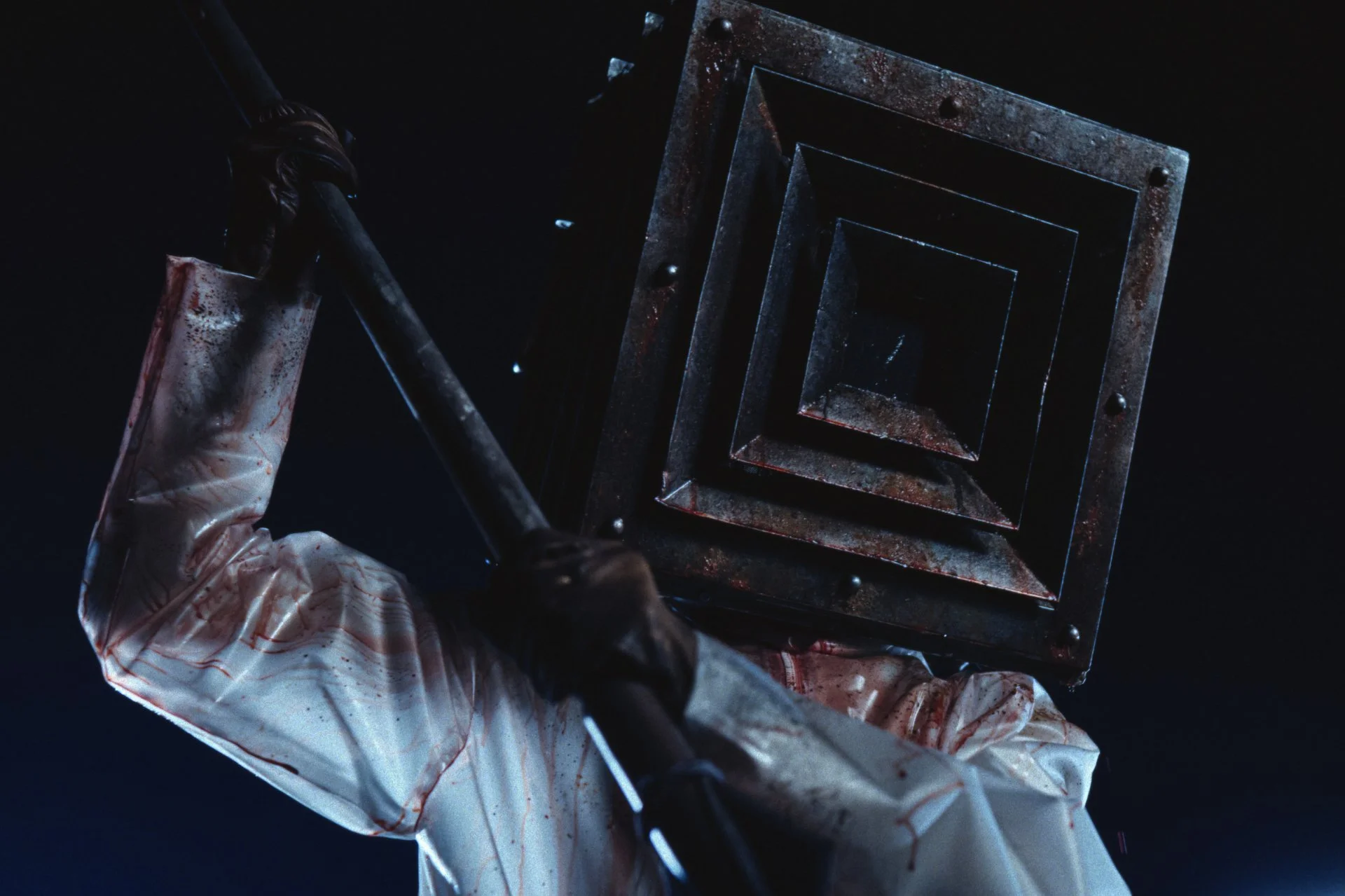
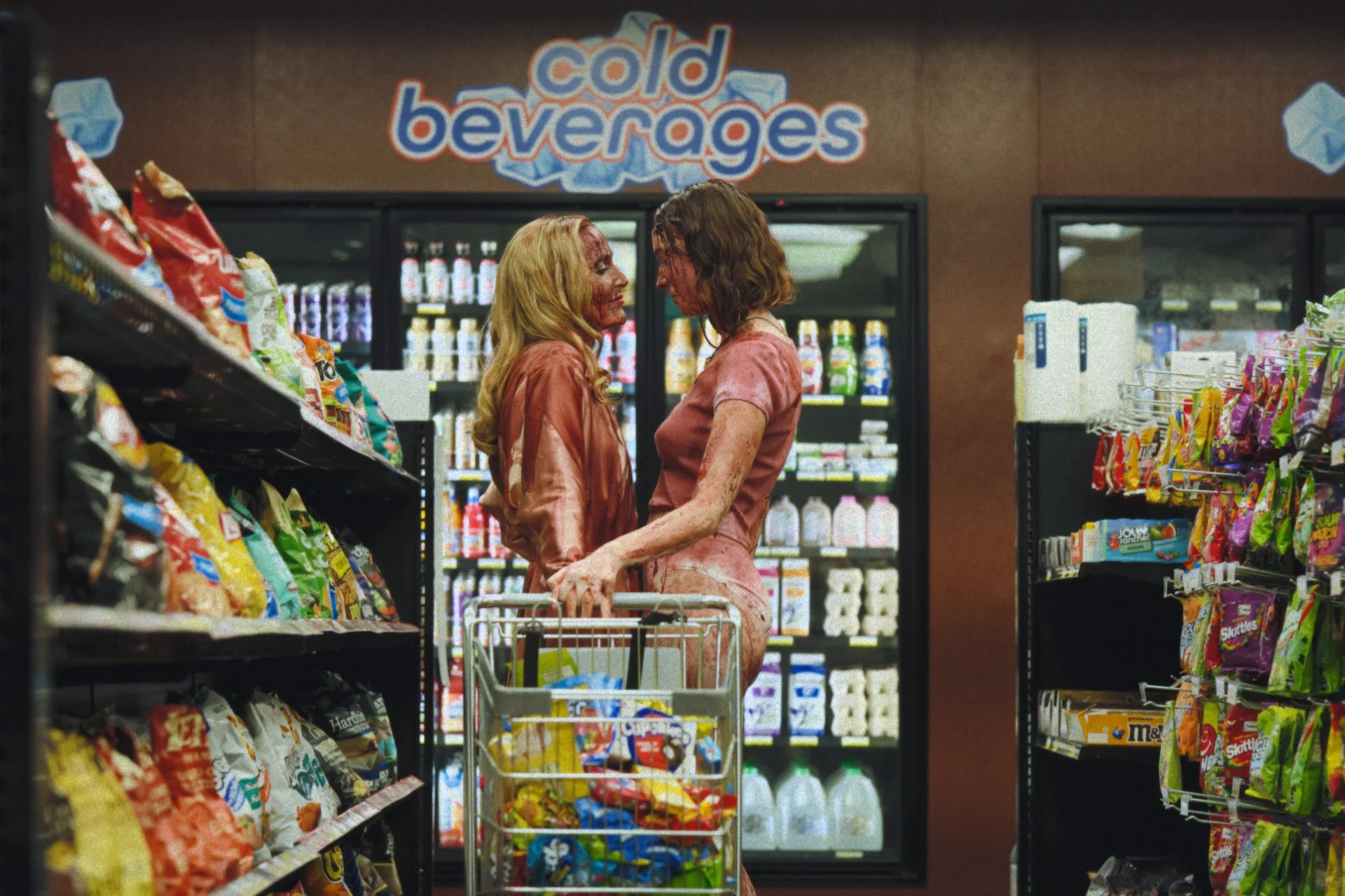
“There is absolutely no reason a film filled with blood, junk food and a killer wearing what looks like an air-conditioning vent on his head should be this hot, and yet somehow it is. I blame the gay culture that raised me. Jokes aside, horror has always had a fascinating relationship with sex, but here the two aren’t simply used to provoke. Desire becomes part of how the film talks about identity, comfort in your own body and, ultimately, liberation. It’s camp, incredibly queer and very aware of the pop-cultural language it’s playing with.”
Whether audiences embrace Schoenbrun's latest vision or find themselves challenged by it, Teenage Sex and Death at Camp Miasma is unlikely to leave anyone indifferent. It’s playful, provocative and deeply personal, but above all it proves that horror can still surprise us — not necessarily by startling, but by making us think about the stories we've been carrying with us all along, even if they’re hidden deep inside.
Teenage Sex and Death at Camp Miasma was released in Dutch cinemas by Cinéart on August 20th, 2026.