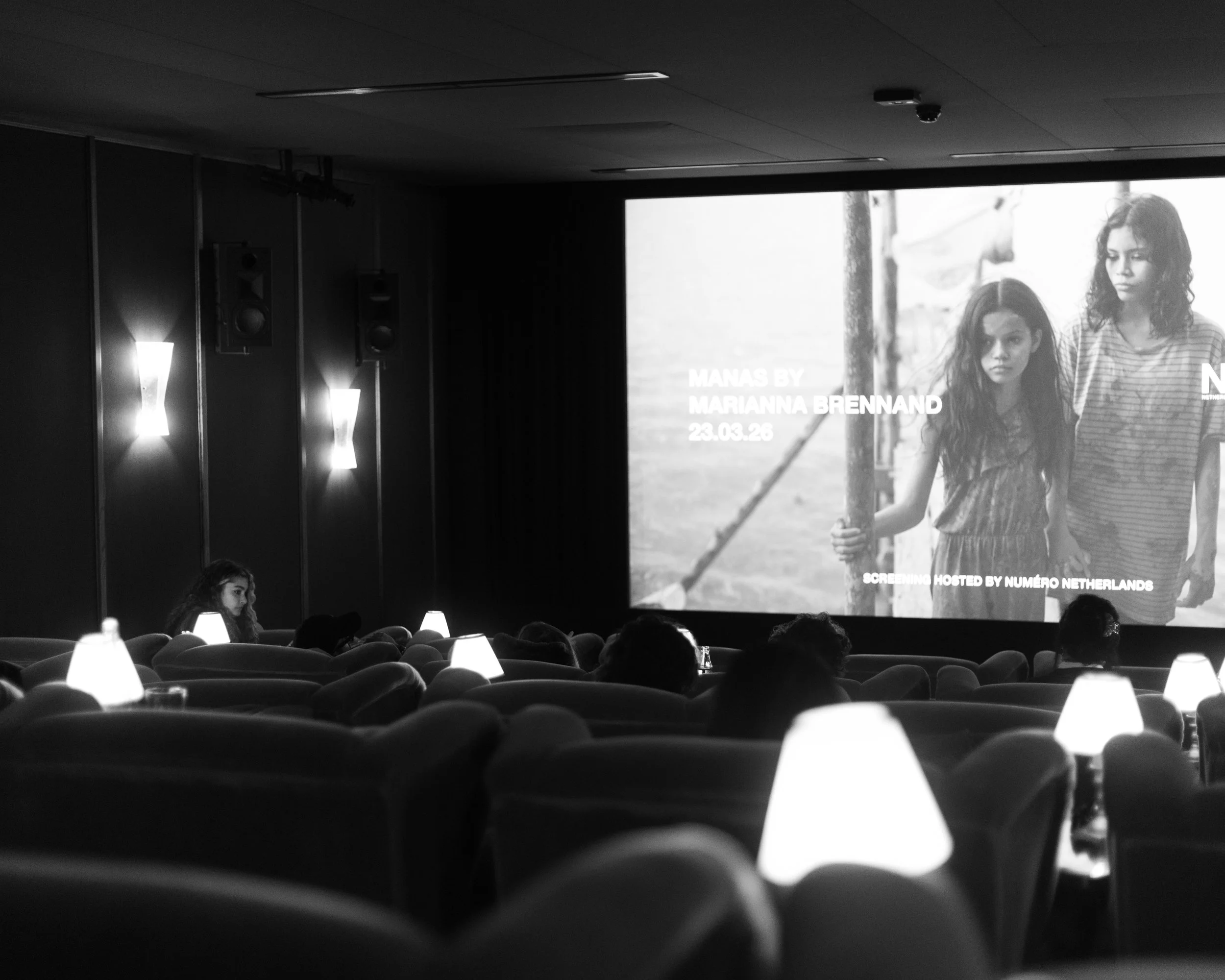
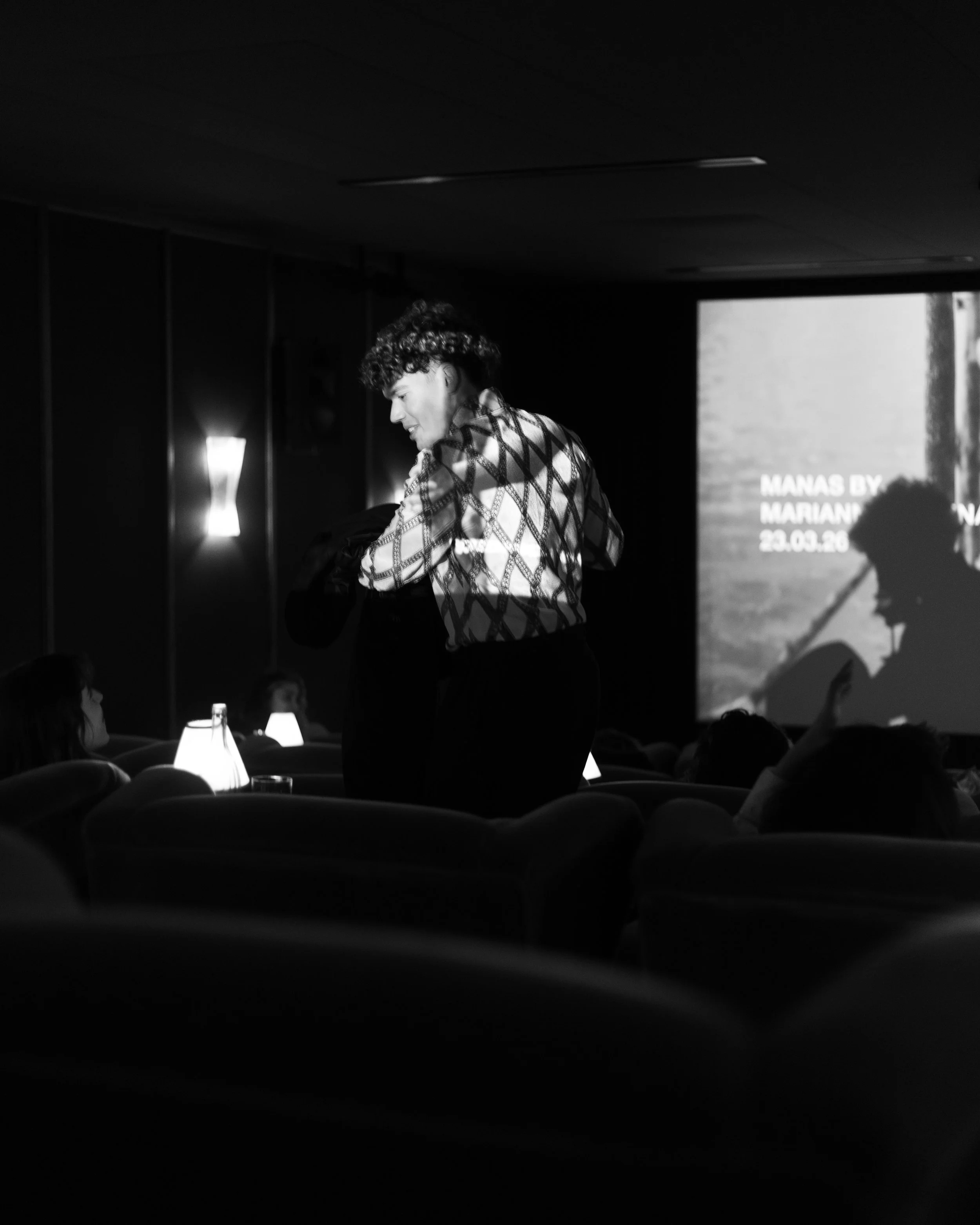
WE HOSTED THE SCREENING OF ‘MANAS’ AT SOHO HOUSE
words by ANOUK WOUDT
This past Monday, we had the pleasure of being able to host another intimate screening at the Soho House. For this edition, the Brazilian film Manas was selected, which is director Marianna Brennand’s film debut. Translated as ‘Sisters’, the film touches on heartbreaking topics following a 13-year-old girl as she navigates sexual abuse in a remote Amazon rainforest community on Marajó Island, Brazil. Piercing performances left the room speechless, followed by a few words from the filmmaker herself, offering a deeper insight into the film’s meaning.
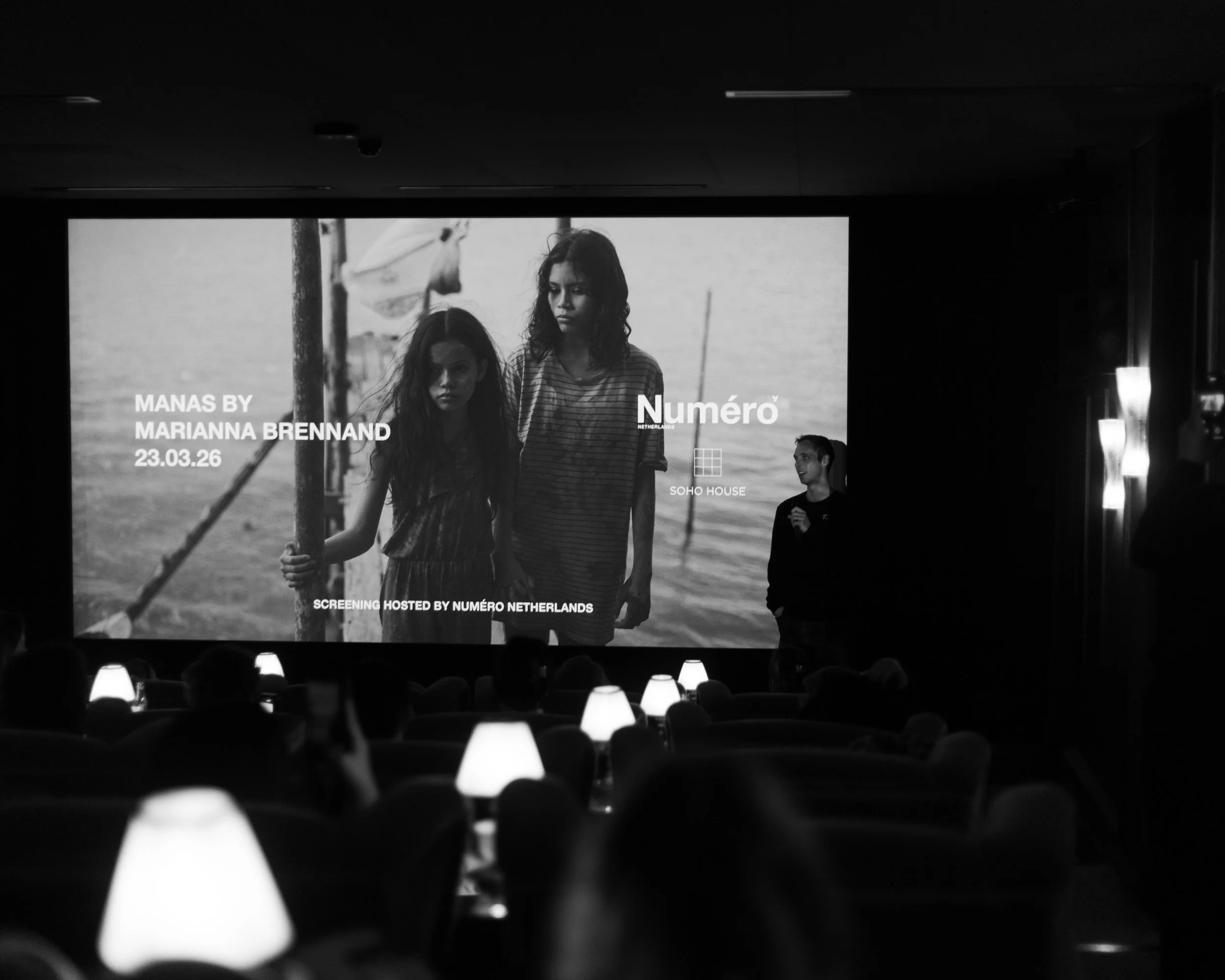
Inspired by a real story, Manas is a story of sisterhood and solidarity amid difficult times surrounding child abuse sexual exploitation rings in the riversides of Brazil. We follow the life of Marcielle, as she’s faced with traumatic violence from her father. It shows not only her, but multiple generations of women systematically chained to a long line of sexual abuse. This film was specifically chosen to promote awareness about the topic, while also inviting viewers to indulge in a piece of media that may be foreign to most in attendance.
The film may have premiered two years ago at the 81st Venice Film Festival, yet its still relatively new, especially for European audiences. This side of Brazil forms a blindspot in Western media, creating the perfect opportunity to allow this film its moment to shine a light on these important issues.
“I made this film because I want to give a voice to women and girls who would not be heard otherwise”
As the film comes to a close, we get to director’s perspective and the reasoning behind making this film. Expressed through a self-taped video in her own home, the experience feels deeply personal as she narrates the experience that led to the film’s creation.
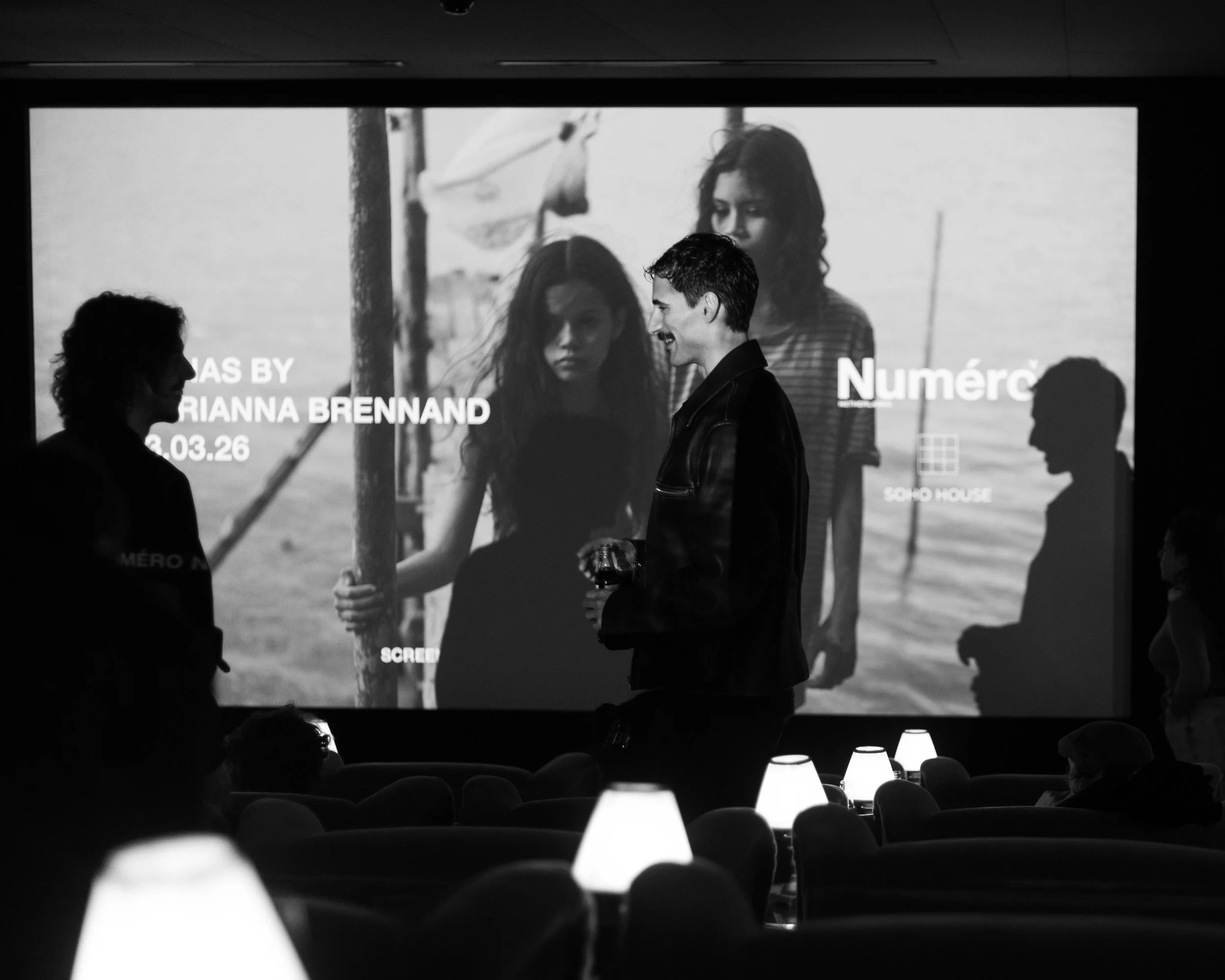
Brennand also details the challenges she faced in making this film, considering the stories of violence that surround her, involving those close to her. She grappled with how to depict sexual abuse without feeling like she was giving it a platform or inadvertently giving it undue visibility. This transferred into how the film was portrayed, with sexual violence never explicitly shown but instead inferred through intensely charged moments shown between the girls and their abusers.
“I believe in cinema as a vehicle for social and political change and transformation, and I really hope Manas will help break the silence and the taboo surrounding this horrible reality that affects us all women. We must speak out.”
These thoughts ultimately lead back to her broader aspirations for film: Manas was created as a vehicle for socio-political change, grounded in Brennand’s belief that cinema should be used as a tool for critical engagement and transformation. As she says post-screening, this film is meant to break the taboo and bring attention to the violence that women face, not only in this community, but around the world.