
BOOKS TO READ ACCORDING TO DIOR'S JONATHAN ANDERSON
words by VERONICA TLAPANCO SZABÓ
Truth be told, Anderson has never shied away from history, he prefers to revel in it. His ability to excavate the past, reframe it, and make it feel urgently present is precisely what he accomplished at Loewe. At Dior, this very same instinct is at work. His talent for selecting fragments of the house’s heritage and colliding them with unexpected references came fully into focus during the Men’s Summer 2026 show. Anderson says of his approach: “I embrace that. Like Maria Grazia Chiuri’s book bag. That’s not my bag, but I can do something else with it.” And so he does, enter Book Covers handbags embroidered with classic literary novels. A clever full-circle gesture that reconnects the object to its original function, carrying books!


images courtesy of DIOR
During the Dior Men’s show, the models walked so close to the audience that no reference could slip by unnoticed, this insistence on proximity felt very deliberate… Bringing art into intimate contact with fashion has come to be another one of Anderson’s signatures. The formula also resurfaced in the film he commissioned from British documentary filmmaker Adam Curtis for his couture debut last September. Projected onto a Louvre-esque inverted pyramid, the video unfolded as a feverish montage. Horror film excerpts spliced together with rapid-fire flashes of Anderson’s predecessors and iconic Dior media moments, past and present collapsed into one, ready to be reworked.
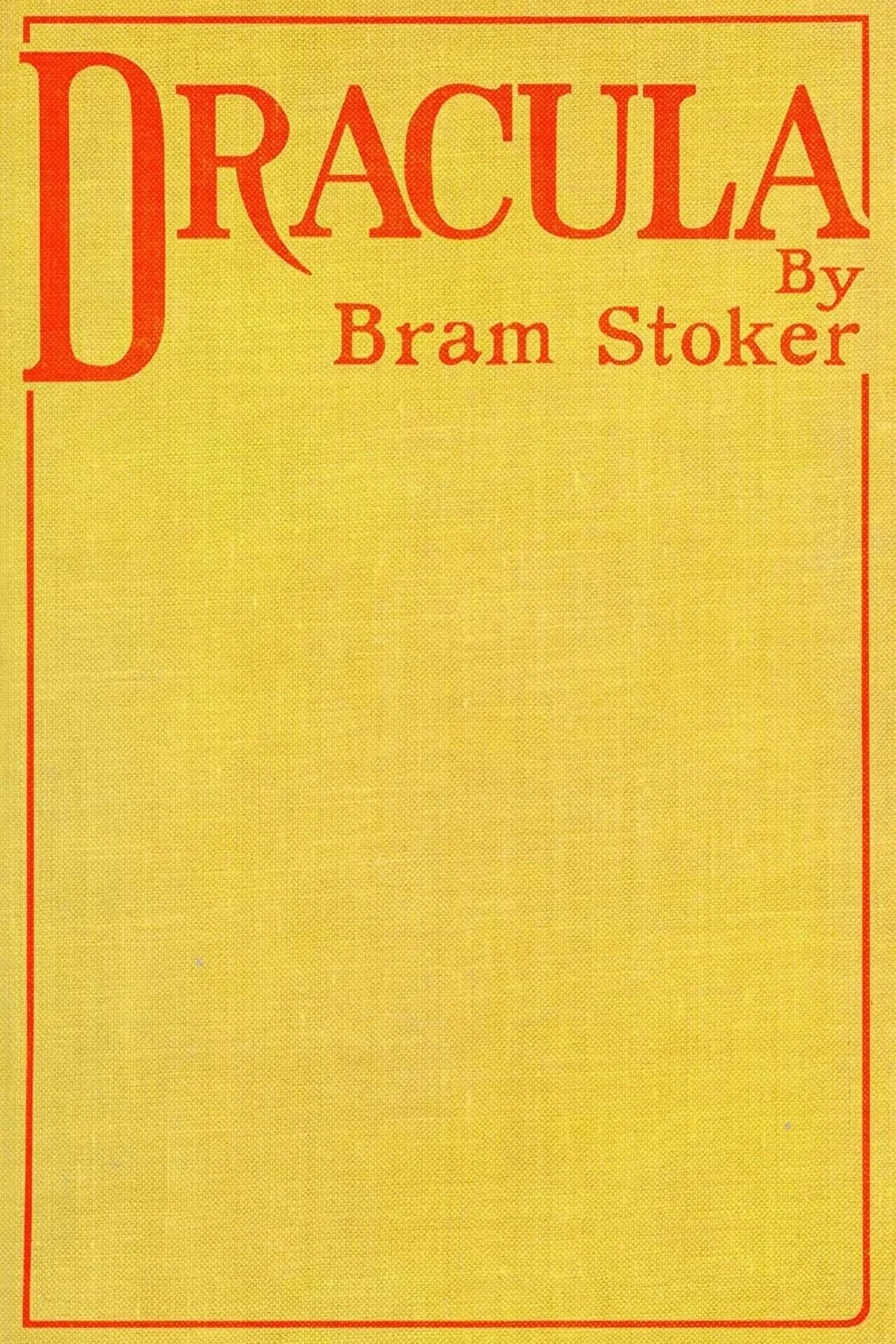
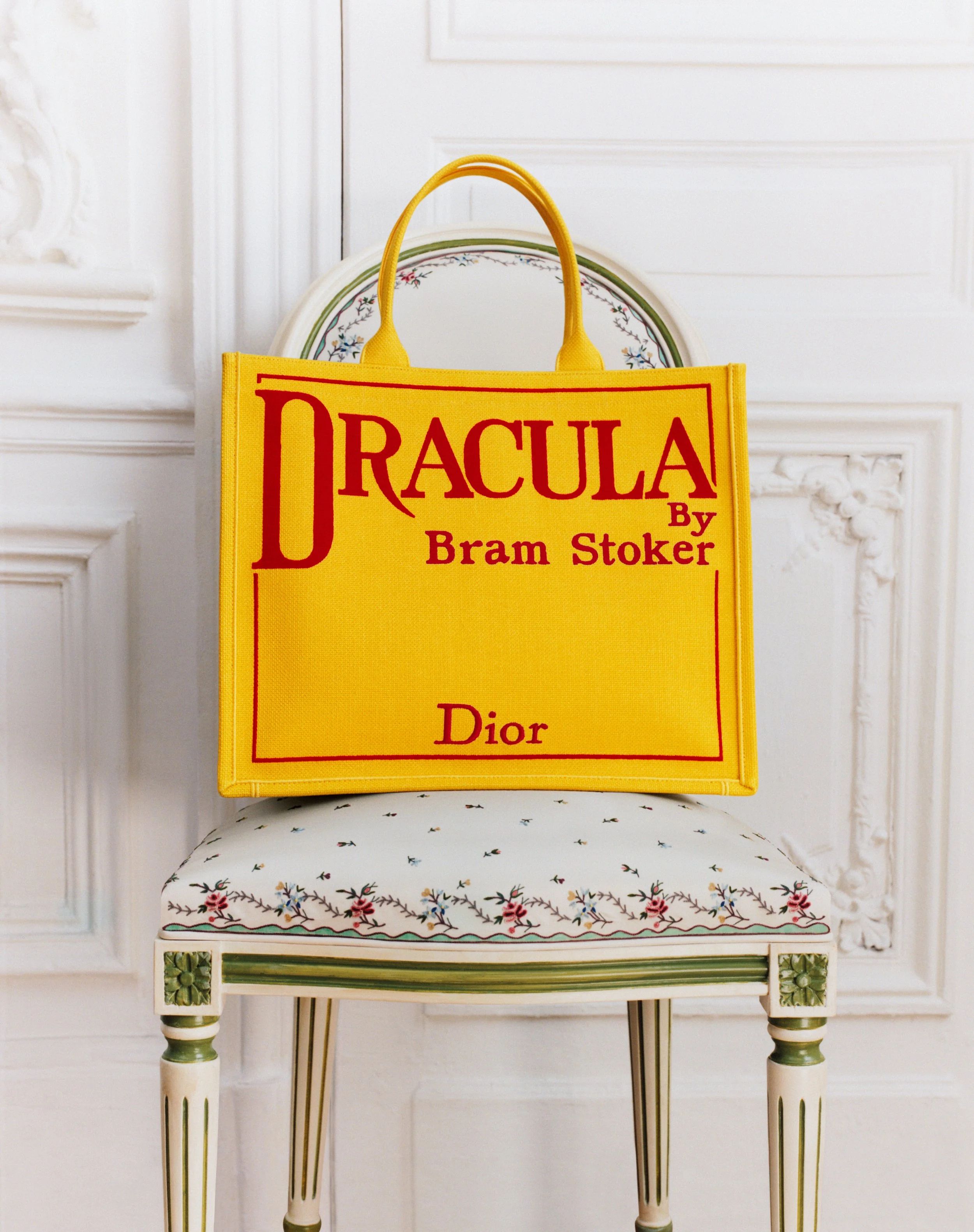
He opens his selection with the nineteenth-century Gothic fiction, Bram Stoker’s Dracula. You may feel you already know this story by heart, filtered through countless adaptations and cultural echoes, yet I would still urge you to return to the novel itself, where you will find other nuances. Told through an assemblage of letters, diary entries, and newspaper clippings, the story famously resists a single hero, instead allowing its vampires to emerge as distorted reflections of ourselves. By projecting evil outward, we grant ourselves permission to sit with the darker corners of our own psyches.
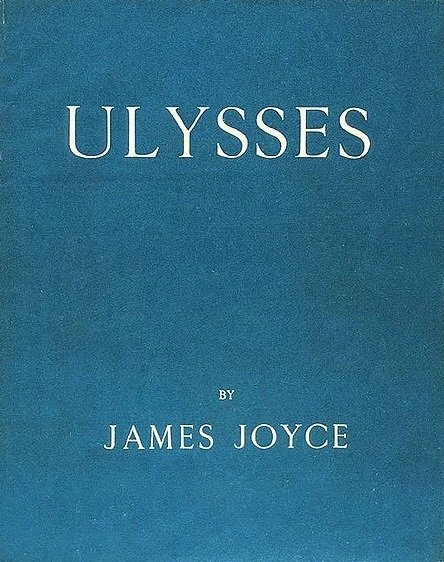

Another choice is Ulysses by James Joyce, yet another Irish icon, making it three now alongside Stoker and Anderson. The novel famously reimagines Homer’s Odyssey, translating the epic poem into the modest trials and tribulations of an ordinary man drifting through Dublin’s streets and pubs. Within the span of a single, otherwise unremarkable day, June 16th, 1904 Joyce manages to hold the entirety of life. His language moves in a stream of consciousness manner that is equally infectious and mellifluous, making even the most demanding passages simply beautiful to read.
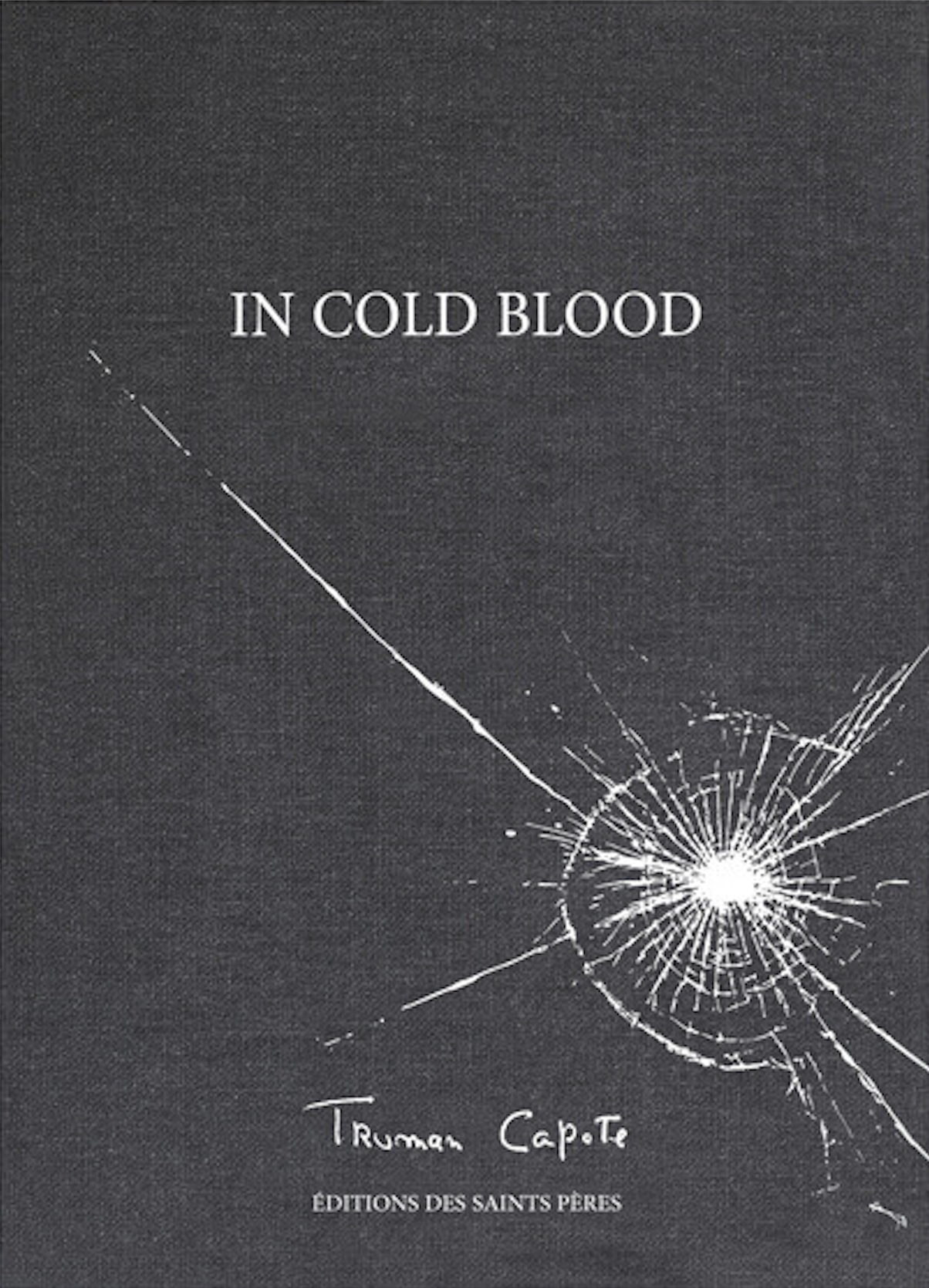

image via @editions.des.saints.peres
In Cold Blood by Truman Capote, adapted into a beloved film, began its life on the page. The work was originally published as a four-part serial in The New Yorker in 1965. The writing is meticulously plotted and structured, held taut by Capote’s journalistic prose. A charming gossip and bad boy in the newsroom, Capote fused his reporter’s eye with the seductions of fiction such as the account of the night of the murders is genuinely bone-chilling in an enduring way, consider yourself warned!
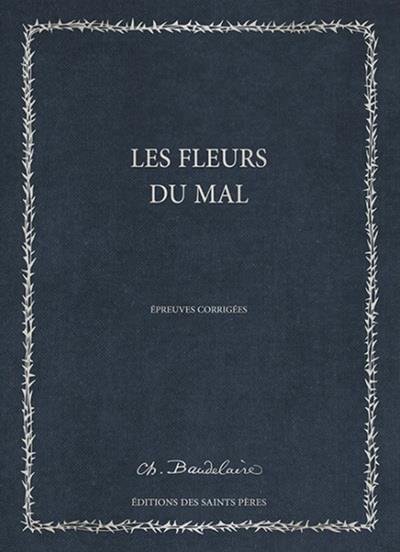

Last but not least, Les Fleurs du Mal by Charles Baudelaire, is a collection of poems that leaves a mark not just for its deep yearning, but because it stands as a monument unlike any other. Scandalous in its day for its takes on sex, same-sex love, death, the oppressive grip of the modern city, and the loss of innocence, it vibrates with sublime disenchantment. Baudelaire is, without a doubt, the ultimate alchemist of despair, an experience you simply have to have for yourself.
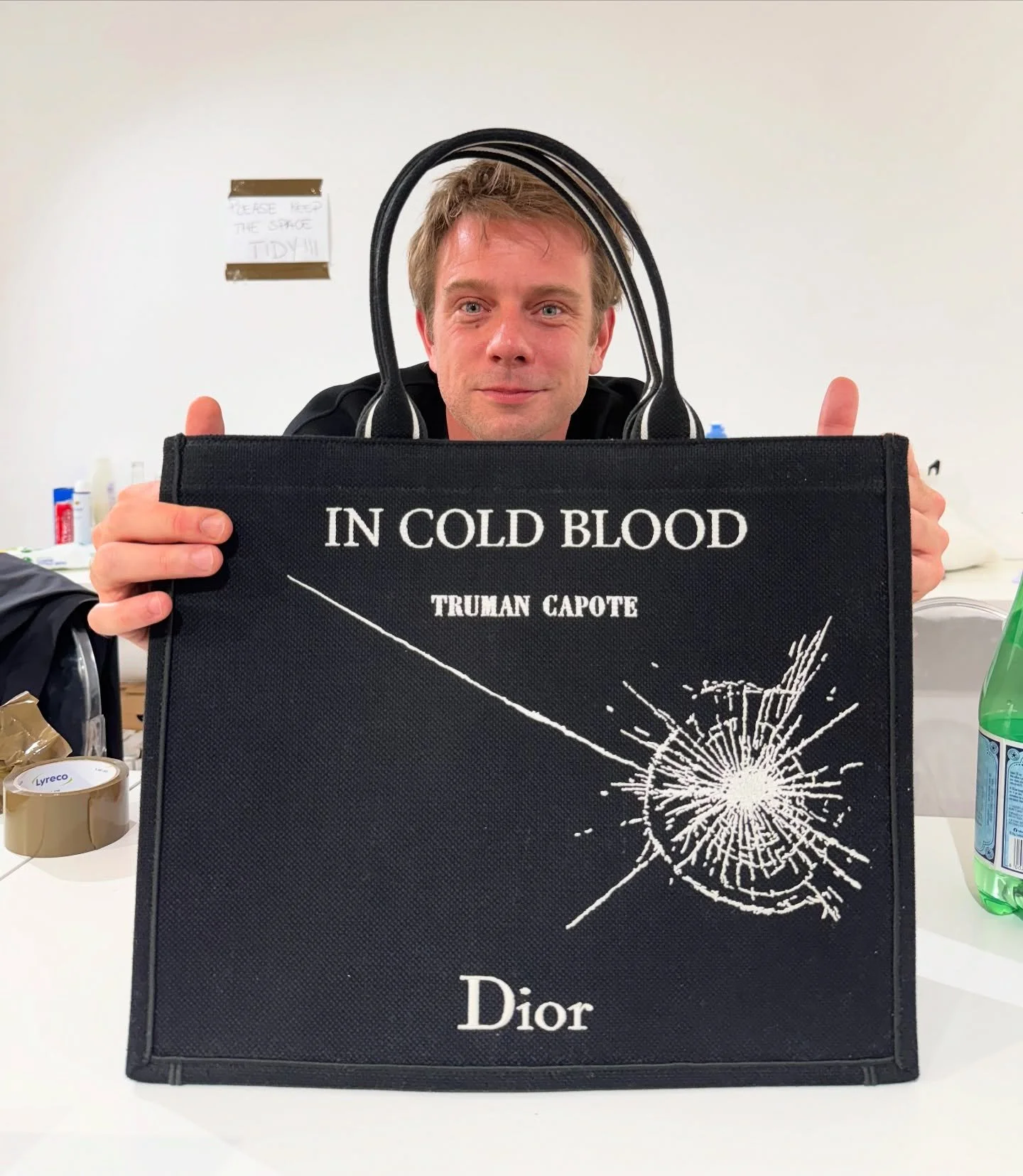
image via @ly.as
Whether you’re hunting for a thoughtful apology gift like the one Anderson gave to Lyas after he missed his debut or just looking to treat a book lover (or even yourself) discover it in stores now!
