
words by NIA TOPALOVA
From 13 to 15 November, Maastricht welcomed the 18th edition of FASHIONCLASH Festival, gathering 190 designers, artists, and performers from around the world. Spread across 15 locations throughout the city, the three-day programme offered a closer look at the many ways fashion can move beyond clothing, with exhibitions, performances, fashion shows, short films and workshops exploring identity, personal memories, material experimentation, heritage and sustainability.
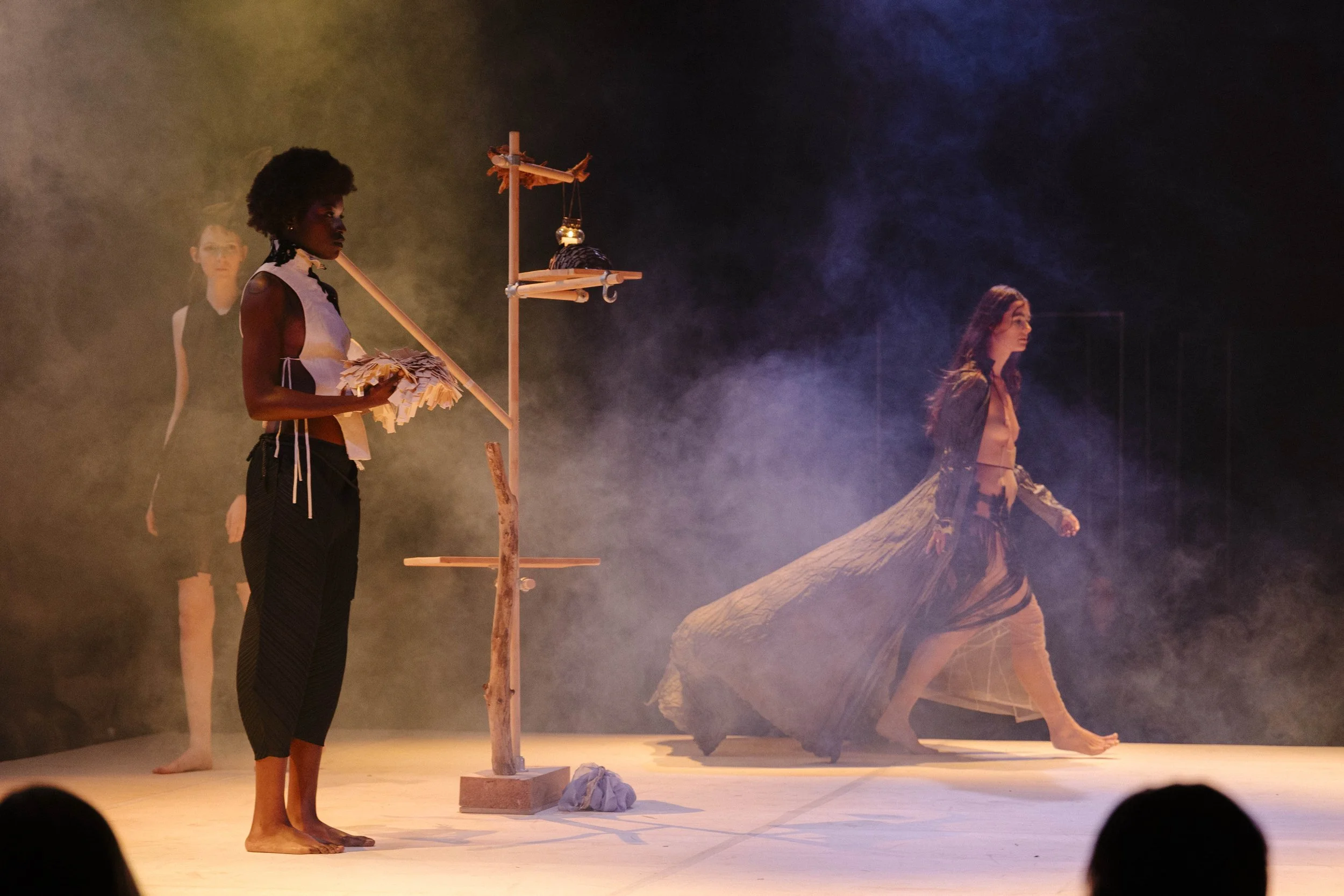
Nouka Rous
image by Jonathan Widdershoven
The festival opened at Bureau Europa with New Fashion Narratives – Fleshy, Slimy, Wobbly, an exhibition curated by Jamal Nxedlana, Karmen Samson, Welmoed Bosch and Agatha Prieto Jeanty. The exhibition explored fashion through ideas of transformation, fluidity and hybrid identities, questioning the categories and conventions shaping the industry. Among the works was Johannes Hartmann’s semi couture (wiener papierkörbe 30486), in which the interdisciplinary artist reimagines Vienna’s street rubbish bins as mannequins, dressing them with the care and craftsmanship traditionally associated with couture. Julia Mazur's TIREMAN, a sculptural garment made from three van tyres was worn by three performers whose bodies become physically connected. Studio Paul & Haiko presented I Was Born from an Ocean of My Mothers Skirts, a personal exploration of queer identity and family memories, built from quilt made from dresses belonging to Paul van de Waterlaat's mother.
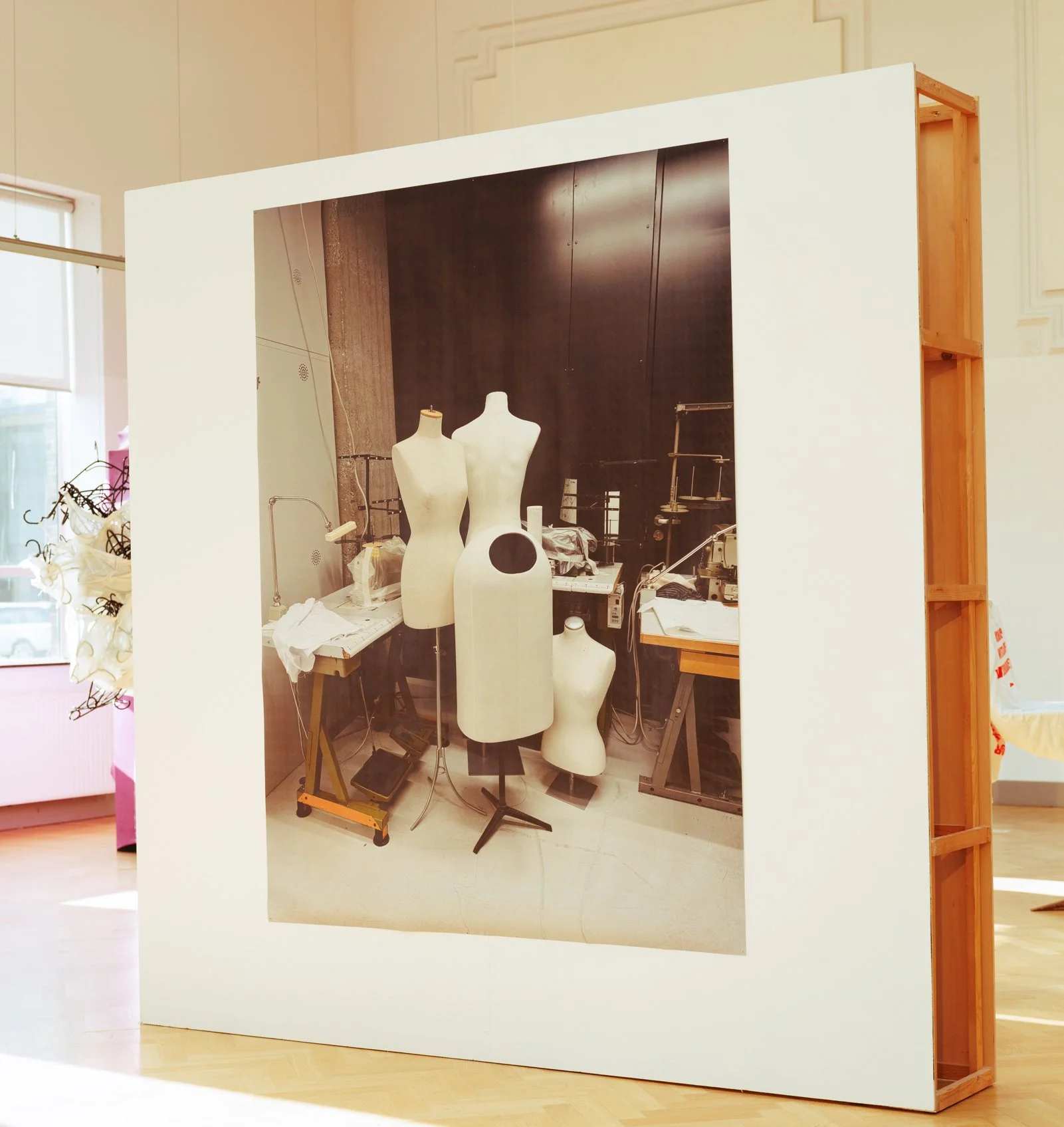
semi couture (wiener papierkörbe 30486) by Johannes Hartmann
image by Laura Knipsael
Another highlight was The CLASH House, FASHIONCLASH's fashion performance programme, which took place in the Peutzhal at ENCI Maastricht. Ten selected designers presented their collections through live performances, bringing together clothing, movement, sound and scenography. The presentations used the body as a starting point for storytelling. Among the participants, Anna Strengers explored desire, shame and vulnerability through latex and tactile materials in BOUND TO THIS BODY, while Emma Magermans looked to her childhood in South Limburg for RAVEILLE, reinterpreting regional dress and local traditions through a contemporary, club-inspired perspective. Both projects received awards, with Strengers taking home the FASHIONCLASH Festival Award and Magermans receiving the Textile Innovation Maastricht Award and the PFAFF x Stitchlie Award.
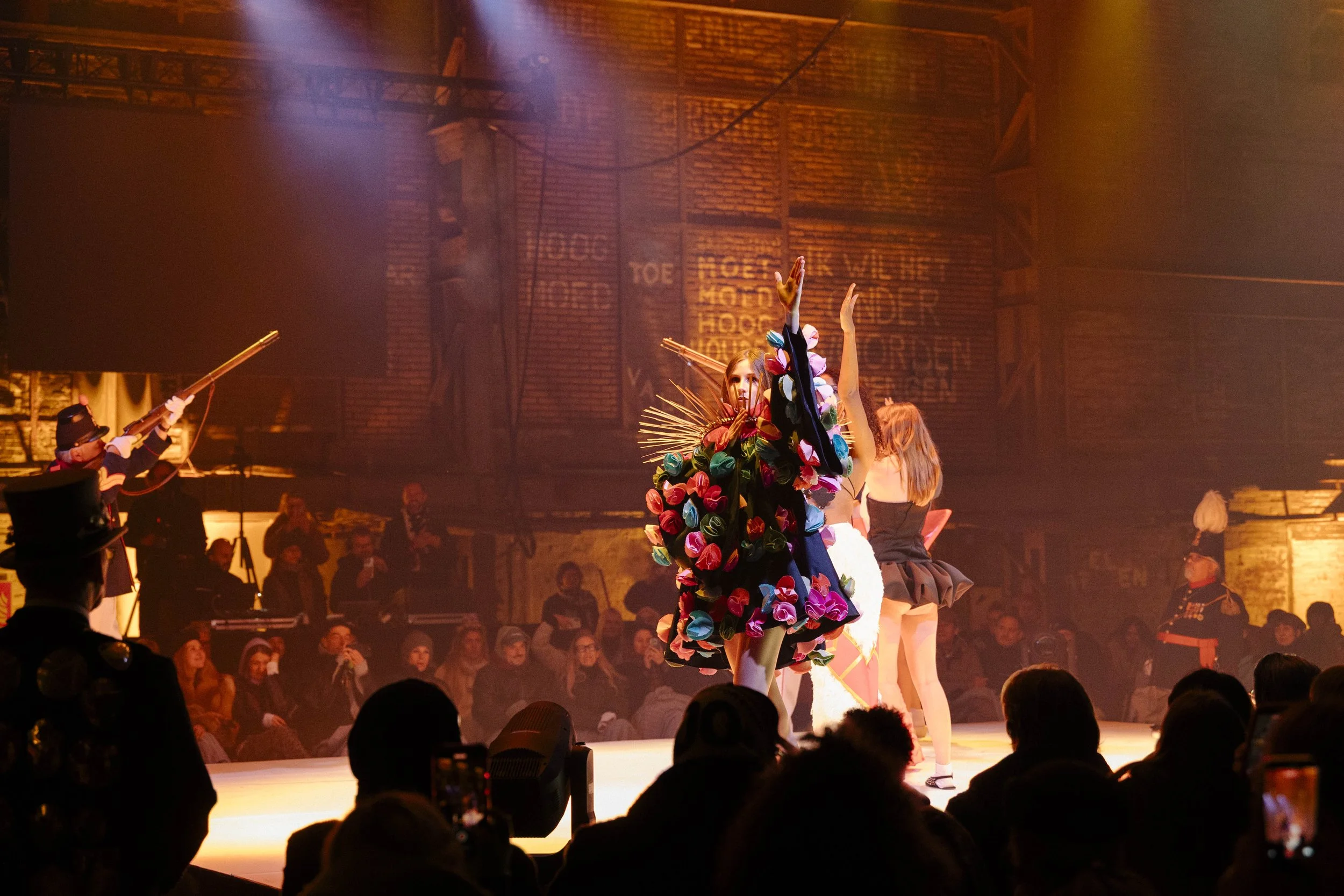
RAVEILLE by Emma Magermans
image by Jonathan Widdershoven
Fashion also found its way onto the cinema screen at Lumière, where the Fashion Film Program presented 44 short films and three premieres. Moving between documentary, experimental film and digital storytelling, the selection explored identity, gender, transformation and the physical and virtual body. The FASHIONCLASH Festival Fashion Film Award went to Emma Evelein for Born Into You, while Storm Nijhuis and Denise Bakker received the Kaltblut Magazine Award for HELLION. Of the 44 films selected for the programme, five were shortlisted for the awards. Alongside the two winners, the finalists included My Kanga and Me by Izy Mana, NOT ASKIN’ FOR IT by Christos Panagiotou and MADE IN X by Sofia Ivanova Kozhevnikova.
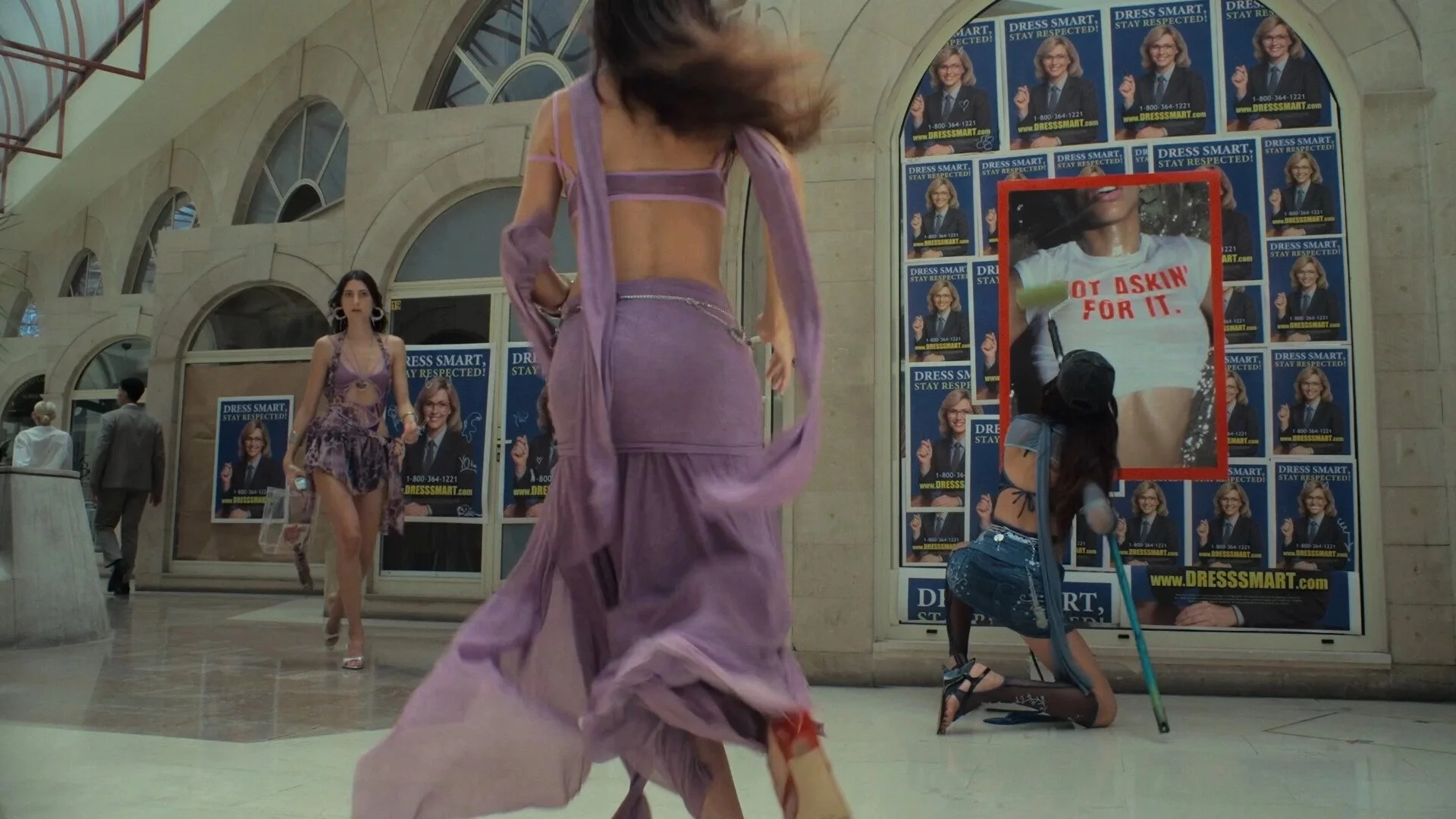
NOT ASKIN’ FOR IT by Christos Panagiotou
The festival also placed a strong emphasis on collaboration and participation. At the Jan van Eyck Academie, a project developed with Amarte Fonds brought fashion designers together with artists working across performance, music and audiovisual art. Meanwhile, the Fashion Makes Sense programme at Centre Céramique explored fashion as a means of connection, with workshops and community projects involving more than 500 participants. One of these was TexTiles, a collective artwork made from hundreds of individual textile pieces, each contributed by someone connected to Maastricht.
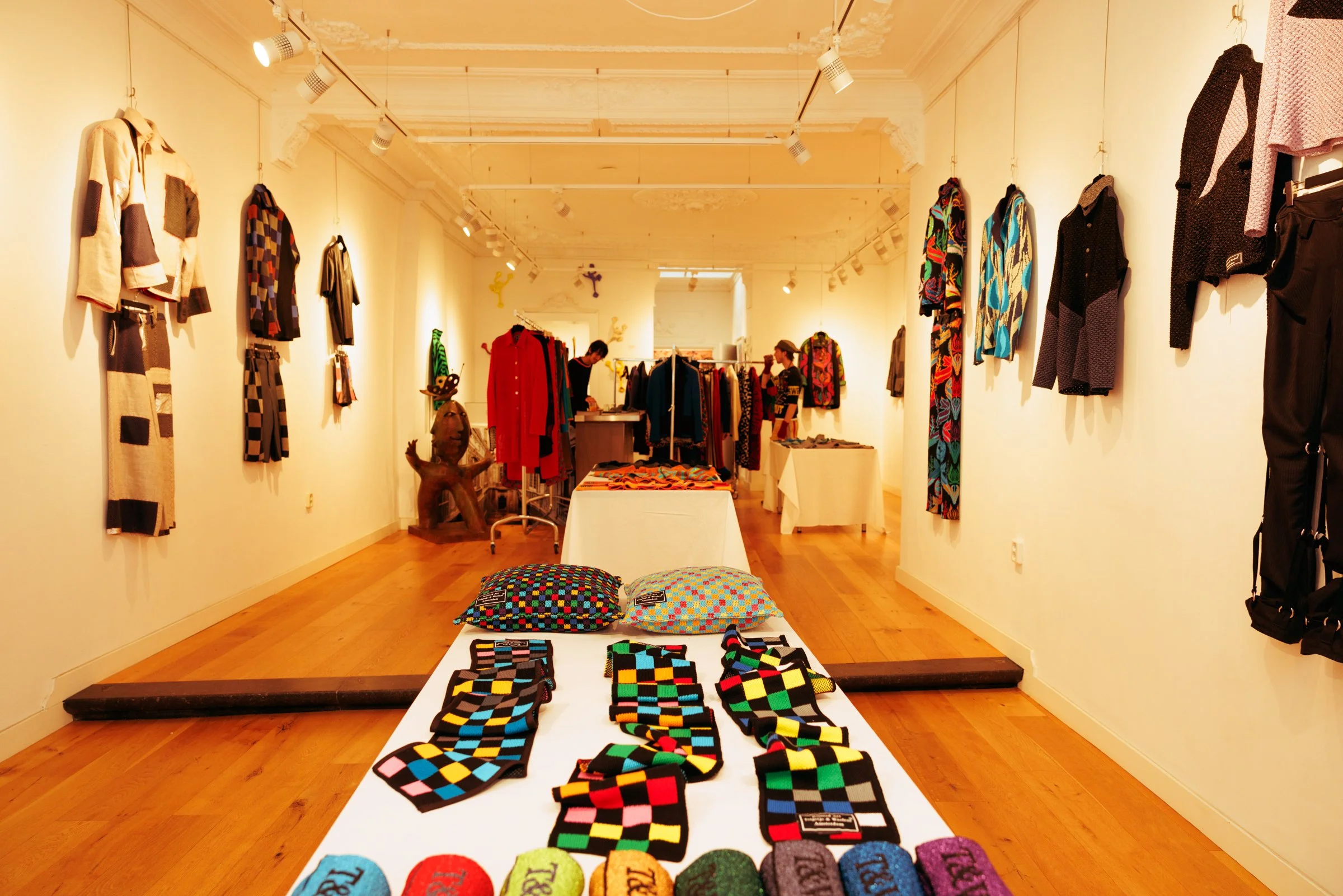
Teigetje & Woelrat
image by Laura Knipsael
Founded in 2009 by Branko Popović, together with Nawie Kuiper and Laurens Hamacher, FASHIONCLASH has grown from an initiative supporting emerging fashion talent into an international platform for contemporary fashion and interdisciplinary creativity. This year's edition once again showed how fashion can be used to tell personal stories, question established ideas and bring different communities together. The 19th edition will return to Maastricht from 19 to 21 November 2027.
