IN CONVERSATION WITH ARTH ATELIER
interview by JANA LETONJA
photography by AVANI RAI
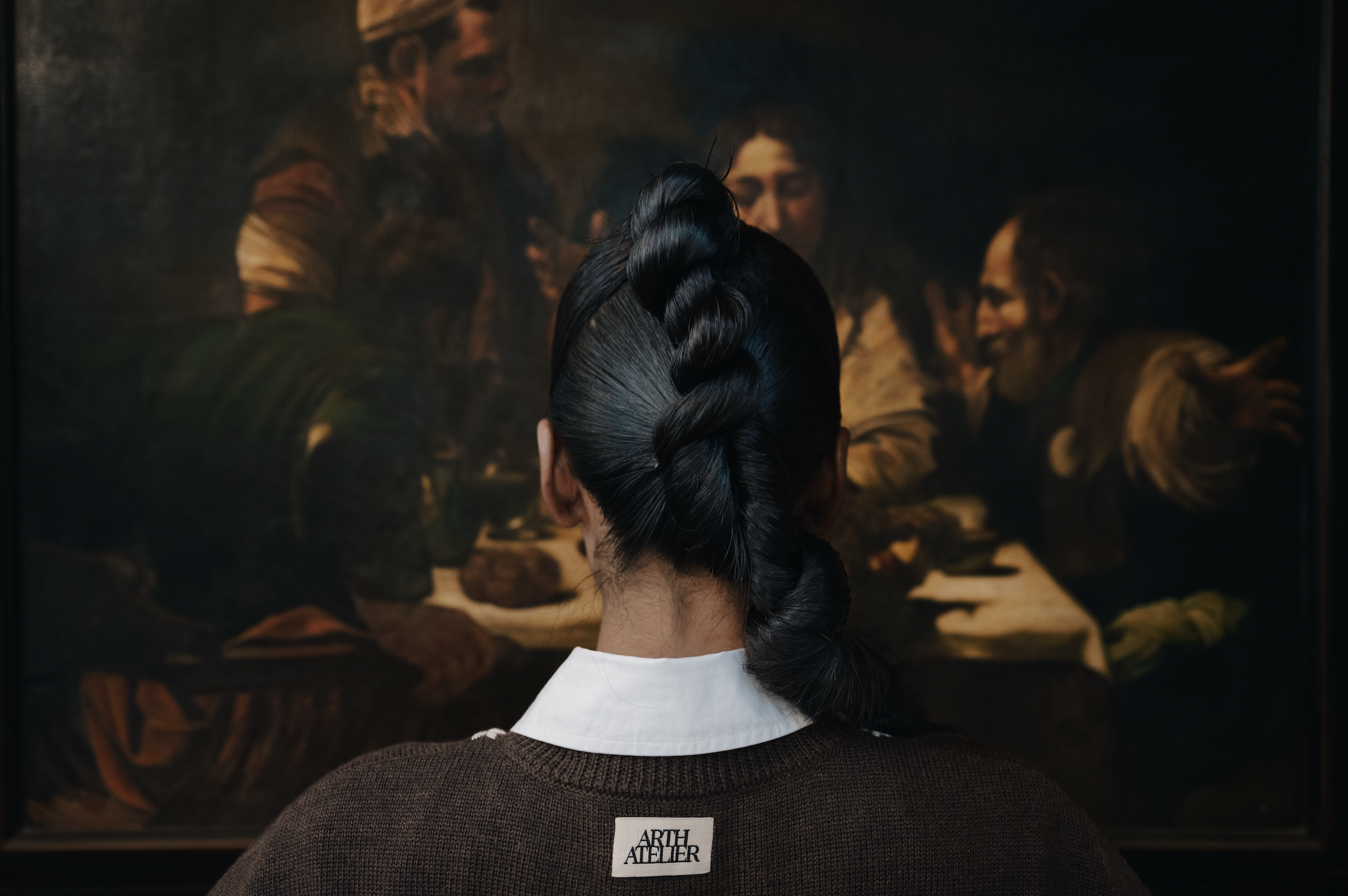
Arth Atelier is redefining contemporary luxury through a lens that honors artistry, heritage, and intention. Founded in Boston, the ready-to-wear label draws its name from the Sanskrit word Arth, meaning significance, and Atelier, the artist’s workshop. True to its name, the brand functions as a sanctuary for craft, where East-meets-West influences harmonize and traditional Indian techniques find renewed expression for the modern global wardrobe. Working with certified organic, natural, and recycled materials sourced from ethically driven partners, the brand champions transparency through fully traceable supply chains and QR-enabled provenance journeys. Rooted in the ethos of “crafted by,” Arth Atelier celebrates the overlooked artisans behind each stitch, elevating craftsmanship to its rightful place at the center of fashion. With an aesthetic that balances minimalism and adornment, structure and fluidity, the brand is shaping a thoughtful new era of luxury grounded in meaning, artistry, and impact.
Arth Atelier’s name blends Sanskrit and French, symbolizing both meaning and craftsmanship. What significance did you want the name to hold for the brand’s identity?
Arth Atelier’s name holds the duality the brand lives in. “Arth” in Sanskrit speaks to meaning and the significance of something, while “Atelier” nods to the rigor and intimacy of the studio, an artist’s workshop, where things are made slowly, and by hand. Together, Arth Atelier stands as a curated space where heritage and artisanal mastery seamlessly intersect. The name is important because it’s a reminder that by definition every decision – fabric, cut, embroidery, provenance – should be intentional and values-led, not decorative for its own sake.
What sparked the idea to build a label that intentionally centers artisans and heritage craft, rather than designers alone?
The label began as a response to how the fashion world often credits the “Designed by” while leaving the “Crafted by” invisible. We wanted to create a brand that celebrates craft, heritage, and meticulous workmanship while giving visibility and value to all the makers. We strongly believe in the ethos of design and production holding equal value. Garment-making is a beautiful craft, sustaining communities, livelihoods, and driving economies, but in recent times, it’s started to feel more transactional, instead of an intimate, fulfilling process. We’re flipping that script by educating the consumer about the origins of their garments and the story of their makers, in a way that feels tactile and resonant for the modern conscious consumer.
How would you describe the Arth Atelier aesthetic to someone discovering the brand for the first time?
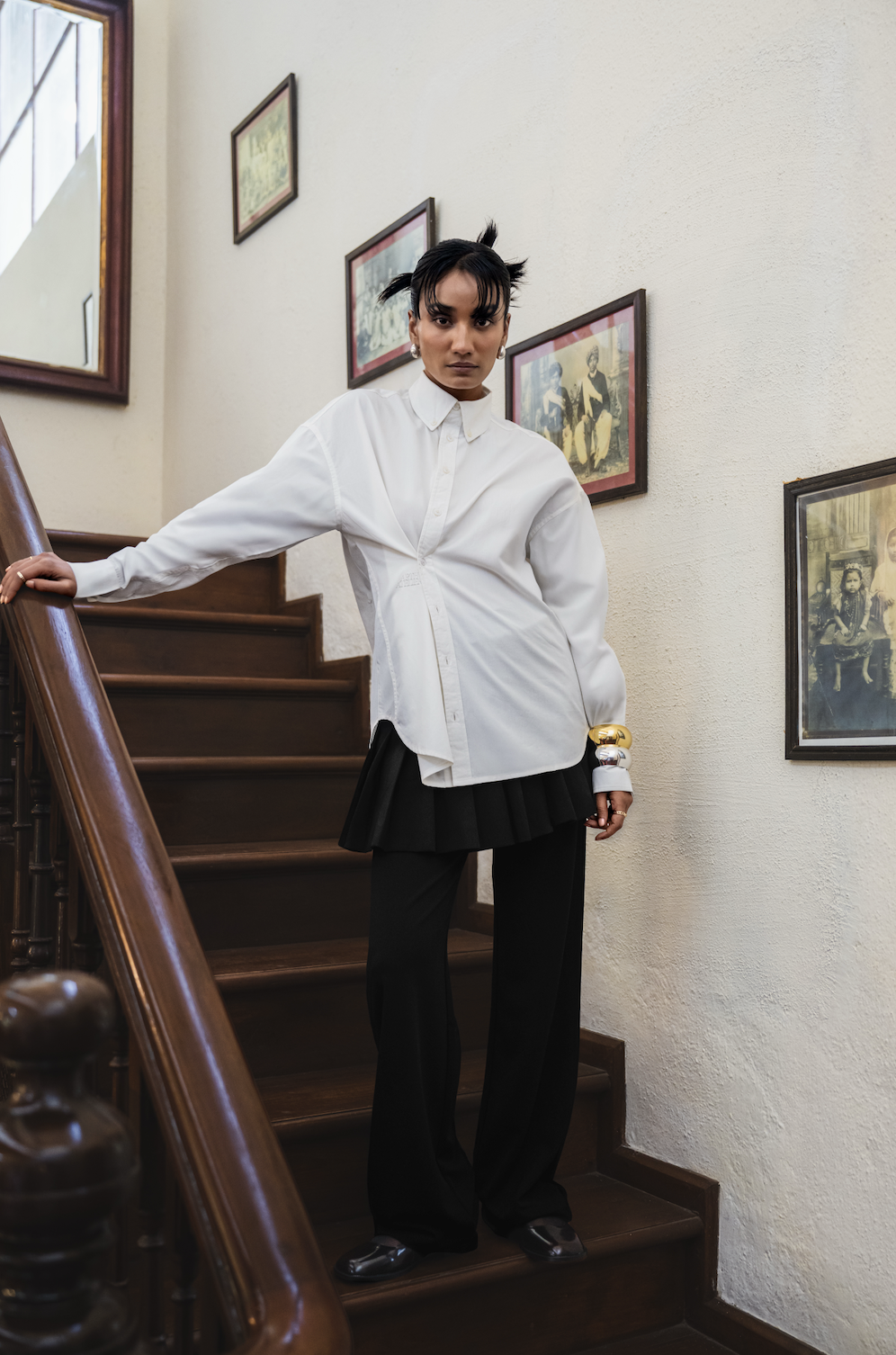
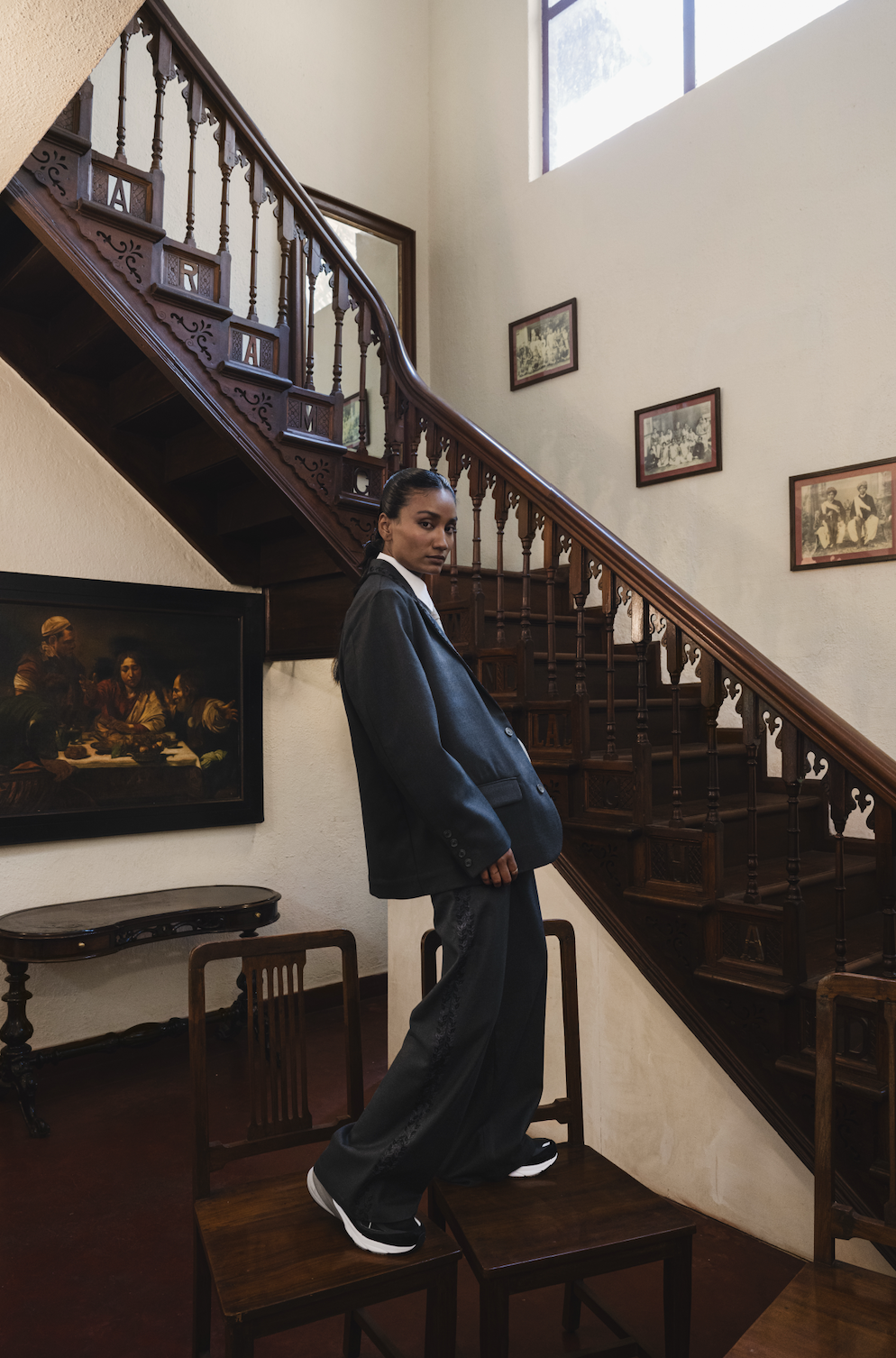
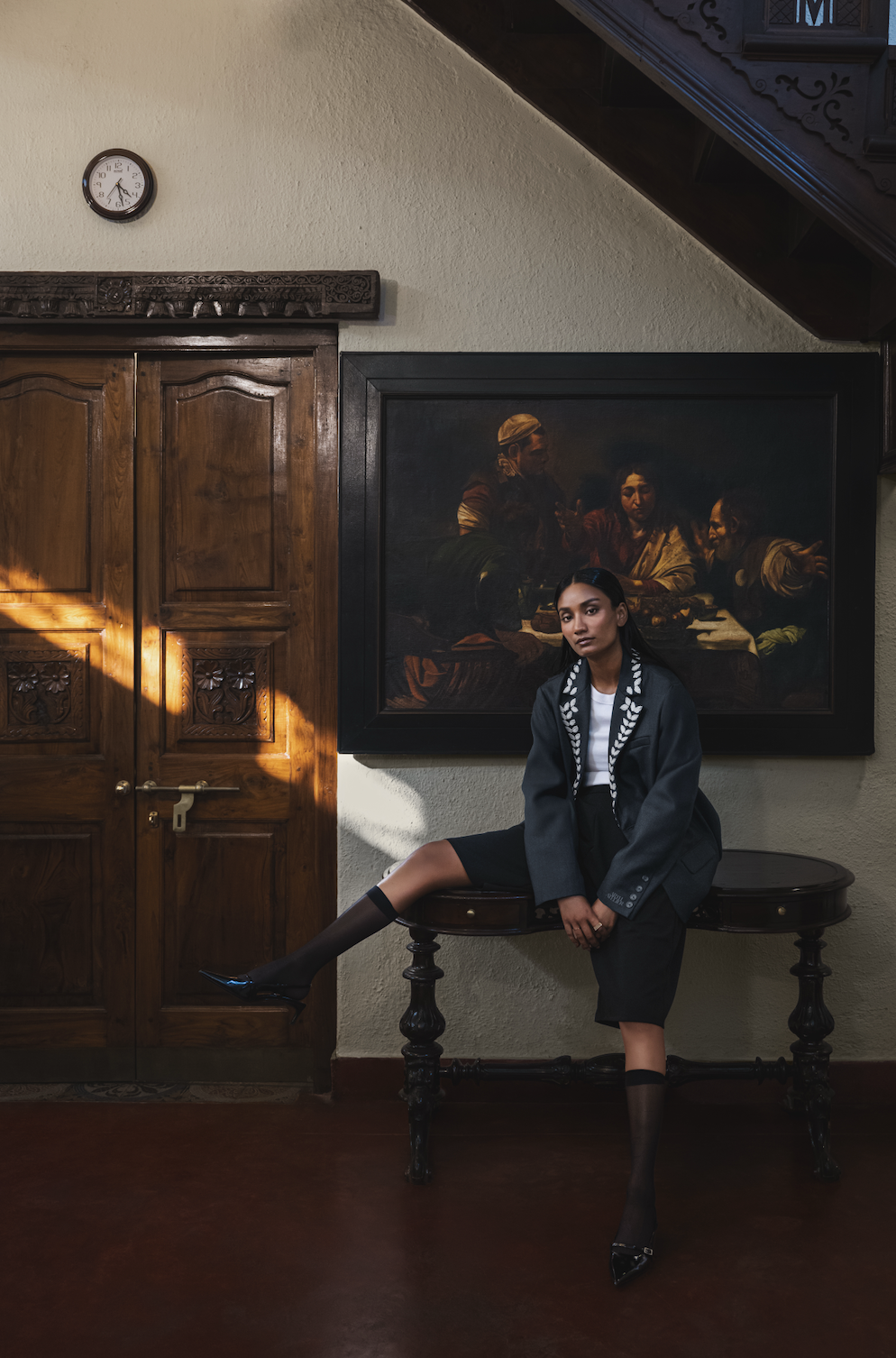
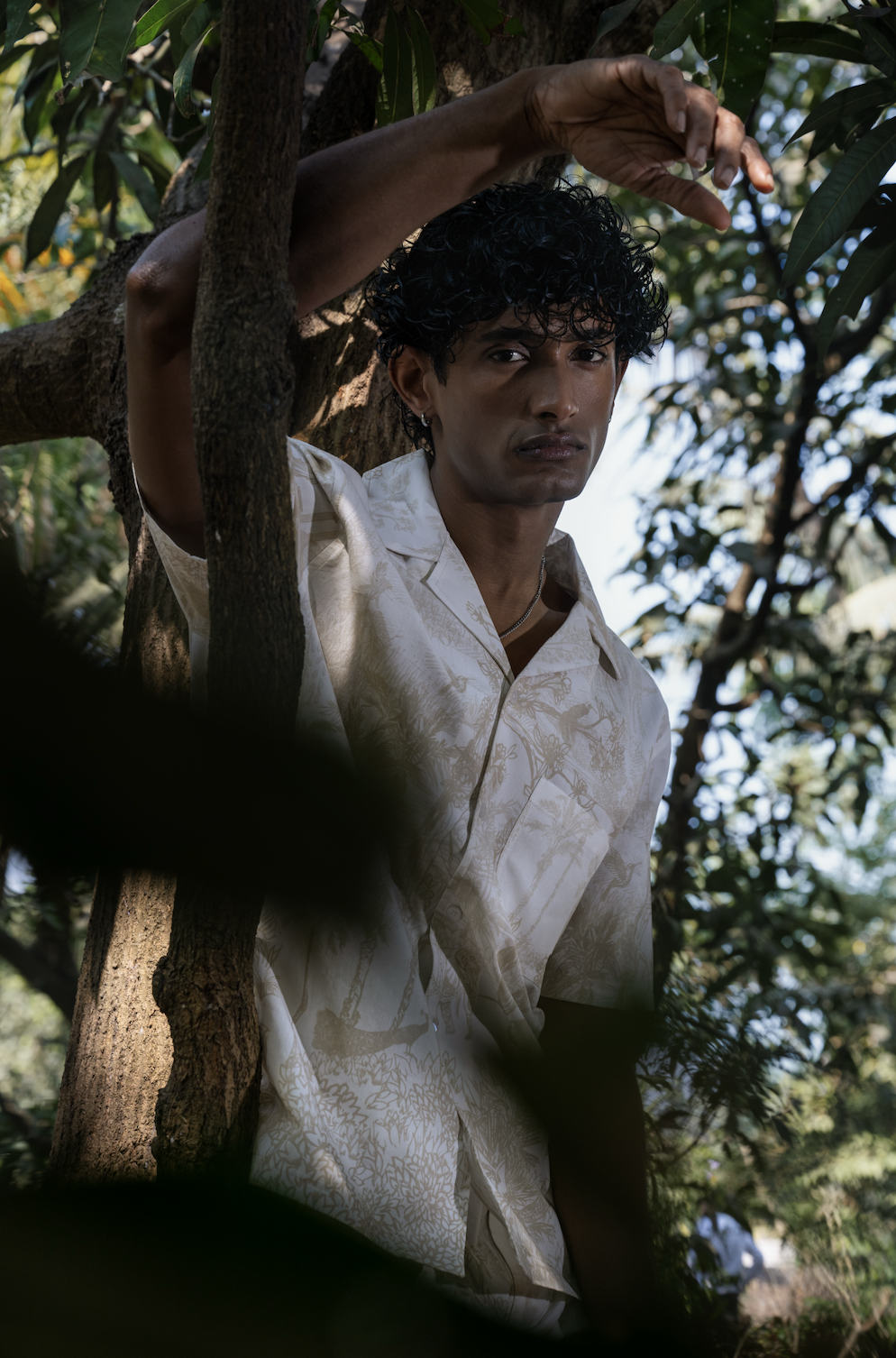
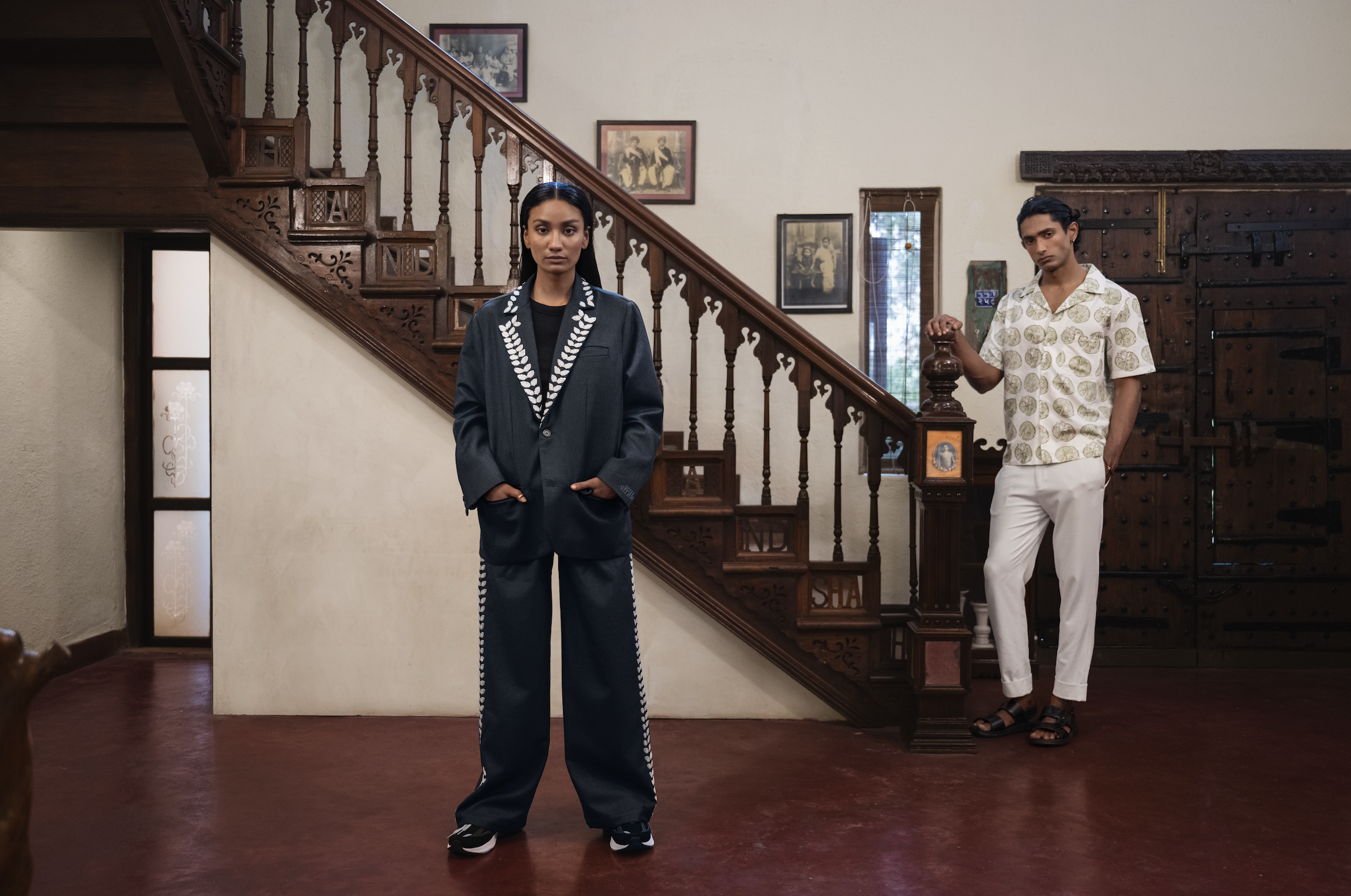
The brand aesthetic is a dialogue between different cultural expressions, precise tailoring and clean lines paired with the soul of embroidery and textured handwork. Silhouettes sit between ready-to-wear and streetwear – soft tailoring, easy separates, and relaxed fits – then layered with artisanal details that feel subtle yet powerful. Its quiet, contemporary luxury – minimalism and adornment, structure and drape, masculinity and femininity – held in a deliberate tension.
At its core, it’s a thoughtful juxtaposition of two worlds that may seem opposite and haven’t often overlapped, but feel deeply compelling when they do. We want to speak to the global consumer who doesn’t fit neatly into one box, someone who may belong to neither world, or perhaps both.
Each garment includes handwork from master artisans in New Delhi. How do you select the specific techniques, like Aari embroidery, for each collection?
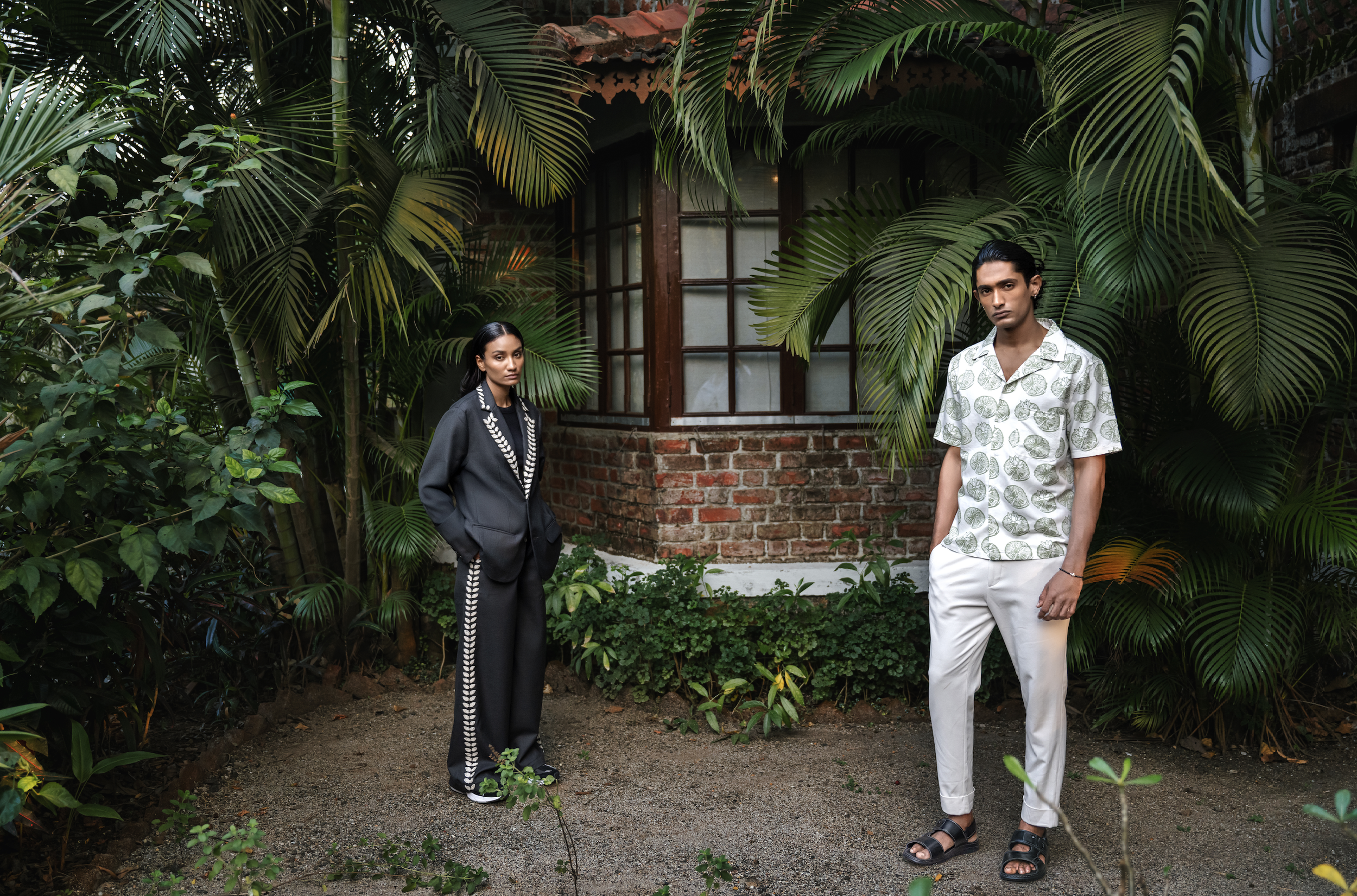
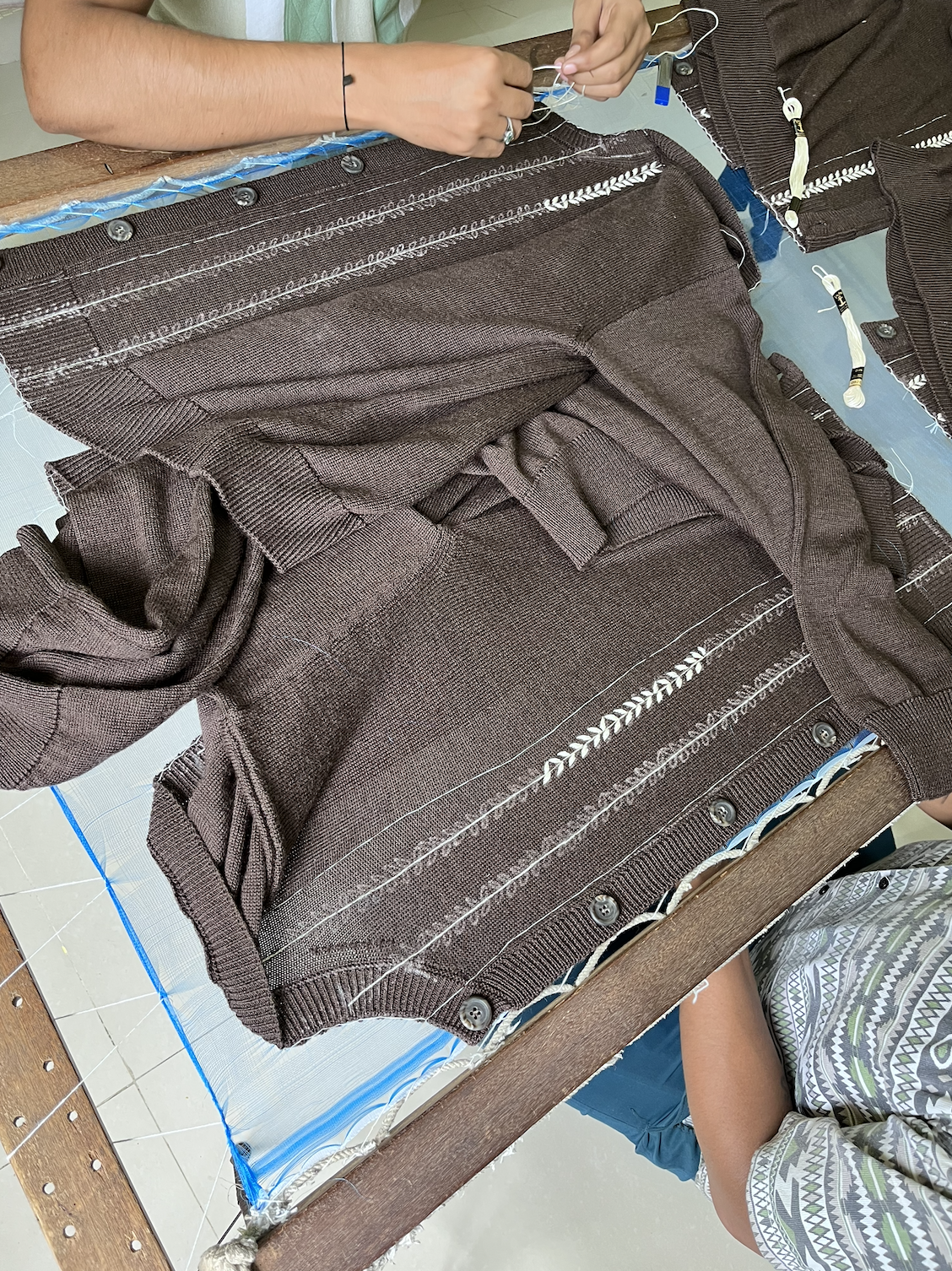
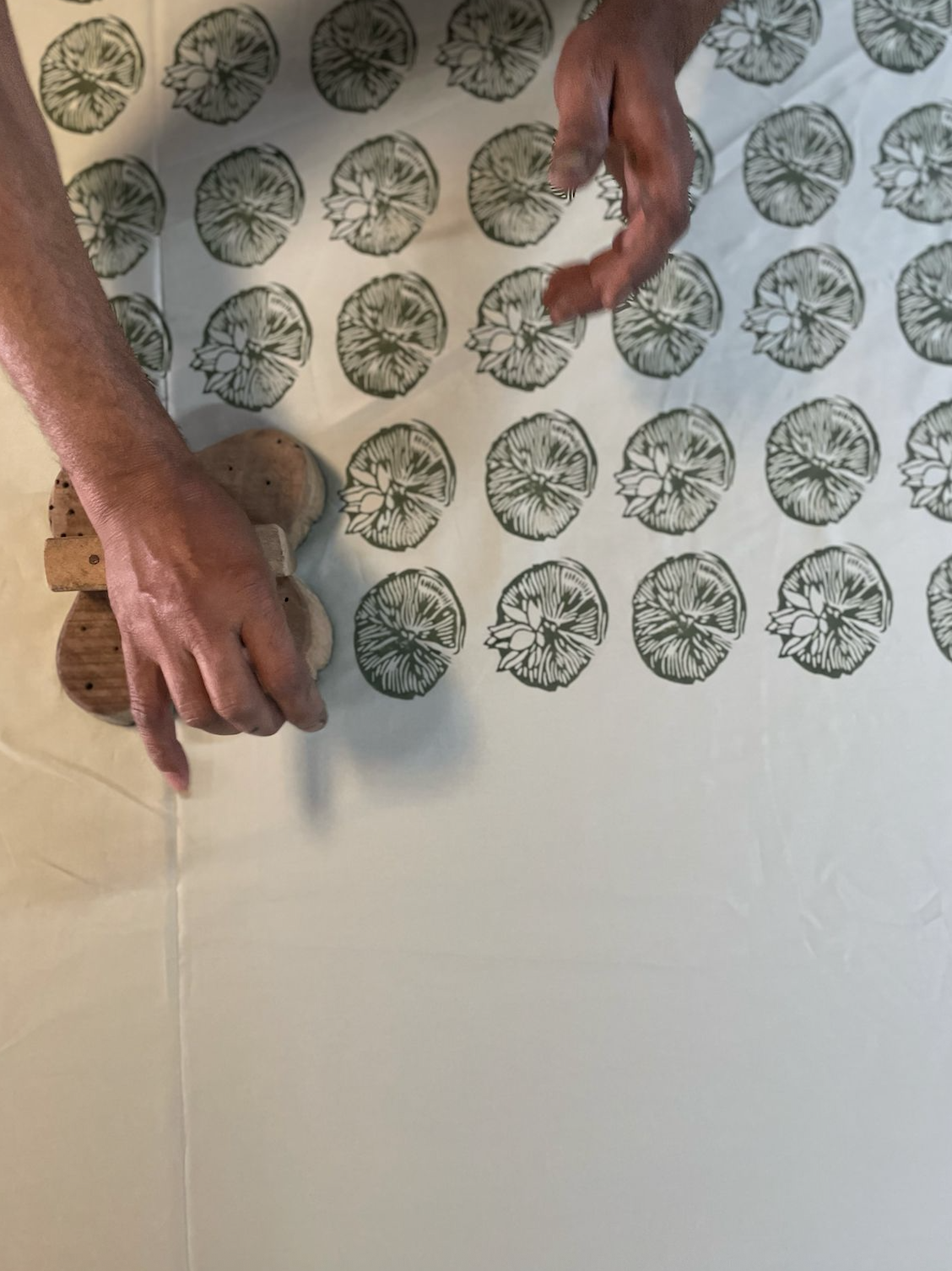
Each statement piece starts with a question what story is this trying to tell, and which craft language can tell it best. Techniques like Aari are chosen not only for their beauty and precision, but for how its rhythm, scale, and texture can live on an oversized blazer, a fluid trouser, or a merino cardigan without overwhelming the silhouette. From there, the process becomes a collaboration with the artisans – sampling, re-scaling, and sometimes reducing motifs – until the craft feels honored, wearable, and effortless on the body.
In what ways does Arth Atelier reinterpret traditional Indian craft for a contemporary, global Audience?
Arth Atelier keeps the craft vocabulary intact, because semantics matter, naming techniques accurately, preserving their hand, and respecting their origins ,while changing the canvas they appear on. Instead of occasion-wear or bridal, these embroideries live on soft tailoring, cardigans, and everyday separates designed to move through New Delhi, New York, or Amsterdam with equal ease. It’s crafted for the culture, but designed for the city. The goal is to make Indian craft feel like a natural part of a modern wardrobe, not a costume or an exoticized “add-on”.
The traceability of your supply chain is rare in ready-to-wear. What were the biggest challenges in creating QR-enabled provenance journeys?
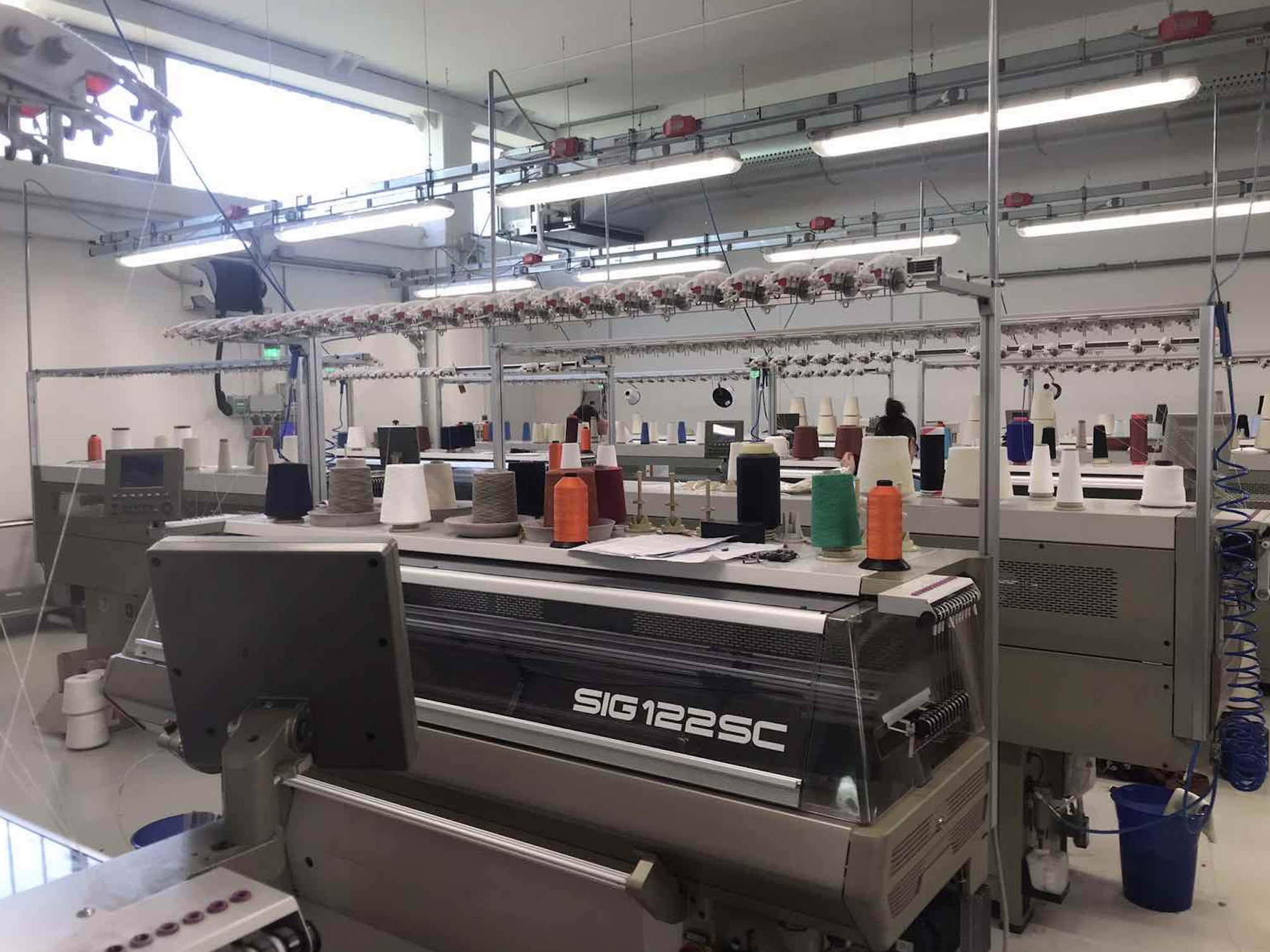
Building QR-enabled provenance in ready-to-wear meant rethinking the supply chain from farm to finished garment, not just adding a “made in” label at the end which only tells you a partial truth and really diminishes a lot of the work that goes into the process except the last step where the final manufacturing or finishing took place. As an independent, artisanal brand, the biggest challenges were data gathering – convincing mills, spinners, and farms to share detailed process information – while navigating high MOQs, and aligning lead times across partners with very different scales and systems. Translating all of that complexity into a clear, intuitive digital experience that feels emotive and not tech-heavy, was another layer of work. Building a tangible, traceable journey for each of our fabric platforms in an ecosystem that often favors mass-production has been extremely challenging as an independent brand but also a deeply rewarding process that strengthens our commitment to conscious creation.
Why was it important to work exclusively with natural, certified organic, cellulosic, and recycled fabrics?
With where the world is today, building a brand that doesn’t try to minimize their impact on the environment is highly irresponsible in our opinion. Our material palette is intentionally narrow because fabric is where impact starts. Working exclusively with natural, organic, and regenerative materials allows the brand to minimize microplastic pollution, honor animal welfare, and support responsible land stewardship. We also strip back excess, and eliminate over-designing to embrace a thoughtful garment construction that ages beautifully. Avoiding leather, virgin polyester, nylon, and hard-to-recycle blends is a conscious refusal to externalize additional environmental costs for short-term aesthetics.
How do you balance artisanal handwork—which is traditionally slow—with the commercial realities of modern fashion?
The brand embraces slowness as a design parameter rather than a constraint. Collections are tightly edited, launches take a “drop” approach vs. typical seasonal introductions, and silhouettes are repeated and reinterpreted with different fabrics that make sense seasonally. On the business side, small-batch production, made-to-order/made-to-forecast materials, and deep supplier partnerships help align artisanal timelines with responsible inventory planning.
One of your pillars is “impact.” What does meaningful impact look like for Arth Atelier today?
Meaningful impact for us right now means creating our garments with as much integrity and honesty as possible. The current focus is on producing pieces with the least environmental, social, and animal impact while maximizing longevity, reusability, and recyclability. We do that by prioritizing a supply chain and partners that keep social, animal welfare, and environmental responsibility at the forefront of production. We work with artisans, family-owned operations, and responsible suppliers who share our commitment to sustainable manufacturing. Every creative decision is driven by these values to minimize harm and create enduring garments that stand the test of time.
As the brand grows, this commitment to impact is envisioned to extend into fostering a meaningful change in artisanal communities, and ultimately upholding heritage craft traditions through respectful collaboration and visibility for the makers that will sustain cultural preservation.
What responsibilities do you believe modern fashion houses have in preserving cultural Heritage?
Modern fashion houses have a great responsibility to treat cultural heritage as a living lineage, not a trend to mine. That means naming crafts correctly, crediting regions and communities, compensating makers fairly, and resisting the urge to dilute or anonymize techniques to make them more “palatable” to the global market. It also means using their platforms to educate, contextualizing how and why a craft exists. I think only very recently have marginalized voices come into focus and be able to tell their stories and it's extremely important so consumers can move from passive consumption to informed stewardship of these traditions and communities.
As the brand grows, how do you plan to scale while staying true to the integrity of artisanal Craft?
Scaling Arth Atelier is less about producing more, and more about deepening and widening the right relationships. The plan is to grow through long-term partnerships with specific artisan clusters, mills, and farms, investing in capacity-building and stability rather than constantly shifting to the cheapest vendor. Co-creating with our suppliers all the way from Tier 1 to Tier 4 is what we’re prioritizing as we build to scale.
What innovations, technical or creative, are you most excited to explore next?
On the technical side, there is excitement around expanding provenance journeys, integrating richer storytelling, potentially deeper blockchain-backed traceability, and more interactive experiences that bring the wearer even closer to the maker. Creatively, the focus is on evolving the key programs, currently knitwear and soft-tailoring, building modular collections around these concepts, where embroidery placements, materials, or color stories evolve, but the underlying construction and craft standards remain uncompromised. I’m also eager to see our custom/made-to-order program evolve and grow, a space of experimentation where we create one-of-a-kind embroidered pieces, custom-made and handcrafted at our New Delhi atelier for those who truly value artistry and originality. As always, our focus remains on creating garments with meaning, crafted with intent, rooted in heritage, and made to be cherished.