
LONDON FASHION WEEK SPRING/SUMMER 2027: DAY 2
PETRA FAGERSTRÖM
review by TIANA DE HASETH
all images courtesy of PETRA FAGERSTRÖM
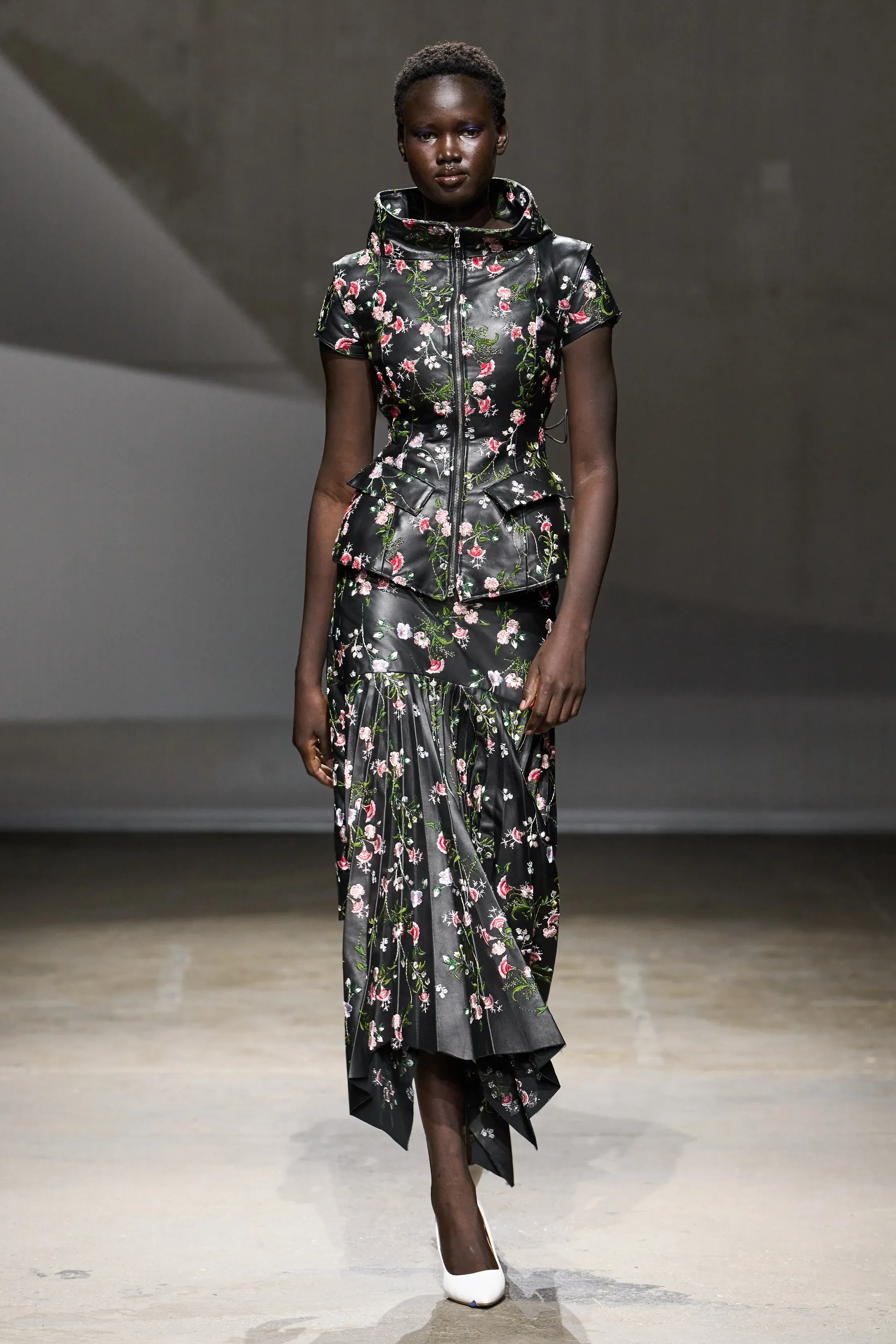
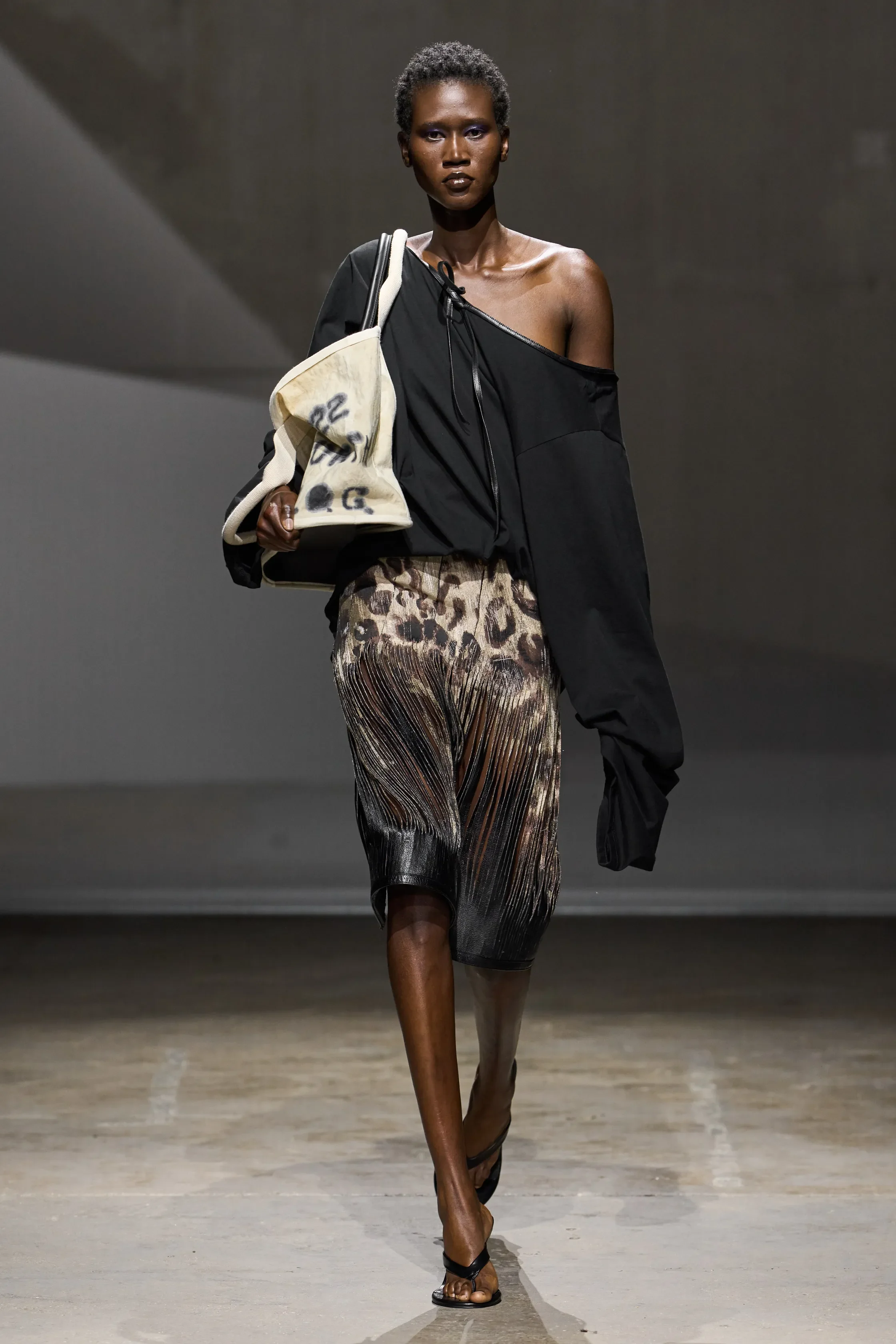
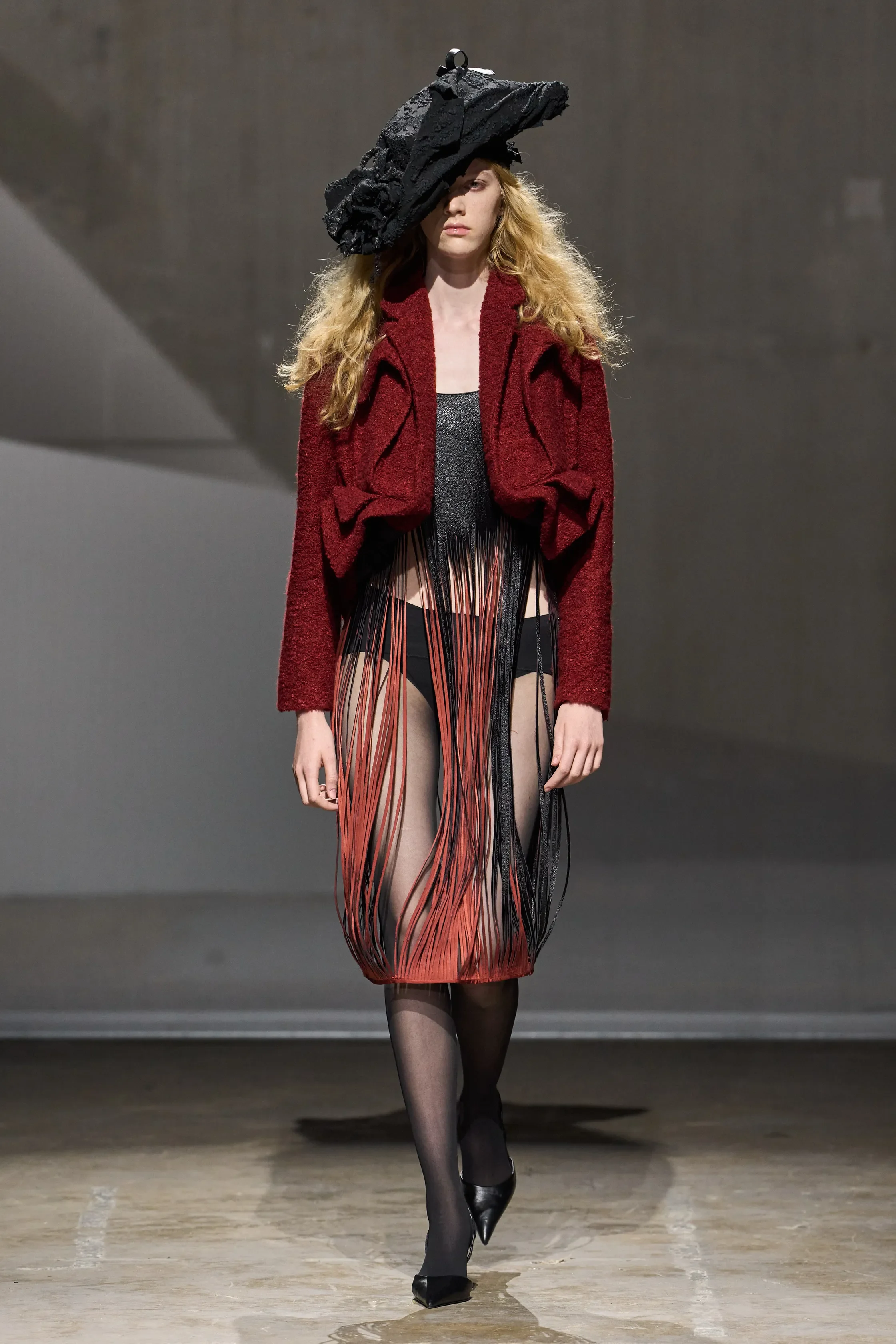
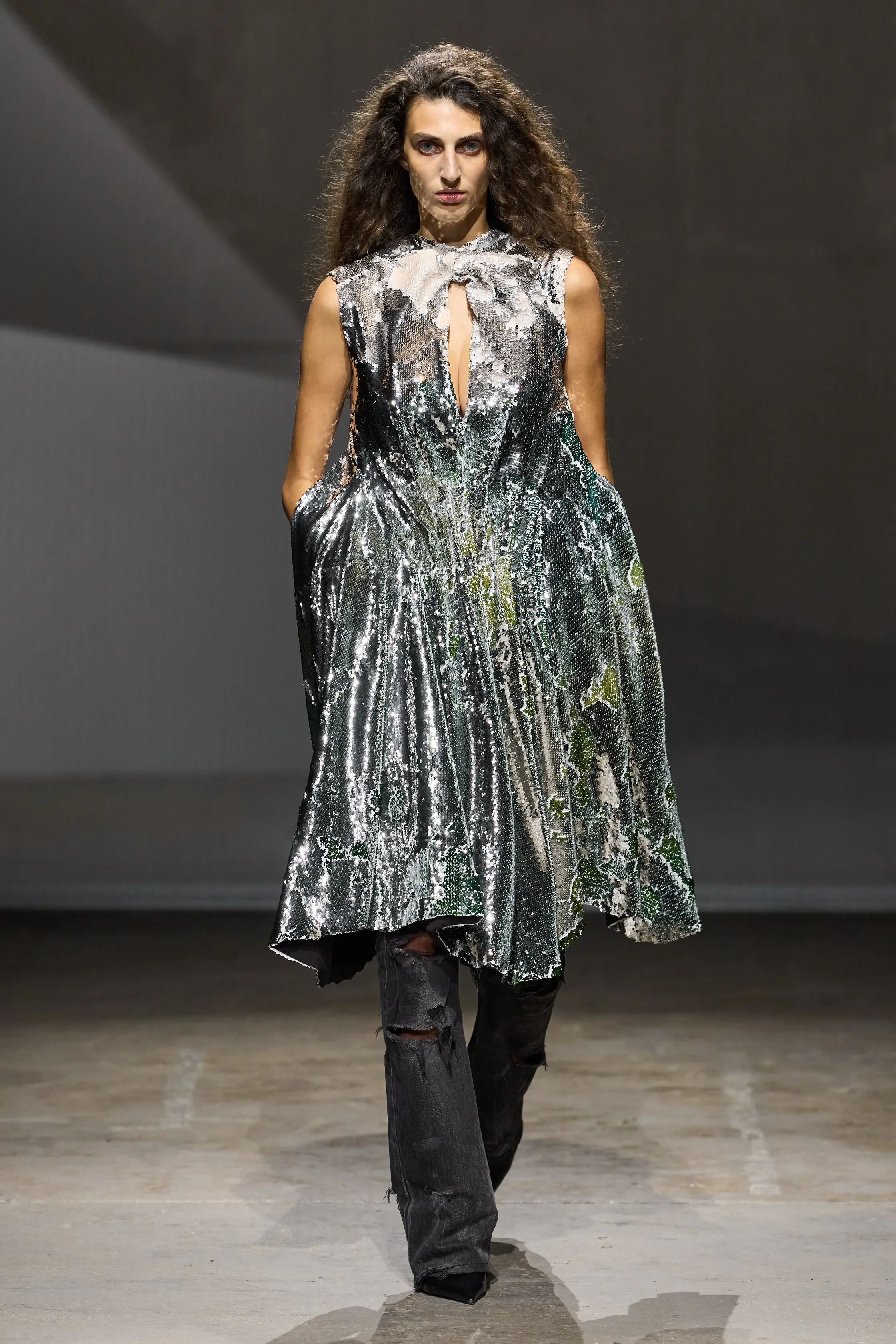
London-based Swedish designer Petra Fagerström, took London Fashion week Spring 2027, with a summer-coded collection. The Central Saint Martins graduate, Petra Fagerstrom, quickly made a name for herself at last season’s London fashion week, not long after launching her brand. Fagerström started her label to dress women with a sense of intelligence and agency. Inspired by the 1950’s silhouette, the brand's designs consist of midi skirts, pleated looks and structured pieces.
This season she named her collection 'Swedish summer’. Inspired by Scandinavia's not so warm summers, she created looks that feel both summery and warm. The theme of the collection focused on femininity, expressed through floral prints on black leather jackets, statement hats, furry hoodies and parka-like jackets. The dominant colour of the collection is black, alongside leather, sequinned, silk and pleated fabrics, making up much of the collection.
The silhouettes are mostly A-line, alongside some pencil skirts and straight-cut looks for the 50s tradwive look. The jackets feature turtlenecks, keeping the models warm for the Swedish summer.
BORA AKSU
review by BEX WHITLEY
all images courtesy of BORA AKSU
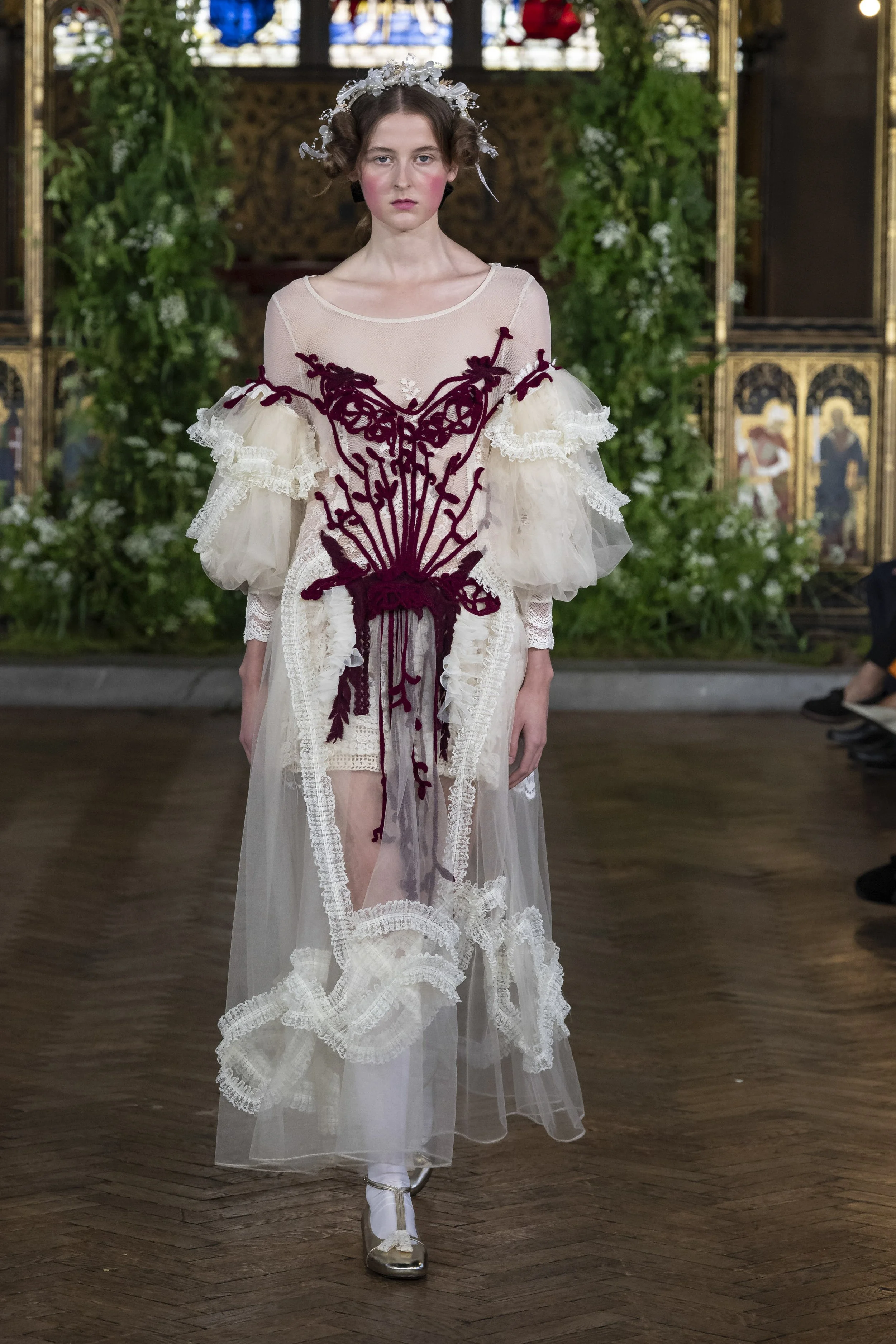
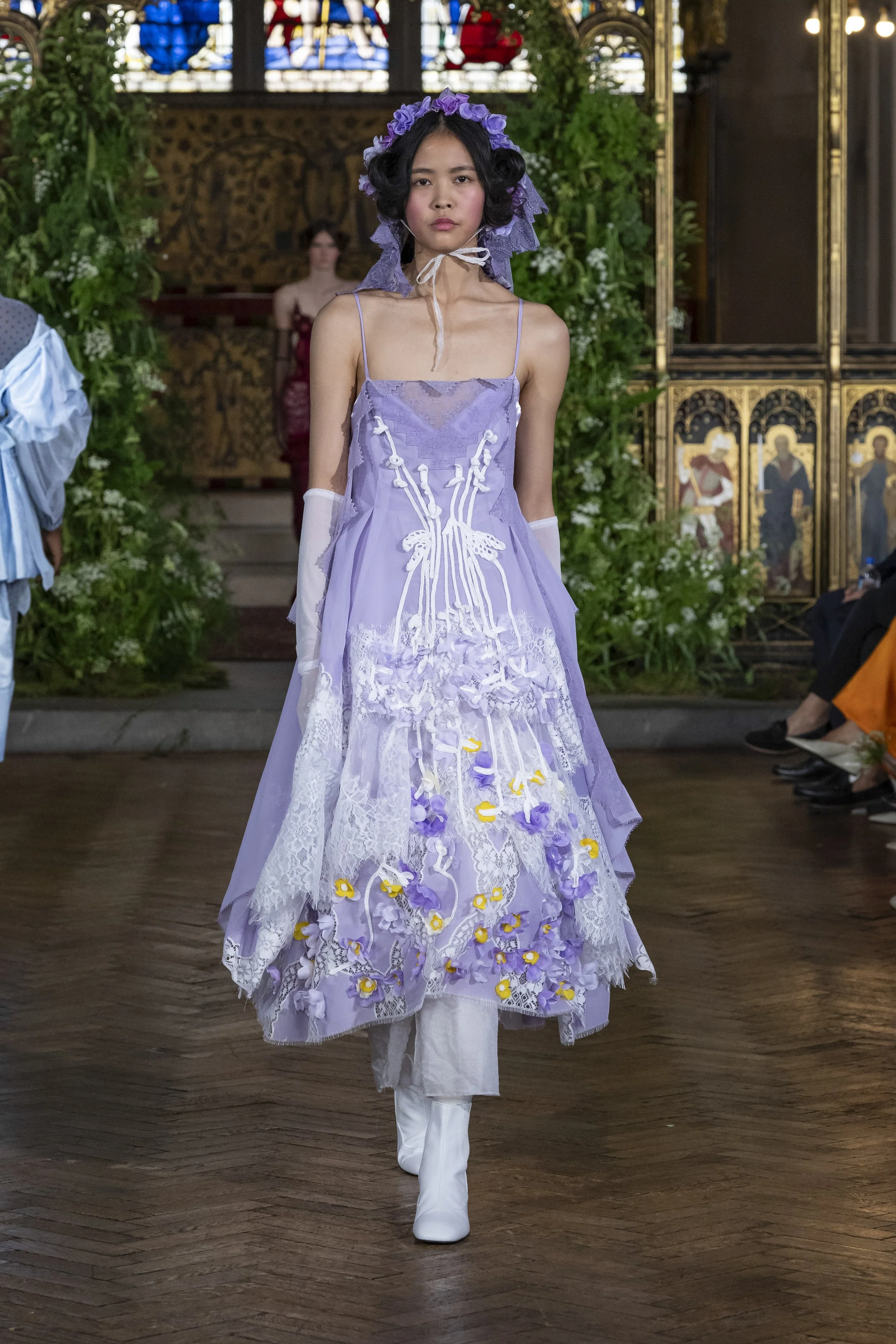
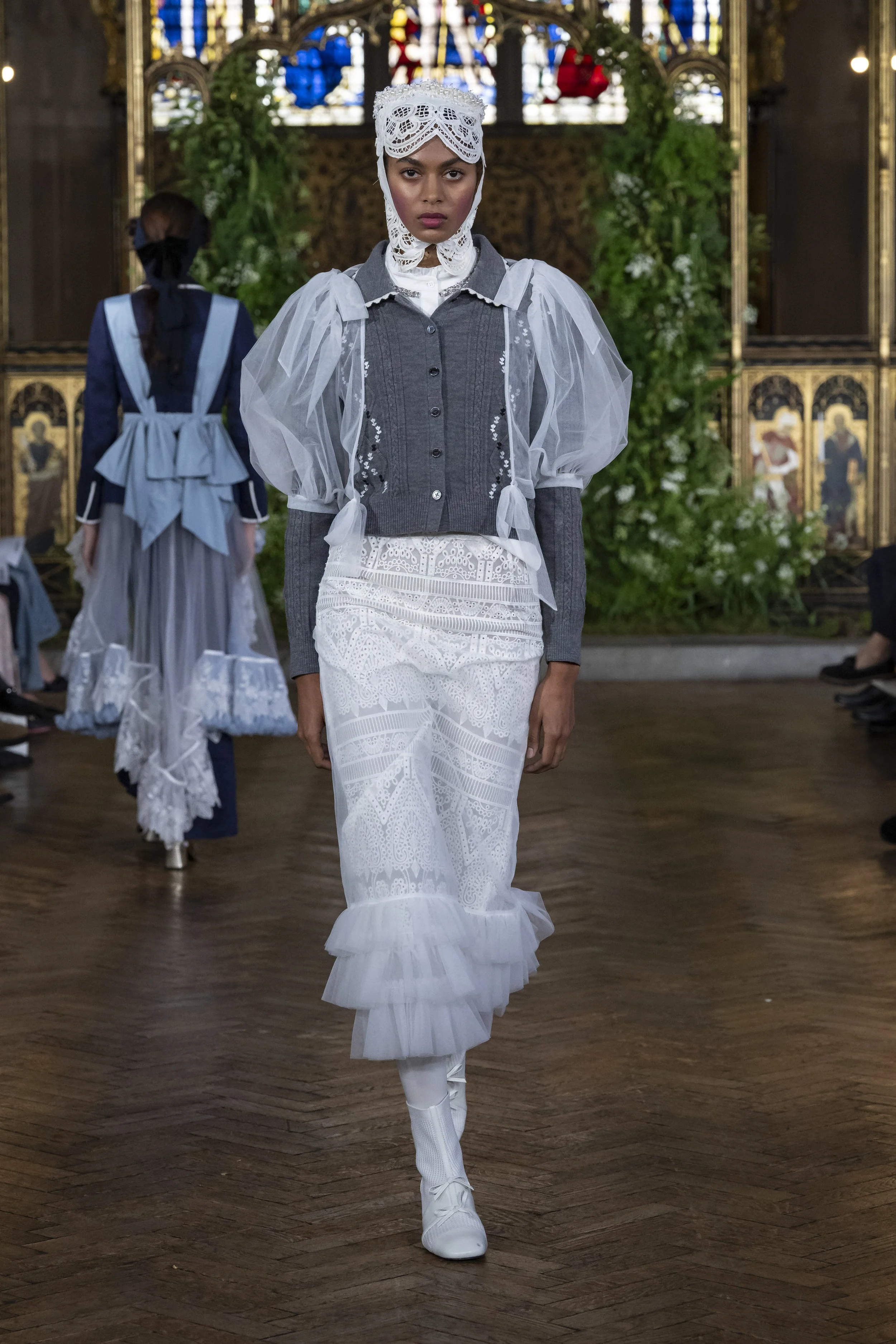
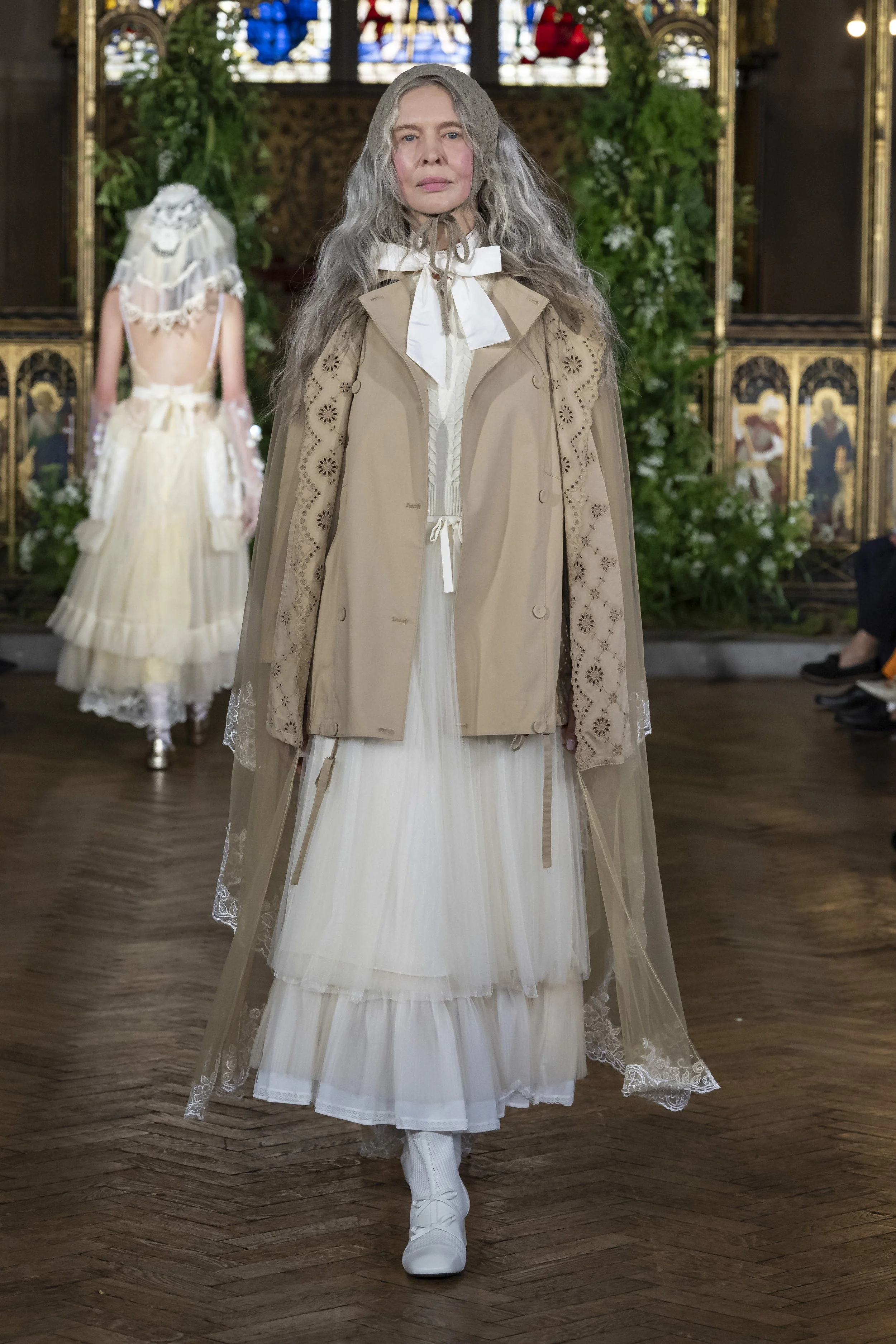
For Spring/Summer 2027, Bora Aksu turned to the life and work of Mary Beale, known as one of the first women to establish herself as a professional artist. While her work often portrayed prominent figures of privilege, what has come to interest many is the unlikely position she herself occupied within society herself. As the family breadwinner, Mary achievend an unusual degree of professional independence, yet still faced the inescapable constraints placed upon women of the time.
Taking Beale’s story as inspiration, Aksu reworked his signature romanticism through references to historical menswear, balancing delicate fabrics and intricate handwork with contrasting structure.Veils appeared throughout, lending the collection a ceremonial quality, with whites and powder blues contrasting sharply against black and deep red. A favourite look saw dark oxblood yarn crept across a pale dress, as if disturbing its delicacy. It was this meeting of whimsical and strength that made the collection so powerful.
Antep embroidery, a centuries-old craft originating in Gaziantep, Türkiye, was seen on several of the looks. Aksu worked with local artisans to create intricate handmade lace and embroidery in cream and soft pastel tones. Some pieces took up to six months to complete, bringing a clear sense of time, patience and collective commitment to the collection, while offering a subtle nod to Aksu’s own Turkish heritage.
Set within the ornate, gold-adorned surroundings of London’s St Cyprian’s Church, the show ended with the models standing together as a powerful collective, a fitting ode to Beale’s defiance of the limitations placed upon women. The show became a celebration of women past and present, reflecting on the roles they continue to redefine each day.
MASHA POPOVA
review by ZEYNEP YENIÇERI
all images courtesy of MASHA POPOVA
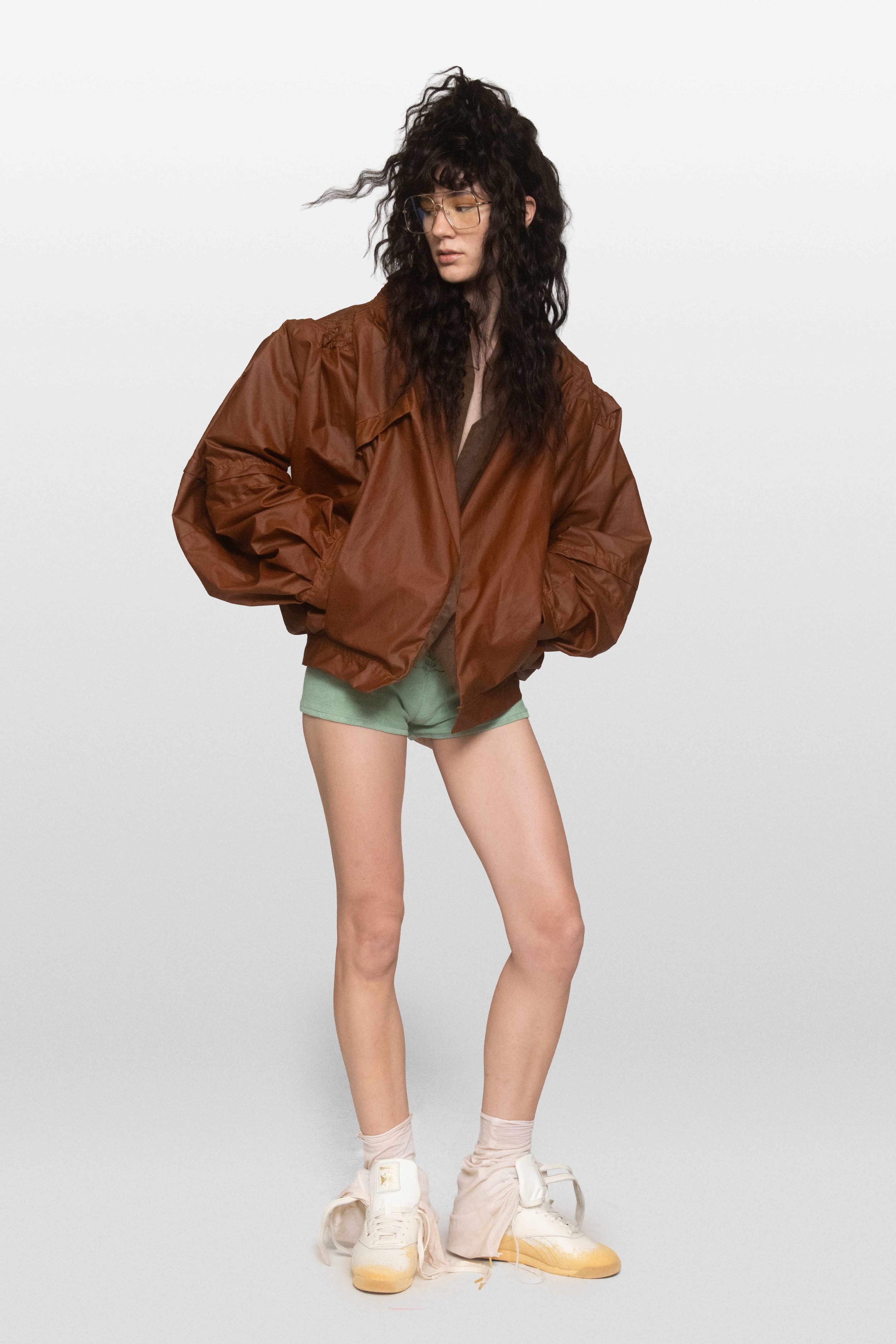
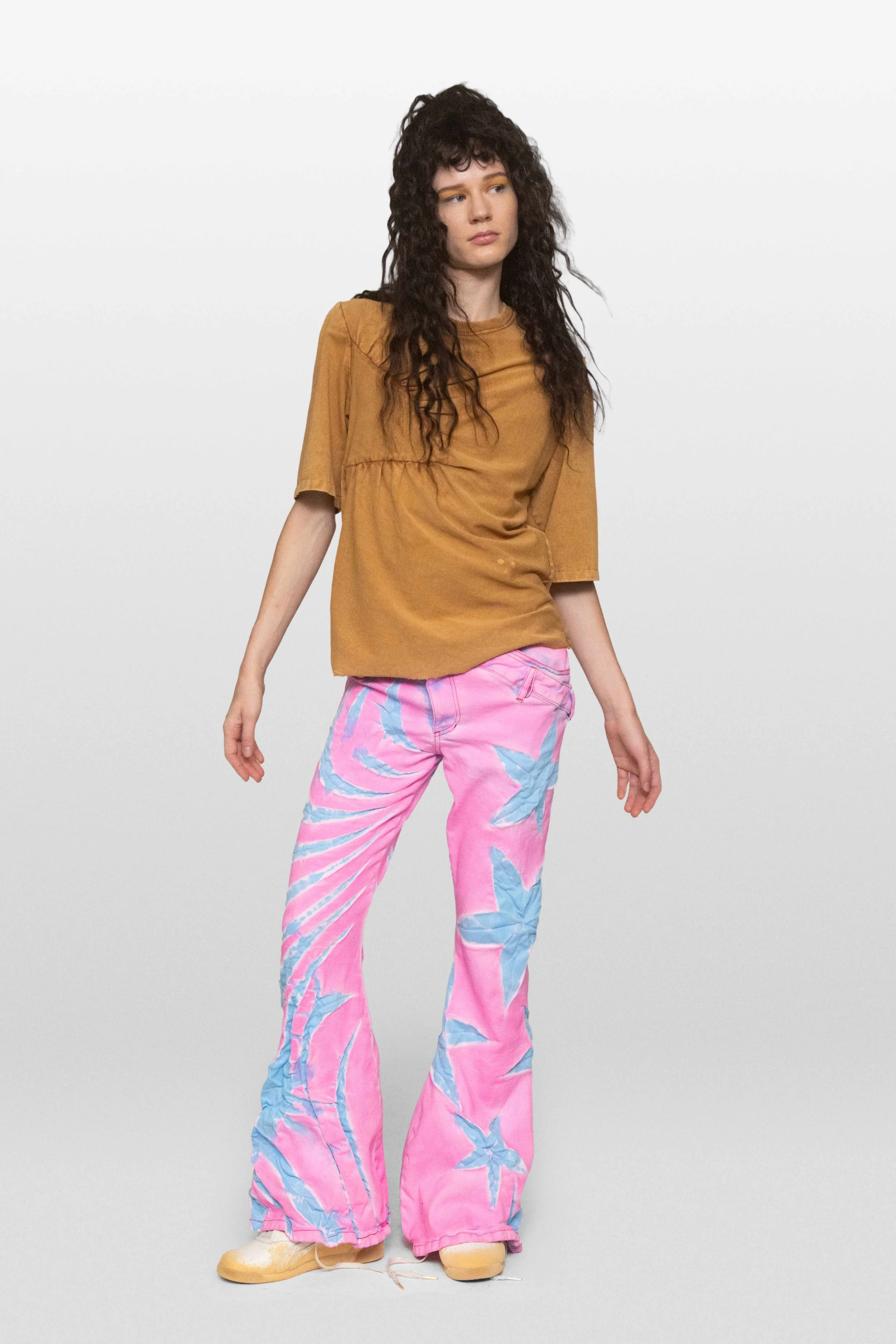
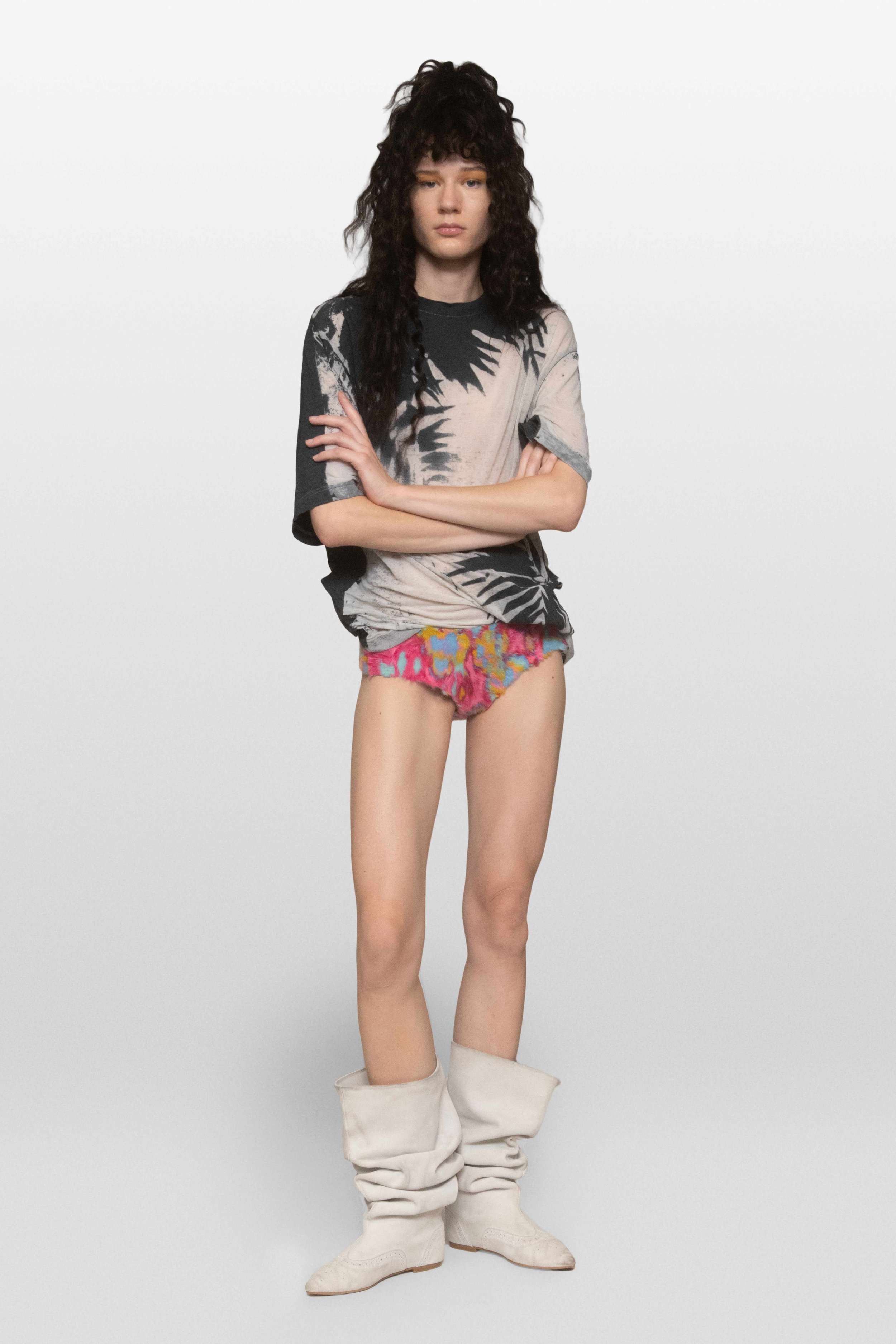
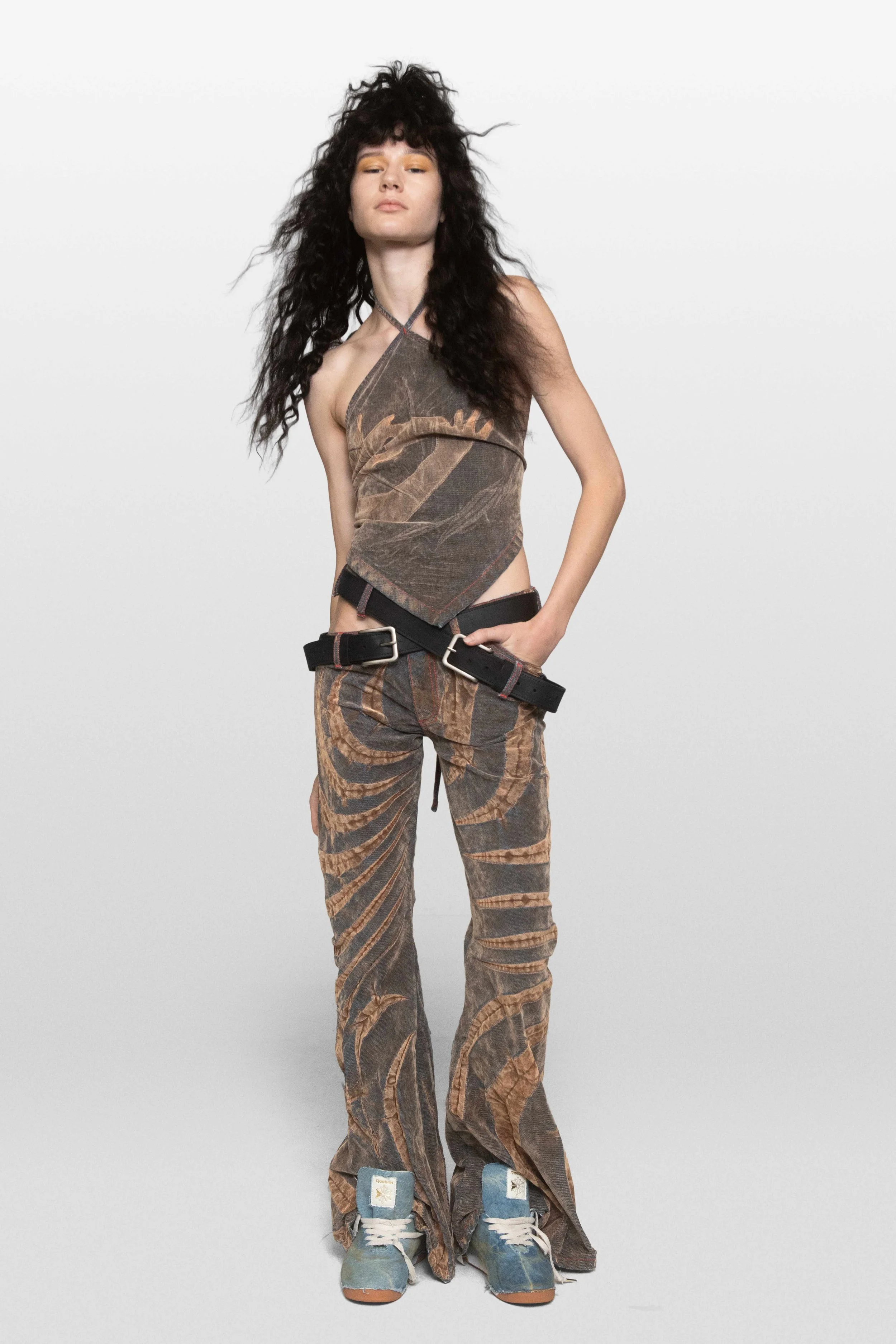
The presentation she held during the second day of London Fashion Week at 180 Studios, titled Wish You Were Here, is a nod to a "daydream of a holiday," as the press release states. The collection feels like walking onto the beach during summer, even on this gloomy autumn day in London.
Separated into two rooms with a sandcastle in the middle and screens playing videos of surfers and wavy oceans, the collection features denim sets, jersey tops, and a bomber jacket, one that reimagines the bomber from her AW26 collection. The colour palette heavily leans on sandy colours with pops of light pink and blue.
Clothes from the collection feel like they have been worn on top of the swimsuit, right after getting off the sea: denim washed off with sea salt marks, a strapless jersey top with wet bikini marks...
Reebok joins Popova's daydream with the Freestyle Hi model, reimagined by the designer. The iconic model is reworked as a "Denim Ghost," wrapped in denim, and "Sand Coated Freestyle Hi," with a beachworn effect.
Masha Popova leaves everyone who visited the presentation reminiscing of a past summer and a longing for a future one.
NATASHA ZINKO
review by MAREK BARTEK
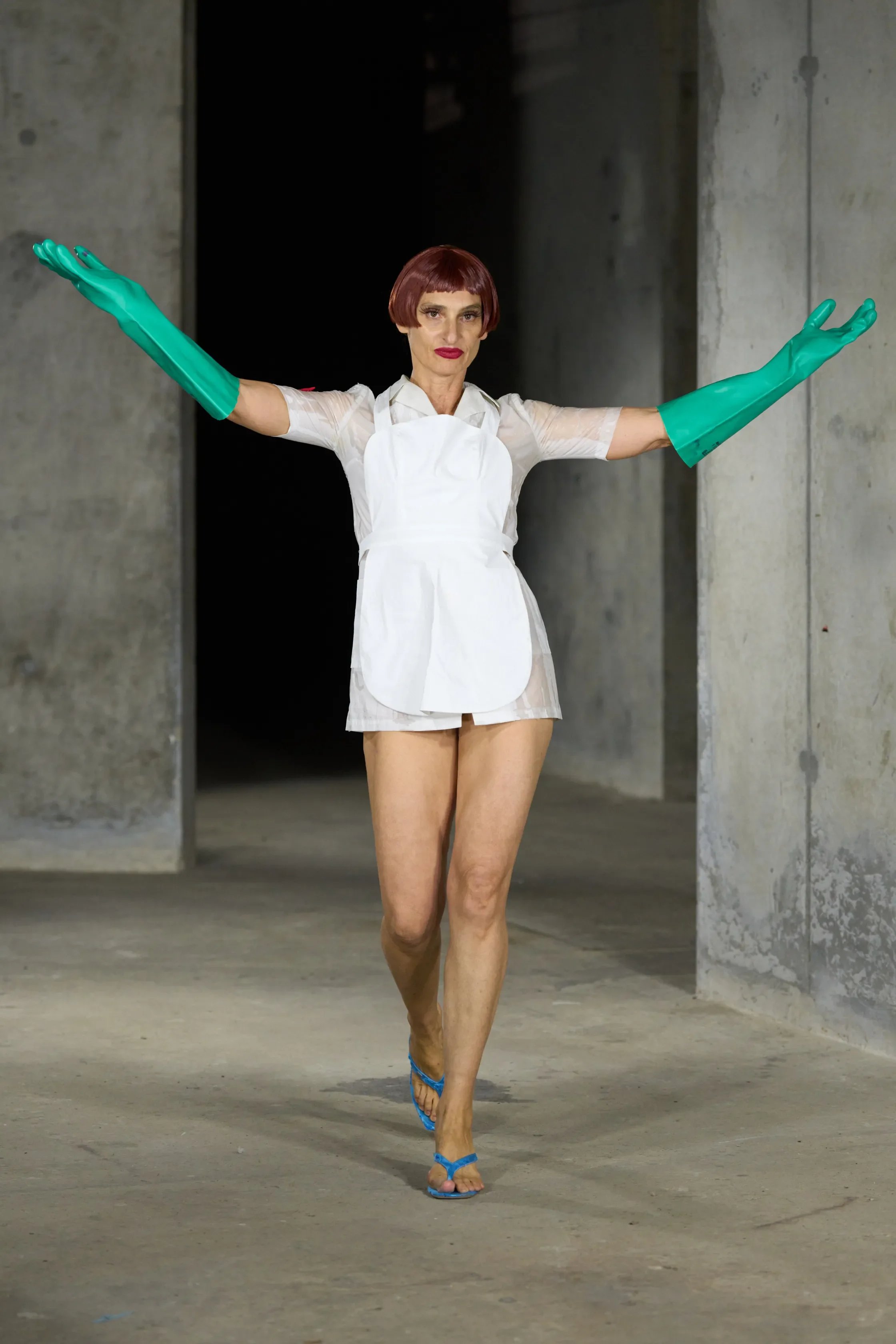
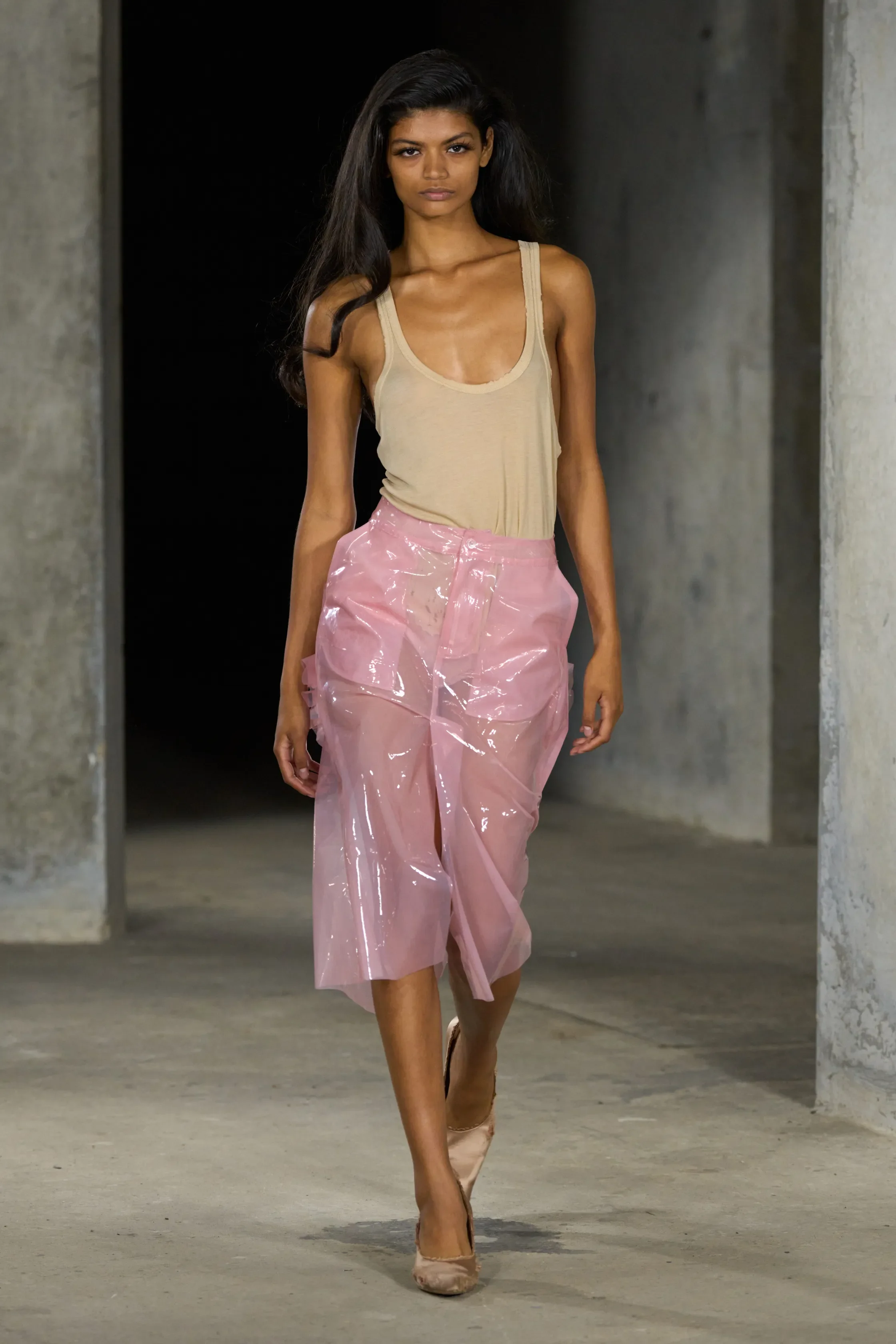
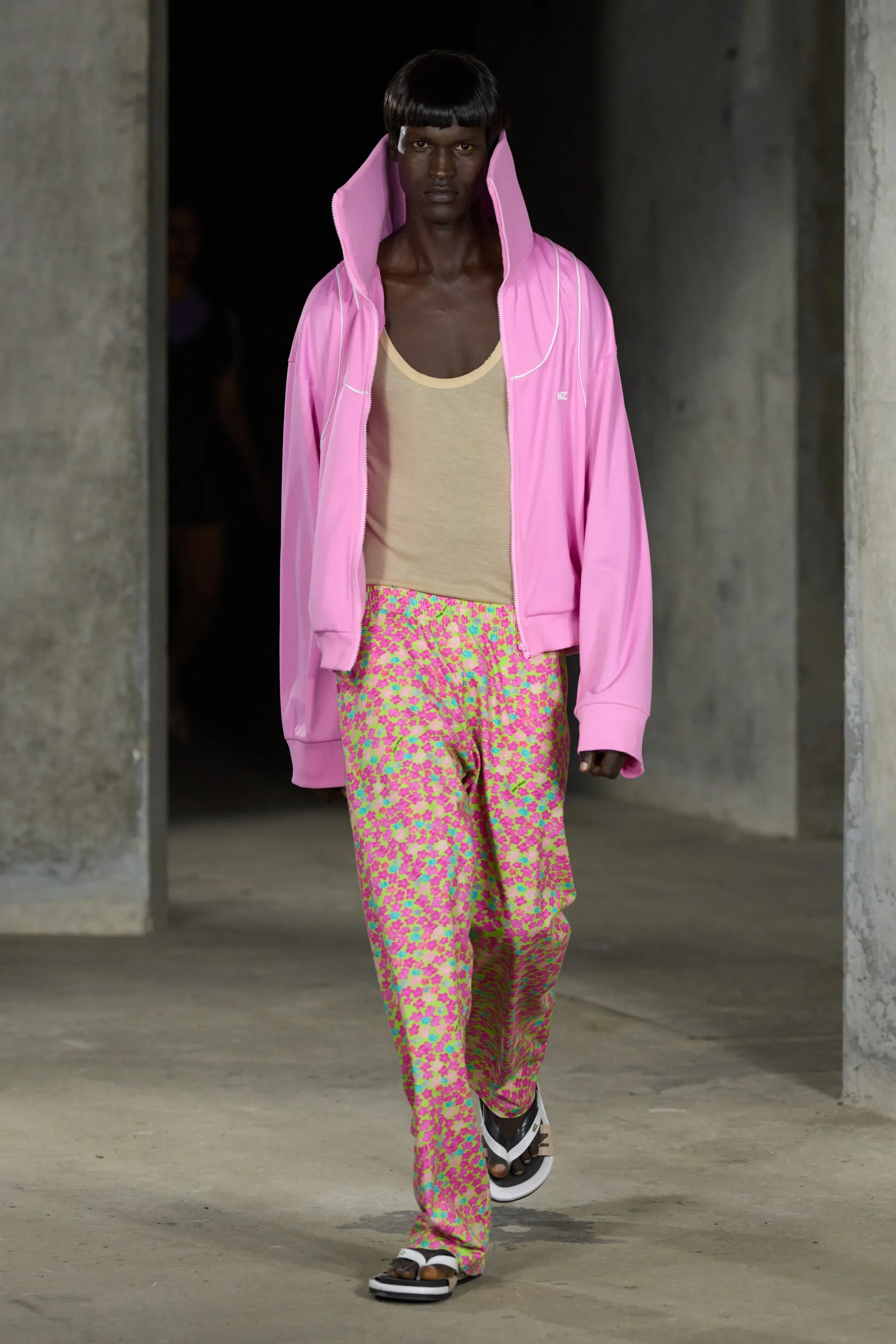
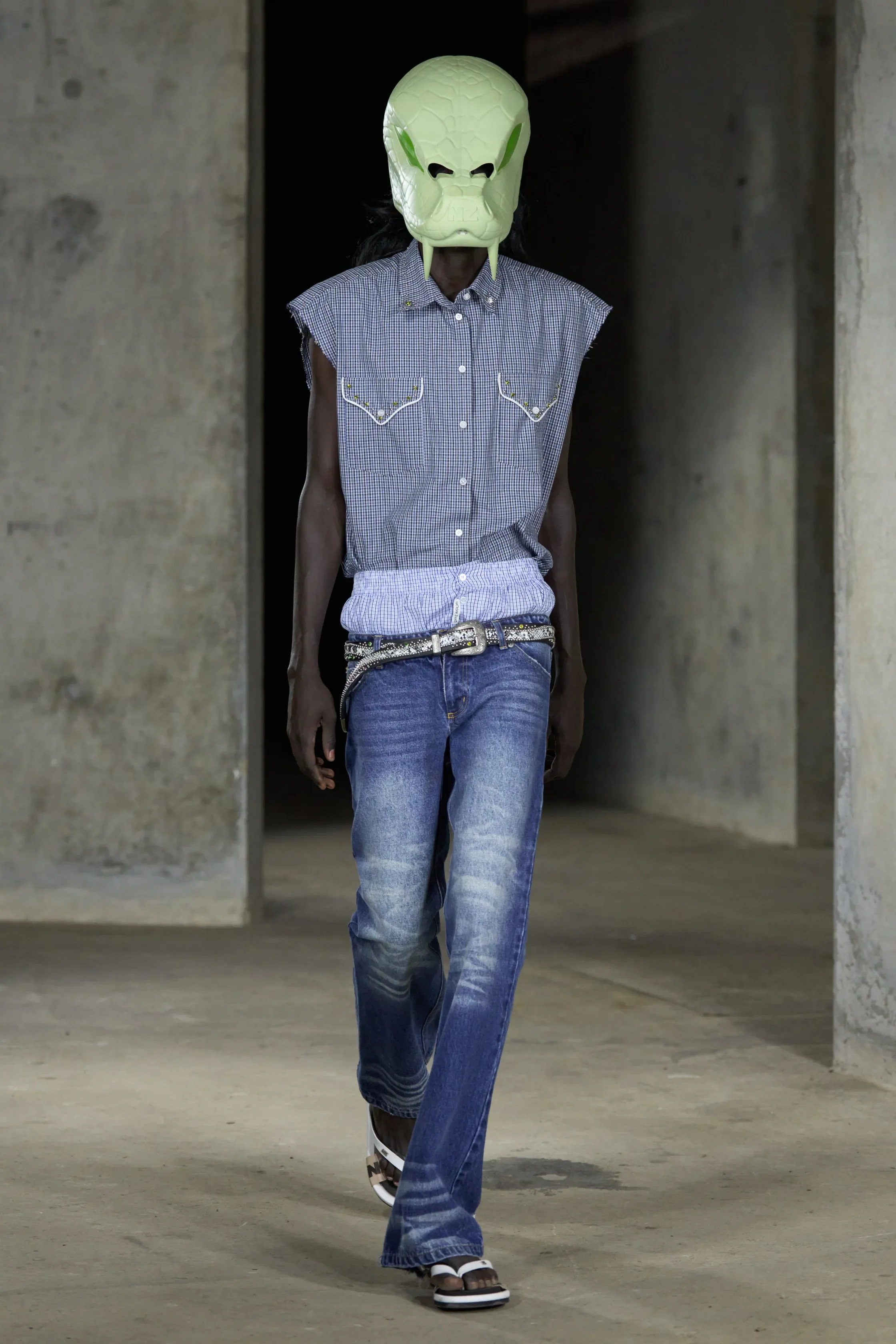
all images courtesy of NATASHA ZINKO
Identity has always been a slippery thing in Natasha Zinko's world, but this season she turned it into a true performance. Titled Pay Per View, the collection explored the strange theatre of modern life, where social media, surveillance and self-presentation have made everyday existence feel increasingly performative. Nurses, sailors, maids, cowboys and office workers all wandered through Zinko's universe, though none remained quite what they first appeared to be. Latex aprons sat beside delicate lace, leather corsetry curved into exaggerated silhouettes, plaid school uniforms met cowboy boots, while transparent plastics, distressed denim and glossy satin kept shifting the mood between fetishwear, costume and everyday dressing.
The omnipresence of humour — from oversized alien masks to performers carrying footballs, babies or laser pointers — prevented the collection's philosophical premise from ever becoming heavy-handed, and made everything just Zinko-quirky. It was eccentric, knowingly theatrical and occasionally completely ridiculous, but that unpredictability is precisely what made it so fun to watch. Not many can embrace fashion's capacity for weirdness quite as wholeheartedly as Zinko, and she proved yet again that her playful chaos remains one of the best things on London’s fashion scene.
PAOLO CARZANA
review by MAREK BARTEK
all images PAOLO CARZANA
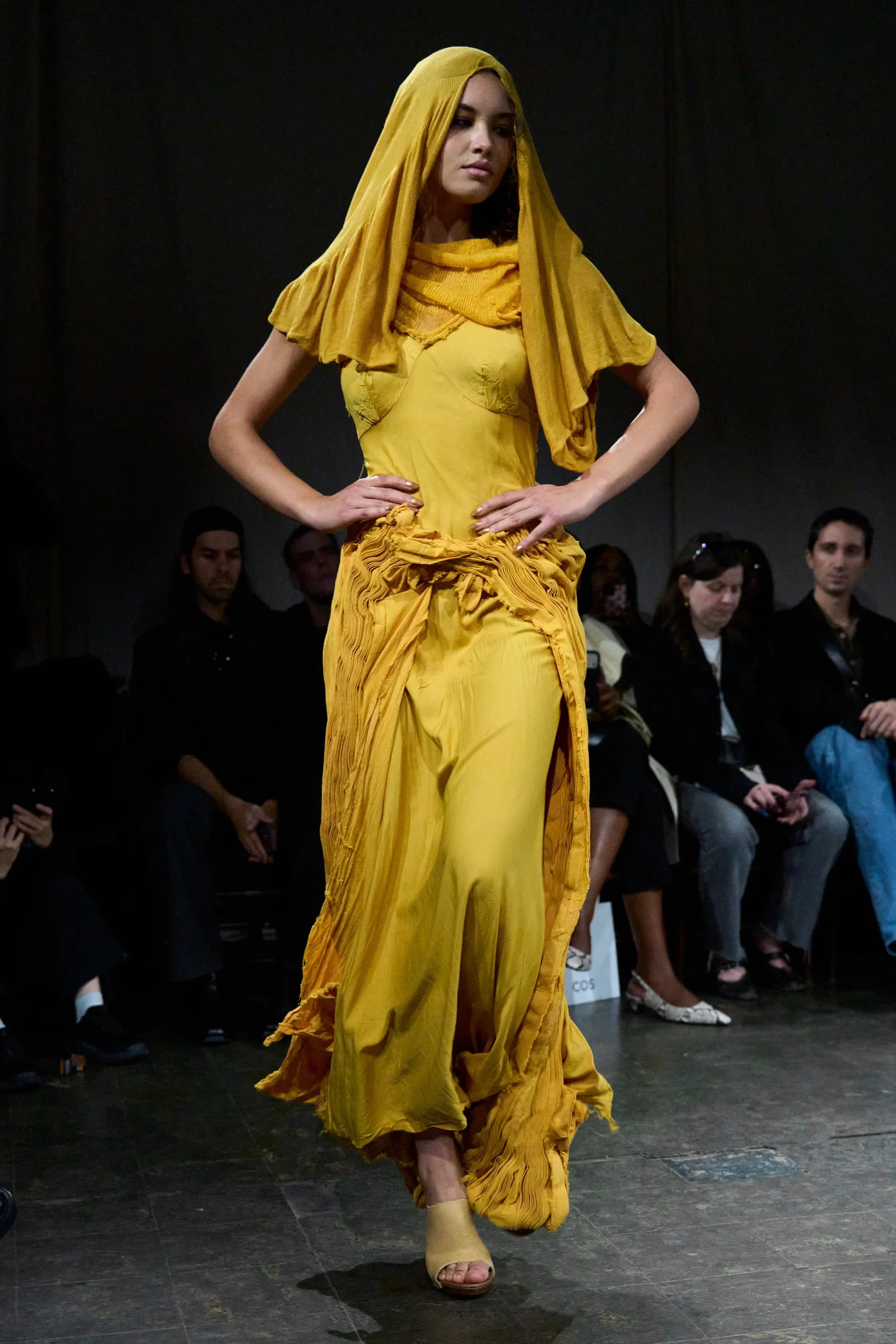
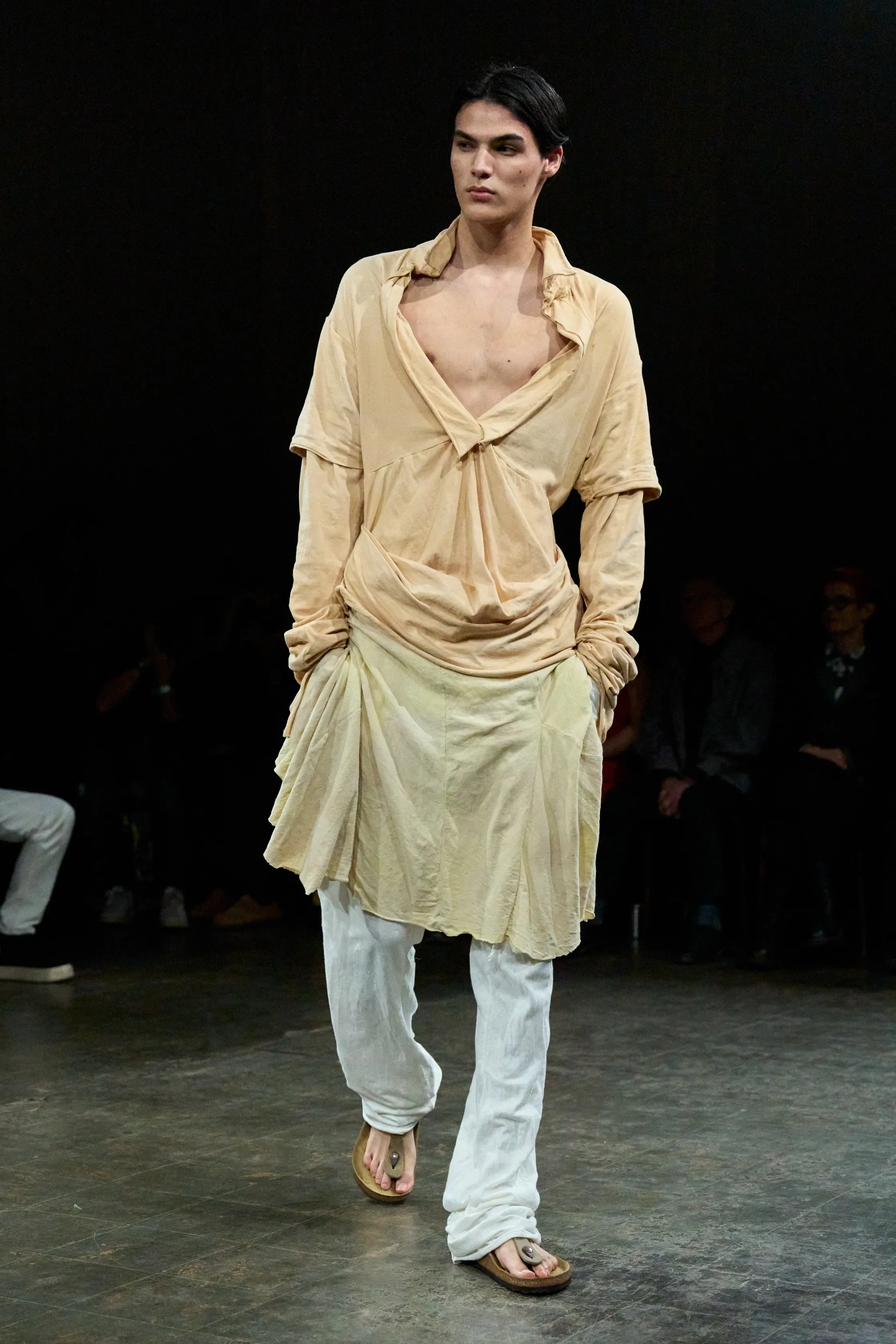
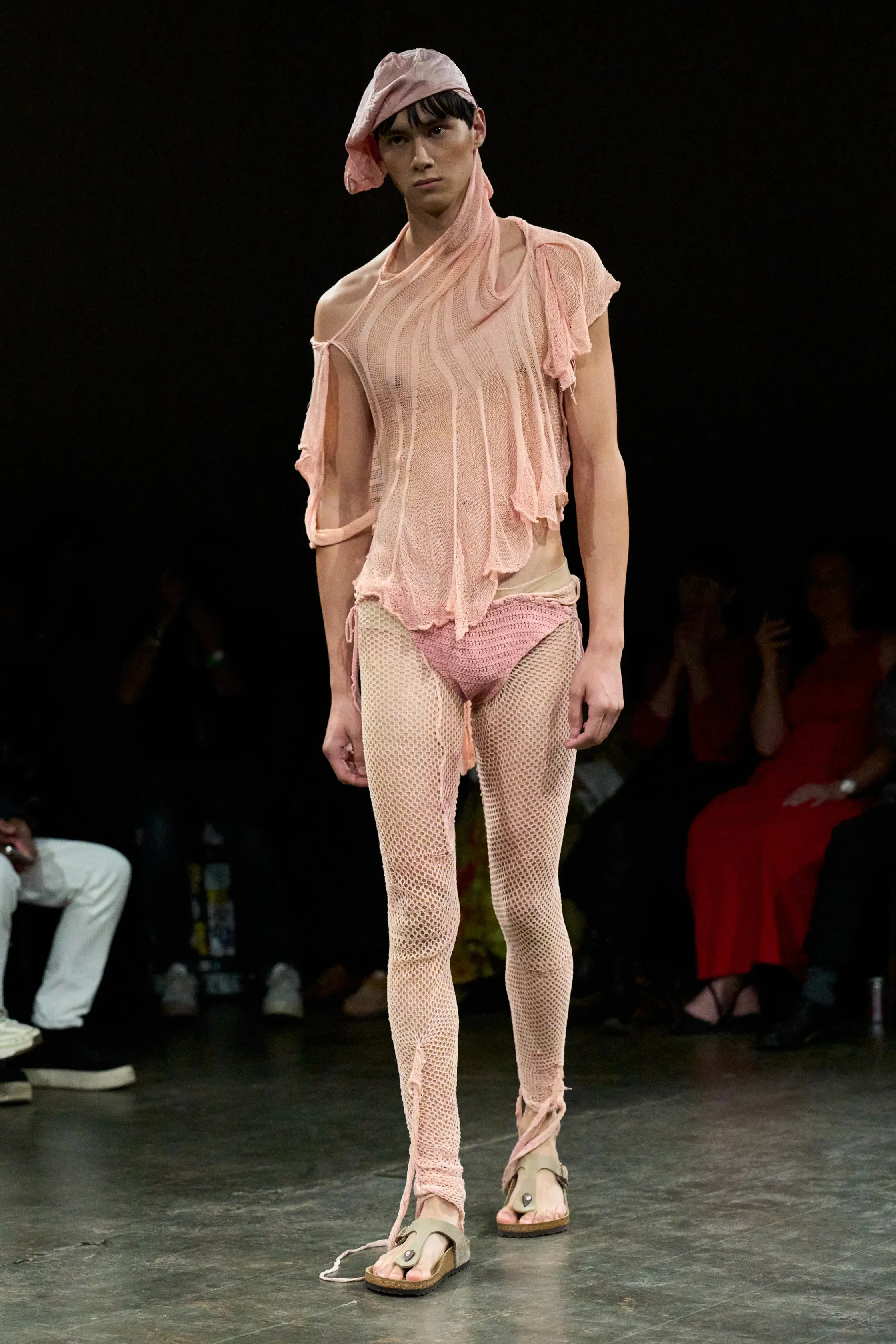
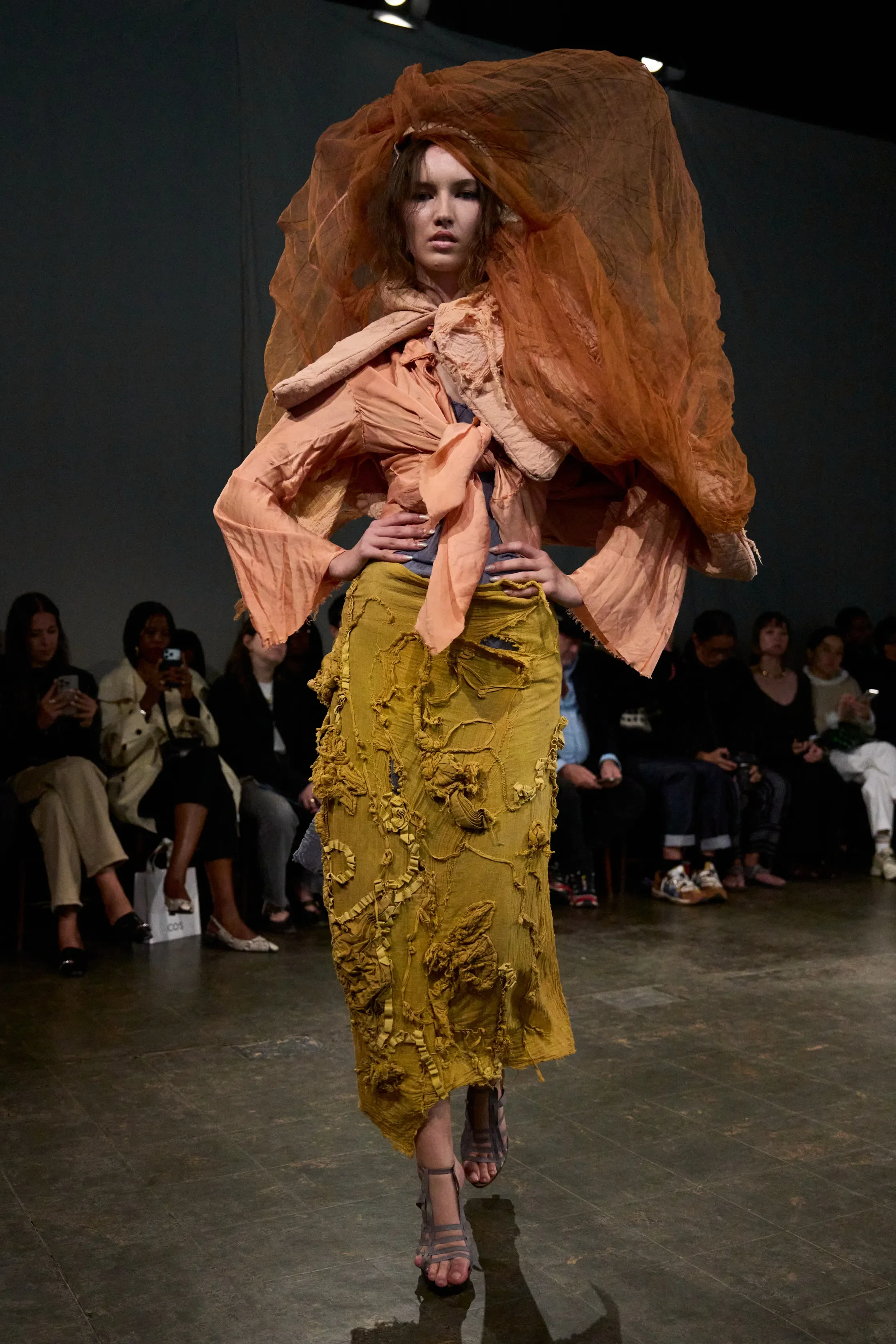
Staged inside St Cuthbert's Church after dark, Paolo Carzana’s Spring/Summer 2027 collection unfolded like a quiet, spiritual practice, with models drifting through the nave wrapped in layers of organically dyed cotton, hemp and Ahimsa silk. The palette moved from soft creams and faded blush to turmeric yellow, earthy browns and washed blues, while garments appeared knotted, twisted and gently falling apart, as though shaped by time rather than construction.
Carzana once again blurred the line between clothing and costume through sculptural headpieces by Nazir Mazhar and silhouettes that felt simultaneously delicate and resilient. Beneath the dreamlike atmosphere sat a craft-led approach to making clothes, with every fabric and natural dye chosen for its relationship to the earth and the sun. Carzana's collections often feel impossible to pin down, somewhere between devotion and dystopia, strength and fragility. At a time when fashion often moves at breakneck speed, Carzana continues to argue (or whisper) that intimacy, patience and handwork can be just as powerful.