
MILAN FASHION WEEK FALL/WINTER 2026: DAY 3
MAX MARA
review by AYA SOFIA OPPENBERG
images courtesy of MAX MARA
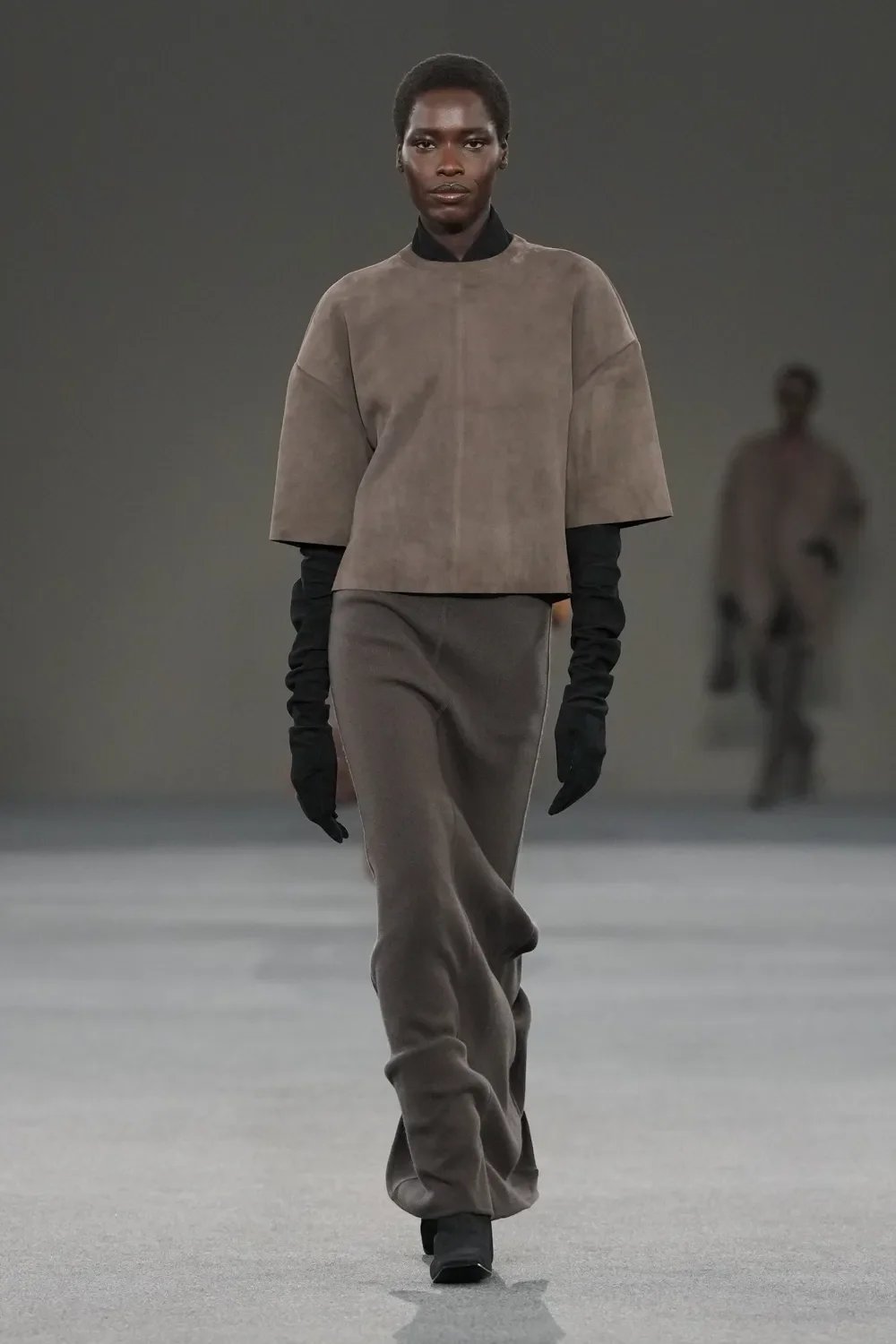
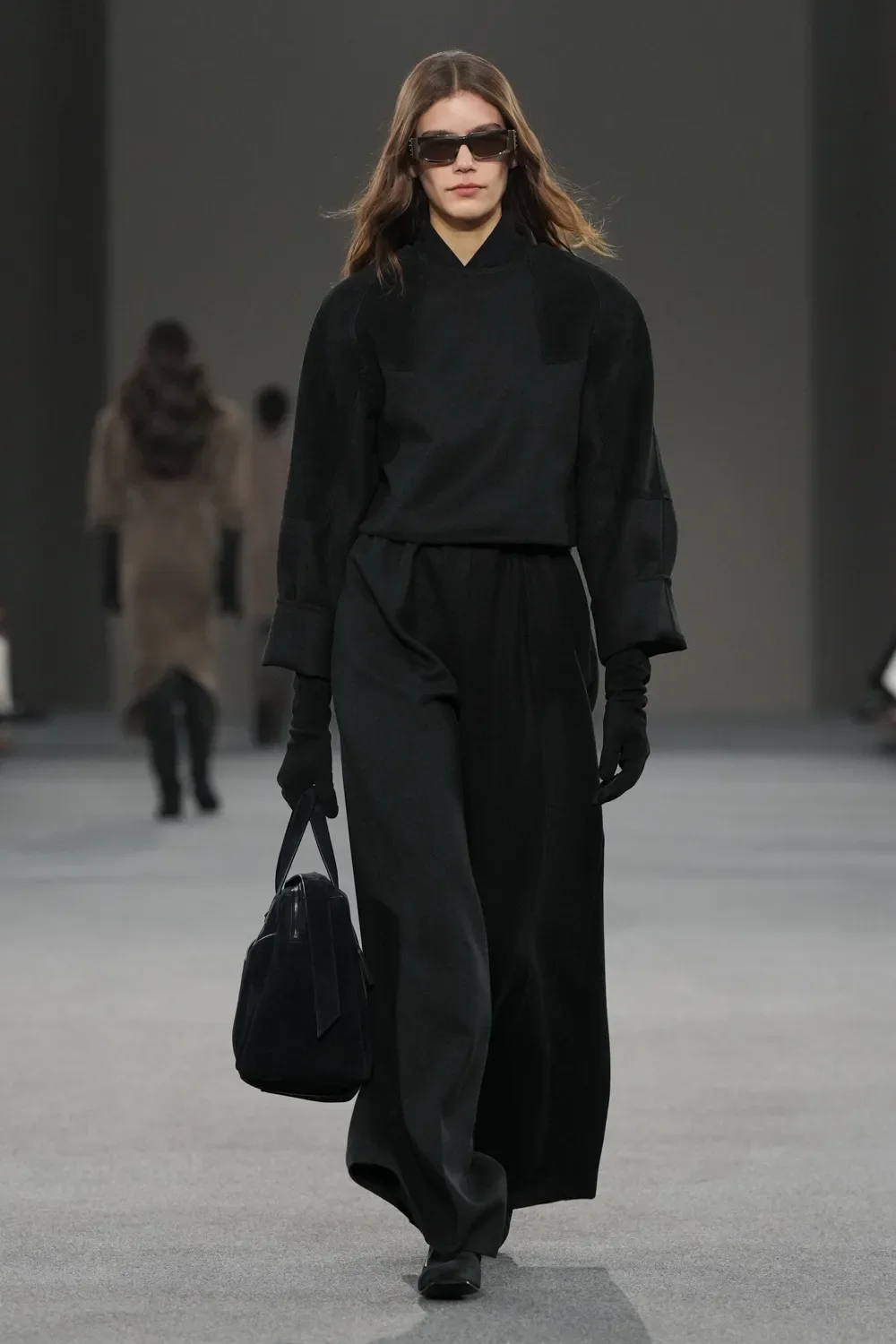
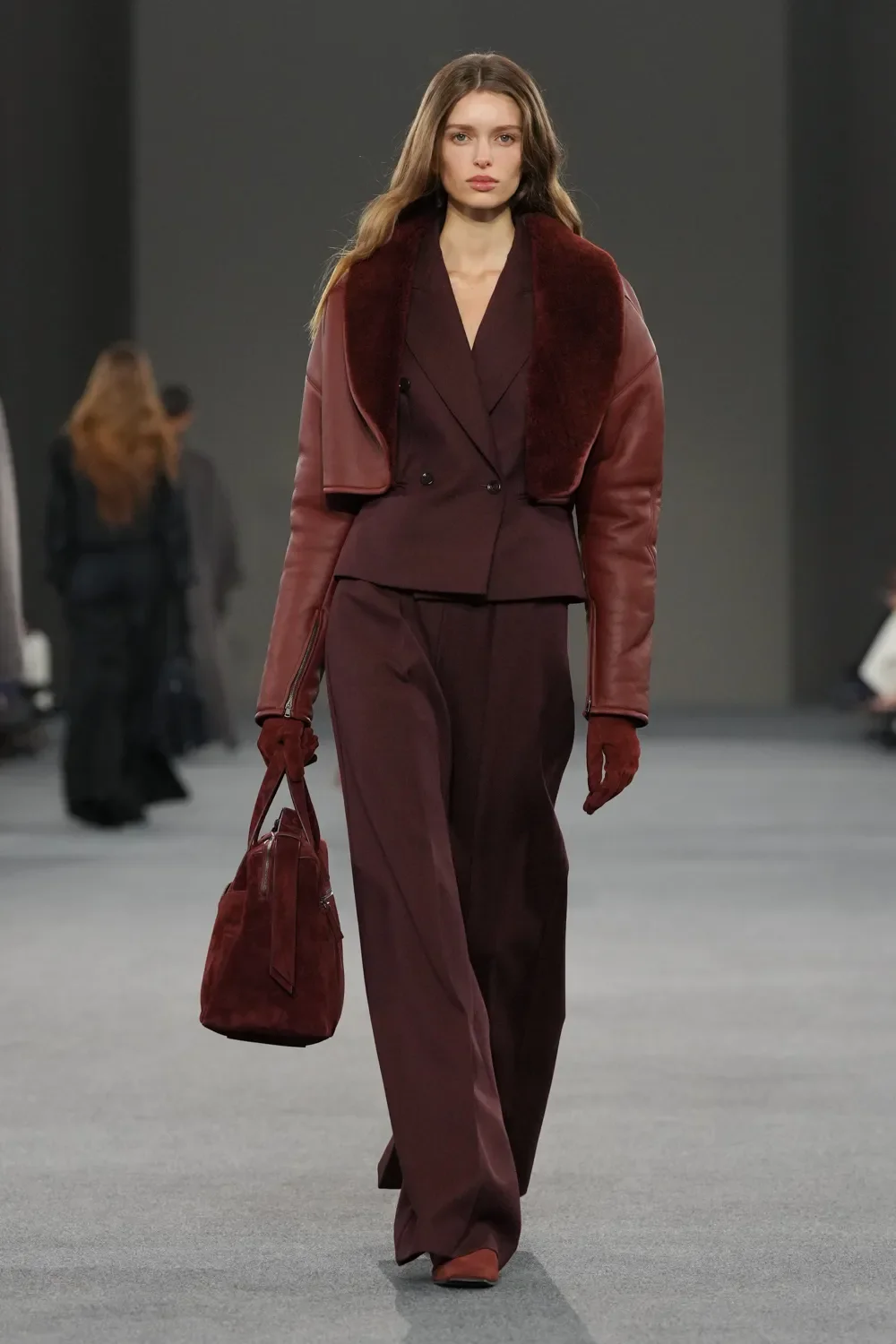
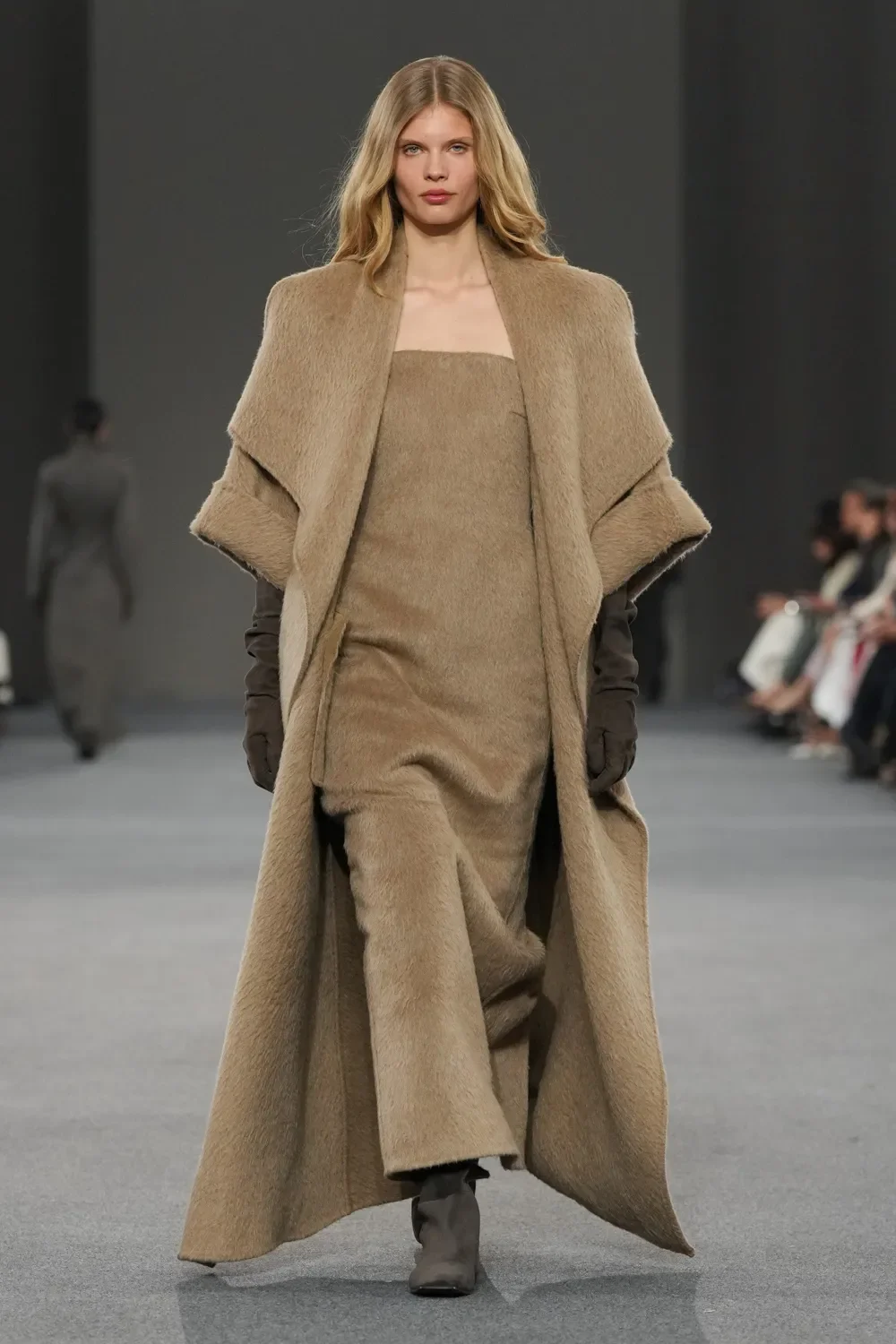
For FW26, Max Mara has traded the sterile glass of the boardroom for the rugged stone of the Apennines, finding its seasonal spirit in the formidable Matilda of Canossa. If the modern woman feels like she’s constantly at war with her schedule, Ian Griffiths suggests she might as well dress for the siege. This is utilitarianism reimagined through a neo-medieval lens.
The silhouettes possess an armored elegance; there is a certain gothic chic in the way the heavy, floor-sweeping wools drape like a tactical advantage. It is a wardrobe for the diplomat who isn’t afraid of a little confrontation, blending the resilience of a feudal ruler with the sharp, clean lines of contemporary leadership. Between the structured overcoats and the rich, somber palette, Max Mara has created a uniform for the woman who can do, and feel, it all!
BOSS
review by SONNY NGO
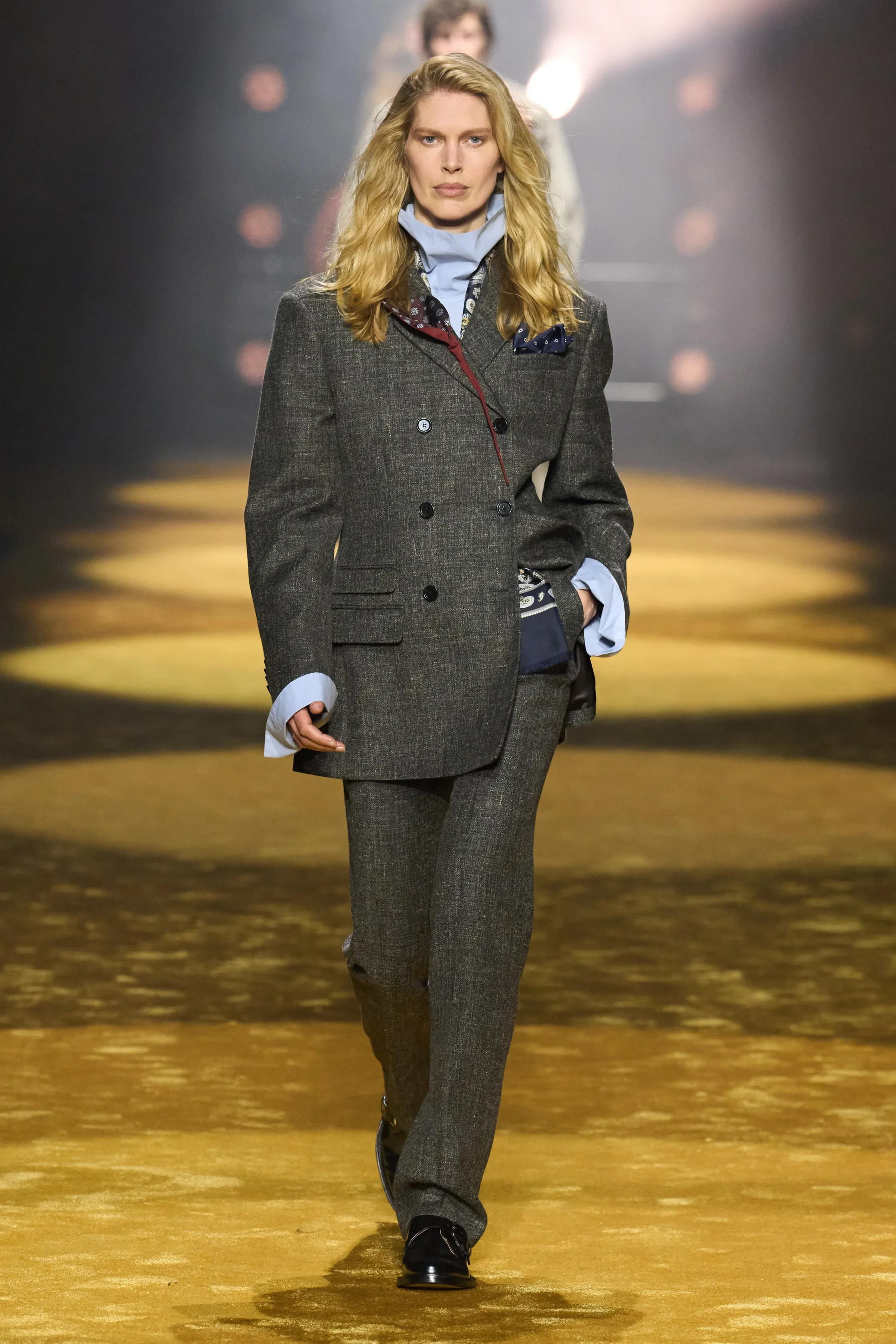
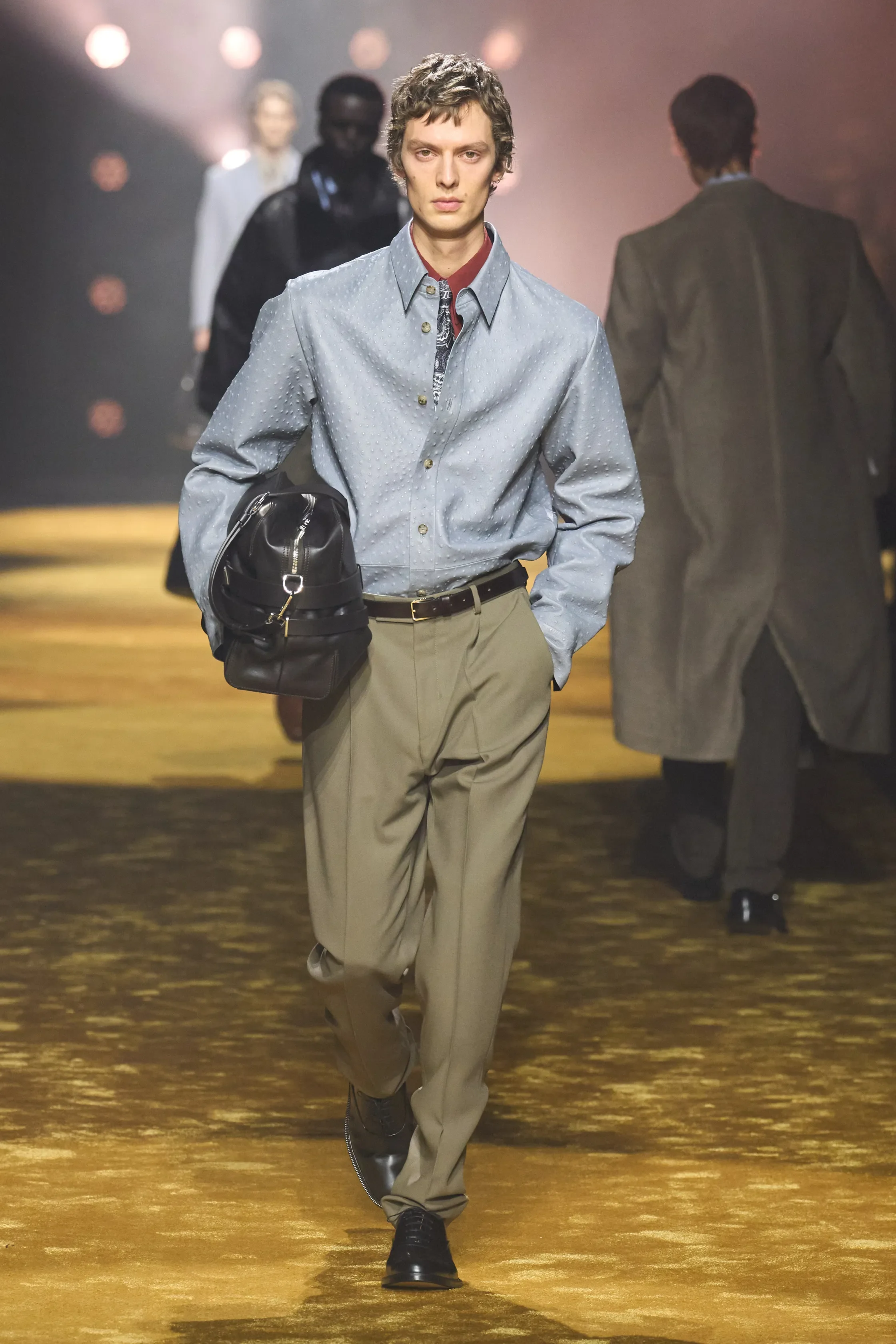
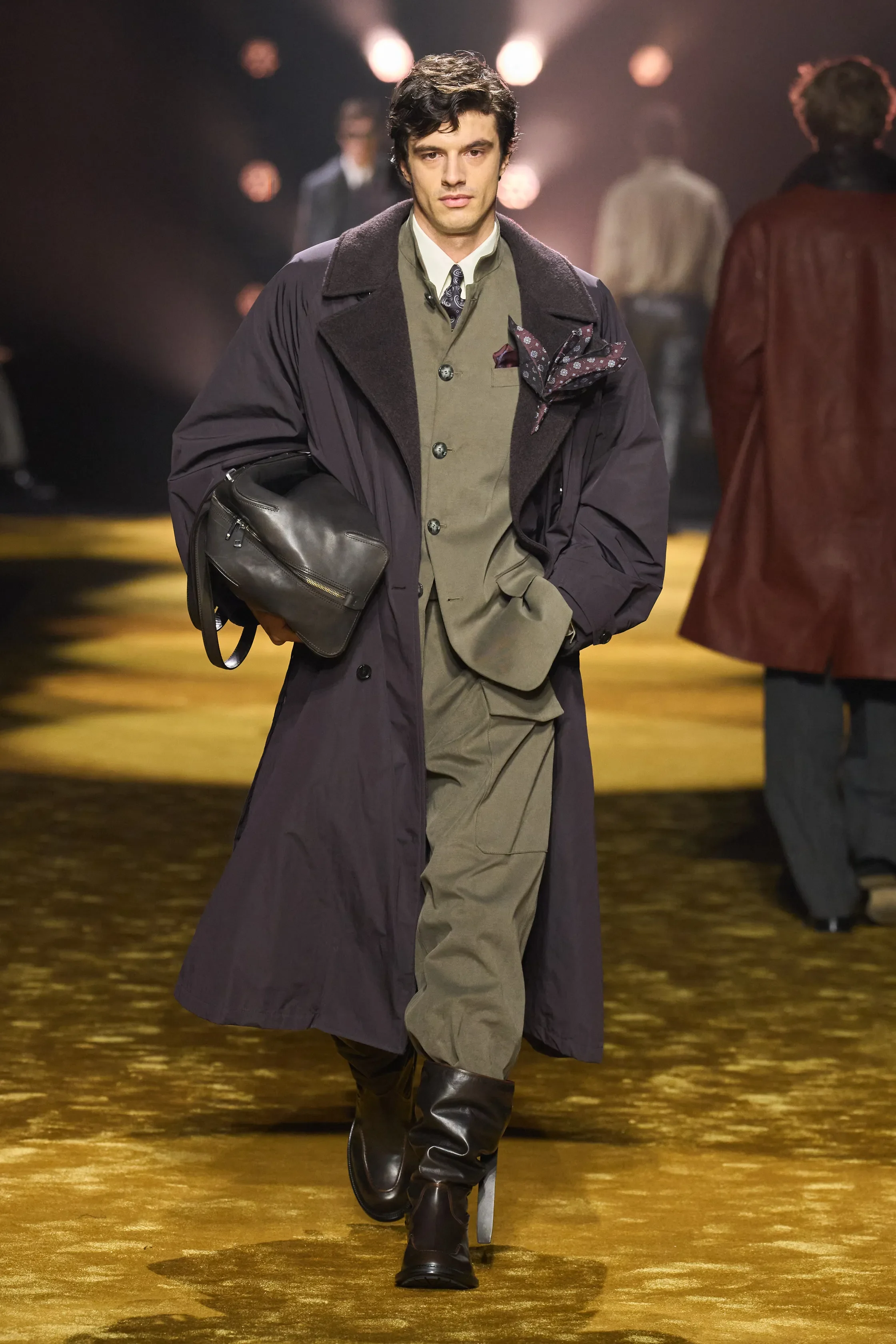
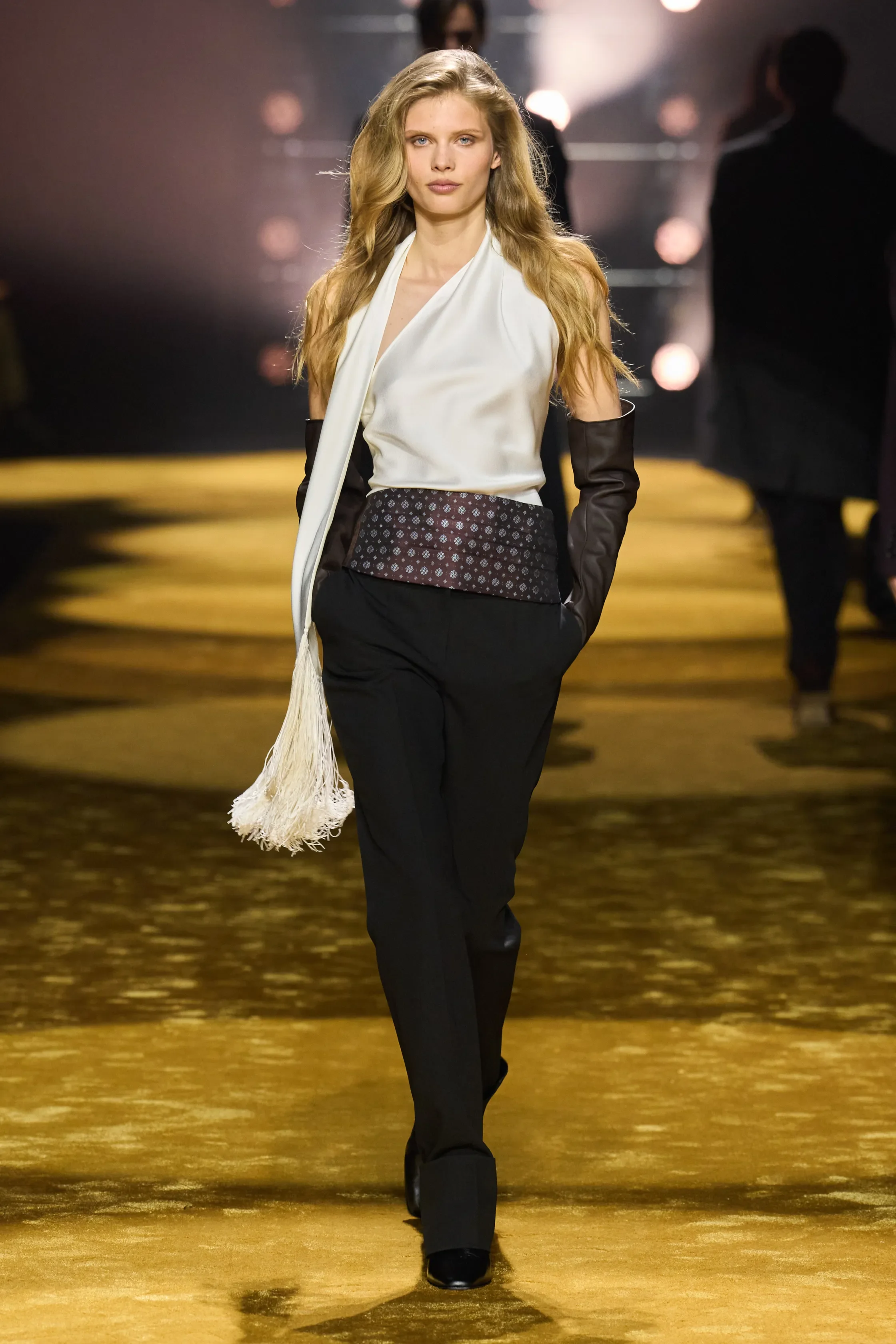
all images courtesy of BOSS
When it comes to sharp tailoring, few come close to the craftsmanship of Boss, proven once more with this Fall/Winter collection. While last season it seemed as if the brand was intent on pursuing a modern silhouette, including flowingness and hints of femininity, this season it has dialled it back to a more classical, timeless elegance with smaller moments of modernisation.
Dipping into the archives, late 80s jackets are updated with higher lapels, exaggerated shoulders are modernised with narrower waists, and double-breasted jackets are styled with single-pleated trousers. Other styling choices included wearing your trousers inside of your boots and loafers, and accessorising the rest of the outfit with leather gloves, stacked belts, and striking brooches. These little tweaks and adjustments make up for a slightly bolder look, showcasing the long-established Boss codes with more restrained elements of last season. It’s Boss at its peak: precision, razor-sharp suits, and a through-the-screen oozing level of confidence. It’s a return to form, perfect for office days in need of attitude and edge.
PRADA
review by MAREK BARTEK
all images courtesy of PRADA
Third day of Milan Fashion Week is here, and this can only mean one thing: Prada Day, baby!
Once again, all roads led to Deposito at Fondazione Prada to see Ms Prada’s and Mr Simons’ thesis on where fashion — and perhaps all of us — are heading for Fall/Winter 2026.
We were welcomed to the now-familiar setting of a cut-through building with double doors and fireplaces installed on the walls at different heights, and pastel-coloured walls alternating with wall wood panelling. This time, though, the lights were dimmed, and the entire space seemed just a tad more eerie compared to the January’s menswear outing. Halloween might be months away, but if Prada says we’re doing haunted house in February, we’re doing a haunted house in February — no questions asked.
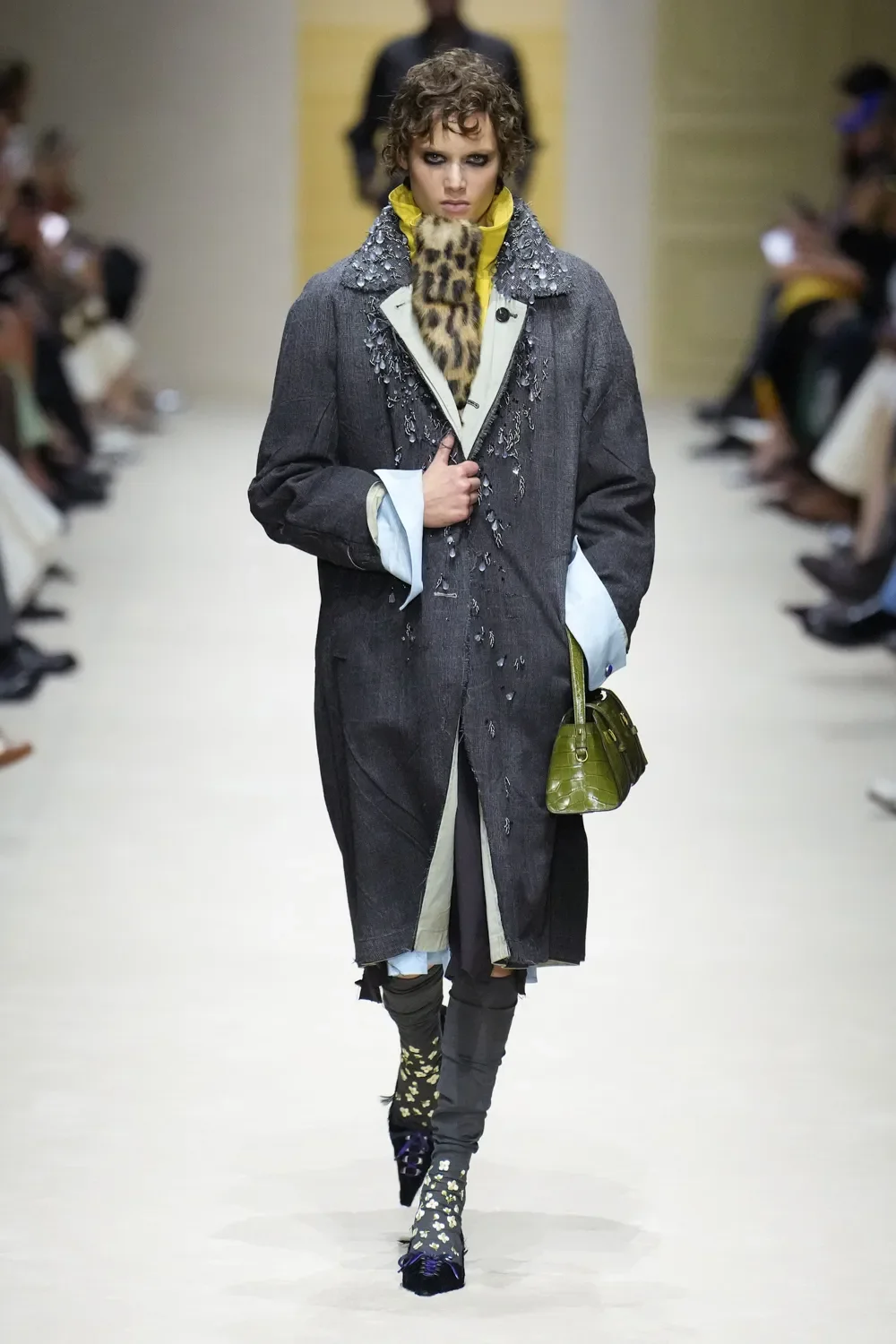
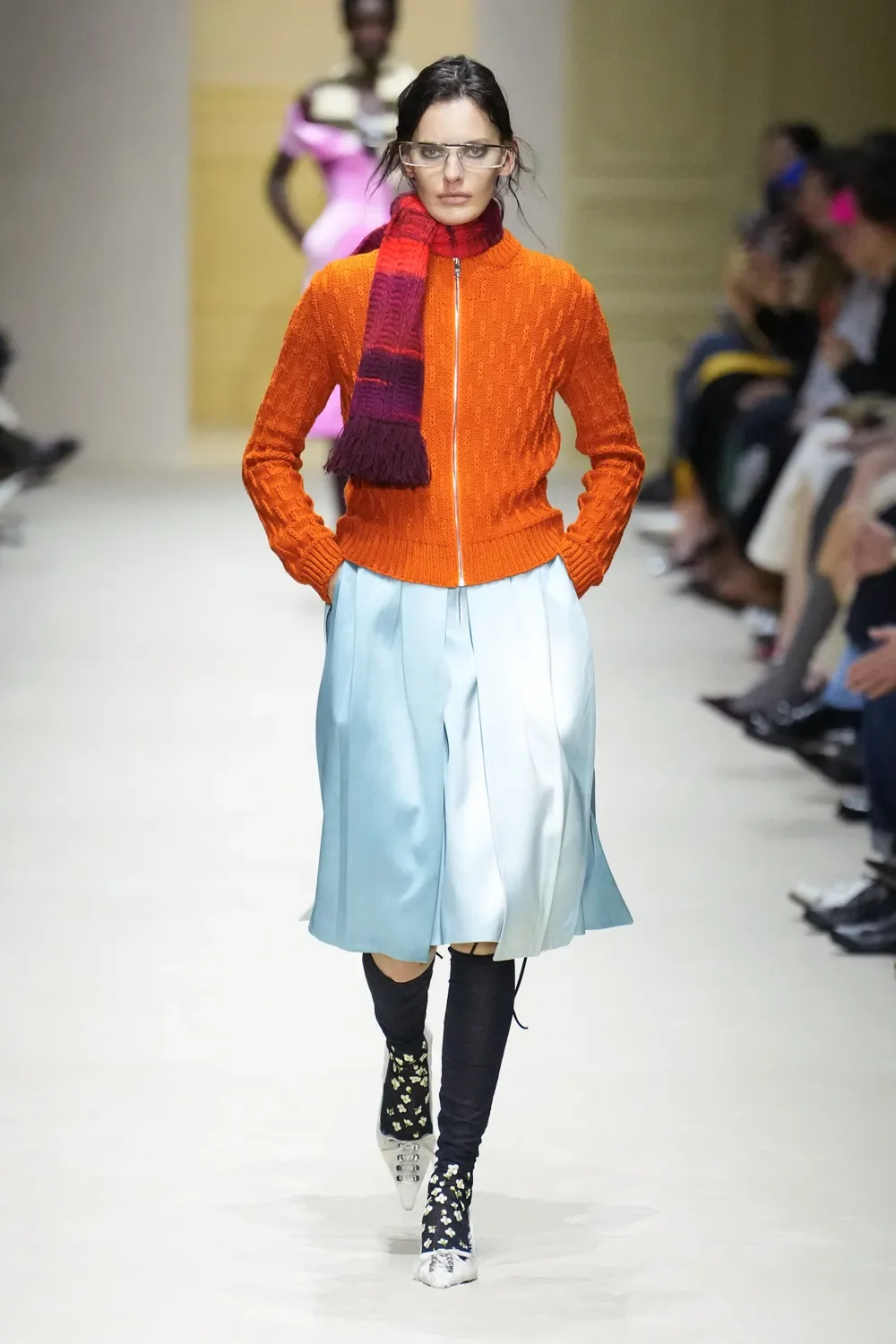
The electronic music filled the room, and the show officially started with the first look hitting like a sudden first cold breeze on a warm autumn day — shocking but invigorating. A thick knitted zip-up and a knee-length high-shine skirt with raw edges peaked from underneath closed thigh-grazing black coat. In true ugly-chic spirit, high black socks slouched just a little too generously, scattered with tiny rose prints from ankle down. Pointed dust-pink heels shimmered with matching stones and crystals that swayed delicately with every step. But the real eye candy, in this case, was was a colour-blocked scarf in muted panels of blue, red, yellow and green — something only Prada can make look cool.
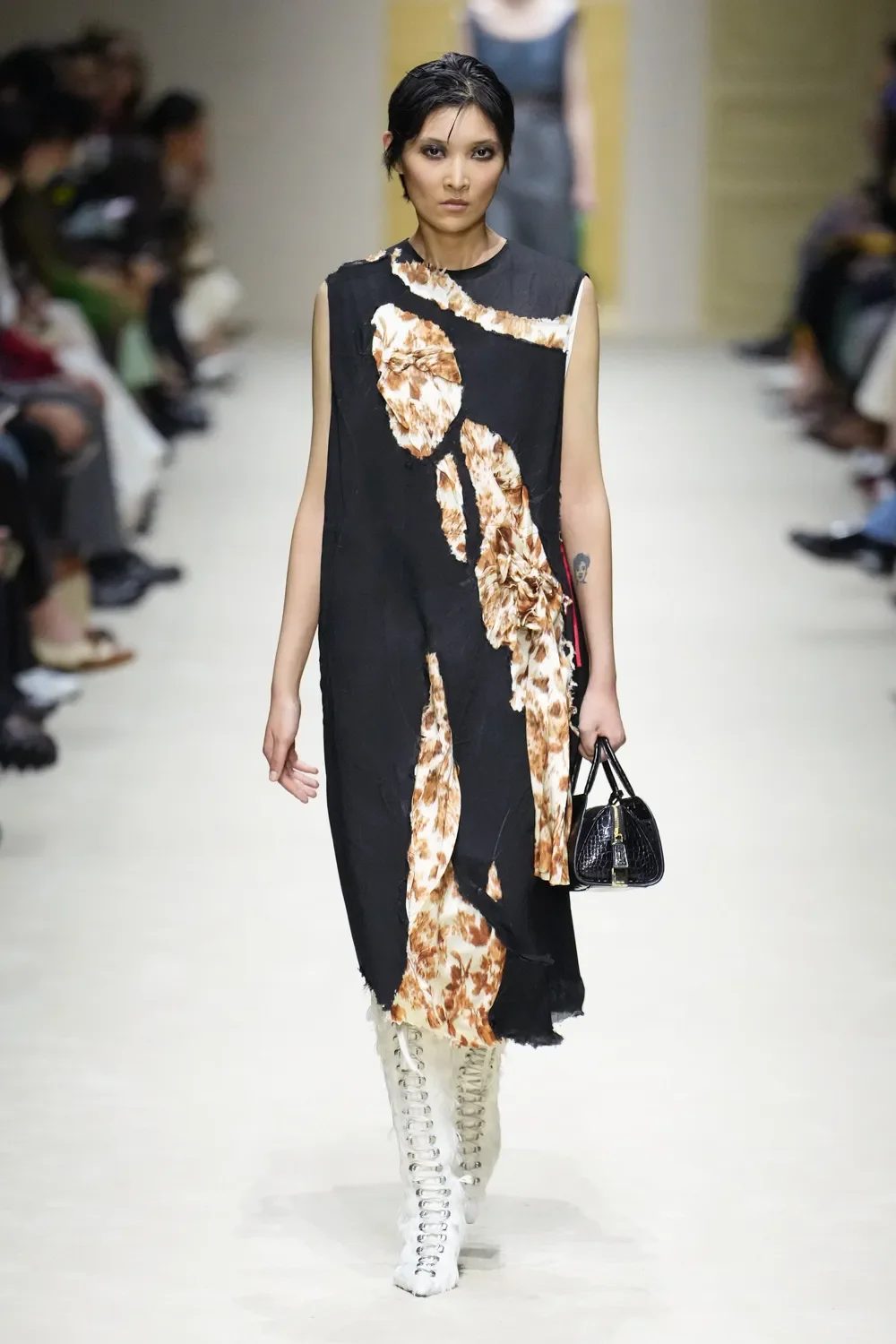
Archeology obsession continues, only this time it manifested thought an approach to layering. More than a styling trick, it becomes the philosophical backbone of the collection. With just 15 models — including Bella Hadid — reappearing on the runway over and over again, the initial thought was: “Wow, Miuccia is really making them work for that dough.” But with Prada, nothing is incidental. Each time the same model stepped out on the runway, they shedded a layer from their previous look, revealing not only a new look but also new identity. Beyond just putting garments over each other, layering has become also a design language. A few looks featured played on the upper — often black or white — shell of the piece to be torn or even scorched, revealing floral patterns underneath it. An excavation of beauty, perhaps. Or a refusal to remain contained. As always with Prada, the interpretation is left deliberately open.
It felt rebellious; in a world that insists on boxing us into stereotypes or reducing us to a three-adjectives introductions, Prada wants us to see we are at least a whole paragraph of complexities, constantly evolving and shifting into new versions of ourselves. Overall, the collection felt very punk-rock, almost as if Miuccia and Raf were going through their formative teenage phase.
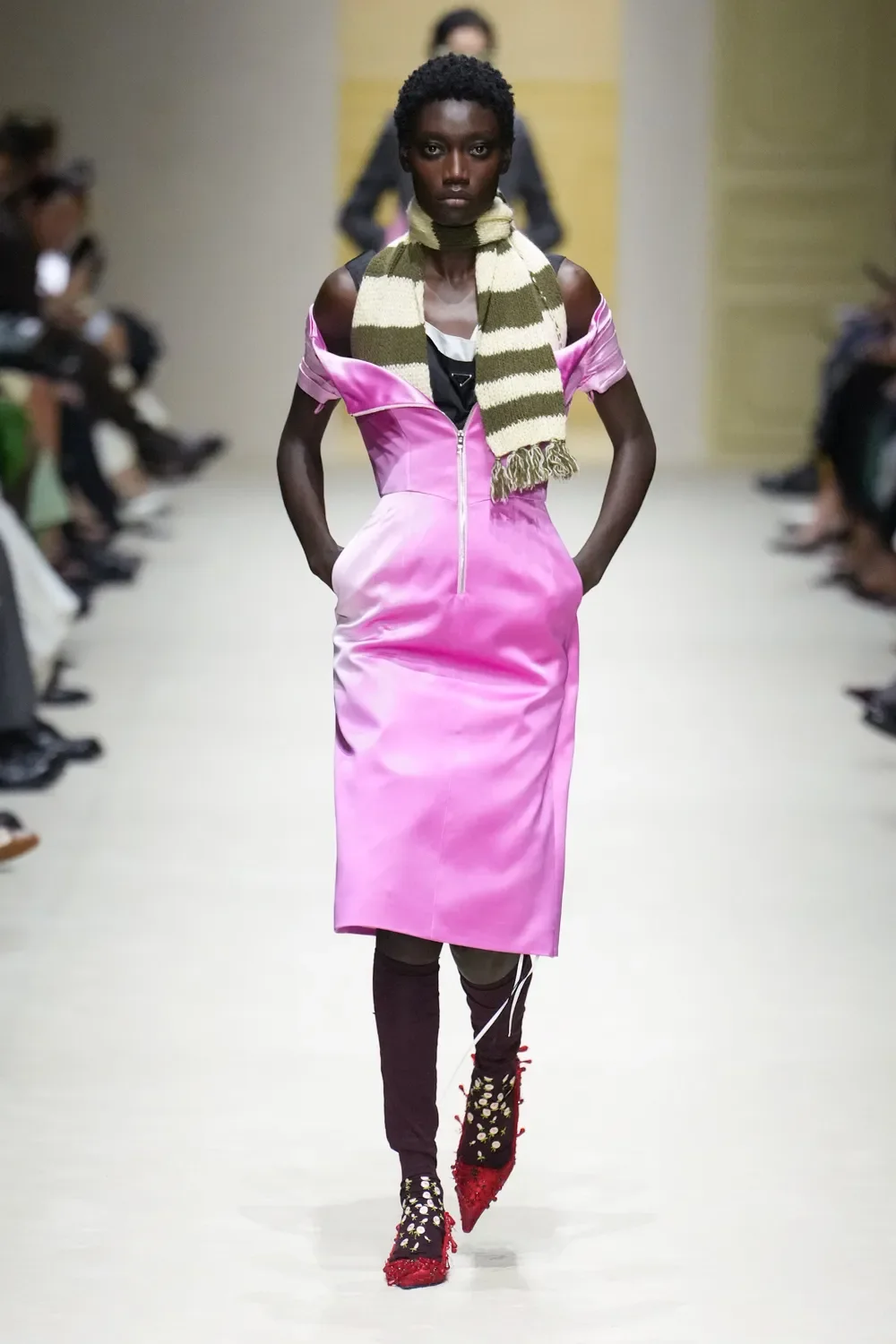
Similarly to the menswear show, the cuffs returned — this time even bigger — jutting out from underneath outerwear and knits, the short trench mini-capes were pushed even further with fluffy fur flaps covering the zippers, and the peeling-paint-off-checked-fabric coats were reimagined in more fitted versions. Embellishments took reign of the decorative language over at Prada. Skirts, shoes, coats — sometimes even the linings of them — were covered in small crystals, scattered chaotically or placed thoughtfully to create ornaments.
Parka is officially back, sported in red with fur flap, and the trousers for women tightened and shorted to ankle length — contrasting with the more fluid models we saw during menswear. Organza garments like coats, or shirts weren’t there only to layer but to also cinch the waist in an almost incorrect way going over thick knits — and yet, somehow, it worked! If not sculpted by sheer layers of organza, the hourglass figure was achieved by using dainty satin belts with bow or sportswear-inspired and ever-so-pragmatic drawstrings.
Shoes could be a chapter on its own. Utility, punky models with colourful laces alternated with pumps and boots that were embellished or fully covered in feathers. Truly a feast for the eyes, and a tactile heaven.
What more is there to add: it was a perfect example of ugly-chic maximalism — but then again, who better to nail it than the ugly-chic parental duo themselves.
EMPORIO ARMANI
review by ANOUK WOUDT
all images courtesy of EMPORIO ARMANI
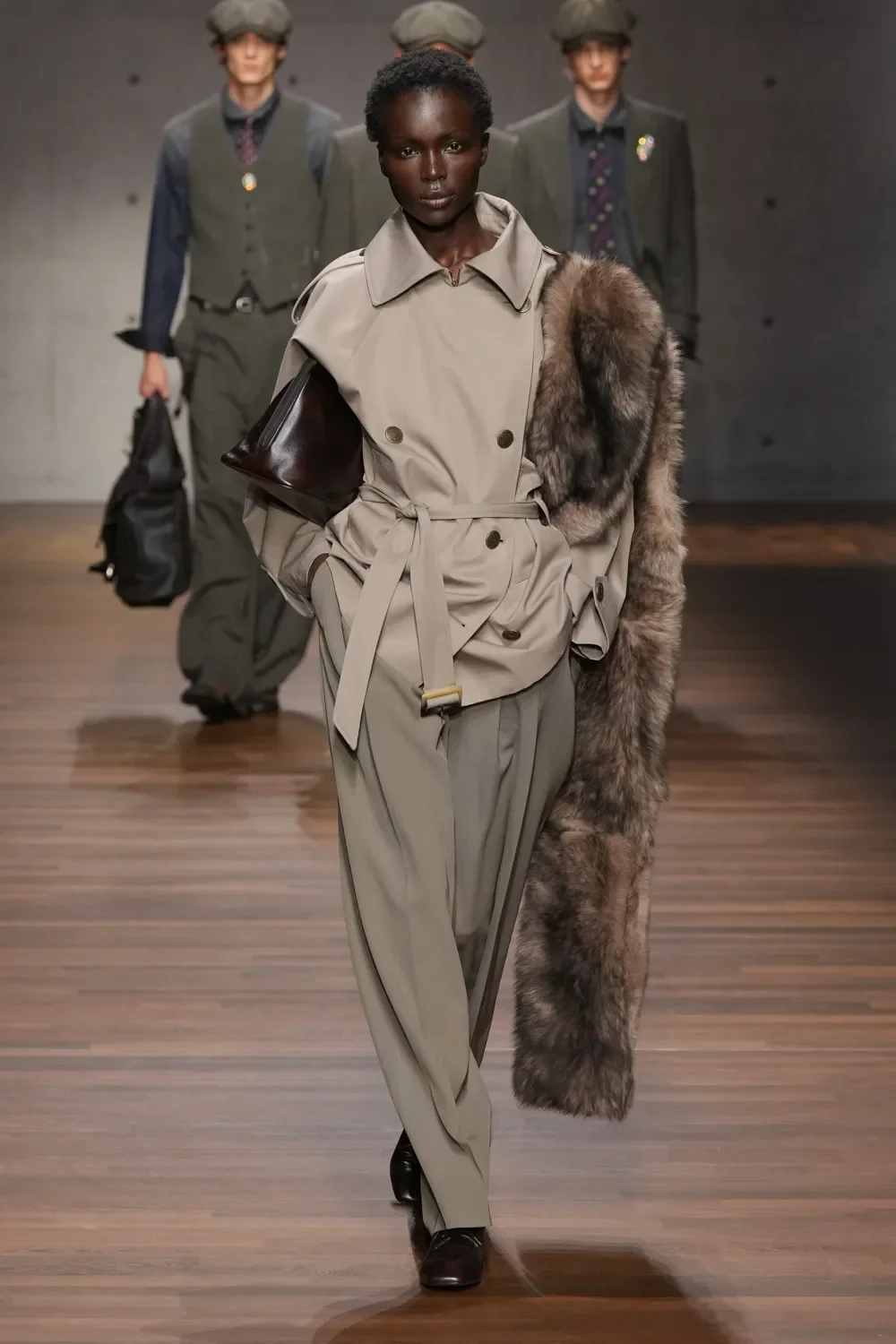
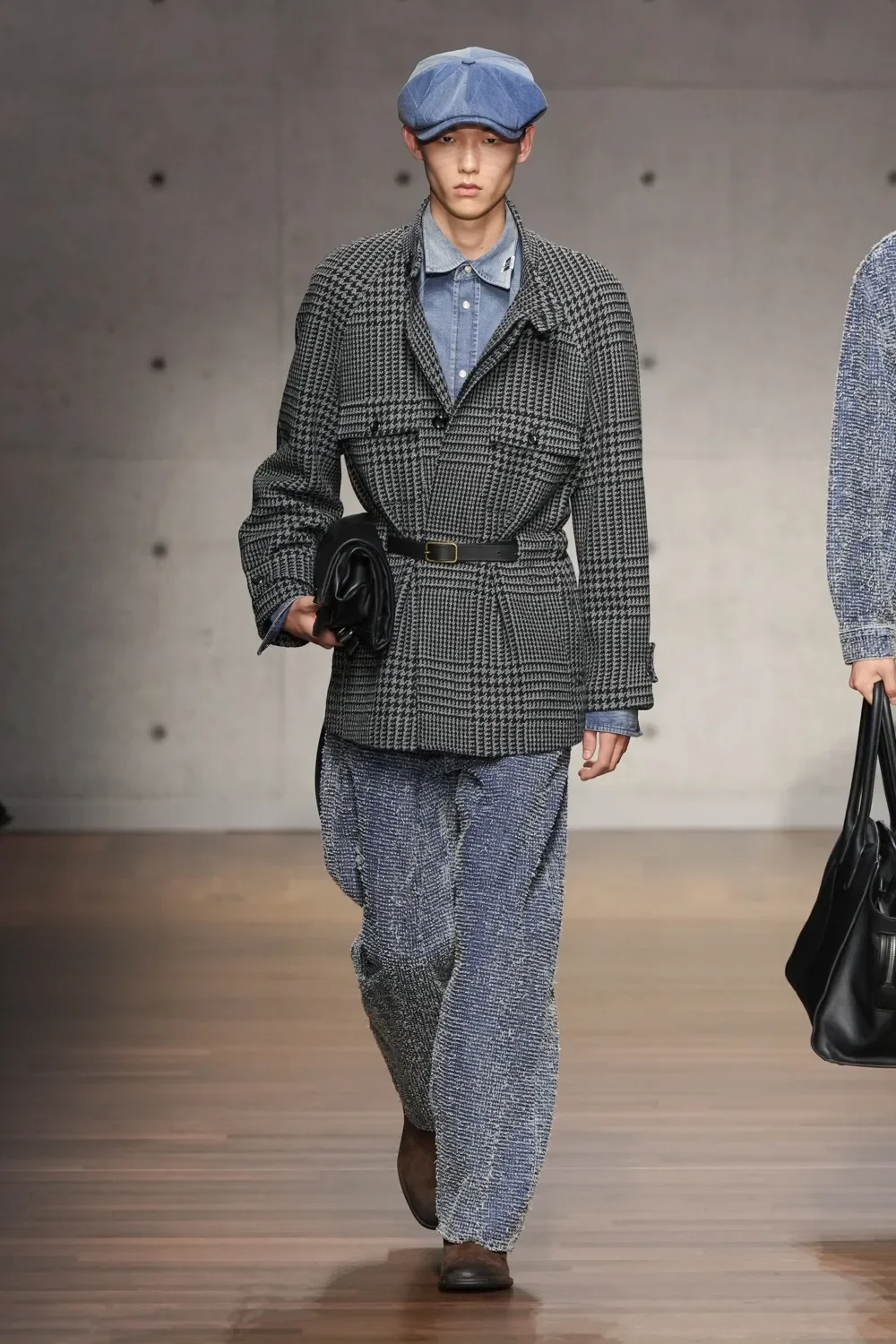
Opening in a sea of grey, Emporio Armani’s fall collection delivered a tailored business casual vision, though eventually letting a twinkle of absurdity pierce through the monotony. Shifting through an array of styles, there was not a distinct theme that grabbed this collection, yet it found its commonality through a sleek put-togetherness that is unmistakably Armani. From the start, an abscess of hats swarmed the runway, giving every look a certain Peaky Blinders effect, especially when paired with the classic suit and tie. Models covered in blazers and long coats, completed with matching briefcases, absolutely sealed the deal in giving us a true office-chic look. The collars as neckties provided the much-needed twist to otherwise somewhat repetitive compositions.
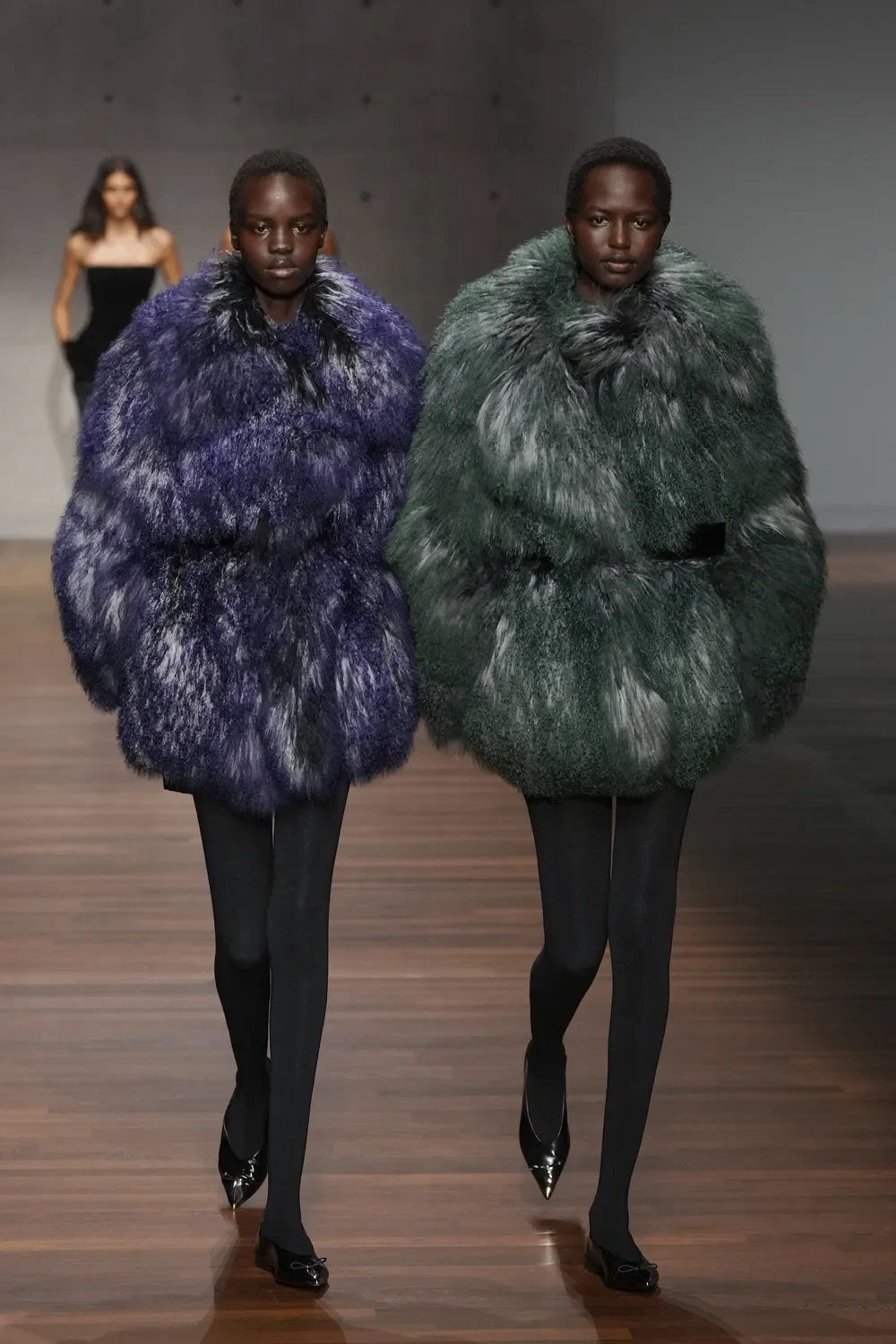
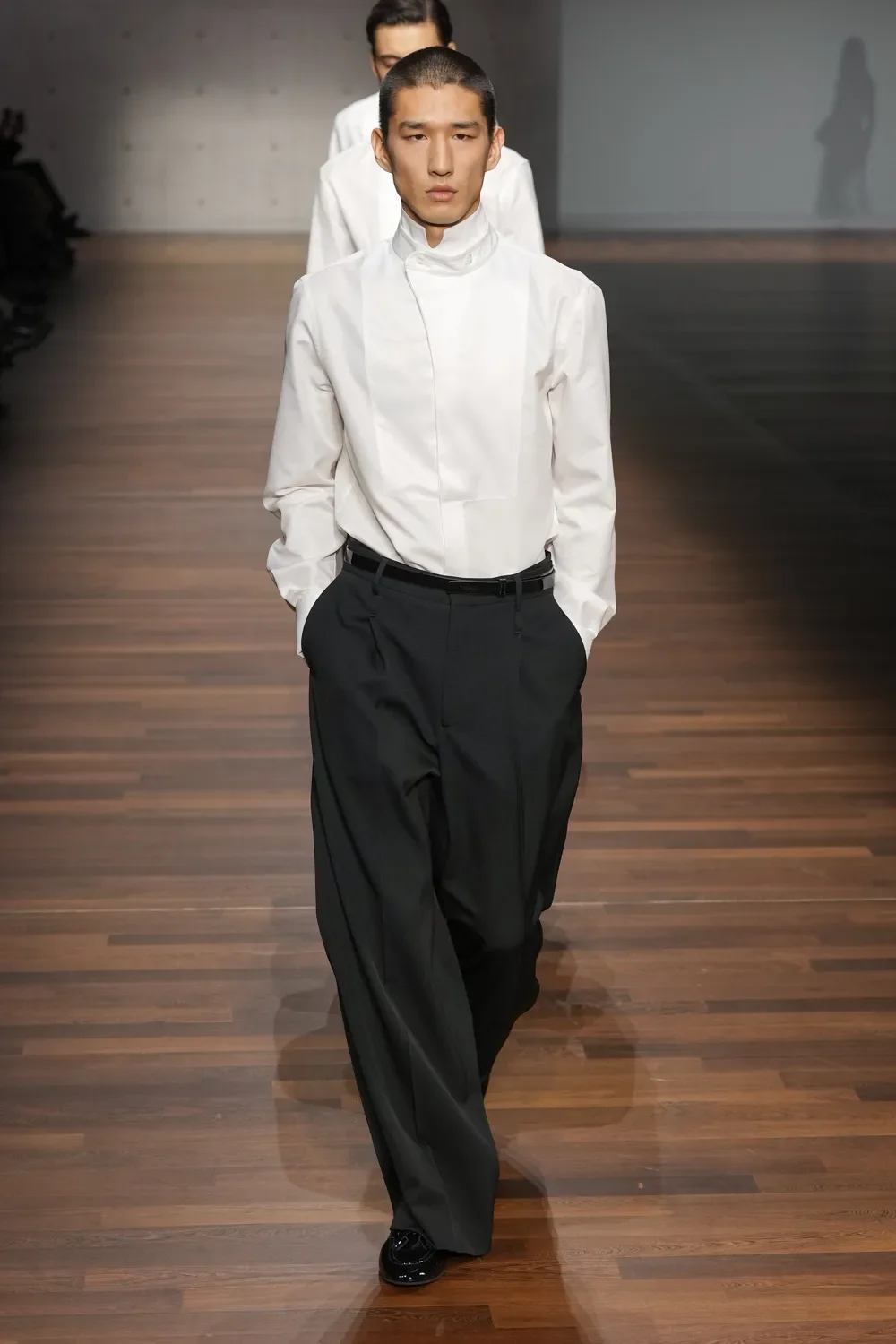
Models came in sometimes in packs of two or three in matching garbs, driving a mesmerising twin charm that seized our attention. As we delved further into the collection, miscellaneous pops of denim, fur and velvet made their way onto the scene, reshaping the identity that was originally proposed. Our eyes were especially drawn to the matching blue and green fur coats, emerging like an oasis in a suited fever dream. Ending with a line of white blouses and black trousers, the collection’s many twists and turns eventually anchored us right back to its inherent classiness.
MARNI
review by SONNY NGO
all images courtesy of MARNI
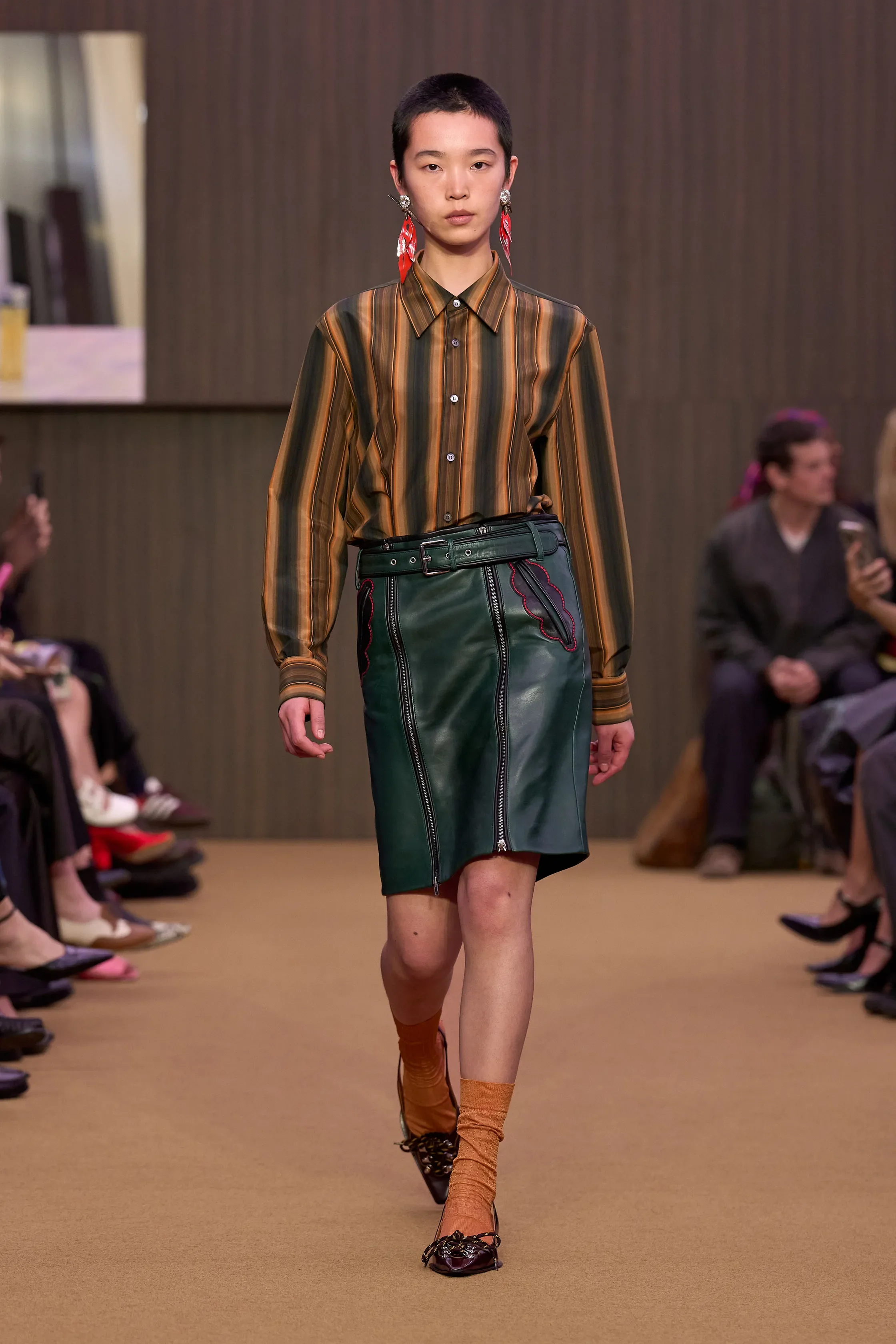
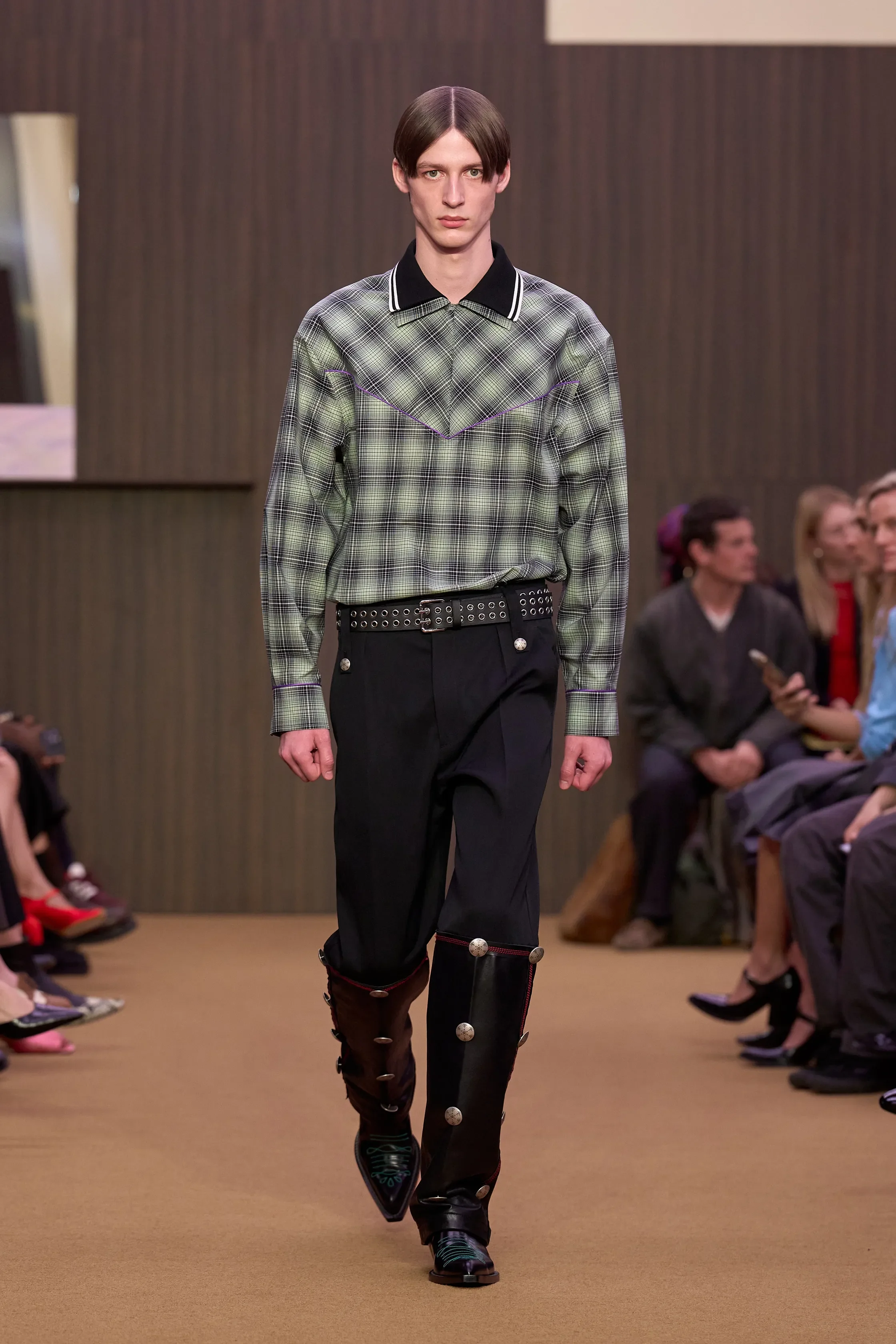
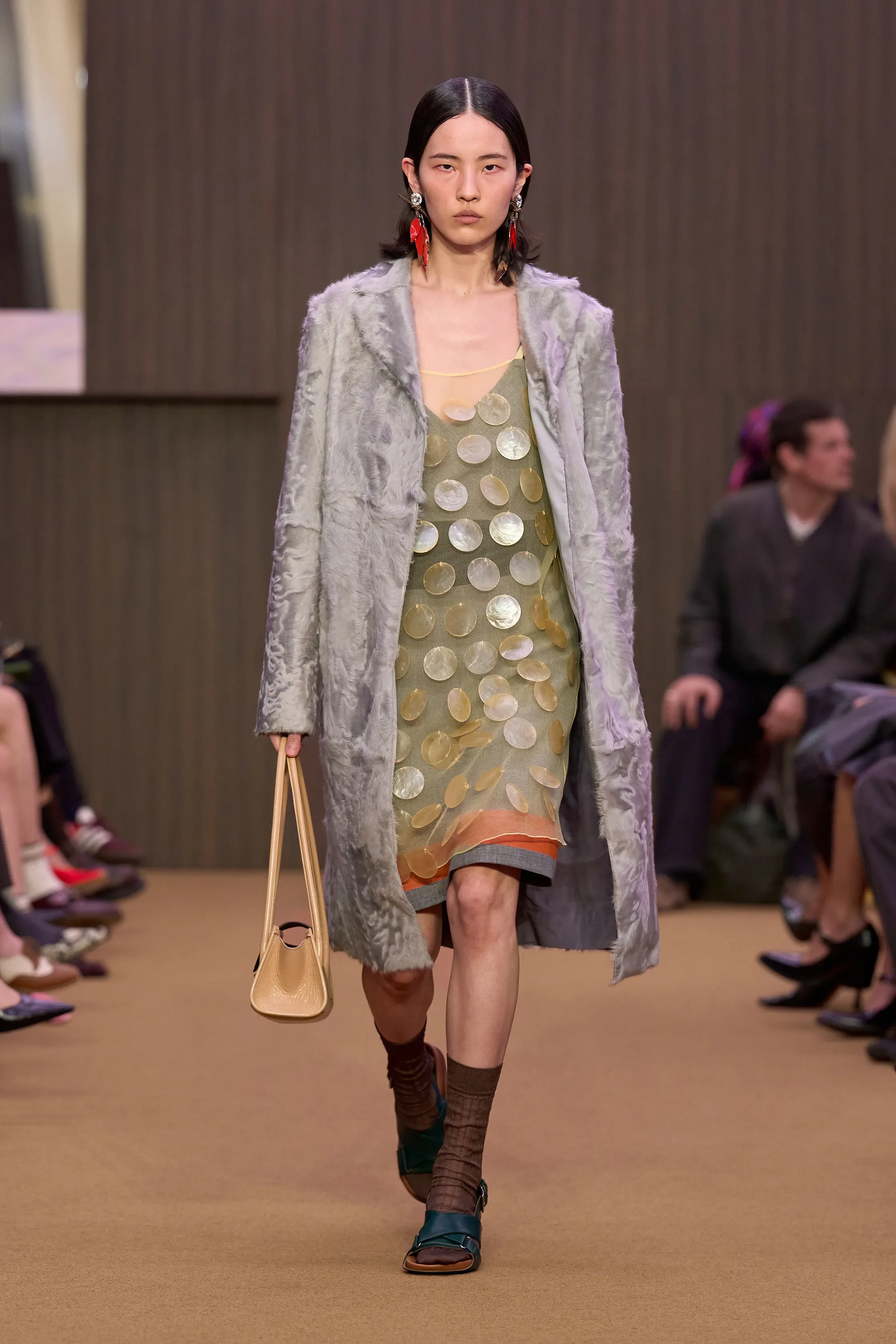
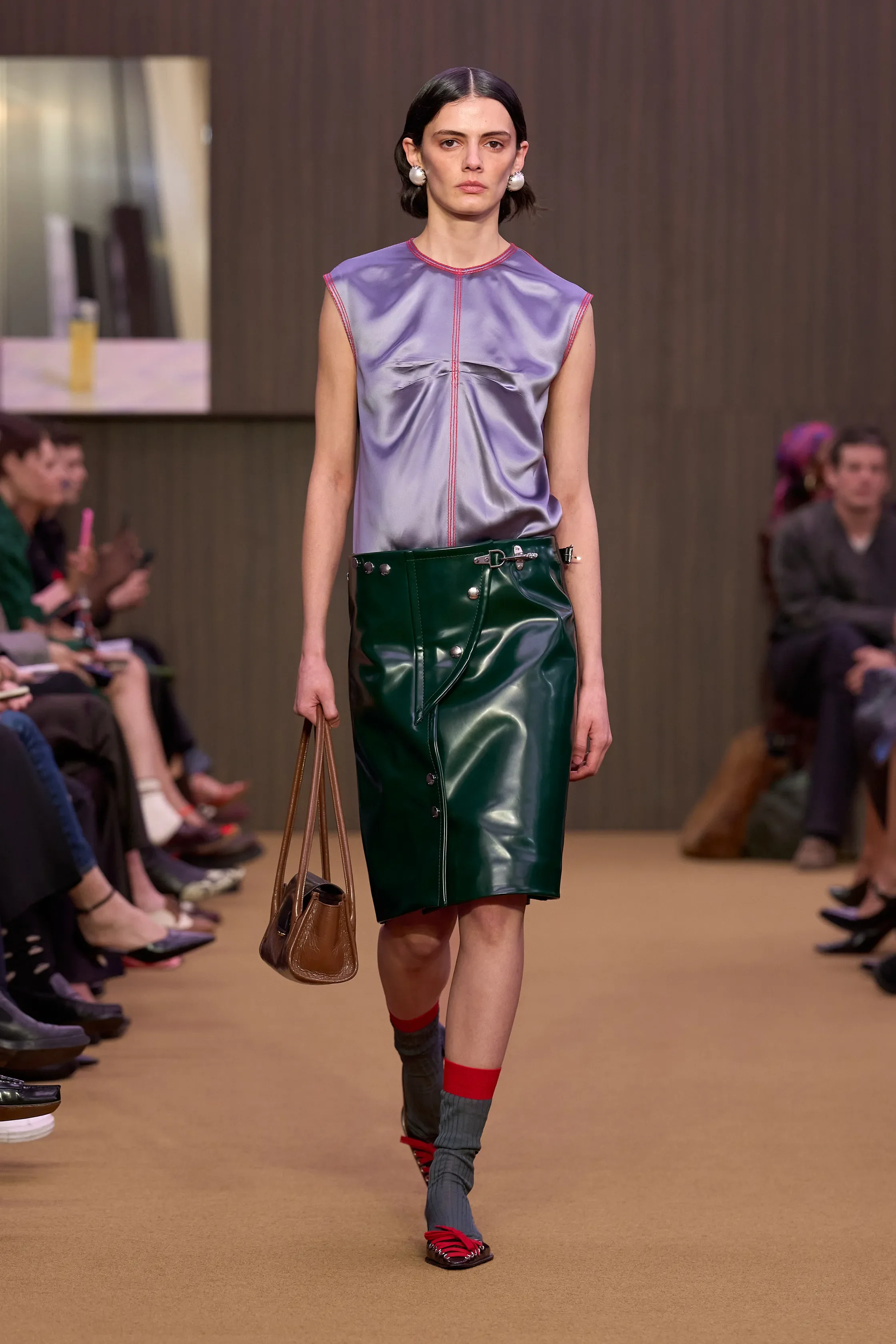
When it was first announced that Meryll Rogge was heading towards Marni last year, I swear I could hear the excitement from every Belgian fashion fan reverberate through the room. The Ghent native has previously cut her teeth on Marc Jacobs’ design team and was then head of womenswear for fellow Royal Academy of Antwerp alumni Dries van Noten. Since 2020, she has been amassing a cult-following for her own eponymous brand, which has been churning out beautifully tasteful collections featuring robust prints and unexpected twists. And now, as just the third creative director in the brand’s history, Rogge is taking us with her into a new Marni age.
Yet fans of the Italian fashion house should not fret, because the essence remains just the same. Eclecticism and chicness collide in colourful and textured skirts and coats. Artsy necklaces dangled around for a fun, quirky feel, and plaid shirts, pointy boots, and shearling pieces evoked a sense of Western Americana. With polka dots, stripes, and sneakerinas thrown into the mix as well, the collection felt like a warm love letter to the house’s history, while at the same time the start to a contemporary era.
It’s great to see a designer pour so much love, care, humour, and playfulness into a collection again, and even more so, it’s a full-circle moment that a woman is helming Marni again since Consuelo Castiglioni founded the house. I do hope the industry catches on – I mean, look at the material! – but in any case, Rogge’s appointment makes perfect sense regardless of gender: it’s a modern, luxurious Marni to a T.
ROBERTO CAVALLI
review by AYA SOFIA OPPENBERG
all images courtesy of ROBERTO CAVALLI
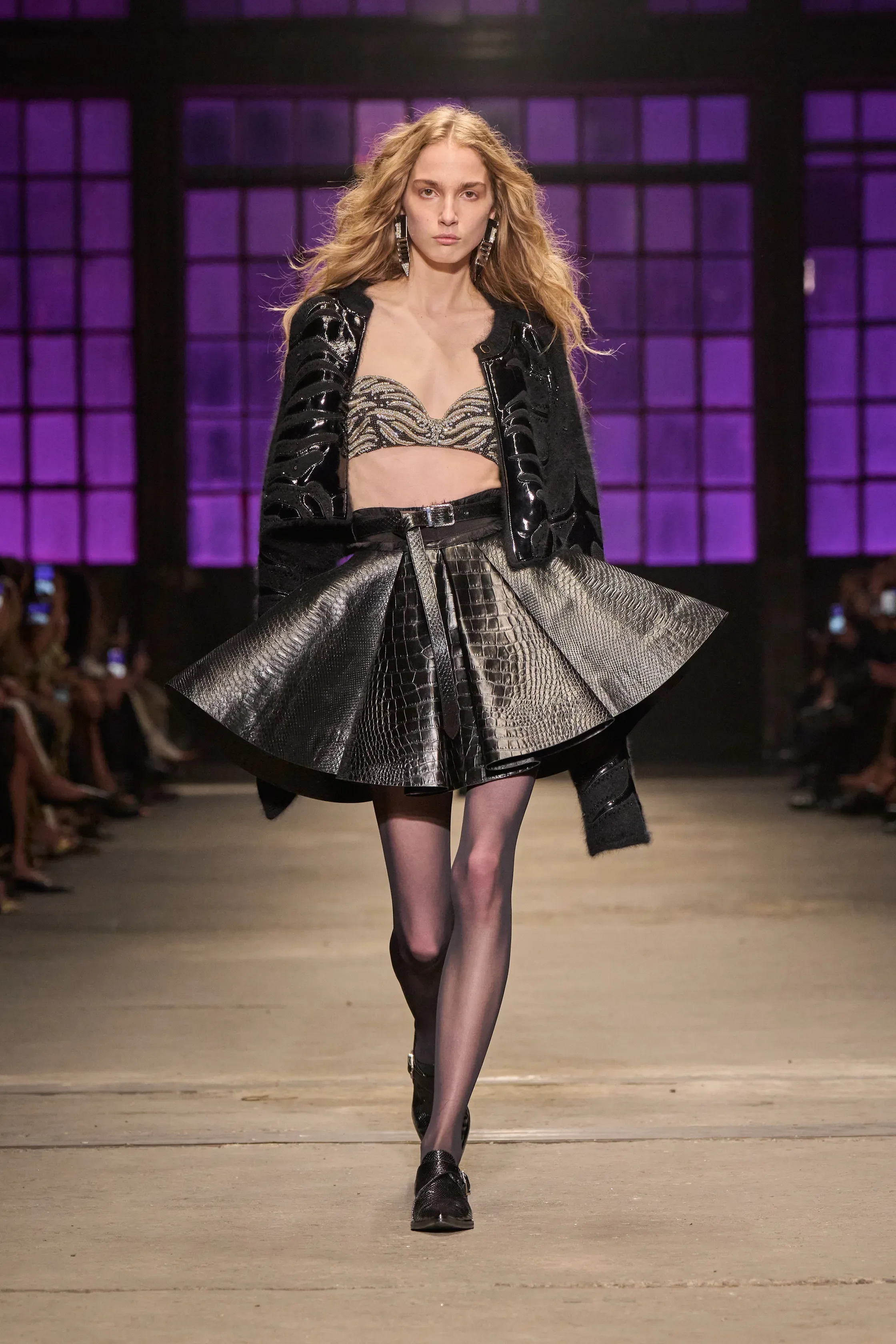
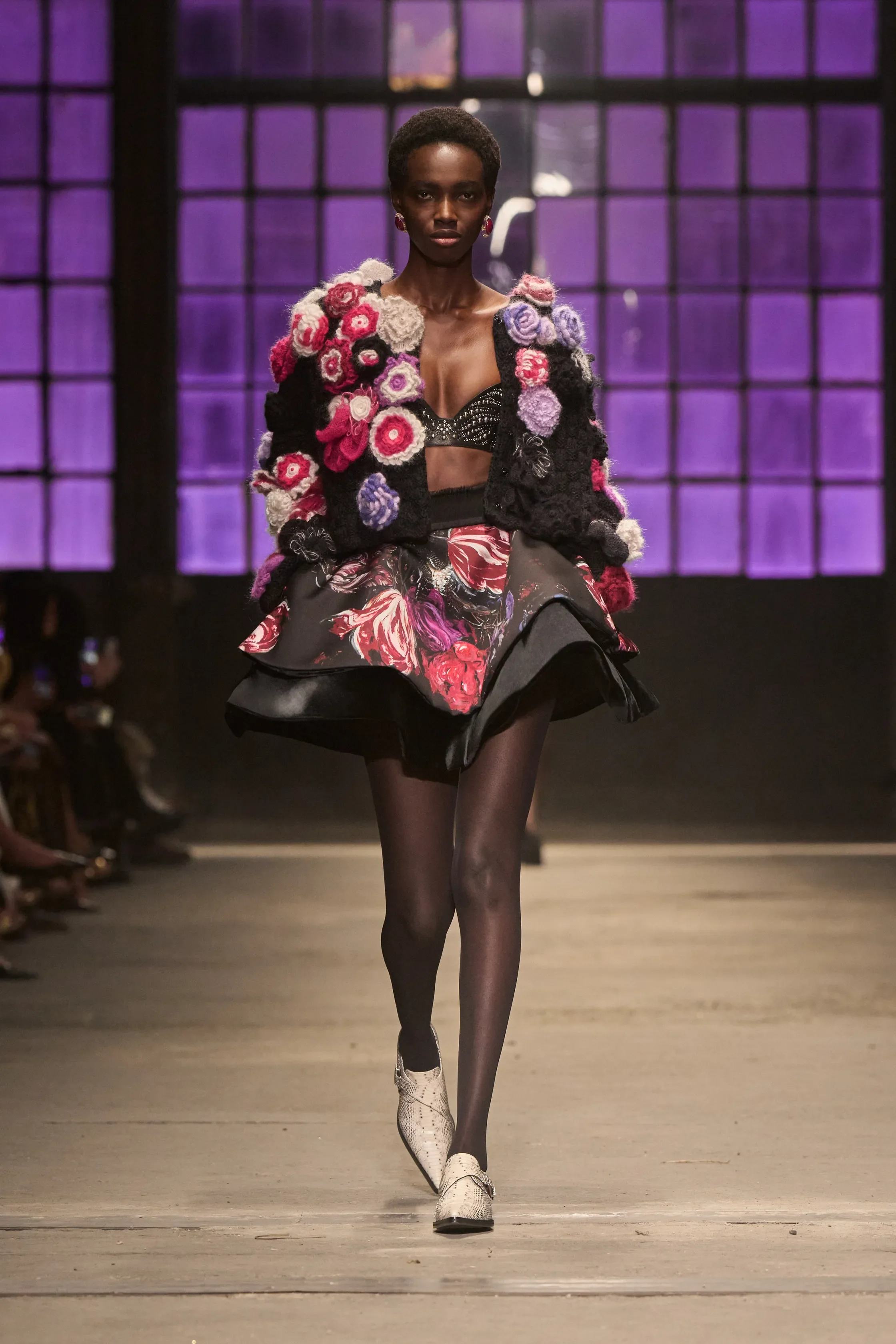
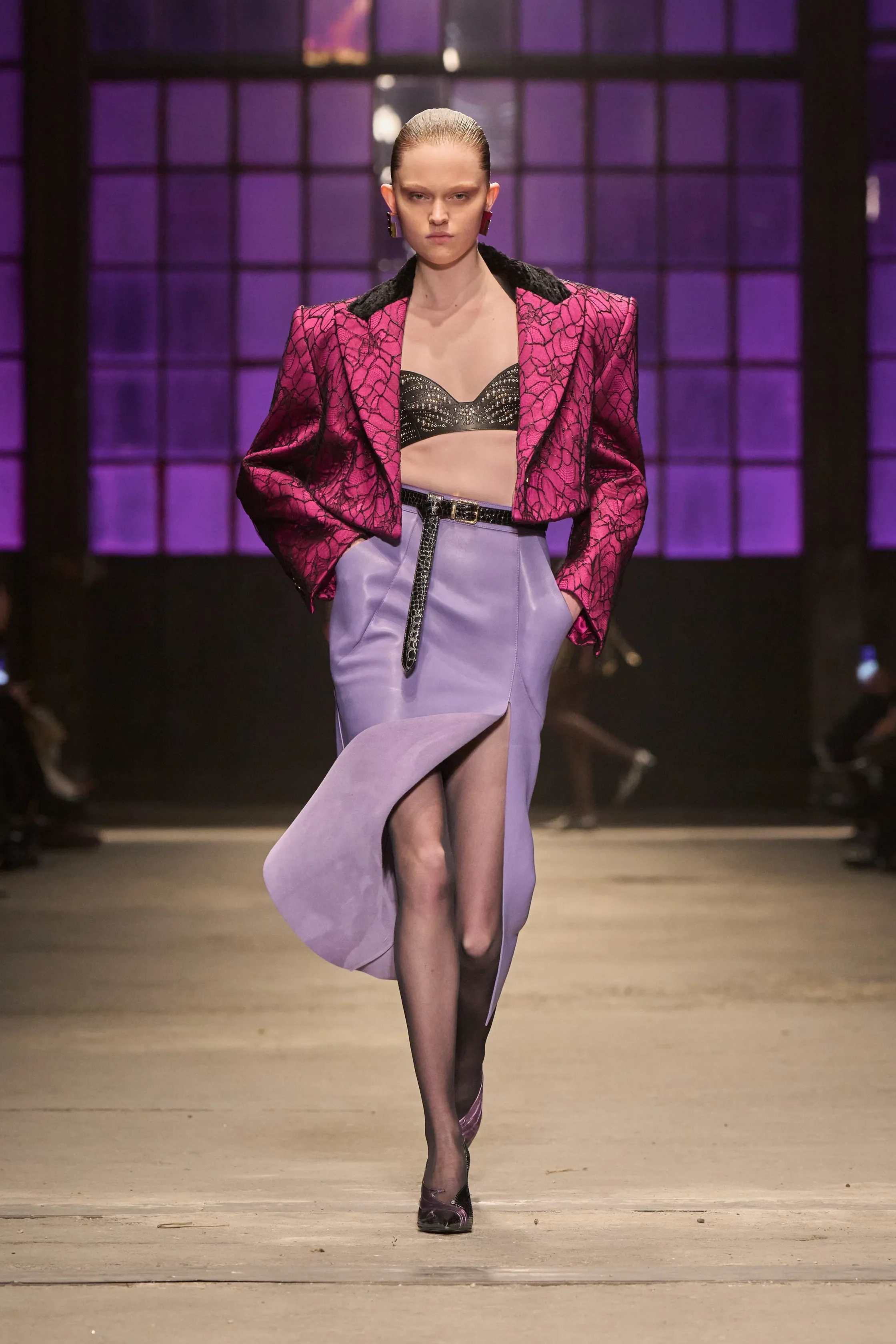
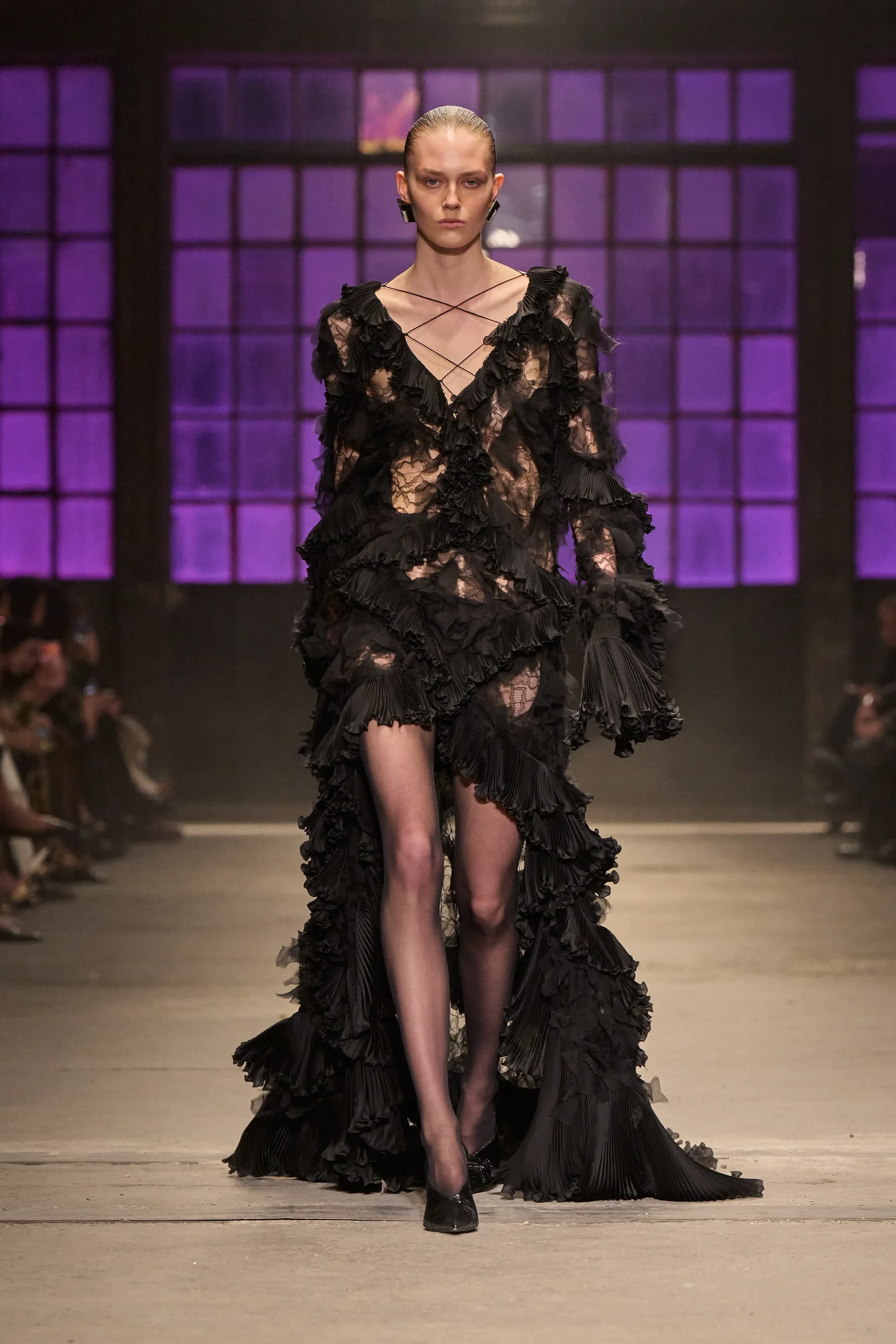
For FW26, Fausto Puglisi has taken Roberto Cavalli into a subterranean, "New Romantic" dark room. We’ve seen the brand’s signature animal prints and technicolor chiffon before, but this season, Puglisi decided to focus on the sheer architecture of black. It’s a gothic pivot, undeniably, but replacing the usual tropes with something more predatory and polished.
The opening looks were an exercise in texture over tone. A toughness came with the cropped biker jackets and liquid-like trousers, but never austere. Instead, it was an exploratory collection. What would Cavalli look like through a darkened lens? All the familiar intricacy, but rendered in shadows.
However, the palette had to fracture or it wouldn’t be Cavalli. Halfway through the show the monochrome dam broke and a vivid, neon relief came to flood. A burst of Old Master rose prints and pastels felt like a sunset after a gothic, stormy sky. A reminder that while there’s a place for the dark, Cavalli is at its best when it runs toward the light.