
PARIS FASHION WEEK FALL/WINTER 2026: DAY 4
CHLOÉ
review by MARIA MOTA
all images courtesy of CHLOÉ
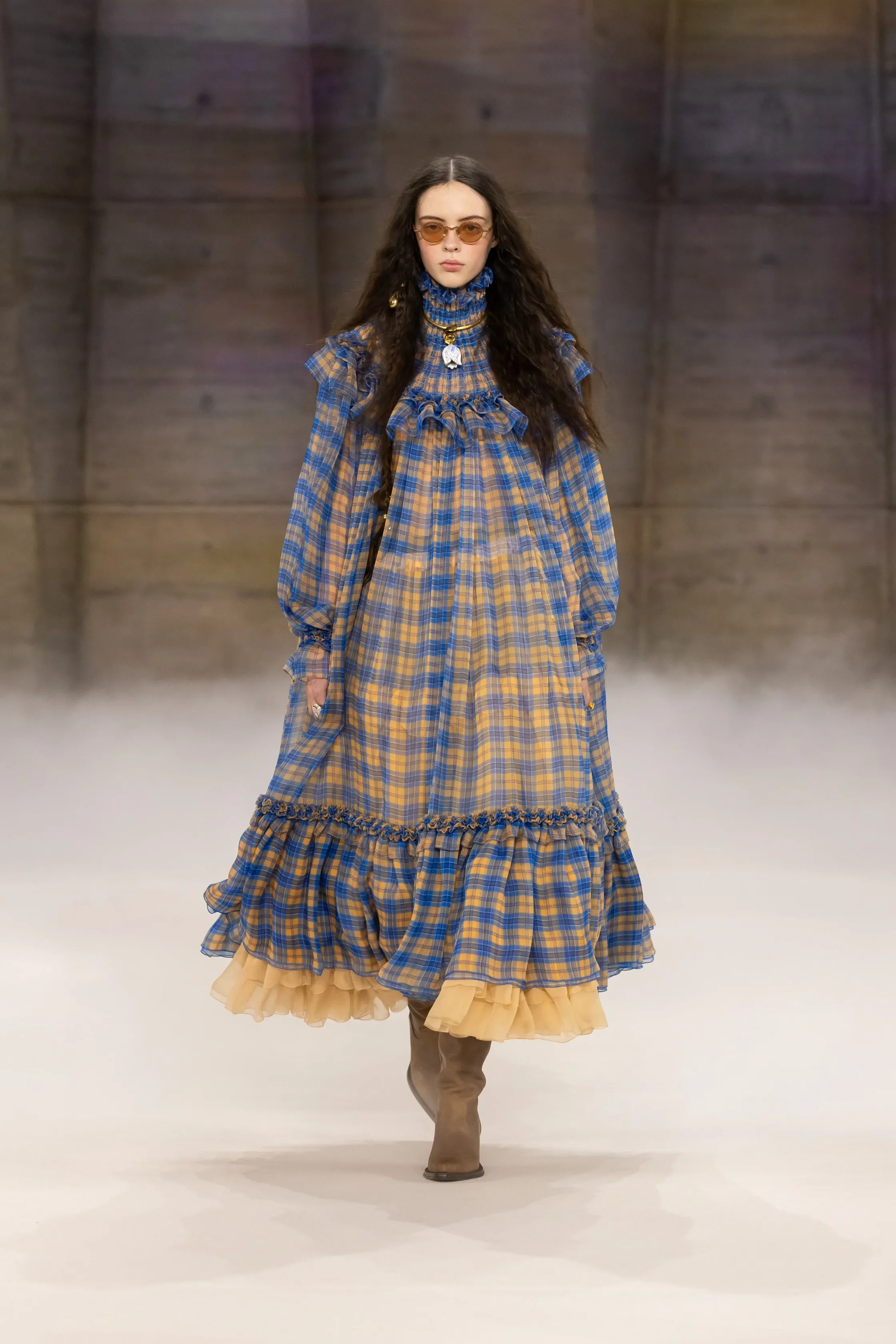
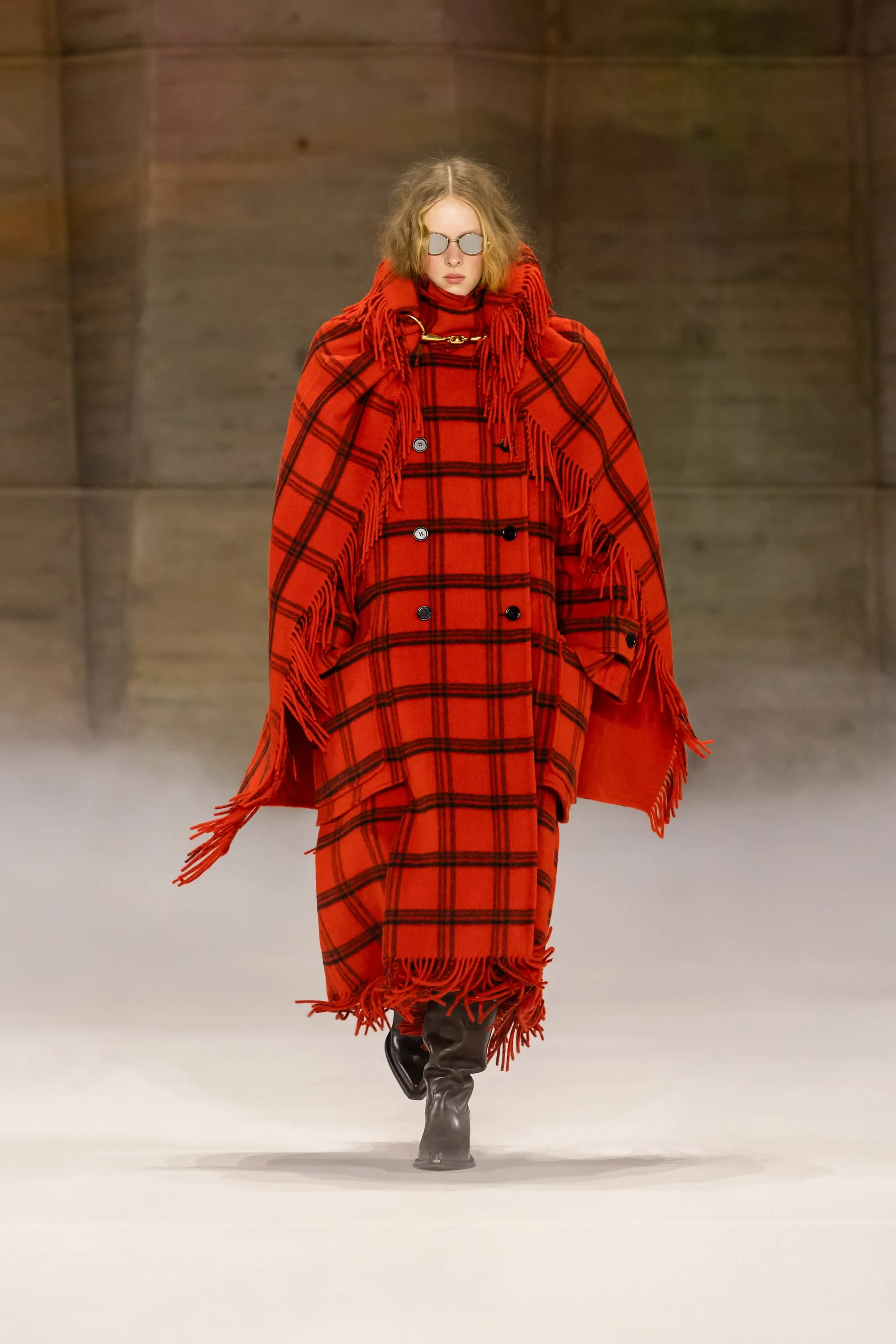
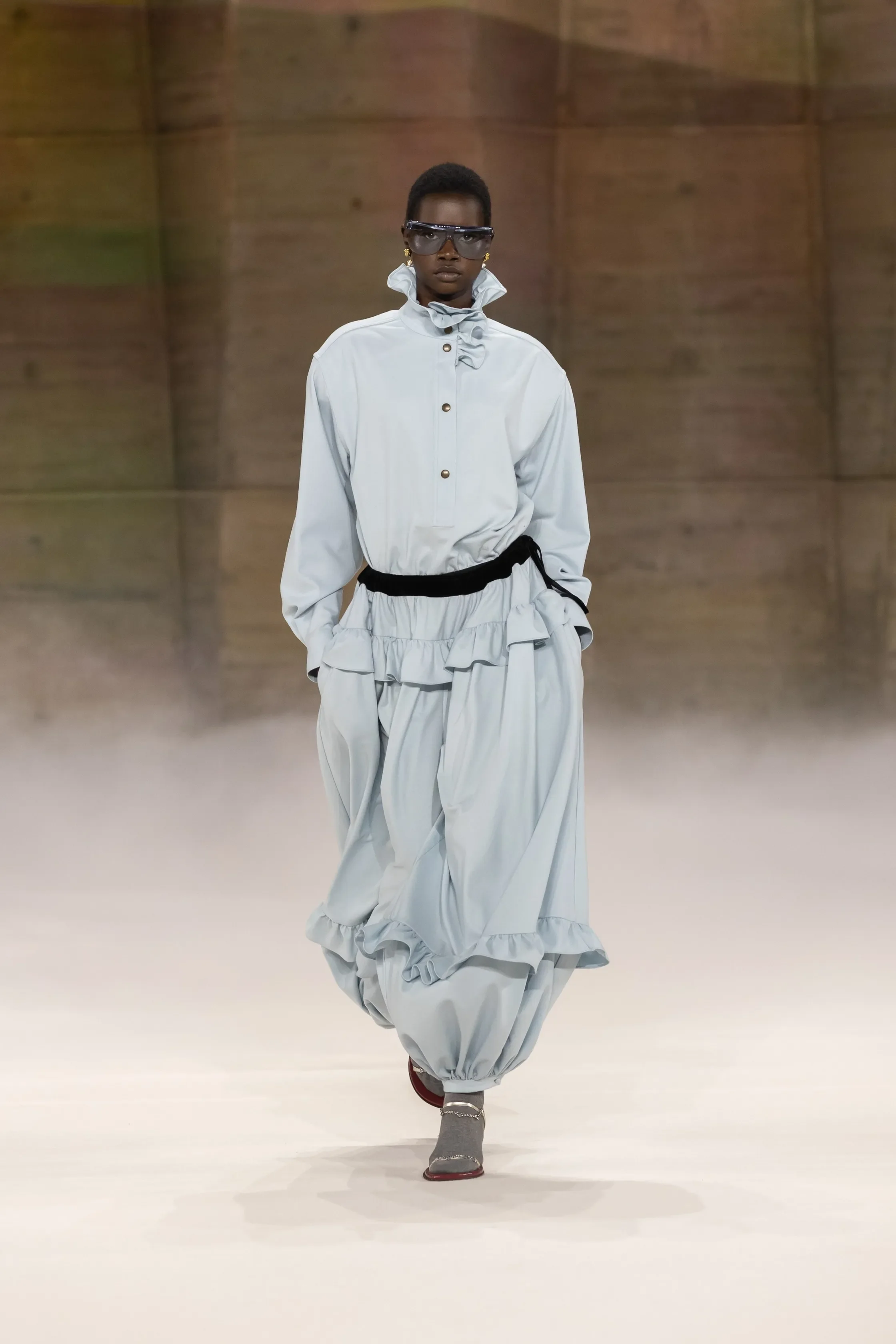
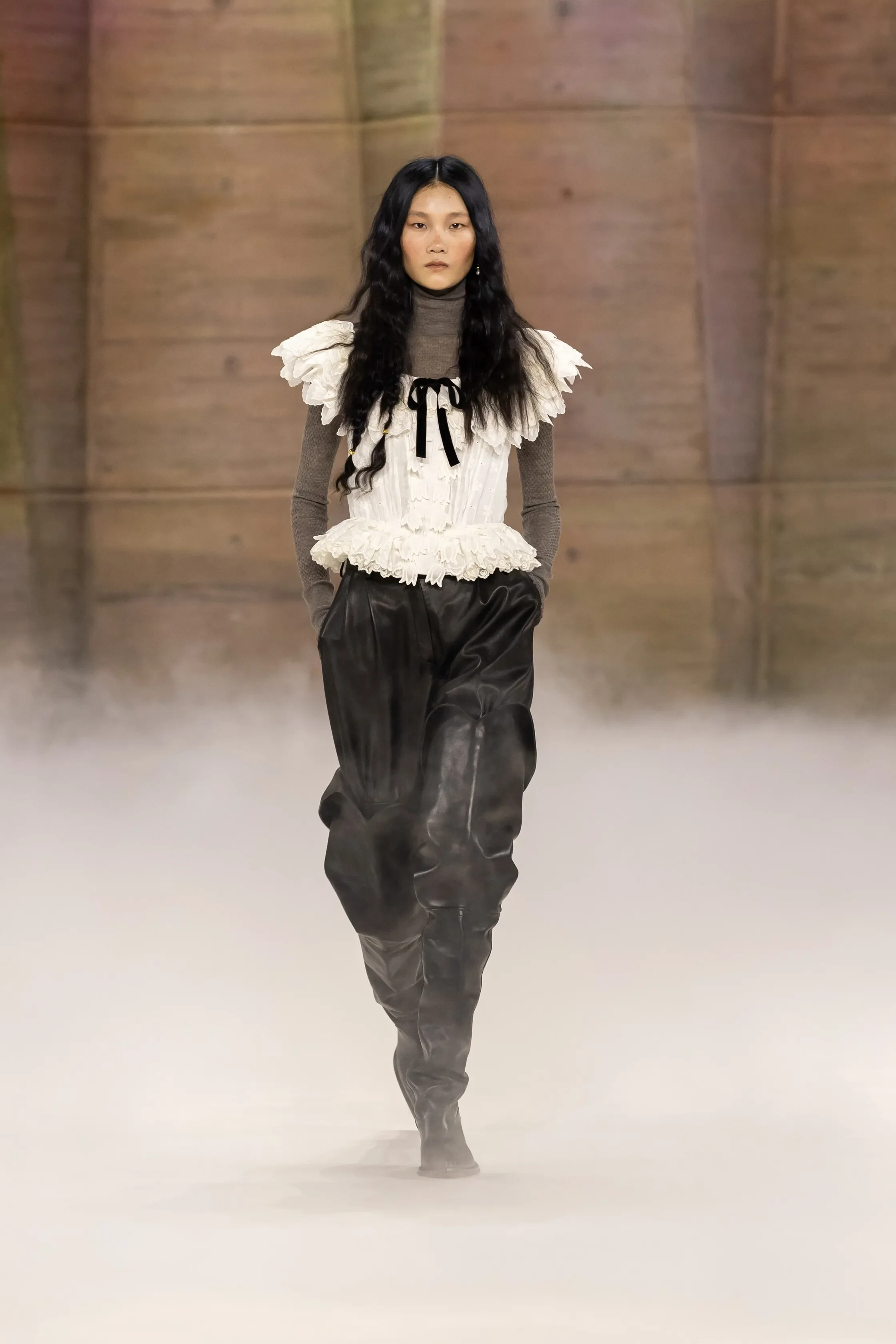
At Chloé’s Fall Winter 2026 show, creative director Chemena Kamali captured the essence of the house with a collection that felt free spirited and deeply romantic. Season after season, Kamali proves that Chloé is the definition of effortless chic and continues to hold such a strong emotional pull.
The collection drew clear inspiration from folk traditions and folkloric craft. It felt rooted in nature and simplicity, yet elevated with the kind of thoughtful design that defines Chloé. Models appeared sun kissed, as if they had spent the day wandering through a countryside landscape, their bold, long, wild hair adding to the sense of freedom that ran through the entire collection. Silhouettes were loose and flowy, stretching almost to the floor but always designed for easy movement. Floaty ruffled dresses layered with multiple tiers of frills created volume that moved beautifully with every step. Embroidered flowers and delicate textures reinforced the connection to traditional craftsmanship.
Kamali’s strength lies in her understanding of femininity. She recognises the beauty behind an oversized shape and how it can still feel gentle yet powerful. Cut out dresses carved softly around the hip bones and necklines, often balanced by high choker like collars and bold shoulders, added a sense of quiet sensuality. See through fabrics and open backs heightened the idea. The styling felt instinctive and unexpected, yet as always perfectly balanced. Chunky knit flannels were paired with floaty dresses and fuzzy shearling boots. Long pendant necklaces swayed with movement, letting the pieces move with you, without restraint. The colour palette remained soft and calm, true to the house, and even the darker, more contrasting tones carried a sense of gentleness.
When iconic Chloé model Raquel Zimmerman closed the show, it felt like a final reminder that the romance of Chloé remains unmistakably intact.
OFF-WHITE
review by FRANCESCO PIZZUTI
all images courtesy of OFF-WHITE
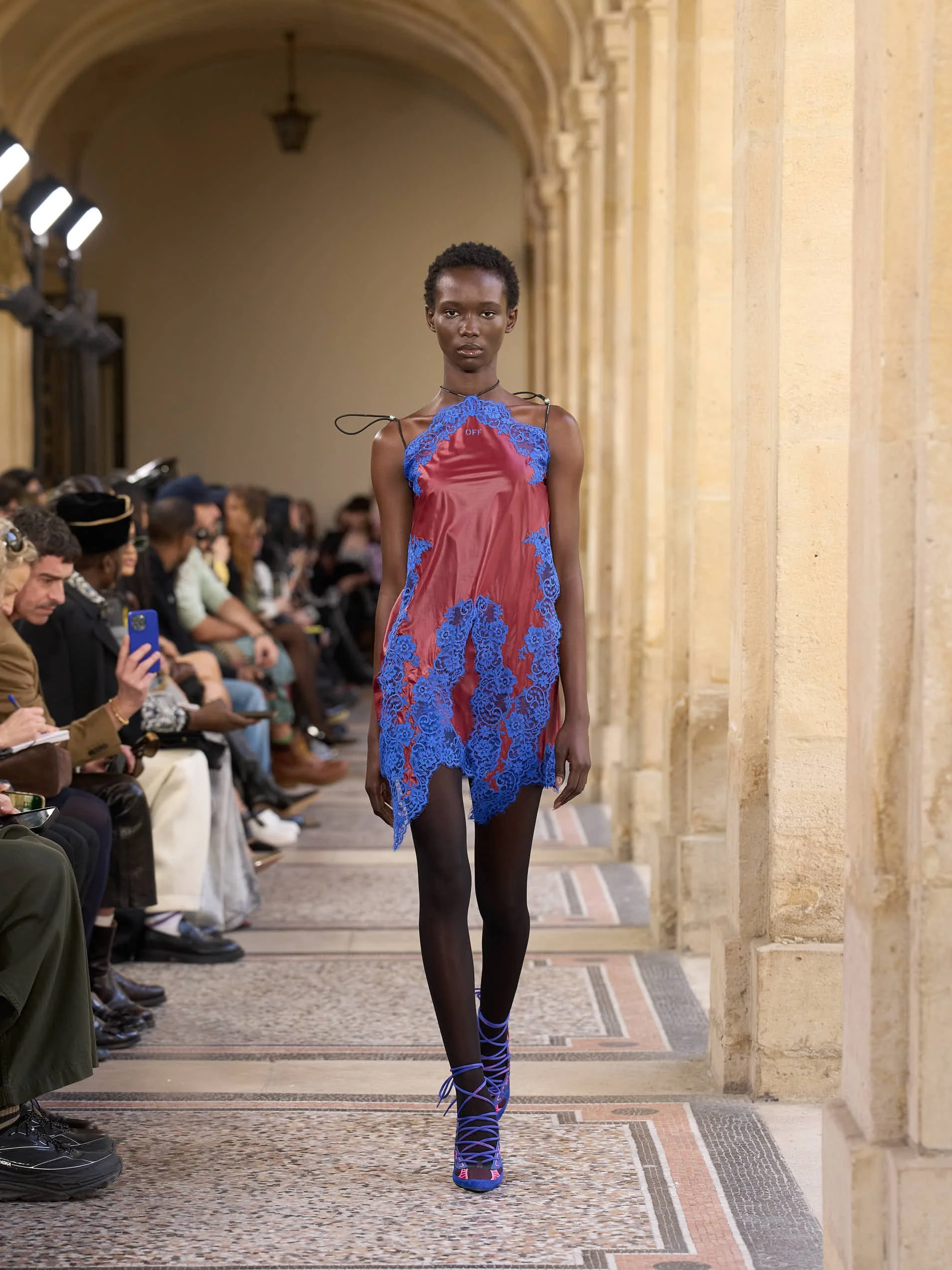
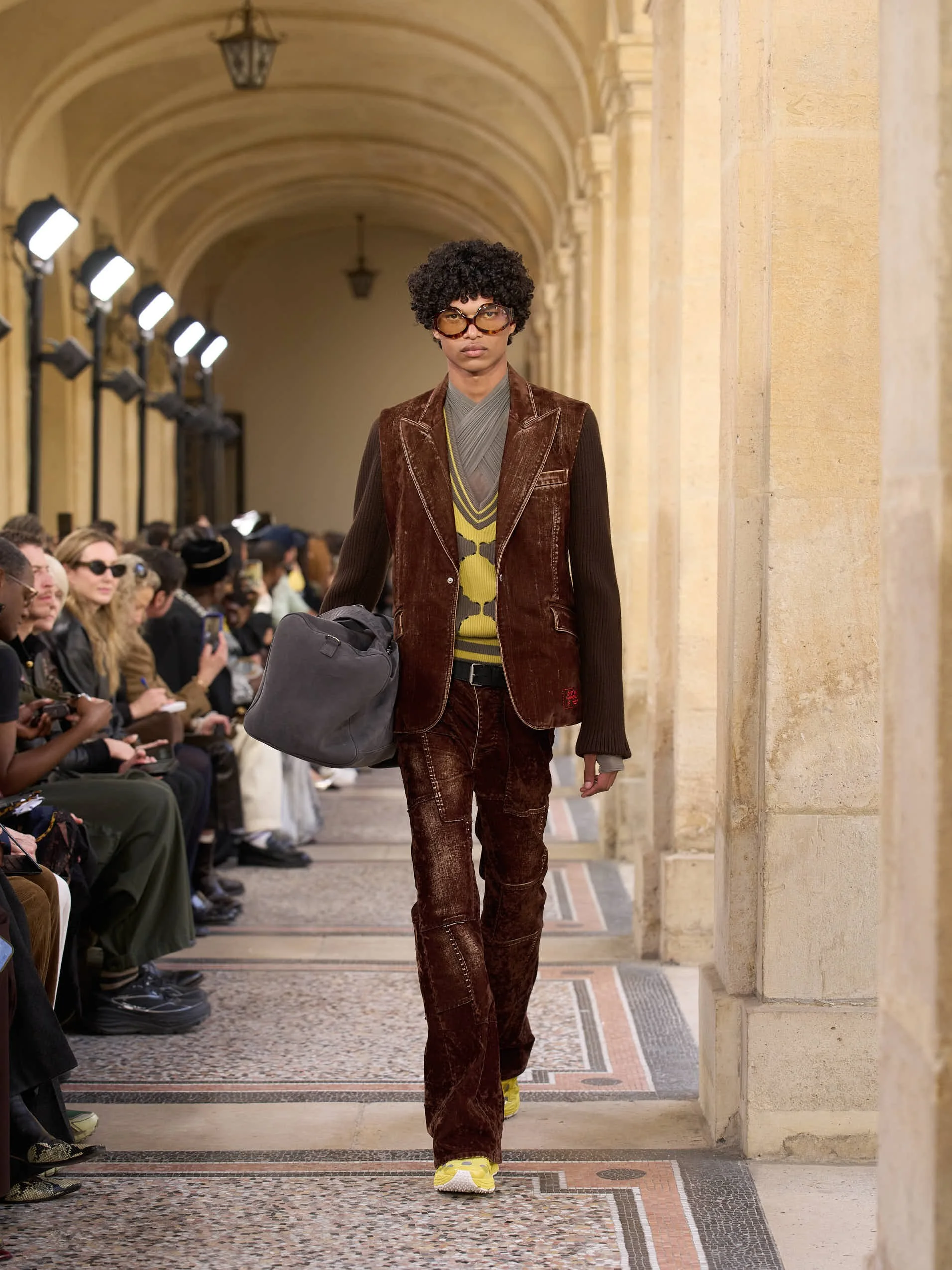
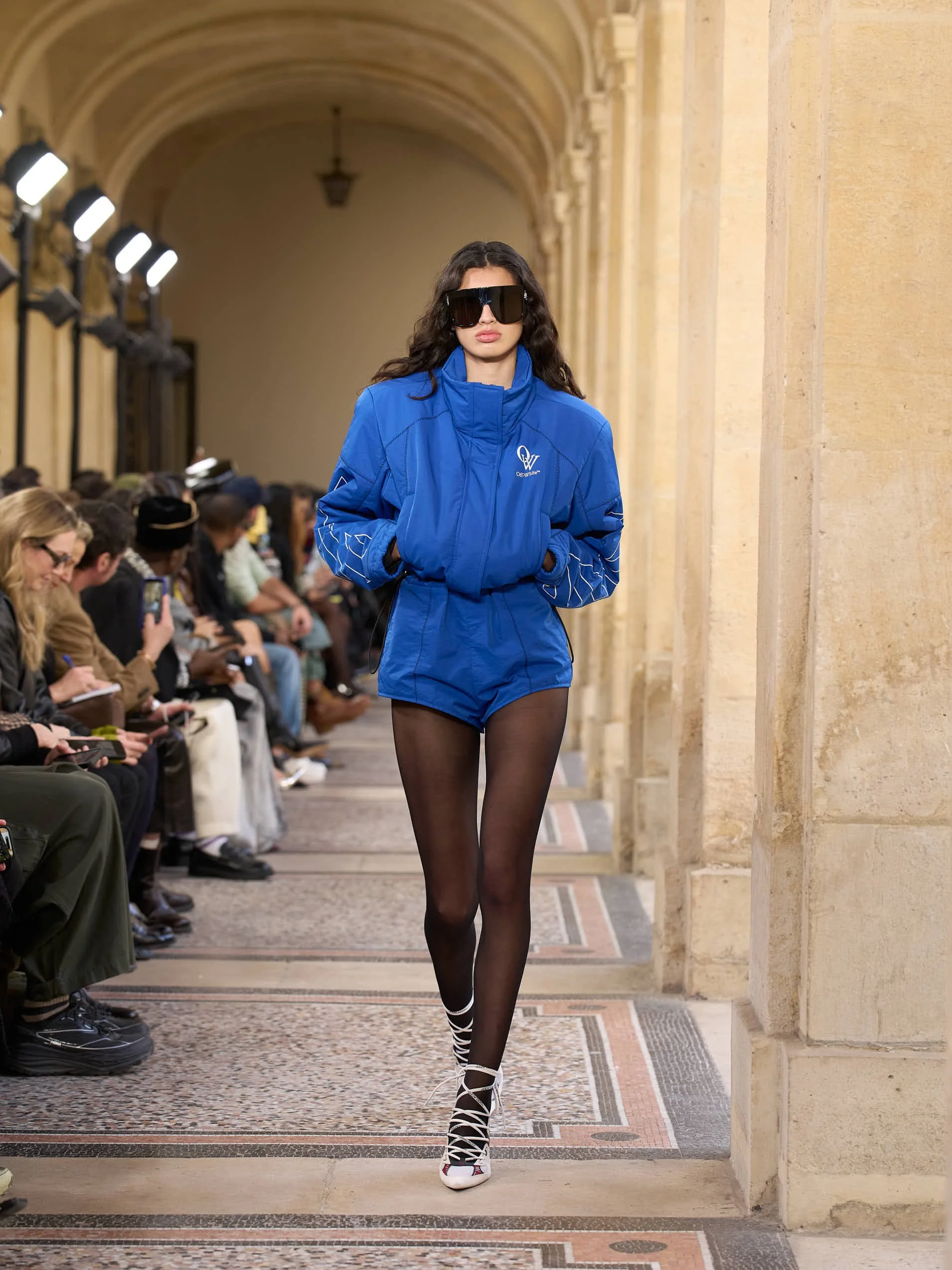
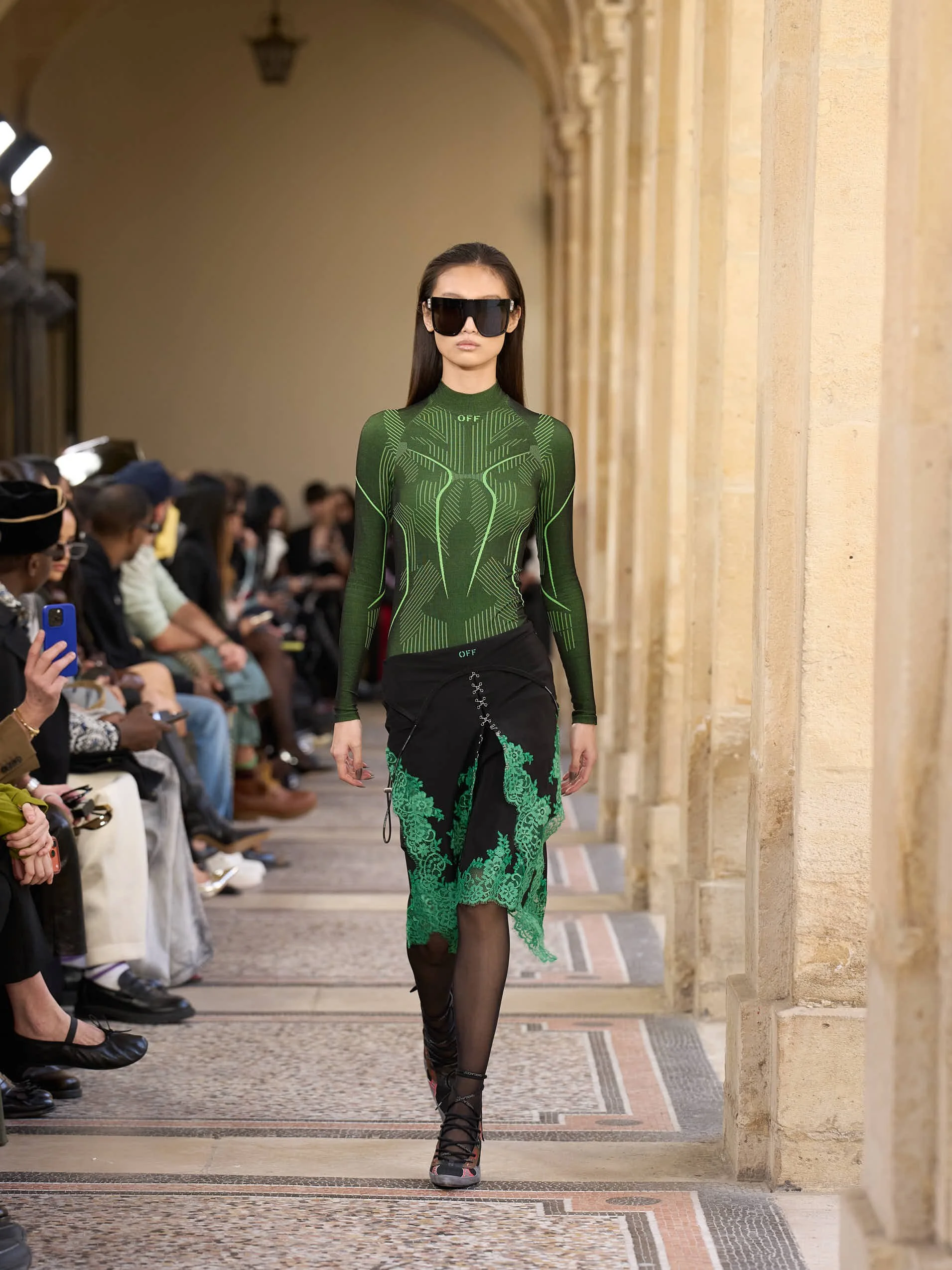
Off-White, long known for developing a grey area between black and white, this time delivered a collection that was an ode to disruption, not as a style but as a condition. The luxury streetwear brand’s Fall 26 show foregrounded black legacy in a tribute to the iconic jazz trumpeter Miles Davis, known for breaking conventions and dissolving genres.
This disruptive power was the animating inspiration behind Ib Kamara’s new collection. The creative director was, in fact, largely inspired by Miles Davis’ spirit, who he saw in close alignment with Virgil Abloh’s legacy of shifting cultural perceptions through fashion.
As the models walked down the history-filled corridors of a Parisian public school’s courtyard, color took center stage, in punchy, acid hues, placed and mixed in an almost eye-straining effect. Pops of eccentric blue, green, and yellow appeared in stark contrast with more neutral shades of black or brown, like a shiny trumpet in a dense crowd. Silhouettes were elongated but very proportionate, with structured shoulders for a confident result. There was sensuality in the garments’ fabrics with patent leather refracting light and very light nylon dresses, almost undergarment-like, adorned with colorful lace to add a fun dimension. Laces were consistent across pants and heels, where they wrapped all around the ankles.
It all rendered quite charming and coherent, bringing an African perspective to a more playful and child-like mentality — in true Off-White fashion.
RABANNE
review by ANOUK WOUDT

all images courtesy of RABANNE
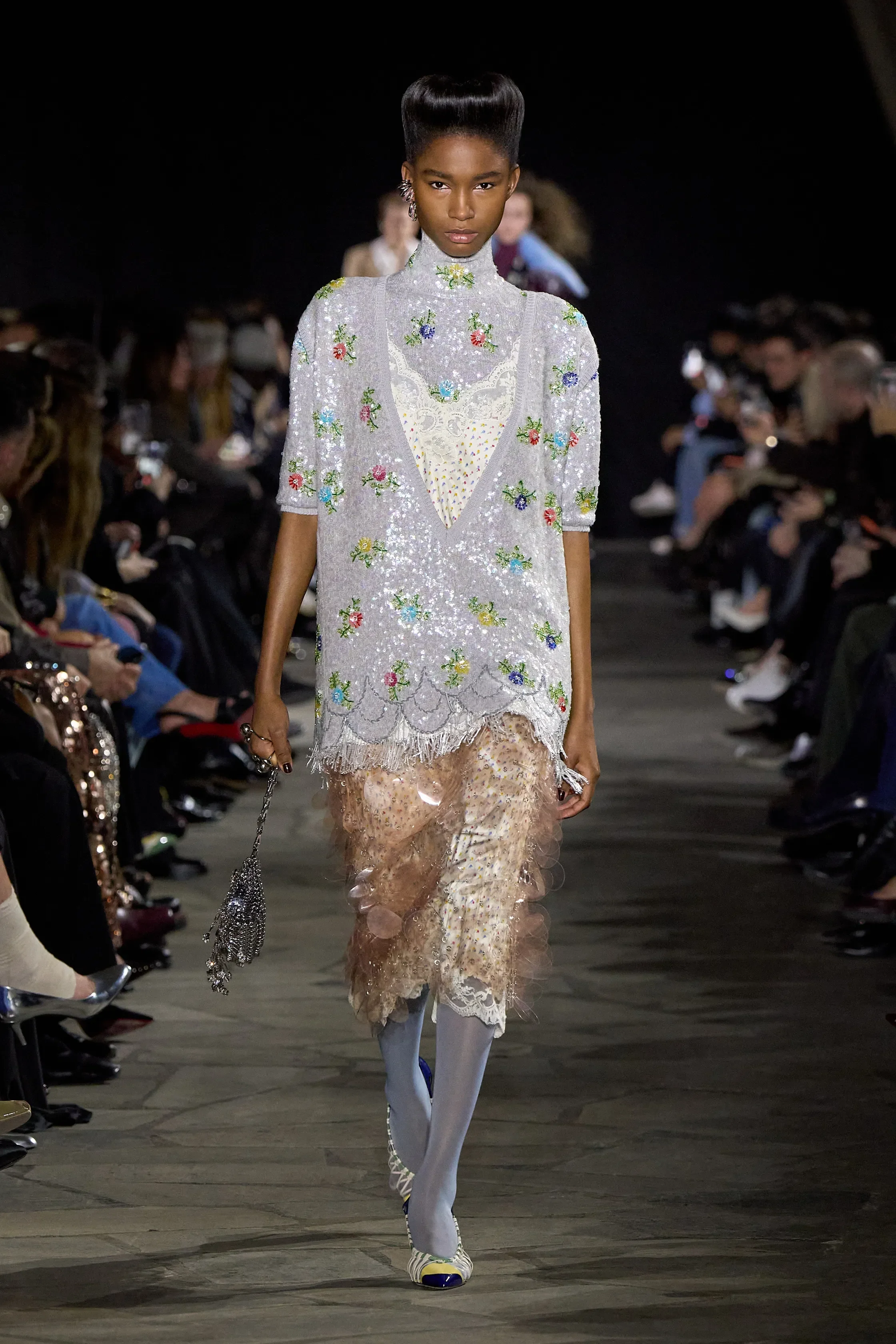
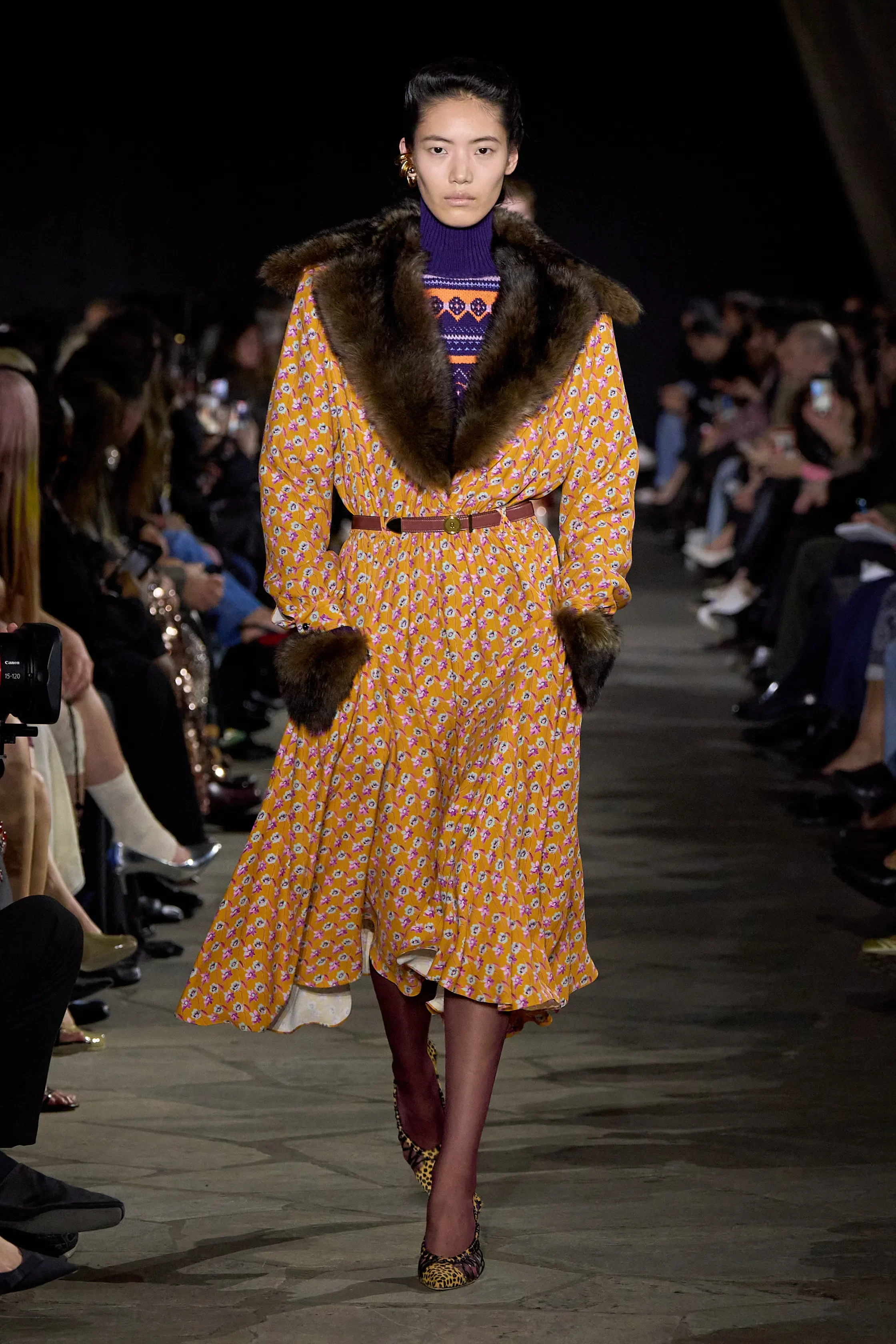
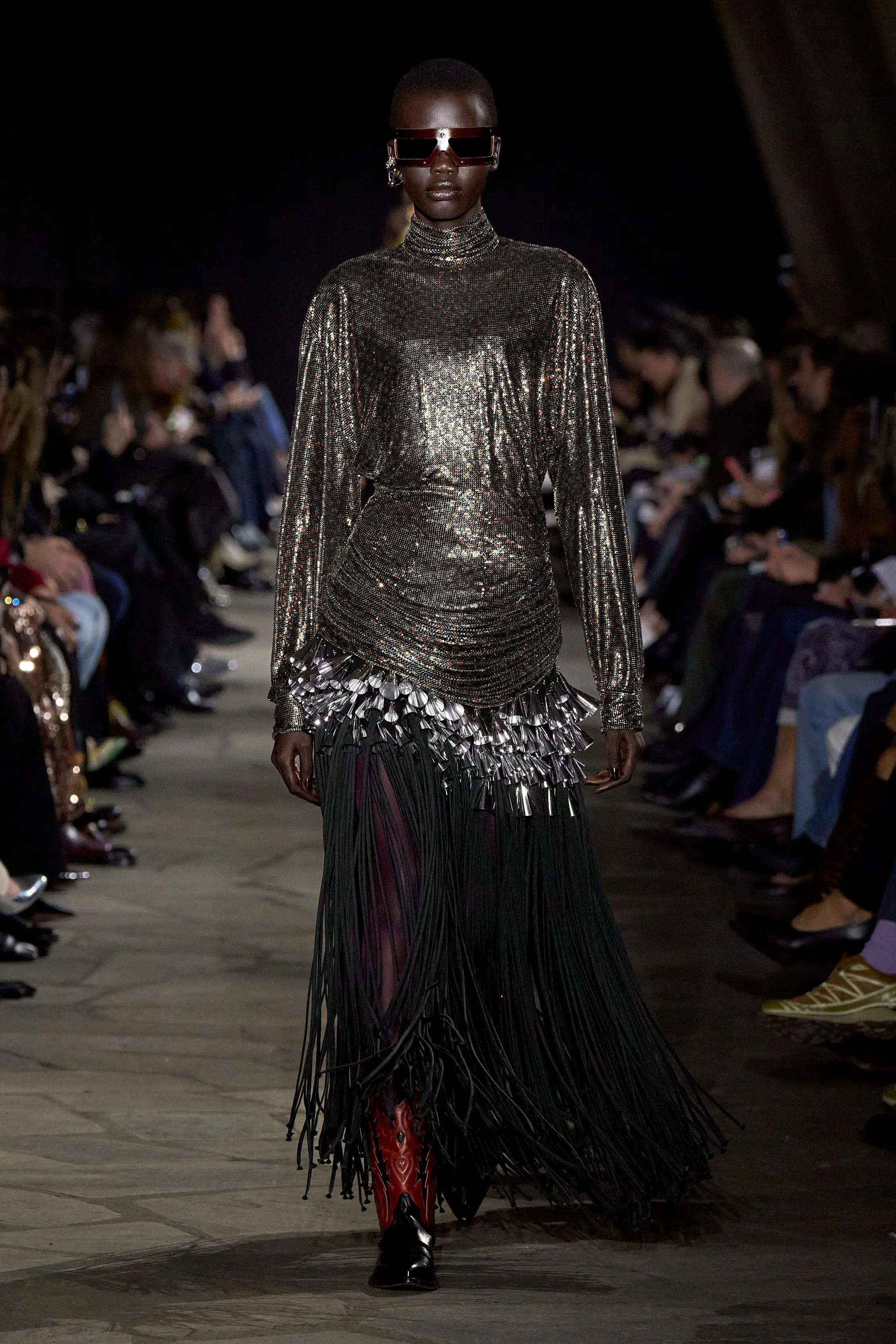
Name any print, and we guarantee you’ll spot it amongst the jumbles of fabric for Rabanne’s fall collection this year. Maximilism is pushed to the max, with fabrics and textures jarringly mismatched in a way that feels almost unintentional. Everything fits slightly oversized, creating overwhelmed silhouettes topped with furry, wide collars. Looks are distinctly layered with turtlenecks peeking out from a stack of sweaters, jackets, dresses, shirts– whatever feels right for that particular look. Electric pops of purple and orange appeared, leading the collection’s colour palette down a more ‘70s-adjacent road, especially with a heavy douse of mustardy yellows.
Furs roared, and charms jingled, creating a visual loudness that surpassed into the auditory. Fringes, tassels, and sparkling tinsels sought to amplify it further with the addition of a layer of movement. Boosted by disced sequins and gaudy ornaments, it felt obnoxiously random, but that’s what Rabanne does best! Throughout all the noise, one sneaky wardrobe piece really stood out to us: the heels. T-straps paired with the funky mix of lavender, butter, and crimson– and, of course, sheer coloured tights– brought an Art Deco flair that helped to elevate the collection. Variations also included velvety leopard prints and dotted florals, which equally caught our eye.
This collection expands Julien Dossena’s usual glitz to larger silhouettes, constructing an image that aims to overstimulate and definitely succeeds. But how can we be surprised? It’s exactly what we have come to expect from him. He loves sparkly eccentricism, and he loves decorating his models like an array of Christmas trees, even as we enter March.
UMA WANG
review by MAREK BARTEK
all images courtesy of UMA WANG
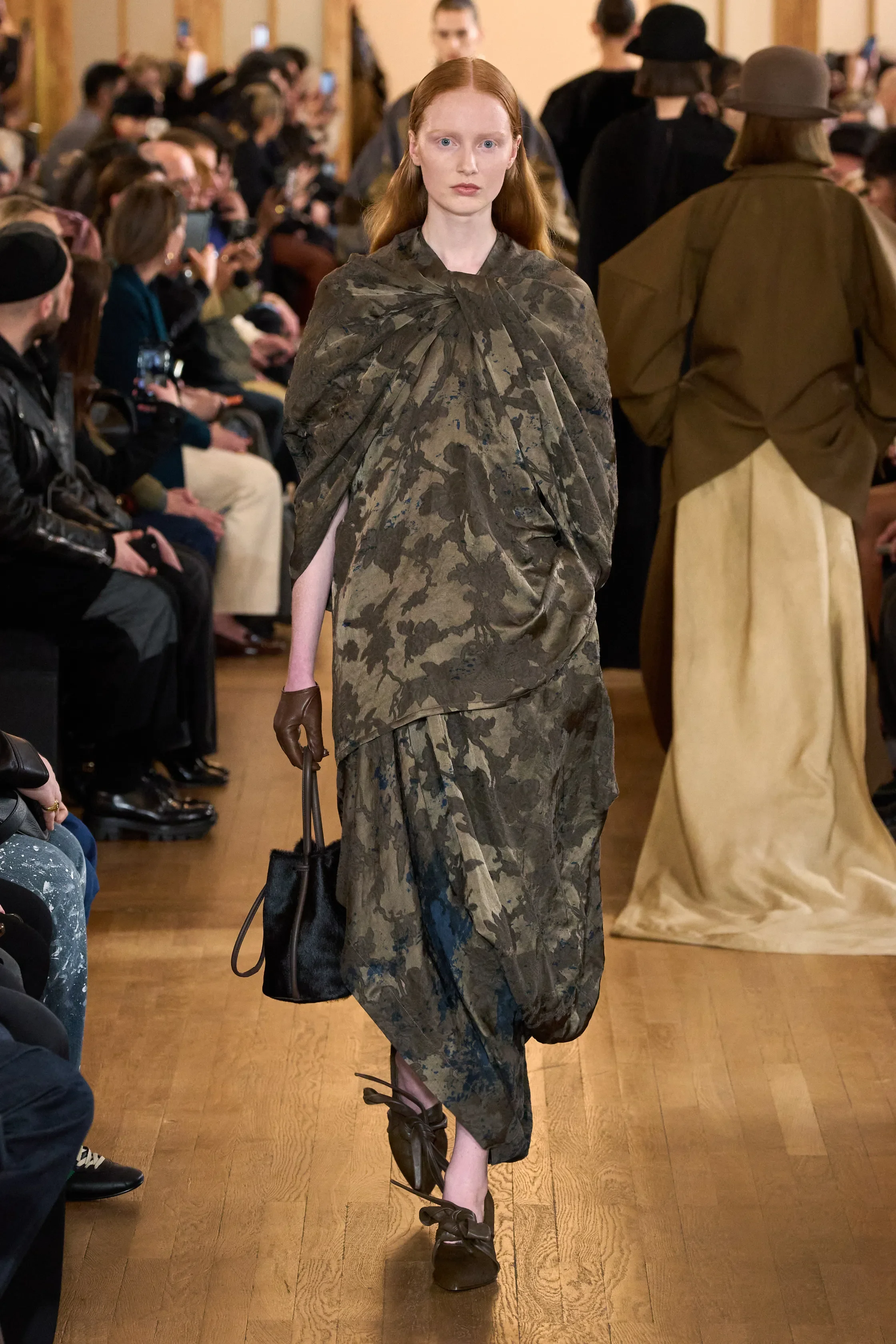
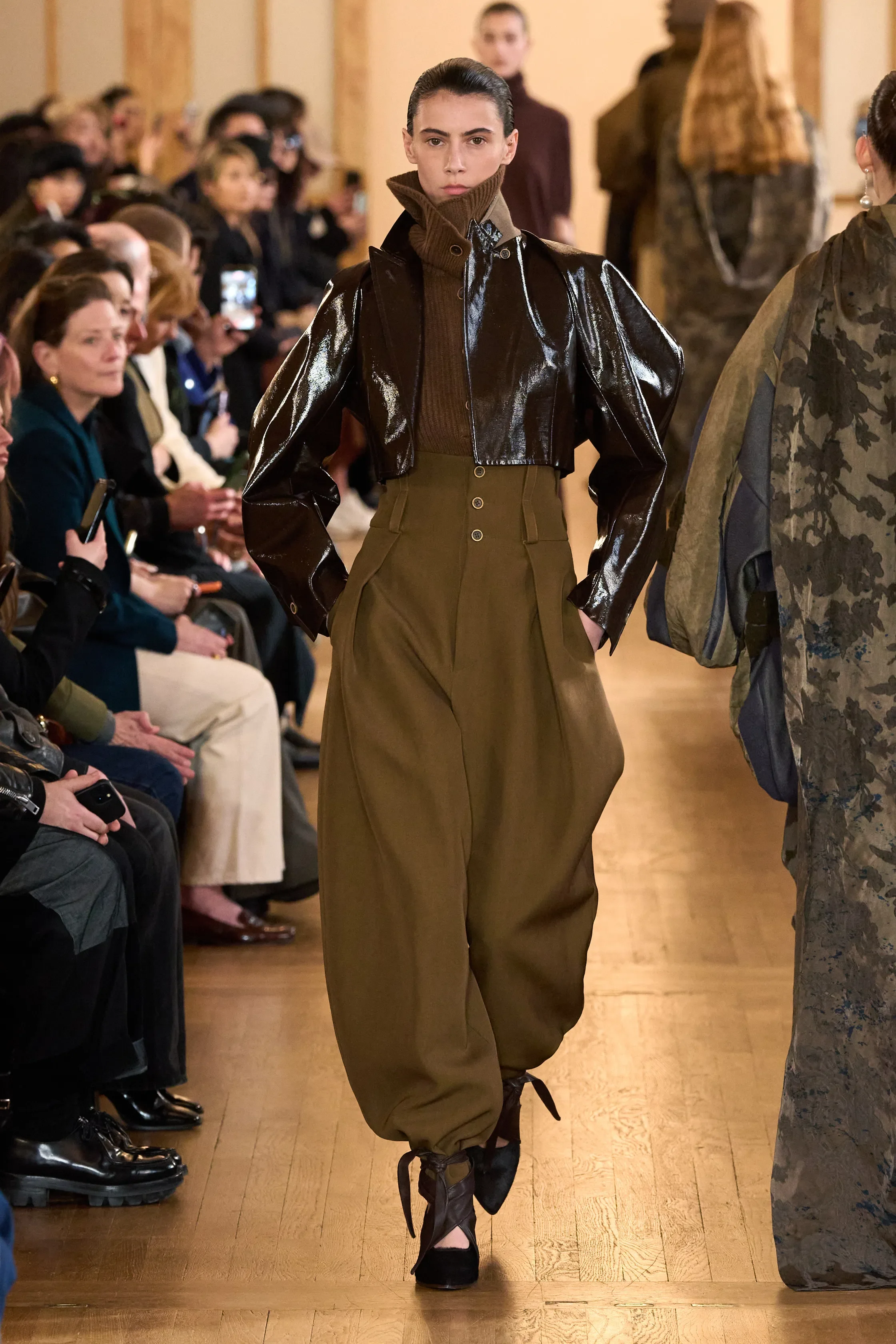
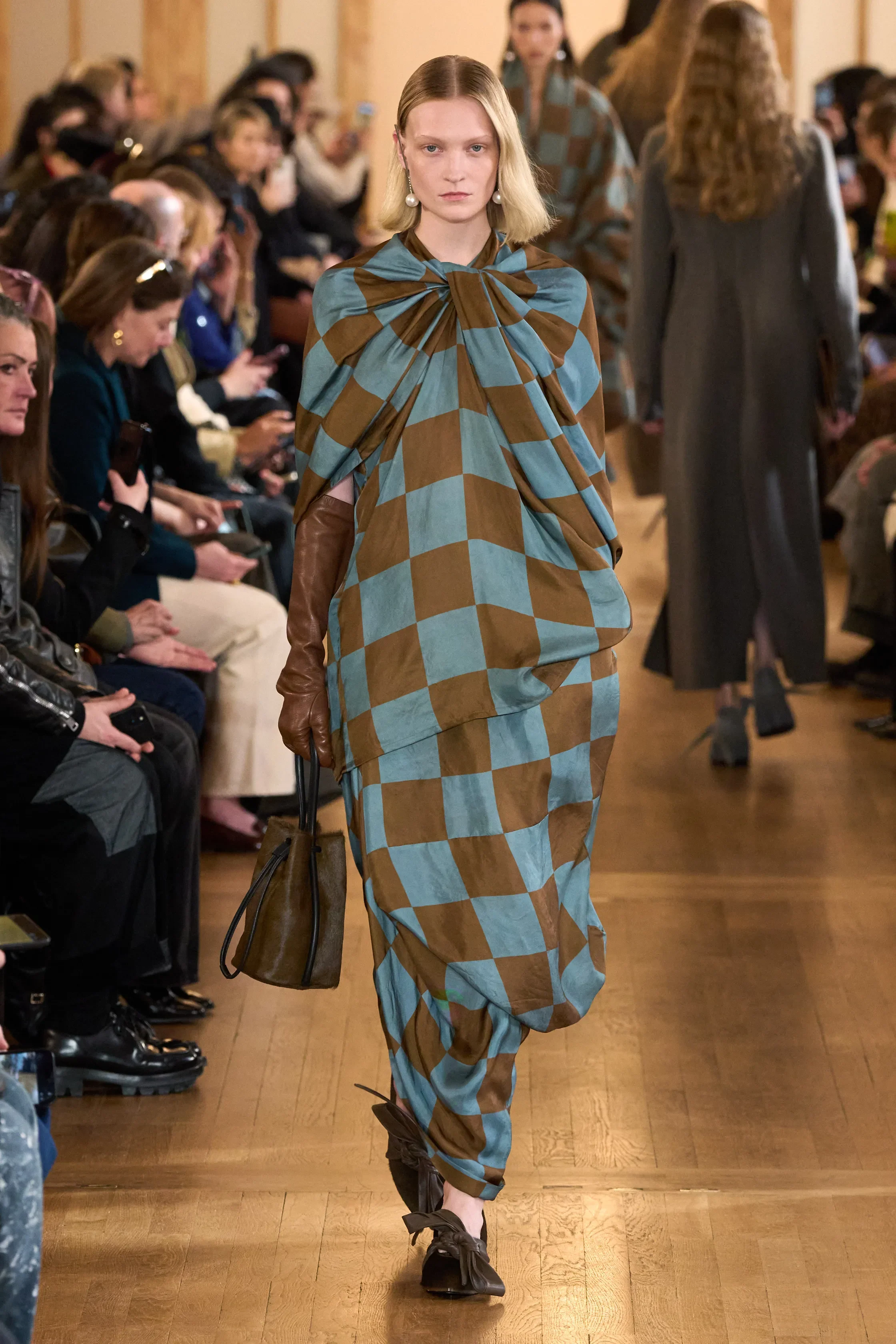
Uma Wang dances to the beat of her own drum, and we are here for it! This season, Wang’s fascination was fully taken over by “the show before the show” — or watching what women wear when they go to cultural events. Backstage Wang noted: “It’s so interesting to see how different woman prepare themselves for the evening.”
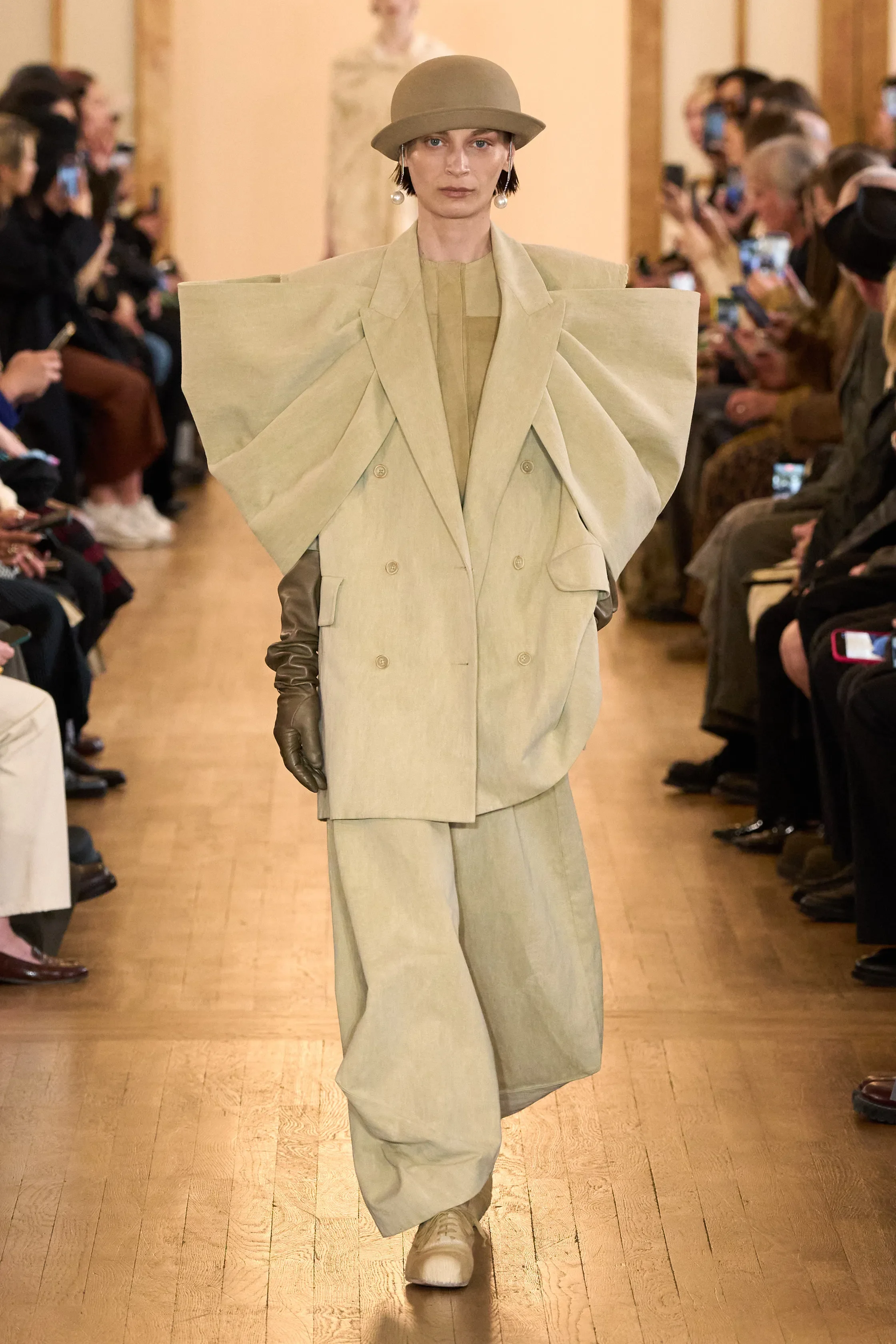
The silhouettes balanced androgynous tailoring with fluid, rather feminine approach to draping, a duality that has long defined her work. Structured coats and elongated jackets — many featuring bows or bow-like elements — alternated with extremely cropped, tiny jackets with rounded shoulders that introduced certain novelty to Wang’s familiar design language. Dresses were cut in soft, gathered panels that twisted across the torso before falling into asymmetrical skirts. The effect felt instinctive, almost as if the garments had been adjusted on the body moments before leaving the house.
Textiles carried the collection forward. Painterly florals — another one of Wang’s recurring signatures — appeared washed and slightly irregular across fluid fabrics in tones of olive, bronze and deep blue. Elsewhere, the house’s checkerboard motif brought sharper graphic punctuation, bringing more architectural rhythm to the softer silhouettes.
Many of the models appeared wearing bowler hats, a funky element that enhanced that signature, slightly offbeat elegance. It almost felt as if the women walking the runway had somewhere more interesting to be after the show. Overall, the collection was a compelling case for Wang’s refusal to overstate. The clothes are never designed to dominate but to coexist in a harmony with the one wearing them.
CECILIE BAHNSEN
review by AYA SOFIA OPPENBERG
all images courtesy of CECILIE BAHNSEN
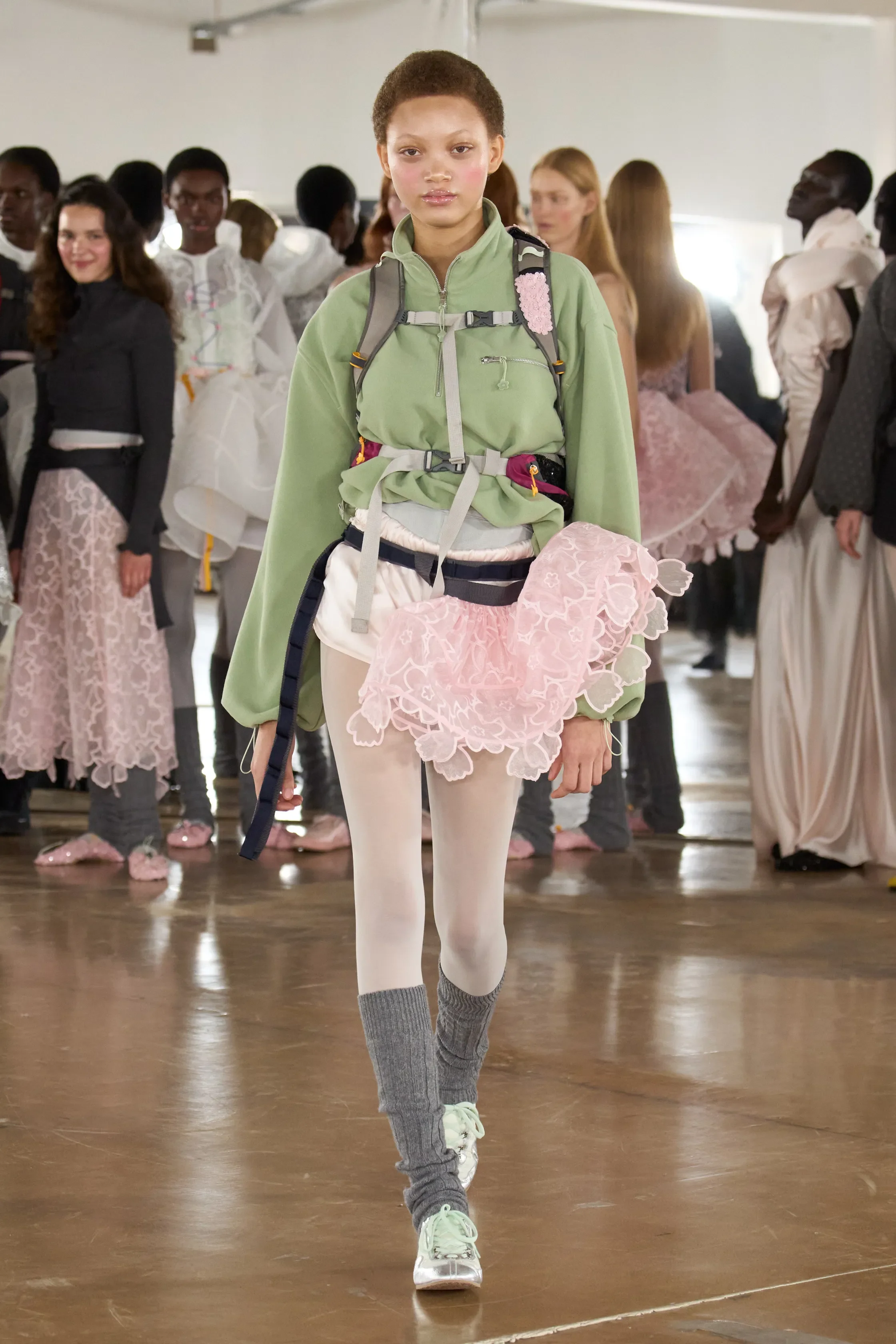
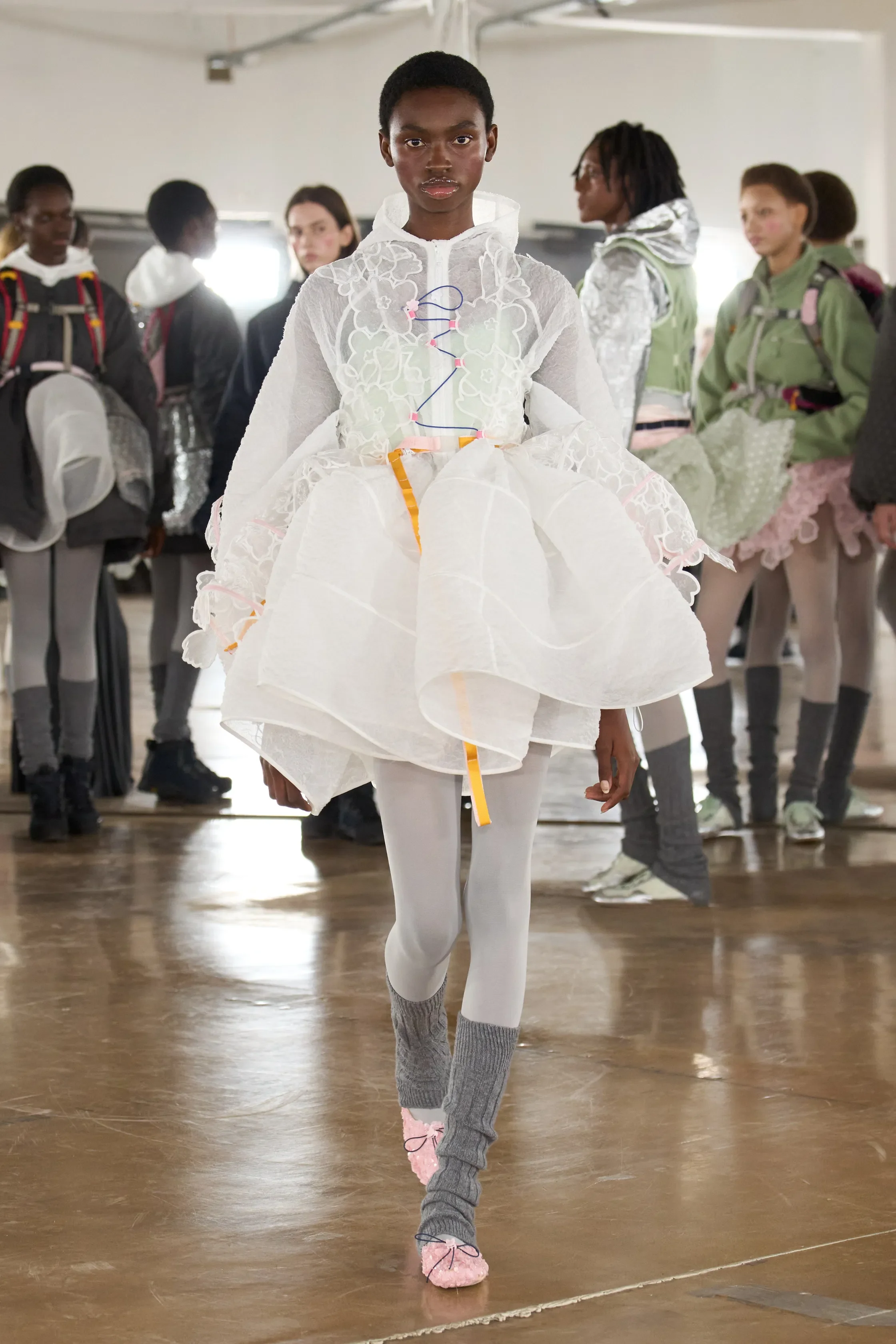
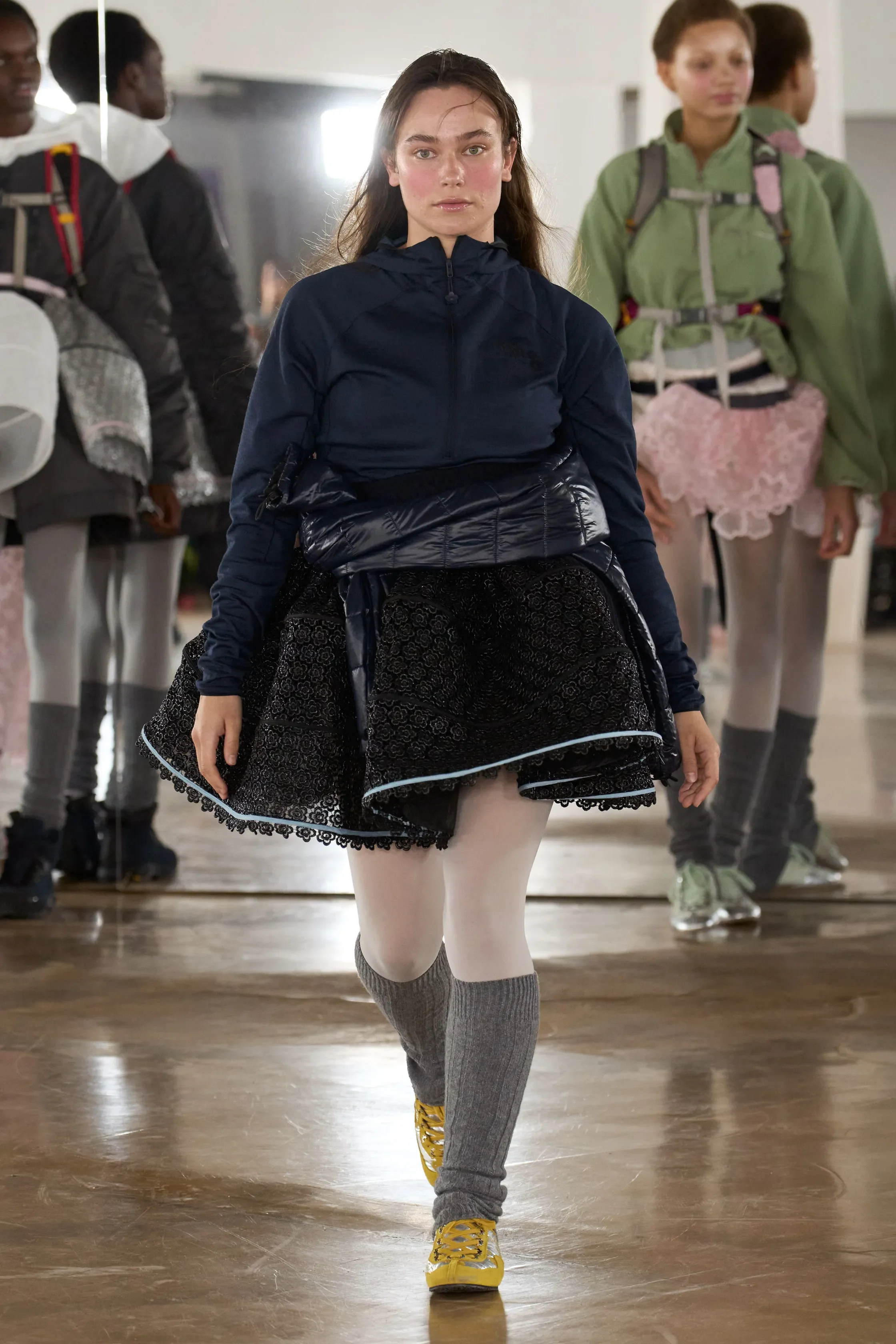
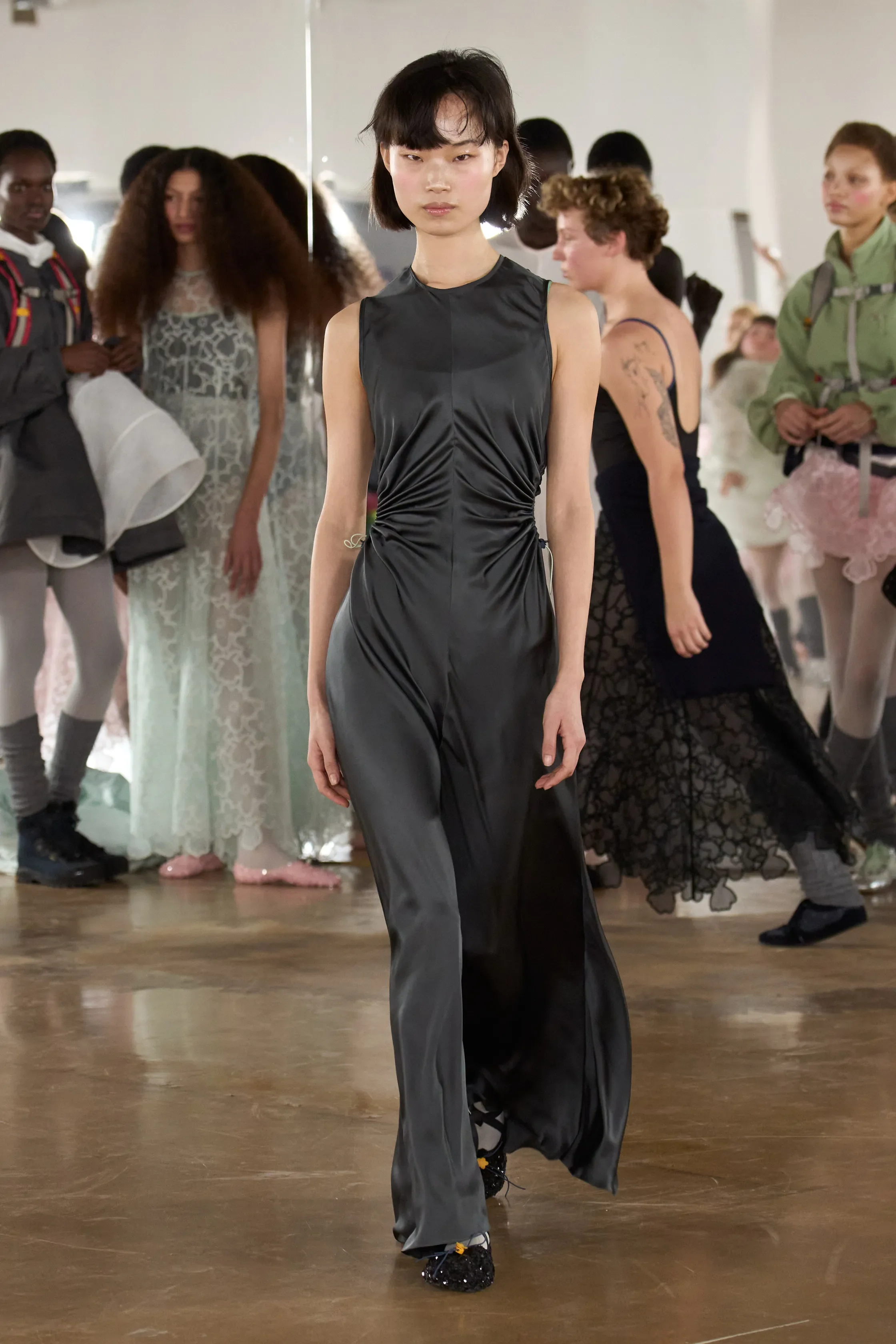
“Actions speak louder than words” have never rung truer than in the ears of those who watched Cecilie Bahnsen present her Fall/Winter 26 collection at Paris Fashion Week today. Literally dancing through the audience, a troupe of dancers from the Marseille-based collective Oráma Atelier turned a youth sports center into a high-stakes proving ground for Bahnsen’s most dynamic work yet.
Bahnsen choreographed her clothes strategically, resulting in a masterclass in Practice, where signature candy-coloured organzas and ethereal, voluminous silhouettes were punctuated by the grit of her fourth collaboration with The North Face. Upcycled nylon and technical fleece didn’t clash with her romantic codes. Surprisingly, it grounded them in a rhythmic, tactile reality. A refreshing, lived-in pivot, showing us how malleable the concept of hyper-delicate femininity is: it can be as utilitarian as it is dreamy. Here, the romance was spotted in the blur of a skirt mid-spin and the grace of a garment allowed to breathe. Ready for both the runway as well as the pilates class, Bahnsen’s collection proves a testament to her ability to evolve a house code.
SCHIAPARELLI
review by MAREK BARTEK
all images courtesy of SCHIAPARELLI
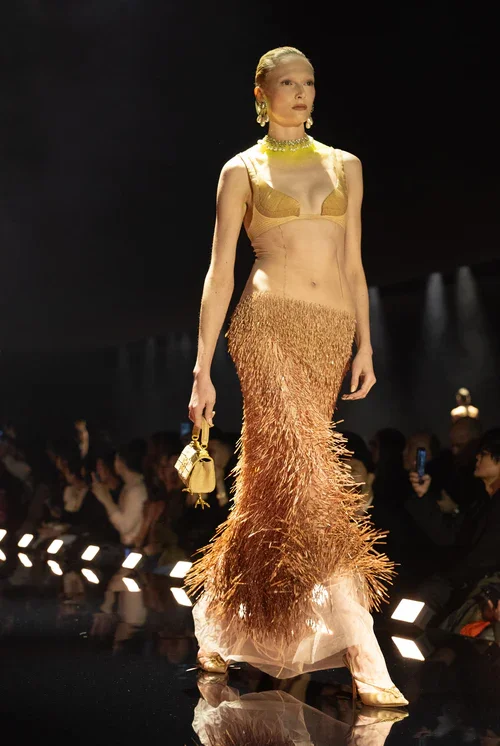
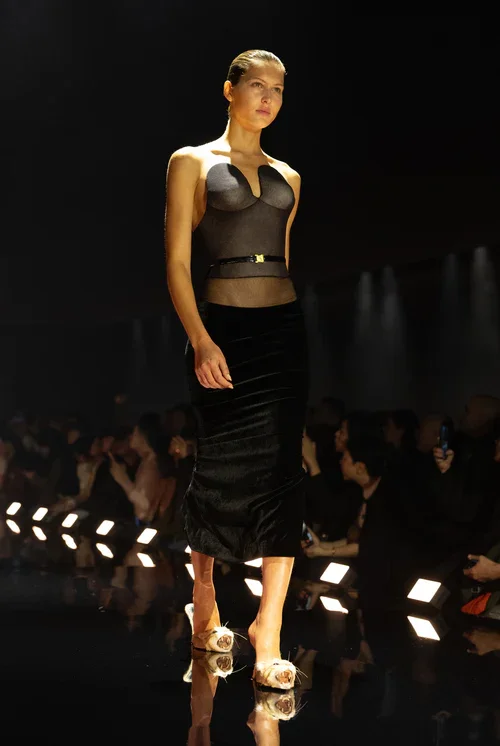
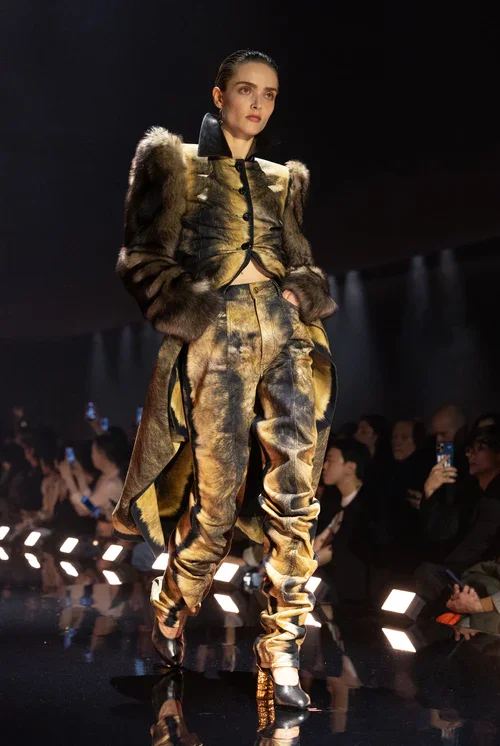
If you aren’t at all curious to know what’s going through Daniel Roseberry’s mind, you must’ve missed his latest collection for Schiaparelli. For Fall/Winter 2026, Roseberry once again leaned into the tension of fashion both as craft and fantasy. Titled The Sphinx, it was an apt metaphor for a Maison built on mystery, paradox, and a constant questioning of what clothing can represent.
With a major retrospective of Elsa Schiaparelli opening at London’s Victoria & Albert Museum in just a few weeks, the designer found himself reflecting on the house’s origins. “For Elsa, a dress wasn’t just a dress,” Roseberry explained in his notes. It could be a psychological symbol, a surreal object, or a provocation. And that radical idea continues to underpin his approach today.
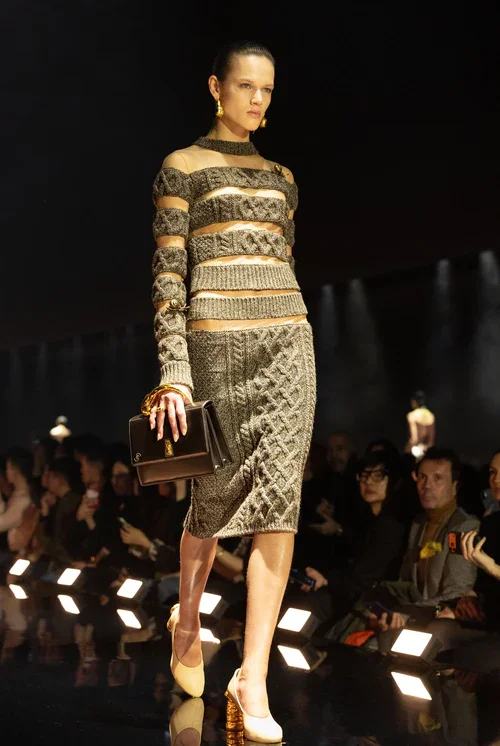
The collection explored this duality through pieces that appeared to contradict themselves. Traditional Aran knits were sliced with panels of illusion tulle, creating what Roseberry described as “impossible knitwear” — garments that seemed both weighty and weightless at once. Elsewhere, spiral-cut gowns made from laminated silk-blend plissé moved with liquid quality, suggesting that structure can be achieved without relying on corsetry or rigid tailoring.
Trompe-l’œil also played a significant role. Fitted sheath dresses that looked like leather were in fact printed silk wool, a mesmerising reminder of the visual trickery that has long been part of the house’s vocabulary. Meanwhile, stretch jersey tops were paired airy skirts trimmed with paillettes, creating dresses that merged the intimacy of second-skin dressing with overt glamour.
The keyhole motif — which Roseberry sees as a symbol of the house’s enduring mystery — appeared across bags, jewelry, and even the labels of sharply tailored blazers, cast in hand-hammered gold plaques. Other surreal details included shearling “fur” jewellery and sculptural accessories that nodded to Elsa’s fascination with the natural world. However, the talk of the town was the slip-on pumps from look 24. With their fronts decorated with the rather unsettling image of a cat’s open muzzle, they gave the term “kitten heel” an entirely new meaning.
As Roseberry himself noted, Schiaparelli exists in the space “between fashion as a business and fashion as a dream factory,” and The Sphinx embraced this paradox even further.
RICK OWENS
review by ELIANA CASA
all images courtesy of RICK OWENS
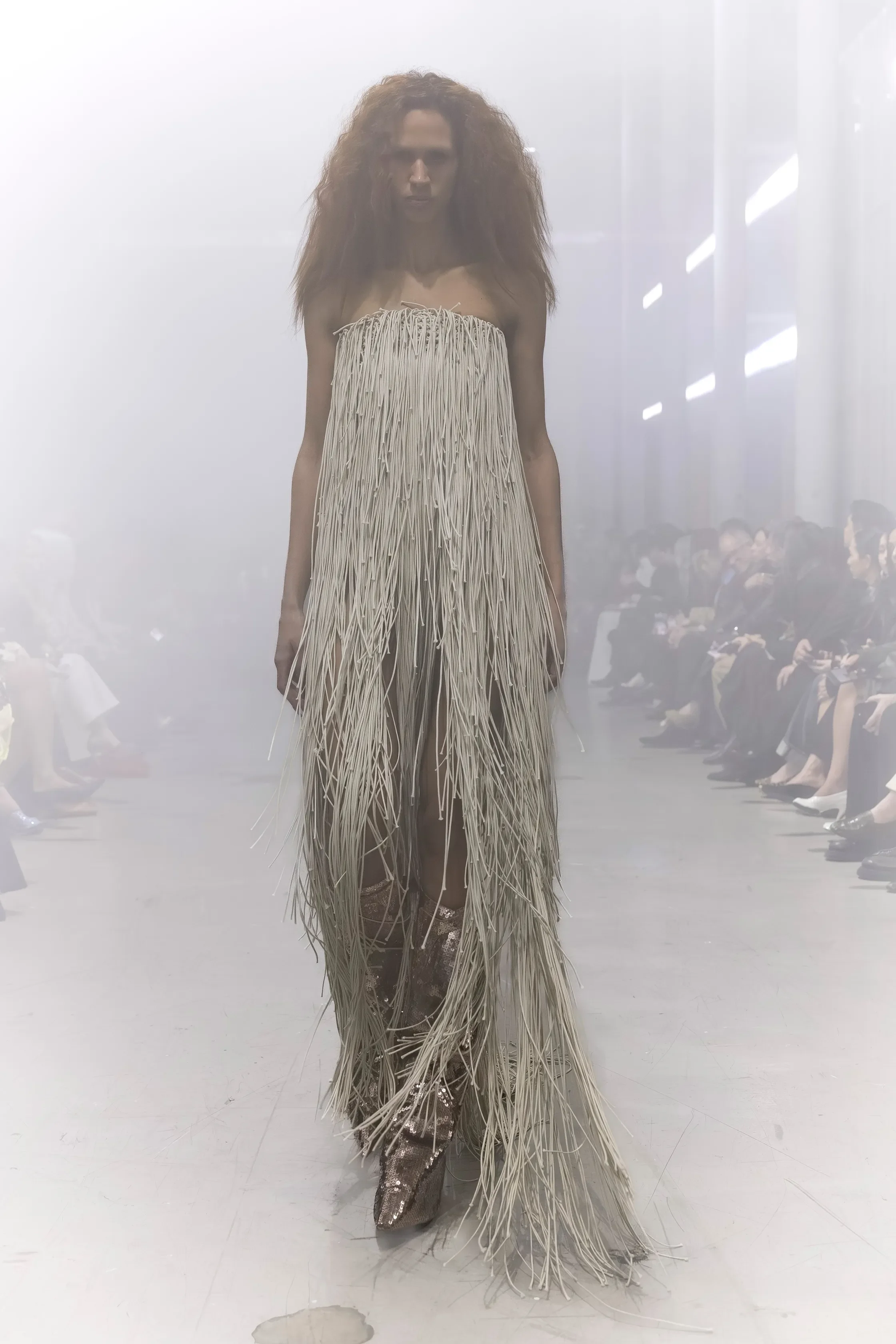
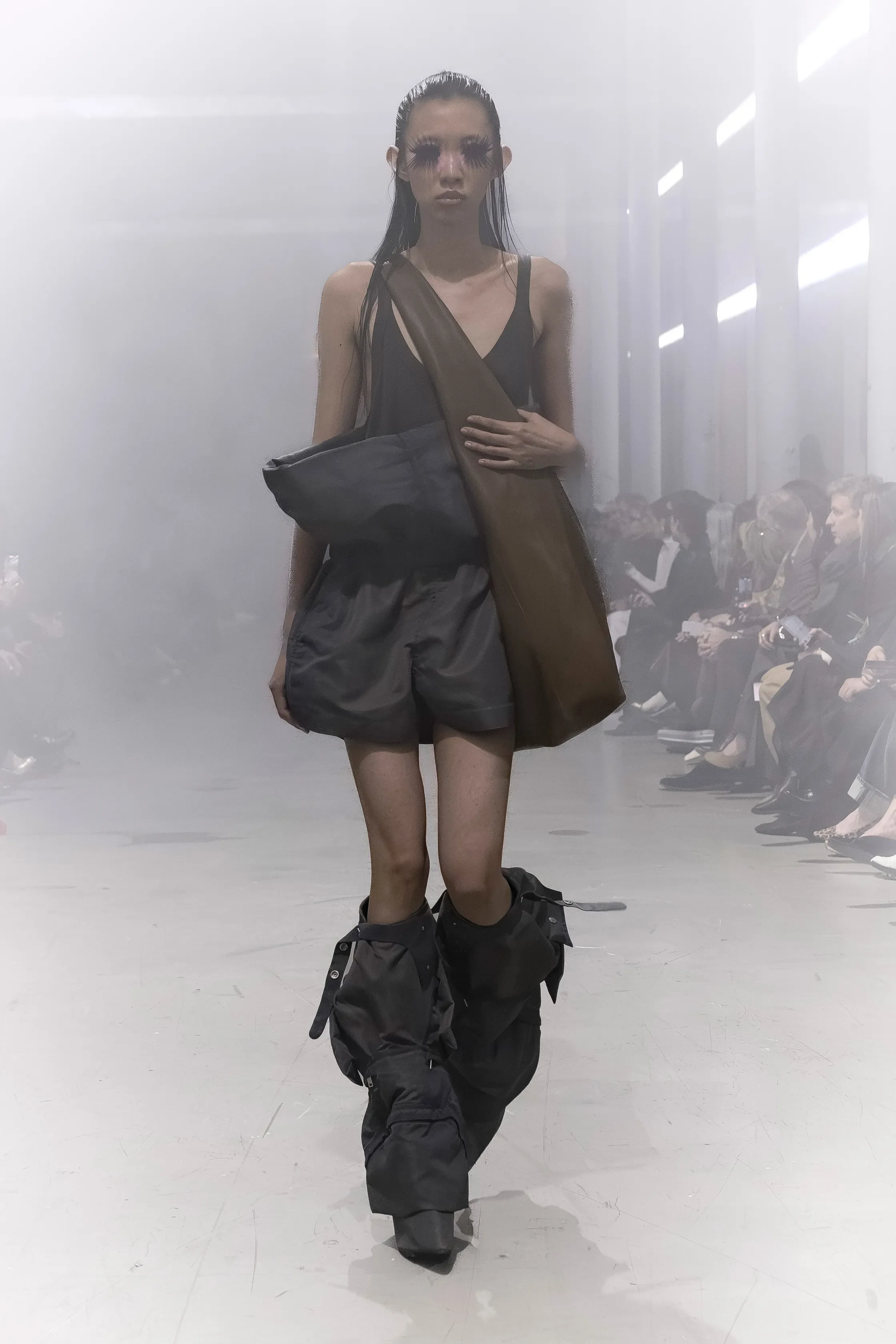
“Allowing yourself to be vulnerable is also one of the most attractive things you can do,” Rick Owens once said — and looking at his FW26 collection, the meaning behind that statement becomes strikingly clear. Following last season’s Temple of Love, Owens now presents Tower, which he describes as “a prayer for love and hope, strength and protection.”
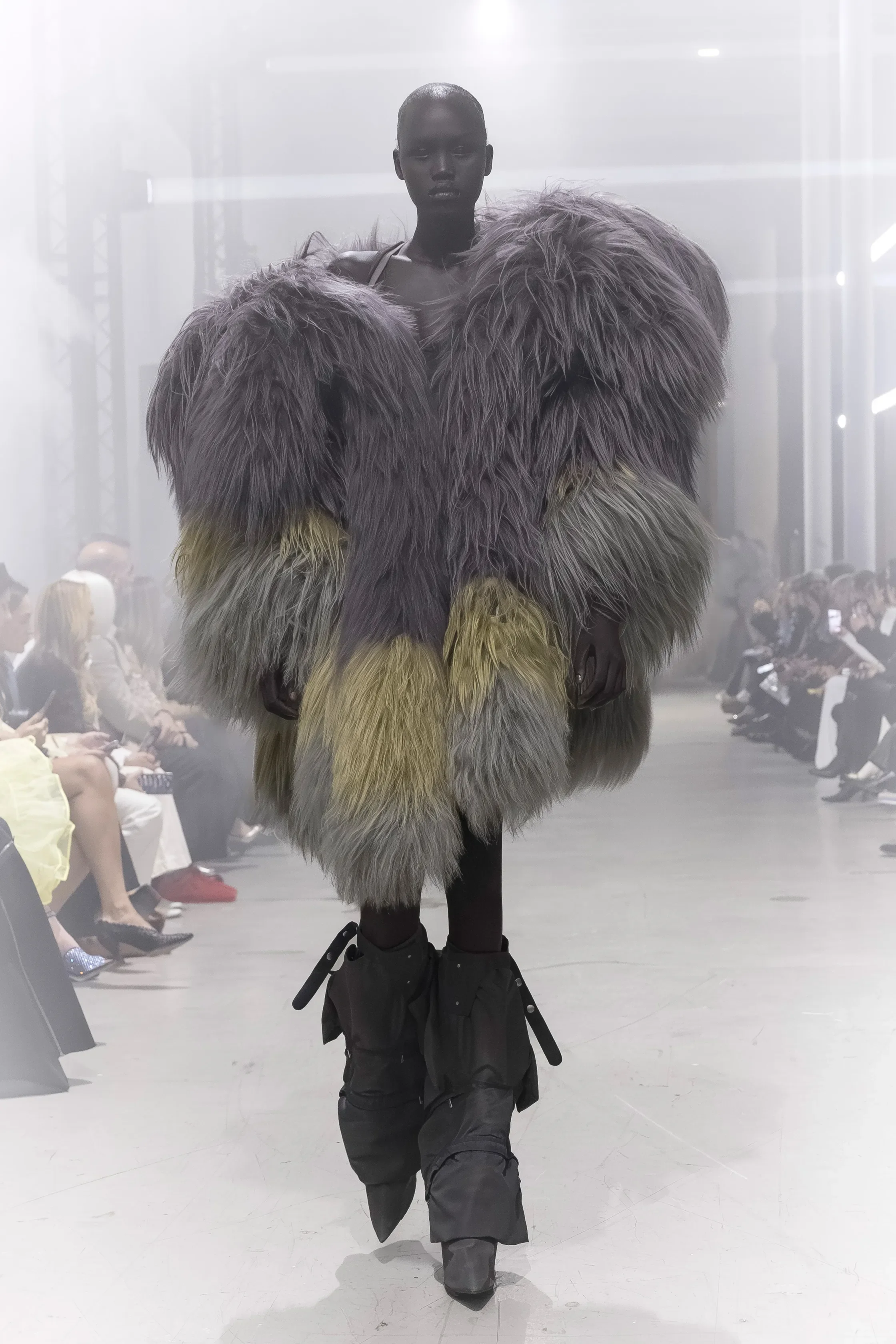
The show opened in a dense mist as the first model emerged in long, glossy bull leather, cutting through the fog. Even through the haze, the precision of the details was impossible to miss. Attention quickly shifted to the otherworldly beauty looks — alien-like makeup paired with sharp, geometric hair — while models moved forward in fringed dresses that seemed to sway with quiet intensity. These macramé Tower gowns were developed with London-based designer Lucas Moretti, with each piece requiring 4,000 meters of waxed cord and more than 50 hours of meticulous handwork. Hand-crocheted silk and cashmere knits were created with Sarutanya, who has been modelling for Owens’ fittings, and appearing within his e-commerce universe for over a decade.
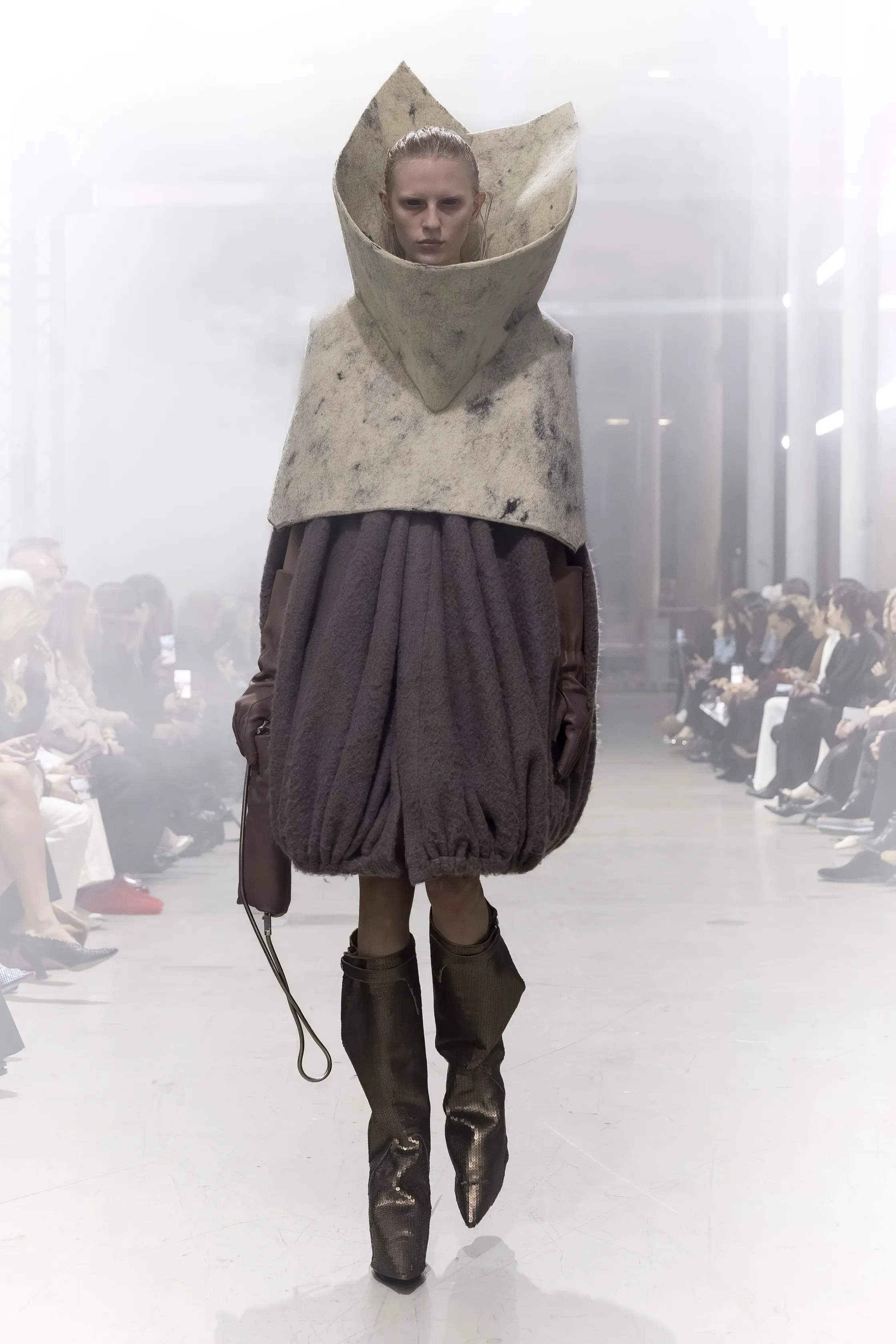
Materiality and ethics remain central to Owens’ process. Fabrics such as RWS-certified boiled wool ensure traceability and high standards of animal welfare. His production network continues to prioritise long-standing relationships with family-owned manufacturers—from a fifth-generation mill in Bishū, Japan, to specialised ateliers in northern India and Italy. Industrial indigo canvas is sourced in Japan and washed in Owens’ Italian wash house in the Veneto region, where smaller treatment baths reduce water waste and a purification system allows part of the water to be recycled. All denim washes are ZDHC certified, reinforcing the label’s commitment to responsible production.
Elsewhere, cotton-candy-toned long hair goat hides are water-jet cut into netting and linked together to form Owens’ brutalist reinterpretation of the legendary swansdown coat worn by Marlene Dietrich during her final cabaret years.
Even the imposing presence of Kevlar—five times stronger than steel—doesn’t overwhelm the collection’s underlying message. Within this towering architecture of leather, wool, and cord, Owens reminds us that strength and vulnerability are not opposites, but foundations of the same structure. We were invited, once again, to step into Rick’s fantasy universe, where only one rule prevails: everyone is welcome. There are no outcasts—only individuals forming a powerful tower built on love and respect, something the world needs now more than ever.
ISABEL MARANT
review by ANOUK WOUDT
all images courtesy of ISABEL MARANT
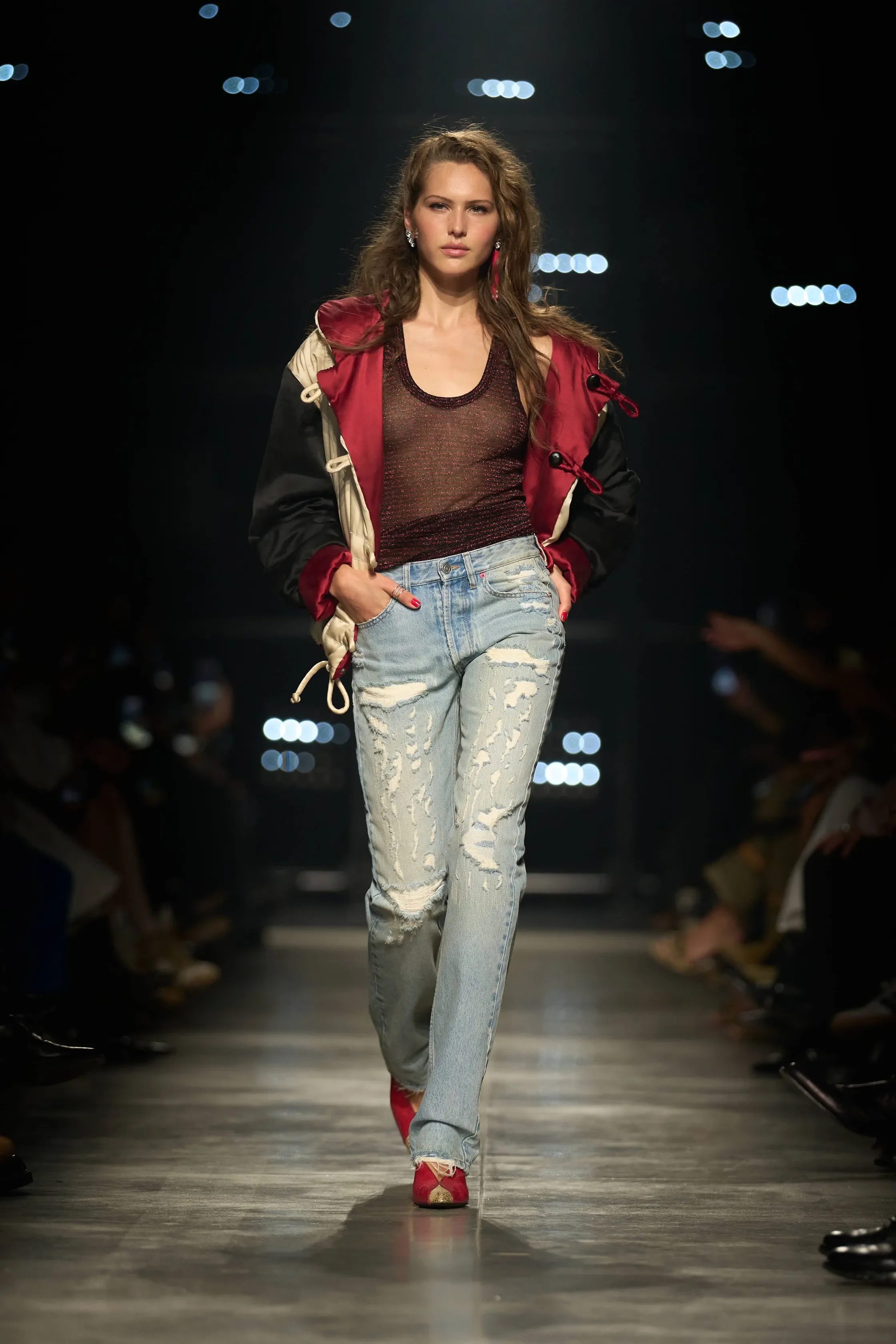
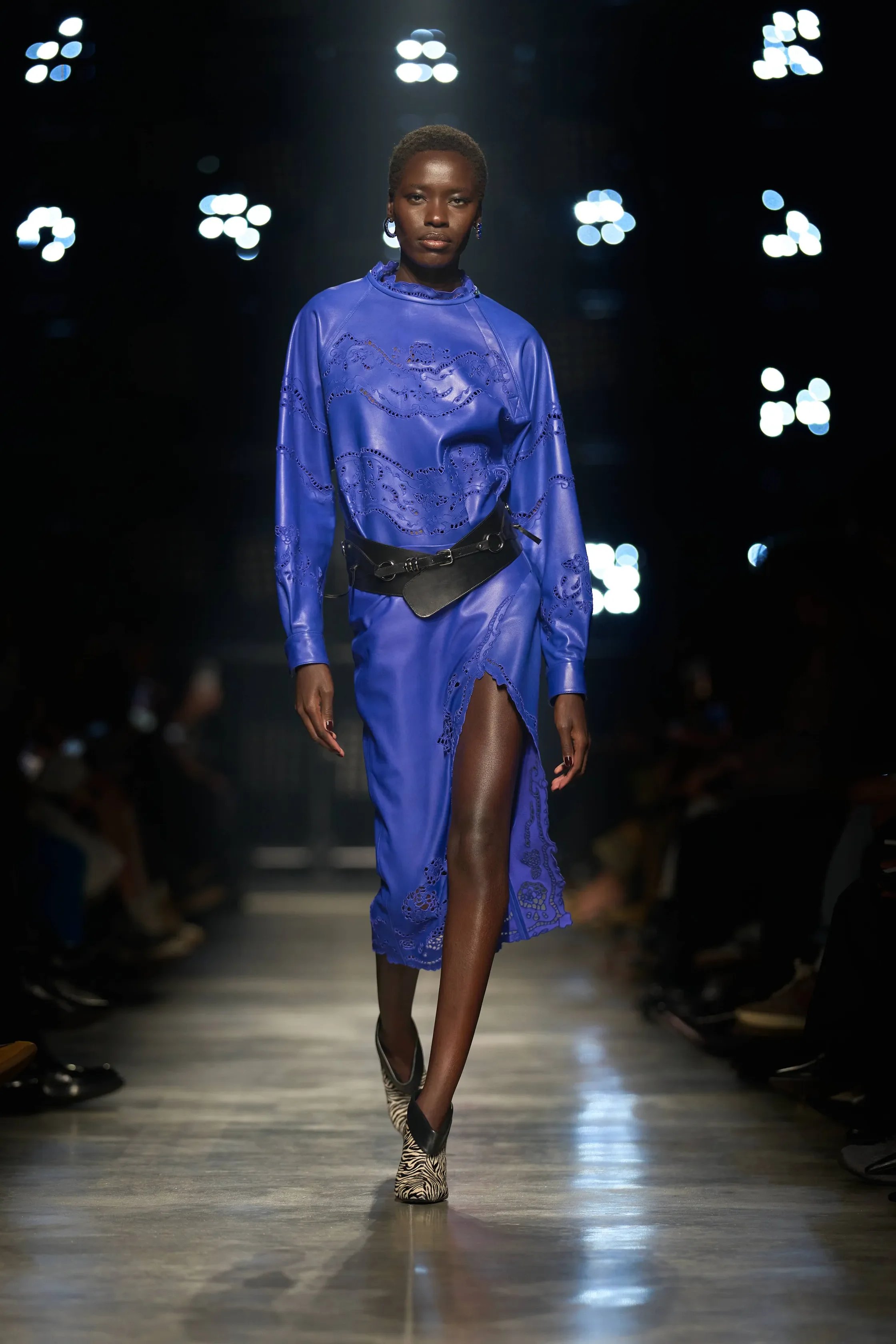
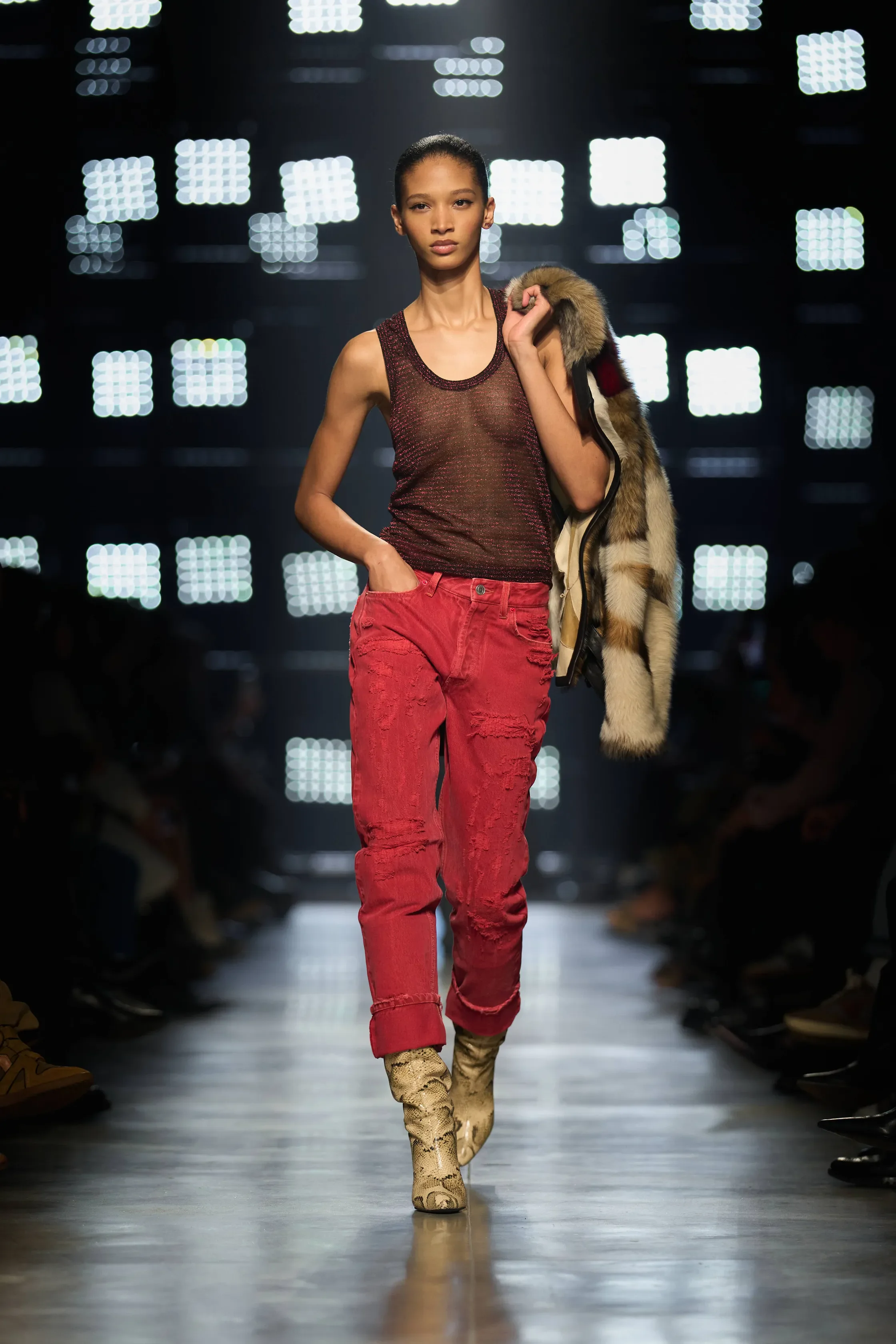
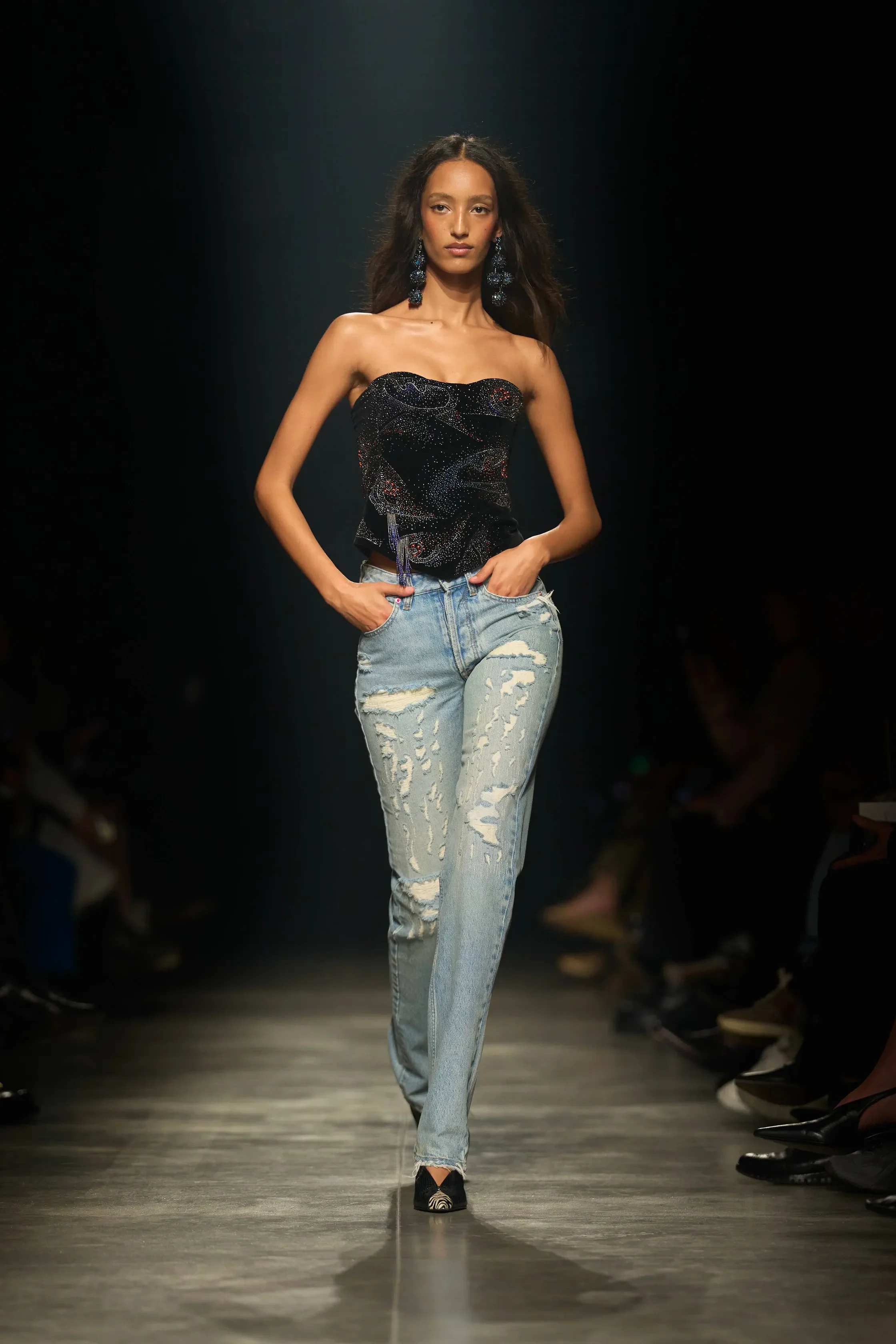
Abandoning signature boho influences, Kim Bekker takes Isabel Marant’s fall 2026 collection in an edgier direction. Set at nightfall in the Palais de Tokyo, she paints an image of effortless cool through distressed jeans, sheers, and leathers, powered by a defiant strut. She introduces you to the type of woman who spends her happy hours on terraces and her midnights in loungy clubs with an experimental cocktail menu. Surrounded by pulsing house beats and flashing spotlights, you find yourself fully immersed in her world.
Straight-cut jeans were all over the runway, giving every look a casual nonchalance, especially when paired with slouchy chiffon tops or sheer tanks. Cropped bomber-esque jackets, high-waists, and thick lace-up knits gave a silhouette reminiscent of 2016, while a simple sleekness channelled ‘90s Americana. The color palette stayed classic, dipping into primary blues and reds, amidst the darker-toned greys. Shimmers and furs peeked through at times, letting the sultry party girl take over. Men followed the women’s dress code, but in a decidedly subdued way, maintaining the ease that defined the collection.
Looks felt wearable, though they didn’t offer anything we have not seen before. Bekker seems to take from classic streetwear styles, reimagining them to fit the lifestyle of a glamorous city slicker. It’s the kind of look you have probably already spotted on bustling Parisian streets, but, considering it’s the fashion capital, familiarity isn’t necessarily a flaw.