
WHAT BRANDS BROUGHT TO FRIEZE WEEK IN LONDON
words by BEX WHITLEY
After bringing the international art world to Regent’s Park for Frieze London and Frieze Masters, Frieze Week had come to a close. More than ever, brands seemed to recognise the cultural relevance of the week, engaging through direct partnerships with Frieze or by creating experiences of their own. While larger brands had been part of Frieze Week for years, their presence felt especially visible this year, from dunhill’s returning partnership with the Frieze Masters Talks to De Beers’ immersive installation at the fair, alongside exhibitions and artist collaborations across the city.
Optimistically, this pointed to a growing exchange between art and other industries, with each drawing on the other’s audiences, ideas and creative influence. There was a difference, though, between a partnership that meaningfully supported artists and one that used art as a backdrop. The more interesting question was what these brands brought to the conversation, and how far their commitment to the art world extended beyond Frieze Week. These were some of the collaborations and commissions that shaped this year’s programme.
STONE ISLAND X FRIEZE FOCUS

images courtesy of STONE ISLAND
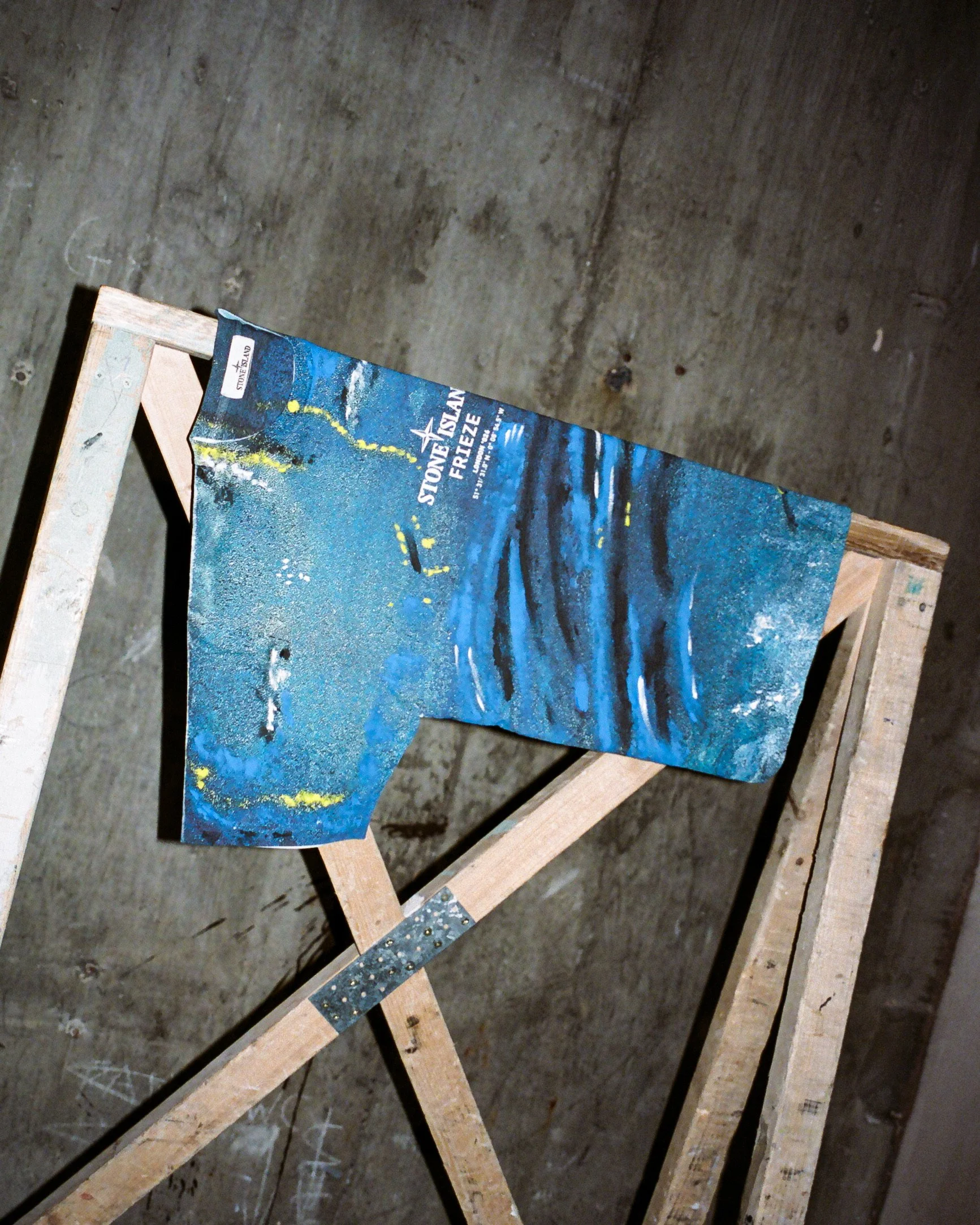
Stone Island’s commitment to Frieze was far from recent, with London marking its twelfth fair partnership. Returning as the Official Partner of Frieze Focus, the section of the fair dedicated to emerging galleries, Stone Island offered bursaries to support their presentations. Its presence also extended to the fair’s staff uniforms, with this year’s T-shirt featuring artwork by Arébénor Basséne, represented by Selebe Yoon.
The partnership sat within a wider programme that brought Stone Island’s archive and collector community into the city. At Selfridges’ Corner Shop, SELECTED WORKS ’982–’026 brought together personal selections and research from eight independent collectors, placing archival garments alongside the current collection and pieces exclusive to Selfridges. Designed by Willo Perron, the space was conceived as an evolving installation, with modular structures and displays that shifted as the collectors and garments rotated. Film, sound and conversation extended the programme beyond the shop, including a documentary following collectors across seven cities and public sound sessions at the Old Selfridges Hotel.
TIFFANY & CO. AND ARTIST-TO-ARTIST
photographed by BEX WHITLEY
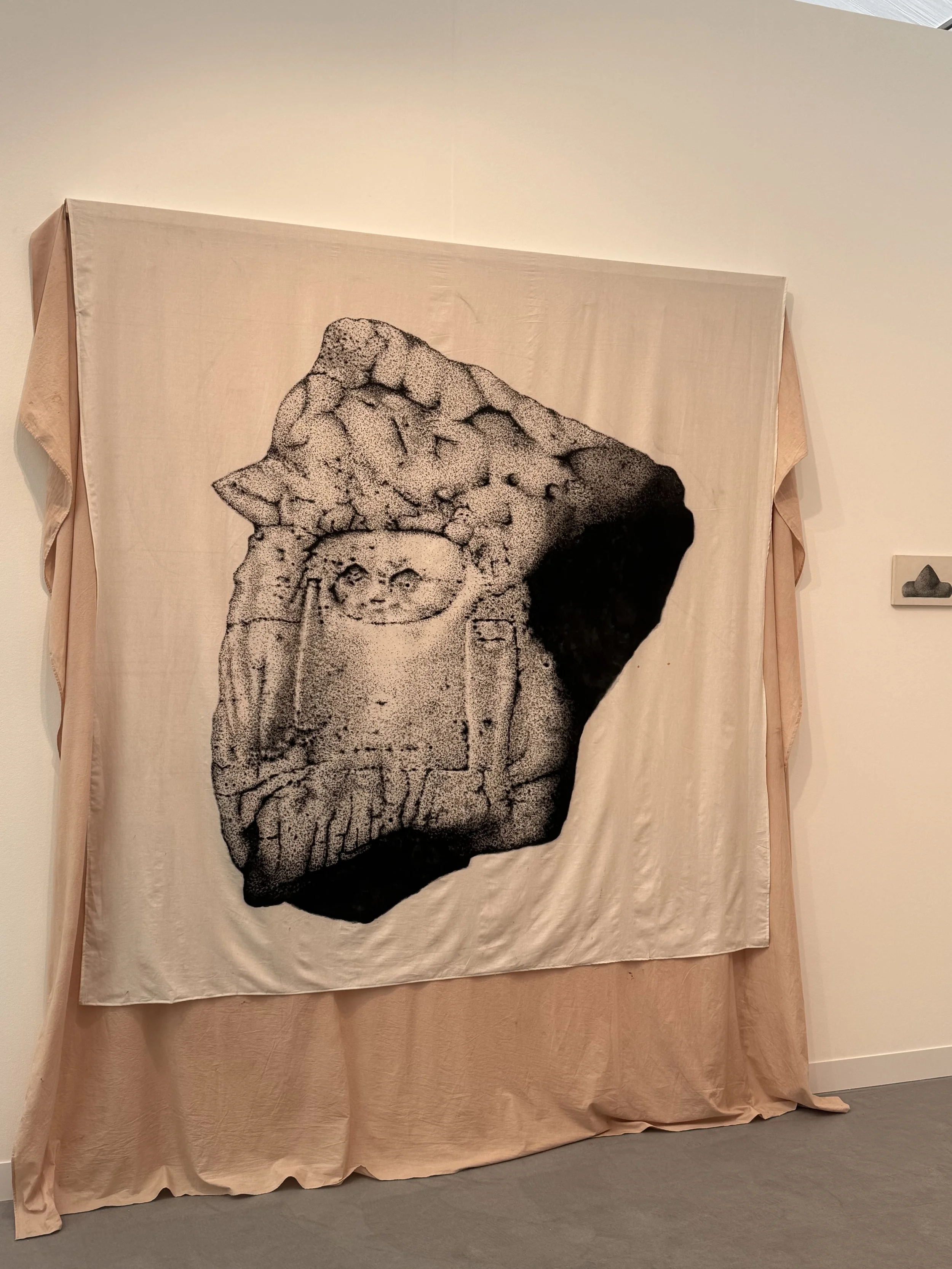
Artist-to-Artist had quickly become one of Frieze’s most endearing sections, placing the selection of emerging artists in the hands of their peers. For its fourth edition, seven established artists each nominated an emerging artist for a solo presentation, with Tiffany & Co. returning as brand partner for a second year. Among this year’s seven pairings, Yinka Shonibare selected South African artist Unathi Mkonto, whose sculptural practice considered architecture and the spaces people inhabit, while Jeffrey Gibson nominated Caroline Monnet, whose work reflected on gratitude as an act of resistance. There was something fitting about artists making these choices: they could recognise the direction and ambition of a practice, then use their own standing to bring someone else’s work to a wider audience.
The partnership also drew on Tiffany’s long history of working with artists. From its founding, Charles Lewis Tiffany involved artists in the company’s design and displays; later, Gene Moore made the windows a space for creative exchange, inviting contemporary artists to contribute. In the late 1950s, Robert Rauschenberg and Jasper Johns even collaborated on a series of Tiffany windows as Matson Jones. Artist-to-Artist brought that idea into the fair: artists decided whose work should be seen, while Tiffany supported the platform for that exchange.
MR & MRS SMITH, TO SEEK, TO FIND
photography AXEL AUREJAC, Zannier Île de Bendor, Provence
photography HANNAH ROSE, Hôtel La Ponche, St Tropez
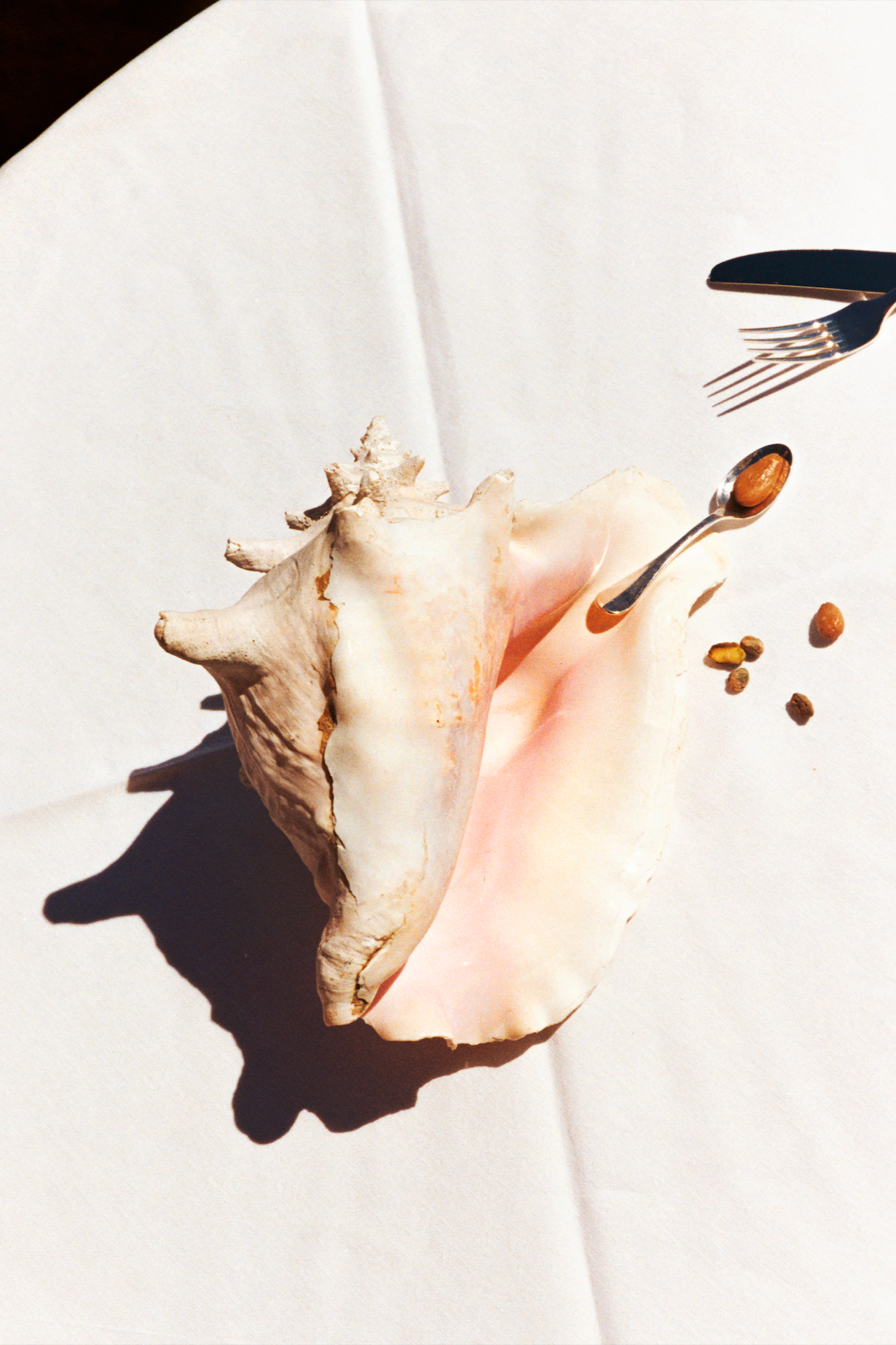
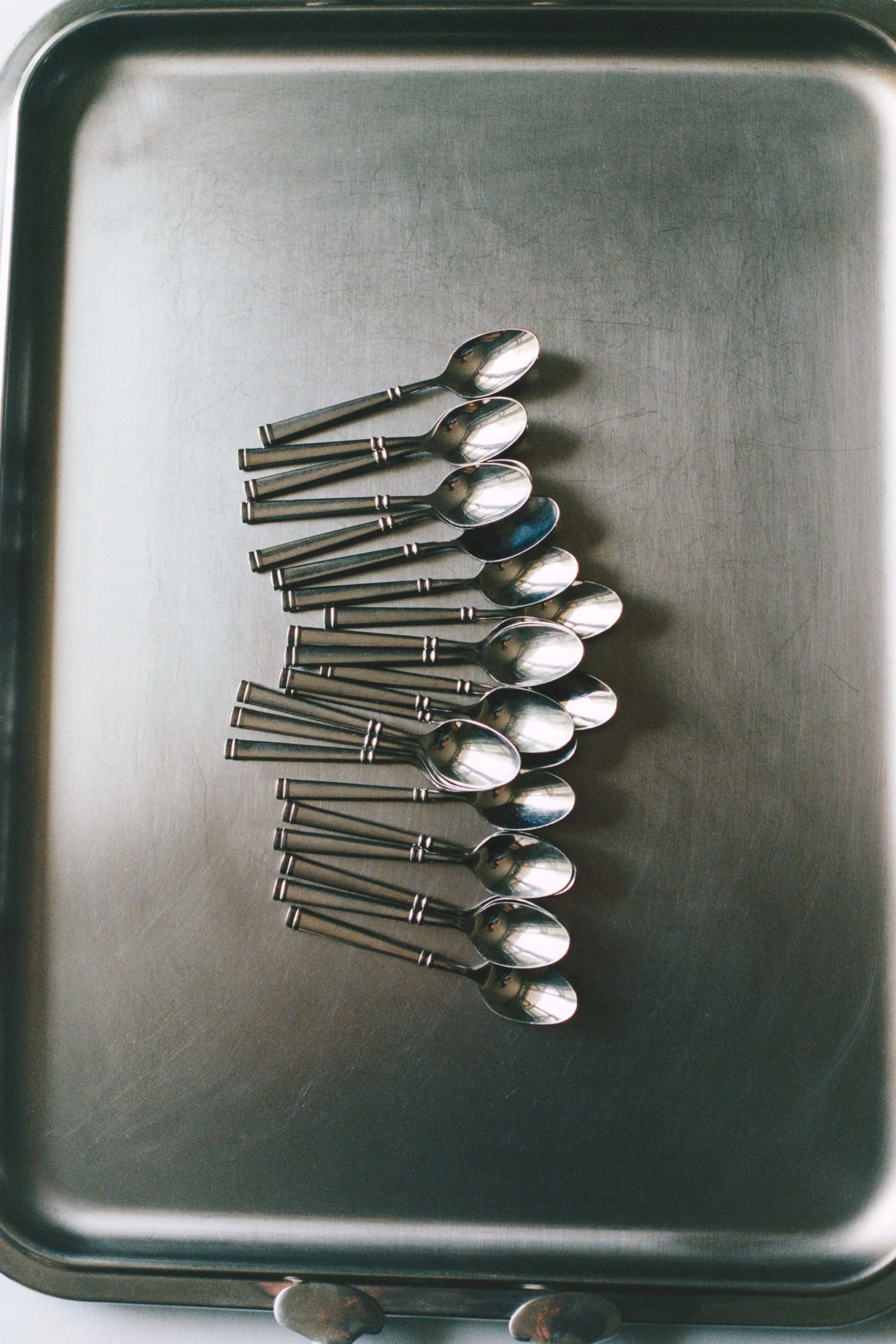
Joining Frieze Week as an official partner, luxury travel company Mr & Mrs Smith presented its first photography exhibition, To Seek, To Find, at Frieze’s No.9 Cork Street gallery. Curated by Brandei Estes, the exhibition brought together ten photographers previously commissioned by the travel brand, including Tina Barney, Paolo Di Lucente and Martin Parr. The works allowed visitors to travel the world through different perspectives, taking in destinations including Morocco, Paris, New York and Thailand. The images were less concerned with presenting an idealised view than one might imagine given the brand’s luxury status, allowing each photographer’s interpretation of a place to come through.
According to Estes, “All of this was made possible by the creative freedom given to both me as curator and the artists themselves.” She also explained how the exhibition challenged the tendency to regard travel photography as less valuable than other photographic genres. Working across disciplines including fashion and fine art, these photographers brought their own artistic practices to the commissions, rather than simply documenting hotels or destinations. Smith made that work accessible beyond its own audience through a free exhibition, with all profits from print sales supporting Human Dignity Trust. In doing so, the partnership offered a way into Frieze Week that required neither a fair ticket nor the intention to collect, simply an interest in looking.
JW ANDERSON X AMERICAN EXPRESS PLATINUM
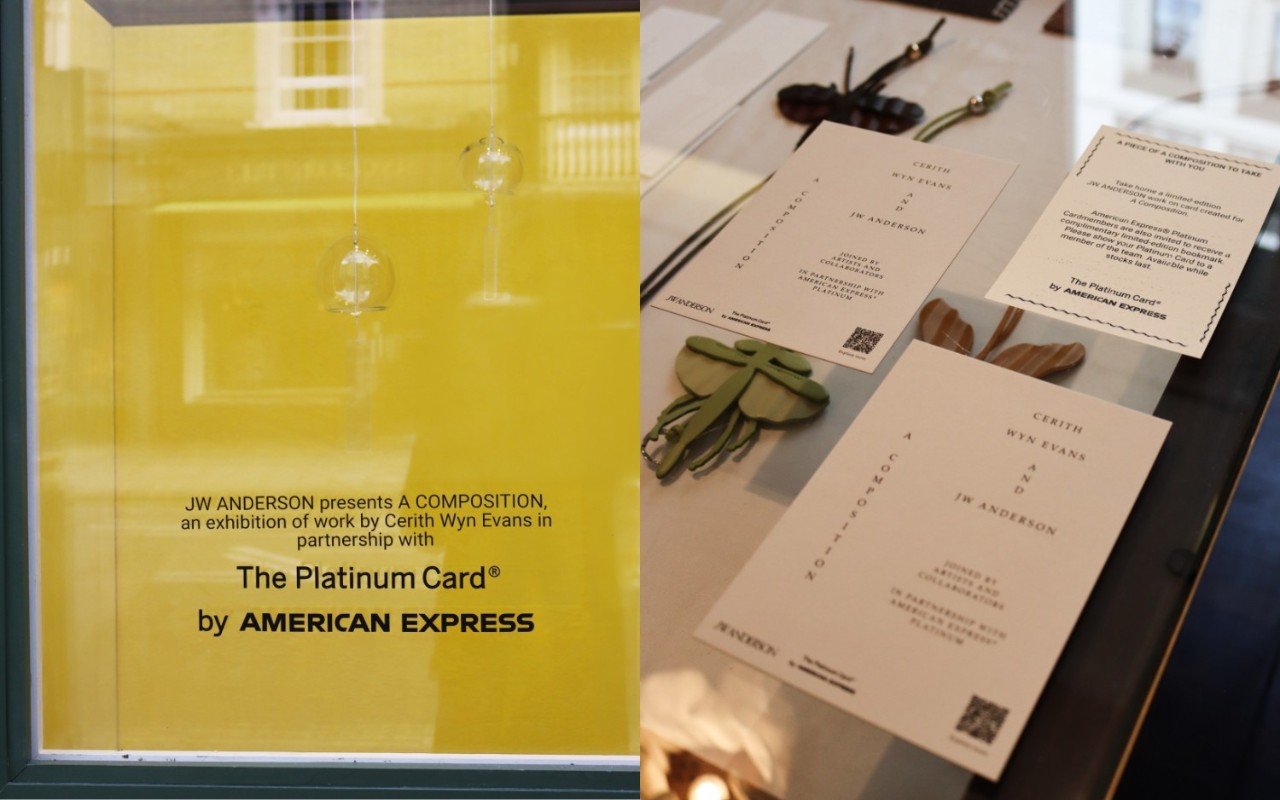
image courtesy of AMERICAN EXPRESS
It felt like Jonathan Anderson had been everywhere for the last few months, and Frieze Week was no exception. At JW Anderson’s Pimlico Road space, A Composition brought work by Cerith Wyn Evans together with a wider group of artists, designers and makers. Presented with American Express Platinum, the exhibition centred on thirty glass wind chimes developed by Evans for JW Anderson, alongside selected works from White Cube. Ceramics by Akiko Hirai, paintings by Mary Stephenson and sculptures by Shawanda Corbett completed the presentation.
It goes without saying that Anderson’s commitment to art has been clear throughout his career, so the exhibition felt like a fitting continuation of that curiosity rather than a timely coincidence. The providing of his space for his creative circle to display their works offered an opportunity to introduce the public to artists he respected, using his own profile to draw attention to their work. The value lay in giving visitors a closer look at the individual practices within his creative circle.
SUNDAY SPORTING CLUB AT SETAREH
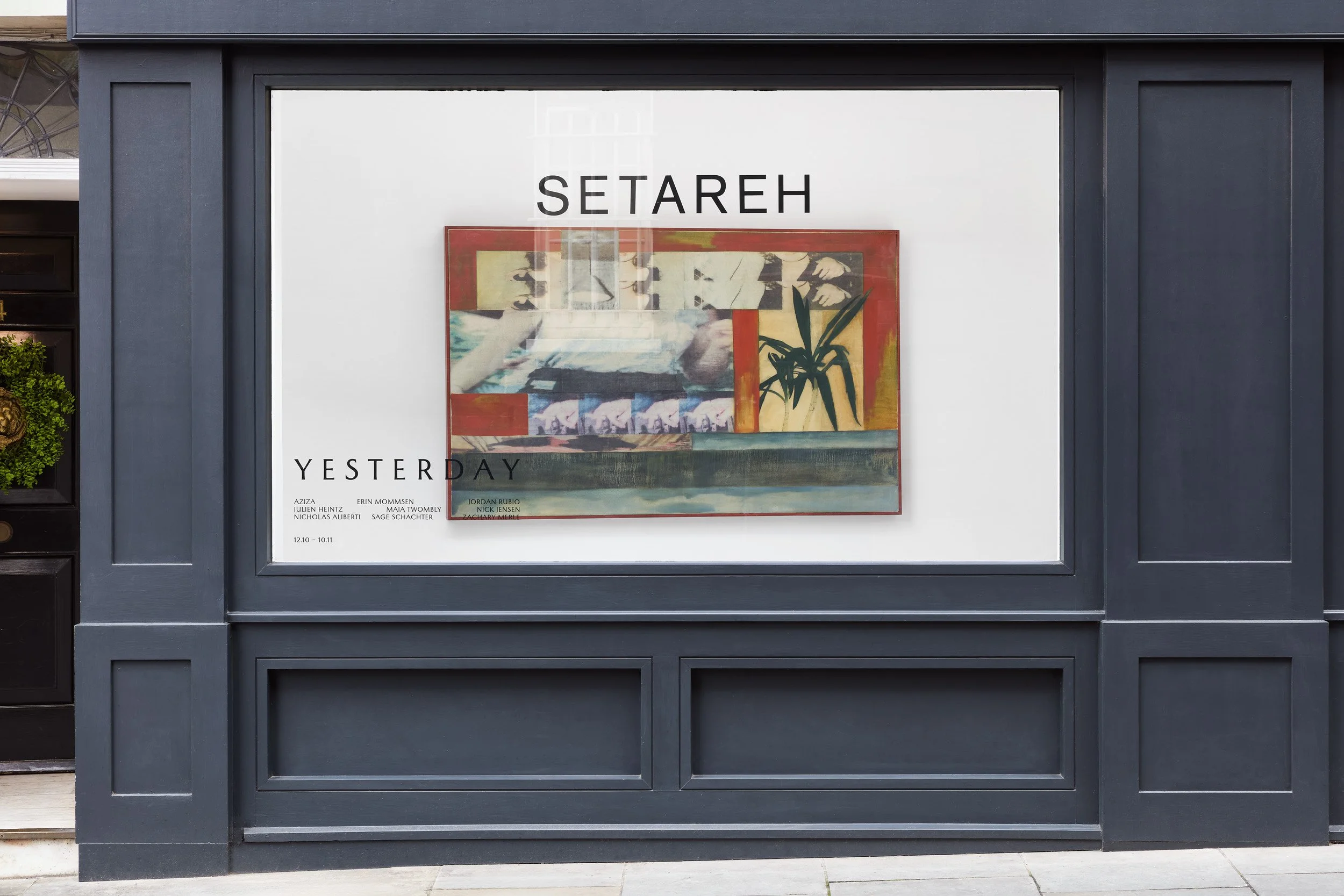
image courtesy of SETAREH
Yet it wasn’t only major brands that used Frieze Week as an opportunity to engage with art. Swapping the Pilates studio for a Mayfair gallery, Sunday Sporting Club brought its community to SETAREH for a private viewing on the 14th of October. The Marylebone studio, which operated exclusively by referral, approached Frieze Week as an opportunity to introduce its members to another shared interest.
On view was Yesterday, a group exhibition exploring memory and what remains of past experiences. Among the nine artists, Nicholas Aliberti transformed discarded metals, while Zachary Merle drew on family archives to revisit obscured memories. For SSC founder Henriette Kristiansen, the intention was to make an often intimidating world feel more approachable. “The people in our community are the collectors of the future,” she explained. Whilst sustained support from established brands mattered, there was also value in smaller companies encouraging their communities to take an interest in art. For those unsure where to begin, an introduction through people they already knew could make a gallery feel a little less unfamiliar.