
IN CONVERSATION WITH BEN SCHNETZER
interview by JANA LETONJA
Ben Schnetzer steps into Taylor Sheridan’s expanding universe with ‘The Madison’, which premiered on Paramount+ on 14th March. Already praised as Sheridan’s most intimate and emotionally resonant work to date, the six-episode series follows the Clyburn family as they navigate grief and reinvention against the vast backdrop of Montana’s Madison River Valley. Known for his transformative performances, from ‘The Book Thief’ and ‘Pride to Y: The Last Man’, ‘3 Body Problem’, and most recently ‘Swiped’ opposite Lily James, Ben brings a restrained warmth and emotional precision that anchors this story of loss, resilience, and unexpected connection.
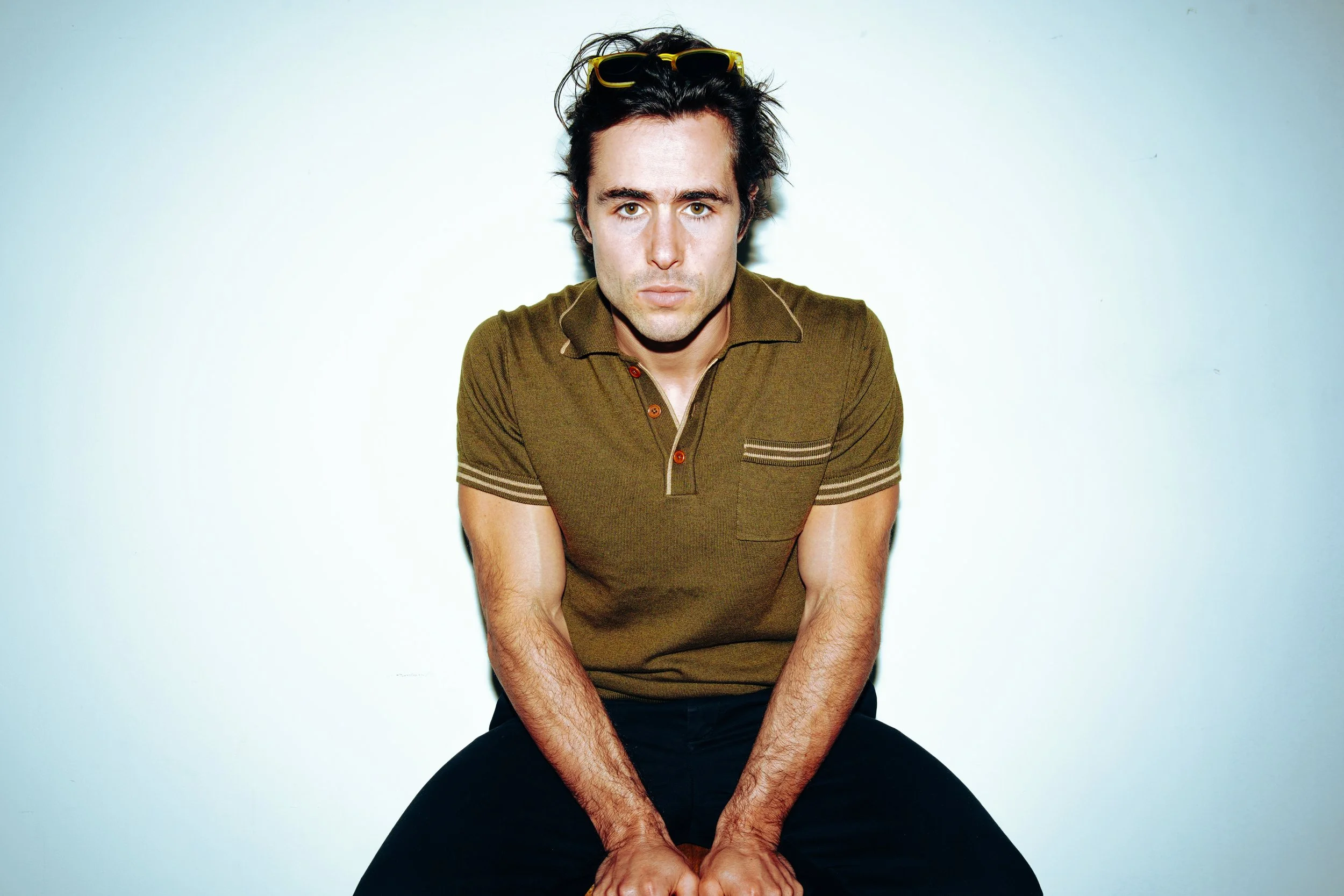
‘The Madison’ has been described as Taylor Sheridan’s most intimate project yet. What drew you to Van Davis?
The first thing that drew me to the project was the opportunity to work with Taylor Sheridan. Once I began reading the scripts, it became clear that this show was exploring a very different side to his writing. The opportunity to delve into this character in such an intimate and reflective story was a huge pull for me.
Van is defined by a quiet steadiness. How did you approach portraying strength through restraint?
As an actor, there is always a temptation to show, demonstrate, “perform.” Sometimes it can feel more comfortable to step into a character that is more verbose, simply because it feels like you have more to hold onto. That said, it was a particular and very exciting challenge to play a character who is more laconic, less expressive. Someone who isn’t concerned with people pleasing. The work is to discover a specific, fleshed-out internal world, and just trust that it’s there without “showing” it. And in this instance, it was very clear in the writing that there was a lot going on beneath the surface for this man. There are certain actors whose work I watched a lot in preparation for this shoot. Sam Shepard is a big one. Robert Duvall.., I must’ve watched ‘Tender Mercies’ half a dozen times during the filming of season one.
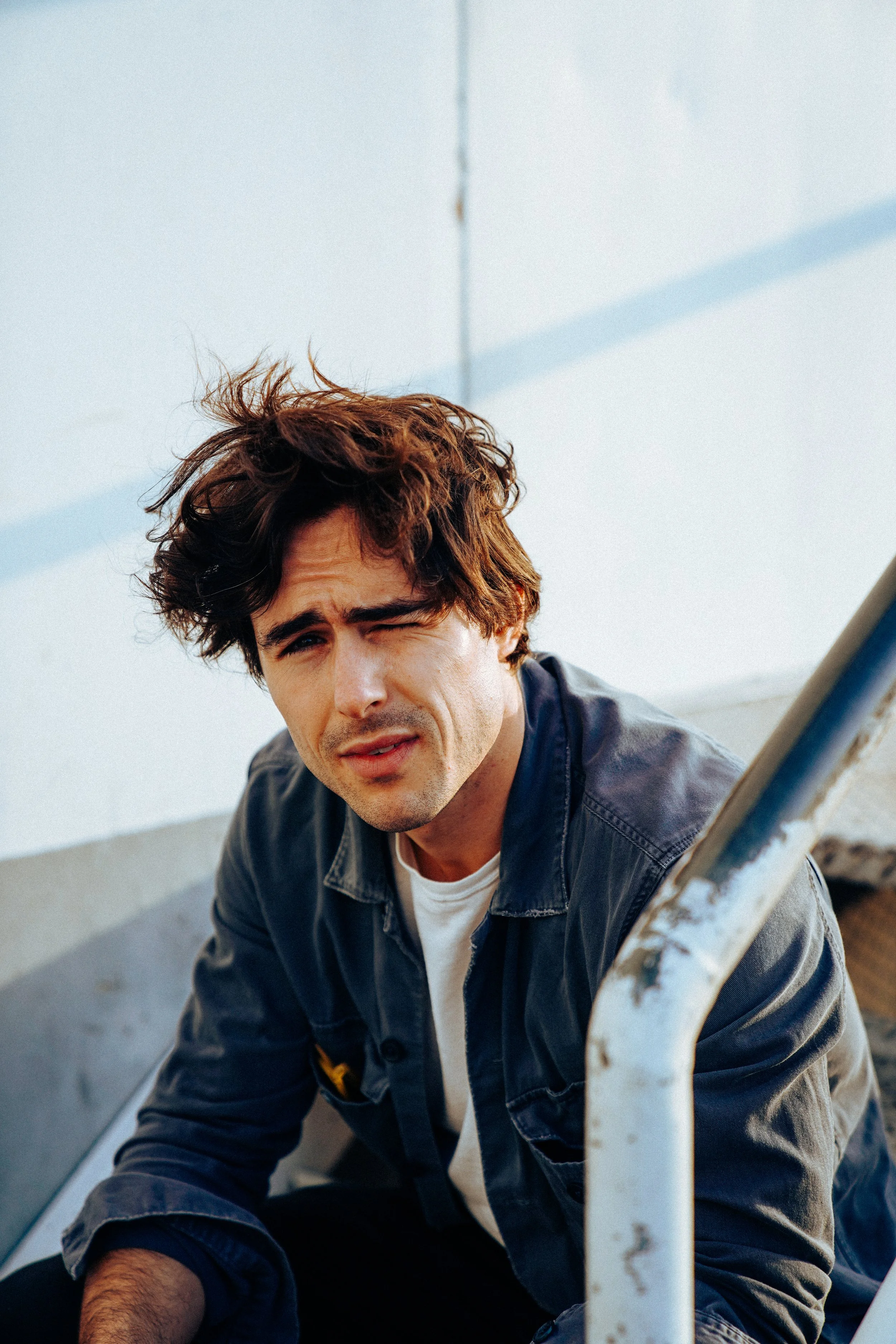
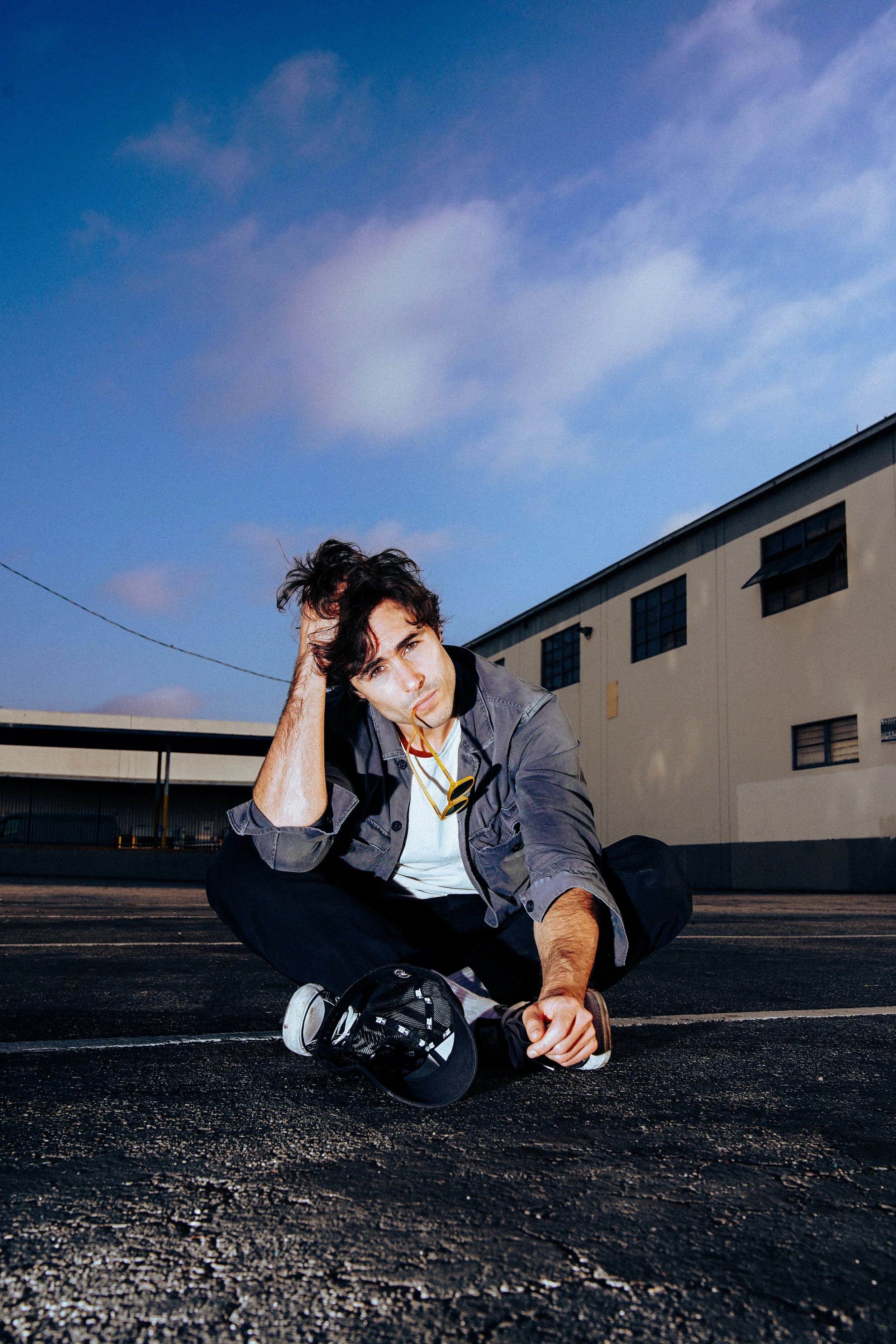
The series centers on grief and reinvention. What conversations did you have about tone before filming?
The tone of the piece was pretty clear on the page. Christina Voros, our director and cinematographer, is a longtime collaborator of Taylor’s, and so we knew we were in a deft pair of hands. Most of the conversations in prep were about the given circumstances of these characters, and the disparate worlds they come from.
How does Montana’s landscape shape the emotional world of the story?
The Montana landscape is a character in and of itself in ‘The Madison’. This is a story about people navigating the depths of grief, and the landscape, the nature get them in touch with something elemental. It brings these broken people back together.
Sheridan’s work often explores masculinity in complex ways. Where does Van fit within that conversation?
This story takes a close look at masculinity under very intimate circumstances. ‘The Madison’ is strongly centered on the female characters, so the men and how they relate really fall into that framework and are seen through that lens. The traditionally masculine themes that are explored focus much more on what it means to be a good father, husband, brother. Van is a dutiful, obliging man. He comes from a place where being someone’s neighbor means something. It’s a responsibility and also a privilege. His community is everything to him, so he owes a lot to it. He’s someone who understands that making difficult choices is a part of life.
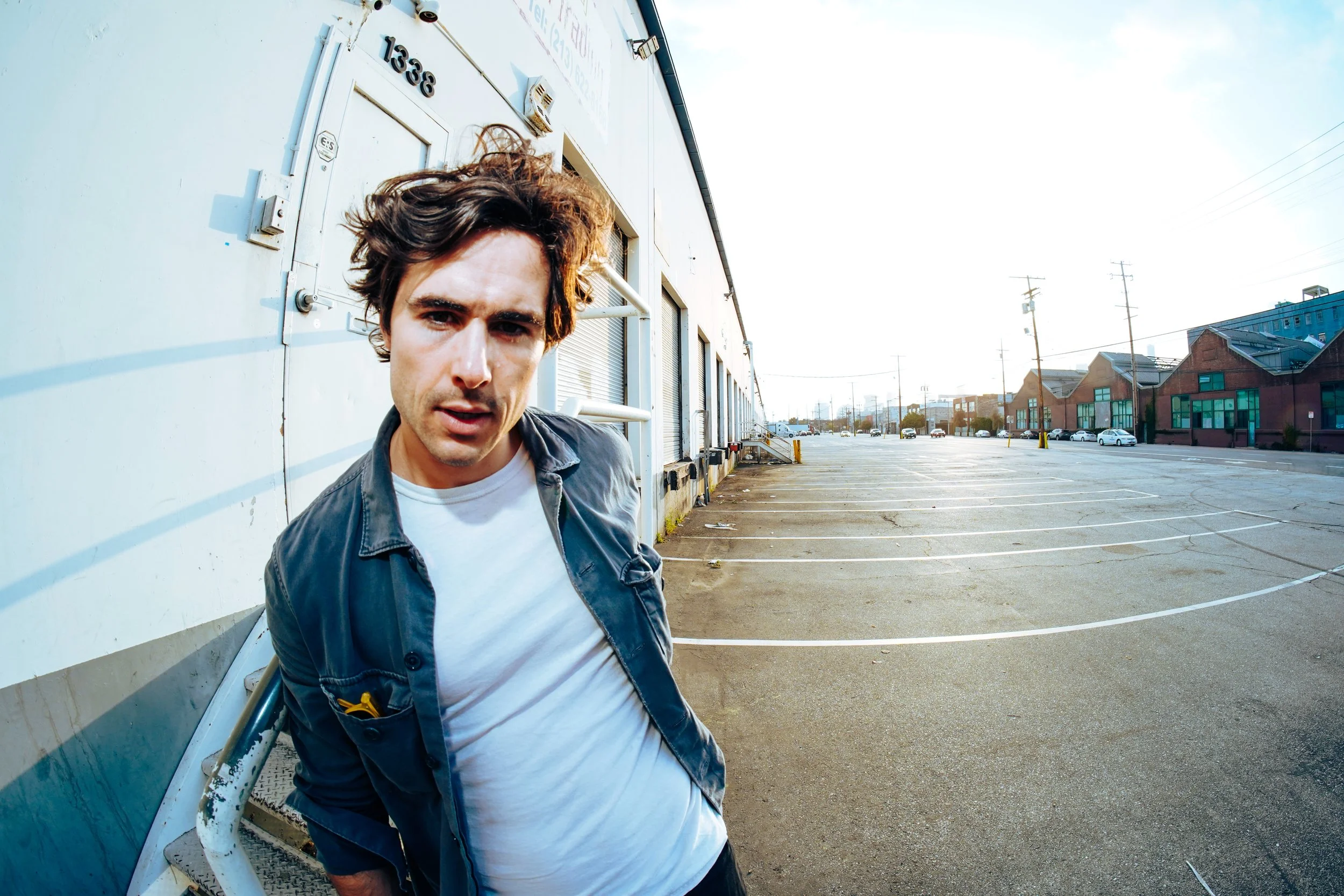
You’ve worked across epic fantasy and historical films. How does ‘The Madison’ differ creatively?
Like any other genre I’ve worked in, the place and setting of the story play a huge role in the experience and preparation. It always boils down to drawing on the given circumstances of the story for inspiration and information, and taking the steps to see the world through your character’s eyes as honestly as you can. Whether it’s fantasy, historical, modern day, Western, I try and approach the work the same way, and work toward being as specific as I can.
You’re known for immersive, transformative roles. What is your process when building a character from the ground up?
Again, it all starts with paying attention to the given circumstances of the story, and then letting curiosity invite inspiration. Fortunately, the world of ‘The Madison’ is a very easy one to be inspired by, so the preparation in discovering this character was very enriching. There are a lot of clues in the script as to who this guy is. He’s a sheriff’s deputy, an outdoorsman, a native Montanan, a father, so you start with those building blocks, and get to work. Thankfully, we had a lot of resources on this show, so I was able to spend a lot of time with people who know a lot more about this world than I do, and ask them as many questions as I could think of.
Sheridan’s projects often feel culturally resonant. Why do you think audiences connect so deeply with his storytelling?
Taylor’s work is often steeped in Americana, but there’s something in his writing that is widely resonant. I spend a lot of my time in London, and I hear people talk about Landman here as much as they do in Texas. There’s a quote I love by Nancy Hale, “The more specific you are, the more universal you are.” I think that really applies to Taylor’s writing. He writes about worlds and characters that he knows intimately. And through this very specific framework, he is able to explore themes that are universal. There’s another quote I love by Hemingway, “Write hard and clear about what hurts.” I think that really applies to his writing on ‘The Madison’ as well.
How do you personally connect to themes of resilience?
I think we can all connect to themes of resilience, and this story is a testament to family, friendship, and connection. It’s raw, it’s messy, it’s confronting, it’s honest.
At this stage of your career, what kind of stories are you most drawn to telling next?
To be honest, I’m just an acting nerd. I love this job. I love cinema, I love theater, I love long-form story telling. At this stage in my career, the best thing I can think of is to find writing I connect with, whatever genre, whatever medium, and to work on it with great storytellers. One of the things I love about this job is that there is always more to learn, always room to grow. That really keeps me engaged, keeps me interested.
TEAM CREDITS:
photography RAZ AZRAAI
