
IN CONVERSATION WITH JESSICA REYNOLDS
interview by JANA LETONJA
Actress Jessica Reynolds is fast becoming one of the most compelling talents of her generation, balancing bold indie choices with major mainstream projects. She first broke through with her haunting lead performance in ‘The Curse of Audrey Earnshaw’, and has since built a résumé that moves effortlessly between film, television, and stage. This March, she takes on the iconic role of young Emma Harte in Channel 4’s highly anticipated adaptation of ‘A Woman of Substance’, reimagining the network’s most-watched drama of all time. With upcoming roles in ‘Close to Home’ and ‘Ancestors’, and recent acclaim for ‘Kneecap’ and ‘The Wolf, The Fox & The Leopard’, which earned her the Bingham Ray New Talent Award, Jessica stands at a powerful moment of ascent, embodying both grit and grace on screen.
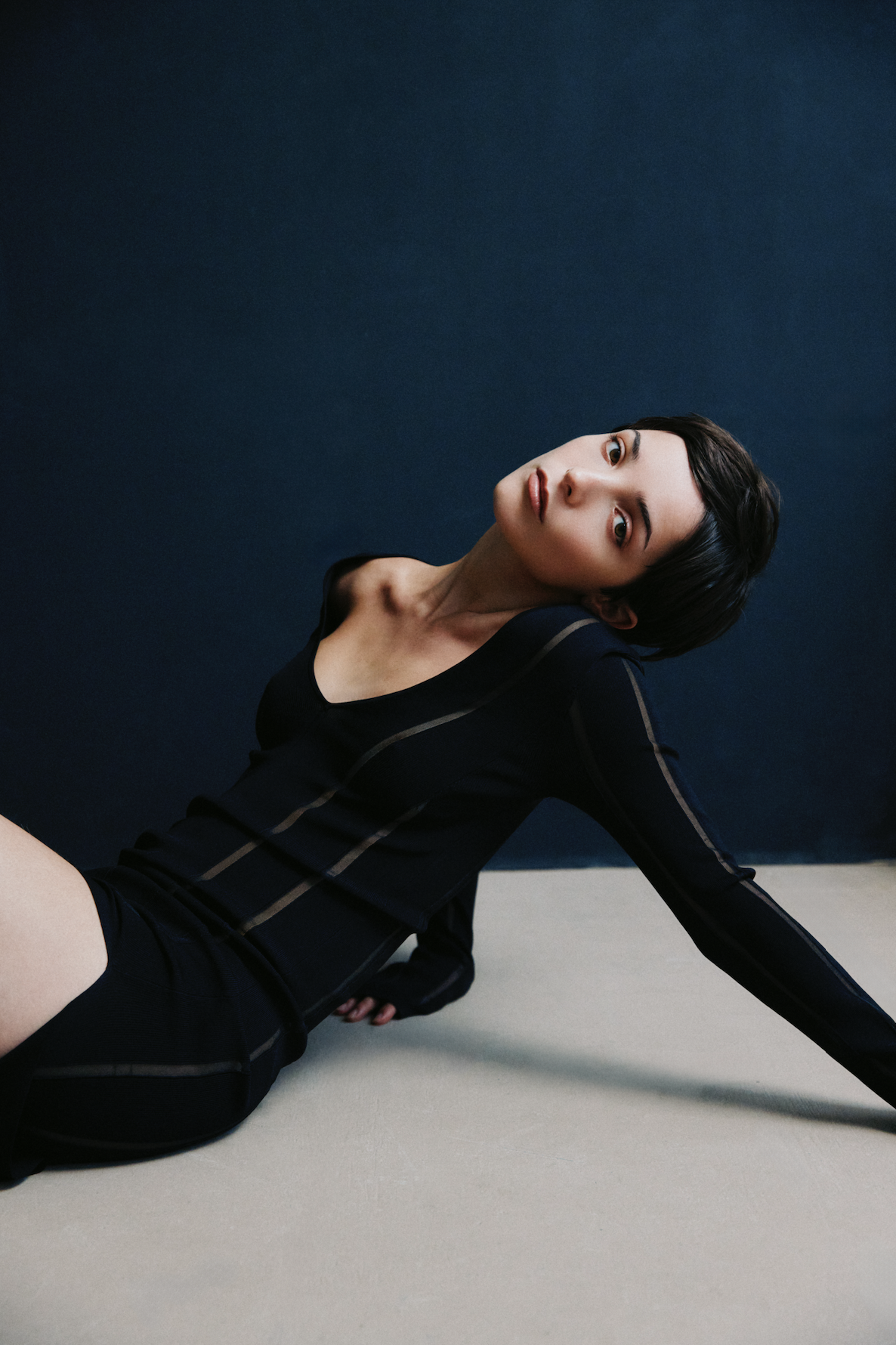
‘A Woman of Substance’ is a reimagining of Channel 4’s most-watched drama ever. What did it mean to step into the role of young Emma Harte?
It was the first time that I was at the helm of a TV series over 8 episodes. It was a big feat and being cast 3 weeks before shooting meant I had to think on my feet and prep very quickly. It was a really lovely feeling though, knowing people could see me as a classical leading lady, as I couldn’t necessarily see that in myself.
Emma is a rags-to-riches heroine with fierce determination. What aspect of her resilience resonated most with you?
My nanny was actually a kitchen maid for a rich family in a big farm house in Exeter in the early 1940s which I have just learned. There are lot of hard workers in my bloodline. I am still learning about the need to be tough even though you’re soft inside, as it is a confronting world we live in, especially being a woman and someone from the north of Ireland. Luckily, my parents instilled the idea of working hard into me at a young age and I knew I would have to strive and fight for the life I wanted. When you’re at a loss, the only thing you can do is to keep going.
Did you feel the weight of legacy revisiting such an iconic series?
It was all such a whirlwind, I didn’t have all that much time to think about the weight of what it meant to people 40 years ago and before I was even born. I certainly felt the weight of playing such a formidable character and how to balance that with a hugely romanticised and grand story. Now though, I am aware of how much the book and show meant to women at the time.
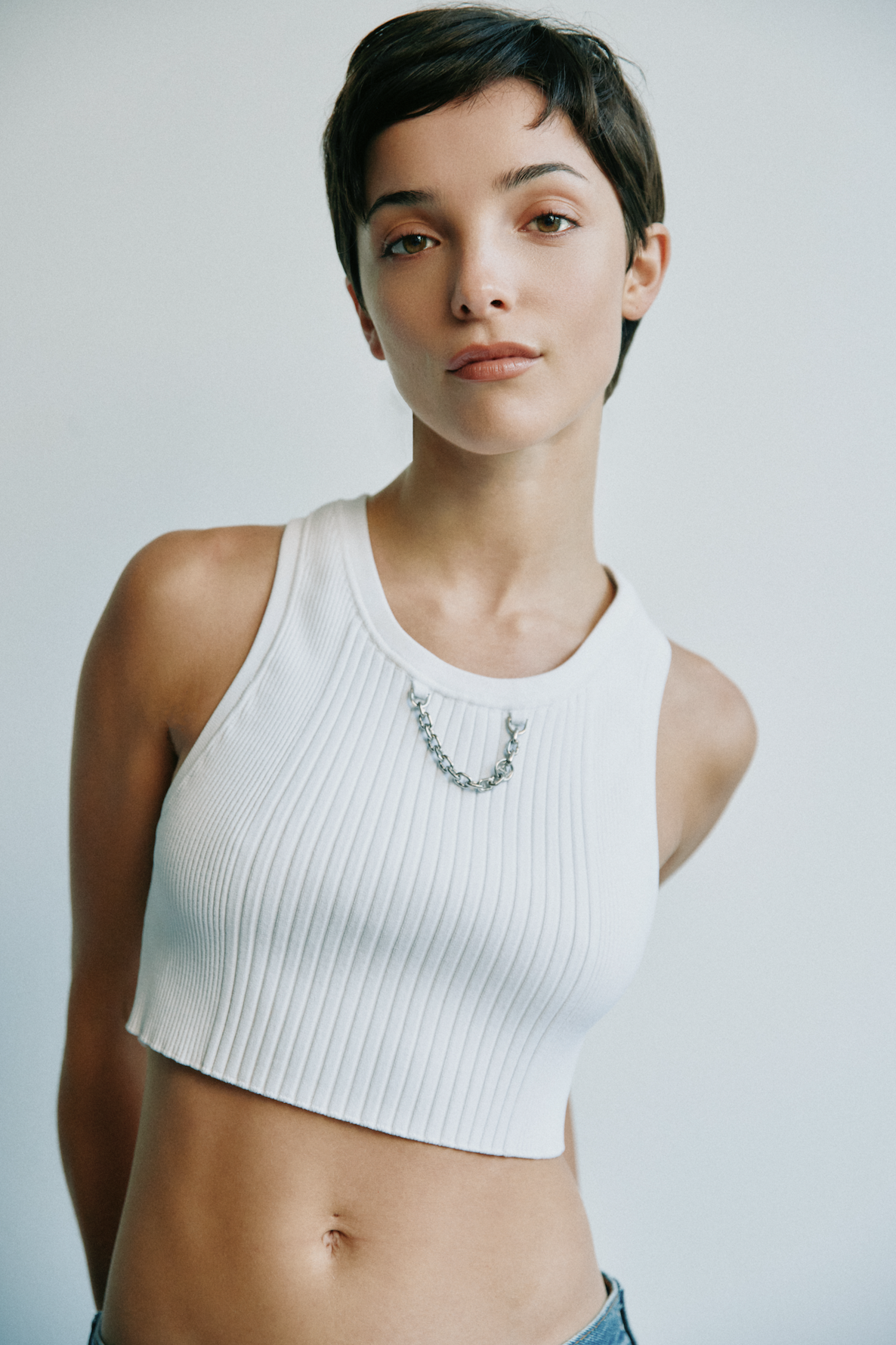
How did you make Emma your own while honoring the original adaptation?
I suppose it isn’t my job to honour the original adaptation, but others who actually create the show. All I wanted to do was to try and bring in the context of the time period, get the accent accurate and bring a truth to this woman by bringing every ounce of myself to Emma, to try and enliven her and make her feel whole.
Your work often balances vulnerability with strength. Is that a conscious choice?
I think it is probably a sub-conscious thing that gets me cast in these parts in the first place. I suppose it’s maybe the first thing that people see in me, sometimes tough and sometimes tender.
After your breakthrough in ‘The Curse of Audrey Earnshaw’, how do you approach selecting your next roles?
I want to do work that aligns with what I believe in, art that really inspires and has impact and meaning. Art and ethics are always my priority. I am not interested in doing something I don’t believe in, just for the sake of working. Good writing and kind, clever people also help.
Receiving a Best Supporting Actress nomination at the IFTAs, how did that recognition feel at this stage in your career?
It was a big, welcome shock at the time, and to be recognised always feels class. But it’s important not to become overly dependent on external validation because you can be the industry’s ‘moment’ one day and the next, it’s gone.
You’re moving between indie films and major television dramas. Do you approach them differently as an actor?
I think, from my experience, I have had a lot more prep time with indie film so I have been able to sit with the characters for longer. For TV, you have to have an incredible stamina and think so quickly on your feet-. I really applaud TV actors, as it is no easy feat. The actual approach will be generally the same but also different on every job. Sometimes I feel so close to a character, I could do it in my sleep. Sometimes you have to reach out and grab this person that is further away from you and make them yours. And sometimes, the script is so delicate and layered that even if you know that character inside out, you have to deconstruct the meaning, the subtext and so on, and be open to other peoples’ instinct and opinion. Ultimately, instinct is always my best friend but then also being able to fight against it, too.
With ’Close to Home’ and ‘Ancestors’ on the horizon, what themes are you drawn to right now?
These are jobs that fulfil me so deeply as they explore socio-political themes that mean so much to me in my daily life. Trans-generational trauma, a word we hear a lot but something that really affects my generation in the north of Ireland, is beautifully explored in ‘Close to Home’. Then being a part of a queer film like ‘Ancestors’ is everything to me as it is a part of who I am. These topics, that are so deeply entrenched in Irish culture but often avoided or swept under the rug, are essential to the progression of humanity. So, to be a part of cinema or TV that can do that is a win win for me and the people I love.
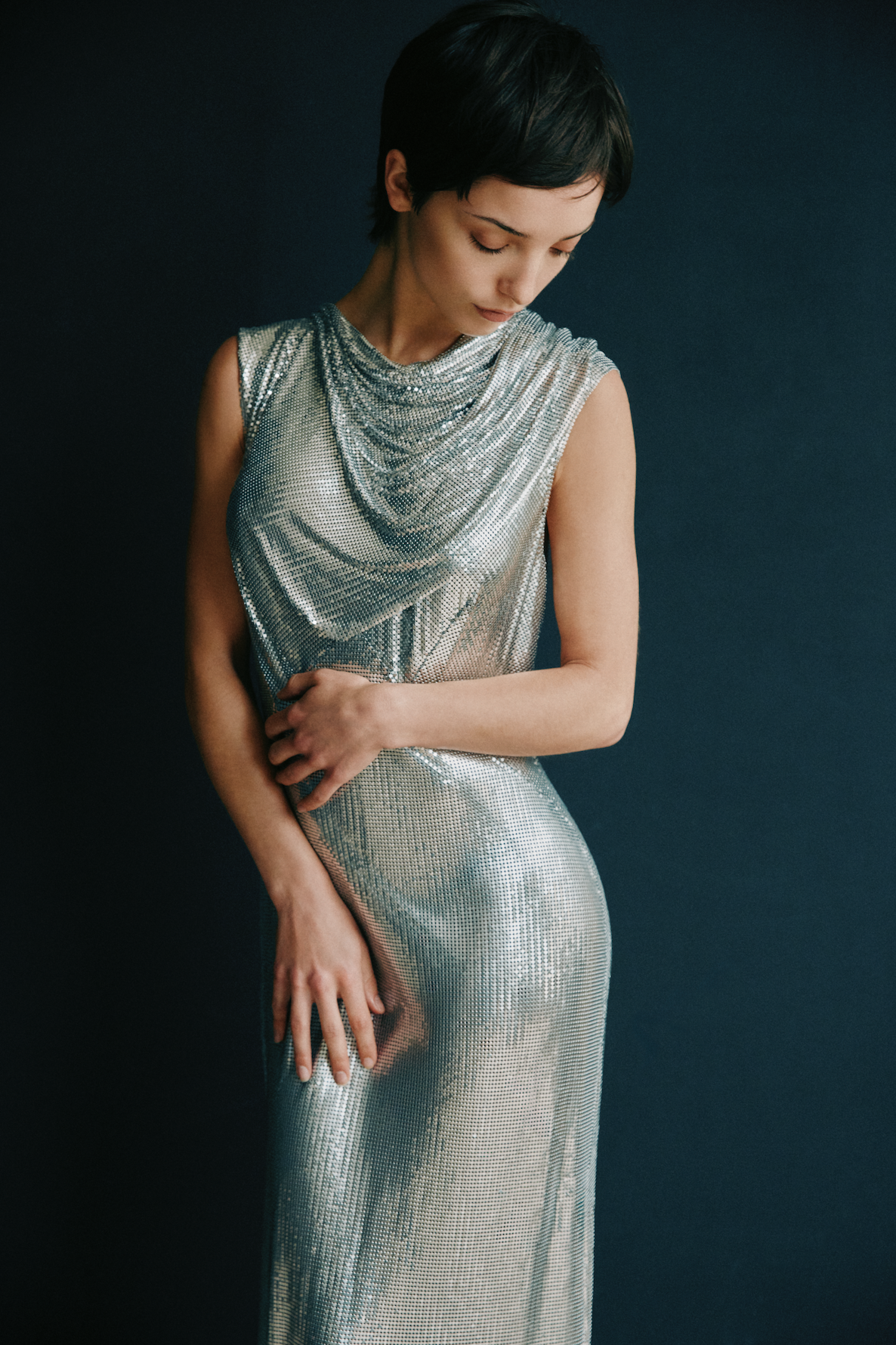
How do you stay grounded amid the growing attention around your work?
I suppose there’s always a choice, whether to engage or to not. It’s not always easy to pull yourself away from things that might not benefit you. Going back to a child version of yourself always helps. Going back to what made me want to do this in the first place, watching movies, reading, listening to music and people I love. Art without implications. Connecting back with nature, romanticism and family who truly know me, guts and all. And as one of my directors once said, “Returning to the tragic goth within.”
As a young actress stepping into historically resonant narratives, what responsibility do you feel?
I feel a great responsibility, specifically to the communities that these stories will affect. I always want to move through my work with empathy and justice to those that need it. I am happy to be a welcome distraction or an entertainment, but if I can do something that will make someone feel truly connected to themselves or feel seen in some way, that means a lot to me.
TEAM CREDITS:
photography Emma Harries
hair and makeup Wendy Turner
stylist Oisin Boyd
