
IN CONVERSATION WITH ALEJANDRO CLAVEAUX
interview by LEANDRO DA SILVA
ALEJANDRO CLAVEAUX has built a career across theatre, television, cinema and streaming, constantly moving between different characters, worlds and ways of telling stories. His performance as Adriano in Ruas da Glória earned him the Best Supporting Actor award at Festival do Rio, followed by a nomination at the 2026 Grande Otelo Awards. More recently, he has taken on new territory with A Mulher ao Lado, directed by Bárbara Paz, the second season of Tremembé, and the upcoming film about Marília Mendonça.
Coming from theatre, Claveaux sees acting as more than simply waiting for the right role. For him, building a career also means creating, producing and choosing stories that can make a difference. He speaks about Ruas da Glória, his connection to Brazil and Uruguay, the enduring power of theatre, the changing landscape for Brazilian actors and the projects that continue to challenge him.
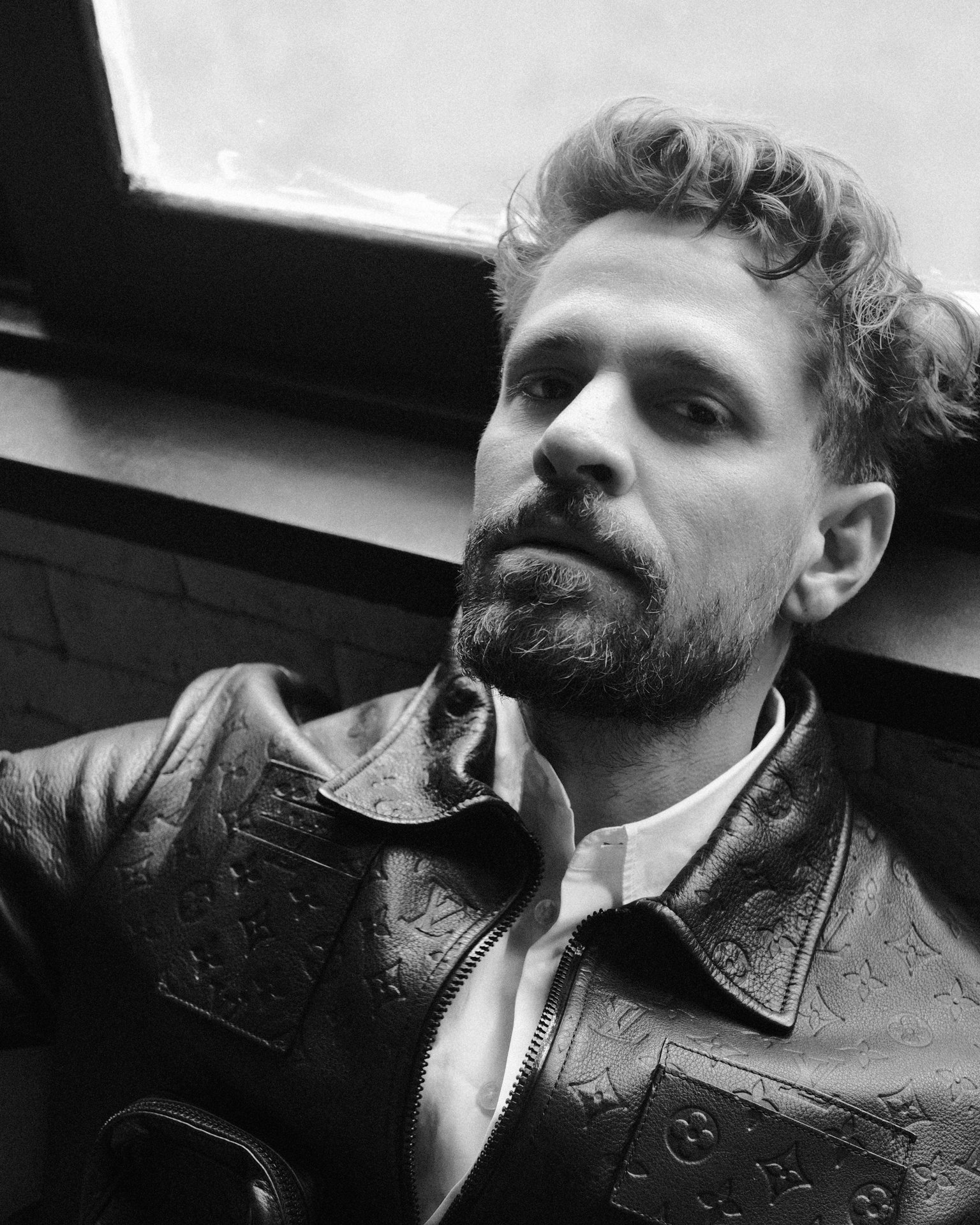
Ruas da Glória looks at a very particular social and human landscape in Rio de Janeiro. What do you think the film allows us to see about the city and the people who inhabit it that we don't often see represented on screen?
I think the film shows a more underground Rio de Janeiro, especially the city centre, which is not explored very much in cinema. We usually see more of Copacabana and Leblon. Here, we show a reality that is less visible today, including sex workers on the streets.
The centre of Rio is beautiful, although it is not always well maintained. Areas like Cinelândia and Glória are full of life during the day, but at night they become almost empty because they are not residential. I think it was important to show this side of Rio, especially at night, because it is a part of the city that many people do not know.
The character I play in the film, Adriano, also ends up there because he is an immigrant and rents are cheaper. It becomes a meeting point for people arriving in Rio and trying to adapt financially.
Your performance as Adriano received the Best Supporting Actor award at Festival do Rio and later earned you a nomination for Best Supporting Actor at the 2026 Grande Otelo Awards. What was it about Adriano that you found most compelling to explore as an actor?
Adriano could easily have been played as a one-dimensional villain, someone the audience would simply hate because he destroys the protagonist's life. We know very little about his past, so there is a lot of mystery around him.
My challenge was to make him understood, maybe even liked, rather than simply hated. I wanted him to be funny, desirable, or someone who moves the story forward instead of just being an awful person.
Another challenge was letting go of vanity and my relationship with my body. There were intense scenes of intimacy, so the preparation was very important. I wanted to bring truth to the character without trying to hide anything. We rehearsed a lot, and everything was very choreographed. The director wanted to move beyond a conservative approach and allow the character to experience what he needed without judgement.
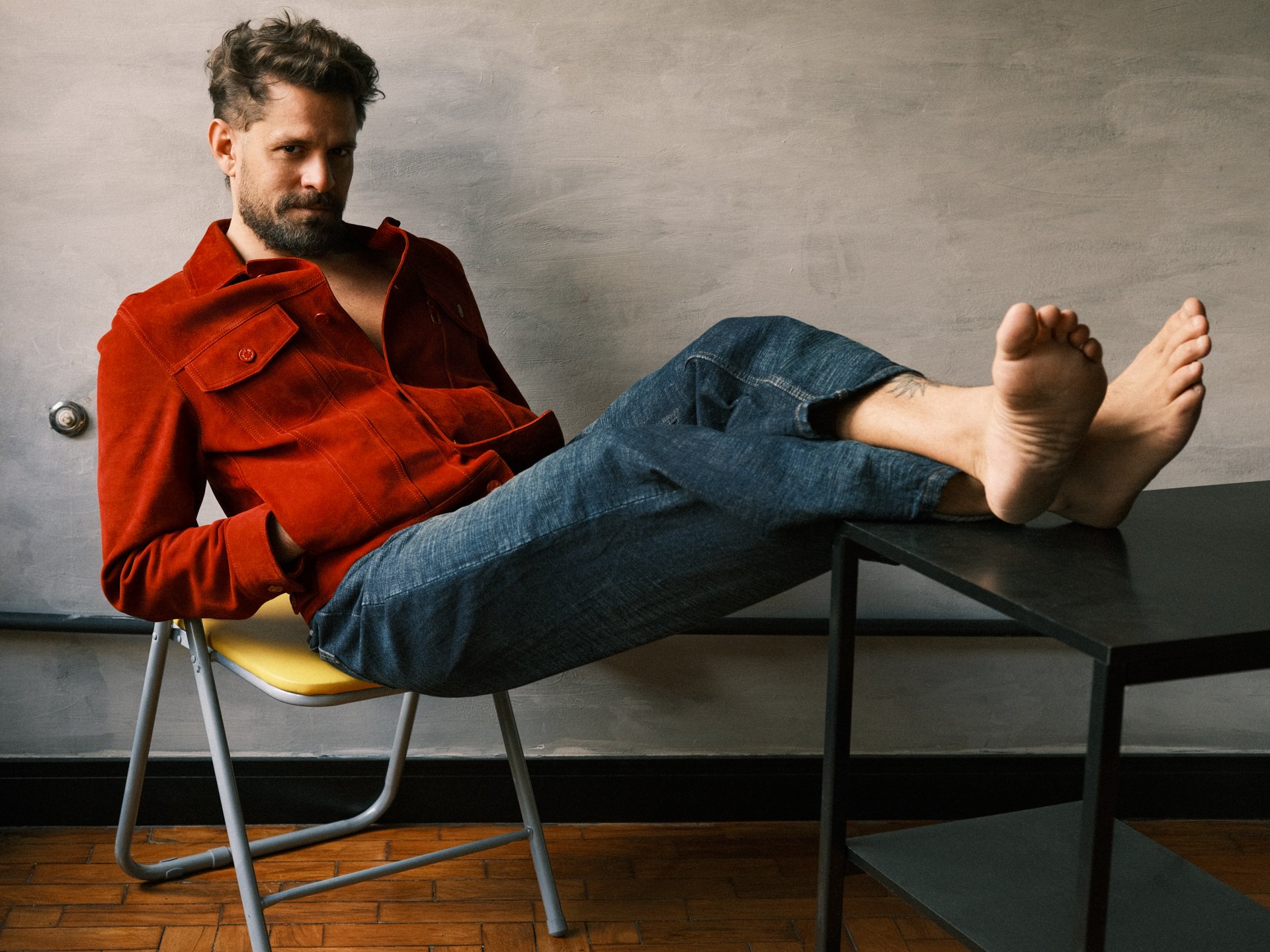
Ruas da Glória won Best Foreign Film at the Septimius Awards, and you were the one who accepted the award on stage. What did you feel the film was communicating, beyond its Brazilian context, that resonated with an international audience?
The film was very well received. People were surprised that Brazil was producing a film with this subject matter in such a courageous and unapologetic way, while still keeping the drama.
The conversations were incredible. I was actually surprised because I thought the reception in Brazil would be stronger. In Amsterdam and Berlin, for example, I felt a much more open response. People asked me if I was afraid my career could end after exposing myself so much, because I have also worked in more conservative television.
You are of Uruguayan origin but built your career in Brazil, moving naturally between Portuguese and Spanish. How has living between two cultures shaped your relationship with Brazil and with your own origins?
It is very crazy being the child of an immigrant. My father left Uruguay about 50 years ago, and whenever something went wrong, we would go back. So we were always between the two countries while he was trying to make things work in Brazil.
For me, it is a great cultural richness. My heart is divided, but I feel that I belong to both countries. I have dual nationality, I have lived in both environments, and I speak fluent Spanish and Portuguese. That has opened doors professionally and expanded my perspective through music, food and culture.
It also helped me with Adriano. His accent was based on my mother's accent. She has lived in Brazil for 50 years and still speaks Portuguese with an accent. They wanted the Portuguese to be clear, but with an accent, not Spanish. That helped me get the part.
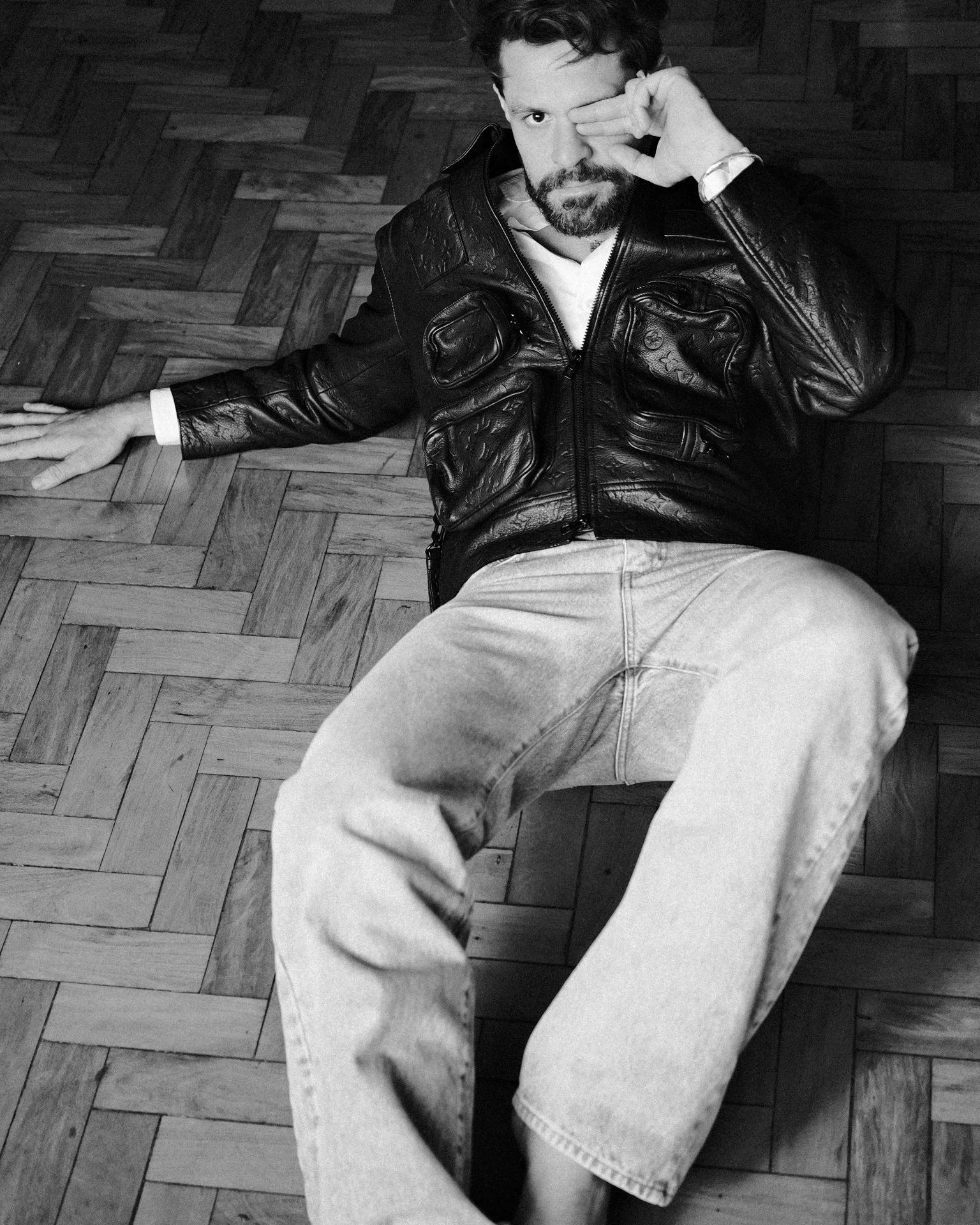
You spent years performing Gota d'Água, the landmark play written by Chico Buarque and Paulo Pontes, which has remained deeply embedded in Brazilian culture. What did those years allow you to discover in the work that could only emerge with time?
Gota d'Água is timeless. I think it will always work because it remains very current. It is a political play and an adaptation of Medea, with discussions about social class and inequality that are still very relevant.
We performed it for years. Laila and I played all 20 characters. It has beautiful poetry and an incredibly loyal audience. There were people who saw it more than 15 times.
The play also lived through many political moments in Brazil. I remember performing in Recife on election day in 2018. People were looking at their phones during the performance, and at some point we found out the result. After the performance, a gay couple came up to us crying and hugged us. It was very emotional.
That is the power of theatre. You are there live, with the world happening around you. I don't think theatre will ever disappear because it is alive. There is nothing that can replace a human being live on stage.
The way actors build their careers has changed considerably in recent years, with the rise of streaming platforms and an increasingly international audiovisual landscape. From your perspective, what opportunities exist for actors today that would have been much harder to imagine a few years ago? And do you think this new landscape has also changed what it means for an actor to build a lasting career?
Because I come from theatre, my perception of a career has always been a little different. I have always tried to produce or choose plays that make a difference. Audiovisual work was always a desire, especially cinema, but it also reaches a much larger audience.
For an actor to build a lasting career, I think it is about choosing good projects wherever they are. There are many more possibilities today because of streaming platforms, vertical series and the international market. Brazilian actors are starting to work internationally, and that is very important.
But I also think an actor needs to create their own structure. Produce your own plays, produce films, create what you want to make instead of waiting for characters to arrive. An actor has to be a little bit of a producer and create things from their own desires.
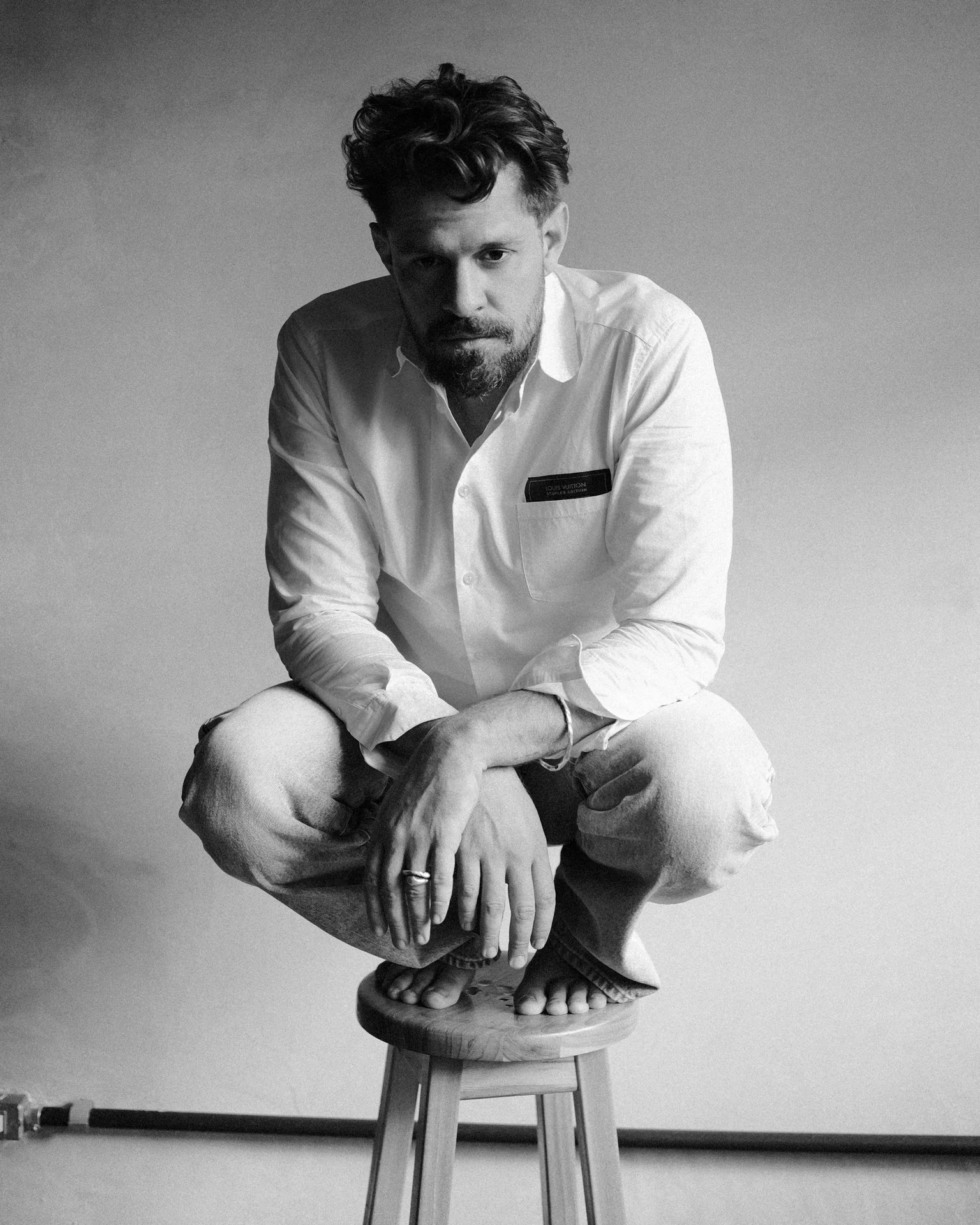
You star in A Mulher ao Lado, directed by Bárbara Paz, alongside Paz and Maria Casadevall. What was it like to work within Bárbara’s vision as a director, while also sharing the screen with her?
A Mulher ao Lado was a very intense film. We shot the entire film inside one house over about 27 days. It was a beautiful Brutalist house in São Paulo that was going to be sold, so we had no room for mistakes.
Bárbara is a very generous director. It was her first feature as a director, and she was also acting at the same time. We played husband and wife, so we were constantly helping each other in the scenes.
It was a very collaborative film. I could help shape the story, suggest changes to the text and bring ideas. Because Bárbara is an actress, she also knows how to reach an actor and bring out their best. I felt very well taken care of by her, and I hope she goes very far as a fiction director.
The film about Marília Mendonça has started filming, telling the story of one of Brazil’s most important voices and songwriters, whose death in a plane crash sparked a profound sense of grief across the country. What does it mean to be part of a project connected to someone whose life and work remain so deeply present in Brazil’s collective memory?
Marília is a unique phenomenon in Brazil. She changed the structure of sertanejo and established a place for women in a genre that had traditionally been dominated by men. She changed the market completely.
It is an honour to be part of this film. I am from Goiânia and had already seen her performing in bars, so I have a very strong connection to Goiânia and to sertanejo. I was also part of Rensga Hits! for all three seasons, playing a sertanejo singer from Goiânia.
She died while we were filming in Goiânia, which was a tragedy. She was supposed to participate in the project, but there was no time. So coming back to that place and being part of her story is very meaningful to me.
I play her godfather at the beginning of her trajectory. We also filmed scenes in the church where she began singing, very close to the real archival material. It is very emotional, and I am very proud to be part of the project.
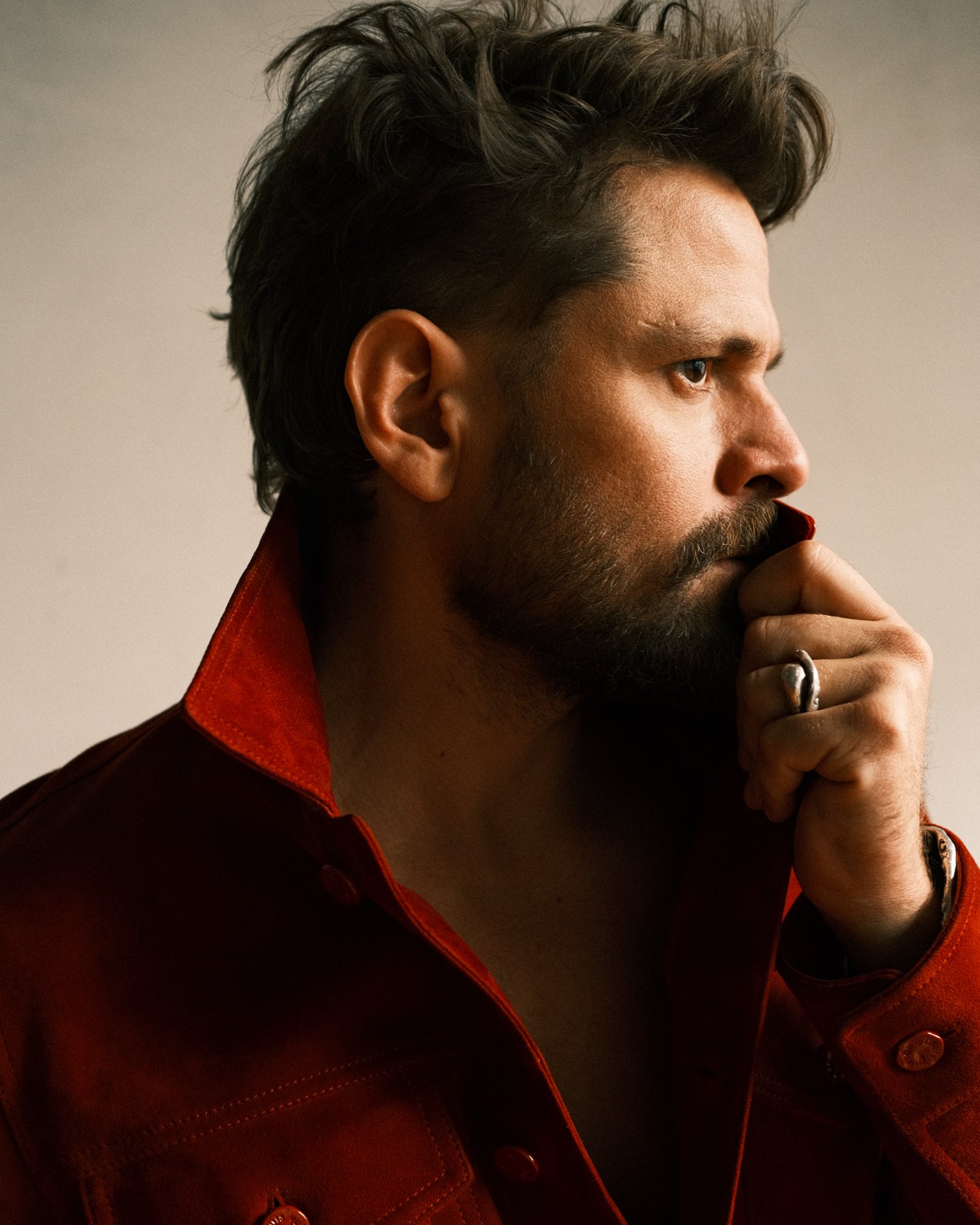
You recently joined the cast of the Prime Video series Tremembé for its second season, following the success and strong audience response to the first. As the series is based on a real crime and the people involved in it, was there anything you discovered through the filming process that changed the way you came to understand the story?
They are very heavy stories. I think Tremembé also works as a form of denunciation, showing how terrible these events were. Fiction based on real events can serve that purpose by showing what happened.
During the process, I discovered things that were even more difficult than what was portrayed. You come across details that are hard to digest while, at the same time, you have to represent a real person.
The research is very deep because you cannot portray something that is simply untrue. There are documents, medical reports, testimonies from other prisoners and family members. Everything has to be as faithful as possible to the material available.
You have worked across theatre, television, streaming and cinema, while the relationship between Brazilian audiences and audiovisual storytelling has changed considerably over the years. Do you think the way audiences see and relate to actors has changed along with the industry?
It has changed completely, especially after social media, Instagram and YouTube. People have screens in their hands and choose what they want to watch. Many people do not even turn on the television anymore or know who is in a soap opera. Today, many YouTubers are much more famous.
There is also another kind of respect. If you look at someone like Fernanda Torres or Wagner Moura, there is another level of respect from the public. There are different kinds of fame.
When I was growing up, famous people felt almost like aliens inside a box. You would see someone like Xuxa on television and that was it. There was this myth that these people lived somewhere completely separate from us.
That mythology has disappeared. Now the relationship is much more direct, and it is based more on admiration.
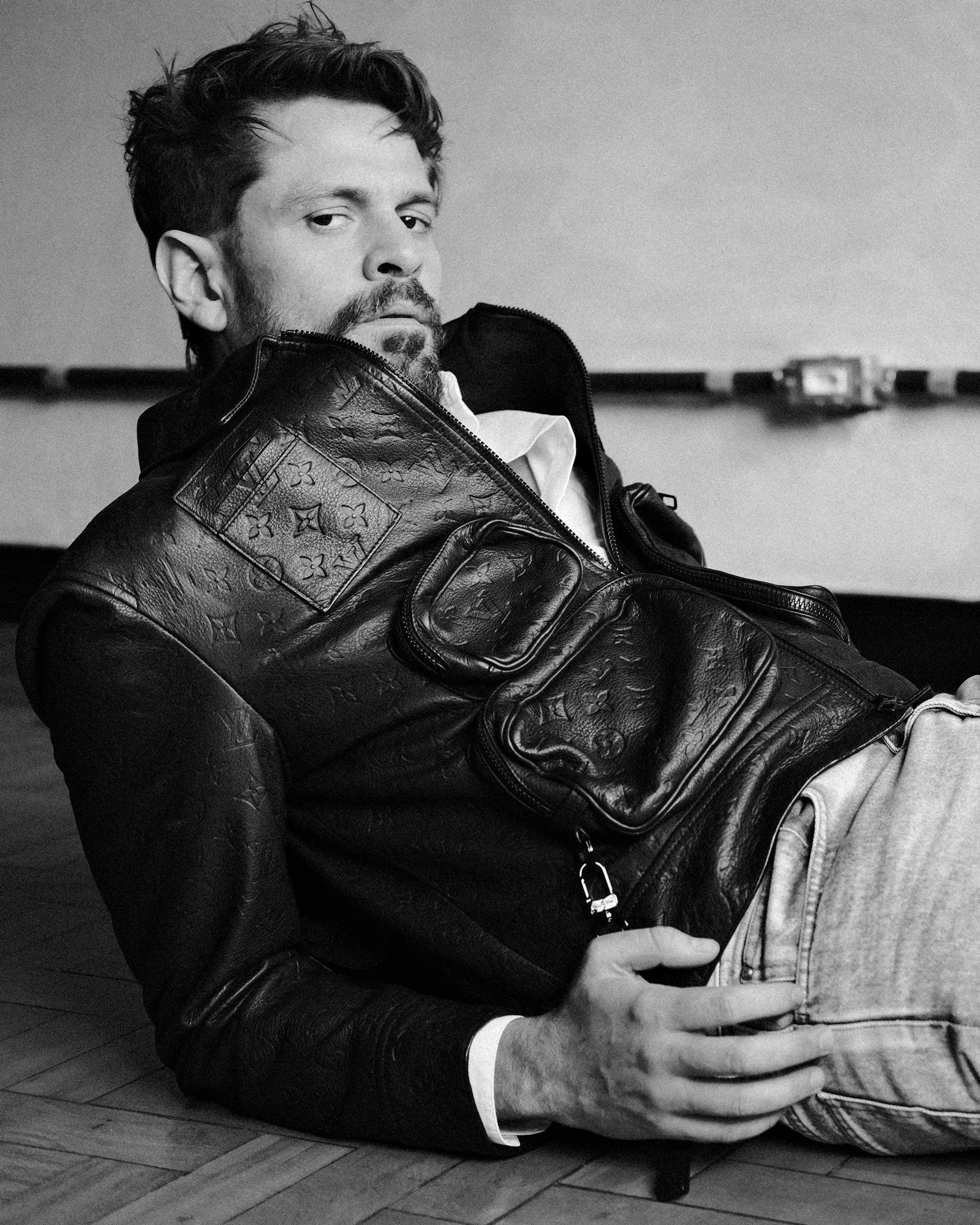
Outside of acting, what are the things that genuinely make you happy?
Being at peace. I did not always realise that. Life used to be very rushed, and I was always fighting for things.
I think being at peace in this crazy world is what makes me happy. Having my family close, being in nature, having a good text to perform and, above all, being at peace.
