
IN CONVERSATION WITH PANCRATIO
Interview by Samo Šajn
Rome born and Berlin based, Pancratio spent years shaping his sound behind the scenes before stepping into the spotlight with his own project. Rooted in house music and driven by instinct, emotion and a deep connection to the dancefloor, his recent releases have marked a new chapter in his journey. Following Love Letters and Automatic House, Pancratio now continues that evolution with his latest record, Be Yourself, on Faith Beat.
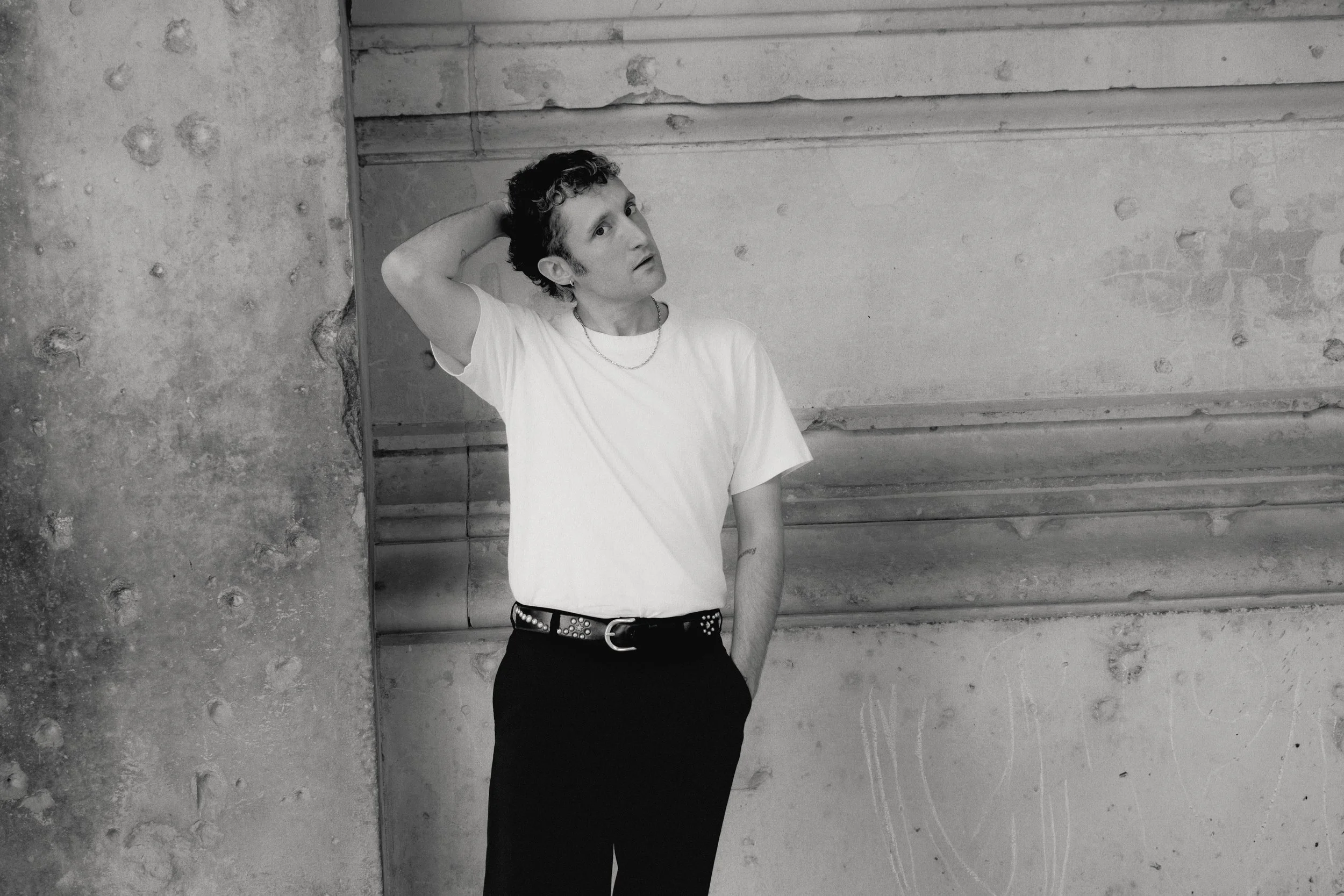
Looking at where you are today, with your music reaching new audiences after years of dedication, what would you tell the younger Gian who was just starting this journey in Rome?
I’ve been thinking about that a lot lately, haha. I’d tell him that being scared doesn’t mean he’s going the wrong way. I’d tell him to have the courage to trust his gut more. There were plenty of times when he wondered if he was doing the right thing, if he was good enough, if any of it would ever make sense.
I’d remind him to stay open, keep going and maybe not be too hard on himself along the way. More than anything, I’d tell him that I’m proud of him.
Your relationship with music started long before Pancratio. When did you first realise that music was something you wanted to dedicate your life to?
Music was there from the beginning. I didn’t grow up in a family of musicians, but there were just enough inputs around me to keep me curious. I was studying classical music on a few instruments, and my dad started coming home with pirate CDs from the early 2000s. Every CD was a surprise. That’s how I ran into the usual suspects: The Chemical Brothers, Aphex Twin, all that stuff.
I remember being super young, like eight, and asking my dad on the way to school to find me a “t e c h n o” radio station, haha. I barely knew what the word meant. All I knew was that whatever existed behind it, I wanted more of it. Then there were channels like MTV, Dance TV and All Music. I’d spend entire afternoons completely locked in on them.
I quietly became obsessed with those sounds. I wanted to understand where they came from and how anyone was even able to make them. There wasn’t really a moment when music suddenly became the thing. That drive was already there long before I had the words to understand what it meant.
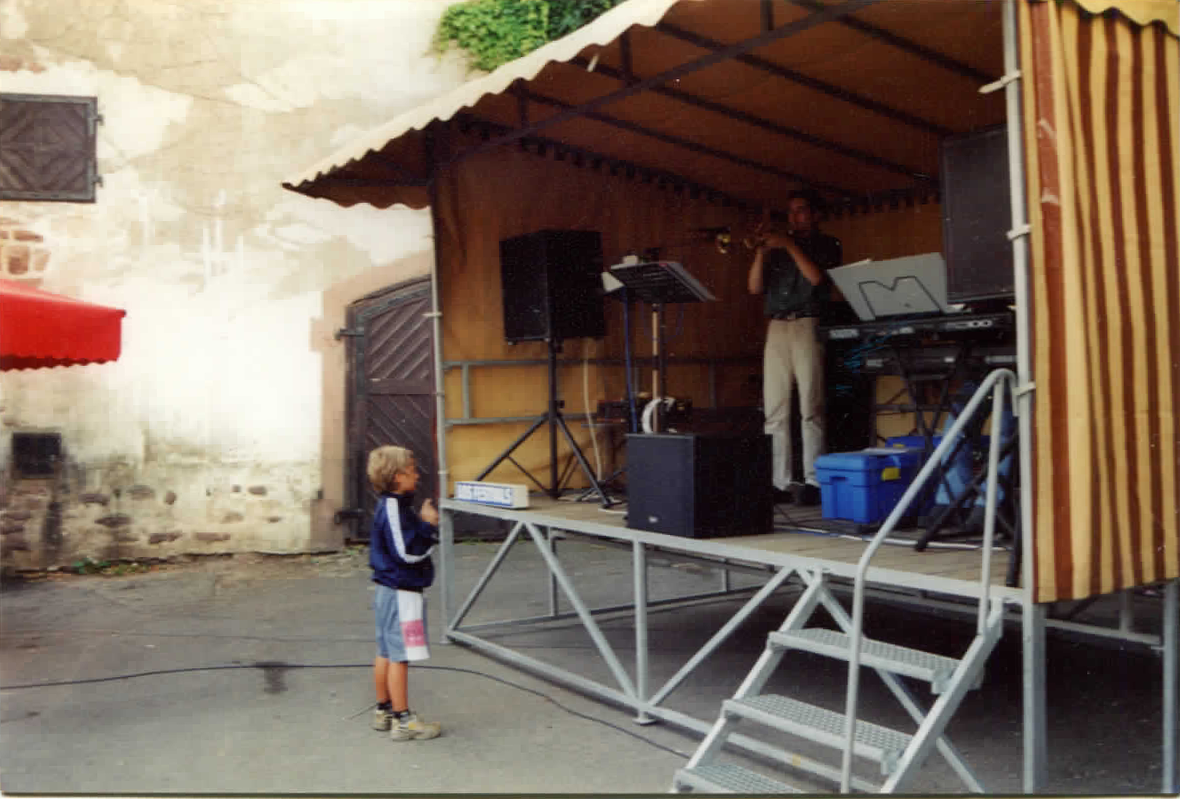
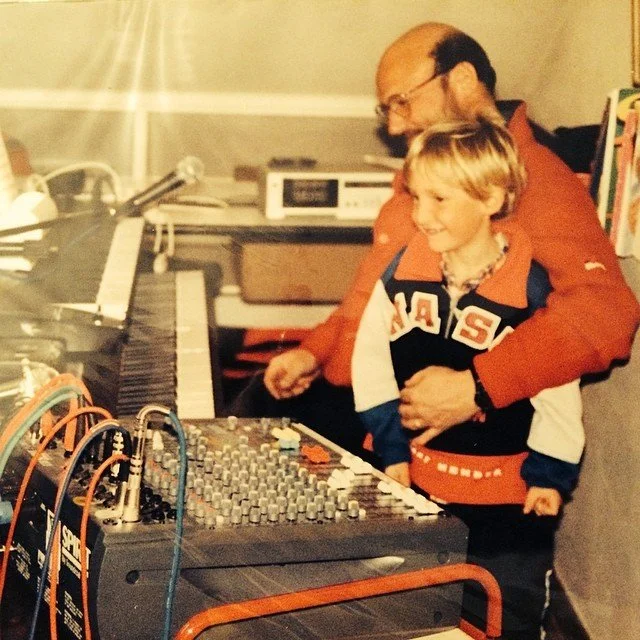
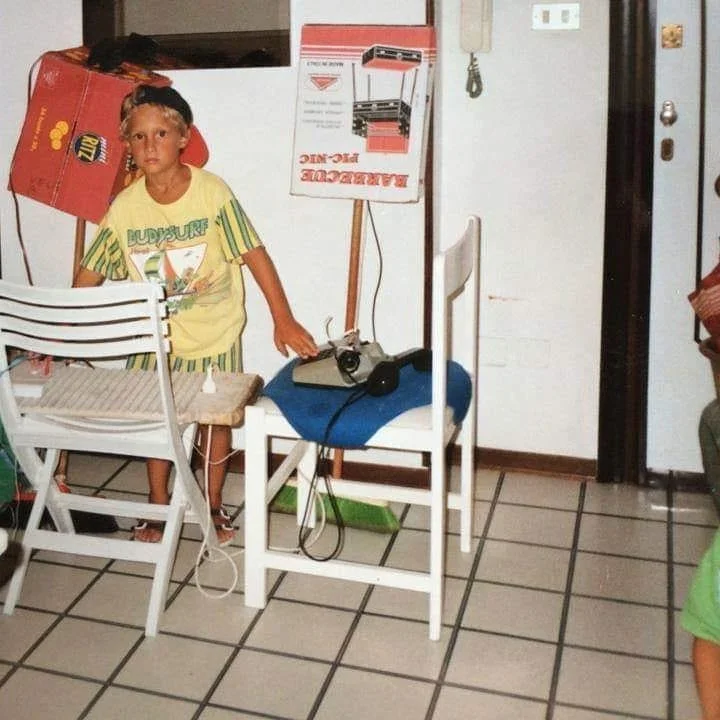
Before becoming Pancratio, you spent years working behind the scenes in production, mixing and mastering. How did that experience influence the artist you are today?
It was an essential, if not foundational, phase in my growth. Around 20, quite a few things had changed, and I suddenly had to become much more self sufficient. I needed to cover my own expenses, so I turned the skills I had built through music into an actual job. That’s how I started working in production, mixing and mastering. It allowed me to support myself while staying completely immersed in sound every day.
For years, I was constantly listening, fixing things and questioning decisions, trying to understand why something worked and something else didn’t. Working on other people’s music forced me to separate technique from taste and understand more clearly what actually felt like mine.
Most of what I earned found its way back into music anyway: records, instruments, equipment and learning new techniques. Even though I wasn’t focused on presenting myself publicly as an artist, I was constantly developing as one. A lot of what Pancratio is today comes from that period.
Moving from Rome to Berlin was a major turning point in your life. How did this change shape your sound, creativity and identity as an artist?
More than anything, Berlin gave me space creatively, musically and personally. I had spent years inside a very protected environment that could also feel restrictive. Stepping outside of something so familiar gave me the chance to hear my own thoughts, put myself to the test and slowly understand who I wanted to be through my own choices and experiences.
As soon as I got here, I could feel how much the energy of the city matched what I needed. People here think, act, create, struggle and rebuild themselves. There’s a particular emotional and spiritual charge that I’m deeply connected to. Around the same time, I reconnected with a friend who had been living here for a long time, and that summer we basically went to Berghain every weekend.
For years, I had been collecting information almost academically through records, equipment, conversations and research. Being able to experience Berghain and Panorama Bar so regularly, listen and observe, allowed me to put all of that information to the test. It confirmed a lot of things that were already part of my language, but also gave me completely new information.
Building a career in music often comes with uncertainty and difficult moments. What were some of the biggest challenges you faced while creating Pancratio, and what helped you continue?
The biggest struggle for me has probably always been confidence. I grew up in an environment where choosing an artistic path wasn’t really seen as a real option. What I kept hearing, directly or indirectly, was something like, “Choose something safer, something stable, something that makes sense.” Looking back, I understand that a lot of it came from fear and a sense of protection.
At school, at home and in other parts of my life, I often felt out of place, like I was speaking a language that nobody around me really understood. After a while, that got inside my head. I started wondering if maybe I was the problem. That was probably the hardest part: carrying that doubt for years and still trying to move forward.
What kept me going was still the music itself. Whenever I was feeling lost, I knew I could go back to it and feel grounded again. I doubted myself many times. I never really doubted music.
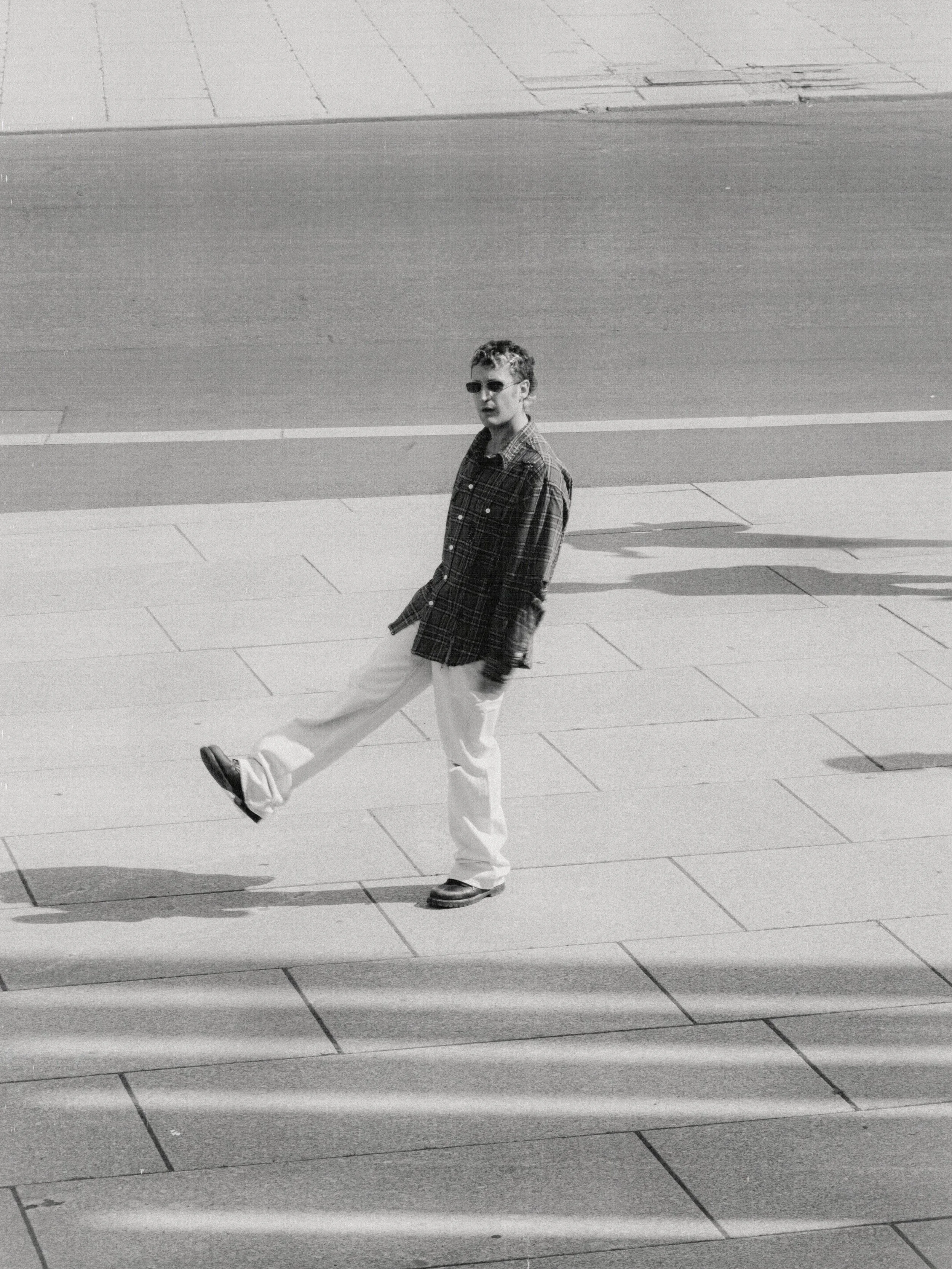
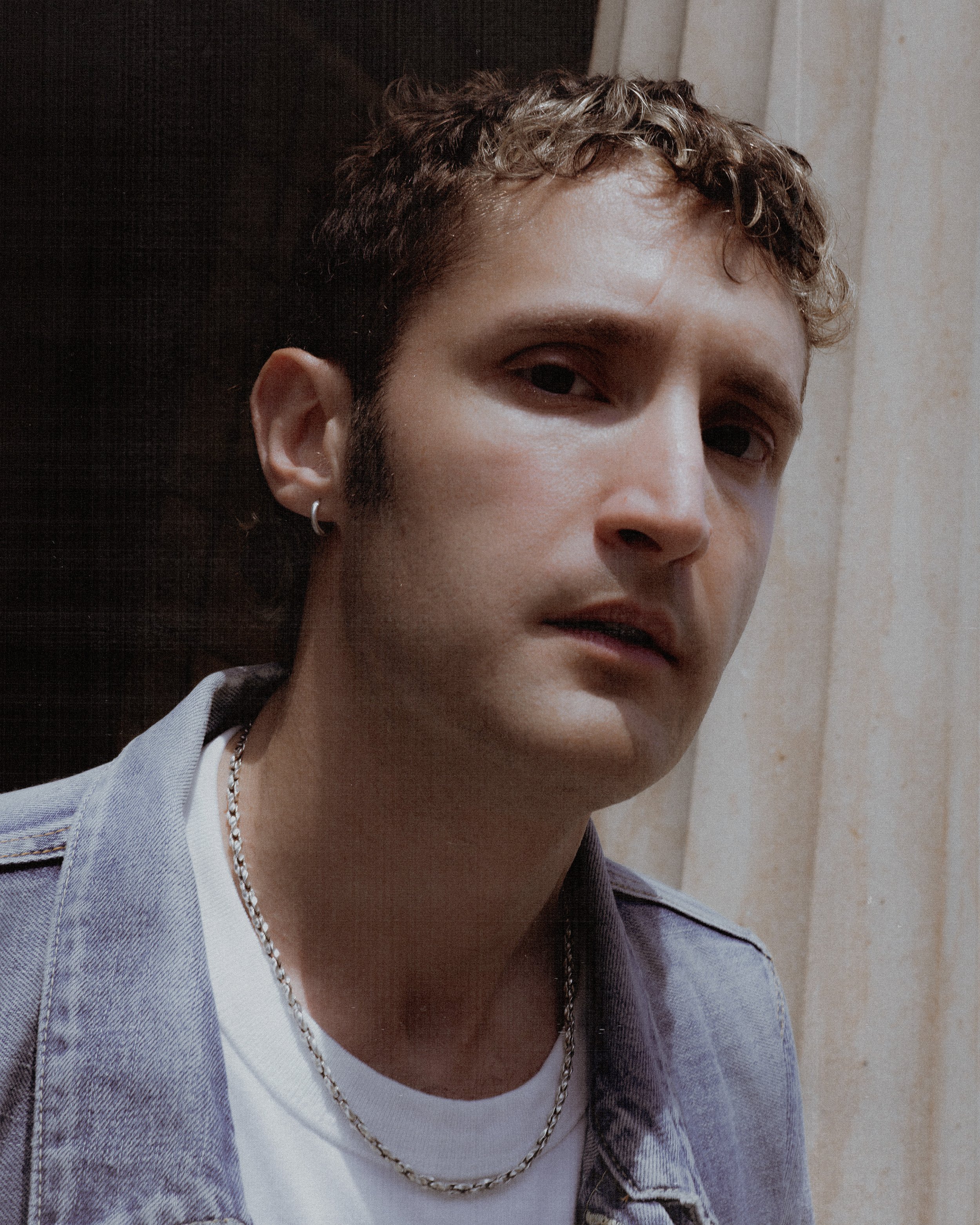
Your music has a strong emotional quality while still being deeply connected to the dancefloor. Where does that emotional side of your sound come from?
I think it comes from the fact that, apparently, I’m not very good at keeping my life out of my records, haha. Emotions, fears, questions, things I’m trying to understand, they inevitably end up in there. Music has always been one of the ways I process what happens to me. It has never been just entertainment. It has been curiosity, protection, communication, sometimes almost therapy.
When I play, I’m not thinking about making people empathise with specific emotions of mine. I just want to celebrate music. But dancefloors are places where we communicate through a different language. You send information through music, someone receives it and responds, and that response influences what you do next. When a whole room catches the same moment or shift, something really powerful happens. What you are feeling is suddenly not just yours anymore.
There’s an emotional and intellectual sense of collectivity that forms in that space. People recognise and understand each other without needing to speak. You stop feeling alone. You feel understood. I think that’s why dancefloors can be so deeply liberating, sometimes even therapeutic, and why they’re so important to me. But just like when you walk into your therapy session, it also depends on how you choose to be there: AH AH AH AH Are you listening? :)
You often work intuitively with analog equipment and allow ideas to develop naturally. How important are instinct and spontaneity in your creative process?
I function best when I can react to the music as it’s happening. That’s why I work exclusively with physical instruments. They allow me to build a narrative while I’m actually living it, reacting in real time to what I’m hearing and feeling. I can change direction, build tension or create space depending on what’s happening in that exact moment.
That’s something I find much harder to get inside a DAW, where the process tends to become more structured. That ability to react emotionally in the moment is essential for me.
I collect sounds, rhythms, textures and little fragments, and once I have enough material, I start combining them very instinctively, sometimes almost randomly. It’s basically a bit of matchmaking. Some things immediately belong together. Others clearly need to see other people, haha. Once I’ve found the colours that work together, painting the landscape becomes the easiest part.
Your new record Be Yourself feels like another important step in the evolution of Pancratio. In what ways does it reflect who you are today, both as an artist and as a person?
The title sounds simple, almost obvious. Living it is a different story. I’m learning how difficult it can actually be to “be yourself”, especially when you’ve spent a long time being afraid of other people’s judgement. And I don’t think it simply means accepting yourself and staying exactly as you are.
To me, it means seeing yourself honestly, accepting what’s there and, if there’s something you don’t like, having the honesty to work on it. Keep growing and maturing without building yourself around other people’s expectations. I don’t feel like I’ve arrived anywhere, but I do feel a little freer in the way I see myself and allow other people to see me.
Sharing something like this through a record is also a way of finding people who might recognise themselves in it. Almost like calling my people towards me. And so, Be Yourself, for me, is also about that.
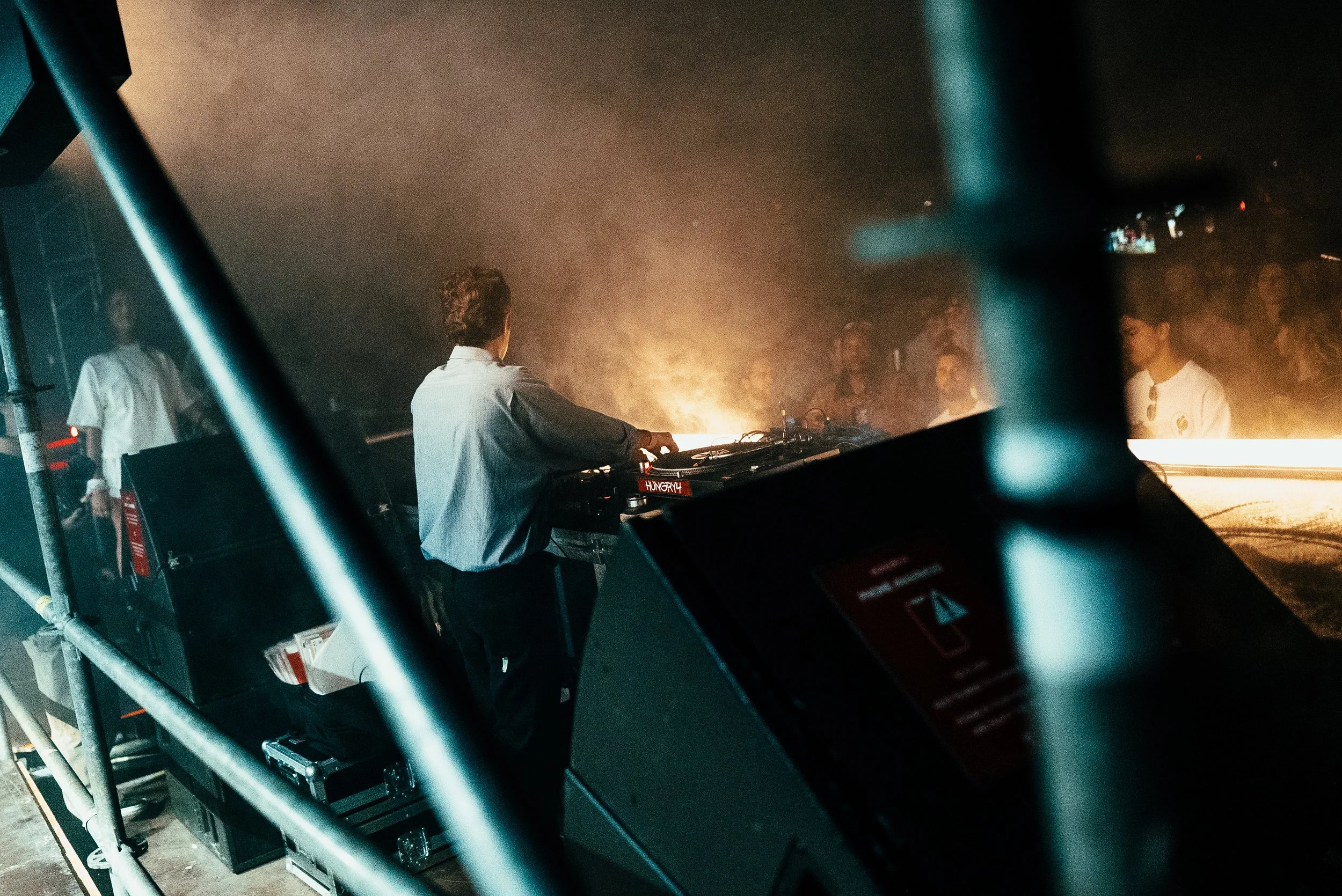
You have recently played some of Europe’s most respected clubs, including Robert Johnson and Panorama Bar. After years of working toward these moments, what does it feel like to finally experience them?
Terror, haha. At least until I get in touch with the music. Then I’m back in a place I know very well. I can observe, look around and read what’s happening while the music gives me a kind of protection. There was definitely a lot of pressure. I have huge respect for these places, and I’ve been preparing for moments like these for years.
Berghain and Panorama Bar represent something particularly important in my story. That place represents many of the things I love most about music: intensity, passion, depth, listening, interaction, wonder and discovery. It’s an energy I recognise very deeply and one that, in different forms, has been with me throughout my life.
Being able to play in places like Panorama Bar or Robert Johnson is a huge honour. The same goes for so many legendary clubs that have spent decades spreading this culture. Being part of that story today, even in a small way, means a lot to me. Every time, I still experience it a little bit like the first one.
As Pancratio continues to grow, what kind of artist do you want to become, and what do you hope people understand about the person behind the project?
Right now, I’m shaped by where I live, the people around me, the music I listen to, what I’m learning and what I’m going through. All of that naturally becomes part of Pancratio. But things change. The most important thing for me is to stay honest with who I am at every stage of my life.
Tomorrow I could be somewhere else, around different people, different sounds, different needs. I want to stay open to that without feeling like I have to hold on to one version of myself just because it worked before. I don’t know exactly where all of this will take me, and maybe that’s the part I like most. I just want to keep doing things in a way that feels honest and share the journey with whoever wants to be there.
So instead of telling you where I want to end up, maybe I’d rather ask: Are you willing to walk this road with me? Actually... watch over me, ’cause I’ll need it.
