
IN CONVERSATION WITH ALEX BROWNSELL
interview by MARIA MOTA
Alex Brownsell has always approached hair on her own terms, turning colour into identity and rules into something worth bending. Co-founder of Bleach London, she helped revolutionise the industry, shaping trends, campaigns, and a generation of rising talents. Fifteen years on, Alex Brownsell has become a household name in the industry, and the salon remains a hotspot for creativity, specialising in all things colour. In this interview, she reflects on early memories, the chaos and creativity of Bleach’s early days, and why hair remains her favourite way to tell a story.
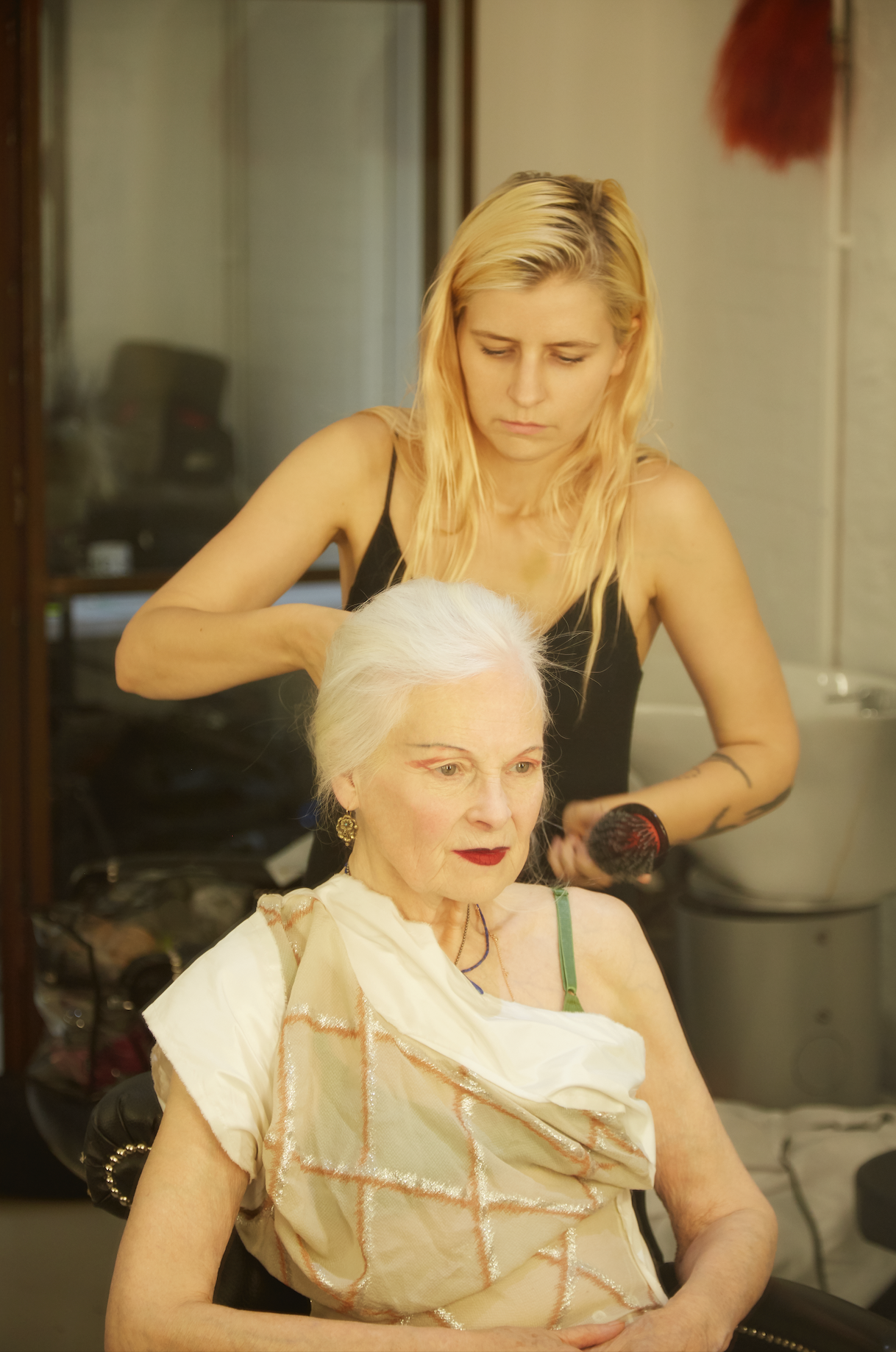
You started helping your mum at her salon from a really young age, so you had that hands-on experience early on. Then you moved a bit into on-set productions — how did the opportunity to assist on your first shoot come about?
It happened quite organically. I left home and moved to London when I was sixteen to focus on hair full time, and I finished my training at the popular salon Hershesons. My boss Daniel was working on shoots, and so were lots of the clients and people I met in the salon, and also clubs, parties, etc.
I’d been used to living in a village, working on the same locals every week, so I couldn't believe how many photographers, stylists, models, and makeup artists were there just hanging around all the time. I think one day an assistant dropped out last minute, and I filled in.
As someone who began their work in the industry at a young age, what was that experience like for you? Navigating fashion sets, fashion people, and all the pressures that come with it.
It was intimidating at first. I was young, coming from the middle of nowhere, and I hadn’t even finished school. But it also felt like home very quickly. The fashion world can be intense, but there’s so much creativity, energy, and some amazing people, amongst the less amazing ones. Although I learned to read the room, stay adaptable, and trust my instincts, I still take things personally and get nervous to this day.
How did you find the industry and the on-set dynamics different from a salon?
A salon is intimate. You build relationships over time, and there’s a rhythm to your day. On set, everything is transient and high stakes. You have to deliver quickly while balancing personalities and expectations. Instead of focusing on one head of hair, you’re contributing to a whole group of people coming together to create a bigger picture. Fashion sets are also the only places where people aren’t allowed to have opinions about their own hair, haha.
Can you share a memory from one of the first shoots you assisted on or one of those early moments when you stepped into the industry?
I remember in one of my first shoots the model Lily Cole was on set, and she was the same age as me, we were both teenagers. We bonded over the fact that we were reading the same Harry Potter book, which really settled my nerves.
Another early shoot was with Lyndell Mansfield, whom I was assisting, shot by Matt Irwin, and with Georgia Jagger as the model. Lyndell and Matt are no longer with us, but both taught me everything I know. And Georgia, who I met that day, ended up becoming one of my best friends and my business partner.
Let’s talk about Bleach. How did the idea first come alive?
Bleach started as a kitchen experiment, really. I was doing unconventional colors for friends like dip-dyes, pastel ends, platinum blondes, and it grew through word of mouth. Eventually, in 2010, I opened a tiny space in Dalston, tucked into the corner of Wah Nails (which kickstarted Sharmadean Reid MBE’s career), and we called it Bleach London. Our goal was to make hair colour feel as creative and expressive as makeup or fashion.
Around the 2010s, hair dye was such a cultural statement. The marshmallow tones, the King Kylie era, Tumblr aesthetics… What was it like being at the forefront of that movement?
It was wild! We didn’t set out to start trends, we were just reflecting the people around us, kids like us who were painting their hair with random household dyes and posting it online. That era ended up being such a defining moment for visual identity. Colour became a language, and the internet replaced traditional media.


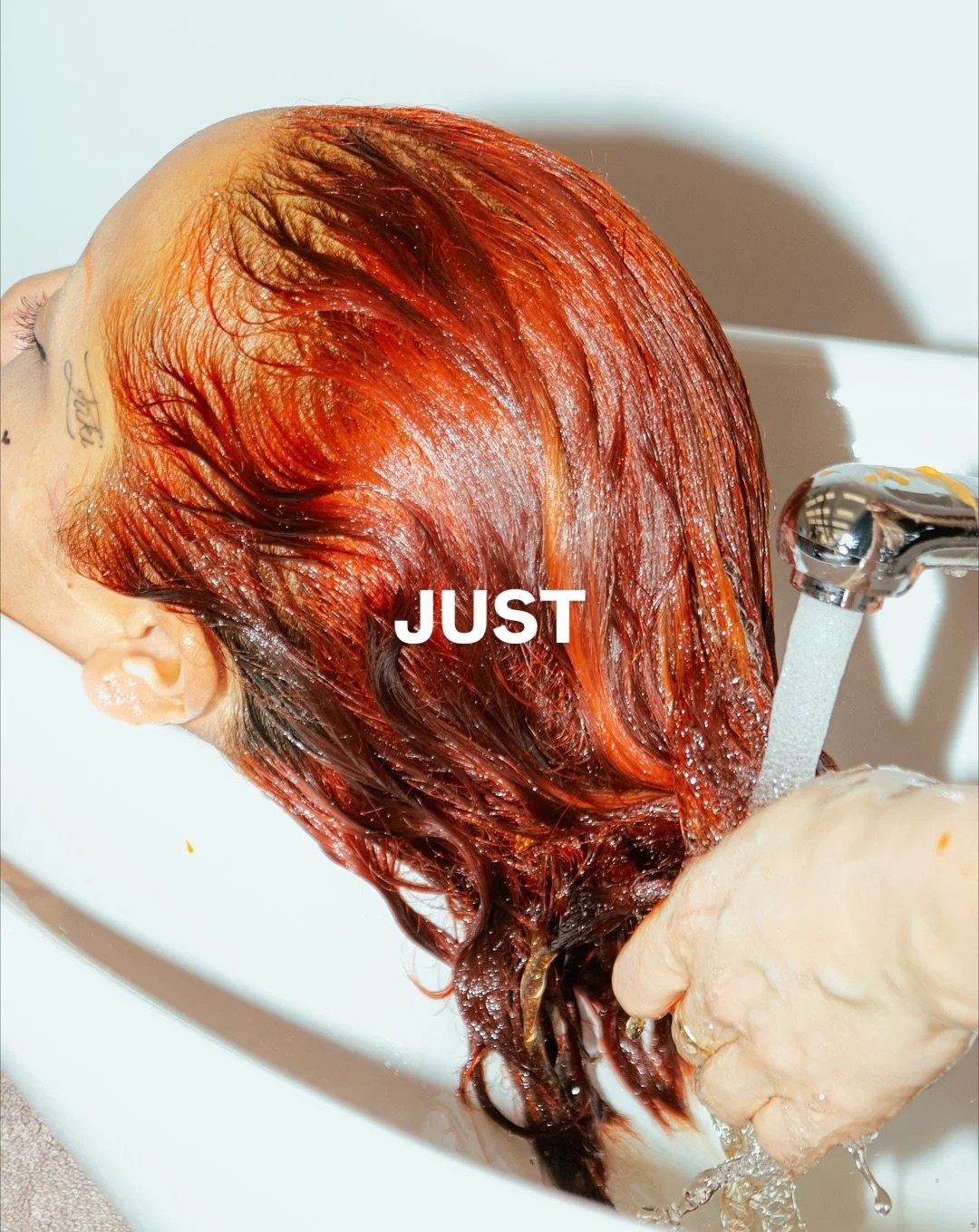
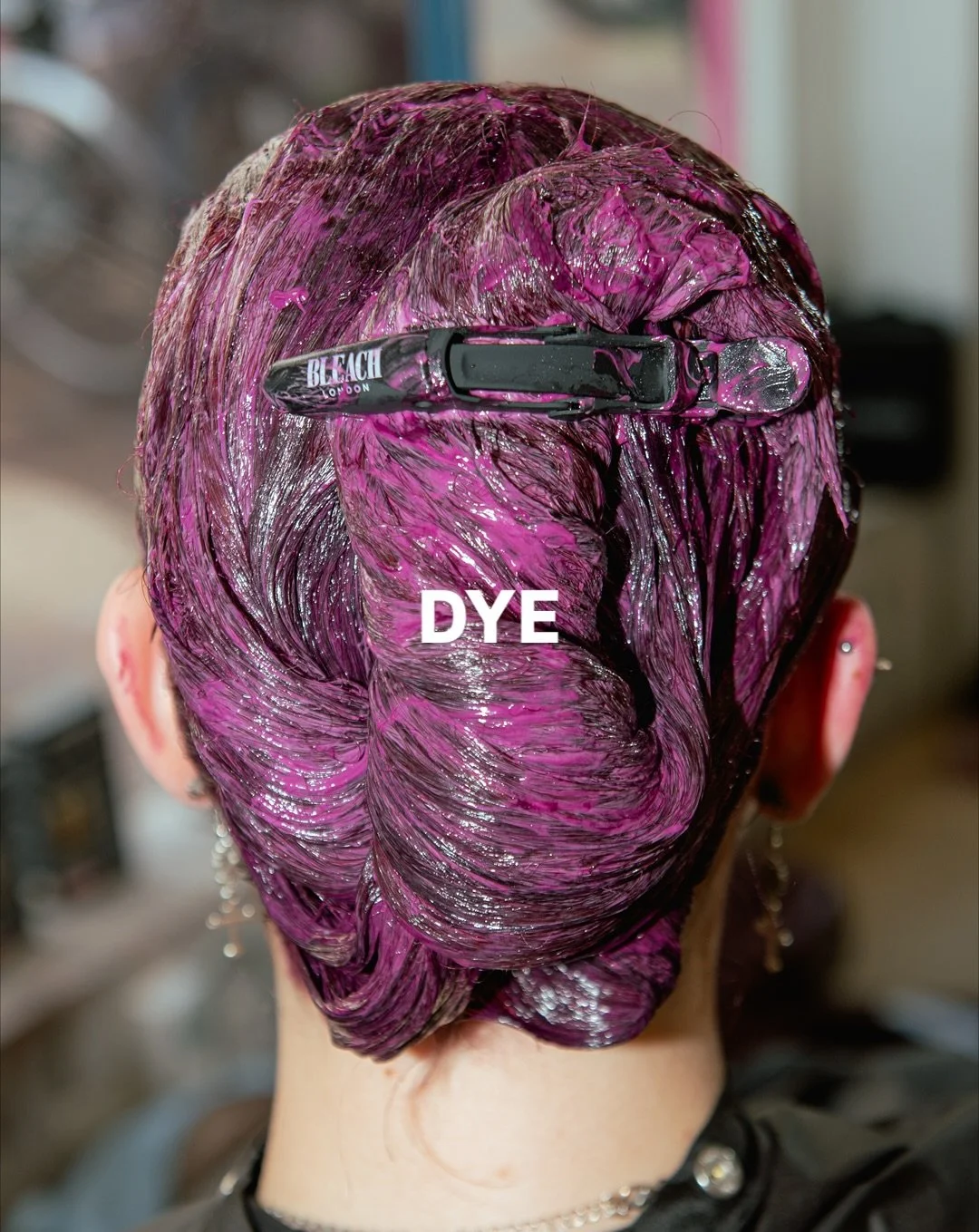

all images via instagram @bleachlondon
Bleach blew up for pushing looks like dip-dye and silver-grey way before they were mainstream. How did those early signature techniques come about?
They came from experimentation. We were bored of traditional highlights and wanted something fresh, grungy, and imperfect. Dip-dye came from splitting one bottle of dye between four or five people. Silver grey was just the logical result of toning out the yellow from blonde until there was almost no blonde left. We weren’t consciously breaking rules, because we never had any to begin with.
Instagram and Twitter were huge back then, not in the same way they are now, but in this really specific, influential moment for internet culture. How did social media shape Bleach’s rise?
Looking back, social media was almost like rocket fuel. Suddenly, people’s salon and session work was being seen all over the world by teenagers in Japan, Paris, or Mexico City. For the first time, it gave colourists a platform beyond industry hair magazines. We were documenting everything, not as marketing, but as part of culture, and it resonated with people who felt the same way.
Can you walk us through the first five years of Bleach? The highs, the chaos, the learning curves…
It was pure chaos in the best way. We were basically a group of kids running a salon that felt more like a night club. We’d do hair in the middle of the night, have bands playing, models popping in between shows. Doing the first hair colours for Florence Welch, Sky Ferreira, and so many more. The highs were incredible, but the learning curves were steep. We made mistakes, learned fast, and somehow ended up with a global brand.
You’ve created iconic looks of so many people. How is your relationship with your own hair? Do you have rituals you stick to or any must-use, must-dos?
My own hair is usually the last thing I touch! It’s a bit of a mess, but I don’t mind that. When I do treat it, I use our Reincarnation Mask religiously. It’s the one thing that keeps it feeling soft and alive after years of bleach and colour. I got married recently and grew my roots out for almost a year before bleaching them again the week of the wedding.
What’s one hair job, whether for a person, campaign, or shoot, that you’re especially proud of?
There’s loads. One which will always stick with me is FKA Twigs’ first i-D cover when we wrote the word ‘Love’ using the hair of her fringe. Recently all my colour work with Hedi Slimane at Celine felt very special. It was an amazing team who spent many years working together and building up a great rapport.
Trends in beauty evolve incredibly fast. We’ve gone from rainbow hair to clean girl minimalism. How have you adapted to that shift without losing your edge? And how do you see the cultural role of hair today?
For me, it’s always been about individuality over trends. Whether it’s neon streaks or soft tonal shades, it’s about giving people the tools to play. Hair colour is a part of identity and a form of self-definition. Today, even the minimalist approach is expressive. The role of hair in culture is still massive, whether it’s a pop star launching a new era or an actor or artist redefining their style. Together with clothing, it’s our most visible form of storytelling.
What’s something about the hair industry that people from the outside rarely understand?
It's deeply emotional, for the stylist and the client. You’re not just changing how someone looks, you’re taking responsibility for how it will make them feel. Hair is a conversation about identity, confidence, and creativity. That’s why people come back to it again and again. Get it right and you can change someone’s whole perspective, get it wrong and you can ruin their year haha.
Early call time or late-night finish?
It’s usually both, but late nights are when the best ideas happen.
Messy look or sleek hair?
Messy. It’s who I am at heart.
Dip dye or ombré?
Dip dye forever.
Tumblr hair inspo or TikTok hair hacks?
We were born on Tumblr, but made on TikTok lol.
Blowout or messy air-dry?
Air dry, texture spray, and a prayer.