
IN CONVERSATION WITH ALEXANDRIA RILEY
interview by JANA LETONJA
With a quiet intensity that lingers long after the screen fades to black, Alexandria Riley steps into a defining moment in her career with the upcoming season of Silo. Having evolved from a series regular into the show’s central antagonist, her character Camille now stands in direct opposition to Rebecca Ferguson’s Juliet, anchoring one of the series’ most anticipated narrative arcs. Adapted from Hugh Howey’s bestselling novels, Silo has become one of Apple’s most globally successful serie. Its return marking not only a continuation of the story, but a significant turning point for Riley as she takes on a role defined by complexity, power, and psychological depth.
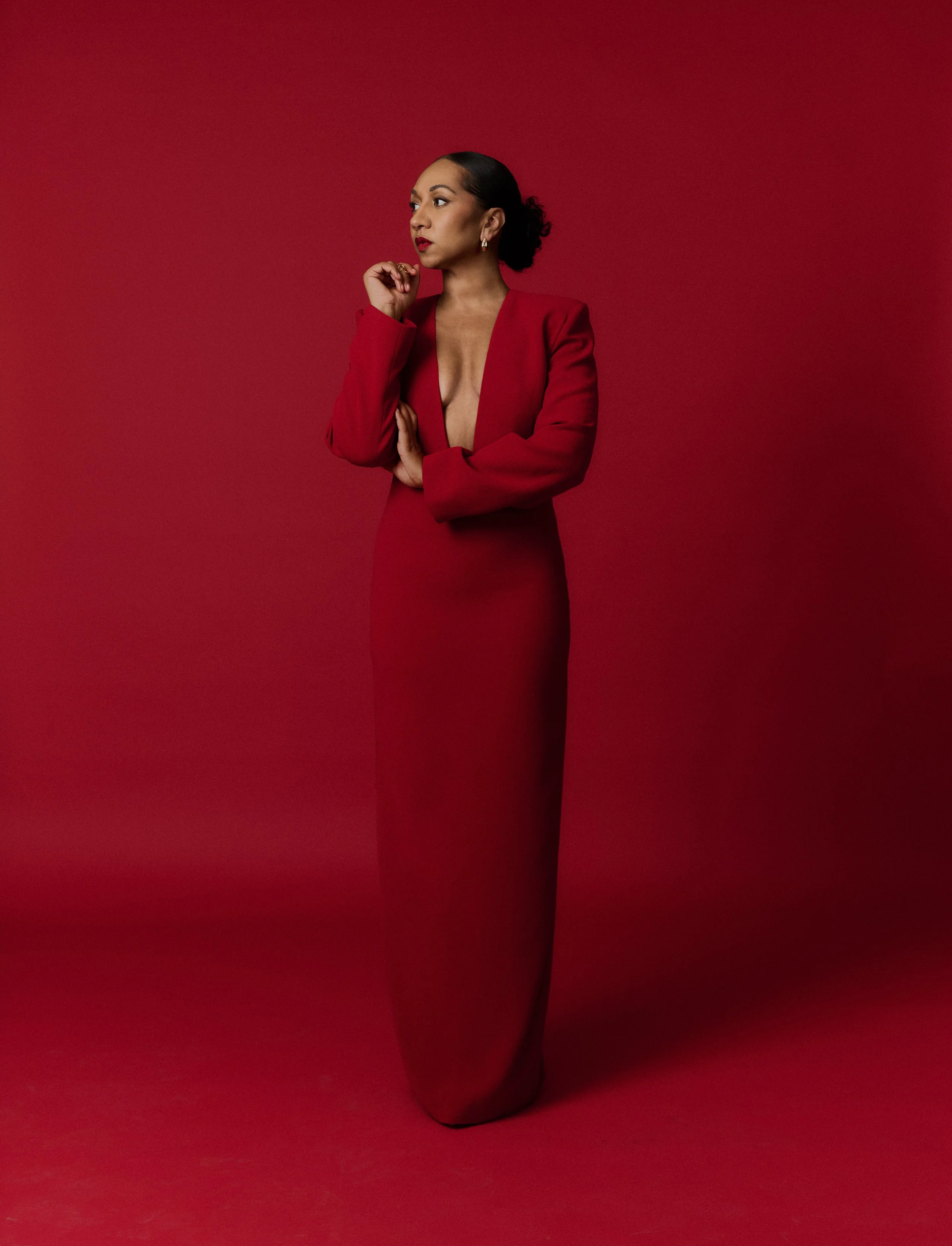
Moving from a series regular to the primary antagonist is a major shift. How did you approach that transition?
I approached that transition with whole heap of fear first of all. I felt I was being trusted with a huge task, which was incredible and I didn’t want to let anyone down. I always try to approach every role with the same focus and intention. Whether it be one scene or an entire series, I’d like to think that the same amount of commitment and energy comes across. I love delving into characters, so when Camille’s story expanded, it gave me a great opportunity to dig deeper into who she was and how she would approach the various situations she was thrown into.
What can you share about Camille’s evolution in this new season of Silo?
I can’t say a whole lot as I don’t want to spoil it, but, Camille definitely goes through it this season. She’s faced with seemingly impossible decisions which often test her morals and strength. We really get to see what she’s capable of.
Did stepping into a more central role change your relationship to the story as a whole?
I think I got a little more protective of the story for sure, from the stand point of me wanting to make sure I got it right, and do it justice. Having a more central role also allowed me to build more of a relationship with the other characters. Camille had mainly remained in her family bubble to this point, so most of the interactions were with Sims and Anthony. But what was nice about this season was being able to explore the different dynamics with other characters of the Silo, and the world of the Silo itself.
What aspects of Camille’s psychology were most important for you to explore?
I was really interested in exploring Camille’s inner turmoil, and the effects that had on her physically and mentally. So far, she’s been quite a measured individual who’s always seemed a few steps ahead of the game, which I love about her. But to see her thrust into something that challenged that was exciting. She quickly goes from being in full control to having the rug pulled from under her.
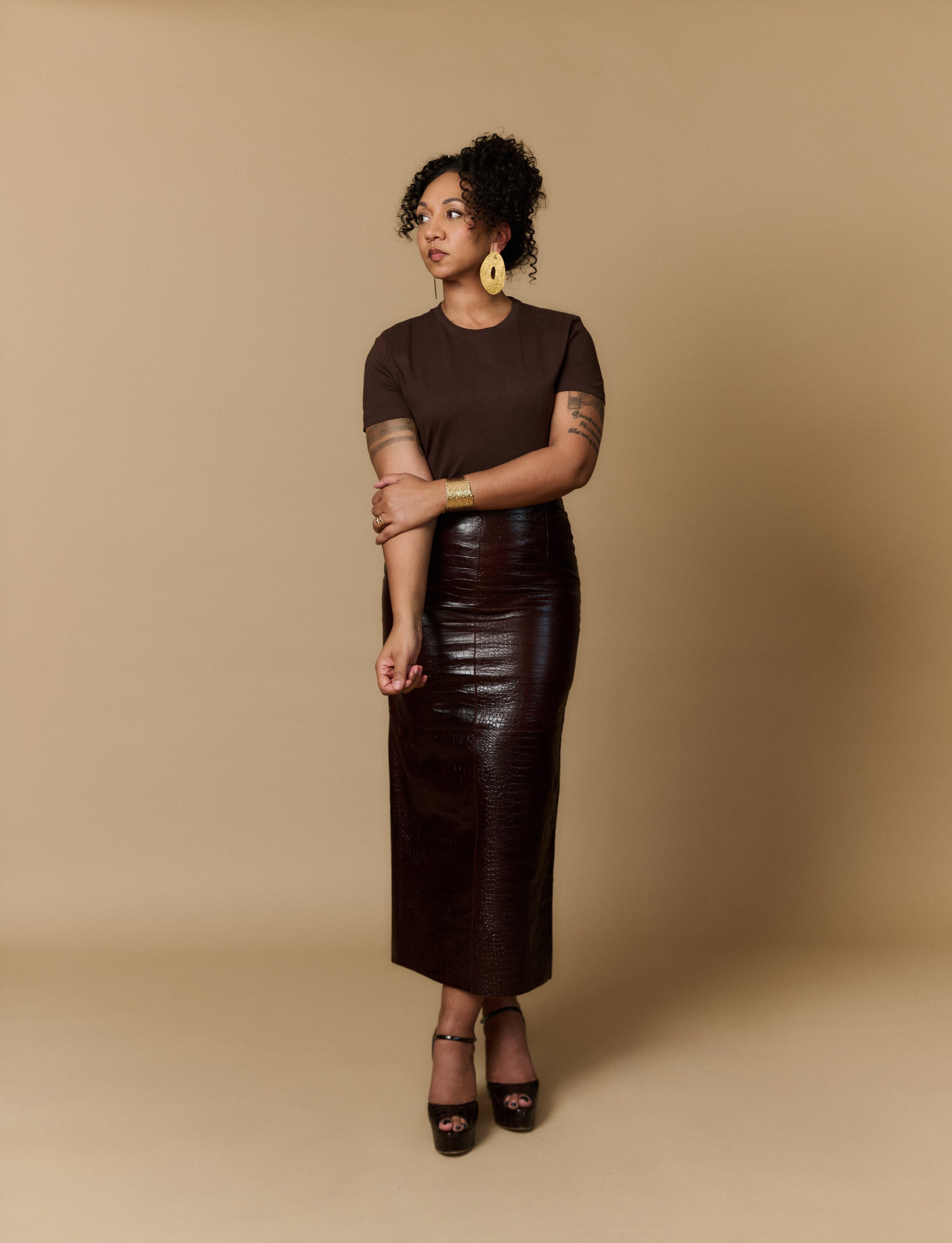
Silo has such a distinct atmosphere. How does that environment influence your performance?
Well, first of all, it’s very dark, so everything feels a bit tense and heavy, which lends itself really well to the drama. But the entire design of the set is just incredible, and so vast, so you get completely swept up into that world. You’re completely “in” it.
With Silo becoming such a global success, how has this role impacted your career so far?
It’s been nice walking into meetings and having the casting team recognize me from the show and say how much they enjoy it. But, I don’t think anything has changed dramatically really. I’ve been invited to a few posh parties.
Are you consciously seeking roles that challenge audience perception?
I think that’s a common aim for any art form. Seeking to challenge and provoke. To be a part of something impactful. But I just love to perform as a whole. Taking on new characters and stories. You learn something new from every role.
As your career enters this new phase, what kinds of stories are you most interested in telling?
Every story is interesting to me, but I think I’m drawn to playing relatable characters in challenging situations. Ordinary people navigating the complexities of life. Showing the contrast between the beauty and the ugliness that comes with that. It’s important to me to portray characters that audiences can connect and identify with. Knowing someone feels represented by the character and their story is important to me.
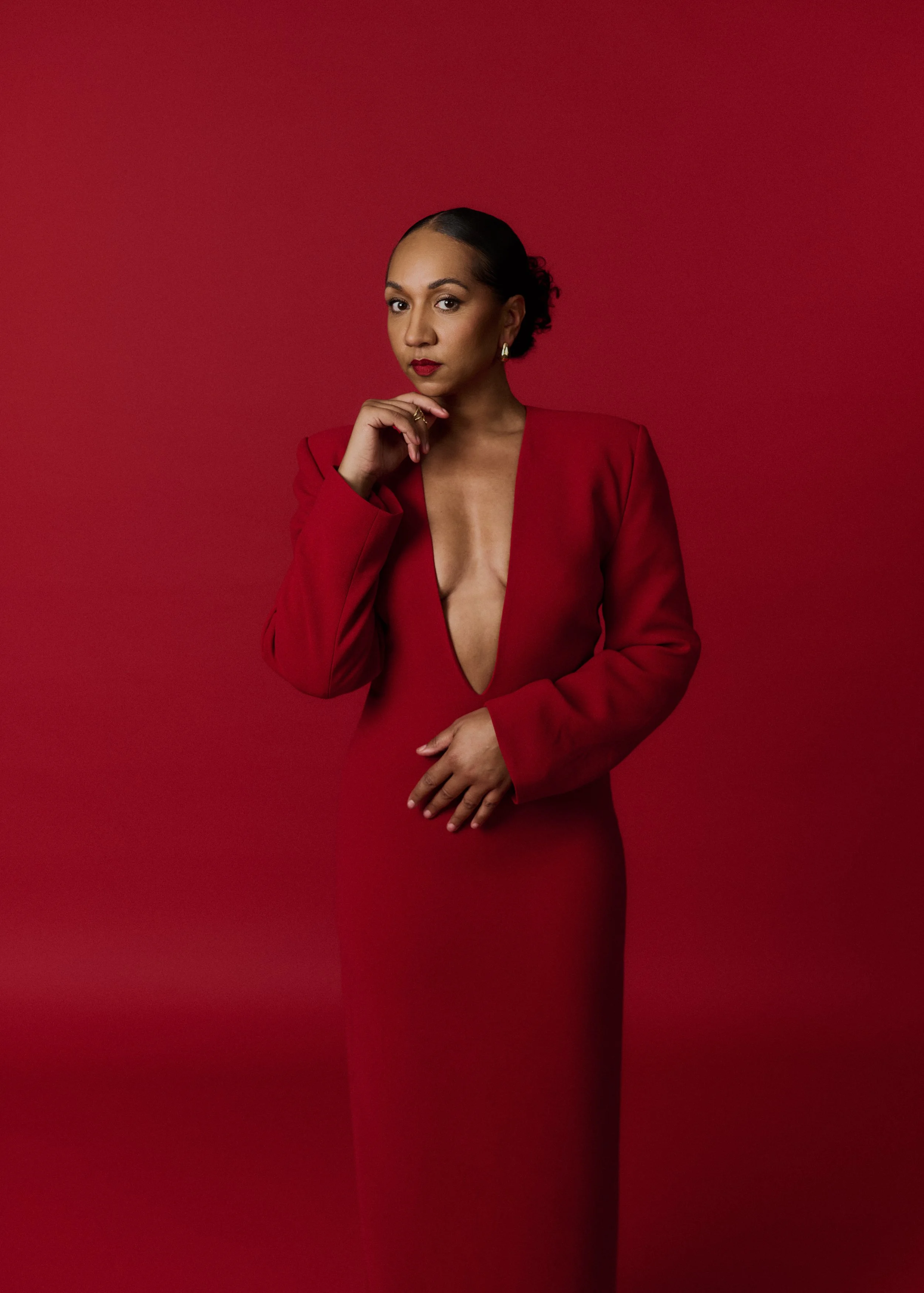
Do you feel this moment represents a shift in how you see yourself as an actor?
For the majority of actors, that feeling of “imposter syndrome” never goes away. So, when I started Silo, I was petrified. The caliber of the cast was so intimidating to me. I just thought “What am I doing here?” I was kind of doing the thing that scared me in a way, which can be quite a satisfying feeling. It’s given me a bit more belief and confidence in myself for sure.
Outside of acting, what keeps you fulfilled?
My family. Being at home with my loved ones is the most comfortable and enjoyable place for me.
TEAM CREDITS:
photography PIP
styling HARRIET NICHOLSON
hair and makeup BIANCA SIMONE SCOTT
