
interview by TIMOTEJ LETONJA
Alfie Barker is a writer and director, born and raised in Leeds. He grew up making short films with his dog and continued to pursue this passion without ever getting a formal education from a university. His work often shines a light on social stories that are normally centred around community, delivering powerful messages. His picture scored him an award for Best British Short Award and a nomination for Best Short Film Award at TIFF. He is a previous BFI Future Film Award winner, Sundance Ignite Finalist, and Berlinale Talent 2024. He is currently developing his latest project, THE ZEBRA, which earned him the win at the 2026 Dream Makers competition. Inspired by a true story, the short follows Andrew, a kid who becomes so obsessed with zebras that he manages to convince his mum to keep a real one in their house.
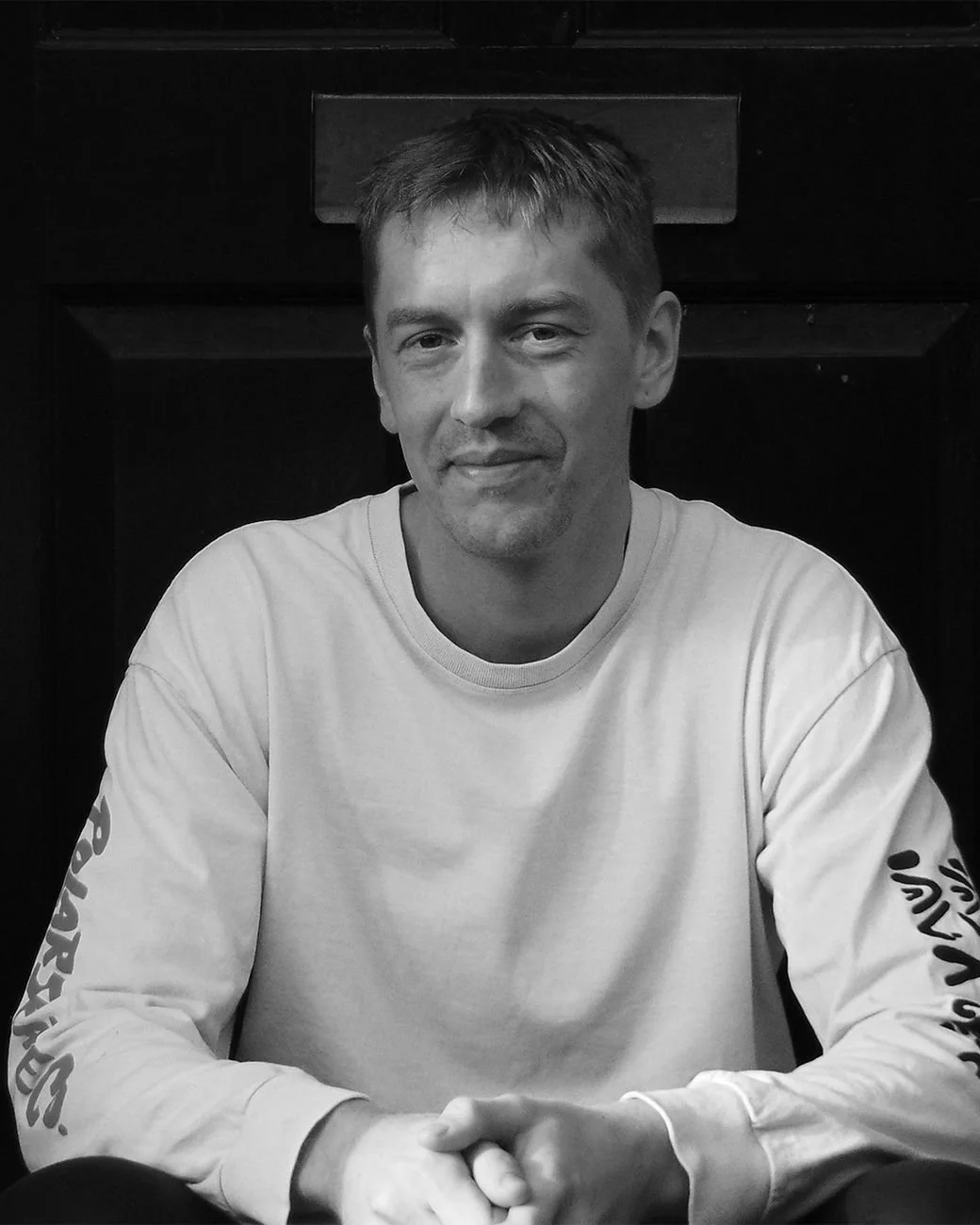
image courtesy of BERLINALE TALENTS
The Zebra is inspired by a true story, yet conceptually absurd — a zebra inside a house. How did you calibrate tone between emotional sincerity and surreal comedy?
It is obviously inspired by a true story, but the zebra itself — that idea — is a kind of fantastic visual retelling of what actually happened. The reason for using the zebra metaphor is to get young people to watch it more than anything. It’s a film about hope and belief, about dreaming outside your circumstances. Young people will see this young person on screen, and a zebra — and young people like animals.
What first attracted you to this story — the psychology of obsession, the family dynamic, or the visual audacity of the premise?
It was the learning. For me, it’s a positive story. When I first heard about it, I thought, okay, that’s quite interesting — but it’s a story I’ve seen before, or it’s been told in a certain way. I was thinking about it for a while, and later I came up with the idea of the zebra. As I dug deeper, the emotional family dynamic came out through interviews. It’s also a film about feeling different.
The character of Andrew is fascinating, but it’s the mother's complicity that really brings out an intriguing element to the dynamics. What does her decision reveal about the parental love versus enabling fantasy?
I think positioning the audience to feel that it’s absurd is what I’m trying to do — to make it feel, from the outside, like a crazy idea, which it is from that perspective. By placing the audience there, then revealing what it’s actually about at the end, we understand the mother’s journey and her decisions throughout the film. It’s a mother-son story about hope and going against the odds of what the community around you tells you to do.
The characteristics and the psychology are really intriguing to me. Are you interested in obsession as a metaphor or artistic ambition?
It’s the artistic ambition side for me. When you fall in love with something… I see myself in this story as a filmmaker. The idea of following art and being obsessed with it when I was younger is definitely connected. This story is about music, but it’s really about access to the arts as well.
I'm also interested in your career trajectory. As a Sundance Ignite finalist and Berlinale talent, how have these labs influenced your development process as a creative in the film industry?
Going to those labs, you meet people from different countries, backgrounds, and perspectives. It’s about building community. The best thing I’ve got out of it is discussing my work and hearing theirs — discovering what stories are universal, what travels. It’s always interesting hearing what resonates with people outside the bubble I live in, in the UK. I live in Leeds.
You're currently developing your debut feature. Does The Zebra signal thematic direction for your long-form work?
I believe so, yes. I’m very interested in telling films using magical realism or surreal visuals that hold a social truth underneath.
Growing up making films with your dog instead of going to university suggests a DIY ethos. Has the scrappiness stayed with you?
It has. I even put it in my bio.
When I go to events and people say they studied at amazing film schools, I didn’t have that. I’ve done labs, but that was my film school. The scrappiness is definitely still there. Every filmmaker is a little scrappy; every creator. I remember leaving school and thinking I never wanted to go back. I learned so much by actually just doing it. Schools can give you tools — cameras, crews, technical education, and industry understanding. But you can’t teach creativity. Those ideas come from life. Creativity is within; you just have to awaken it through experience.
What does being named the winner of the Dream Makers 2026 represent at this stage of your career?
It’s huge. I’ve made a few short films and I’m in that in-between stage, developing my first feature. This feels like a step up — between short and long form — with more money and the ability to realise exactly how I want to make the film, rather than compromising. A big part of The Zebra is that we need a real zebra. There have been meetings with producers where people suggested not having one. But we need the real animal, otherwise people won’t believe it.
There isn’t much funding in the UK that can fully support my vision. So this is huge. There’s also mentoring — working with people in the industry who can guide me and hopefully make the step to the feature smoother.
What kind of filmmaker do you hope to become? Formally, philosophically, and politically
For me, filmmaking is about finding new visual ways to tell social stories. I hope to bring in audiences who wouldn’t normally watch social films.
If I shot them as traditional kitchen-sink dramas, there’s an expectation. But if you put a floating person on the poster, or a zebra, it brings in a new audience — and maybe delivers the same message.
Do you think young audiences are more interested in these kinds of films, or still drawn to blockbusters?
I think they are interested, but when there’s so much going on in the world, sometimes you want escapism. I love those films too. But if you can blend the two — make it light, funny, entertaining, and still carry a strong message — that’s the best kind.
I wonder after yesterday’s win, what is the next step? Where do you begin making this film?
I’ve got to make the film. I already have the zebra in mind. His name is Chad — he was in a George Michael music video a few years ago. Honestly, the best performance I’ve ever seen. We need him.
Now it’s about logistics — visual effects, studio work, bringing the team together. It’s a journey. It’s a dream come true. It’s unheard of to receive this amount of money for a short film. I’m just going to enjoy the process.
You've screened at major festivals from TIFF to Clermont-Ferrand. How has the festival circuit shaped you and your creative confidence?
I came into filmmaking through the Leeds International Film Festival when I was about eight. I used to programme European independent cinema. Film festivals are how I found film. They’re an amazing celebration and opportunity to watch films. They’re inspiration. They’re also crazy places. I don’t always feel confident there. Filmmaking is lonely, and then suddenly you’re surrounded by hundreds of directors. But it’s reassuring to know we’re all alone making these projects — and yet we’re all doing something. And yes, social capital’s also a part of it, as networking helps as well.
