
IN CONVERSATION WITH JADE
interview by JANA LETONJA
Global pop powerhouse JADE is closing the curtain on her breakout solo era with the deluxe release of her debut album, THAT’S SHOWBIZ BABY! THE ENCORE. Following the massive success of THAT’S SHOWBIZ BABY!, which scored the biggest opening week for a debut album in the UK in 2025, the expanded edition adds eight additional tracks. The project builds on the momentum of smash singles like Angel Of My Dreams, the genre-bending hit that launched JADE’s solo career and earned her the BRIT Award for Pop Act. With over 300 million solo streams, acclaimed festival performances from Glastonbury to Montreux, and a global tour underway, JADE’s debut era has been a bold statement of artistic independence, and THE ENCORE serves as its triumphant final act.
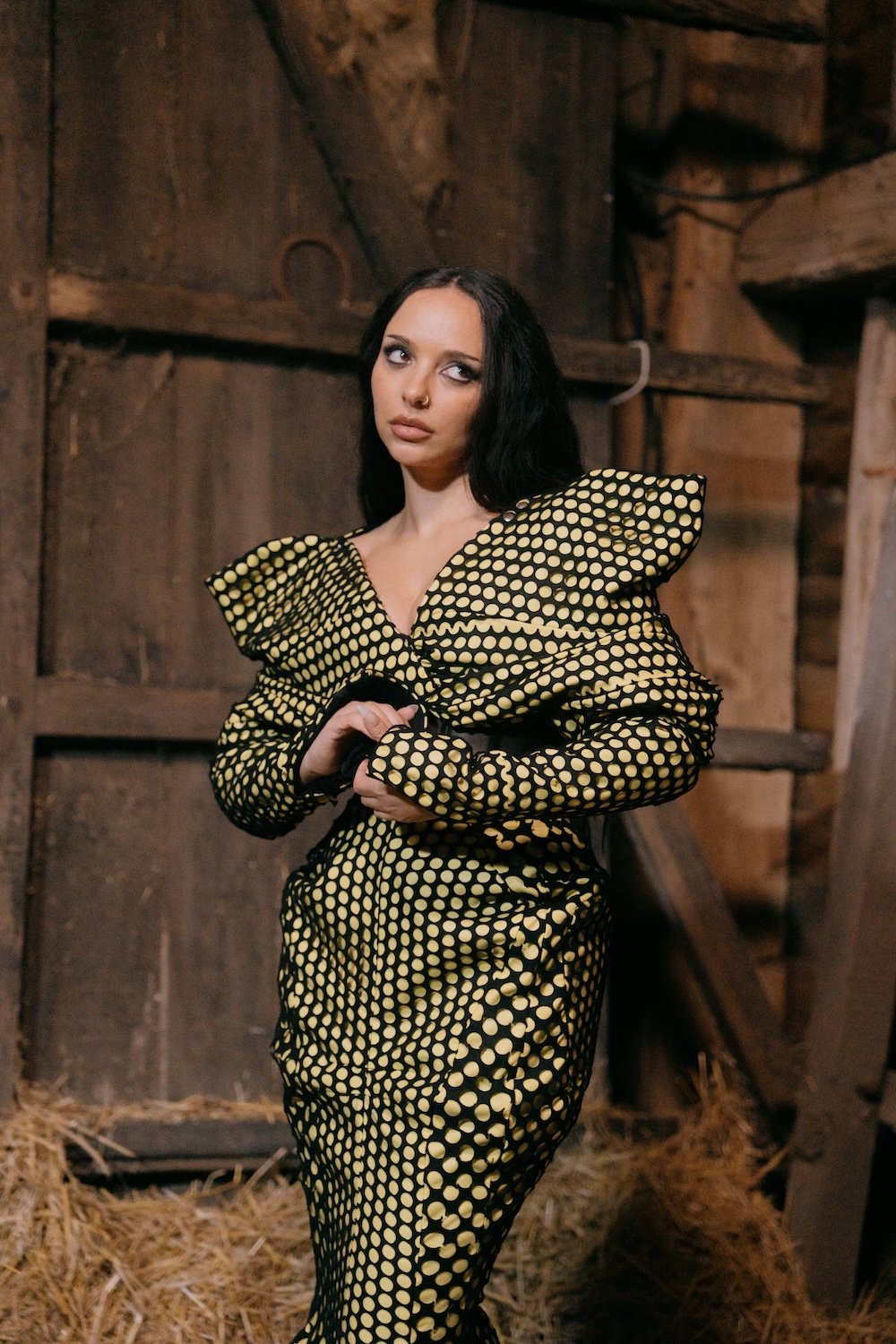
THAT’S SHOWBIZ BABY! THE ENCORE feels like the final curtain call for this era. What made you want to revisit the album with a deluxe edition?
Because there were still so many songs that I felt needed their moment. I’ve always loved deluxe versions of albums, but I wanted this one to feel almost like a mini-album rather than just adding a few leftover tracks that didn’t make the cut.
THAT’S SHOWBIZ BABY! is such a huge part of my career. It’s my first album and I just wasn’t ready for it to be over yet. So the idea of THE ENCORE felt perfect.
And people have loved it. The reaction has been amazing, to the point where fans are already chanting for some of the new songs on tour. So I think I’m going to have to add a few of the ‘ENCORE’ tracks into my festival set this summer.
The new tracks like Church and This Is What We Dance For introduce fresh themes. How do they expand the story of the original album?
With THE ENCORE, I wanted to stay connected to the showbiz theme while still experimenting with new collaborators. I worked again with Sarah Hudson and Pablo Bowman, who I know really well, but I also collaborated with some people for the first time.
Church, for example, was produced by Jason Evigan, who I hadn’t worked with before. I love that song because it’s about welcoming everyone into the JADE fandom. Everyone’s invited, girls, dolls, party boys. It’s about celebrating who you are. It’s really a song of allyship, especially for my LGBTQ+ fans. They know how important that community is to me, but Church really reinforces that message.
Then This Is What We Dance For was written with Julia Michaels, who I also hadn’t worked with before. She’s incredibly talented, one of the best songwriters out there. We connected immediately, and I definitely see us working together again.
The song itself is about escaping for a moment. The world can feel overwhelming, and sometimes you just want one night where you can forget about everything, like when you’re at a nightclub or when I’m on stage performing. For those two hours everything feels great. That’s what the song captures.
I see that feeling at my shows too. Fans write me letters saying those moments mean everything to them, especially LGBTQ+ fans who might be going through a lot. Sometimes they just need a place where they can let loose, be themselves, and forget the outside world for a while. That’s really the spirit of the song.
Angel Of My Dreams became a defining moment for your solo career. Looking back, did you expect it to resonate so widely?
I wasn’t sure how it would be received, but I was very confident in the song. I felt proud of it from the start. I knew it was bold and that it would surprise people, but I didn’t expect it to become such a cultural moment or receive the critical acclaim it did.
Honestly, it feels like a dream come true. Angel Of My Dreams still feels like the gift that keeps on giving. In my humble opinion, it’s a timeless song. When I perform it on tour it still feels fresh, and I hope it’ll feel that way even ten years from now.
The visuals for that track were incredibly cinematic. How important is storytelling through visuals in your music?
It’s just as important as the music, especially in pop. The visuals, the aesthetic, the campaign, it all works together.
With the Angel Of My Dreams video, I knew it was my chance to come out swinging. I wanted it to be maximalist and dramatic, with a narrative that told the story of my career in a kind of abstract, hyper-real, almost comic-book style.
The director, Aube Perrie, was incredible. He completely understood what we wanted to achieve. For me, music videos are everything. Some people think they’re becoming less important, but I completely disagree. They’re essential in pop music. We’ve seen so many times how a video can elevate a song even further. I think that happened with Angel Of My Dreams. The song stands on its own, but when you watch the video, it adds another layer and helps people understand the story more deeply.
The album blends playful pop with sharp commentary. How do you balance spectacle with sincerity in your songwriting?
My sweet spot as a songwriter is creating songs with darker or more emotional themes but pairing them with euphoric, chaotic, big pop production. I love that feeling when you’re on the dance floor and everything feels elevated and joyful. But if you really listen to the lyrics, they’re actually quite sad or intense. A lot of the songs on the album have that duality.
Angel Of My Dreams, for example, is actually quite a tragic song. IT girl touches on being taken advantage of as a woman in the industry, but it still feels bold and celebratory. I love songs where you can cry and dance at the same time.
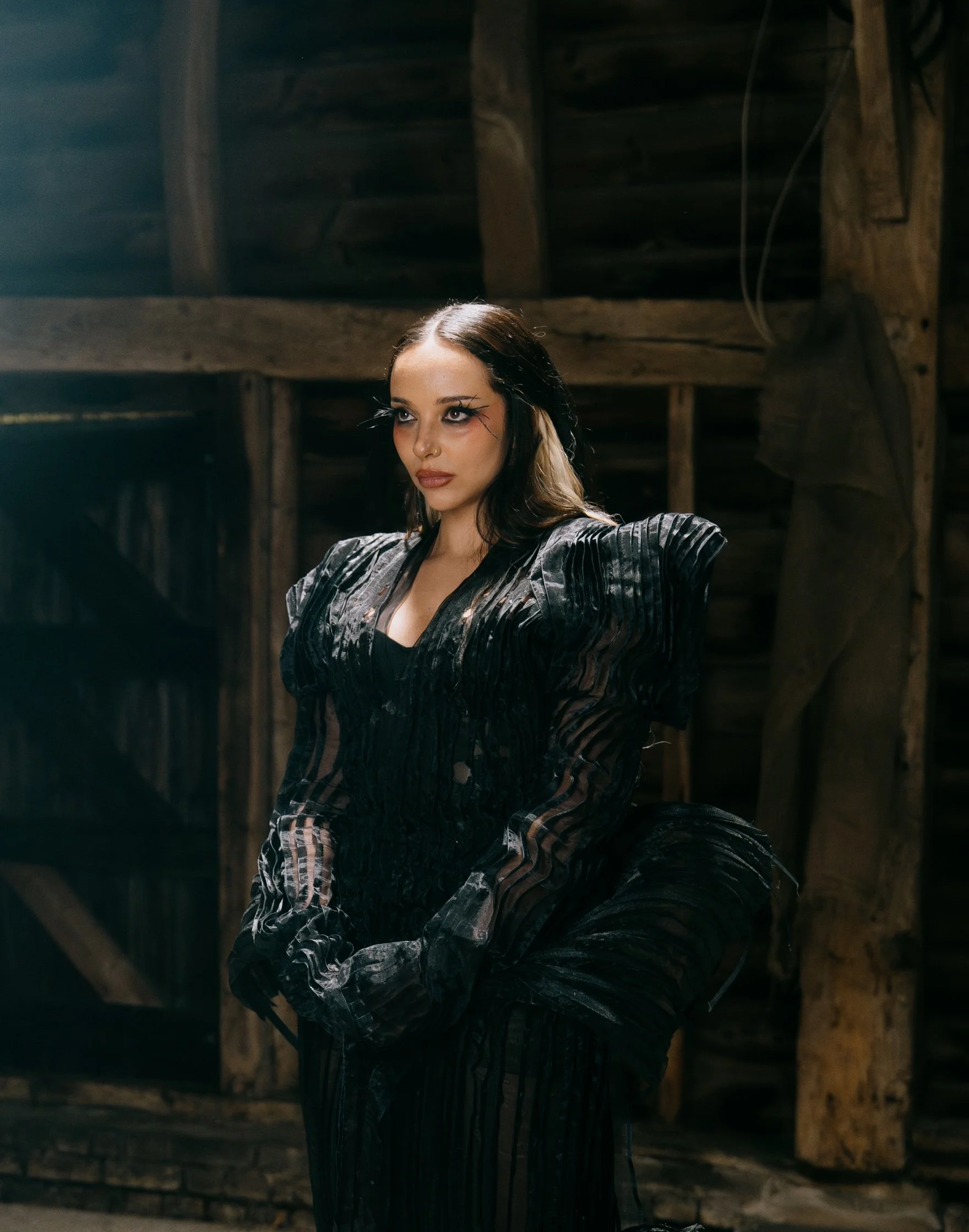
Winning the BRIT Award for Pop Act as a solo artist was a historic moment. How did that recognition impact you?
It meant a lot to be recognized on my own and win a BRIT as a solo artist. I try not to focus too much on awards, but of course it feels amazing when it happens.
At that point in my solo career, it felt like a stamp of approval, a moment that confirmed I was on the right path. It made me feel like I truly deserved a seat at the table.
It was also such a special night. Performing, walking the red carpet, and bringing Angel Of My Dreams to life throughout the evening, it all felt very full-circle. That was the moment when I really felt like I had arrived as a solo artist.
Your debut era has been packed with major milestones. When you look back, what moment feels the most surreal?
Honestly, the whole festival run felt surreal. It happened before my own tour, so I wasn’t just performing for my fans, I was performing for mixed crowds who didn’t necessarily know my music.
Glastonbury especially was nerve-racking. I remember thinking, “Will anyone even show up? Will they know the songs?”
But that show ended up being one of the most defining moments of my career. The energy in that tent was incredible. It really opened doors for me, more opportunities came in afterwards, and it reaffirmed something for me personally, that I really can put on a show and connect with people, even if they’re not already fans. It felt like a room full of people rooting for me. That was incredibly special, and it gave me a lot of confidence at a moment when I really needed it.
Pop music often thrives on reinvention. How do you see your sound evolving after this chapter closes?
It definitely needs to feel new. I love reinvention, when artists switch things up completely, from the sound to the visuals to the whole aesthetic. I like having very distinctive eras, so I think the next one will surprise people again. It’s important for me creatively to keep things fresh.
Sound-wise, I want to challenge myself more and maybe push myself vocally in new ways. It’ll definitely be different.
Touring has been a big part of this era. What kind of energy do you hope fans feel when they experience these songs live?
I hope they feel like they’ve escaped from the chaos of the world for a little while. Pop music is the perfect form of escapism. I want my shows to feel like a safe space where people can really be themselves and celebrate that. I hope they leave feeling empowered, and like they’ve just watched one of the best pop shows they’ve ever seen.
What’s been really touching on this tour is seeing how diverse the audience is. People from all walks of life come together for these shows, and I think that’s really beautiful.
As a solo artist, I’ve always wanted not just big songs but a loyal fan base, almost like a cult community that will still be there years from now. And I think you build that by making fans feel loved and included. That’s why my shows are very interactive. There’s a lot of back-and-forth with the crowd, and sometimes I even go out into the audience. I want people to feel like they’re part of the experience.
If THAT’S SHOWBIZ BABY! was your introduction as a solo artist, what do you want the next chapter of JADE to look like?
Honestly, I don’t know yet. I’ve been so immersed in this world that it’s hard to imagine what comes next. But that’s exciting.
I think the next record might be a bit more cohesive sonically, but I’m not sure what direction it’ll take yet. I’m looking forward to getting back into the studio, experimenting again, and seeing what feels right. It might be difficult for me to stick to just one sound because my brain loves so many different styles. But hopefully I can find a balance.
I’m always thinking about the live show too. As a pop fan myself, I want to create the most entertaining experience possible, and that often leads me to write songs that sound very different from each other.
So, we’ll see what happens in the studio. But I’m really excited for the next chapter.
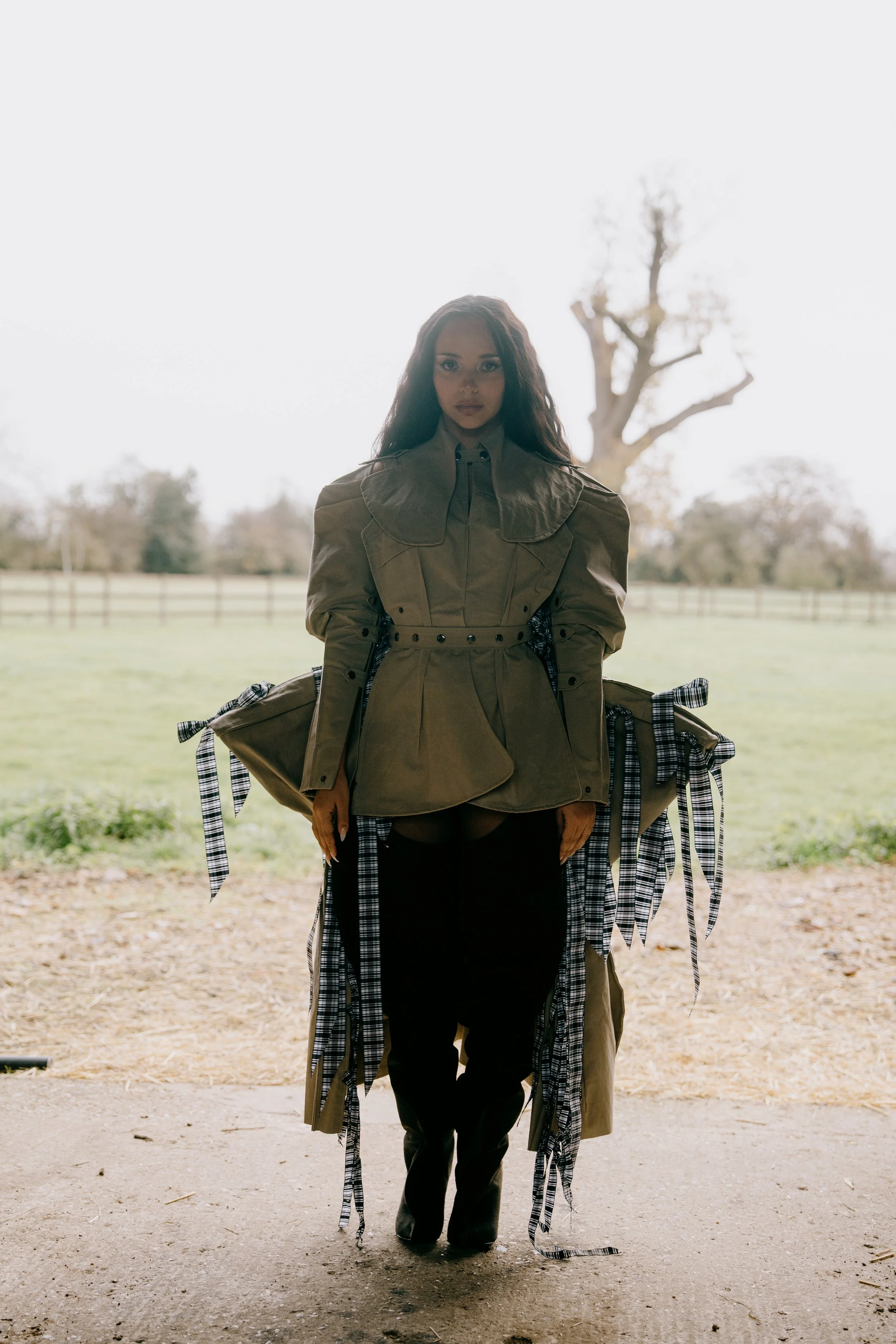
TEAM CREDITS
talent JADE
photography SOPHIE WILLIAMS
editorial director and interview JANA LETONJA
editor TIMOTEJ LETONJA
