
IN CONVERSATION WITH ALIENATA
Interview by Samo Šajn
Spanish-born, Berlin-based DJ and producer Alienata has built her sound around a mix of techno, electro and more experimental influences. This summer, she released "Quantum Skin," her first full solo EP on her label Discos Atónicos, marking a new chapter in her work. We caught up with Alienata to talk about the new release, her journey from Valencia to Berlin, and the influences that continue to shape her sound.
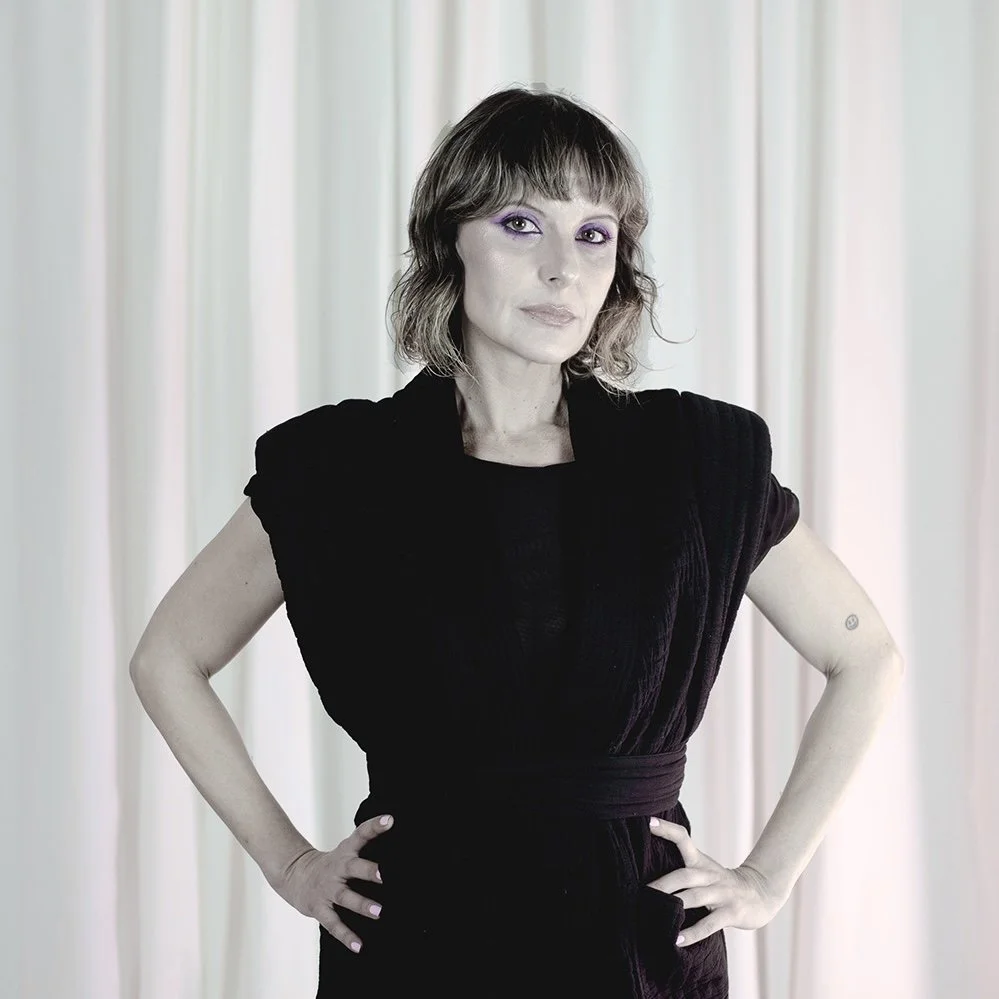
Photography by Lucila Bristow
Your "Quantum Skin" EP on your Discos Atónicos label landed earlier this summer, your first full solo EP after years of collaborations, remixes, and compilation tracks. What made now feel like the right moment to release a complete solo project?
I had wanted to release my first solo record for a long time, but I needed to sit with myself and ask what I actually wanted to bring to the table at this point in my career. My focus wasn’t "make a banger." Since it was my first solo release, I took my time composing something that could show different sides of my musical universe. I wanted to create something with a timeless quality, without thinking too much about style.
To get there, I had to let go of a lot of the pressure I was putting on myself to make everything perfect. And I’m really happy with the result.
It’s part of the Deep Cut Series on the label. You’ve described it as exploring the space between techno and broken beats. What inspired you to launch this new chapter of Discos Atónicos, and what can listeners expect from it in the future?
I wanted to expand the sound of the label and make room for deeper, more techno-oriented music, as those sounds are also part of my DNA. The identity of Discos Atónicos is already very strong and closely associated with electro, which I absolutely love! So I started thinking about how I could open up that identity without confusing it too much, and I didn’t want to start a new label.
At the same time as I was working on my first solo release, I had the idea of launching this new series, as musically it felt like the perfect moment to do it. The next release in the series comes from Echoplex, an artist I’ve been following for a long time. And I’m also working on new electro releases. Next year will mark 10 years of Discos Atónicos, and I’m preparing some special releases for it. So stay tuned!
You’ve been a key figure in both the Valencian and Berlin underground scenes. How have those two cities shaped your musical perspective and approach to DJing and production?
Both cities have taught me a lot and shaped me in many ways. My years in Valencia were very much connected to collectives, and that period was quite deep for me. Not many people know this, but during my Valencia years I also ran another label called Overflow Records together with my collective. At that time, I was very connected to dubby sounds, which was reflected in the label, but I was also drawing a lot from deep house, American house, and of course any jacking beat I could find! There was a really beautiful community around it, with some fantastic DJs, and I’m very happy I got to experience that.
My story in Berlin, especially the many years I spent with Killekill, gave me the opportunity to develop all that knowledge on the dancefloor as a resident, without being afraid to explore. I also have a special affection for the time I worked at The Record Loft. As someone who loves music, working in a record shop was pretty much a dream. There wasn’t a day when I didn’t go home with a record under my arm! Now, looking back, I feel that all these experiences have enriched me enormously, both as a DJ and as a producer.
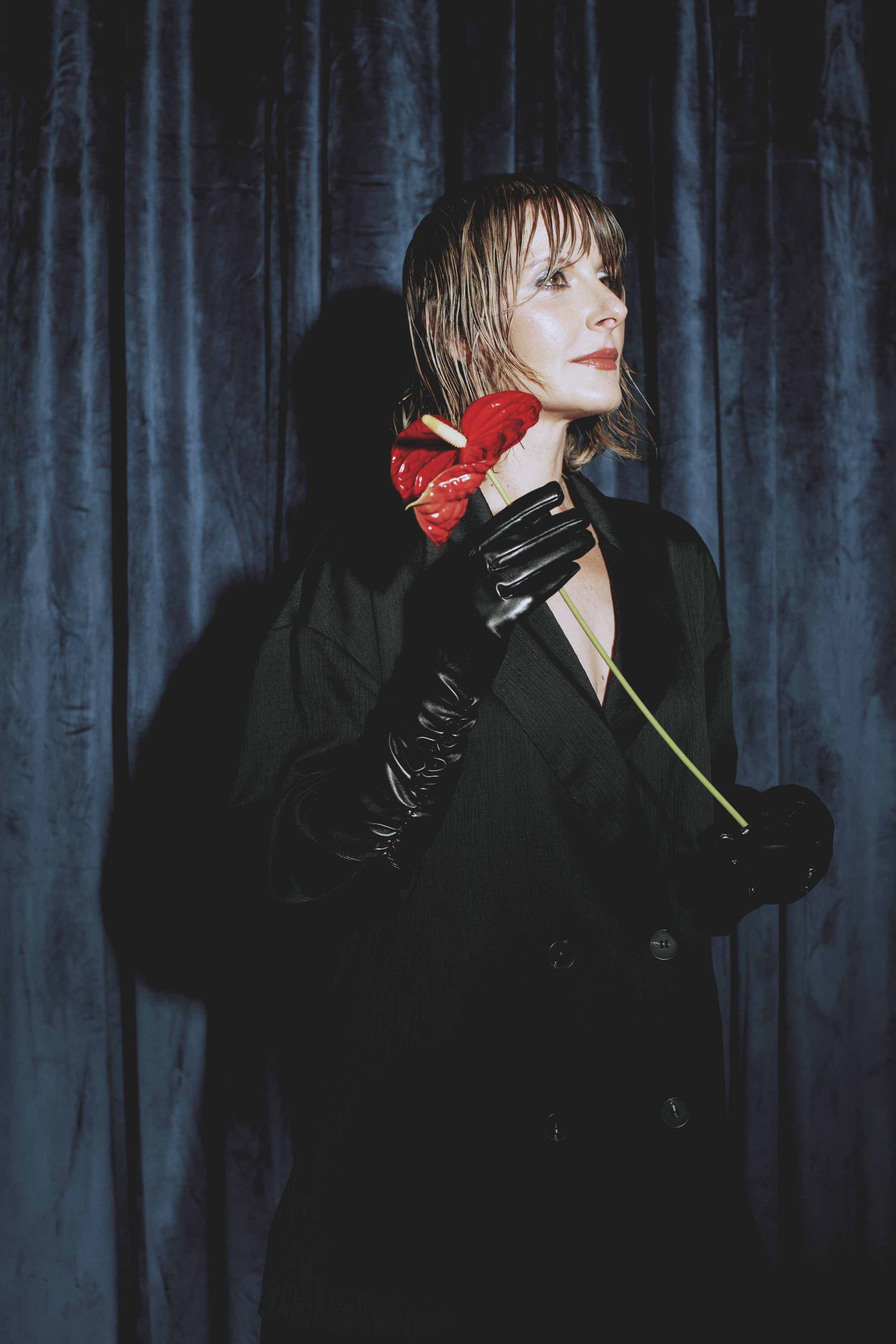
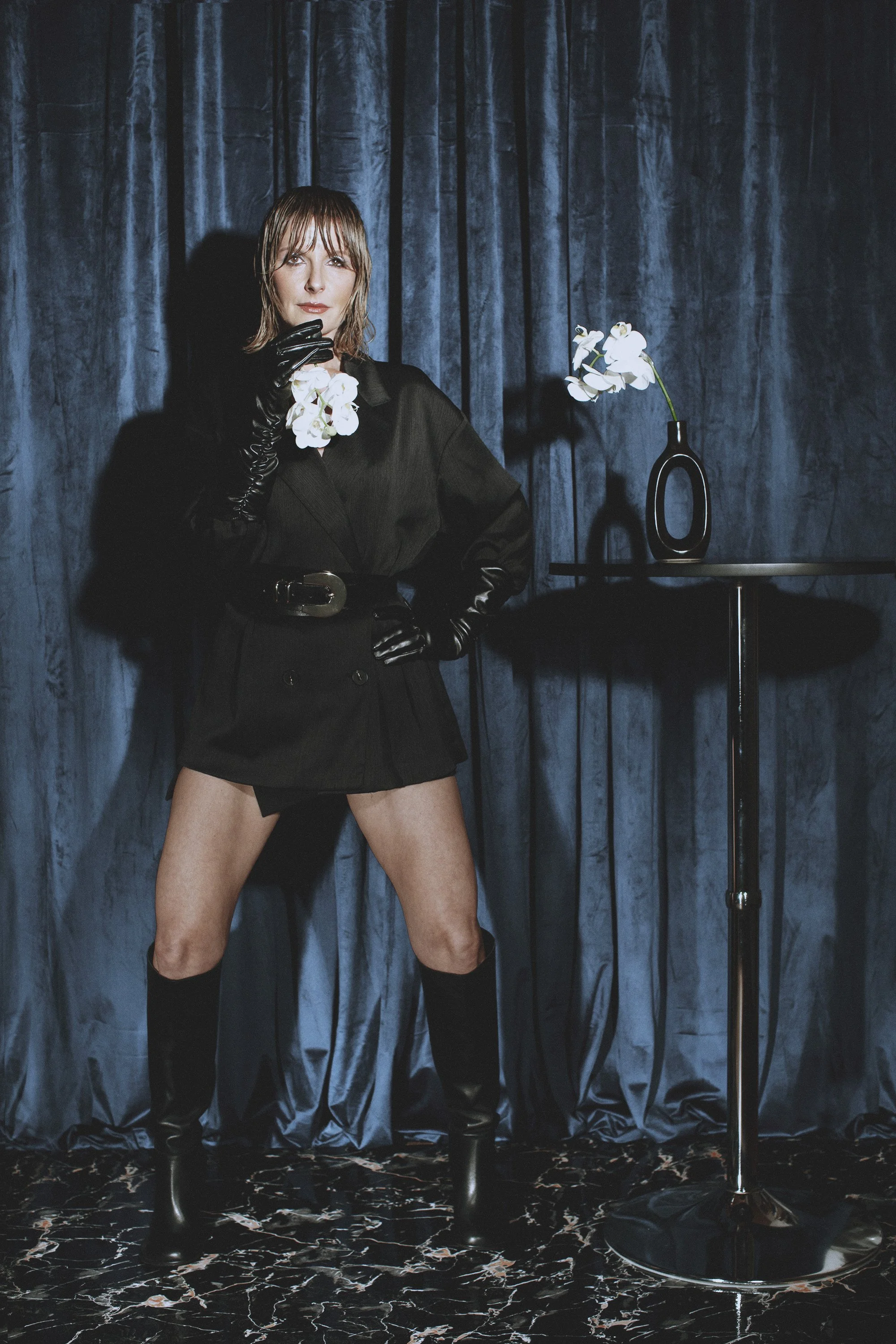
Photography by Laia Flynn & Eva Pythia
You’ve been releasing music for many years, but this is your debut solo EP. Did working entirely on your own reveal anything new about your creative process or artistic identity?
Absolutely. I’d say I’ve been 100% myself. I love collaborations and the exchange of ideas, but I also really enjoyed the process of making my first EP on my own. When I’m alone, I need to "imagine" the music first and then start building the sound around it. That’s simply how my brain works. It’s something I’ve really discovered and learned about myself through this record.
Your music is regularly heard in spaces like Berghain, Tresor, and fabric. How have those dancefloors influenced the way you think about creating music for clubs?
It’s really interesting to hear your own music in such iconic places and to observe and feel its impact in real time. Reading and understanding the dancefloor is a big part of my job, and I love watching people move and dance.
As I mentioned before when talking about imagination and visualisation, when I’m producing, I often vividly imagine the track playing in one of those spaces, thinking about where it would fit, whether I’d want to hear it at the beginning of a set or in a more hypnotic way on a sweaty morning. The dancefloor is pure inspiration for me.
You’ve had a busy summer touring. What were some highlights, and where can we expect to hear you next?
Summer was delicious, and I really enjoyed it. The perfect balance between travelling and spending time with my loved ones. One of the highlights was playing for the first time at Aquasella Festival. Being Spanish, and knowing how long this festival has been running, it felt especially special to be part of it. This autumn, you’ll find me in different places across Europe, with a little jump to NYC to celebrate New Year’s Eve.
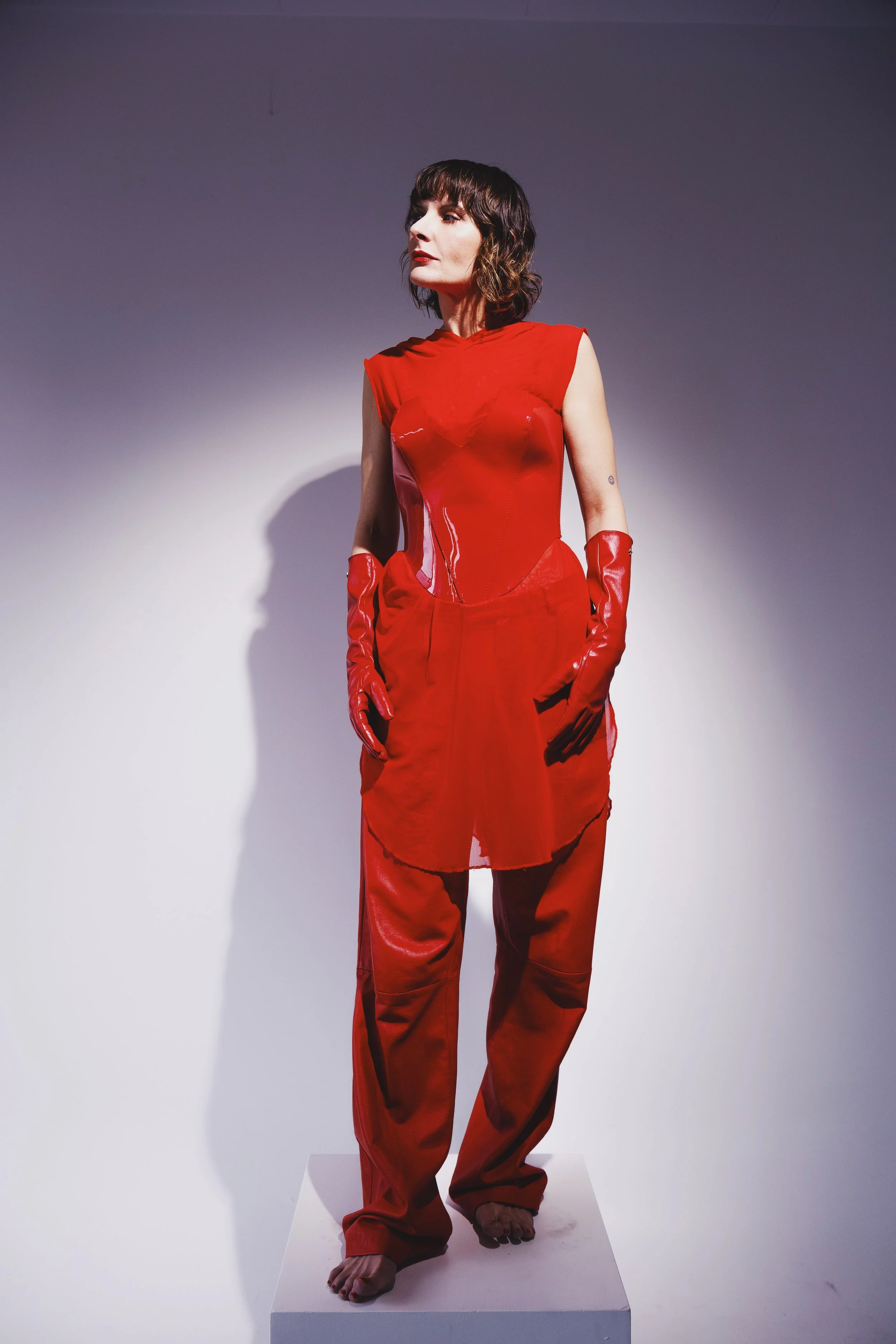
Photography by Keyi Studio
Industry trends and genre popularity are constantly changing. How have you cultivated a timeless sound that cuts through the noise, and where do you see it going next?
My sound has always been connected to my curiosity. From the very beginning, I was interested in all kinds of music without thinking too much about genres. Every record I discovered would lead me to many others... sometimes through a sample, sometimes through a bassline... I didn’t care about the style.
I’ve always loved the way music connects across different genres and different eras. Everything is somehow related, and styles keep coming back, but in different forms. That’s why I feel we’re entering a much deeper, more minimal phase, almost as if we’re moving away from the "horror vacui," leaving a bit more space and letting things breathe.
You’ve spoken a lot about the influence the Detroit music scene has had on you as an artist. When did your love for Detroit music start, and who are your biggest inspirations in the scene?
Yeah. Detroit has that depth, soul, and sense of innovation that has always drawn me in. I can’t really understand what techno is without looking at where it came from and all the influences behind it: Motown, blues, jazz, funk.
From Underground Resistance and Jeff Mills to DJ Stingray, they’re all a huge inspiration to me. I’ve always had the deepest respect and admiration for Kelli Hand, a true pioneer of Detroit techno and one of the women who helped shape its history. Her legacy will always be part of the story. RIP. And from the newer generation, I’m really inspired by artists like Huey Mnemonic and Max Watts. I’m always excited to discover new artists.
