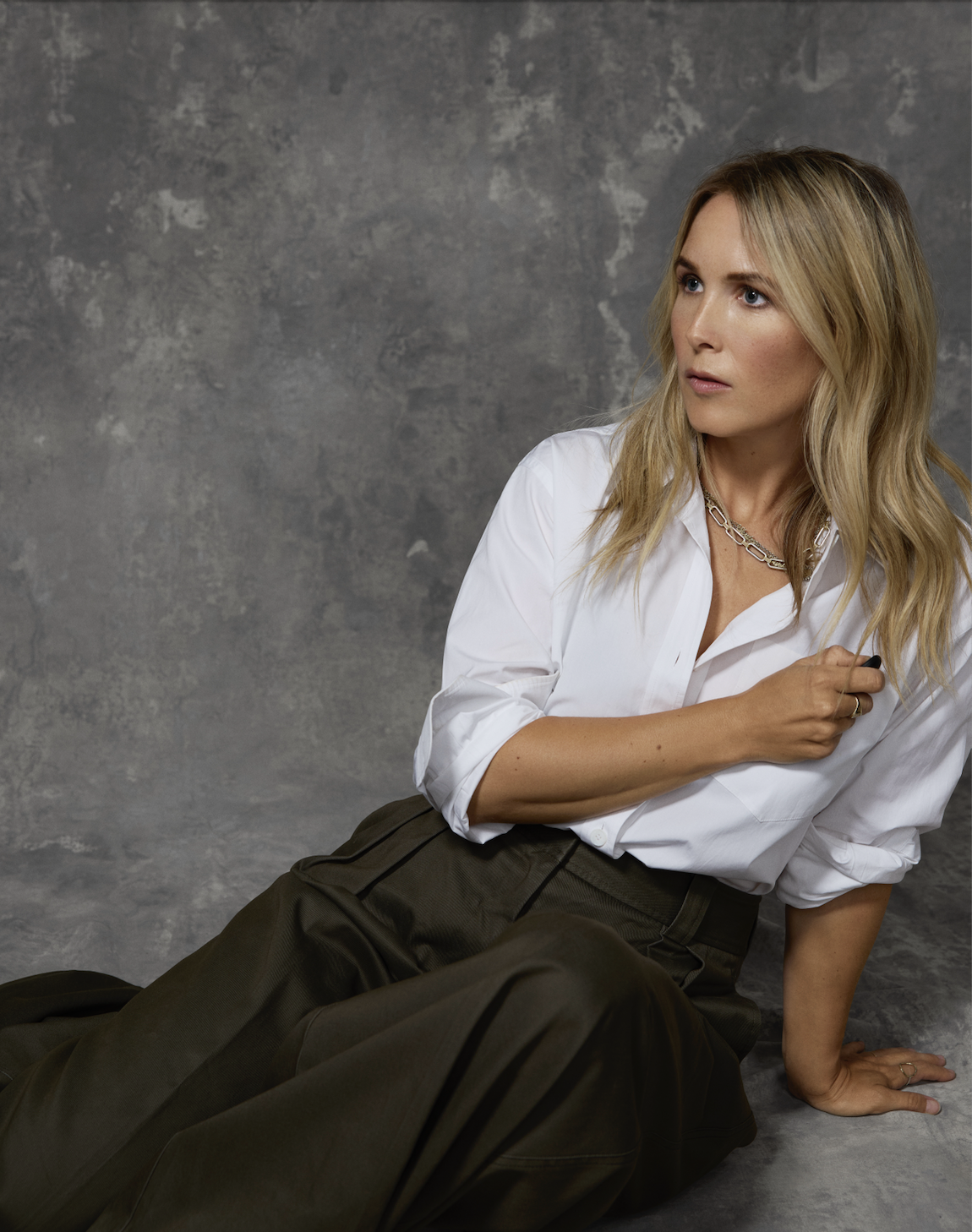
IN CONVERSATION WITH SOPHIE ELGORT
interview by JANA LETONJA
With the second season of her Emmy-nominated PBS series Portrait Mode with Sophie Elgort now underway, photographer, director, and television host Sophie Elgort continues to redefine the portrait interview. A celebrated fashion and portrait photographer whose work has appeared in Vogue, Harper’s Bazaar, ELLE, The New York Times, and beyond, she invites audiences behind the scenes of intimate portrait sessions with some of today’s most compelling cultural figures. As she steps in front of the camera, she explores not only the art of photography, but also the power of conversation, vulnerability, and visual storytelling in an increasingly fast-moving world.
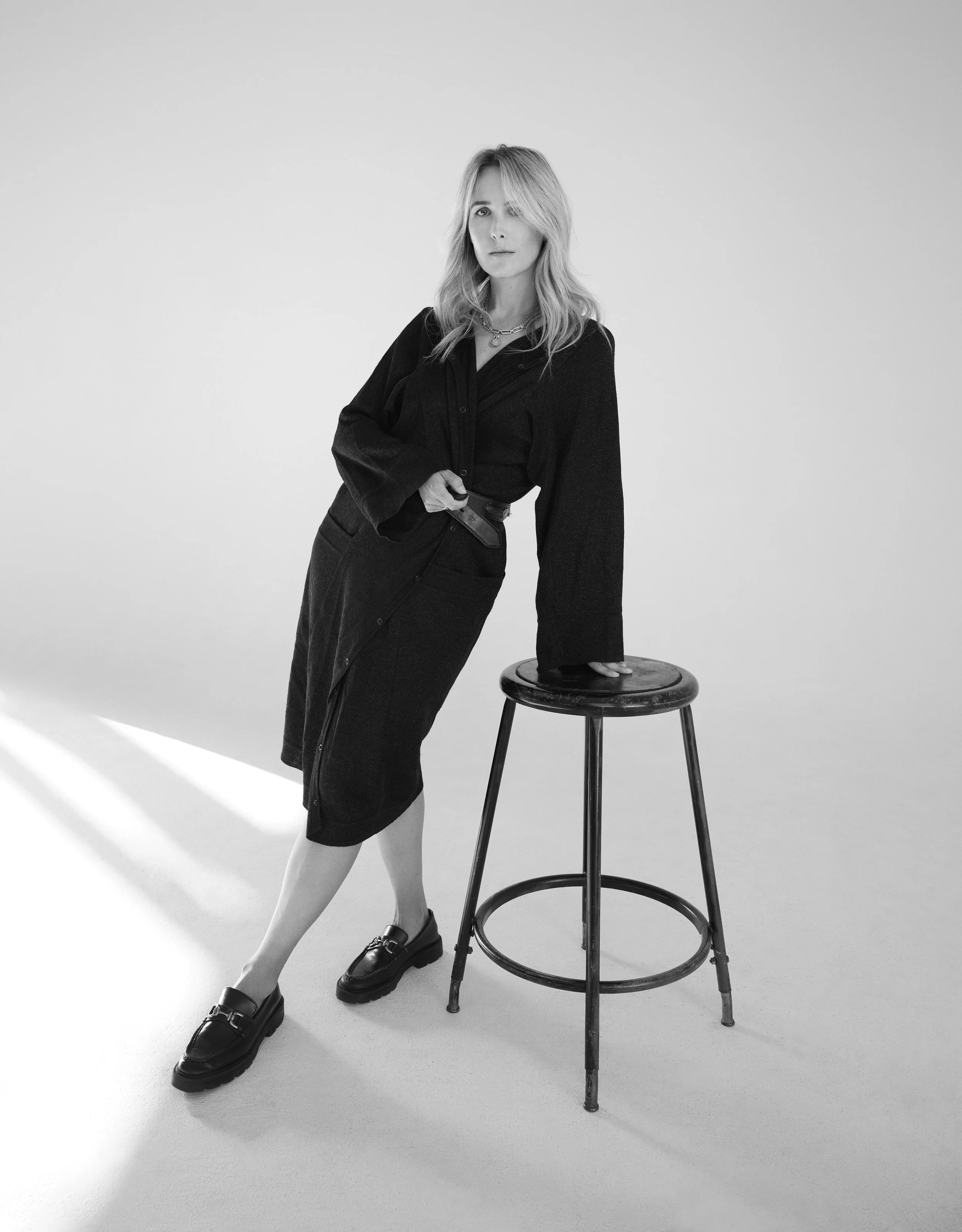
images courtesy of SOPHIE ELGORT
Portrait Mode offers viewers a rare look behind the scenes of portrait photography. What inspired you to open up a process that has traditionally remained unseen?
During a portrait session, I often learn so much about the person I’m photographing that I never would have learned otherwise. Stories about their lives, insights into their creative process, what drives them, and how they see the world. That conversation has always been an important part of how I make a portrait, because getting to know someone helps me understand what I want to capture. Those conversations were already happening on my sets, but traditionally the audience would only ever see the final photograph. Portrait Mode grew out of the idea of opening up that experience and letting viewers see everything that happens around the making of the portrait. Now I get to share not only the final images, but also the stories, conversations, and unexpected moments that happen along the way.
Season two has just premiered. How has your approach evolved since the first season, both as a photographer and as an on-camera host?
It’s like anything. The more you do it, the more comfortable you become and the more you can refine your point of view and really make it your own. In season one, we were building the format and figuring things out as we went. Going into season two, we had a much clearer sense of what the show was, what worked, and where we wanted to take it. We’ve added some new segments and evolved the format, but I think the biggest change for me personally is that I’m much more comfortable moving between being the photographer and being the host. I’m able to be more present in the conversation and trust where it goes, while still thinking about the portrait we’re ultimately there to create. There’s a confidence that comes from having done it before, and I think that gave us more room to play in season two.
The first episode features Hasan Minhaj. What made him the right person to open this new season, and what surprised you most during your conversation?
Part of my goal with Portrait Mode is to feature artists across all different disciplines, so I was really excited to have a comedian open this season, and getting to work with Hasan was a dream. What stayed with me most was the way he talked about the power of humor and how much of what he does is really about observing. He spoke about how comedy allows you to say difficult things that might otherwise be hard to say, which I found fascinating. I also loved what he said about laughter being involuntary. If something genuinely makes you laugh, you just laugh. You can’t fake that response or hide it. That really resonated with me because, in a different way, I’m also always observing and looking for something real. He’s looking for that truthful reaction from an audience, and when I’m photographing someone, I’m looking for that truthful moment.
This season also features guests from very different creative worlds—from acting and comedy to ballet and jazz. What connects all of these stories?
They are all artists who have a different craft that they are constantly working on and putting out there into the world. That’s what brings all the stories together. It’s cool to be able to see creativity come in so many different forms, and I think it's inspiring for people to know creativity doesn’t just look like one thing.
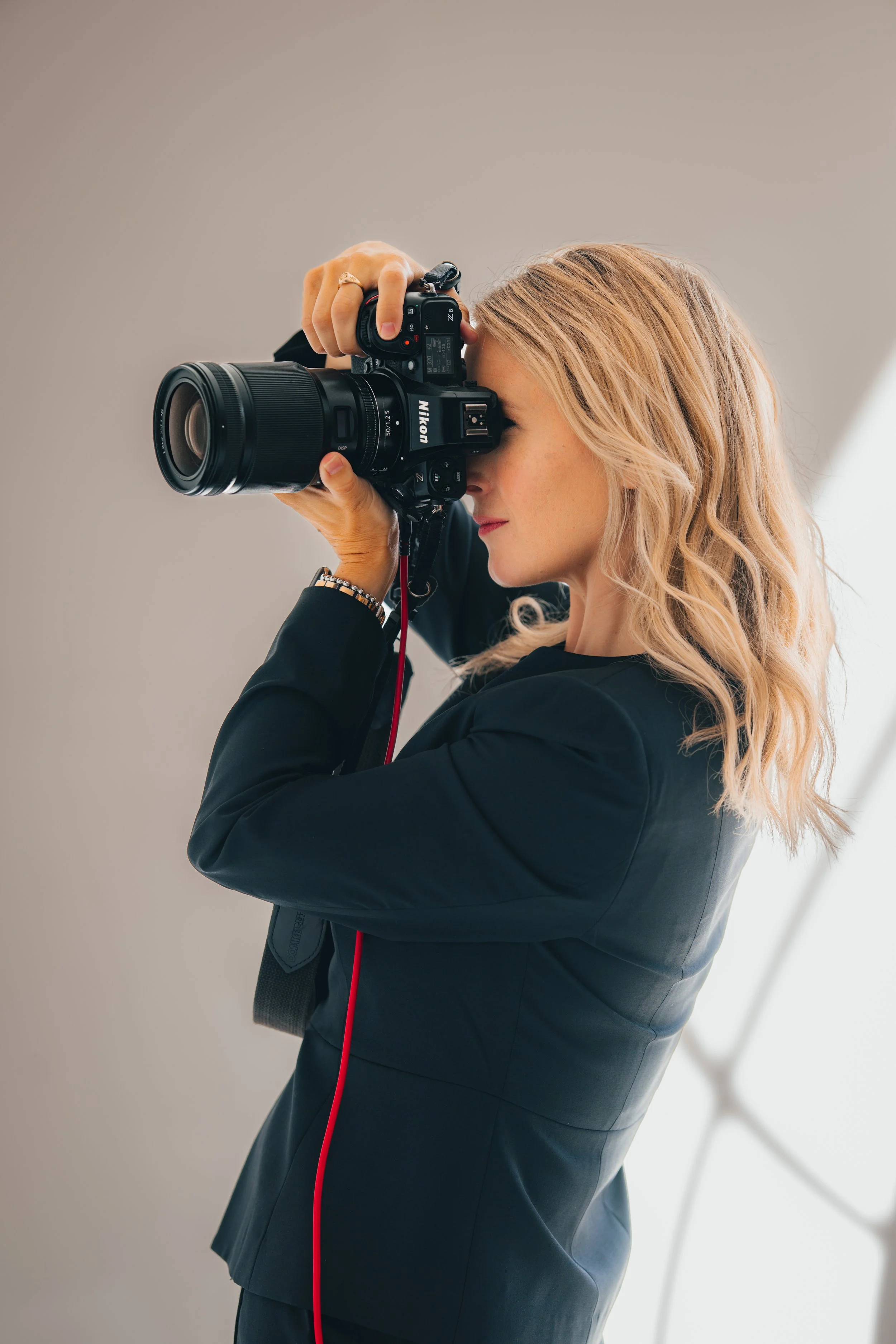
As someone who has spent years behind the camera, what has it been like stepping in front of it? Has hosting changed the way you see yourself as a storyteller?
I grew up in front of a camera, so being on camera has always felt very natural to me, especially when I can just be myself. When we’re filming Portrait Mode, I mostly ignore that the cameras are there and focus on doing what I already know how to do: taking pictures, connecting with the person I’m photographing, and having the kinds of conversations I’ve always had during portrait sessions. What has changed is the preparation. I do a lot more research before each shoot now, because I want to understand the person and their work and think about what I’m genuinely curious to ask them. I’ve really enjoyed that part of the process. Before, all of that might have informed the photograph, but the photograph was ultimately what the audience saw. Now, the conversation and the portrait can tell the story together.
Portrait photography is often about capturing a fleeting, authentic moment. Is there a particular portrait you’ve taken that fundamentally changed the way you think about people?
I don’t know if there’s one portrait that fundamentally changed the way I think about people, but there are definitely photographs that remind me why I love portraiture. One of my favorite portraits of Hasan from filming Portrait Mode happened when he wanted to take an espresso break. We were chatting, he had the cup in his hand, and I just snapped the picture. He told me that having an espresso is something he does before every show, so suddenly this very simple moment also told you something about him. To me, that’s when a portrait really works. It looks good, but it also feels real and tells you something about the person. I’ve found that some of my best portraits happen when I let people do what they naturally do and stay ready to recognize the moment when it appears.
Your father, Arthur Elgort, is one of fashion photography’s most influential figures. What are the most valuable lessons you’ve inherited from him, and where have you consciously chosen your own path?
My dad always says, “Camera Ready.” It means you have to be paying attention and ready to capture the moment when it happens, because a second later it can be gone. That’s something I learned from him very early and still carry with me every time I’m shooting. I’ve also always admired the easy rapport he has with the people he photographs. He creates an environment where people can relax and be themselves, and that’s something I learned from watching him and have very much brought into my own work. At the same time, we’re very different artists with different points of view. I never consciously set out to differentiate myself from him. I think my own voice developed naturally through the people and subjects I’m drawn to, the way I photograph them, and now through the other mediums I’m working in as well. I’m incredibly influenced by him, but I’ve always seen the world through my own lens.
In an era dominated by social media and endless scrolling, what role can thoughtful portraiture still play?
I think now more than ever, when there are so many photographs out there, it’s important to have a portrait that stands out and makes you stop and think. For me, portraiture has always been about more than making a beautiful image. It’s about paying attention to someone, creating the space for something real to come through, and hopefully making an image that reveals something you might not see at first glance. Social media has changed the speed at which we consume images, but I don’t think it’s changed our desire to connect with people. If anything, I think a thoughtful portrait can be a counterpoint to all that speed. It asks you to stay with someone for a moment.
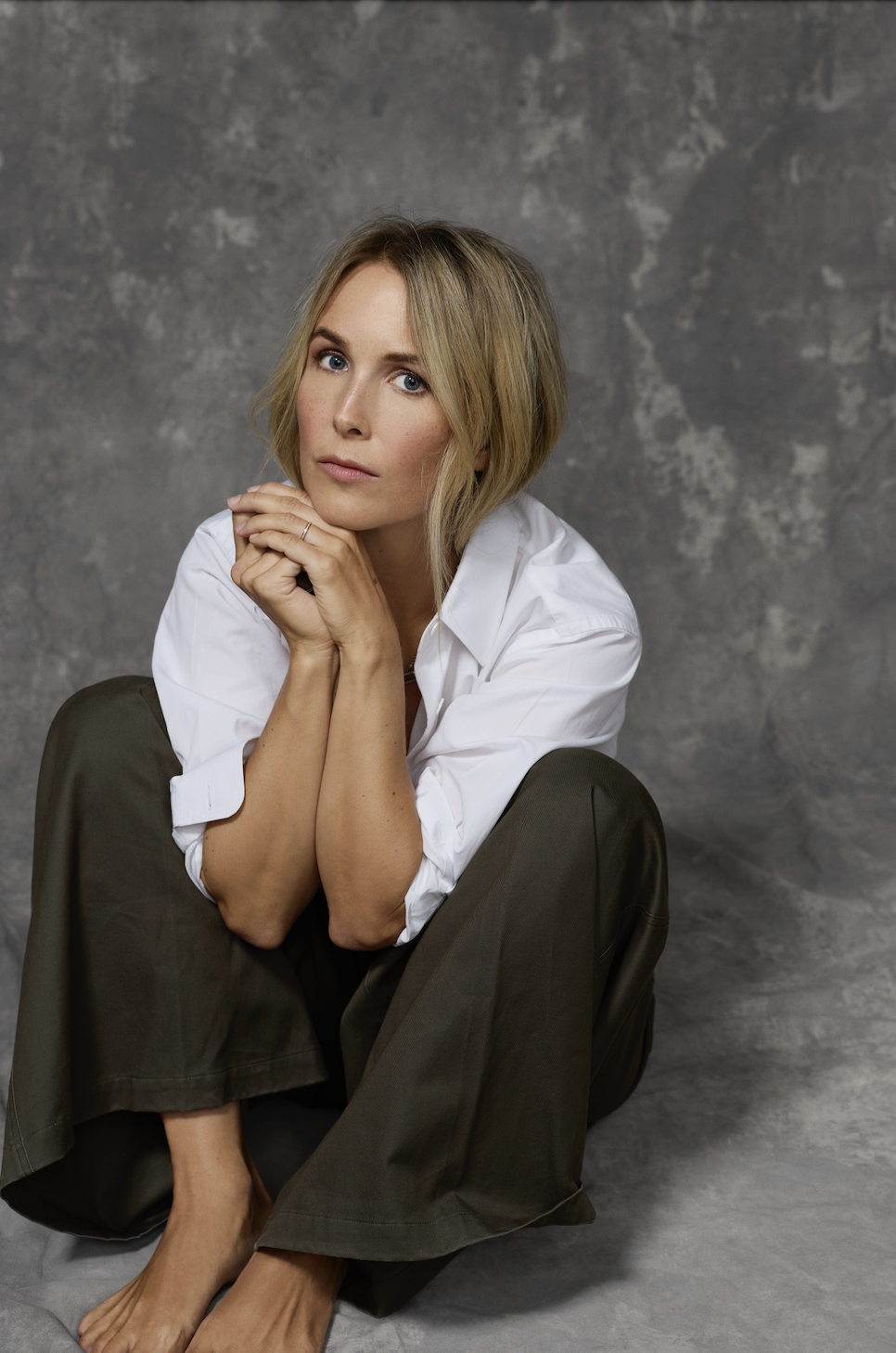
Your work balances fashion, documentary, and conversation. Do you see yourself primarily as a photographer, a filmmaker, or simply a storyteller?
Photography is the foundation of everything I do, and it’s really shaped the way I see people and the way I approach a story. But increasingly, I’m interested in what happens beyond a single frame. What connects all of it for me is people. I’m interested in creating the conditions where someone can reveal something real, and then recognizing that moment when it happens. Sometimes that becomes a photograph, sometimes it comes through an interview or a conversation. I don’t feel particularly attached to defining myself by one medium anymore. The medium changes depending on the story I’m trying to tell.
Many of your portraits reveal vulnerability without feeling intrusive. Where do you draw the line between intimacy and privacy?
I’m not interested in betraying my subjects’ trust. I think of a portrait as a true collaboration with the subject, so I want to make sure they are comfortable.
What have your guests taught you about creativity that you didn’t expect to learn?
How many different directions it can go in even at such a high point in one's career. You think about a legend like Nile Rodgers and then you see that he’s still pushing the boundaries and still experimenting even though he’s already more than made it. It’s exciting to be reminded or learn that creativity is something that is always evolving and you don’t need permission, no matter what stage you are in your career.
You’ve built a career across photography, directing, producing, and television. What excites you most about working across different creative mediums rather than staying in just one?
I’ve always been curious, and I think a lot of my career has grown from following that curiosity. I never set out with a plan to work across all of these different mediums. One thing has often led naturally to another. What I love is being able to approach an idea or a person from different angles. A photograph can capture something in an instant, while a conversation can reveal something completely different. I’m excited by having different ways to explore the same things I’ve always been interested in: people, what drives them, and the stories they have to tell. I also like being in situations where I’m still learning, and where there’s room to be surprised. I think moving between mediums keeps me curious and keeps the work evolving.
Looking ahead, are there artists or cultural figures you dream of featuring on Portrait Mode?
For me, a dream guest is someone whose work I really admire and who I’m genuinely curious to know more about. One of the things I love about Portrait Mode is having the opportunity to spend time with someone whose work I may have followed for years, and then get to know more about who they are, how they think, and what drives them creatively. I actually keep a running dream list, and I’m constantly adding to it whenever I see something that inspires me or meet someone I find really interesting.