
IN CONVERSATION WITH ARMIN VAN BUUREN
Interview by Samo Šajn
Armin van Buuren is one of the world’s most influential DJs and producers, known for his global trance anthems and decades at the forefront of electronic music. But now with his new album Piano, he reveals a more intimate side. First introduced during a surprise performance at the Apple Store during ADE, the album strips his sound back to its core: just melody, emotion and keys. Released alongside an exclusive Track by Track experience on Apple Music, Piano was created with Spatial Audio in mind, blending piano compositions with immersive Dolby Atmos technology. The result is a deeply personal project that connects classic instrumentation with cutting-edge sound innovation.
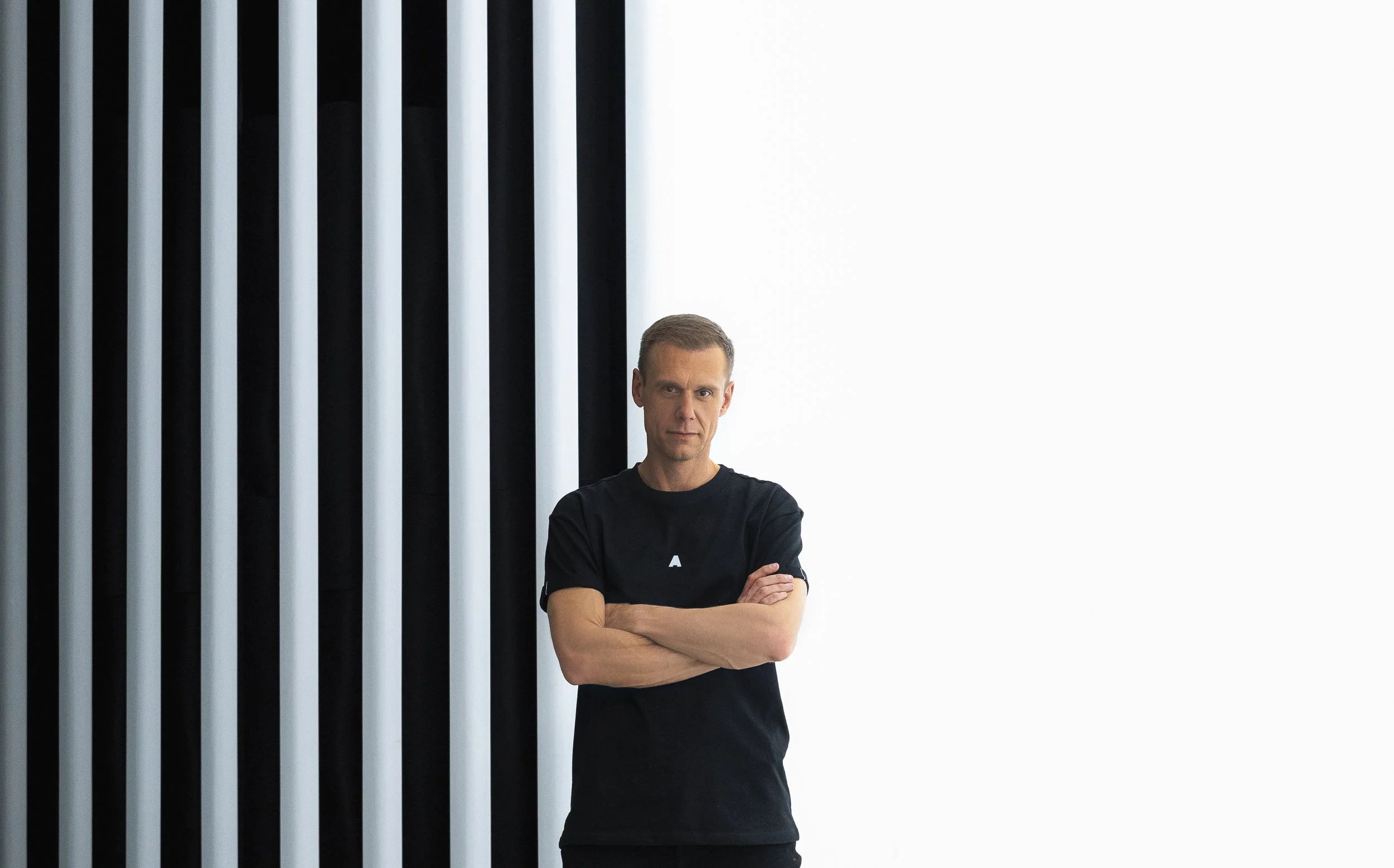
With your new album Piano, you surprised everyone during ADE right here in the Apple Store. What made that moment and location the perfect place to introduce it?
It’s a very unique location, one of the most iconic in the Netherlands. I’ve been an Apple fan forever; I’ve owned every Apple computer since the G3. When they asked me to perform here, I saw it as a unique opportunity. Apple’s focus on technology also fits my philosophy of spatial audio. One of the reasons I recorded the album at Concert Lab was because of spatial audio. I really believe it enhances the listener’s experience. It adds emotion and tells a story. I’ve uploaded my previous albums like Breathe and Feel Again in Dolby Atmos on Apple Music as well. It was expensive to experiment with, but I wanted to learn. I now have Dolby Atmos in my studio, and I truly believe it elevates the experience for listeners.
You’ve been a DJ for over two decades, and now you’ve made a piano album. How does that shift feel?
People call it a classical album, and that’s fine, but I never intended it to be classical. For me, it’s just piano music. Most of my EDM songs start behind the piano anyway, so it wasn’t such a big leap. I just removed the computer and let the music come out naturally. After 30 years as a DJ and producer, sometimes dance music can feel like a straitjacket. There has to be a beat, a kick drum. Sitting at the piano and playing waltzes, rhythms I would never use in EDM, felt freeing. It came from a very natural place. It’s personal music, meant for my fans, not to prove anything. Some of the songs are deeply personal, inspired by moments in my life when I wasn’t doing so well mentally. My piano teacher gave me the tools to translate those emotions into notes.
Was there a particular moment or experience that made you decide to create this album?
Yes. I started piano lessons in 2018 and met my teacher, Geronimo Snijtsheuvel, in 2020. In May 2024, I walked into Concert Lab, which is an old church in Utrecht, and saw the high tech gantry cameras, the silent drone, the incredible acoustic space. I love gadgets, so seeing cutting edge technology combined with a centuries old instrument like the piano and real strings was magical. That combination of ultra modern spatial audio and timeless instruments inspired me to capture something special.
You mentioned working closely with your piano teacher. What impact did he have on shaping the emotions and storytelling in the album?
Geronimo really gave me the tools to put emotion into the notes. He taught me about breathing with the music, about letting phrases live and move naturally. That changed everything for me. It transformed the music from something technical into something deeply expressive.
What do you hope listeners take away from hearing your personal insights through the Apple Music Track by Track feature?
Armin: I love when context helps people connect to music. As a kid, I didn’t appreciate classical music until my father started telling me the stories behind composers like Bach and Mahler. That changed how I listened. With Track by Track, I want to give people context, not to explain every little detail, but to give them an entry point. For example, in the song Autumn Leaves, you hear a leaf falling at the end. For me, that represents the circle of life. If sharing those stories helps people connect more deeply, that’s beautiful.
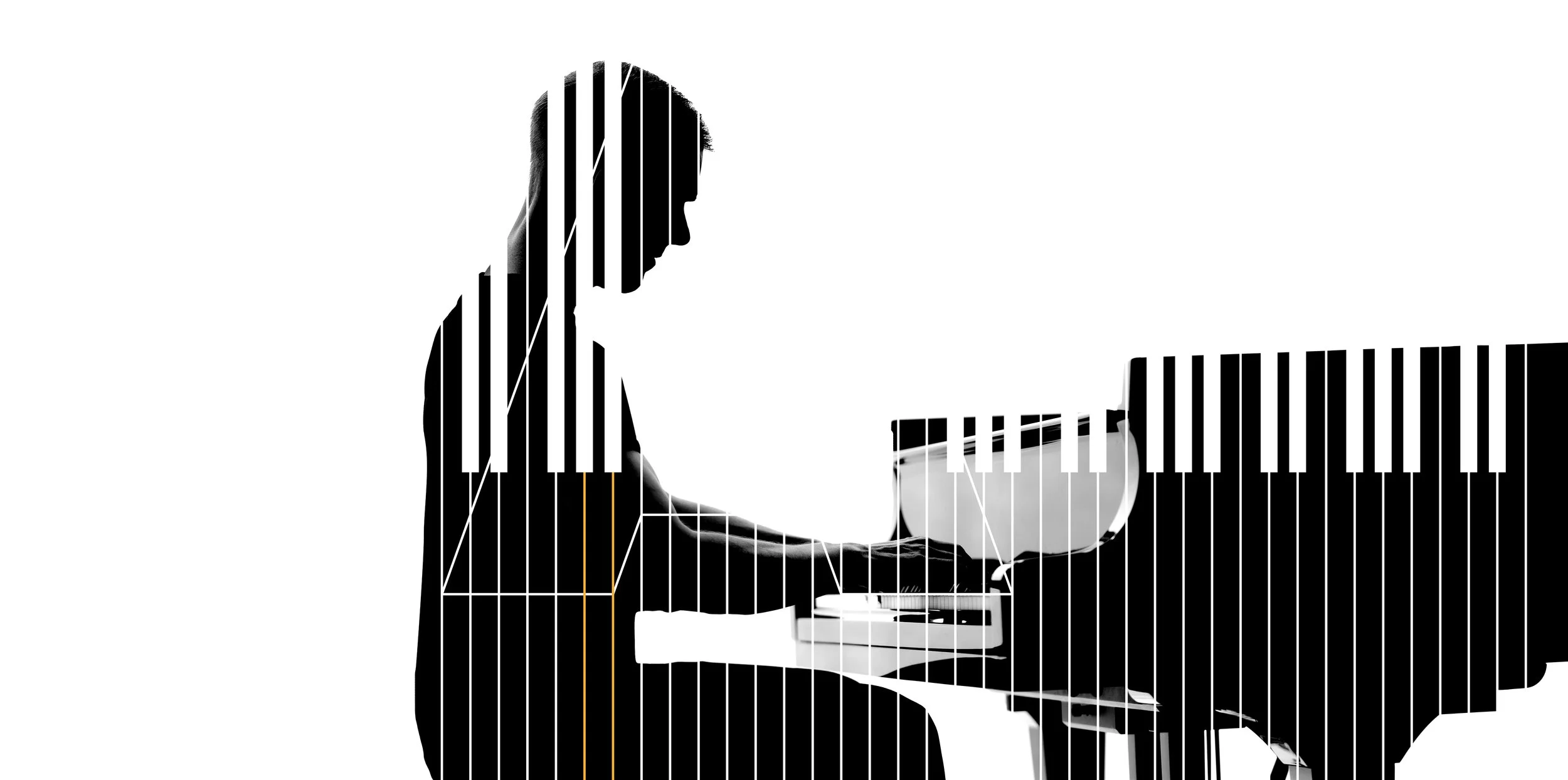
The album features violinist Lisa Jacobs. What was it like collaborating with her and the orchestra for the first time?
I was completely starstruck. The first time I heard the real strings playing along with me, I had tears in my eyes. I knew the notes because I had played them so many times, but hearing them brought to life by real musicians was overwhelming. It taught me about the power of breath in music, something I never truly experienced in electronic production. There’s a human imperfection in real instruments that is incredibly moving.
What did creating this album teach you about yourself as a musician?
It taught me that even after 30 years, I still know nothing. I learned so much through this process. The biggest lesson was understanding how important breath and space are in music. Electronic music has energy and rhythm, but this experience gave me a whole new appreciation for analog instruments and the human connection in performance.
How was the creative process different from making your DJ tracks?
DJ tracks are more straightforward. With this album, we first wrote the piano pieces, then I had to record them to a click so we could create proper scores for the musicians. Playing to a click can remove the emotion, but it was necessary to print the sheet music. Then we added digital strings and harmonies just to test how it would sound before the real recording. When I finally played with the orchestra for the first time, I was incredibly nervous. But hearing those real strings, the sound of the bow touching the string, it was magical. It gave me a whole new appreciation for classical instruments.
After this album, what’s next for you?
I’ve only written one new song since recording because I’ve been practicing the album so much. I recently invited 200 fans to Concert Lab for three days of tryout performances. I played the entire album live, just piano, no safety net. I want to see how people react before thinking too far ahead. I’m not quitting DJing. I’m not slowing down. This is about opening minds and expressing another side of myself. I made this album because it needed to come out. I have no expectations. If people love it, amazing. If not, that’s fine too.
How do you hope fans feel after experiencing Piano?
I hope they feel something real. I hope they connect to the music and maybe even to themselves. It’s about emotion, about allowing music to breathe. I want people to open their minds and realize that we don’t have to limit ourselves to one genre or one identity.
Has creating this album changed the way you listen to music?
Absolutely. I listen to everything. ABBA, Frank Sinatra, hip hop, techno, jazz, even Christmas songs by Mariah Carey. Music depends on the mood. Creating this album reminded me to embrace diversity, not just in music but in life. We’re human beings. We don’t have to fit into one box. That’s what I hope people take away from this project.
