
IN CONVERSATION WITH CHLOÉ & HANNAH HOLLAND
Interview by Samo Šajn
CHLOÉ and Hannah Holland come together on the Distorted Dance EP, released via Lumière Noire. With CHLOÉ’s original track setting a tense and hypnotic tone, Hannah brings her own high-energy interpretation to the remix. In this interview, they talk about the making of the track, their shared roots in club culture, and the ideas that shaped the release.
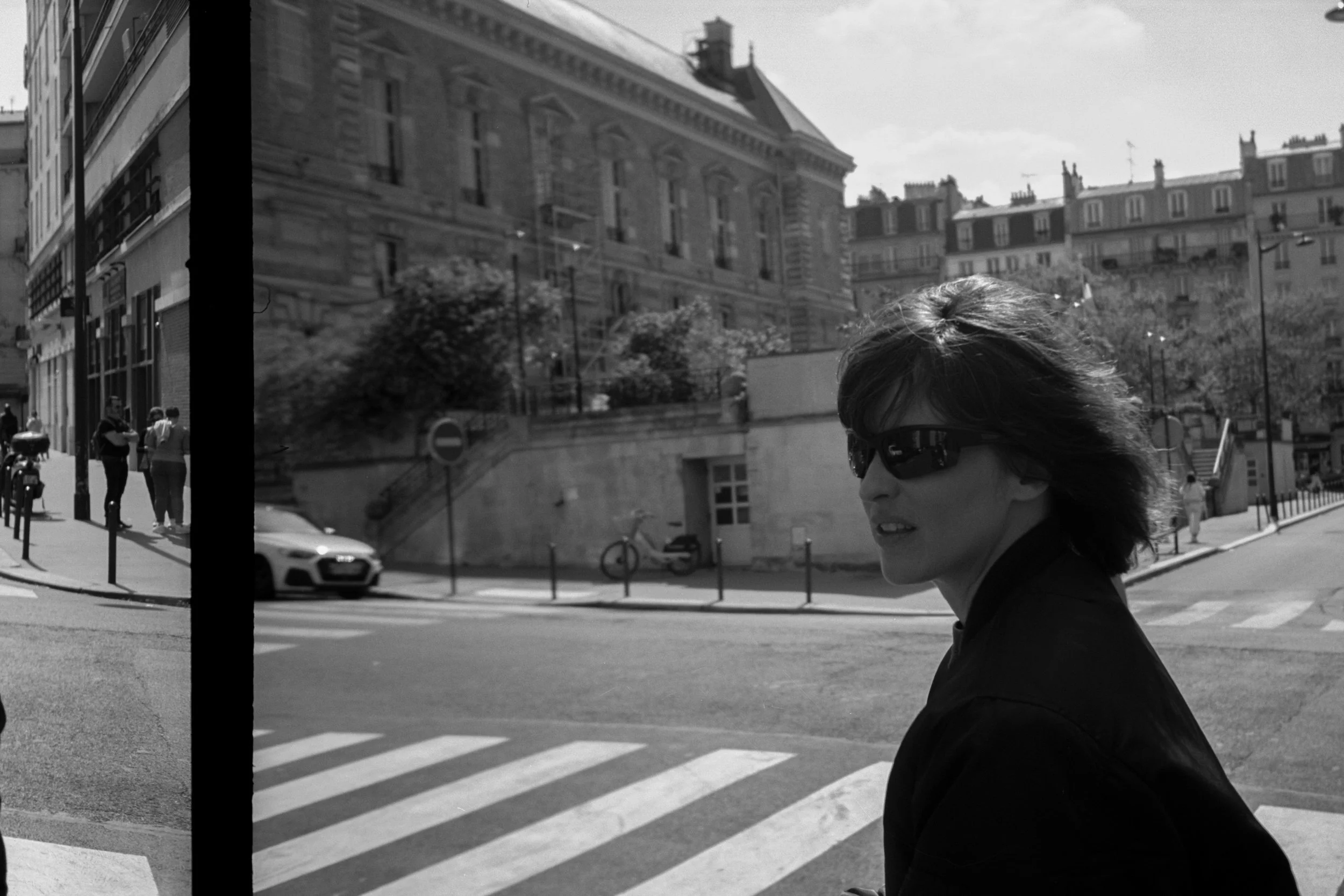
CHLOÉ
Distorted Dance feels different from some of your previous releases. What were you exploring creatively when you made the track?
With ‘Distorted Dance’, I wanted to capture that suspended state I try to create in my DJ sets and then bring it back into the club. I produced it in a very physical way, using analog hardware and with the dancefloor clearly in mind, focusing on analog textures, tension, and physical reaction. The track has a basic TB 303-style bassline that progressively takes the role of a lead, growing in presence and tension. I wanted it to have an immersive sound, something raw, slightly uncomfortable, and hypnotic.
Rex Club has clearly been important in your journey. How did that space and the Paris scene shape you as a DJ and producer?
Paris’ scene has evolved a lot. There are many more spaces now and a much wider variety of events, reflecting how diverse and active it has become. The queer scene has expanded, even if it is still never enough.
I have been playing at Rex Club for more than two decades. The connection there with the crowd is very direct, the sound system is strong, and I have my Lumière Noire residency there. That kind of space really shapes you as an artist.
You have been active in electronic music for many years now. What still keeps you excited about making music and running a label?
Being a DJ, a producer, and running Lumière Noire Records are not separate things for me. They constantly feed each other. What I do is digging, navigating through ideas when I produce, or through labels and producers when I am playing.
I would say curiosity and exploration are what keep the whole process alive for me.
What stood out to you most when you first heard Hannah’s remix of Distorted Dance?
I like being surprised by remixes and letting artists take the track somewhere unexpected. Remixes should feel like a conversation, a shift from how I hear my own track.
I really dig Hannah’s energy. Her remix pushes things in a techno direction, which is not necessarily typical for the label, and I appreciated that contrast.
Each remixer on the EP has a very distinct voice and that is what interests me, allowing the track to evolve through artists I have a real connection with.
You and Hannah have both grown alongside your local scenes. Looking back, how do you think longevity and community involvement have changed the way you approach making and releasing music today?
I remember Hannah playing at one of my Lumière Noire parties at Rex Club a long time ago. I still remember her amazing set. I have been following her music since then and playing it for many years.
Growing within a local scene gives you roots. You understand that clubs are not just nightlife spaces; they are places where values circulate. Community involvement keeps you grounded. Longevity teaches you perspective. You see cycles, trends, and saturation, but if you dig deeper, there is always something new emerging, new artists, and new hybrid scenes.
The emotional impact that performing and producing has on me is mainly what keeps me going.
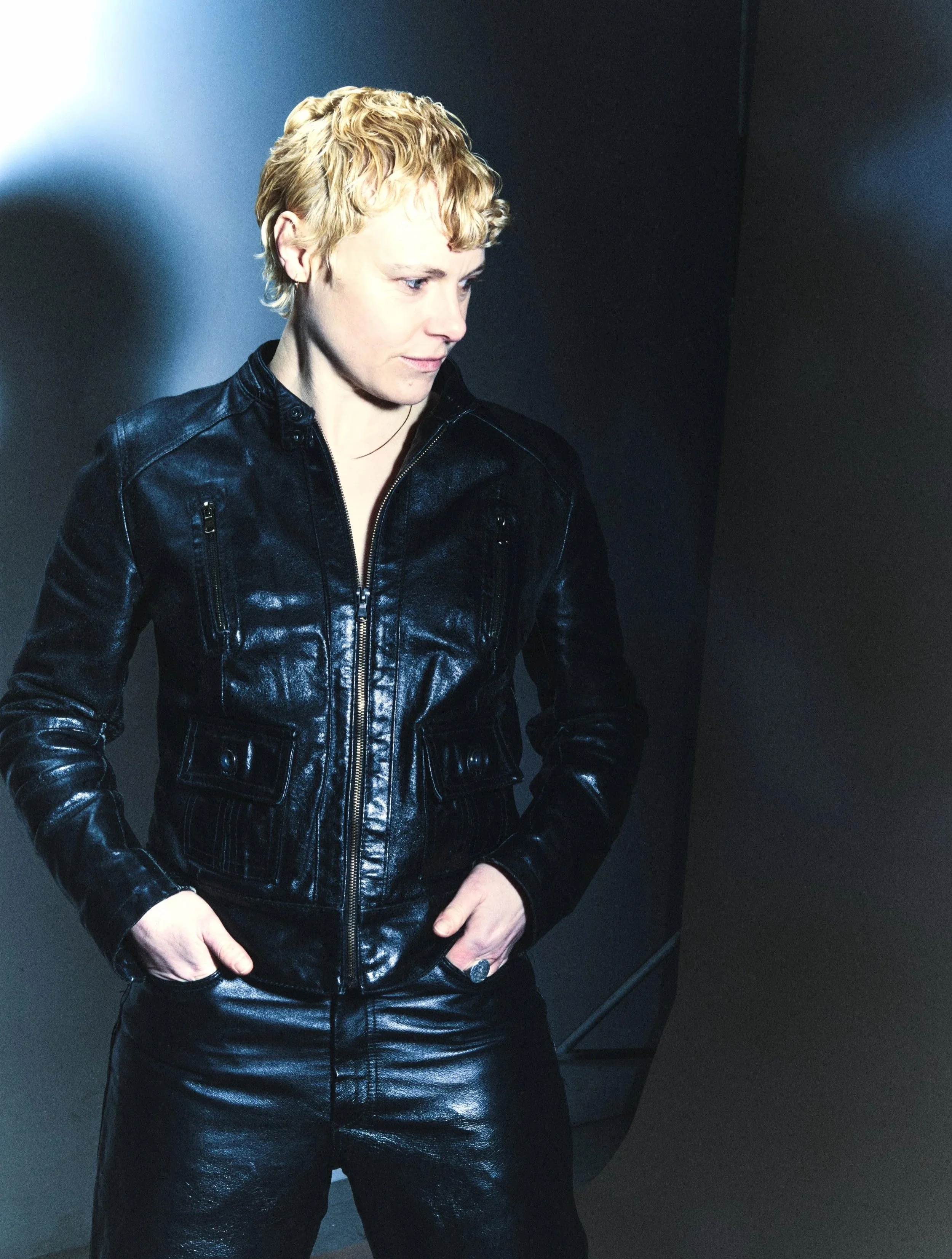
Hannah Holland
What was your first reaction when you heard the original version of Distorted Dance?
First of all, it was a real honor to be asked to remix CHLOÉ. She has been a big hero of mine since I started collecting records and getting into this style of music in the early 00s, and I have followed her music ever since.
Distorted Dance gave me classic CHLOÉ vibes, trippy, hypnotic, driving, sensual, bleepy and atmospheric. A lot of what I have loved so much about her previous releases.
You have had a long, varied journey through DJing, production and scoring. How do those different roles feed into each other for you?
DJing has been a key skill that I have been able to transfer into scoring, in terms of reading an atmosphere and creating sounds to enhance, add mood and shape a situation. It is a similar muscle, albeit with very different styles of music, but with the same gut feelings involved.
Having produced for nearly 20 years and worked in lots of different environments with many musicians and artists has also been crucial in crossing over into scoring. I can bring in certain people to collaborate with and switch up styles when needed. Whether it is a string section, a vocalist or a full band, I have amazing go to artists I trust.
Equally, being part of the band Black Gold Buffalo for seven years, writing and recording with them, has been a major influence on how I work across all mediums. Learning about different studios, working with engineers and exploring different processes keeps everything fresh and inspiring. It is all a constant learning curve. You never stop learning, and everything feeds into each other for me.
London’s alternative and queer club scene has been central to your work. How has being part of that community shaped who you are as an artist?
As a teenager growing up in London, I was lucky enough to discover some seminal clubs and be swept up into the scene, which was the start of a lifelong dedication.
Queer clubs are so vital. It is where you can truly express yourself and meet like-minded people. That inspired me to get behind the decks. I was nurtured as a young DJ and supported by certain clubs and promoters, props to Dan Beaumont, Trailer Trash, Jonjo Jury, and Rob Star to name a few.
I carved a creative path totally inspired by the people around me, constantly feeding off my friends, DJs, and artists. When I started the label Batty Bass, it was a no-brainer. There was so much talent around me and that led to meeting like-minded souls around the world.
There is a constant stream of creative force that comes through the queer scene that I am endlessly inspired by. When I am DJing at residencies like Batty Bass or Adonis, I have been able to really push the envelope of my sound because the crowd and I know each other. There is trust, and we can go on a sonic journey together.
Playing different time slots at the same club also allows you to explore warmer, peak time, or trippier sides of digging. Knowing what the space and crowd will respond to is a real privilege, and it shapes how you approach other gigs and sparks ideas for new music too.
When you are remixing someone else’s track, how do you know when you have found the right balance between your voice and theirs?
With remixing, I usually look for the hooks and sounds that stand out to me in the original and then go with the flow. With this remix, I wanted to bring it into a peak time tempo aligned with what I am playing at the moment, while keeping the trippy, hypnotic feel.
You and CHLOÉ have both been shaping scenes rather than just passing through them. What do you think that shared experience brings to this release?
All I can say is that I am honored to be on a release with CHLOÉ and Lumière Noire Records. With our shared history in the queer scene and similar approaches to music, it just feels right.
