
IN CONVERSATION WITH ASHLEY RADJARAME
Discovered on a London street in 2019 while studying international commerce, ASHLEY RADJARAME’s life shifted almost overnight. Signed to IMG Worldwide, she debuted with a Prada exclusive before walking for Louis Vuitton, Chloé, and Rabanne, quickly becoming one of fashion’s most compelling new faces. One of the few visibly Indian models in high fashion when she began, ASHLEY carries her heritage with intention, advocating for representation while building a career rooted not in speed, but in longevity. Today, she approaches fashion as a long conversation rather than a fleeting moment, determined to create space for others while shaping a legacy that bridges Indian heritage, French culture, and a more conscious industry.
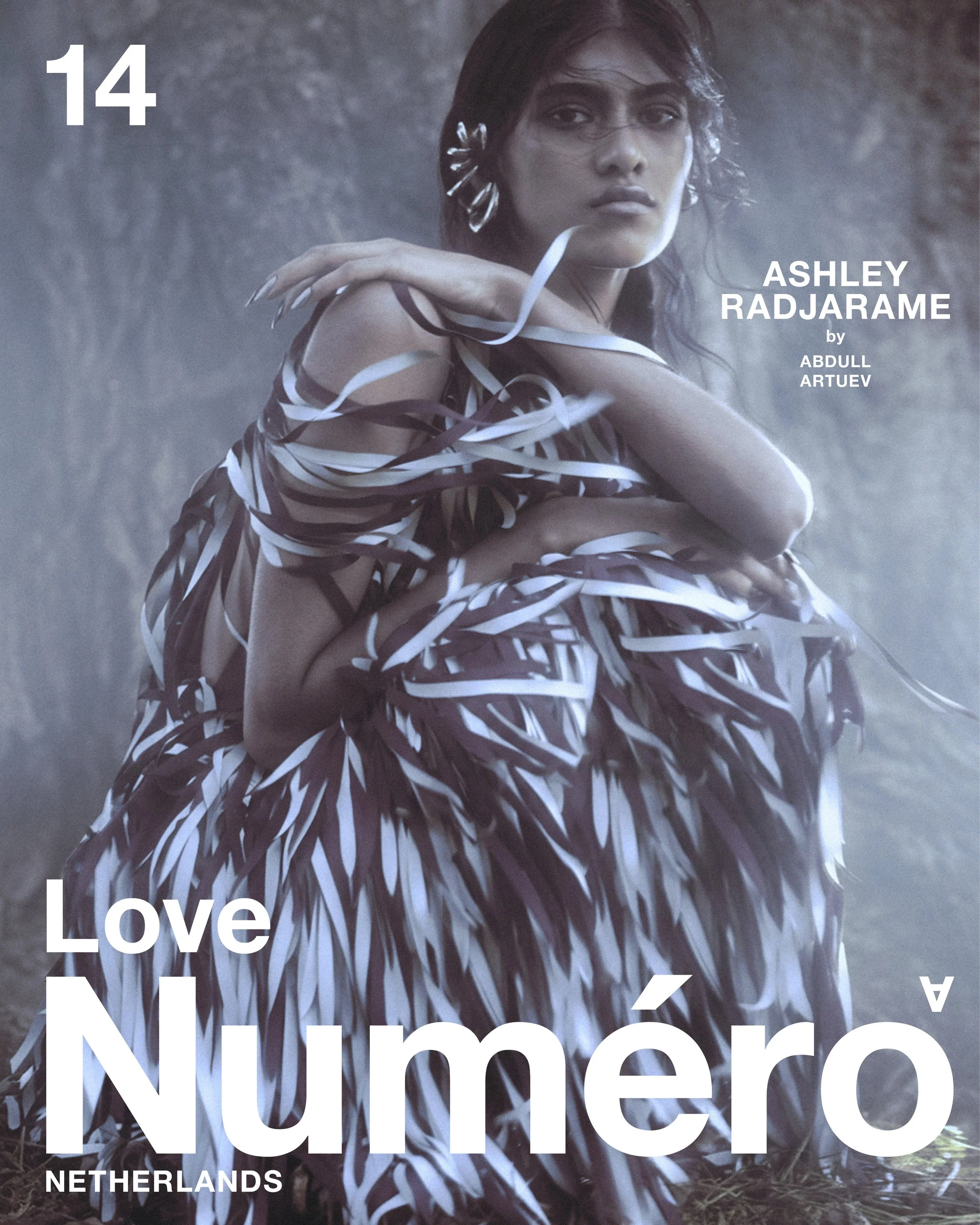
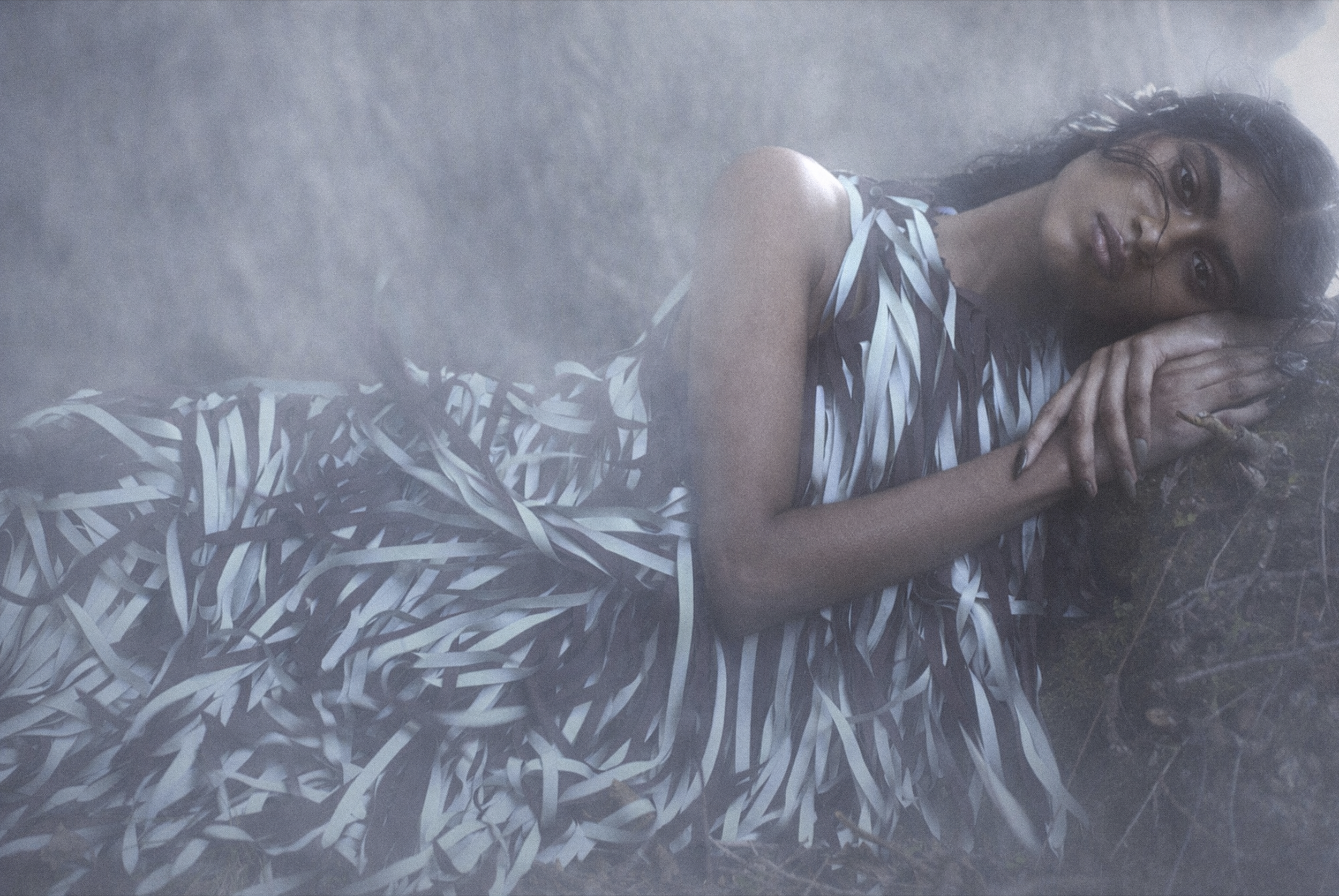
dress MAITREPIERRE
earrings PANCONESI
You were discovered on a London street in 2019. What do you remember about that moment, and how quickly did your world change?
I remember this moment like it was yesterday. It is an intact memory. I was walking down the street in Brick lane when someone approached me to ask me if I was a model. When I said no, I was photographed, left a contact and everything went on very quickly. I called a friend to tell her, she was even more excited than me, and less than a week later, I met IMG and I signed with them.
It's pretty crazy to think that my life took another direction on an ordinary day. Everything went very fast, almost too fast to realise, but deep down I felt that something important was beginning.
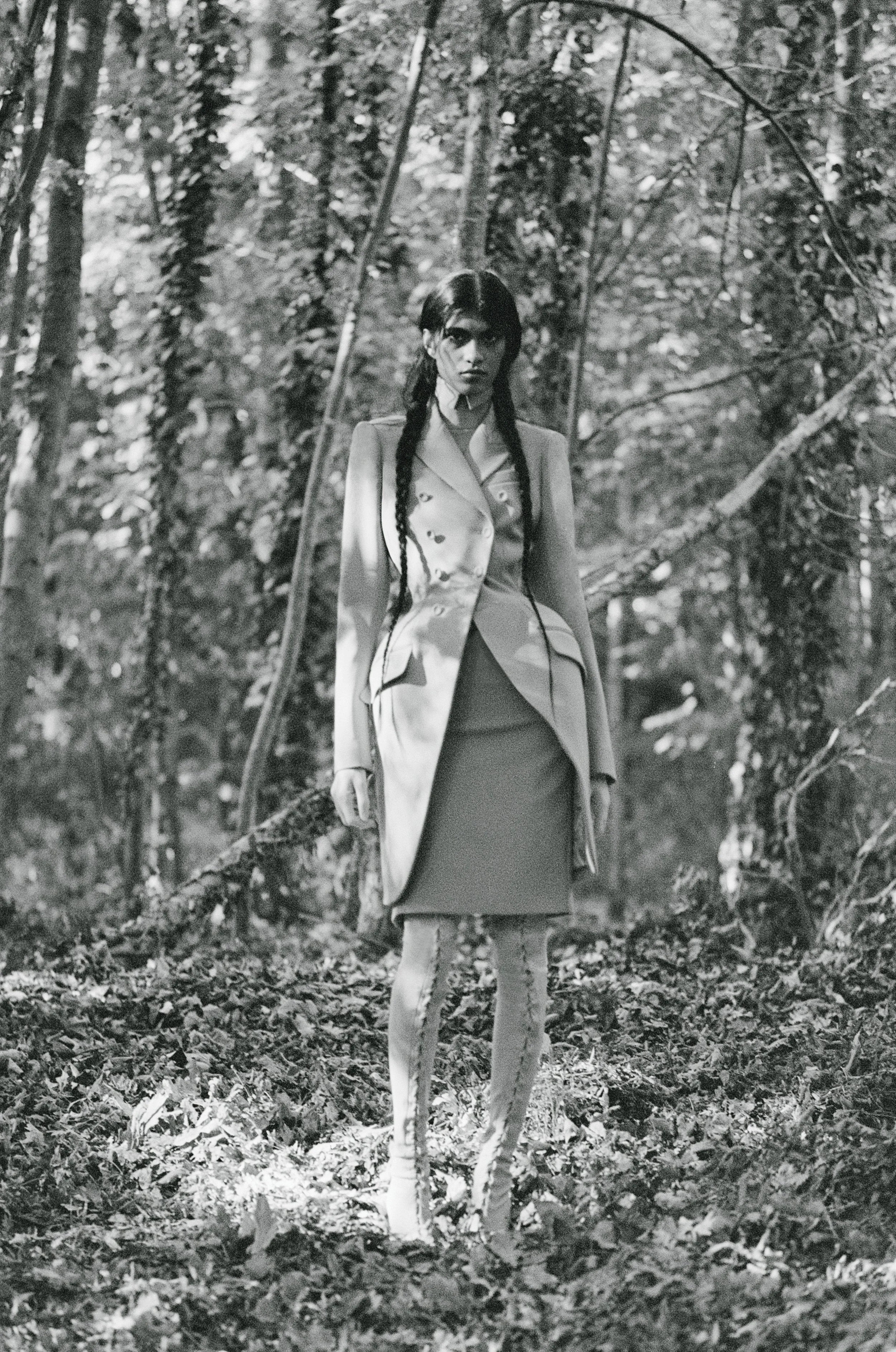
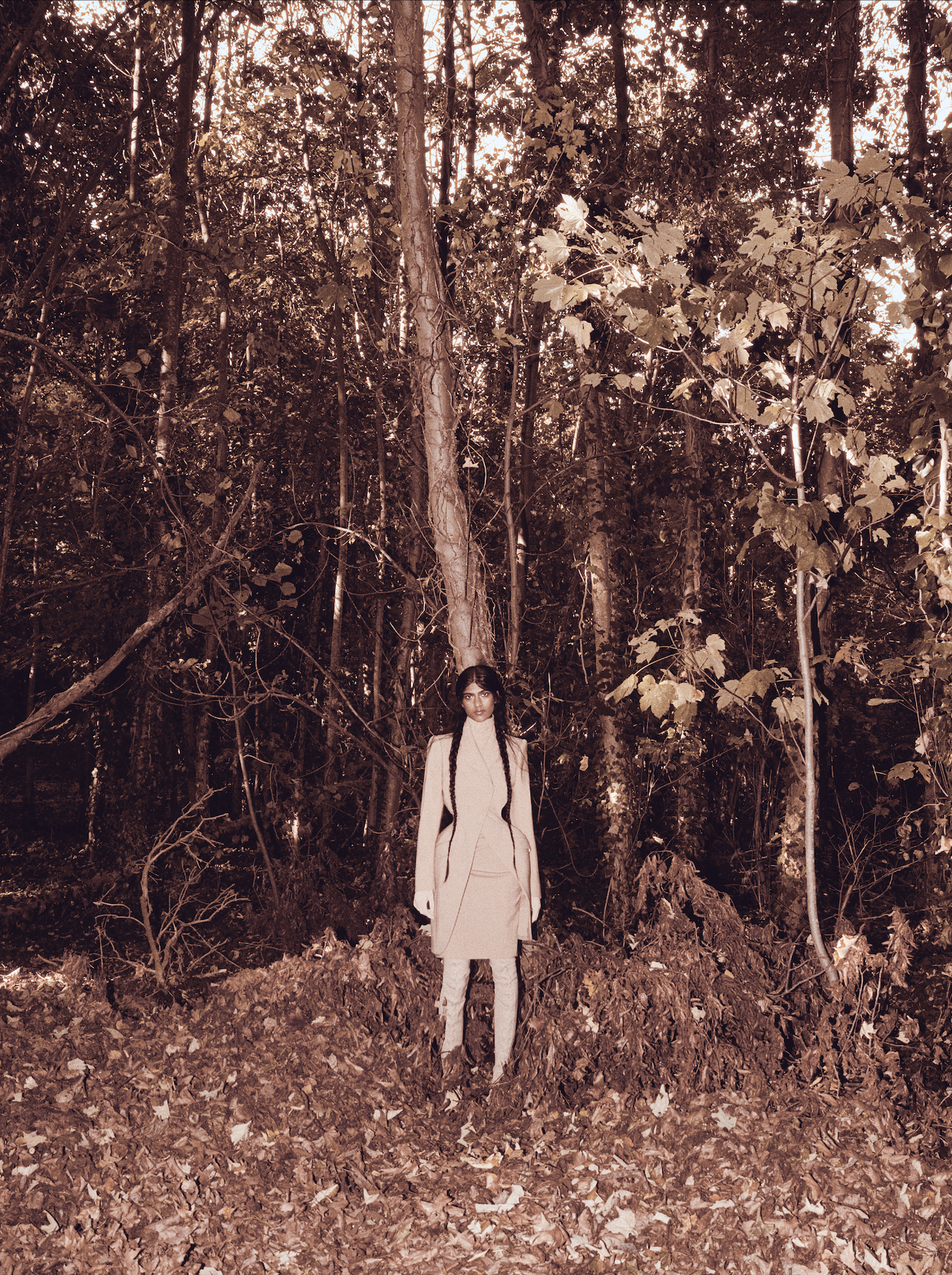
full look MUGLER
Opening your career with a Prada exclusive is rare. How did that first major step shape your confidence and direction moving forward?
At that moment, I did not fully realize the rarity of a Prada exclusive, but I knew that starting at this level was exceptional. Being placed so high from the first project gave me a form of immediate confidence. It was a strong signal l was trusted and I had to live up to it.
I didn't feel overwhelmed, it was the opposite. I approached these first jobs with a lot of focus, I observed, I learned quickly, I looked at how everything worked around me. I wanted to be professional from day one. This beginning laid the foundations of my way of working. Starting with a house like Prada gave me an inner conviction. If I had my place there, then I could build it elsewhere too.
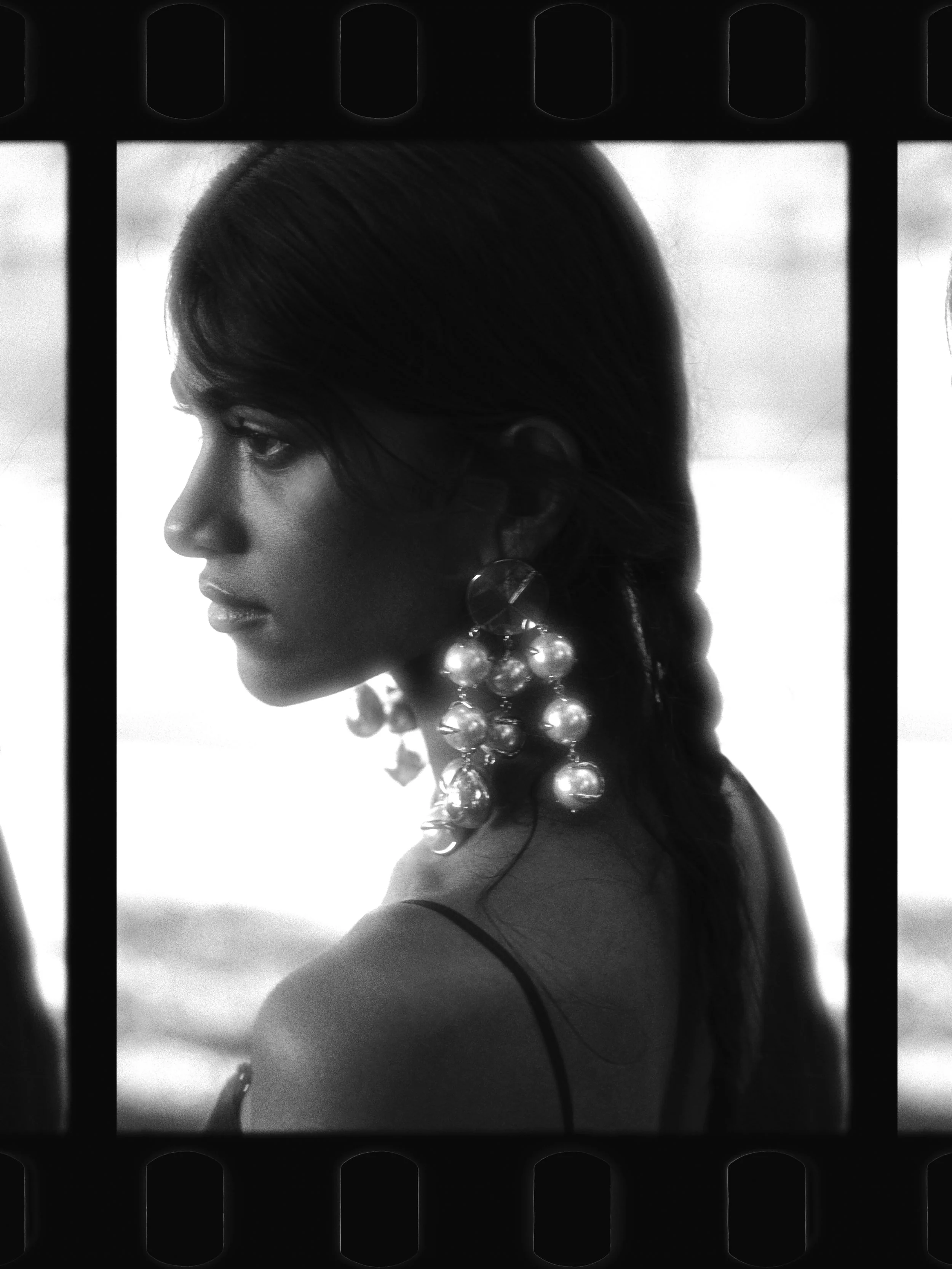
earrings and bra GIVENCHY BY SARAH BURTON
Having walked for houses like Louis Vuitton and Chloé so early on, did you feel prepared for the speed of the industry?
It was like a mix between a dream and being on autopilot. Everything was happening very fast, so I put myself in a form of concentration. I wanted to do everything, accept every project. I was very demanding with myself, maybe sometimes too much.
At the time, I did not always realise the scale what I was experiencing. I was driven by adrenaline. Each job gave me immense satisfaction, but instead of taking time to appreciate it, I was already thinking about what came next. It was never "enough." Not out of frustration, but out of ambition and desire to continue to grow.
Looking back, this period taught me to find a balance. Success isn’t only about moving from one project to another, it’s also about truly living the moment. Today, I still have the same ambition, but with more awareness and kindness toward myself.
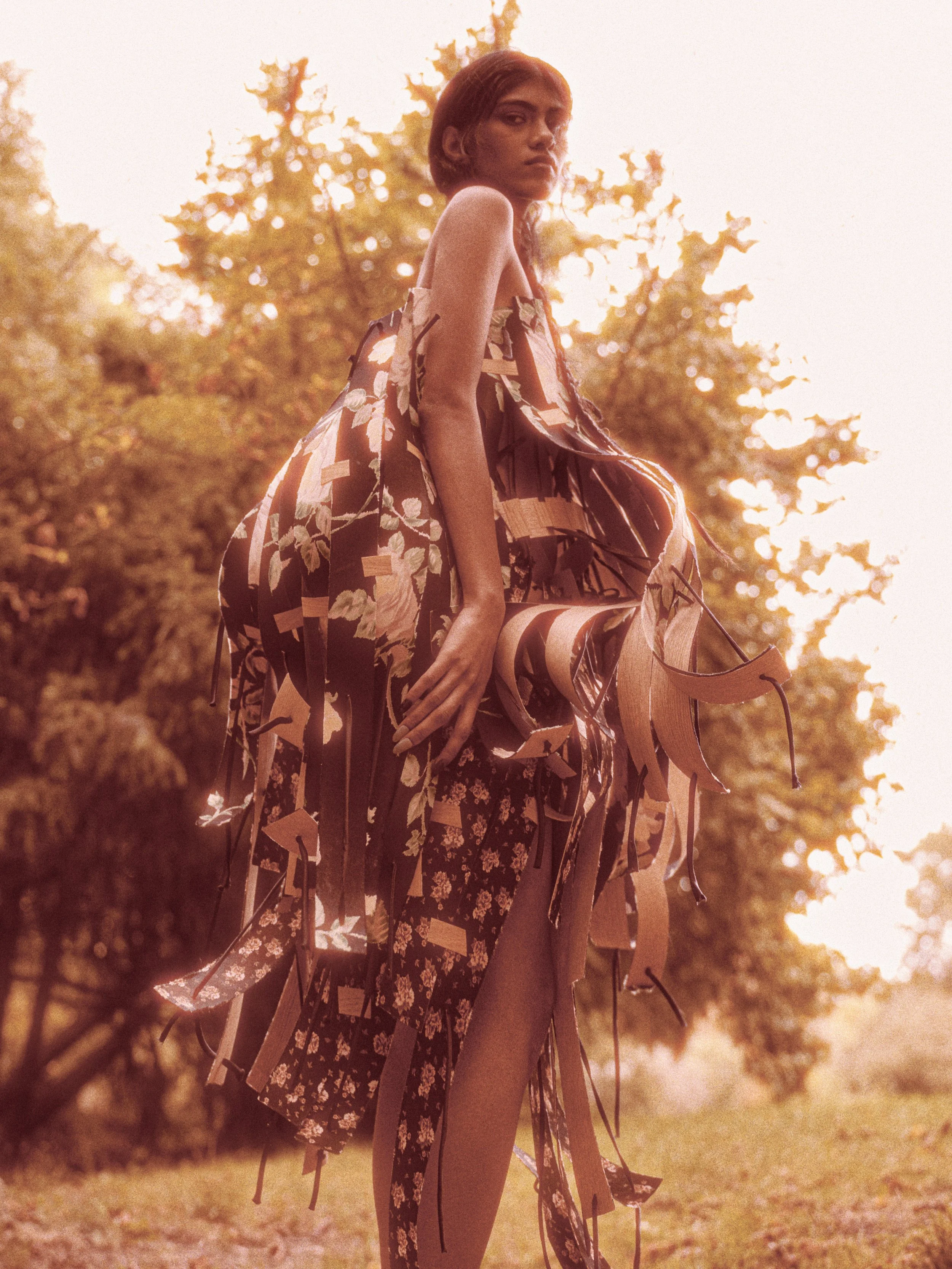
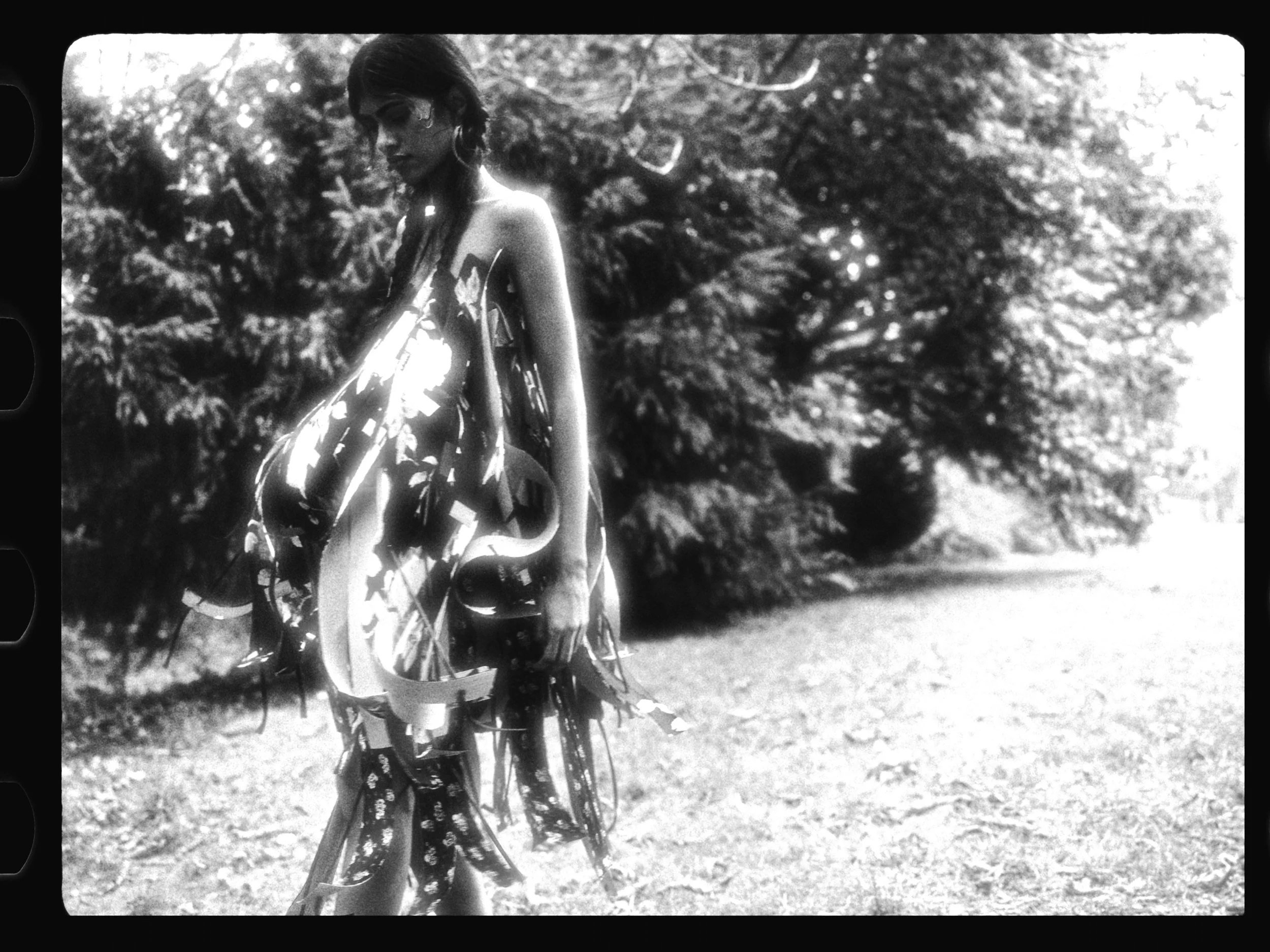
wood top and skirt THEODORA HADJ
As one of the few models of Indian origin visible in high fashion at the start of your career, how did that awareness shape you?
At the beginning, I didn't necessarily think about representation. I didn't think I would be noticed.
It was when I started receiving messages from people who looked like me that I really understood the impact it could have. Young girls told me that it felt good for them to be represented, that it inspired them.
That realisation became a huge motivation. It made me want to aim higher and take on more ambitious projects because I understood it was no longer just about me. Even as individuals, we can have a real impact and visibility truly matters for those who need it.
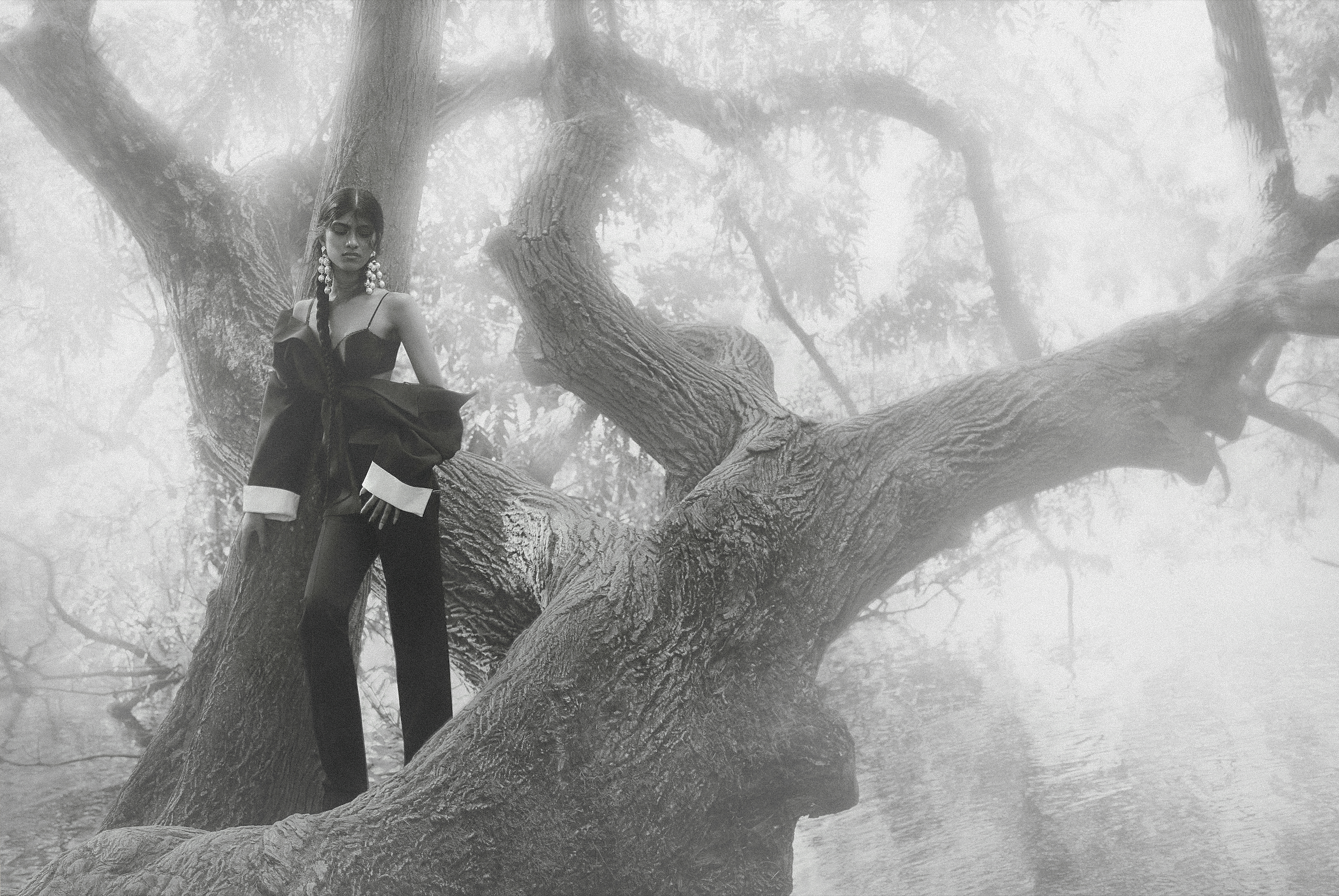
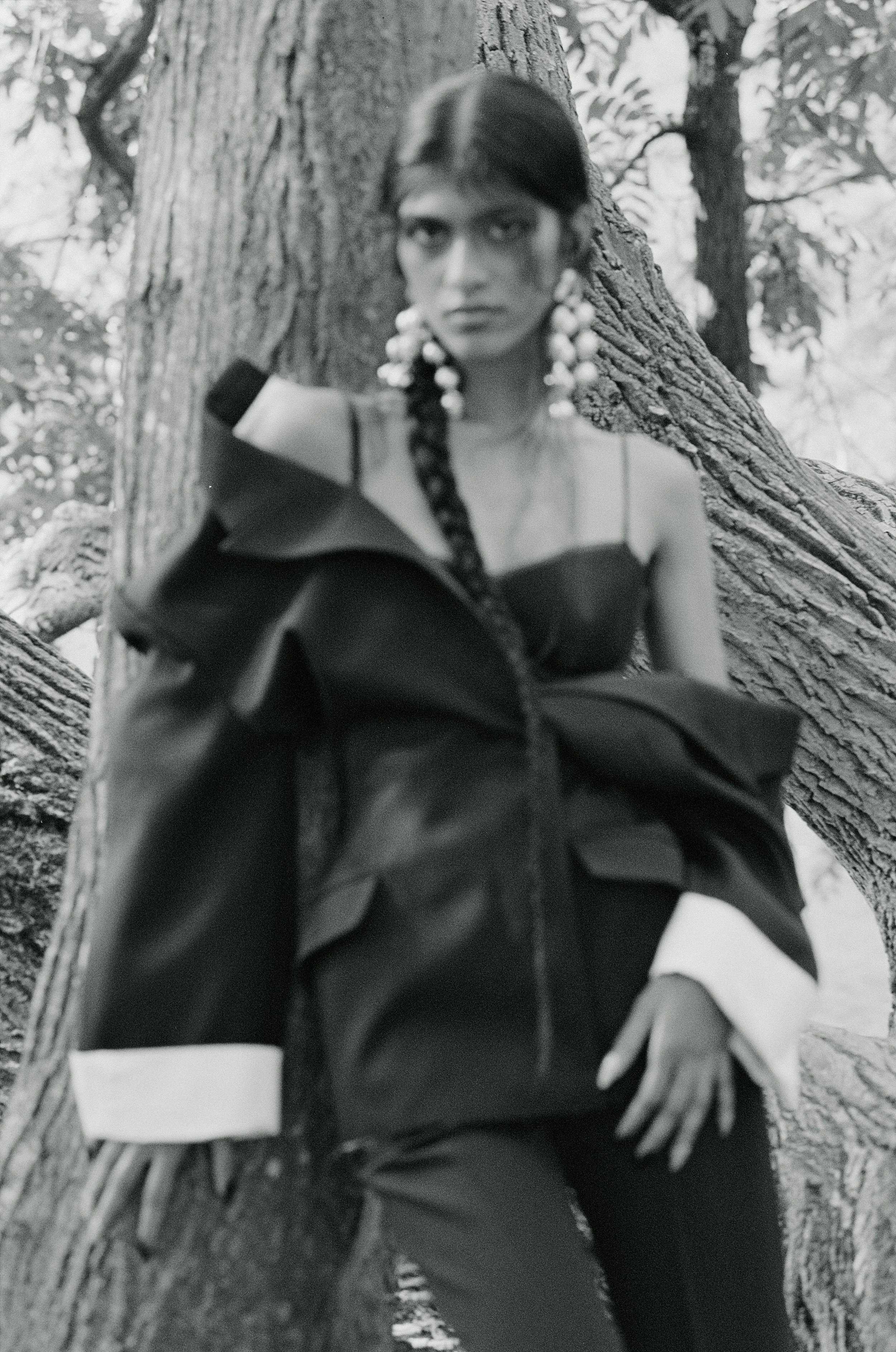
full look GIVENCHY BY SARAH BURTON
You’ve spoken about Indian culture as a “millennial wealth” that deeply influences fashion. In what ways do you see that influence today?
India's influence on fashion has always existed, especially through its textiles, artisanal techniques and exceptional savoir faire. For decades, many luxury houses relied on the work of Indian artisans embroidery, weaving or prints without this contribution always being clearly recognized. India has long been an essential, yet quiet force in global fashion.
Today it's becoming harder to ignore this reality. We are beginning to see a conversation emerge about the origin of know-how and those who really carry it. The recognition still remains partial, but an awareness is gradually setting in. We also see this evolution through the increasing visibility of Indian designers internationally. Their presence at Fashion Weeks shows that India is not only a source of inspiration or production, but a true creative voice. What I find especially powerful is how they combine ancestral techniques with contemporary design, creating pieces that carry both history and modernity.
This feels like a moment of transition. India has always contributed to fashion, but today it is slowly being recognised as one of its creative strengths.
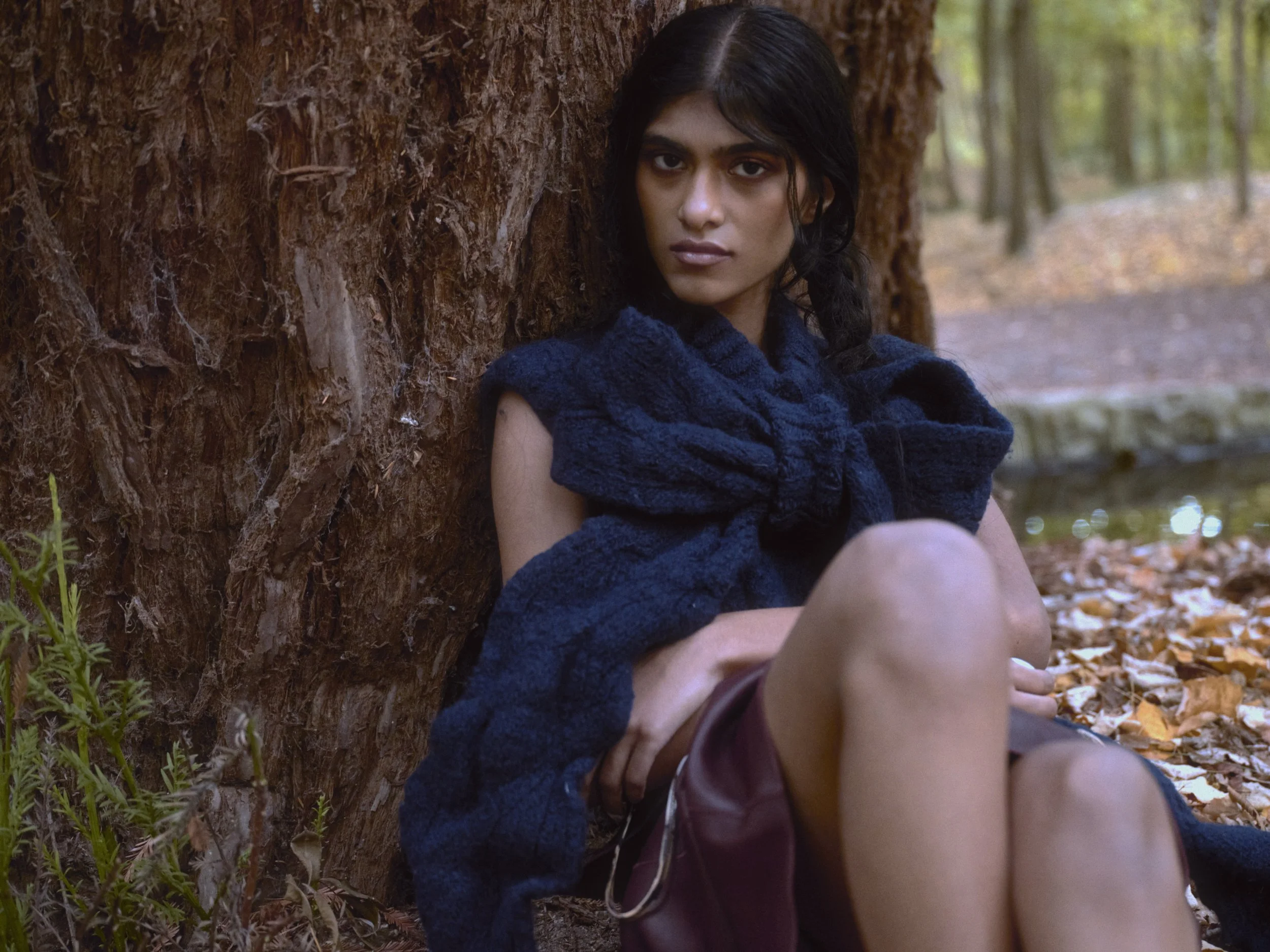
full look ACNE STUDIOS
Do you feel the industry has evolved in terms of representation since you began?
Yes, there is clearly more diversity today than in my beginnings in 2019 and this is a positive evolution, but in retrospect this change remains recent and fragile. It has only been for three years that we have seen more South Asian models appear regularly. Representation often remains limited, on many shows there is still a restricted presence. Two or three faces at most rather than a truly integrated diversity. It kind of creates a feeling of rarity, as if opportunities were concentrated on just a few people, while for other origins the question no longer even exists.
Sometimes it feels like visibility moves from one person to another each season, as if the spotlight shifts instead of expanding. It gives the impression of a cycle rather than lasting progress.
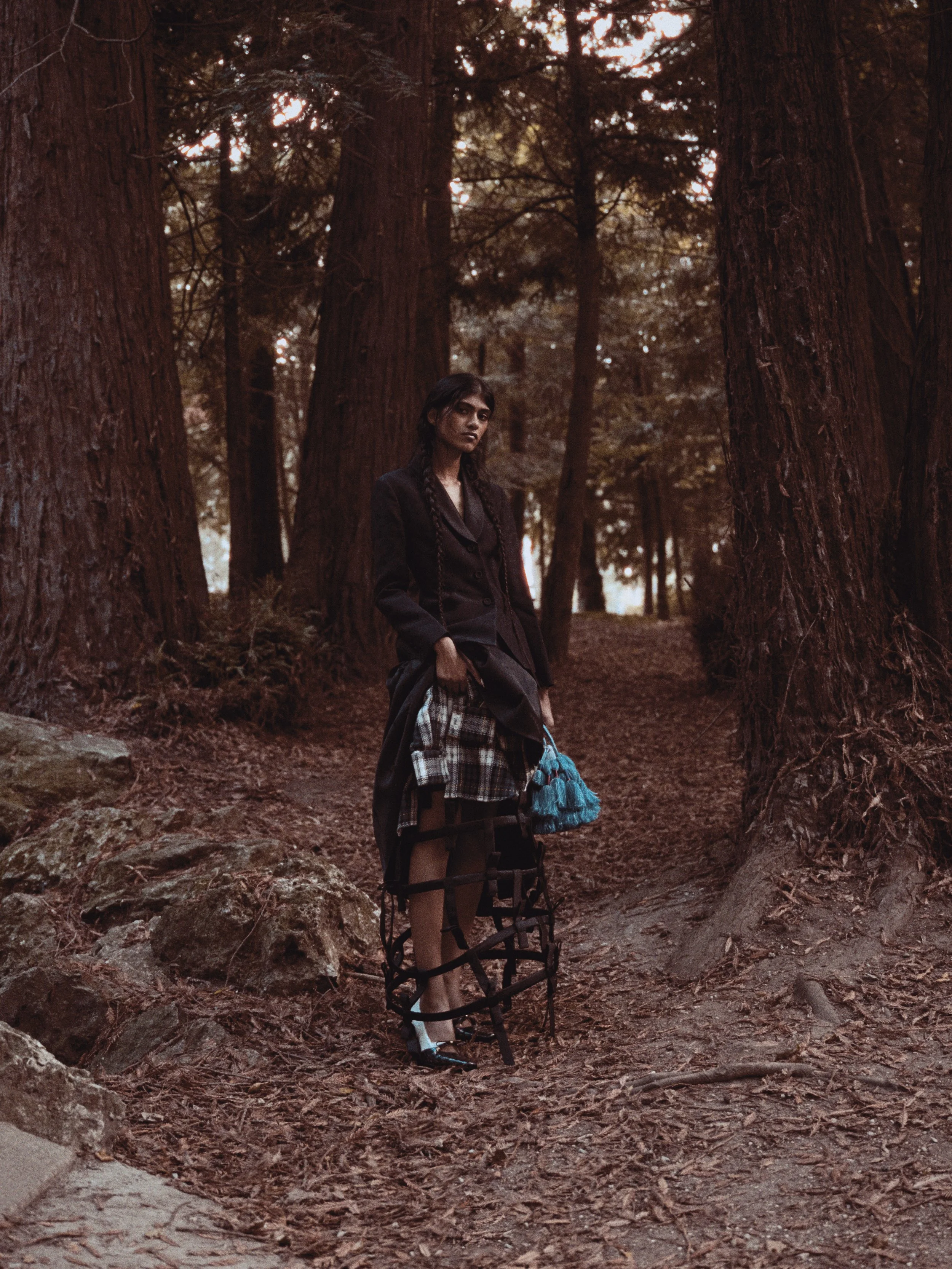
blazer, skirt, bag and shoes CHRISTIAN DIOR BY JONATHAN ANDERSON
shirt styled as an underskirt CELINE
petticoat MOSCHINO
You’ve said fashion is “not a sprint, but a conversation.” What does longevity mean to you personally?
In the first years of my career I wanted to do everything. I felt like every opportunity was a step forward, but even after important campaigns or strong covers, I realised that visibility in fashion isn’t always based on the accumulation of work. The industry often moves through powerful moments that suddenly capture attention. With time, I understood that what suited me better was a more gradual construction. Longevity allows you to exist beyond a specific moment and build recognition that lasts.
For me, lasting means continuing to evolve, coming back, working again, until the journey speaks for itself. It's not just being seen at a given moment, but staying present long enough to leave a trace.
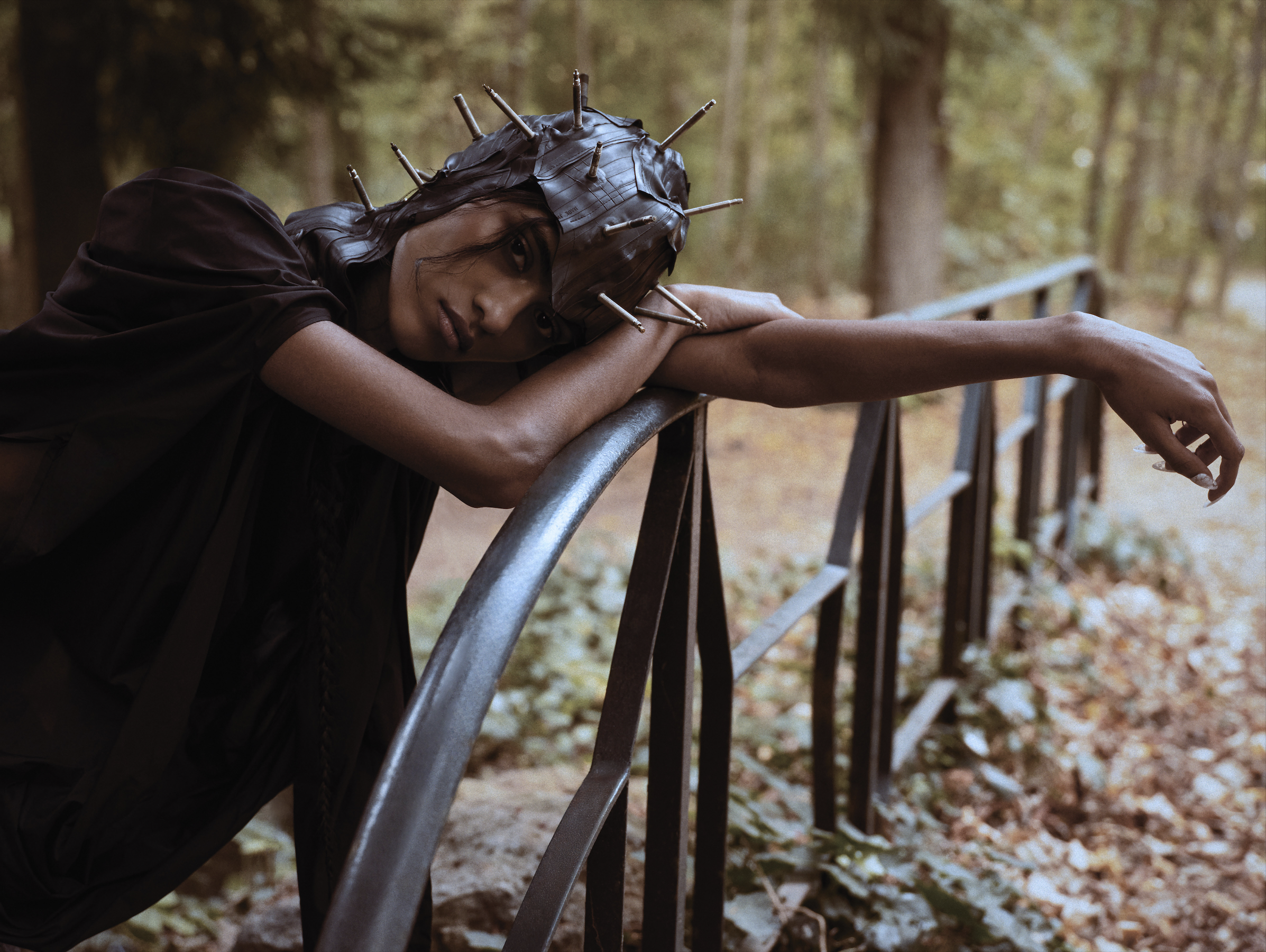
top JULIUS SCHEFFEL
headpiece ENZO KEUNING
How do you decide which projects align with your values now?
Today I pay much more attention to the intentions behind a project. I wonder why I was chosen, what the image really tells and if collaboration is based on true mutual understanding. Working with teams where tehre is trust, shared vision or with people who can make me evolve has become essential for me. I also understood that loyalty must go both ways. I value long term collaborations, but I also need to feel a real evolution and projects that grow with my career. Now, I prioritise projects that have meaning, sincerity and a creative dimension that I can fully embody.
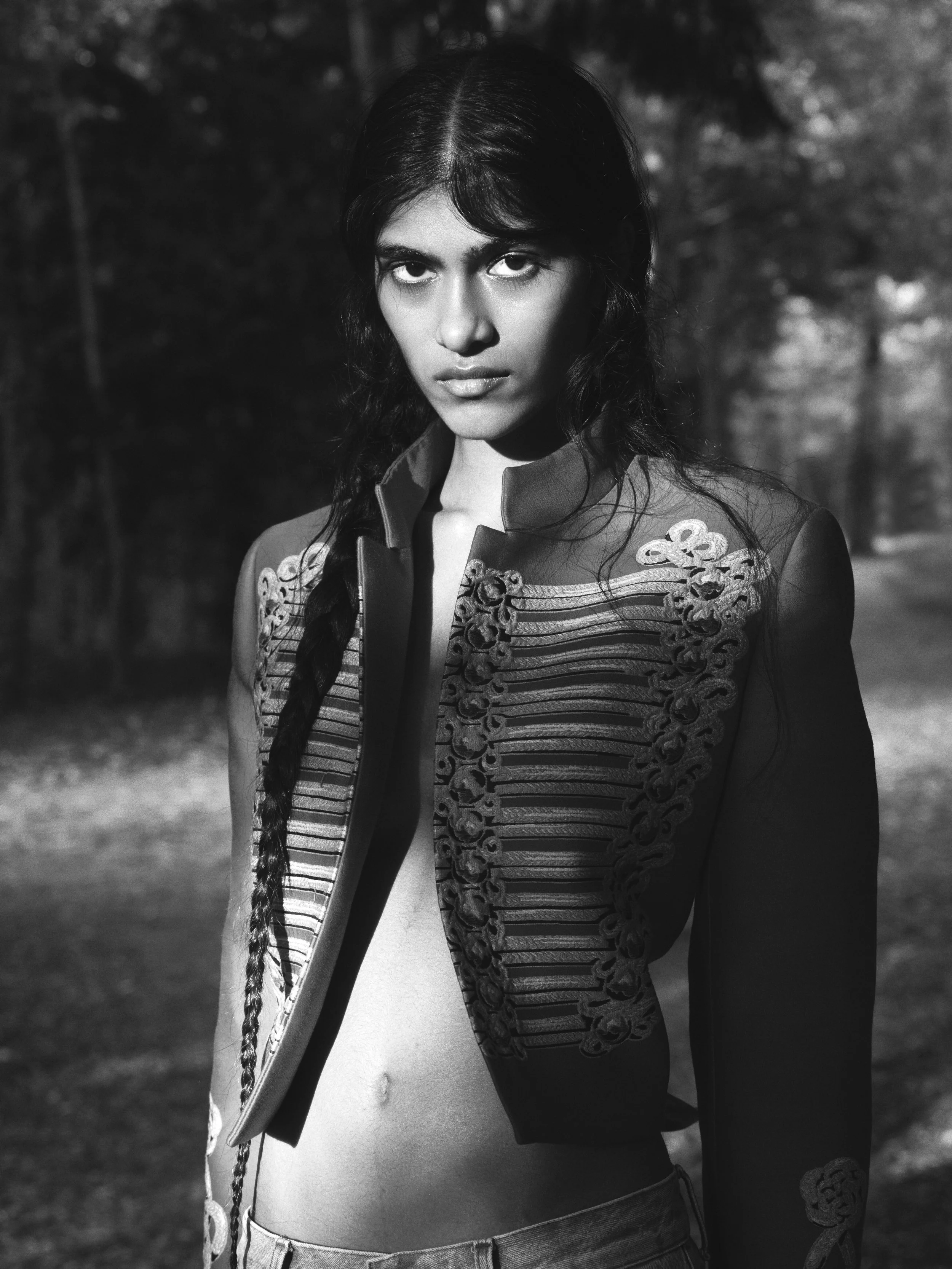
jacket KENZO
denim CELINE
How do you protect your sense of self amid the constant visibility of the fashion world?
I learned with time to create a real stability between my work and my personal life. When I get home, I no longer stay mentally connected to work all the time, because at first it took up too much space in my mind.
Today I pay attention to return to simple things, spending time with my friends and family, who have always been what brings me back to myself and makes me feel safe. These moments away help me stay anchored. At the same time, my image does not bother me as long as it makes sense, when it helps to represent my community or to change the views in this industry. In those moments, it becomes a means of expression rather than a pressure. This helps me keep a balance and approach my work with more calm and perspective.
What excites you most about the direction fashion is heading right now?
What excites me most today is the number of voices speaking around fashion. Creatives, models, observers and the public are all participating in conversations and sharing opinions. This freedom of expression can shift mentalities and even push the industry to rethink certain decisions. We no longer accept everything unquestioningly and that makes fashion more conscious and more responsible. I also find it inspiring to see diversity continue to evolve, even if the process is still ongoing. Models speak more openly and affirm their identities. This movement toward a more human, more dialogued, and more conscious fashion is to me one of the most exciting directions today.
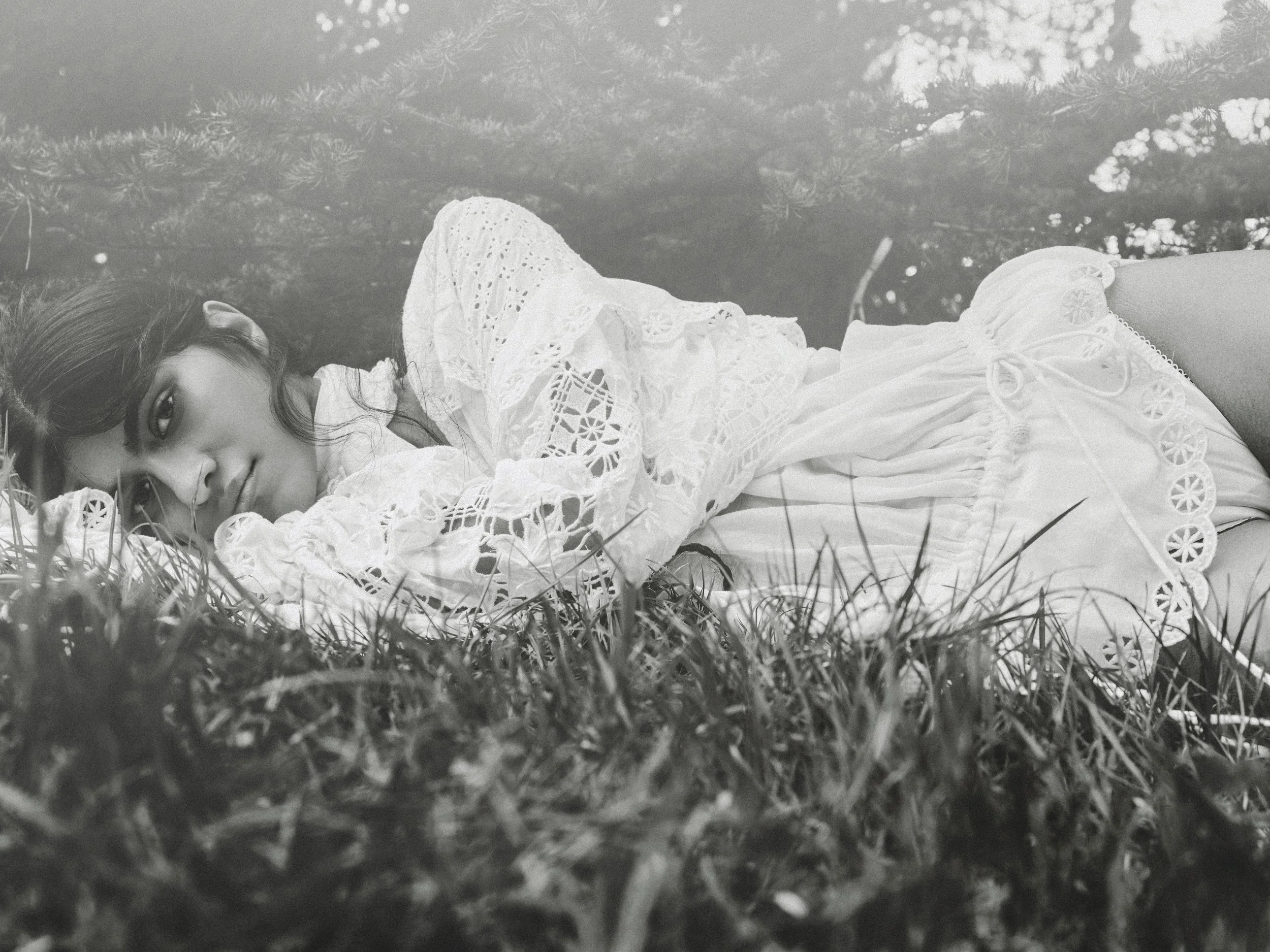
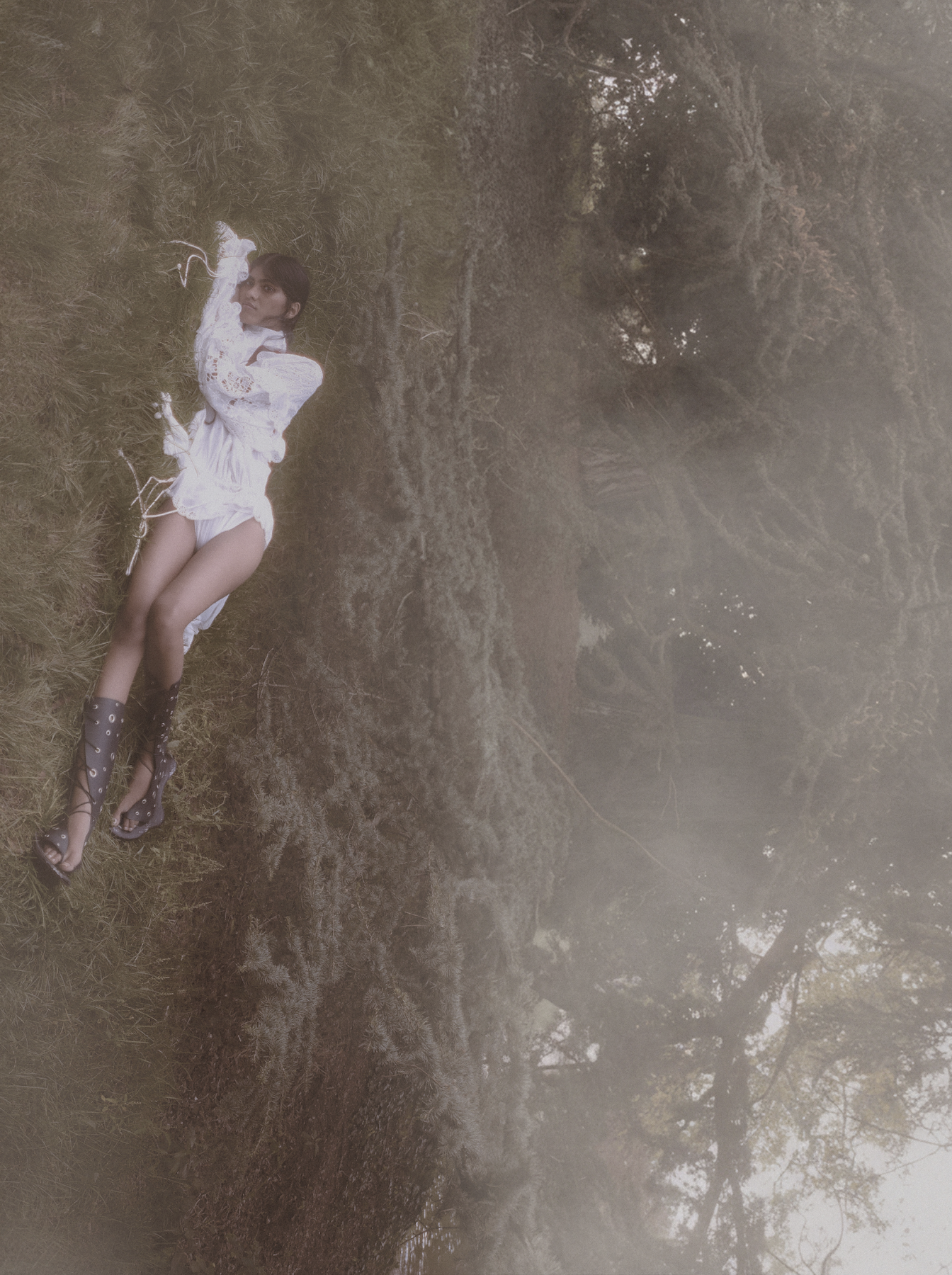
blouse and micro shorts ISABEL MARANT
Beyond modeling, are there creative or cultural projects you hope to explore in the future?
Cinema is something that came to me through a few opportunities. It is a thing that I would be curious to explore more. I would also like in the long run to develop a more personal project, something that is deeply close to my heart. It is still being considered, but I know that it will be probably related to India.
TEAM CREDITS:
model ASHLEY RADJARAME at IMG MODELS
photography ABDULL ARTUEV
fashion editor and creative director ALEXANDRE DORNELLAS
hair MIJO MAJHEN
makeup SHARBEL HASBANY
nails SIBEL ALTUN
executive production ANA CAMIZA
fashion production KAIO BERGUER
photo assistance PASHA GULIAN
casting MELISSA SCOTT
videography VICTORIA CLIFFE
video assistant SEBASTIAN JIMENEZ RUIZ
editor TIMI LETONJA
interview JANA LETONJA
cover design ARTHUR ROELOFFZEN
