interview by JANA LETONJA
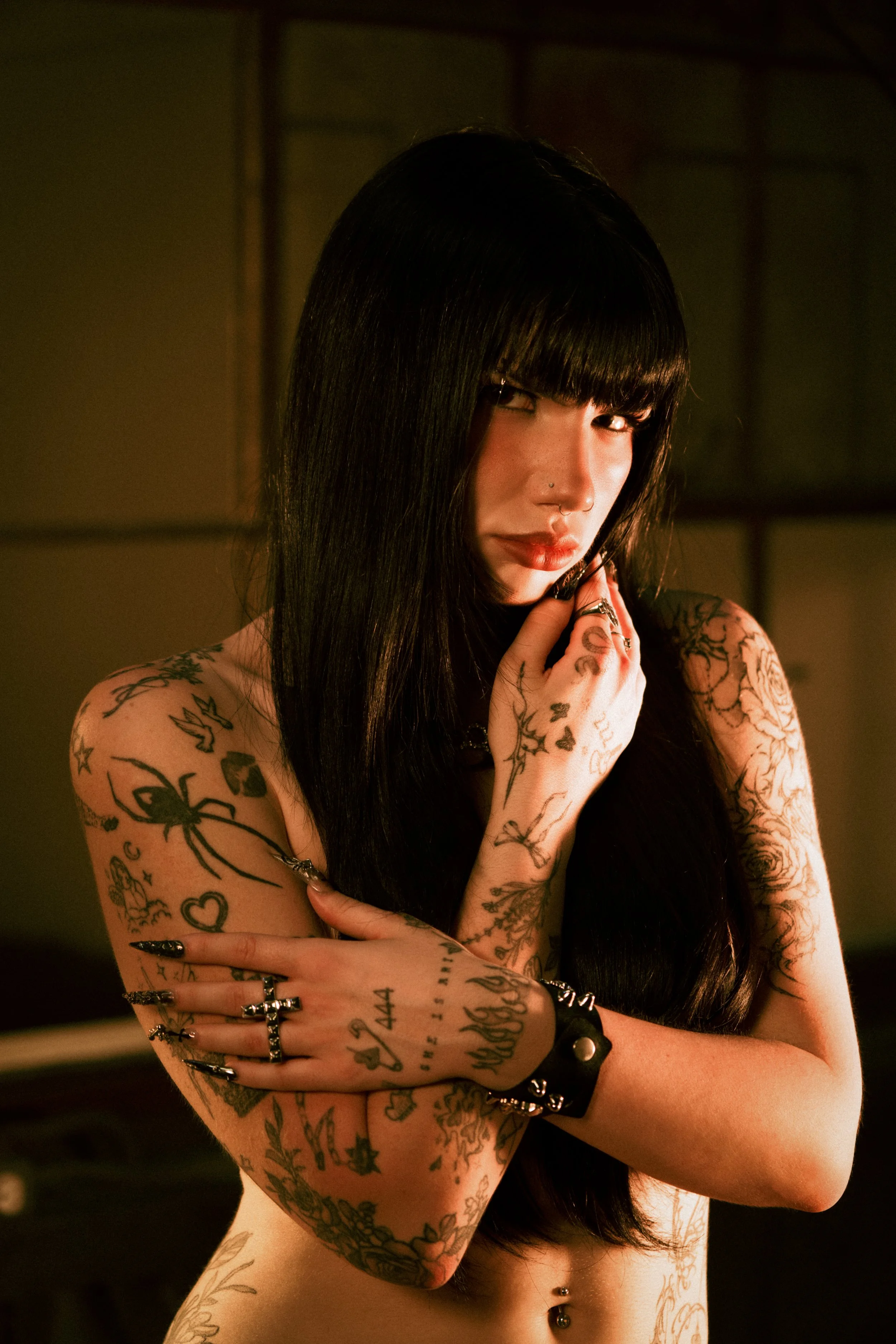
With a fearless attitude, unapologetic vulnerability, and a sound that refuses to be contained, Bailey Spinn is emerging as one of the most compelling voices in a new generation of rock music. At just 24, the singer-songwriter has transformed her digital influence into a powerful musical identity, connecting with millions through her raw emotion, rebellious spirit, and electrifying energy. Following her debut album loser, Bailey is stepping into a darker, heavier, and more personal chapter with her sophomore record, death & devotion, arriving November 13. As she continues to challenge expectations and carve out her own space as a young woman in rock, Bailey represents a generation unafraid to be loud, vulnerable, and entirely themselves.
photography by NAS NIXX
You’ve built an extraordinary journey from creating content online to establishing yourself as a rising force in rock music. Looking back, when did you first realize that music wasn’t just another form of expression for you, but something you wanted to dedicate your life to?
I always loved music in theater growing up. I played a lot of instruments every day in my house and went to many Broadway shows with my father. When I first started posting my music online, I wasn’t sure where it was going to go and I hadn’t experienced much in the music industry up until that point. Once I had been accepted into the music community, I started touring and getting into even more sessions. I realized it was something that I truly loved and would want to do for the rest of my life. The more songs I made, the more obsessed I became with being a musician and continuing to grow myself as an artist and try new things. I loved hearing the connection that fans have made to my music and knowing that there was a community of people out there who relate to my experiences and find comfort in my music. It’s heartwarming to know I can be a role model to some people and really have a positive impact on their life.
Your upcoming sophomore album, death & devotion, introduces a darker, louder, and heavier side of your artistry. What inspired this creative transformation, and what does this new era represent for you personally?
The creative transformation came naturally as my interest shifted over the years. I had become more comfortable in my own aesthetic and discovered my love for heavier music. I loved my last album, loser, but after it was completed, I felt like I had already shifted as a person and wanted to try something new to challenge myself as an artist. I wanted to improve my vocal abilities and make music that feels authentic to who I am now. This new era represents accepting who you are, living with confidence, and not being afraid to try something that scares you.
The title death & devotion suggests two powerful emotional extremes. What do these concepts mean to you, and how do they connect to the stories you’re telling throughout the album?
death & devotion came to me thinking about my online career, and how much I have evolved over the years. I started my career online creating skits, and as myself now, it felt like I barely recognized that person. I’ve had a lot of personal growth, self discovery, and hate I had to overcome to be standing where I am today. It felt like that insecure past version of myself no longer existed. She was dead. The devotion part comes in looking at where I want the future of my career to go. I made the decision to be fully dedicated to my music and devote myself to growing as an artist and continuing to make music that inspires others. The stories on this album are a direct representation of the growth and personal struggles I’ve been through over the course of creating the project. I dealt with self realization, heartbreak, and a lot of powerful emotional moments. All of those stories and moments are encapsulated in this album.
Your debut album, loser, introduced listeners to your musical identity, while your new record seems to push your boundaries even further. How have you evolved as an artist and as a person between these two projects?
I think during loser, I was a lot more insecure as a person, and as an artist. I was a creator who was very new to making music and a lot of people were not accepting that I really wanted to do this. I had tried making heavier music in the past, but I was scared to reach outside of my comfort zone. I really wanted to evolve as a person on the second album because I no longer felt like I needed to fit inside of a box. I realize that I don’t need to fit in anywhere or be afraid to try a heavier genre. I’d like to believe I’ve matured between these two albums and that’s shown in my songwriting and new perspectives.
There’s something deeply liberating about heavy music, especially when it gives space to emotions that are often difficult to articulate. What does rock music allow you to express that you might struggle to communicate in everyday life?
I'm pretty calm and laid-back in real life, but I do feel very intense emotions sometimes with no way to escape. It can be hard for me to properly express myself, but I find comfort and passion in songwriting in within rock music. I love the contrast between the dark heavy guitars of a rock song and emotional lyrics on top of it that really connect with the listener.
You’ve grown up in an era where identity is constantly shaped, questioned, and displayed online. How has living so much of your life in the public eye influenced your understanding of who you are beyond the expectations of your audience?
Over time, I realized that the person I had portrayed to my audience was different from who I was in real life. I tend to amp up my attitude and energy on the camera, when in real life, I am usually very laid-back and like to be in the corner of the room. I used to be harder on myself about taking breaks or not being on top of content, but over the years, I’ve learned that it’s completely okay and human to need a break. I've started to show my real personality a little bit more over the years and give my audience insight into my interest beyond making content.
As a young woman entering a genre that has often been dominated by male voices, have you encountered expectations or stereotypes about what a female rock artist should look or sound like? How do you challenge those ideas through your work?
I think people like to diminish my credits as a songwriter and limit my space in the rock scene because I am a female rock artist. People argue with me about what genre my music is all the time, even though I’m telling them exactly what I would categorize it as. People have also told me that my vocals are too pop to be on a metal track and that I don’t make rock music at all. I challenge those ideas through my work by incorporating the things I love and finding my own lane, despite the people trying to push me into a box. I love to have powerful, beautiful vocals on top of a dark heavy track. I think more female vocalists should make metal music and challenge the idea of what it has to sound like.
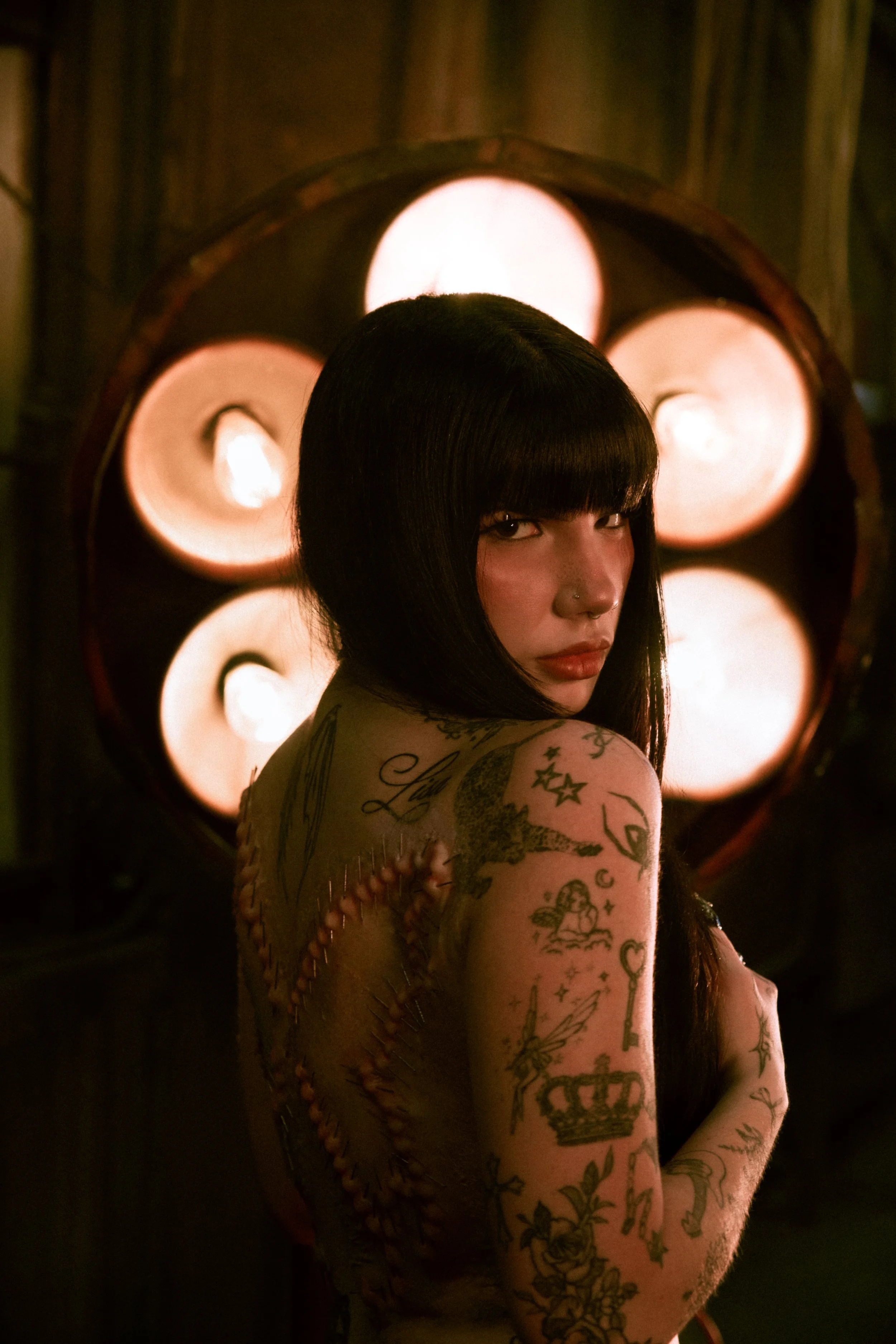
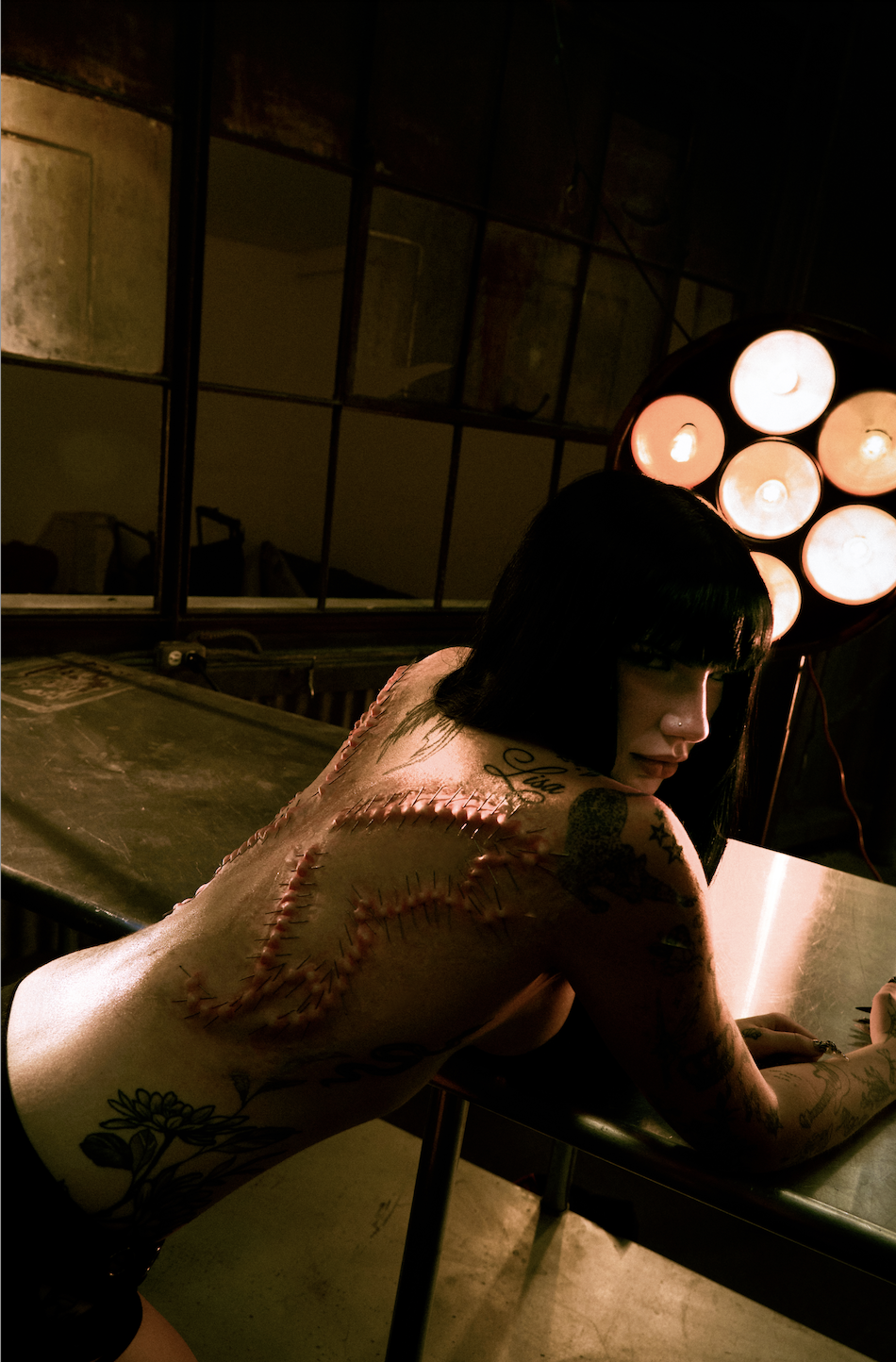
Your aesthetic and visual identity are becoming increasingly distinctive. How important are fashion, beauty, and visual storytelling in constructing the world around your music, and how would you describe your personal style in this new era?
Visual storytelling has also been very important to me over the course of creating this album. I make entire PowerPoint decks on hair, makeup, styling, and visual content for each release to have all of my ideas in one place. The imagery has always been very important to me when creating, and it’s one of my favorite parts of the process. I love to imagine scenarios or settings for my songs, and then to base my fashion around that. I’ve always been very interested in makeup and styling as well as music, so I love when I get the chance to combine the two and put all of my creative thoughts forward.
You just finished performing on Scene Queen’s METALICIOUS Tour alongside WARGASM. How has being on the road and connecting with audiences face-to-face changed your relationship with your music, especially after building such a significant online following?
Playing my music live to an audience has really helped me understand the connection that I can have in someone’s daily life, without me even knowing. It made it that much more important to me to make sure that I’m sharing my struggles in my music, so that others who are having a hard time with mental health can also find comfort and community in my songs. It's beautiful to see the impact art can have on people in real time and to know that there are people out there who will keep supporting me through my journey.
As your sound becomes heavier and your artistic vision more defined, what are you discovering about yourself that perhaps you didn’t have the confidence to embrace earlier in your career?
I’ve discovered that the only limitation to my voice has been me. Before, I didn’t have the confidence to try really big notes or to push myself beyond the boundaries of what I thought was possible. But over the course of creating this album, I realized that the only way to find out was to keep trying and to grow as a vocalist. I started to embrace the mistakes, as they were only a part of the learning process, and kept pushing to belt higher notes, find different tones in my voice, and write more in depth songs.
Finally, if death & devotion marks the beginning of a new chapter, what do you hope listeners will understand about Bailey Spinn after hearing this album? And when you imagine the artist and woman you’re becoming, what does true creative freedom look like to you?
I hope listeners will understand that this is truly authentic to me. I’ve spent these couple years building my interests and discovering what genre felt right to me. I think true creative freedom for me would be to be able to create the art that I want without anyone telling me what I should be making over the course of this album. I was blessed to have a team that believes in my vision and fully supported my idea to make heavier music. True creative freedom to me is the ability to authentically express myself without judgment.