
IN CONVERSATION WITH BENNY ZIELKE
interview by JANA LETONJA
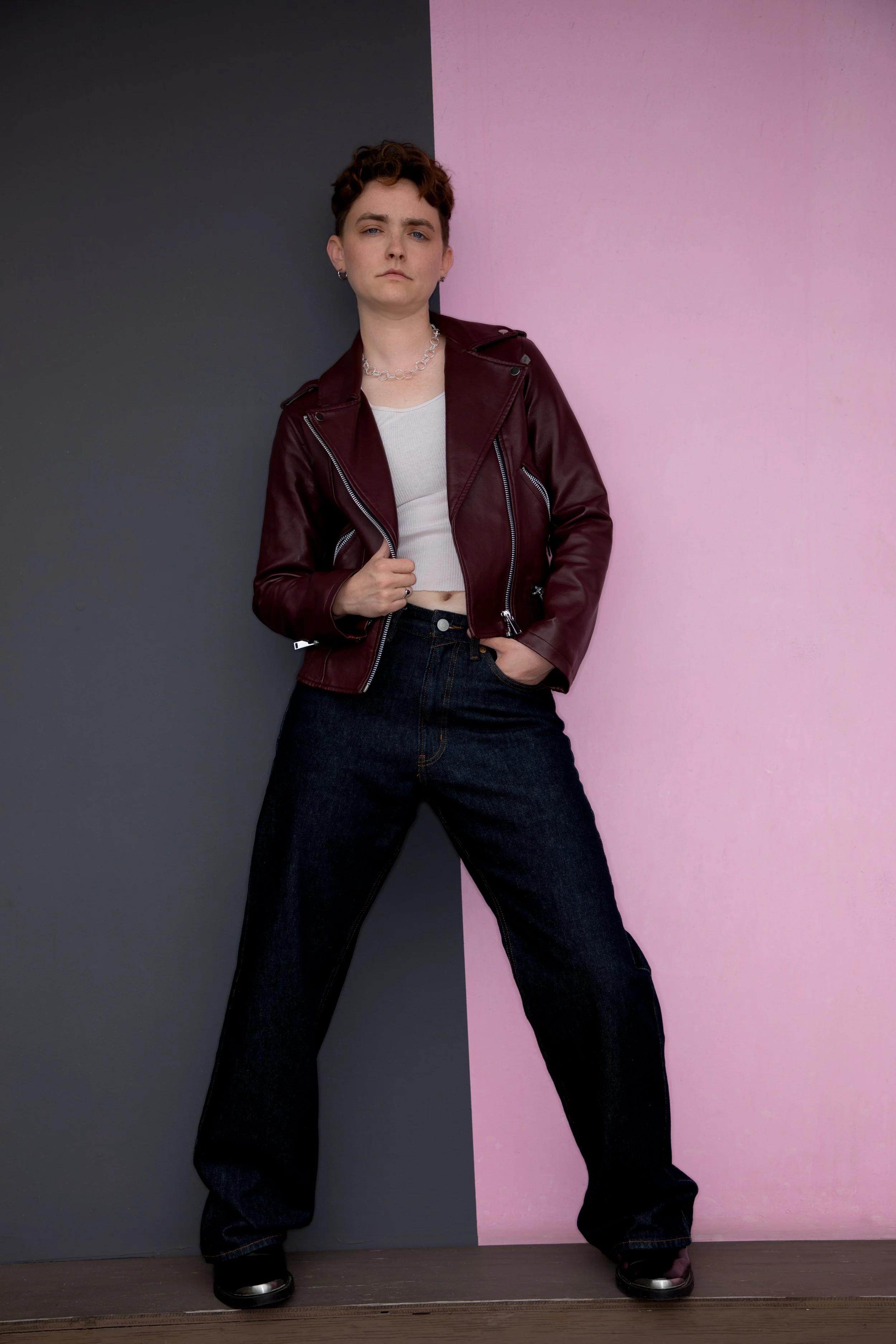
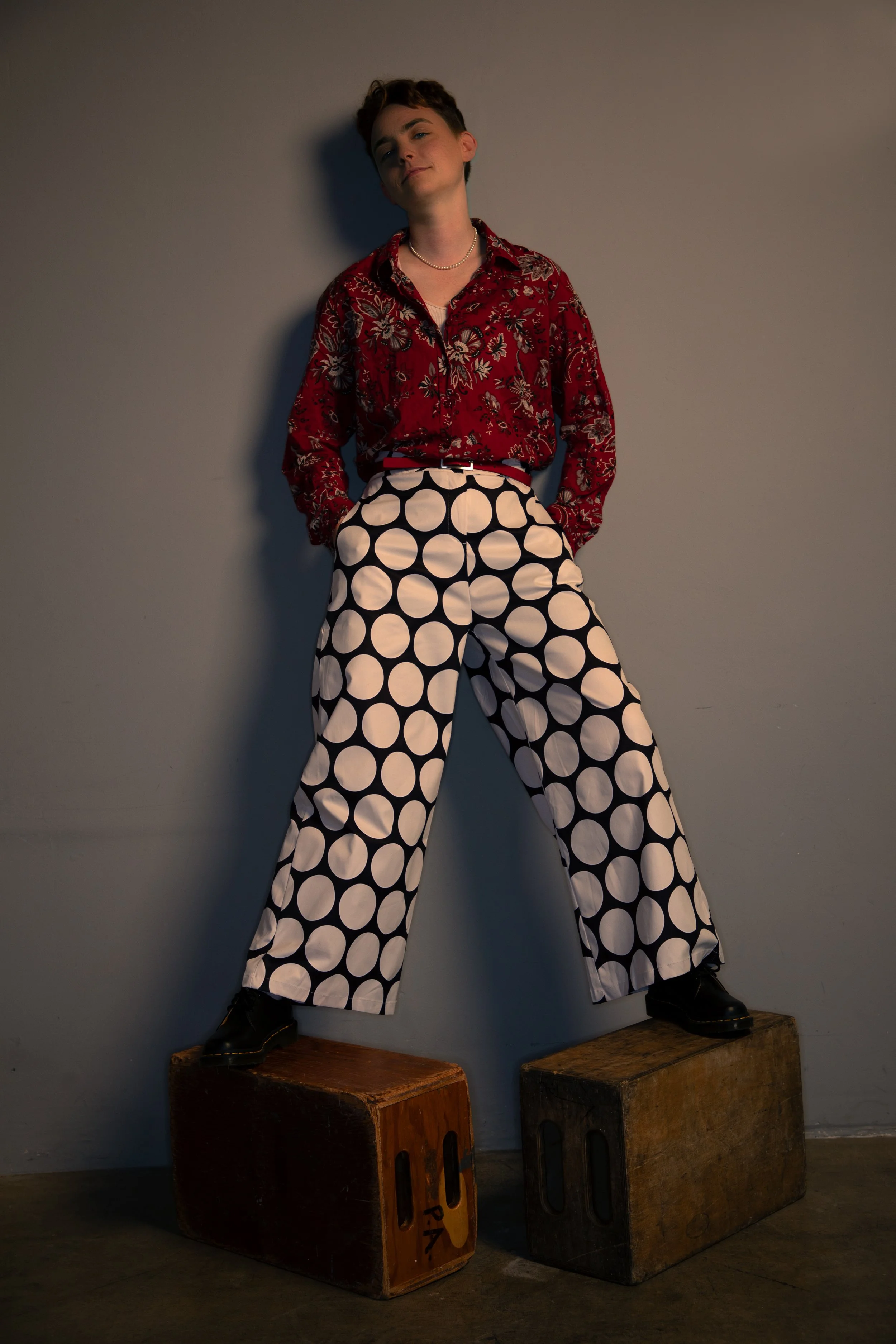
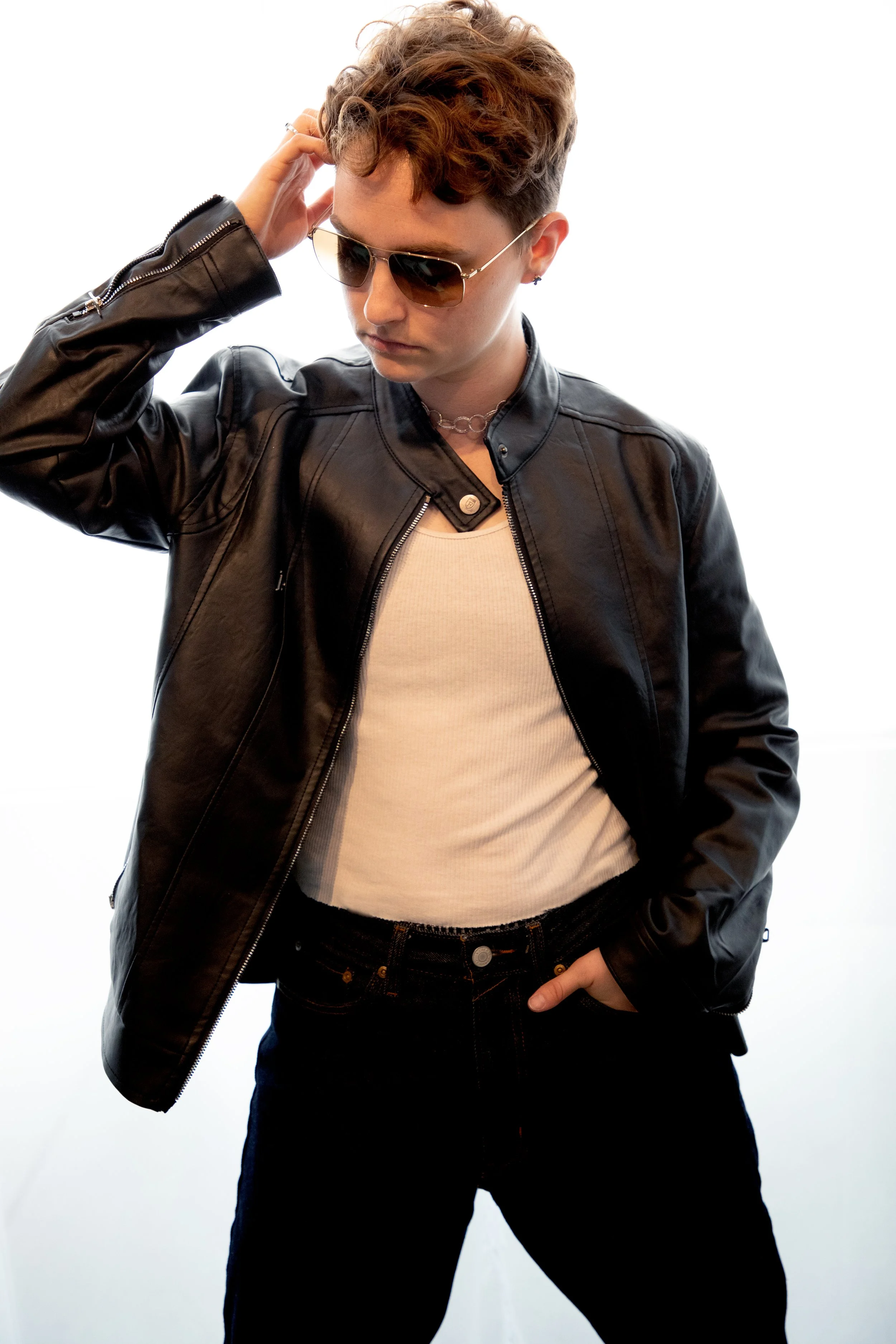
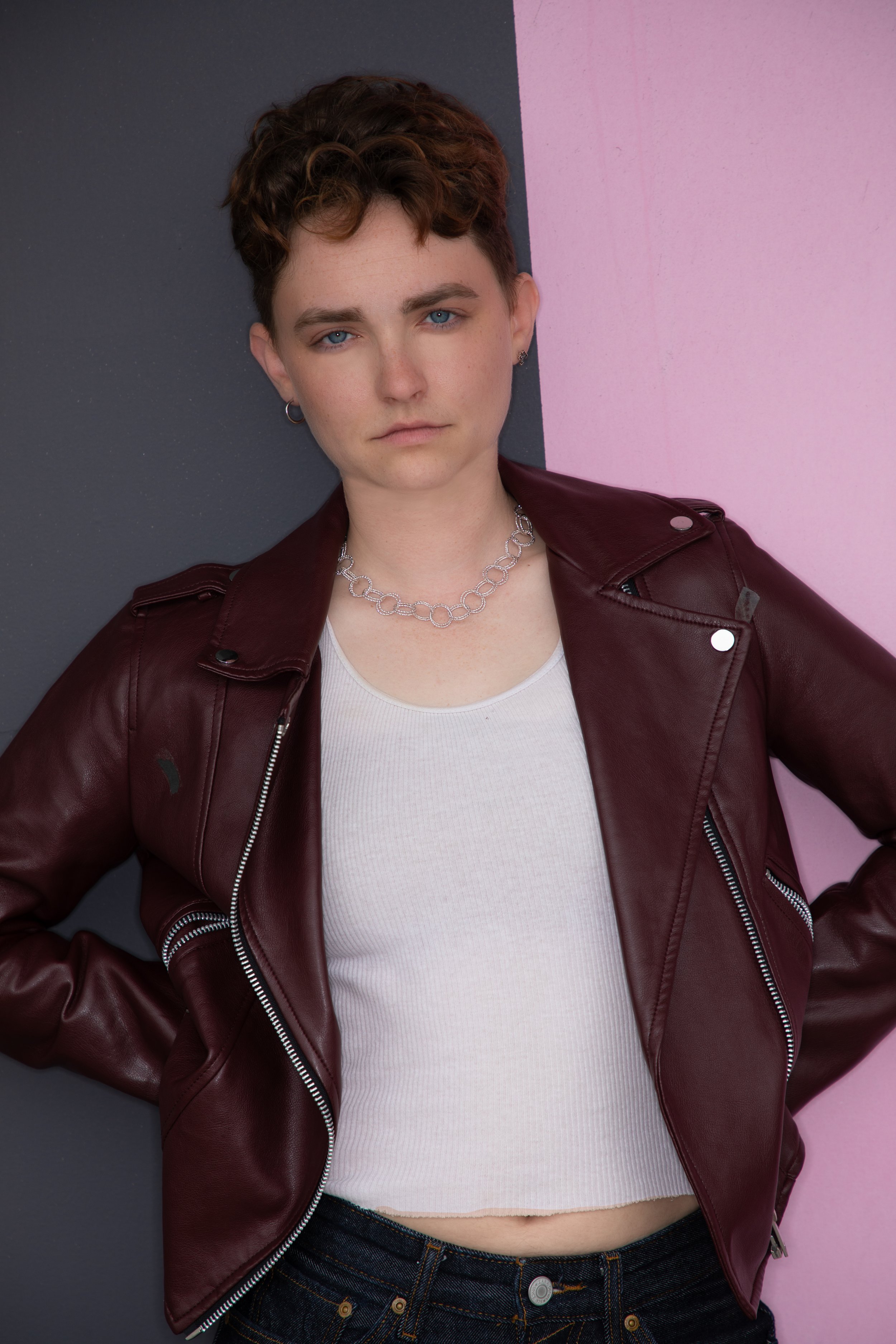
Benny Zielke is stepping into the spotlight with a breakout role in Scary Movie 6, the long-awaited return of the iconic horror-spoof franchise, arriving worldwide on 5th June. Joining returning stars including Anna Faris, Regina Hall, and the Wayans brothers, Benny is part of a new generation helping reintroduce the franchise’s outrageous humour to modern audiences. Beyond acting, Benny is also an accomplished writer, director, and founder of 1901 Productions, known for bold, character-driven storytelling that centres underrepresented voices and challenges convention. As a trans, non-binary, and queer creative, Benny continues to bring authenticity, humour, and a fresh perspective both on screen and behind the camera.
Joining the Scary Movie franchise is a huge moment. What was your reaction when you got cast in Scary Movie 6?
I was in the middle of a shift when I got the news. I’m pretty sure I ran around to every single server telling them the good news and celebrating with them. I probably told some of the customers if I’m being honest. I’d known in my gut this part was mine from the moment I got the audition, but actually getting the call was one of the most exciting moments of my life.
What can fans expect from this new chapter compared to the original films?
As all good reboot-sequels do, this film does an excellent job of bringing back iconic characters and moments we love with a fun, modern twist. The jokes are totally in the style of the original Scary Movie and Scary Movie 2, with the Wayans finally back on board. But this new chapter has more references and parodies in it than any other film I can think of. Like, this has to be some kind of world record.
The movie parodies everything from Stranger Things to The Substance. Was there a particular spoof scene that was especially fun to film?
Without giving too much away, some of my favourite spoofs were our Sinners bits. That was one of my favourite films of 2025, so I was really excited when I heard we were spoofing it. And the performances in those scenes had me crying and laughing. I can’t wait for people to see them on the big screen.
How did the cast balance nostalgia for longtime fans while bringing something fresh to a new generation?
I think that balance was very cleverly built into how they cast the ensemble. You have these incredible comedians returning to the iconic characters we all know and love, and then you have our new cast playing their next generation. I think it was a great idea to let us see characters like Brenda and Cindy become parents and all the hilarity that ensues. Plus it allows for some fresh faces to bring in more modern, Gen Z humour. It was really fun on set seeing how everyone’s individual style of comedy blended together. And the legacy members of the cast did an amazing job of encouraging us to play and find our own ad-libs and spins on the characters.
Horror and comedy both rely heavily on timing. What did you learn about comedic performance on this project?
This set was a masterclass in comedic timing. I was lucky enough to have scenes with several of the original cast members, and it was fascinating to me how different each person’s process was. Shawn Wayans would come in with such sniper-like precision and nail it every time. And then Marlon would be over there coming up with a different ad lib on every single take, each one more ridiculously funny than the last. I feel like I took a bit from each of the legacy cast’s examples when figuring out my own comedic timing for the role.
The film’s tagline says “Nothing is sacred.” Do you think audiences are ready for comedy to push boundaries again?
I honestly do. I think we’re really beginning to recognise the problems with cancel culture. I think accountability is incredibly important, and if someone causes harm, they need to own that. But the danger of cancel culture is that it doesn’t allow people to learn and grow from their mistakes. Cancelling someone every time they say something problematic rather than educating them on why it’s wrong is just putting more division into the world. Cancel culture sure doesn’t exist in this movie, and in some ways, it allows characters to have conversations with more honesty and openness than they could in our world. I think people are ready to laugh, relax a little, and stop taking everything so seriously. This movie is coming at the perfect time to provide them that escape.
As someone who works across acting, writing, and directing, how does being behind the camera influence your performances?
My background as a writer and director heavily influences my process as an actor. Because I know how much care and intention goes into a script, I really dig into the words and story before even beginning to build my character. That made a process like this that relies heavily on improv and an ever-evolving script a little tricky for me. The first day on set, I was surprised by all the curveballs being thrown my way. But I ended up really enjoying and learning from improvising with my hilarious cast mates.
What inspired you to found 1901 Productions?
I studied acting at a school whose only focus was theatre. There were certainly other students interested in making films, but no unifying production company to actually get anything done. A professor reached out to me about a desire to bridge the gap between the film students and acting program, and I ended up co-founding and leading the student-run company, 1901 Productions, for two years. Under my leadership, we made multiple shorts, my original web series Method, and an anthology feature. Years after I graduated, they’re still going strong, and it’s one of my proudest accomplishments at school. I had no idea what I was doing when I started line producing, but I took the risk because I was tired of waiting for someone to give me a yes. I said yes to myself.
Your work often centres underrepresented voices. Why is that mission so important to you?
A good story is a powerful thing. It can put you in the shoes of someone who looks and lives nothing like you. It can teach you empathy and respect. Or it can teach you to fear and hate. For far too long, we’ve been letting the same people tell all the stories, and they’ve chosen to paint marginalised communities in a harmful, misinformed light. We need underrepresented voices to be able to tell their own stories. In every project I act in, write, or direct, I strive to ensure that those are the voices being uplifted. Because whether we know it or not, the stories we take in shape our beliefs. So I want to be sure I’m telling stories from a place of love and empathy.
How has your identity as a trans, non-binary, and queer creative shaped the stories you want to tell?
Growing up, I never got to see trans and non-binary characters on the big screen. If I had, it could have saved me a lot of time and heartache. I make sure there is queer representation in every one of my projects so that future generations of queer kids can see themselves on screen and know they’re not alone. Being genderqueer has also helped me recognise the binaries we impose on every part of our lives, not just gender and sex. Everything is either good or bad, smart or stupid, right or left. The truth lies between those extremes, and it’s putting ourselves and each other into boxes that’s causing so much divisive hate in this country. I strive to create art from that nuanced place between binaries, hoping it will help people have empathy for those who think differently from them.
What kind of projects are you most interested in creating moving forward?
I’m actively raising funds for my first feature, a found footage romance between two artists. I’ve got a lot of projects I’m itching to make, from psychological thrillers to an action-packed, epic queer romance. What interests me most at this point in my career is finding innovative ways to make high-quality movies without needing a multi-million dollar budget. And I’m hoping that this film is the first in a long career of providing queer and trans representation across every genre.
TEAM CREDITS:
photography DEAN FOREMAN
