
IN CONVERSATION WITH CAMILLE COTTIN
interview by ELIANA CASA
Over her career, CAMILLE COTTIN has inhabited the lives of countless women, moving between stage and screen with a chameleon-like presence. “There’s this big silence in the theatre,” she tells me from her Parisian apartment, just before her son interrupts us with a bike accident. “He saw a girl he liked and couldn’t see straight,” she explains. “Now he’s hurt, but I don’t know whether I should be mad or laugh.” And just like that, Camille’s energy becomes clear: the first Parisienne to attend the MET GALA, the first Connasse to land on American television and one of the women who helped prove that you can be taken seriously while still being funny.
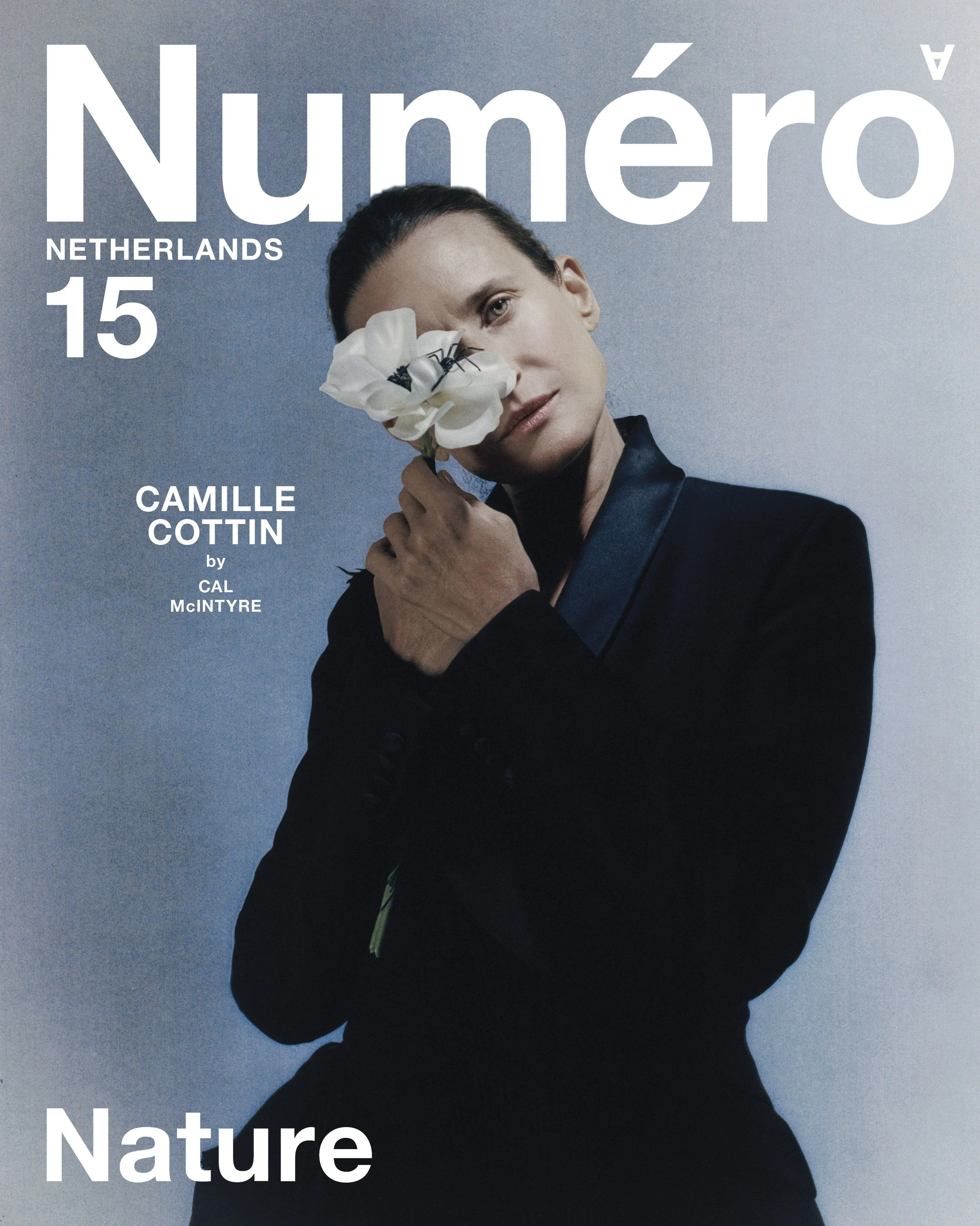
full look DIOR
I would love to go back in time to when your mother had this theatre club and you started performing there…
She was one of my greatest inspirations. She always had a great passion for cinema and theatre. She was a very intense woman with a great sense of humour, and she never kept anything for herself. Growing up with her felt like witnessing her theatre.
This is probably one of the most frequent questions you hear, but did you always want to become an actress?
I understood what it was to be an actress little by little. When I was a child, I was just so happy with the possibility of escaping reality and inventing a fictional world with the complicity of a friend. And then later with cinema, I was fascinated by the iconography, the beauty of the characters I met along the way and how love was being represented on a wider screen. When I took my first theatre lessons, I was confronted with the reality of what it means to transpose an author’s ideas. In theatre you’re aware that your body has to be fluid, your voice has to be very loud, and you have to respond to the audience’s feedback.
How do you deal with that pressure?
If my heart is beating fast, I cannot ask my heart to stop. I can breathe. Instead of escaping these emotions, I try to turn them into something positive. It’s not easy, and it doesn’t always work.
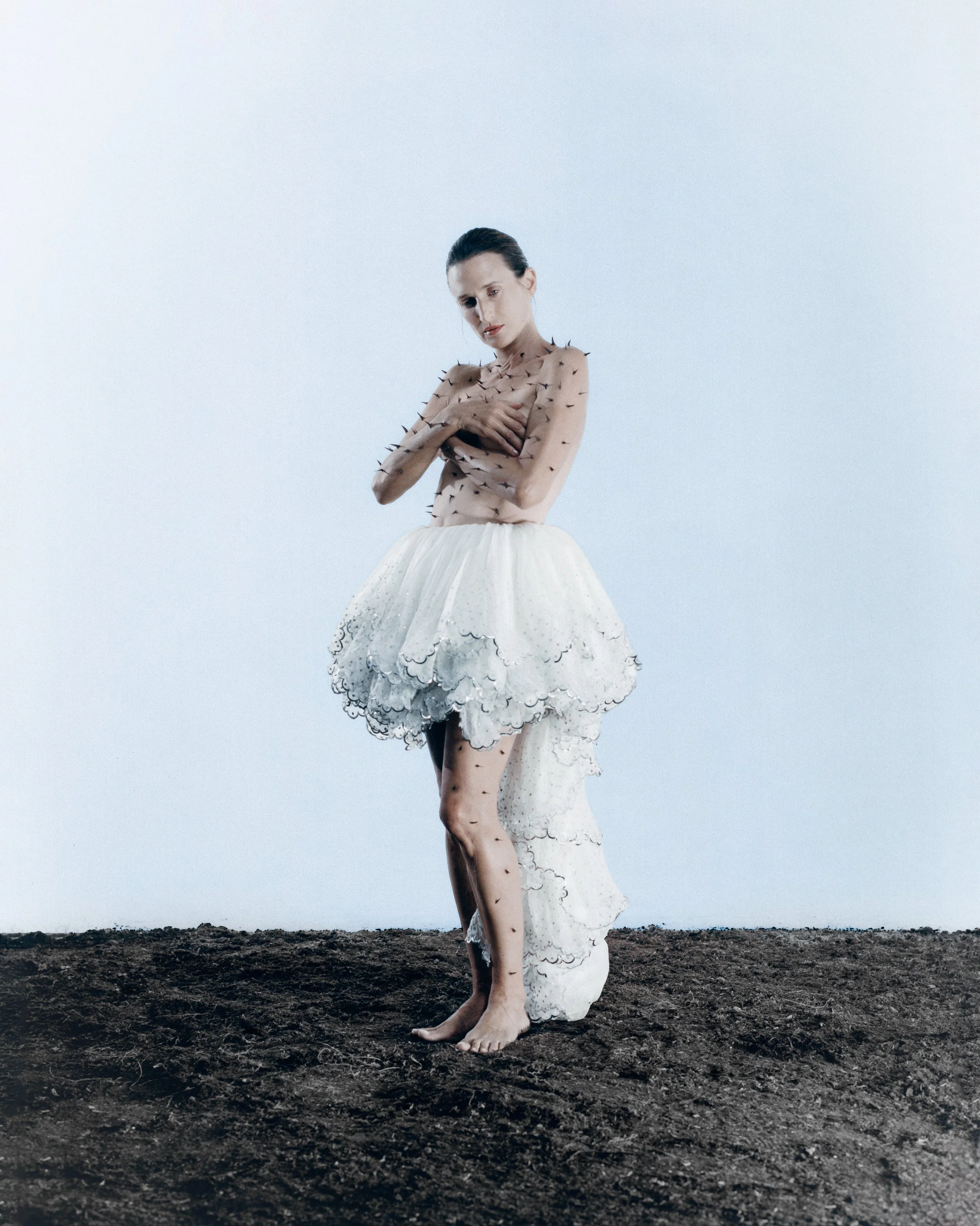
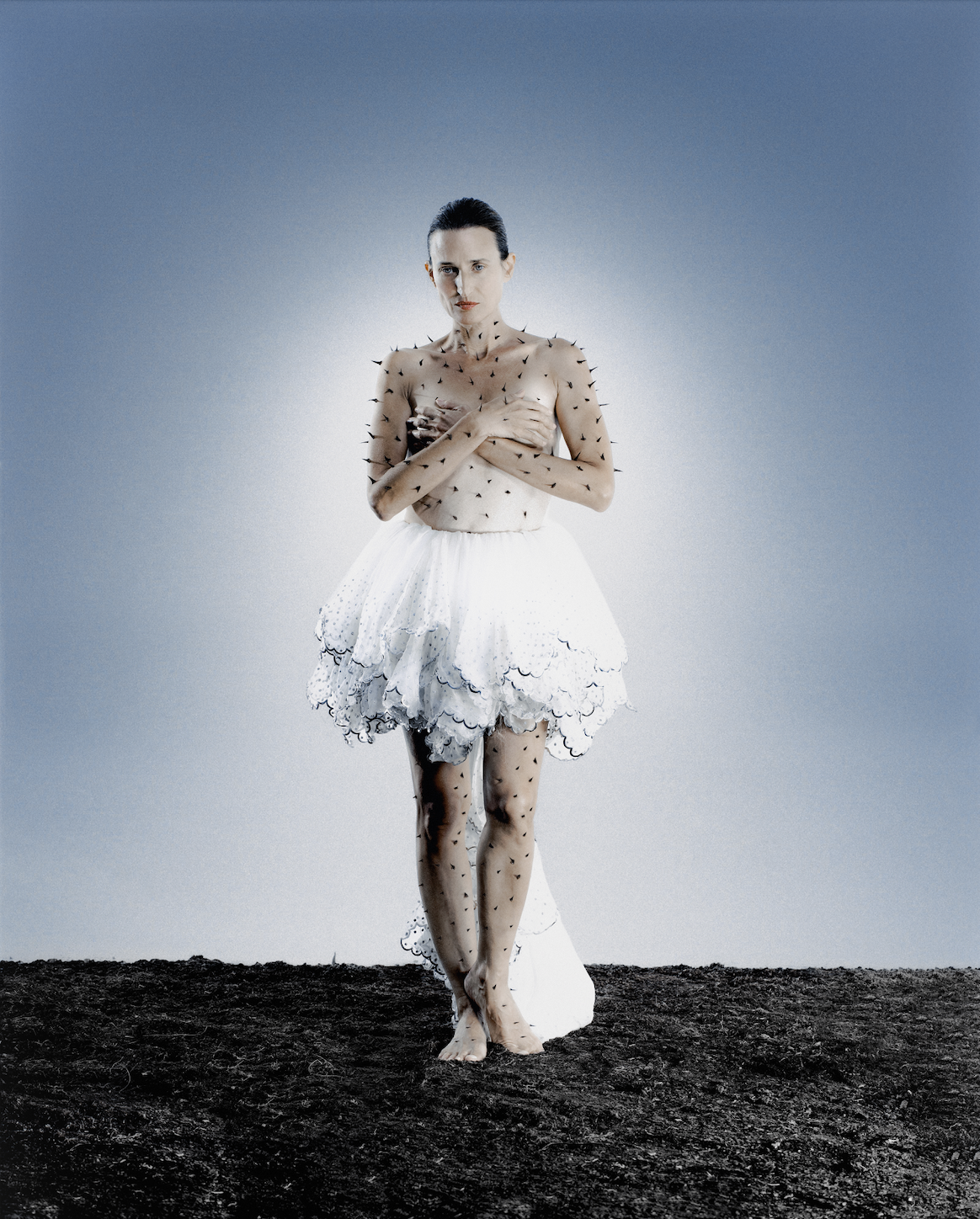
full look DIOR
How do you navigate those emotions on stage, and what’s the main difference compared to when you’re on set?
In film, you’re protected. You’re working with a crew, and there’s something very intimate in that. Part of what makes great actorship is knowing the emotional trajectory of the character, as everything is filmed following a chronological order. Your face has to be quite still and relaxed so that the emotions can reach the audience in a sharp way. Whereas, in theatre, you can really embrace the text physically, as there’s no order really. Here the show must go on, no matter what.
I love this pressure; it’s almost a sacred moment. Something bigger than you is happening, and you also build a relationship with the audience in the moment. In French we say, “Il écoute.” I don’t know how to translate this, but there’s a specific attention in the room. You can feel when the whole audience is present in the play, when they’re listening and living it, even though they remain silent.
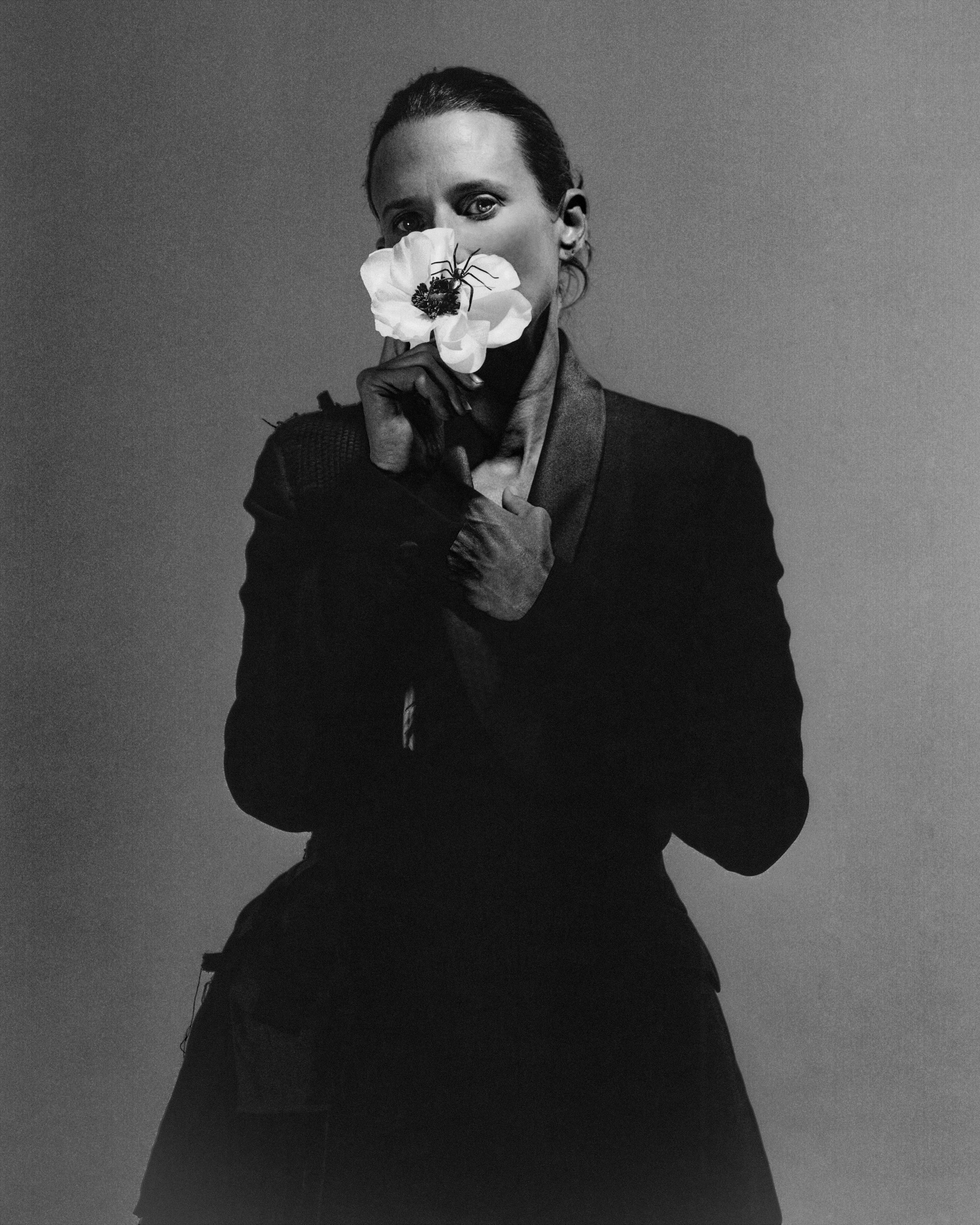
full look DIOR
Connasse (2013) was your first huge success and introduced you to a wider audience. Did you ever worry that being associated with comedy might make it harder to be taken more seriously as an actress?
Yes. When I started doing my job, 12 or 13 years ago, things were more categorised. You had TV, cinema, comedy and then drama. There was this common belief that actors are more easily accepted coming from drama to comedy, rather than the other way around. As if, once you have made people laugh, it’s hard to be taken seriously after, and not vice versa. Connasse is a prank TV show, and back then people didn’t really understand how it was made. I was just this girl who was a Connasse…
Do you think she changed over the years, or is she still the same Connasse at heart, especially with the movie release in 2015?
With the movie, we had to find a purpose to the story, but she was the same. Creating the script was super fun at the beginning, because things didn’t happen like we thought they would. For example, when we took the ferry to England, I had to carry a rabbit in my bag, and you’re not supposed to carry animals unless they go to quarantine first. When we arrived, I went to the passport control hoping that the security person would say something. I had my rabbit, and he was like, “Oh, he’s so cute. You can go.” And I was like, “F*ck.”
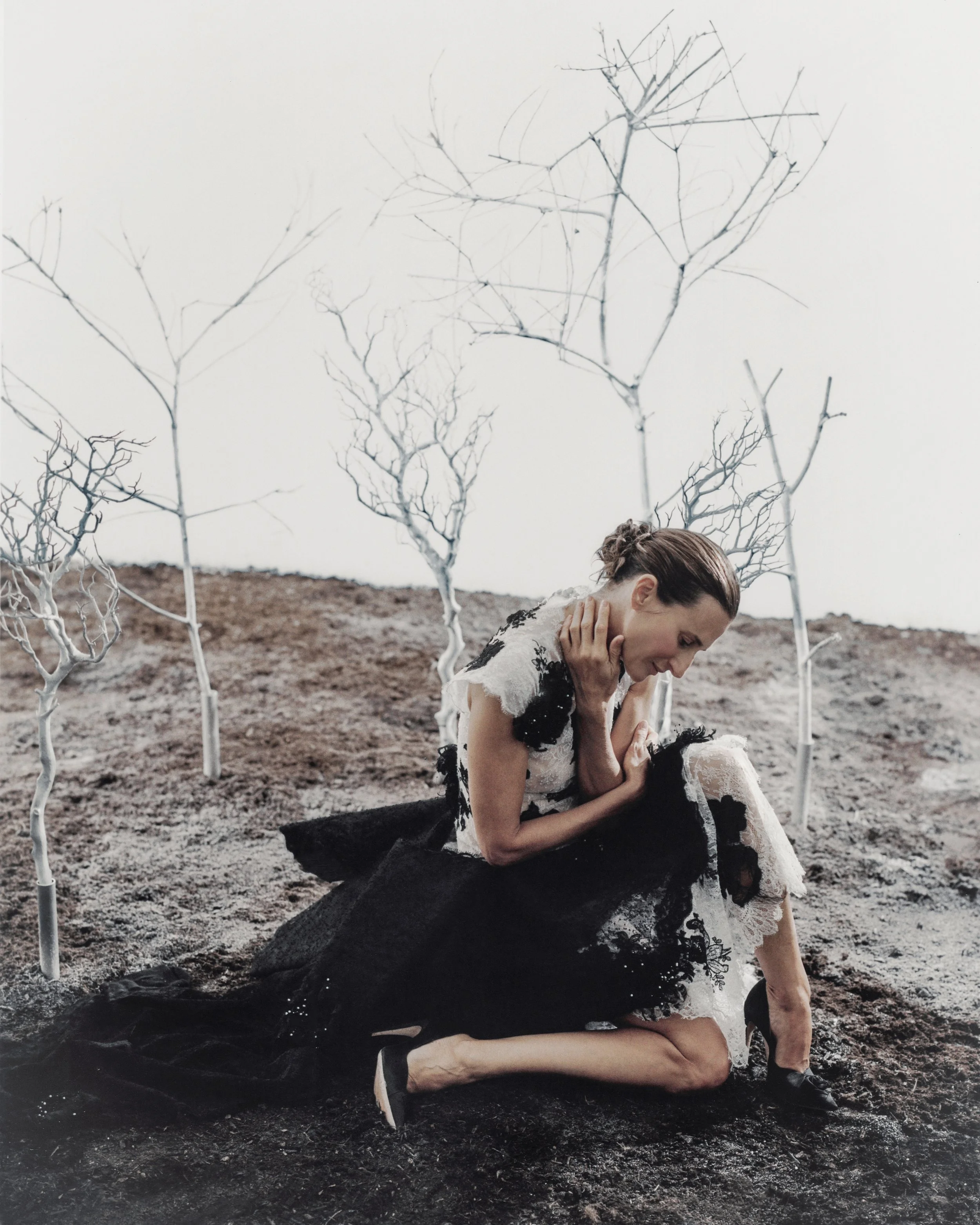
full look DIOR
You’ve lived the stories of many women. You played MAURIZIO’s mistress PAOLA in House of Gucci (2021), then moved into drama. How do you find empathy for characters who enter life or a story from different perspectives?
Paola is a woman who really existed, and she was an inspiration to me. She and Maurizio came from money and knew each other from a very young age. They spoke the same language. You don’t see Paola a lot, and yet she’s more present than ever. She represents what PATRIZIA will never be able to be, whatever effort it takes her, and this is why she feels so threatened by her.
Is there something you can tell us about your role in the upcoming movie with BRAD PITT, The Riders?
I can only say that it’s a beautiful movie about the personal trajectory of a man trying to understand what his woman needed.
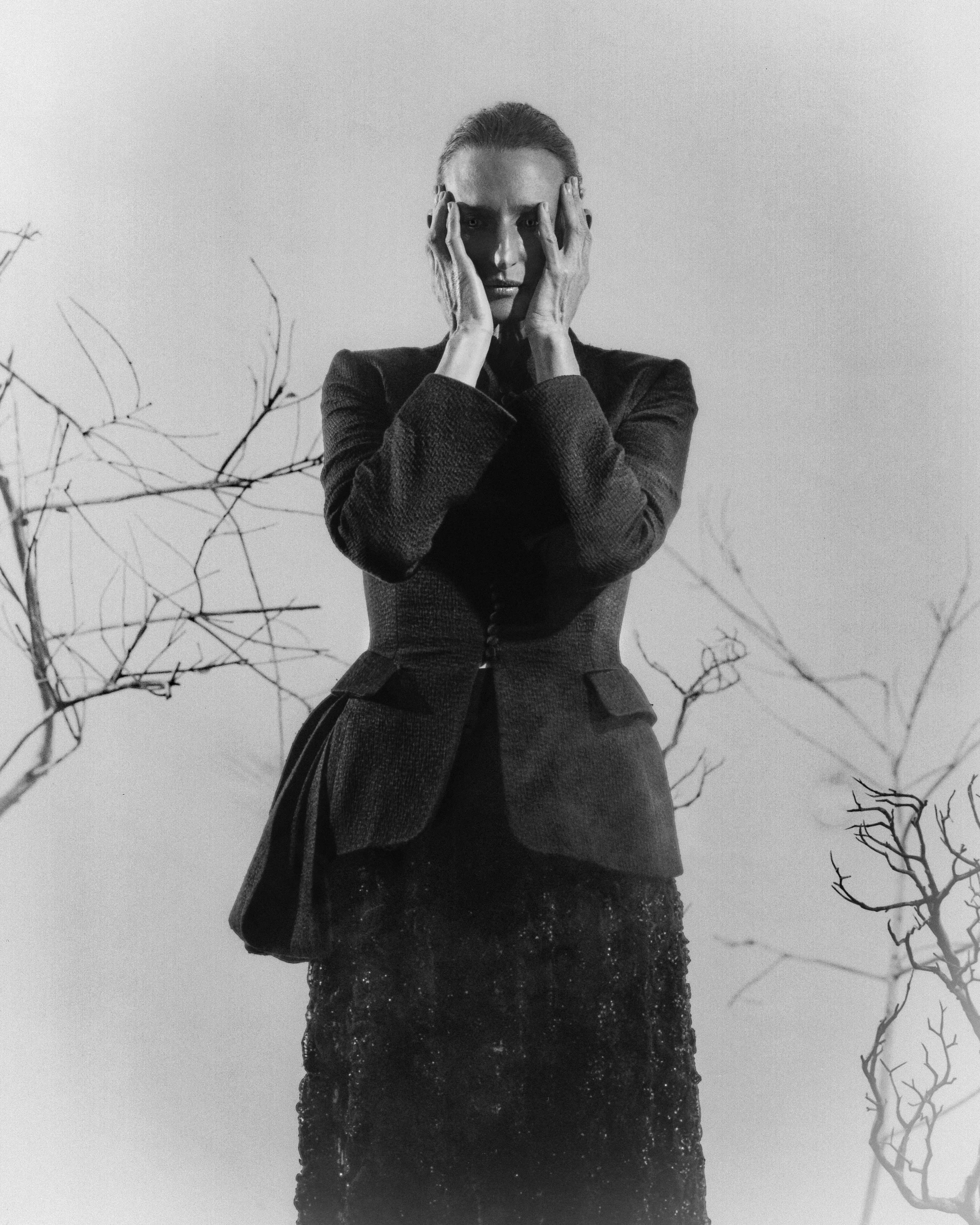
As the theme of this issue is Nature, in what ways does nature inspire you, and when do you feel most free?
When I’m immersed in nature, I can really reload and recharge without any material objects around me. It’s a sort of spirituality that renews my soul and brain.
One last question before you go. What still makes you feel excited today despite the dramatic times we’re living in?
I often felt like my job was useless. Comedy, though, brings joy, lightness and oxygen into people’s lives. It’s a way of breathing in a moment that people can identify with and feel like they’re part of a community. Cinema and theatre are still important organs of culture. And culture is fundamental to make a society work. All we need, after all, is to be connected with one another.
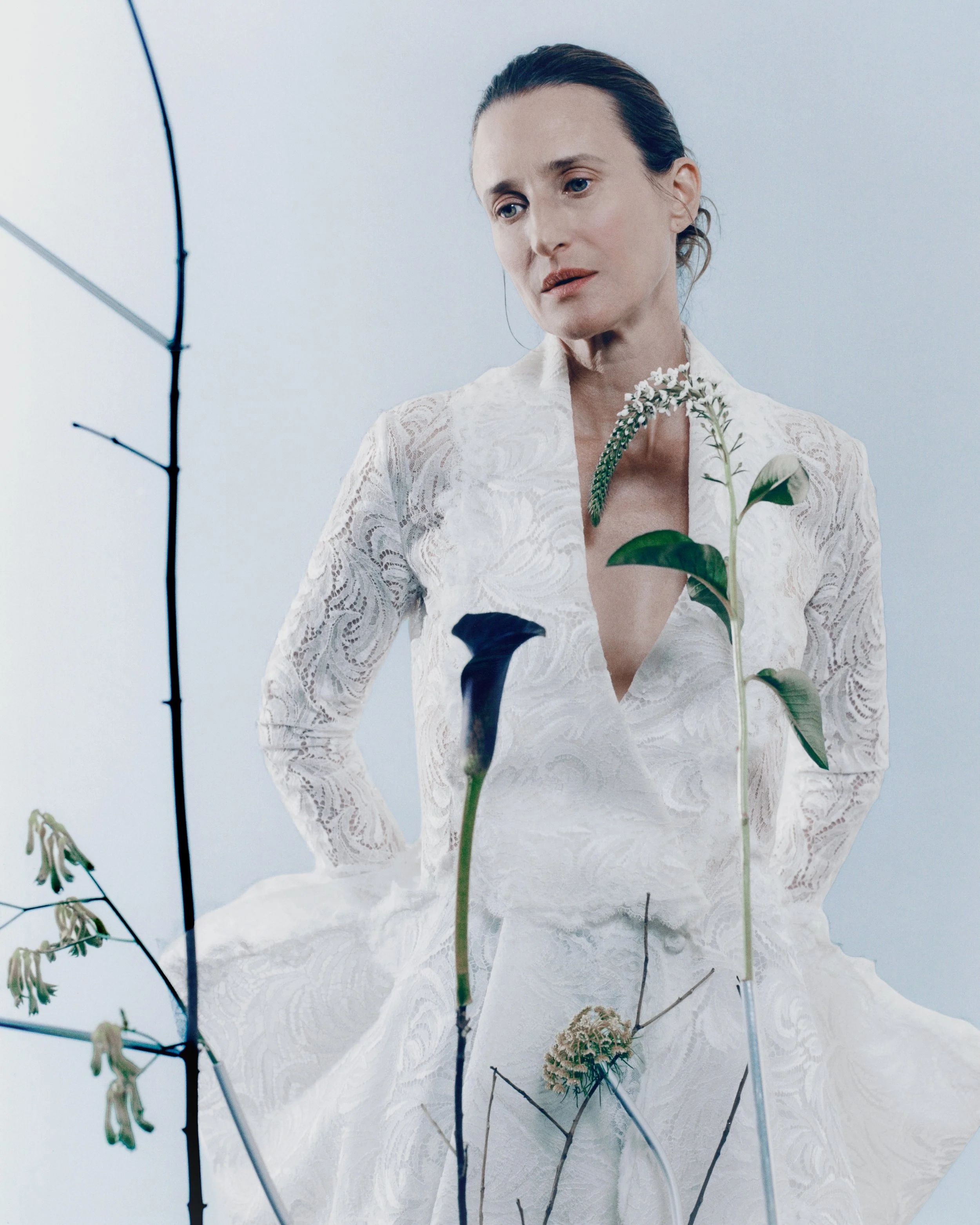
full look DIOR
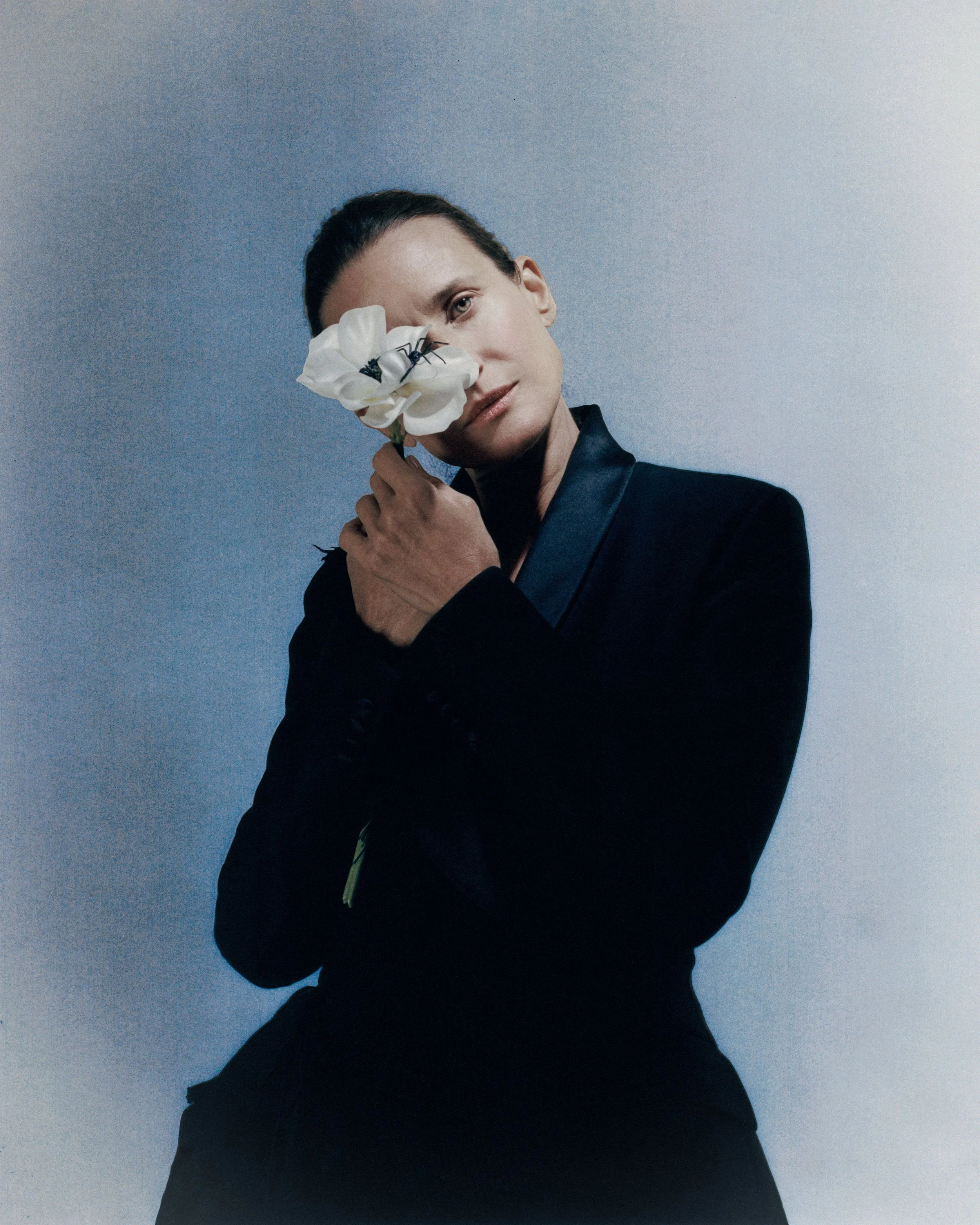
full look DIOR
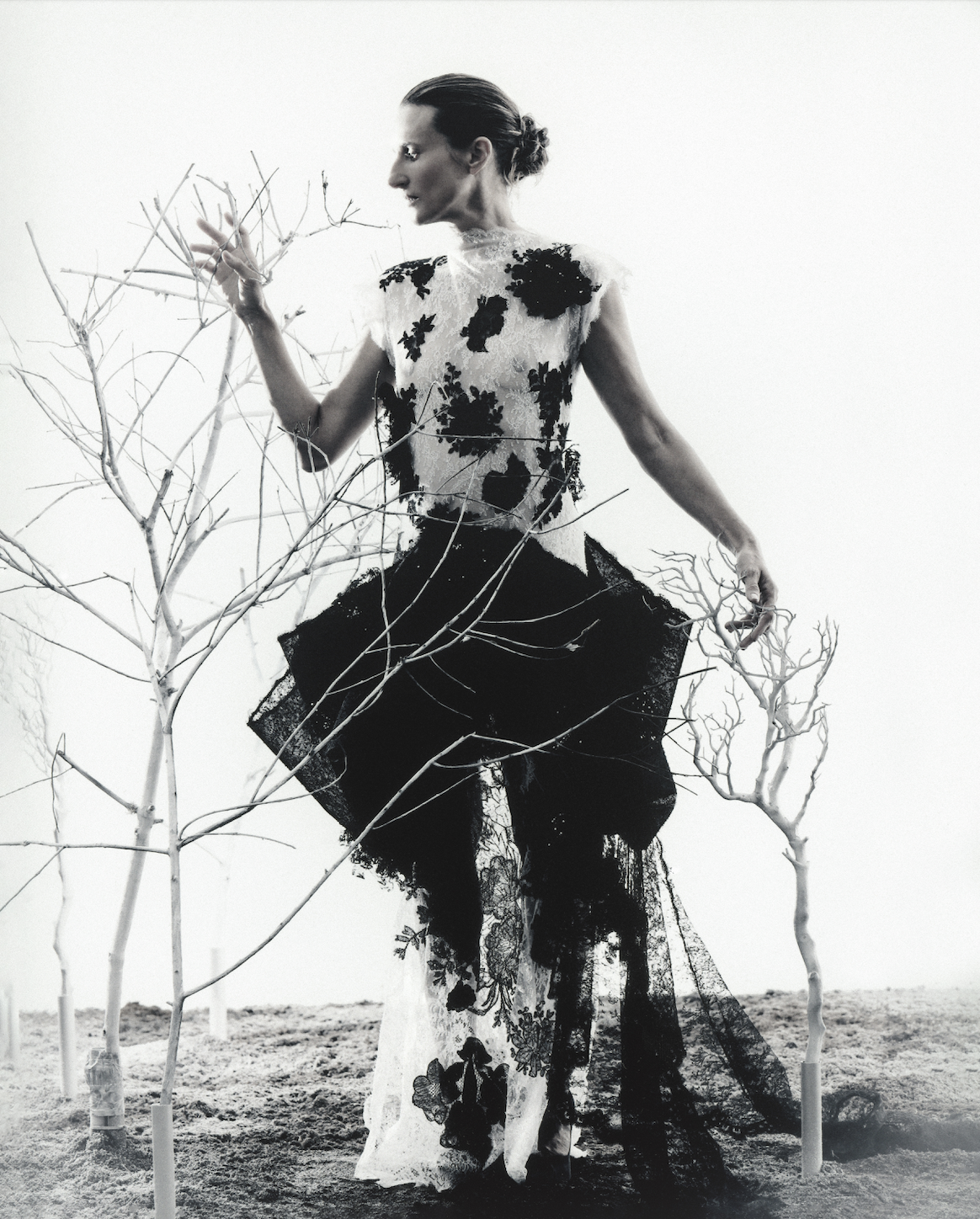
full look DIOR
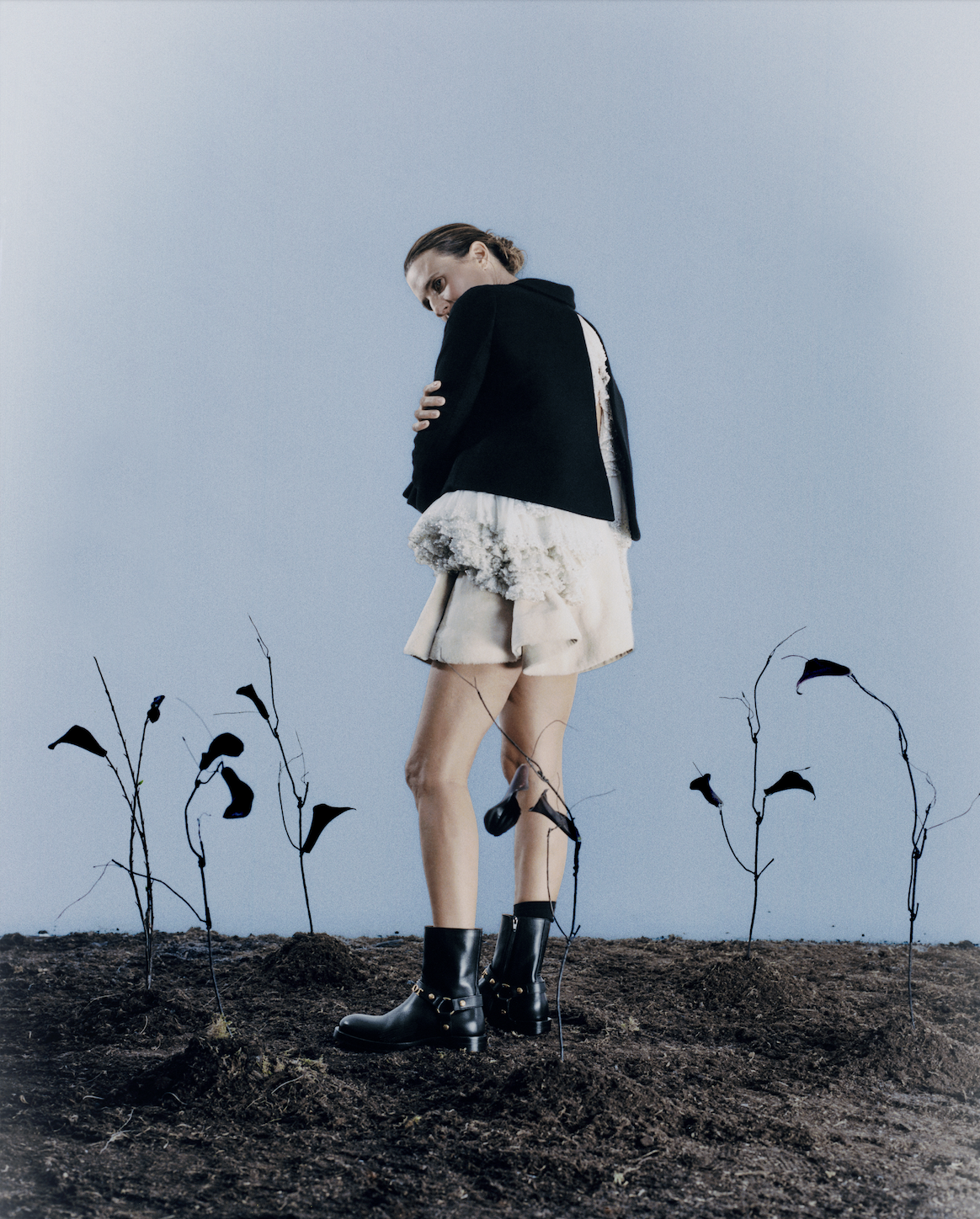
full look DIOR
TEAM CREDITS:
talent CAMILLE COTTIN
photography CAL MCINTYRE
styling JOY SINANIAN
hair REJANE SELMANE
makeup EMMA FRANCO
nails NAFISSA DJABI at B.AGENCY
set design KÉNIA RAPHAËL
casting TIMI LETONJA and JANA LETONJA
photography assistance AARON WILLIAMS
fashion coordination JEAN LUC FAVRE
styling assistance LUCAS ELAN
set design assistance MILENA KRASTEV
special thanks to STUDIO ARAGO and PARAMOUR PRODUCTION
editor TIMI LETONJA
interview ELIANA CASA
cover design ARTHUR ROELOFFZEN
