
IN CONVERSATION WITH JHART
Interview by Samo Šajn
Photography by Cameron Driskill
JHart has written hits for some of pop’s biggest names, including Justin Bieber, Troye Sivan and Little Mix. With his new EP, “The Full Fantasy,” he brings his own personality to the forefront, blending soul, jazz and R&B with a touch of ’70s flair. We caught up with the singer-songwriter to talk about finding his sound, creative honesty and bringing the fantasy to the stage.
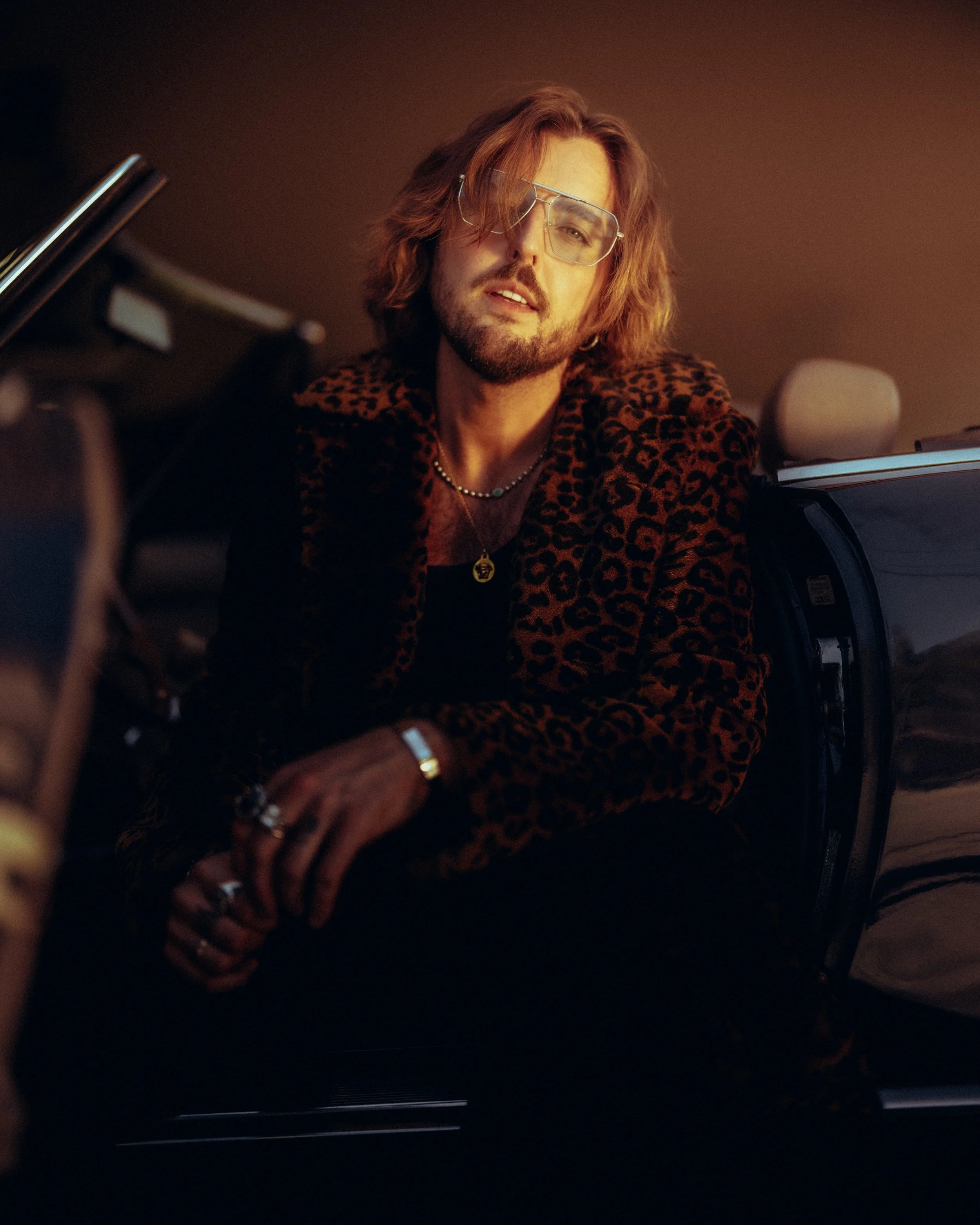
Your new EP is called “The Full Fantasy.” What does that title mean to you, and what kind of world did you want to create with this project?
I think aside from the obvious idea of escaping reality into fantasy, which we could all use a bit of right now, “The Full Fantasy” is about showcasing a full sense of self and a little razzle-dazzle. It’s the culmination of influences, time spent developing as a songwriter and vocalist, as well as a sense of personal taste. It’s this idea that I am finally ready to present this fully realised version of myself to the world.
Your debut EP, “The Wishing, The Wanting, The Longing,” introduced a very personal side of your songwriting. What did you want to reveal about yourself this time?
I certainly wanted to keep a high bar for consistency and craft, but first and foremost, I wanted people to get a sense of my personality and my musicality, and this idea of a full commitment to a world where both can coexist. The last EP felt like a great introduction in that it was quite versatile, whereas this one feels a little more dialled in stylistically. Even the songs with a deeper or more melancholy side are presented with levity here, because that’s what I crave right now.
You’ve written for artists with very different voices and personalities. When you’re writing for yourself, how do you recognise an idea that belongs to you?
I think that was less of a challenge lyrically and more of a challenge musically for a long time, because I could sing many different styles. But I found that the better I knew myself and the older I got, the more I could hone in on my sound and return to familiar musical roots and styles. It’s not really a question of what feels authentic to me anymore.
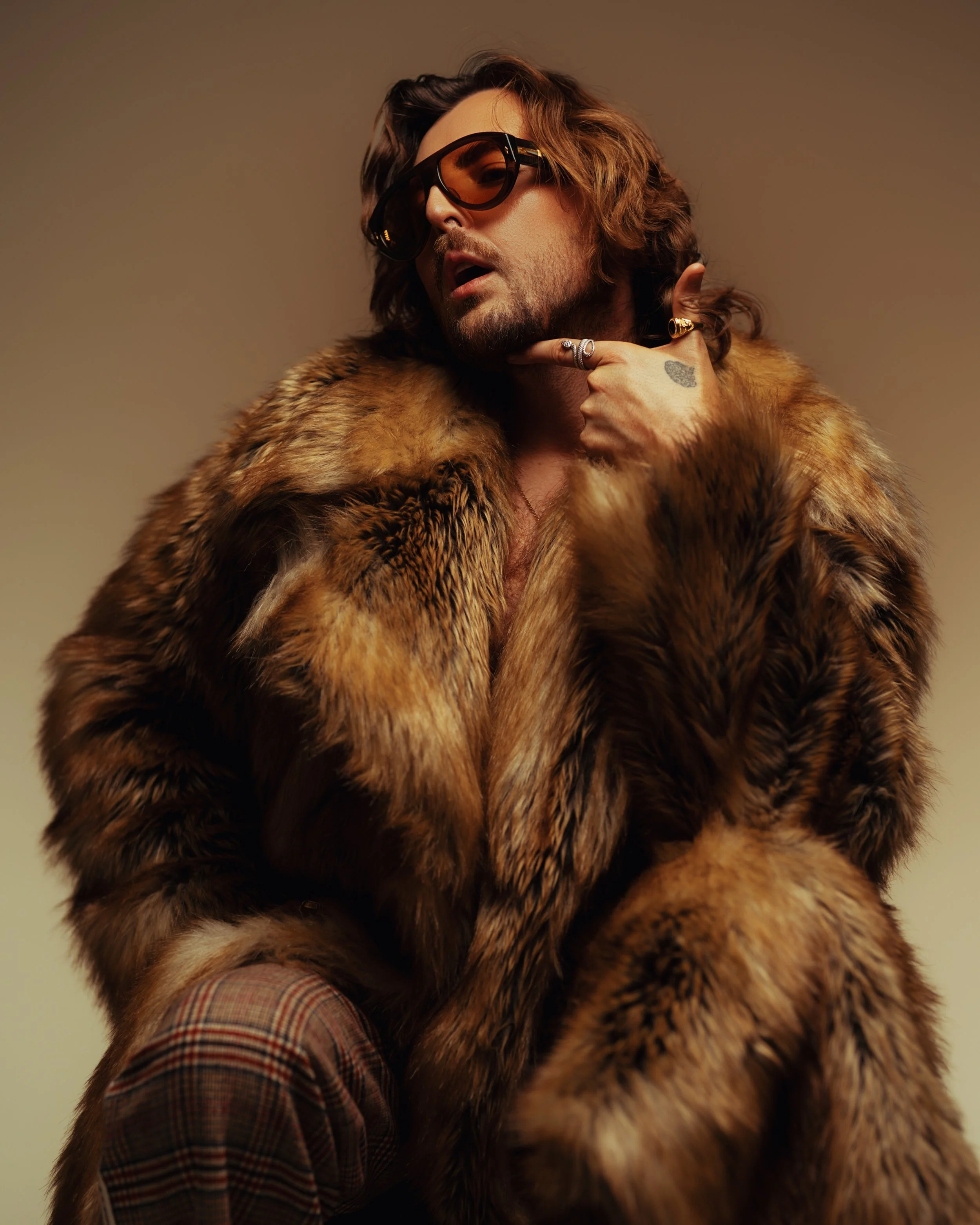
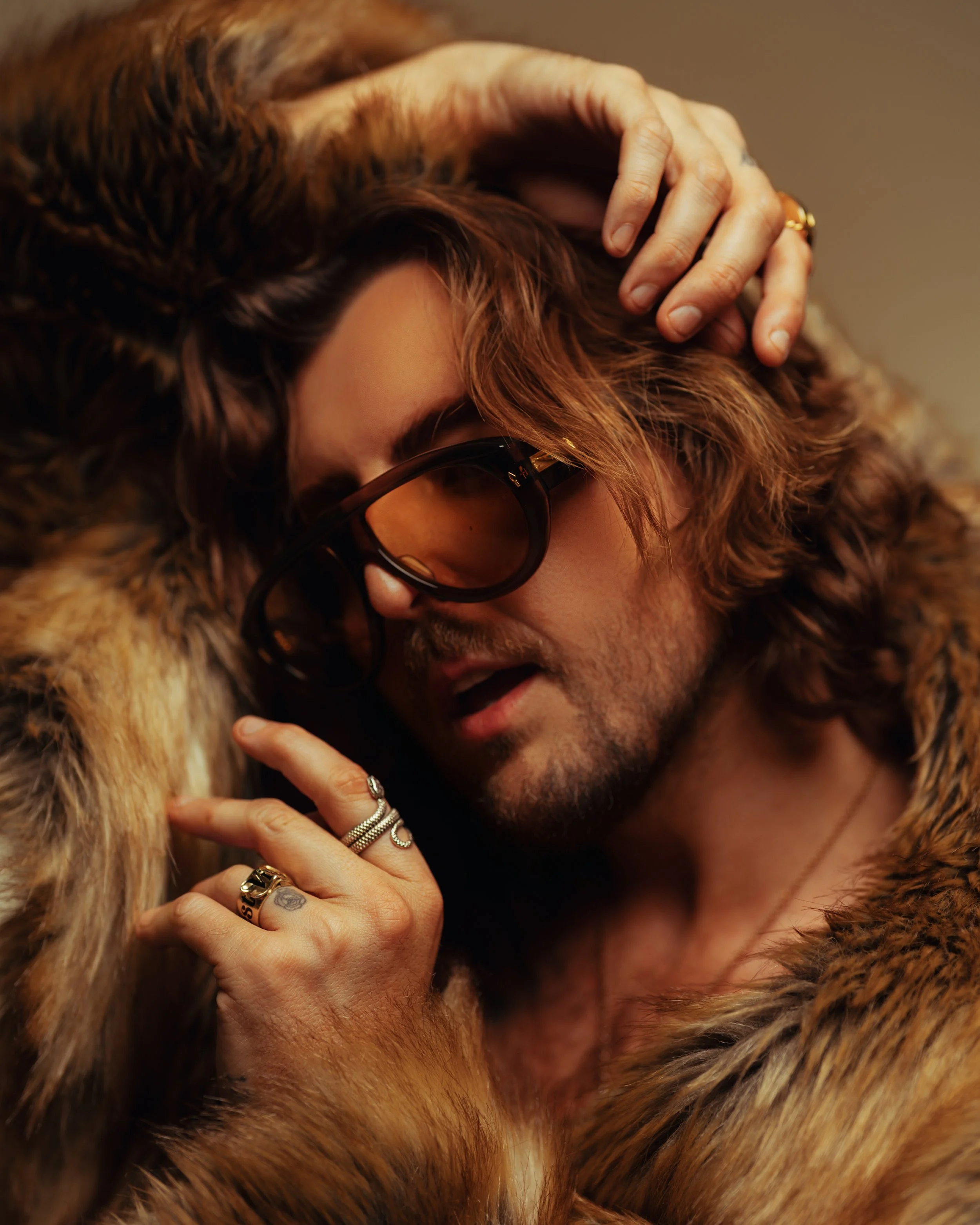
Your sound brings together soul, jazz, R&B and a touch of the ’70s. What draws you to that era, and how do you bring those influences into your music today?
I think what draws me to that era above all else is this sense of collaboration and real musicianship. I love that so many musicians, both solo and in big bands during that era, had no qualms about playing on each other’s records, writing for and with one another, doing background vocals for each other, etc. It really felt creative. I think about the multiple modulations in “After the Love Has Gone” by Earth, Wind & Fire, or Michael McDonald’s background vocals on “Peg” by Steely Dan.
You were born in London, raised in Atlanta and now live in Los Angeles. What has each place given you, both as a person and as a musician?
I think London and Atlanta have both had a profound effect on my sense of identity. Culturally, they are both such rich places. I jokingly describe myself as English breakfast with a lil’ Waffle House, but I genuinely have such a deep attachment to both. I think I get my humour and my fashion sense mostly from London, whereas Atlanta gave me so much Southern charm and contributed to my sometimes confusing accent, as well as a love of well-seasoned food. I still stand ten toes down for beans on toast, though. Musically, they both contributed to this sense of soul, melody, lyricism and iconography. Going from Elton, the Spice Girls, Phil Collins and Craig David to TLC, Usher, Outkast, Ciara and much of the gospel music I discovered through church culture made my tastes so vast and my voice so much more flexible.
Is there a song on “The Full Fantasy” that felt particularly difficult to share because of what it reveals or the memories behind it?
I think “Indescribable” or “Midnight Dancing.” “Indescribable” deals with my feelings of loneliness and craving a real partner who reciprocates my feelings and love. It sort of feels like the sobering-up song after the magic of “Full Fantasy” wears off. “Midnight Dancing” talks about numbing out with substances and nightlife as a way of dealing with the stresses around the industry and, again, men.
When you’ve spent years helping other artists tell their stories, does that make it easier to be honest in your own music, or harder to let go of how a song might be received?
It definitely makes it easier, and in fact, I live for creative honesty in my lyrics. I don’t care that much about how a song will be received if I’m obsessed with it.
“Hitmakers” brought viewers into a songwriting process that usually happens behind closed doors. What did that experience teach you about yourself, and what do you wish more people understood about the work?
It taught me that I always thank myself for saying yes to scary things and walking through open doors. It really lit a fire under me in that I realised I wanted to look back on a career where I wasn’t scared to try things. It also taught me that one of my fears, appearing unlikeable or inauthentic, especially on reality TV, where edits can often drive ratings, wasn’t rooted in truth. I felt I came across as both authentic and likeable. It made me want to put myself out there more artistically and try other mediums! I wish more people got to hear about the dangers of songwriting extinction, because of the fights we are facing for fair payment and royalty rates in the age of streaming, and intellectual property rights and compensation in the age of AI. The public still doesn’t have a nuanced understanding of those things and how they could affect both livelihoods and quality music.
You help bring the LGBTQ+ music community together through “Out West.” What has finding that community meant to you, and does that sense of belonging influence your music?
Last year, I co-hosted a Pride party called “Out West,” and we brought together a talented, diverse group of LGBTQIA+ creatives and executives to celebrate Pride, mingle and connect. It felt warm and supportive, and I hope to help with more of those efforts. The community means everything to me. My experience living in LA would have been drastically different were it not for some of my closest friends, who are also in the business. Having that kind of queer connection feels so unique, down to our shared drive for success and our experiences of feeling othered as kids. It brings a sense of purpose when it comes to the kinds of artists I really love to work with, and also the subject matter I explore when writing.
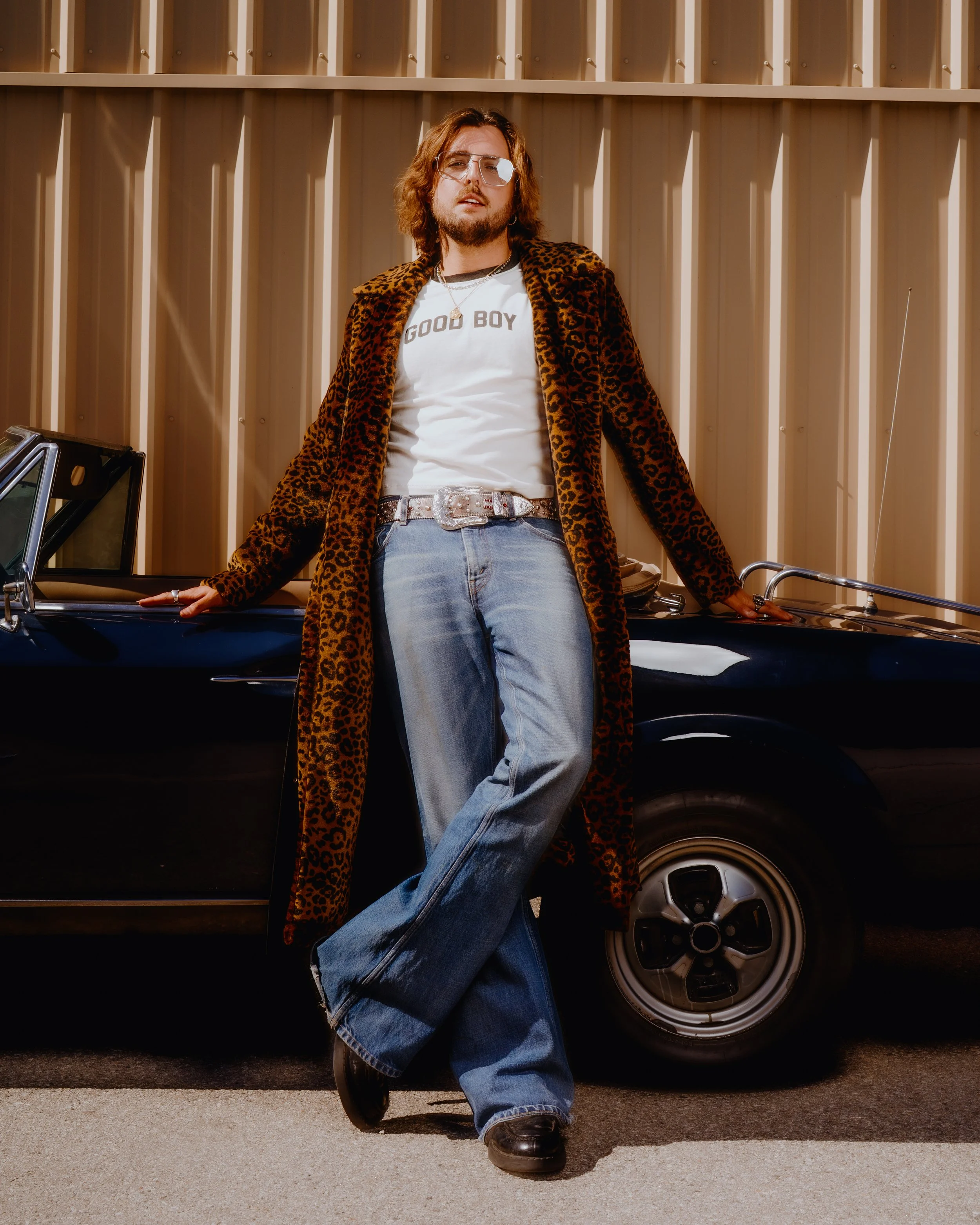
When you picture bringing “The Full Fantasy” to the stage, what do you imagine, from the arrangements to the clothes and the atmosphere?
Well, when I do, starting at the Blue Note in LA on 28 October ;), I want it to feel like a reflection of me: my fashion, my musicianship, my humour. I want things to have a wink in them, but also feel credible and real. Creative live arrangements with dramatic moments. The clothes will most certainly be on point. Quick change? Who said that? And I want the atmosphere to feel fun, electric and casual. Come see the show.
