
interview by NIA TOPALOVA
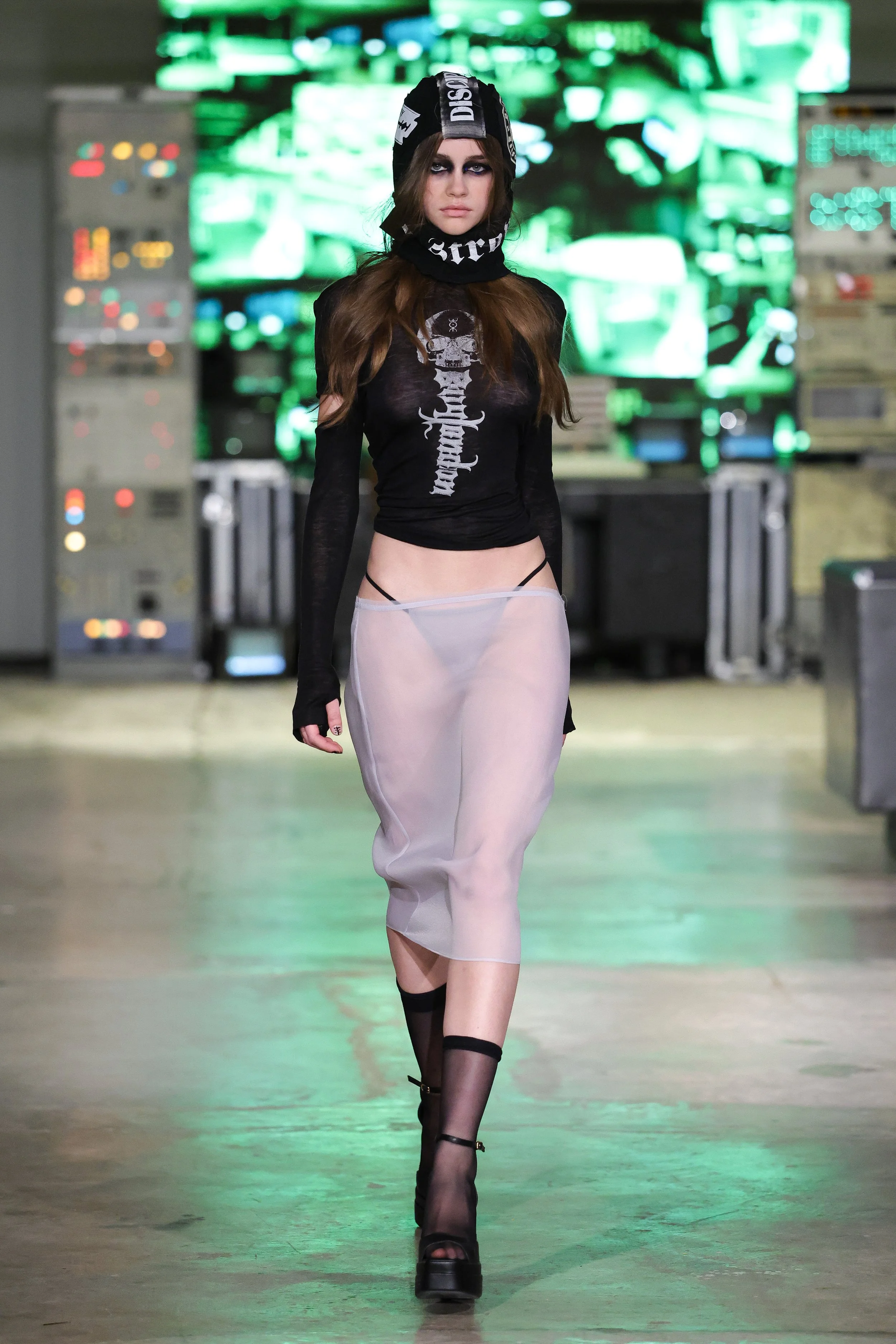
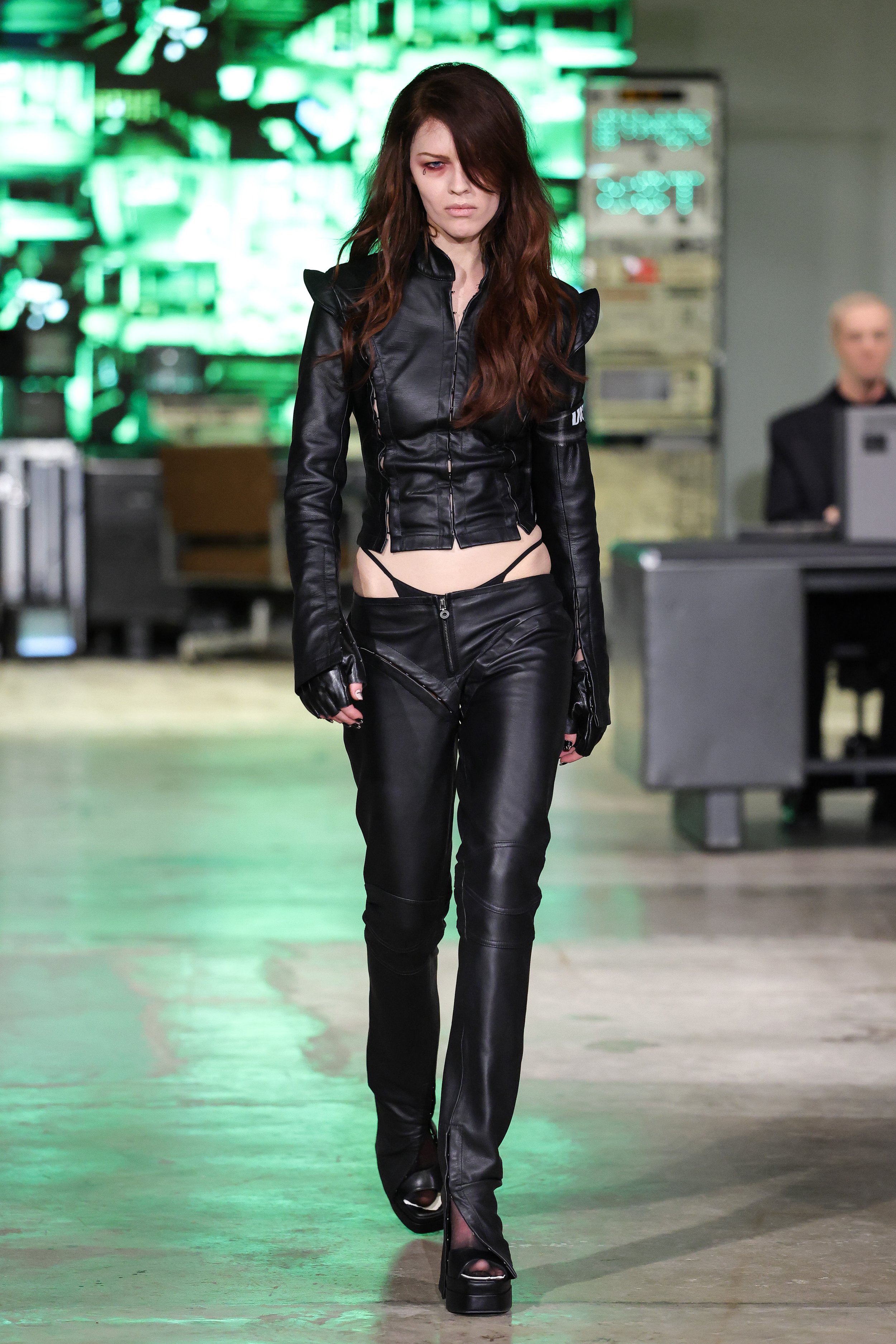
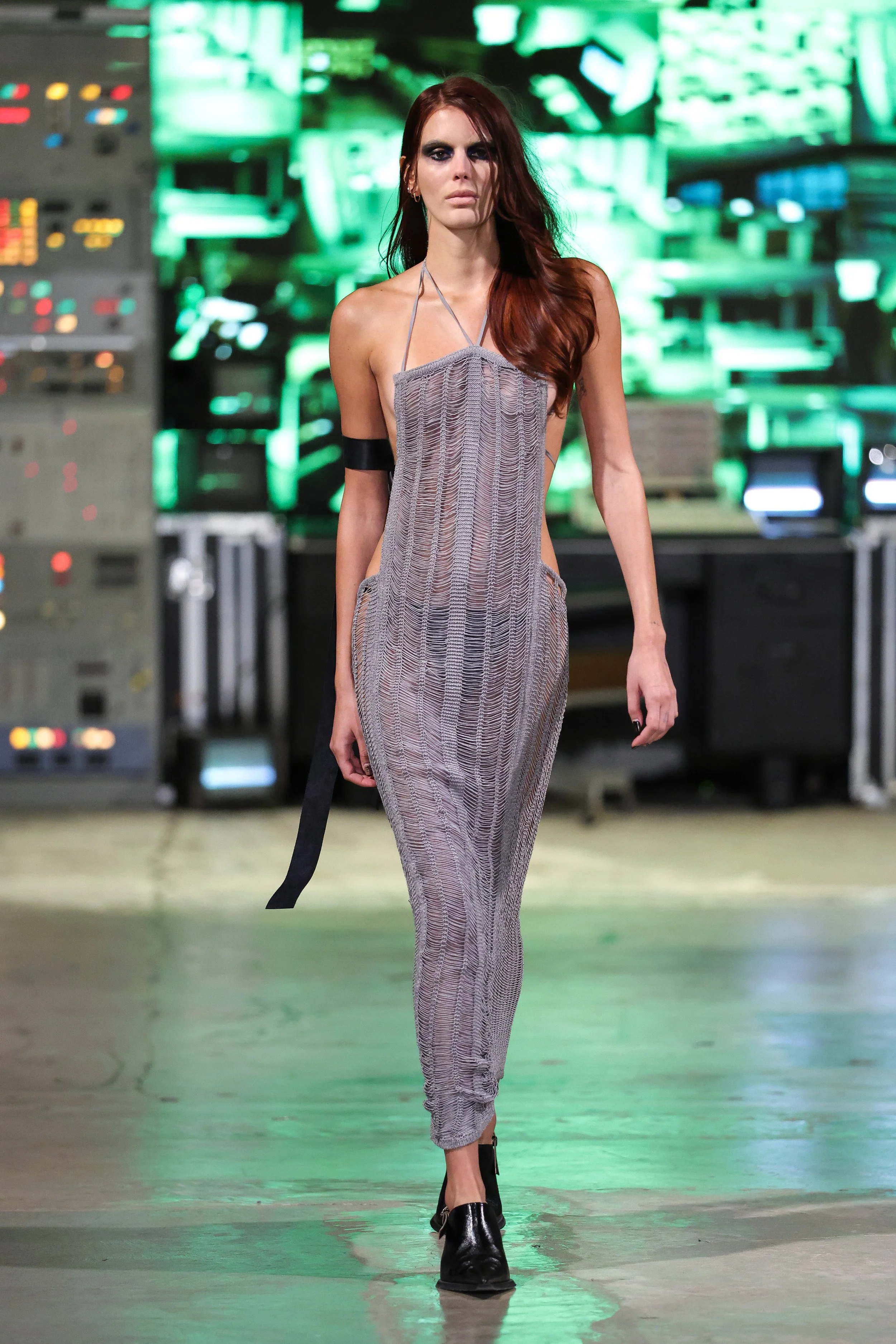
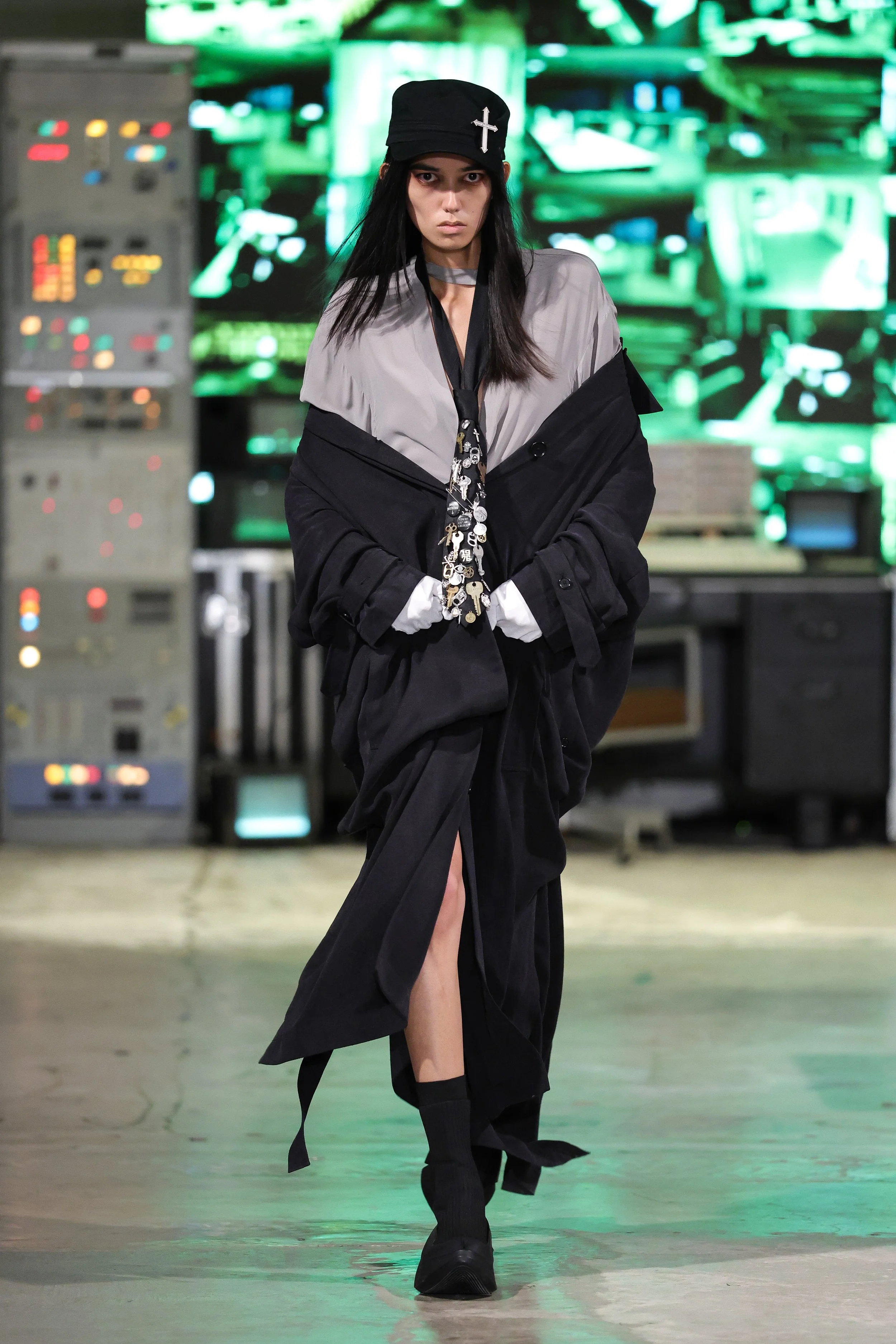
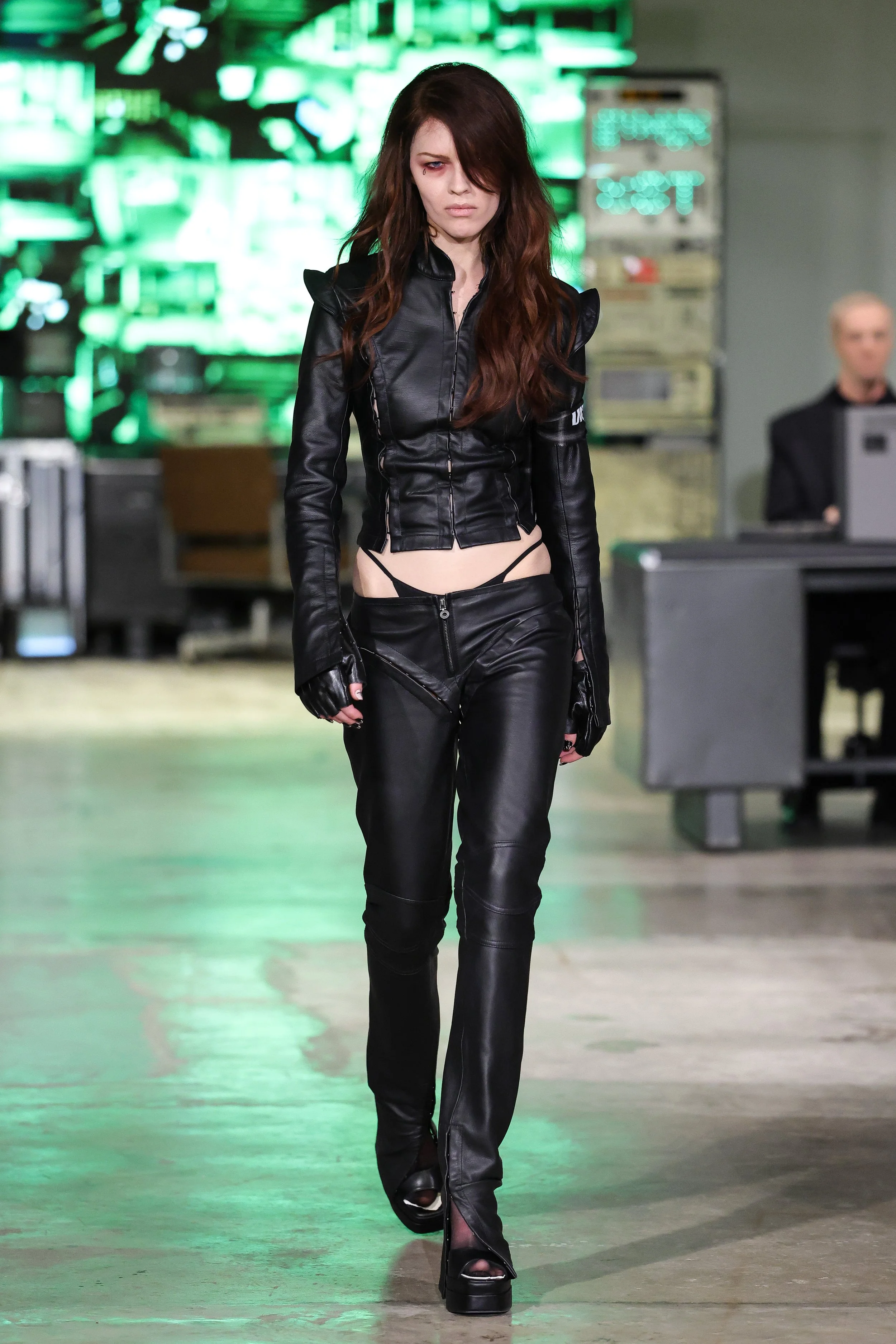
Creative Director of Boy London America, Can Tran, presented his Spring/Summer 2027 collection “The Evil Eye”, a study of power disguised as protection and the systems shaping how we move through the world. In conversation, Can shared more about what the Evil Eye brings to his creative vision, how he balances personal invisibility with brand reach, and why subverting authority remains at the heart of the brand.
What is the evil eye protecting you, personally from this season?
The overwhelming amount of information sent into our consciousness, every moment of our waking lives. The tech oligarchs collecting every data point from us only to use said data at our expense.
As you’ve mentioned that “in a world obsessed with being seen, the greatest act of rebellion may be to disappear”, how do you balance the desire to disappear with leading a brand? What is your relationship with visibility and reach when it comes to BOY London America?
It sounds paradoxical but I think we all prefer to only reveal what we must to create an image we would like others to see. Leading this brand is no different, I prefer people focus on the clothing and world we are building. In terms of business, I would like the visibility to be wide. As a creative, I would like the reach to be specific.
Beyond the evil eye itself, what other talismans, objects, or historical references informed the collection, and what made them relevant to the world you wanted to create?
I have always been fascinated by the occult, by religions, by rituals. Having many examples, but for brevity here are two: I remember seeing the Hagia Sophia Mosque in Istanbul and thinking the dome looked like an eye in such a spiritual place, the Wat Rong Khun Temple in Chiang Rai being the most absolute punk temple and sketching the sculptures there. The dystopian references from the 1984 gave me the formative language for this collection, more so than the protection/occult side. The words Evil Eye have had a resonance with me in how strange it sounds. Attendees of the show were all given a candle that resembled half of George Orwell’s face, with a marble for the eye. I wanted each marble to be different and intended the marble to fall out once melted, a relic for those who attended.
Your previous collection, Guillotine, drew on medieval imagery and political revolt. What connects that collection to The Evil Eye, and are you purposefully building this connection across seasons?
Punk is inherently about subverting authority and norms. Guillotine spoke about political revolt, and the systems of oppression. The Evil Eye imagines a world in a full surveillance state and the people oppressed, forced to work inhumane hours. Oppression in a different font. Everything we do has a through line and purpose.
How involved are you in all that surrounds the garments, from set design and casting to music, graphics, and show production, and how does that broader creative direction shape the way people experience BOY?
I am obsessively involved in all aspects of the creation process, from the idea of the collection, fabric and trim selections, watching every model walk, deciding on the music tracks and flow, designing and building the sculptural set pieces. This is also only possible because I have the very best team that believes in the vision.
Which specific religions, spiritual traditions, or historical cultures did you focus on mainly for this collection?
I tried to imagine a future dystopian world, this world was devoid of religion or the conventional varieties available to us now. I did not want the focus to be a known religion or tradition but rather, the idea of it in a faint way, as if it was not allowed in this world. When considering the makeup and nails, I wanted makeshift symbols to be added, showing the makeup team some drawings of symbols in my notebook. These were used for some drawings on the fingernails and face for the show. A quiet protest from some of the characters in this world.
How did the accessories develop alongside the silhouettes, and were they designed to serve a specific function within the collection’s visual language?
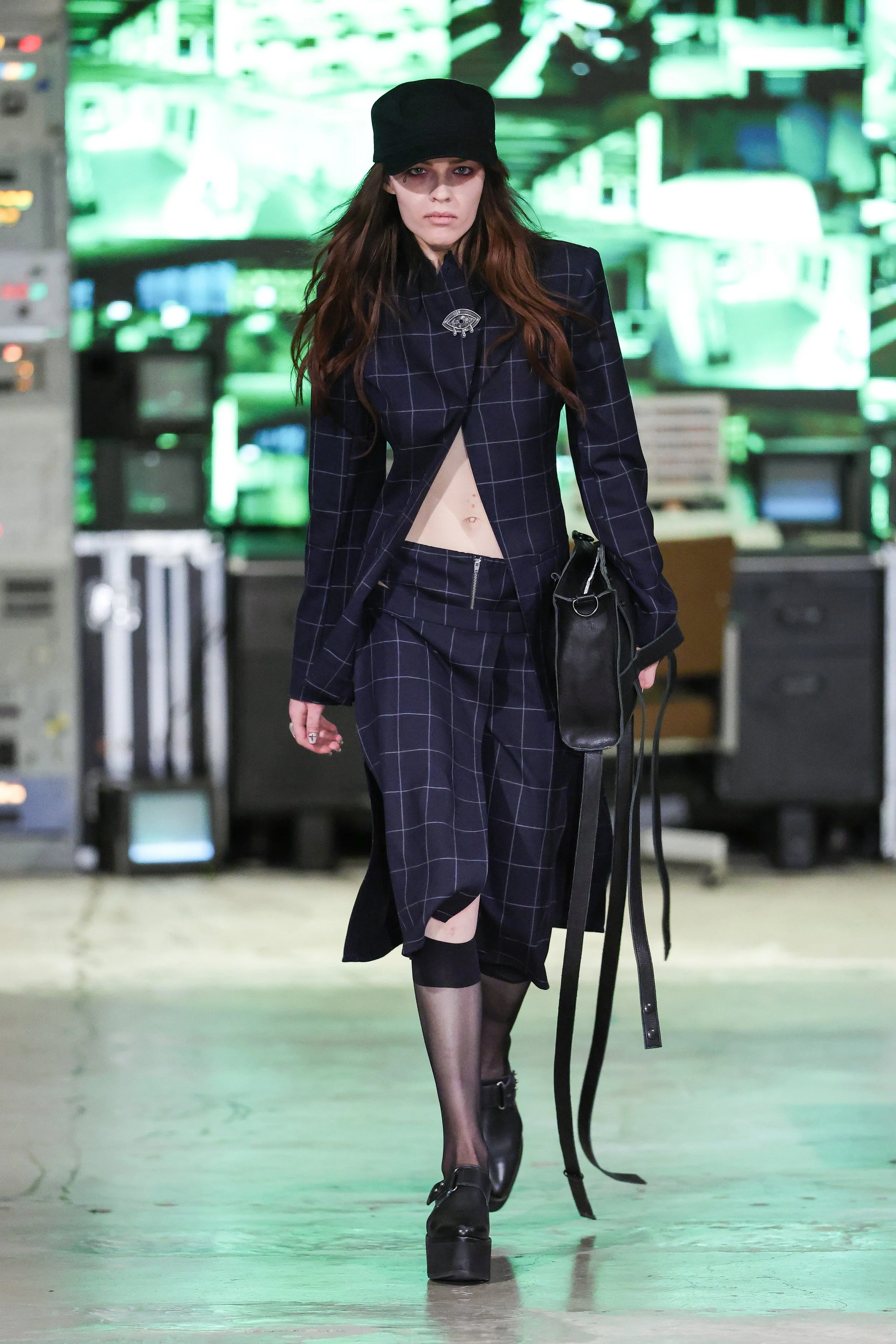
The first thing we did was adorn the pieces of clothing with small trinkets we sourced from local markets. Then we made ties, hats, chains, etc with similar trinkets and found items. These were meant as protection elements. The briefcases were something that felt important in this story, the classic retro shape but reimagined fit in the themes and the ideas of constant work we were trying to convey. One briefcase had the words “EVIL” painted in the back with fabric pieces falling out that were meant to look like paper. We screened each sheet with sayings that were the protection chants. On the opposite end, the surveillance towers I built for the set had words of warning and oppression written on them for anyone that sat close enough to see them.
What was the biggest challenge in translating such an abstract concept into wearable garments?
I guess I didn’t think it was a difficult stretch when thinking of both the occult aspects of the collection paired with the dystopian elements. Everything needed to be grounded in pieces one would wear in this world so that was the base in which we imagined everything. Adding the trinkets or “protection amulets” was a straightforward idea (and very punk) while the suiting elements are just something I will always do. The clear textiles were meant as the optical effect or the idea of the xray vision of the watchers. Well at least it makes sense in my head.
