
IN CONVERSATION WITH CATHERINE TURNBULL
Interview by Samo Šajn
Founded by Catherine Turnbull, NOON ALL DAY reimagines Vitamin D through the lens of light, science and daily practice. Moving beyond the traditional supplement category, the brand explores our connection with the natural world through thoughtful formulation, design and storytelling. We spoke with Catherine about the personal journey behind NOON ALL DAY, our relationship with light, and why wellness should begin with knowledge before intervention.
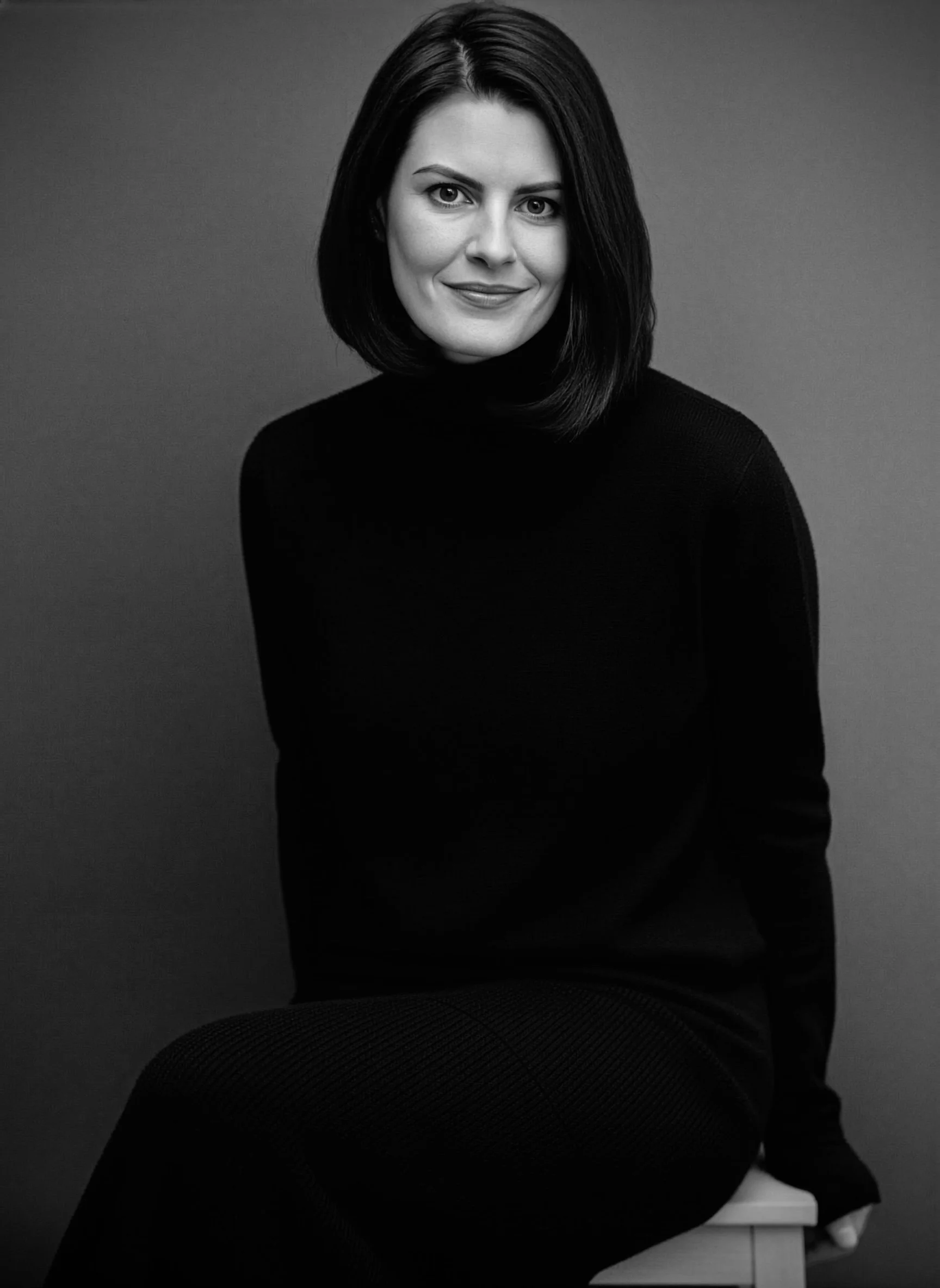
NOON ALL DAY starts with light. What was the original insight that made Vitamin D feel worth building a whole world around?
It actually began with the people I love. Over the past few years, serious illness touched several people close to me, while I was also navigating my own health. The experiences were very different, and I was not looking for a single explanation. But they did lead me to a broader question: what are we still failing to understand about health?
I’m an engineer by training, so my instinct is to return to first principles. As I researched public health data and micronutrients, Vitamin D kept appearing. Low Vitamin D status is widely reported across Europe and much of the world, yet many people know surprisingly little about it. But I realised that understanding Vitamin D also meant understanding our relationship with light. That became the beginning of NOON ALL DAY. I never wanted to create another supplement company; I wanted to build a world around that relationship first.
You talk about “understanding before intervention.” Where does that show up most clearly in how the brand operates day to day?
The wellness industry often relies on urgency. People are made to feel they need to buy something immediately, without always understanding the reason behind it. I wanted to do the opposite.
Understanding before intervention means helping people learn how Vitamin D works, when sunlight may be enough, when supplementation may be useful and why deficiency exists in the first place. For many people, simply learning that Vitamin D production depends on factors like location, season and timing of exposure is already a revelation.
Once you understand those patterns, you’re empowered to make better decisions for yourself. What people choose to do with that knowledge should remain their own decision.
The Register and seasonal release model is unusual for a supplement. What changes when you remove the idea of constant availability?
Because our relationship with light changes with the seasons, it didn’t feel honest to create a product that ignored the rhythm of the year. The Register allows us to honour that relationship. Instead of treating supplements as endless inventory, we release them in seasonal allocations that draw attention to the changing conditions around us while supporting a practice that continues throughout the year.
There’s also something beautiful about anticipation. I grew up in New Zealand, where waiting was simply part of life. Good things took time, and I believe anticipation creates a deeper connection with what we receive. I wanted NOON ALL DAY to carry that feeling and move away from the idea that everything has to be instant.
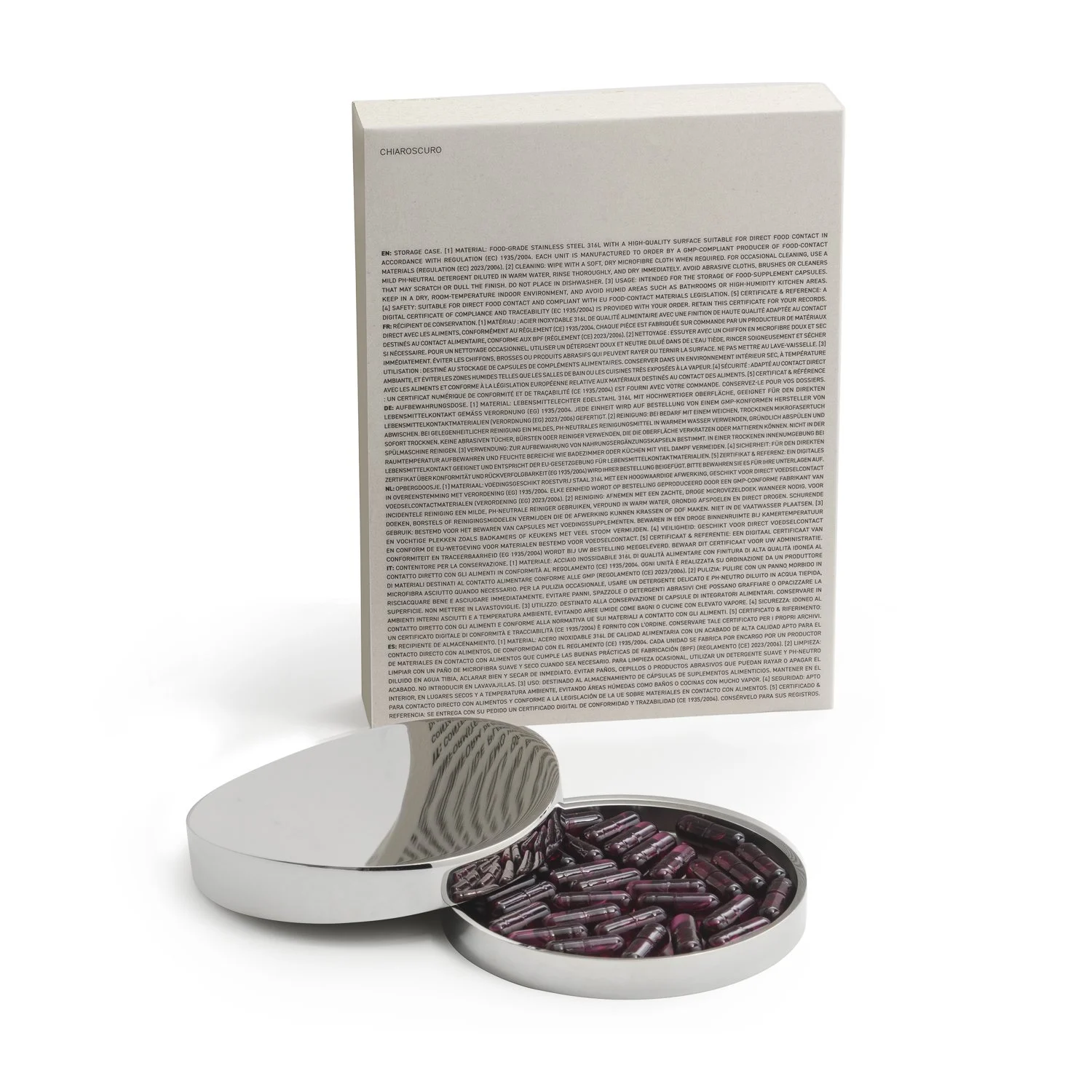
CHIAROSCURO turns something functional into a physical object in the home. What role do you think objects can play in shaping habits?
I’ve always been fascinated by the difference between a habit and a practice. A habit is often automatic, while a practice asks for your attention. I wanted to create an object that gently encourages people to slow down and become more present.
That’s why CHIAROSCURO behaves the way it does. If you open it too quickly, the vacuum resists you. If you move slowly, it opens almost silently. The object quietly rewards patience. The design was inspired by Japanese principles of care in everyday actions, and by the idea that objects can influence behaviour. Instead of hiding a supplement away in a cupboard, I wanted it to become something you genuinely want to return to every day.


Modern life has quietly moved us indoors for most of the day. What impact do you think that shift has had that we’re still underestimating?
We’ve normalised indoor living, but the body hasn’t forgotten what it evolved with. Many people assume that because it’s summer they’re naturally producing enough Vitamin D, but it’s more complex than that. It depends on a range of factors, including where you live, the season, the angle of the sun and the time of day, as well as how much skin is exposed and whether you’re actually outside when UVB is available.
The irony is that many of us spend the brightest hours of the day indoors behind computers. We live in brightness, but brightness isn’t the same as sunlight. That awareness is what I hope people take away. Supplementation isn’t the starting point; understanding is.
The formulation is extremely minimal. What guided the decision-making when everything non-essential had to be cut away?
Engineering teaches you to question everything. For me, that meant beginning with what was actually needed and building from there. I wanted the formulation to be as minimal as possible, with an ingredient list people could understand. Every component had to earn its place, and if I couldn’t justify why it belonged, it didn’t stay.
I spent years researching Vitamin D, studying scientific literature and understanding where every ingredient came from and why it was there. Our Vitamin D3 is algae-derived because I loved its connection to light. Marine algae are among the oldest organisms known to produce Vitamin D through exposure to sunlight. The more minimal you make something, the harder it becomes. Every ingredient is exposed. There is nowhere to hide.
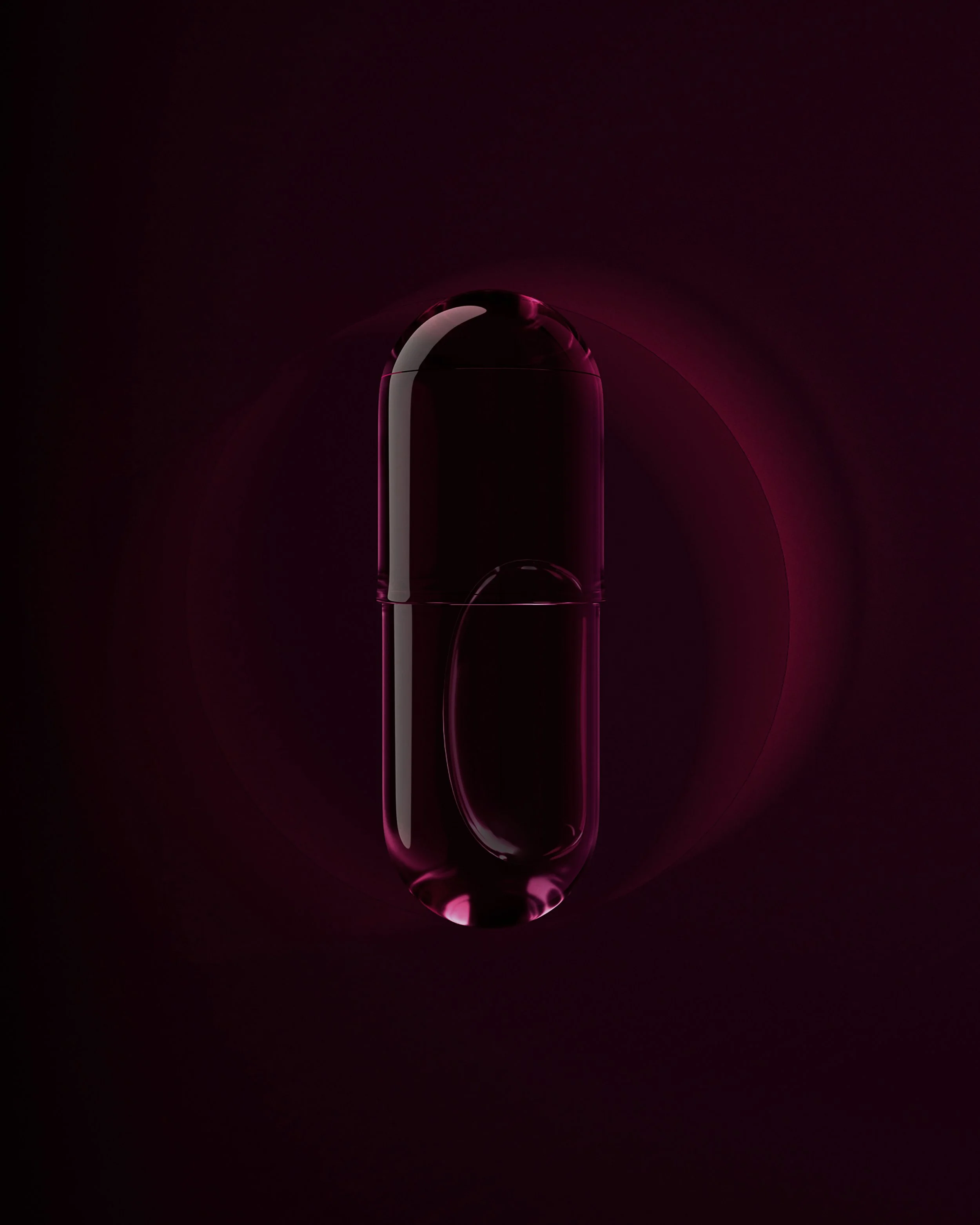

The Sanctuary introduces essays, research and cultural references into a category that’s usually purely product-driven. What do you think changes when a supplement brand starts publishing rather than just promoting?
Everything changes. When you promote a product, you’re asking people for something. When you publish, you’re offering them something. That distinction matters enormously.
The Sanctuary exists because Vitamin D deserves a broader conversation than product claims alone. We explore light, seasonality, architecture, travel, culture and the body’s relationship with the natural world. If someone visits The Sanctuary, learns something meaningful about light and Vitamin D, then chooses another Vitamin D brand, NOON ALL DAY has still done what it set out to do. Knowledge should always come before commerce.
Vitamin D is often reduced to a static daily requirement, but you frame it in relation to seasons and light. How does that shift the way people might think about it?
Vitamin D is often discussed as a simple number, but our relationship with it is much more connected to our environment. Light changes throughout the year, and our bodies respond to those rhythms.
Understanding that relationship helps people move away from seeing Vitamin D as just another daily supplement and towards recognising the wider connection between our bodies and the natural world. It becomes less about a single measurement and more about understanding the conditions that influence our wellbeing.
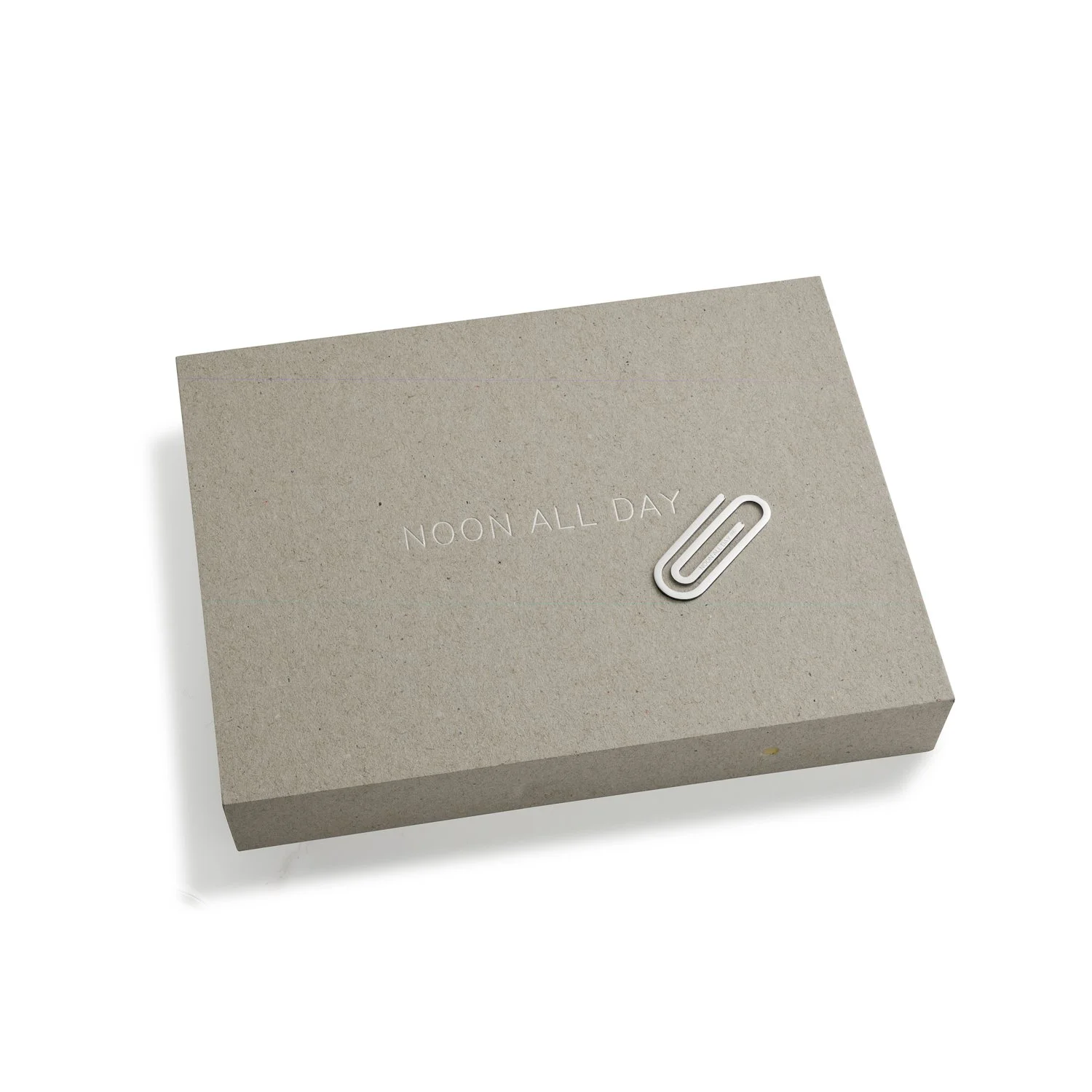
There’s a clear tension in the brand between science, design and storytelling. How do you make sure none of those dilute the others?
Each one has a different role. Science provides the evidence and keeps the brand honest. Design makes the practice tangible and transforms something abstract into an experience that fits naturally into daily life. Storytelling creates an emotional connection and gives people a way into the subject.
The challenge is making sure storytelling never simplifies science, and design never becomes decoration without purpose. Scientific knowledge can feel intimidating, so our role is to translate it into something people can genuinely connect with while staying truthful.
Looking ahead, do you see NOON ALL DAY staying focused on this single subject, or does the thinking naturally expand over time?
I’m much more interested in going deeper than wider. When I first walked into a supplement store, I remember feeling overwhelmed. Every brand seemed to make everything, and it became impossible to understand what actually mattered. I never wanted NOON ALL DAY to become that.
Vitamin D alone opens conversations about physiology, architecture, travel, design, daily life, seasonality and the way we experience the natural world. The brand will evolve, but its future lies in continuing to explore our relationship with light rather than simply expanding into new categories.
For me, the strength of NOON ALL DAY has always been its willingness to take one subject seriously enough that it reveals an entire world.
The waitlist for the inaugural Register allocation is now open at Noon All Day.
Register opens: 25 July 2026
Register closes: 21 August 2026
First seasonal dispatch: 24 August 2026
