
IN CONVERSATION WITH LUCAS LYNGGAARD TØNNESEN
words and interview by MAREK BARTEK
There's a certain warmth to LUCAS LYNGGAARD TØNNESEN that’s hard to miss. The Danish actor approaches both life and acting with a genuine curiosity for people, returning time and again to the importance of empathy and understanding perspectives beyond his own — a quality that has shaped both his career and the characters he continues to seek out.
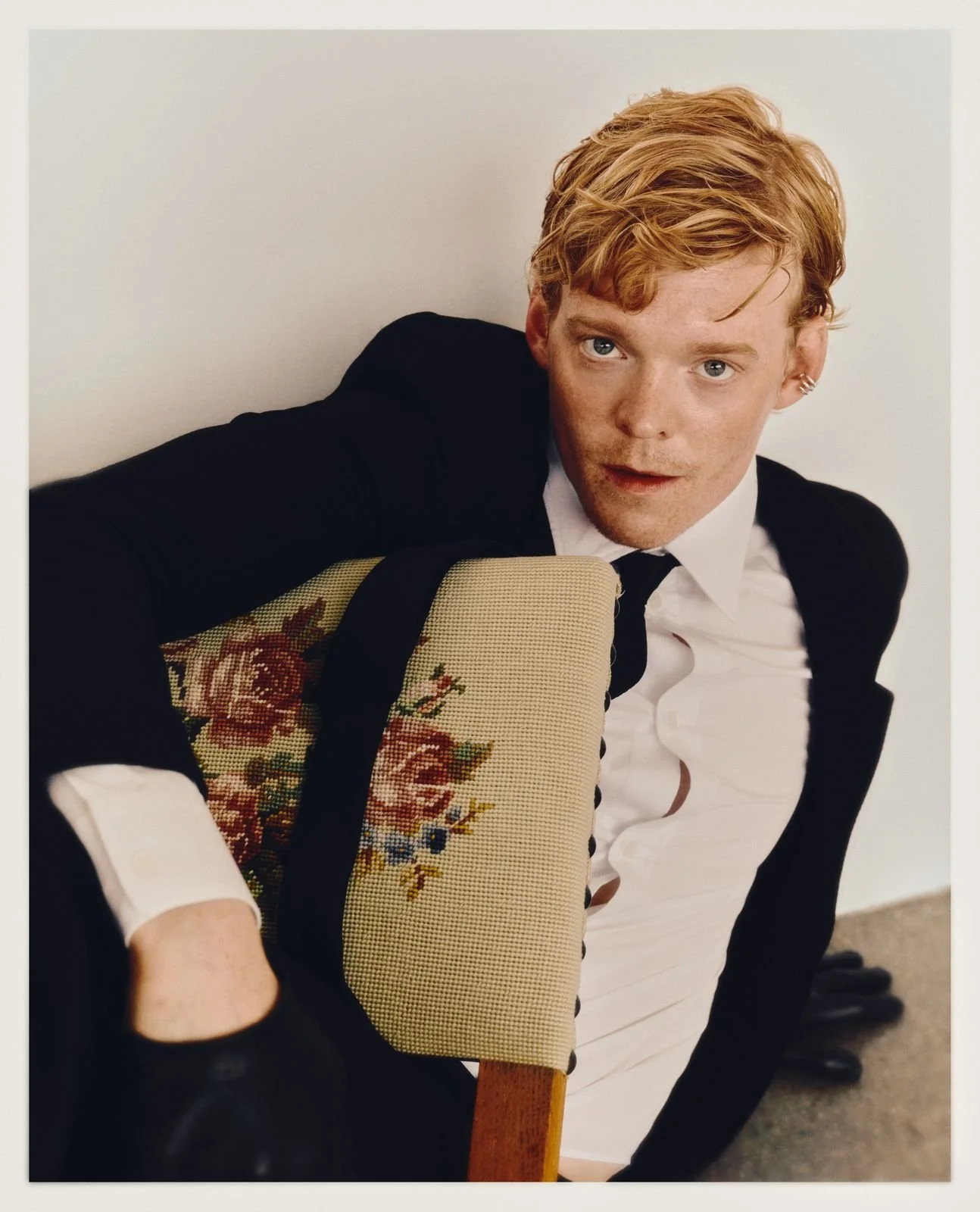
full look BALENCIAGA by PIERPAOLO PICCIOLI
earcuff CARTIER
shoes BOSS
MAREK BARTEK
Going through your work, many of the characters you’ve played carry a certain intensity. Do you find yourself drawn to darker, more complex characters?
LUCAS LYNGGAARD TØNNESEN
I think it’s intriguing to play someone who’s far removed from yourself. I don’t consciously seek out characters with dark pasts or perspectives, but there’s something fascinating about trying to understand people whose experiences are very different from my own.
Looking back, I do realise that many of the characters I’ve played have carried some kind of darkness. But lately, I’ve become more interested in exploring something else. I’d love to play someone who’s in love, trying to be a good father, a good friend, or simply figuring out how their life should look. Their struggles may seem smaller, but they can be just as complex.
MB
You always seem to come back to curiosity and understanding people. Was that something you were always drawn to growing up, both in life and as an actor?
LLT
For me, inspiration comes from life itself. I’ve always been curious about people and the small details that make them unique. As an actor, PHILIP SEYMOUR HOFFMAN remains one of my biggest inspirations. Whenever I watched him, it felt like anything could happen. He was completely present, unpredictable and fully committed to the moment. More than any specific influence, though, I think paying attention to the world around you is one of the most valuable things an actor can do.
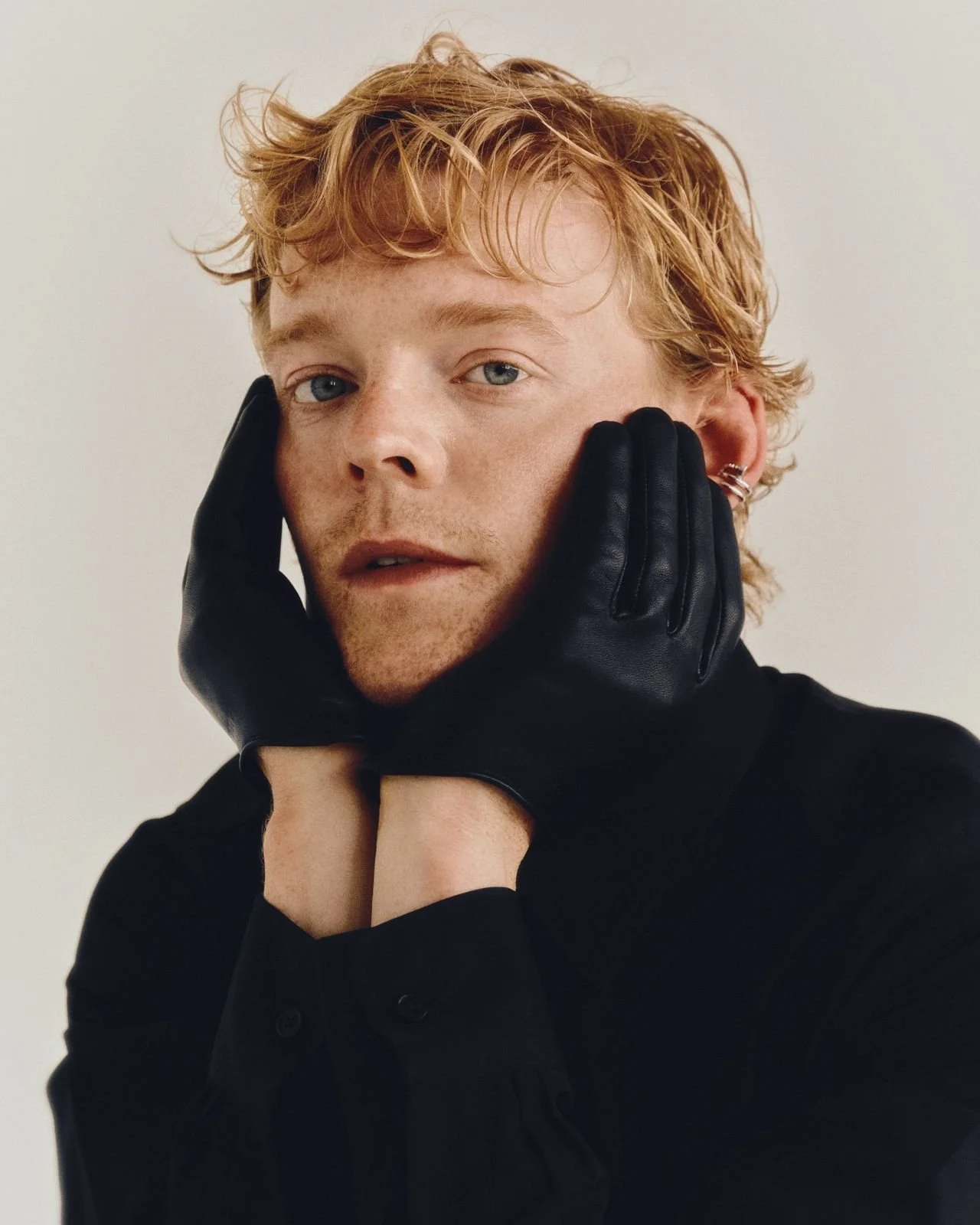
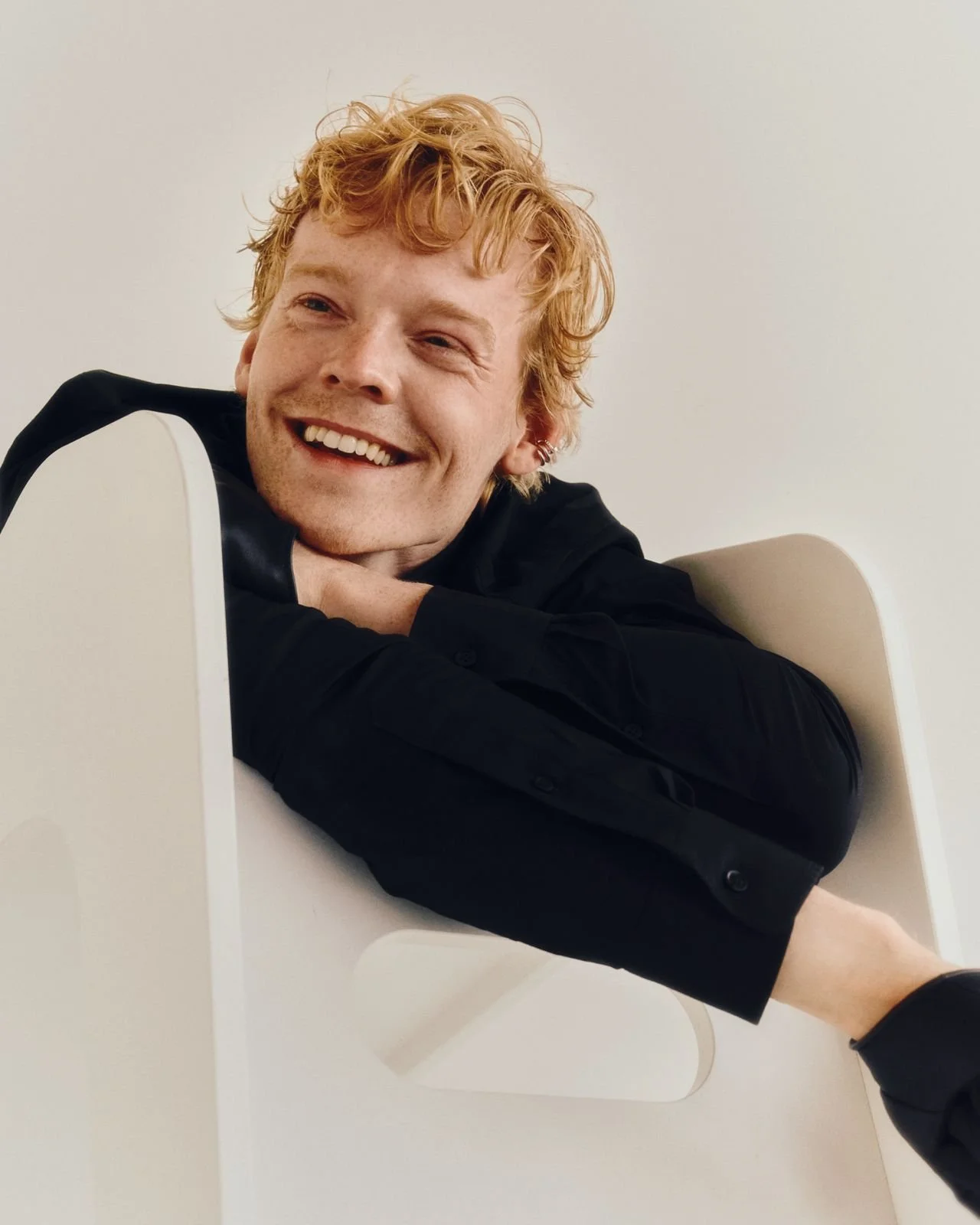
shirt GIVENCHY by SARAH BURTON
gloves BALENCIAGA by PIERPAOLO PICCIOLI
earcuff CARTIER
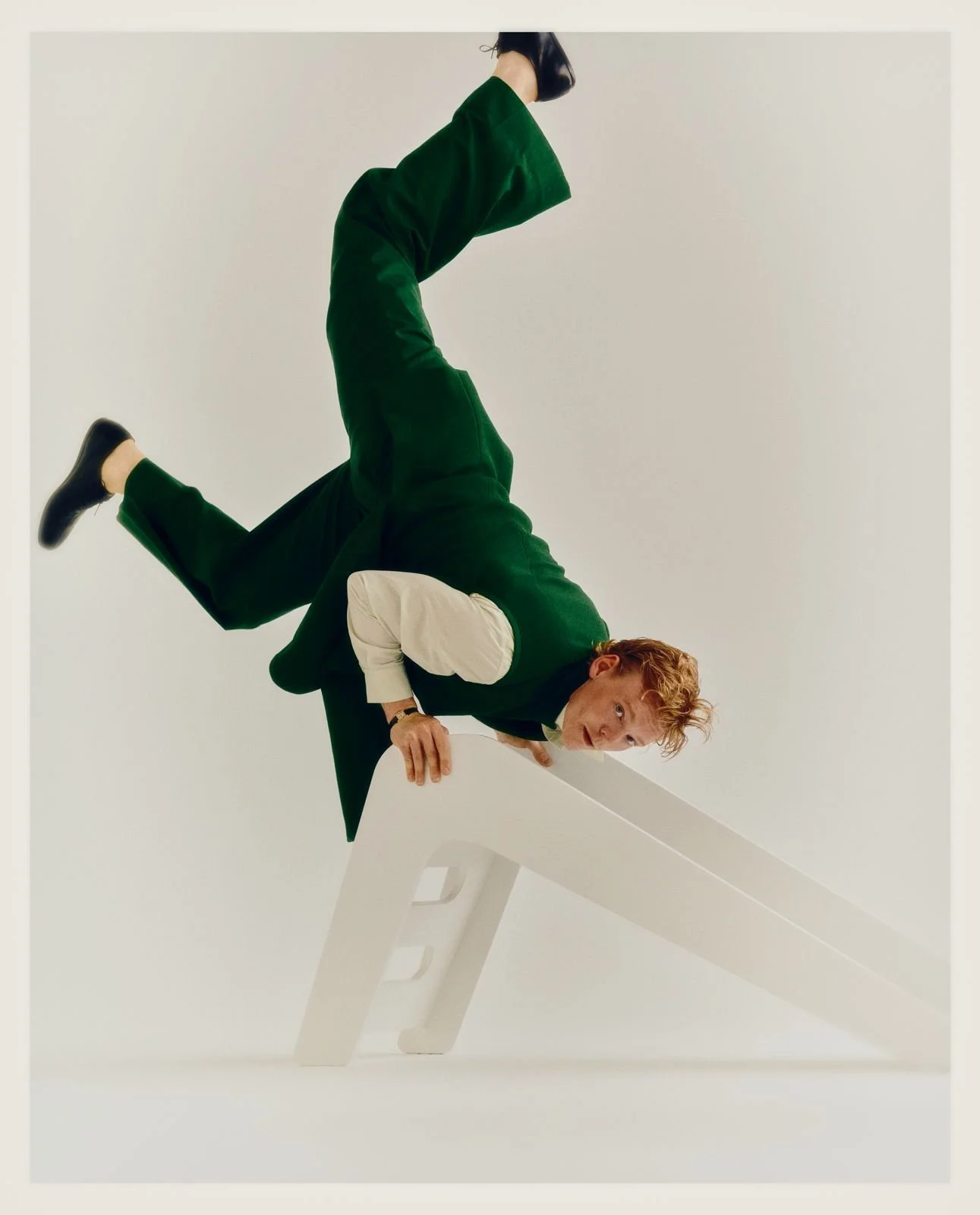
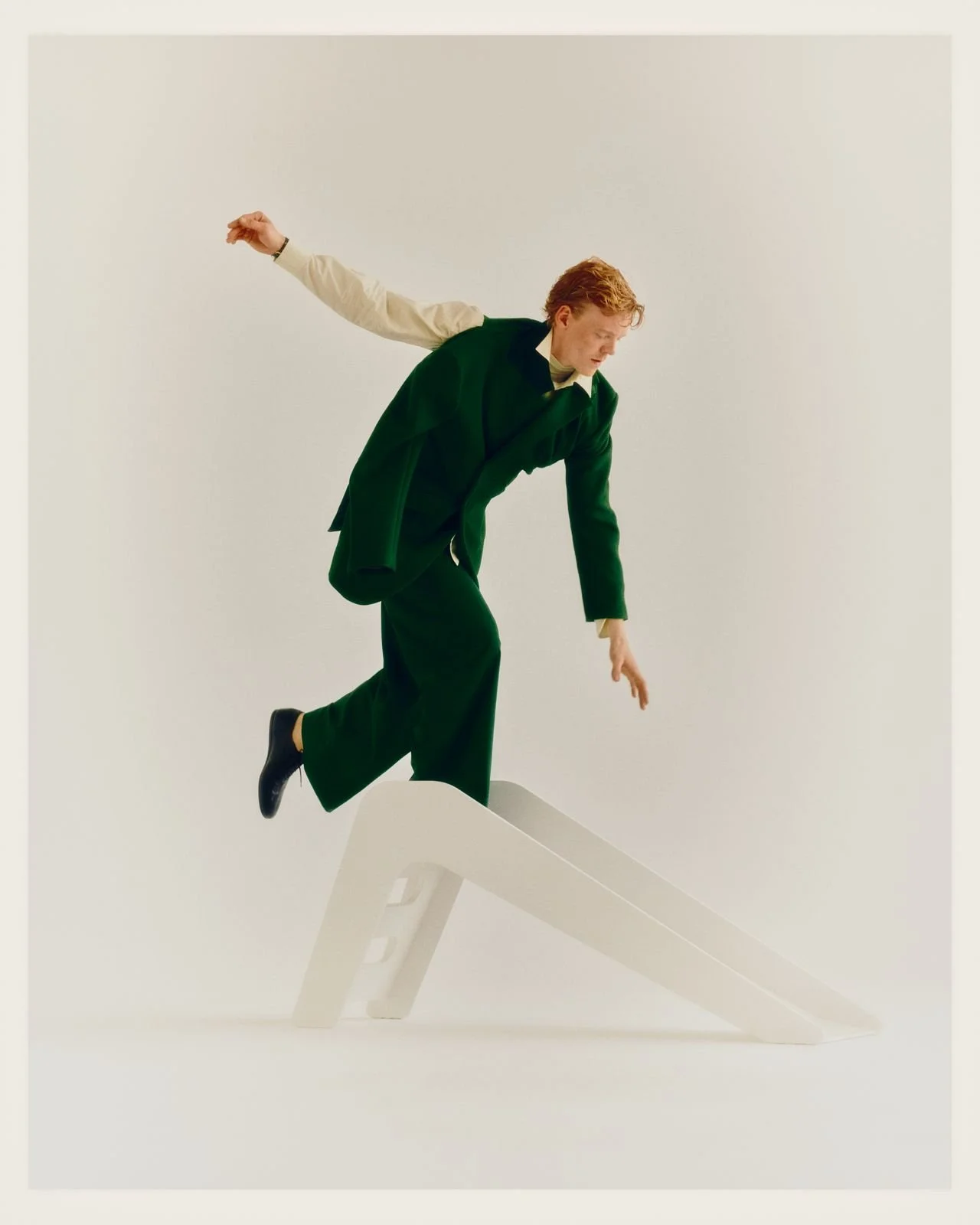
full look ISSEY MIYAKE
shoes BOSS
watch CARTIER
MB
You mentioned becoming more interested in characters who are simply trying to figure out their place in the world. In many ways, GUSTAV from The Patron (2026) feels like the opposite of that. He’s ambitious, self-important and constantly chasing something bigger. What was it about him that interested you?
LLT
Gustav is an extreme version of a type of person you can find in many creative industries. He’s convinced he’s destined for something greater and sees himself as more important than everyone around him. I definitely drew inspiration from people I’ve encountered throughout my career. What interested me most, though, was what sits beneath that behaviour. Often, people like Gustav are driven by a fear of not being seen, valued or loved. There’s usually an insecurity underneath the confidence.
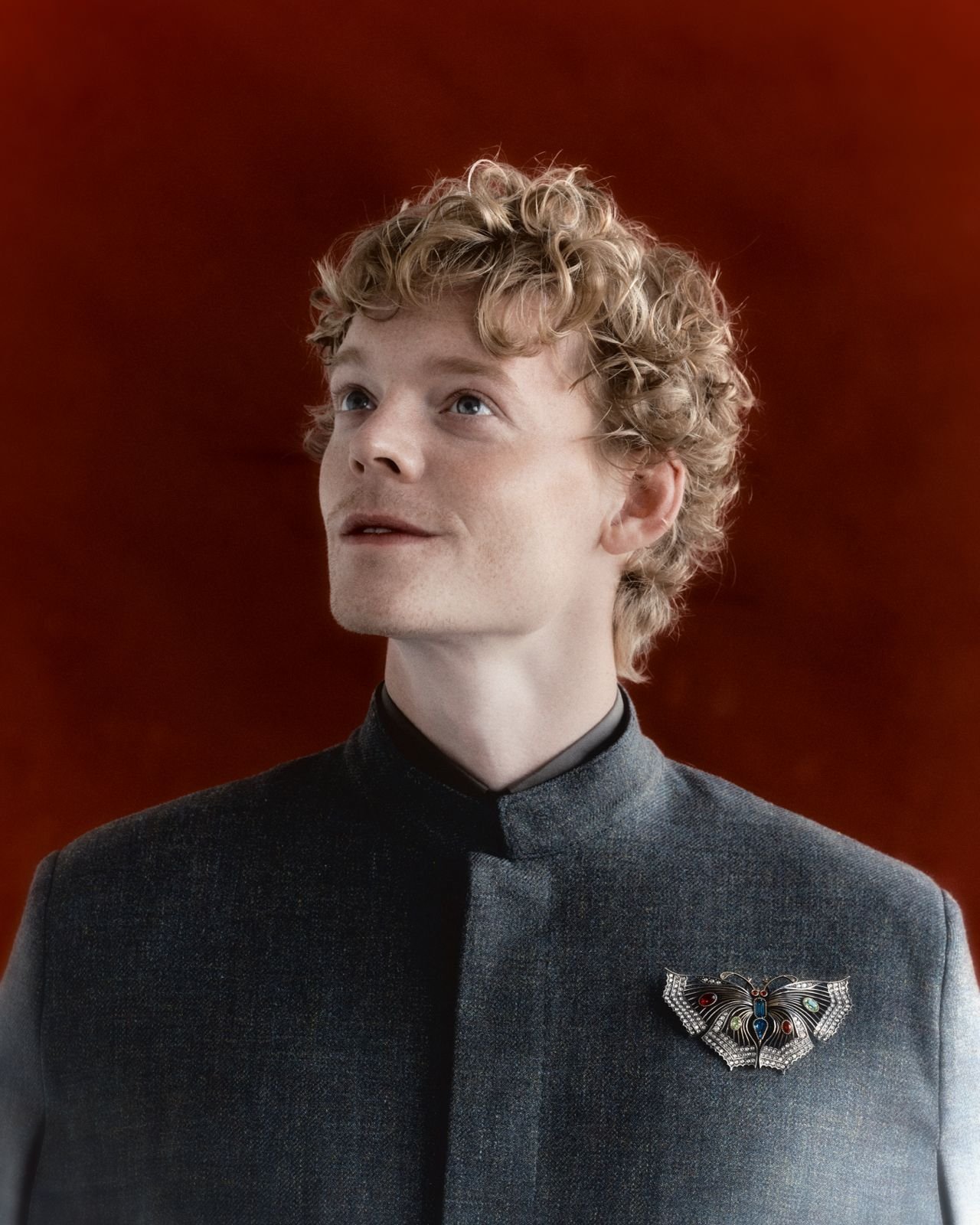
full look VALENTINO by ALESSANDRO MICHELE
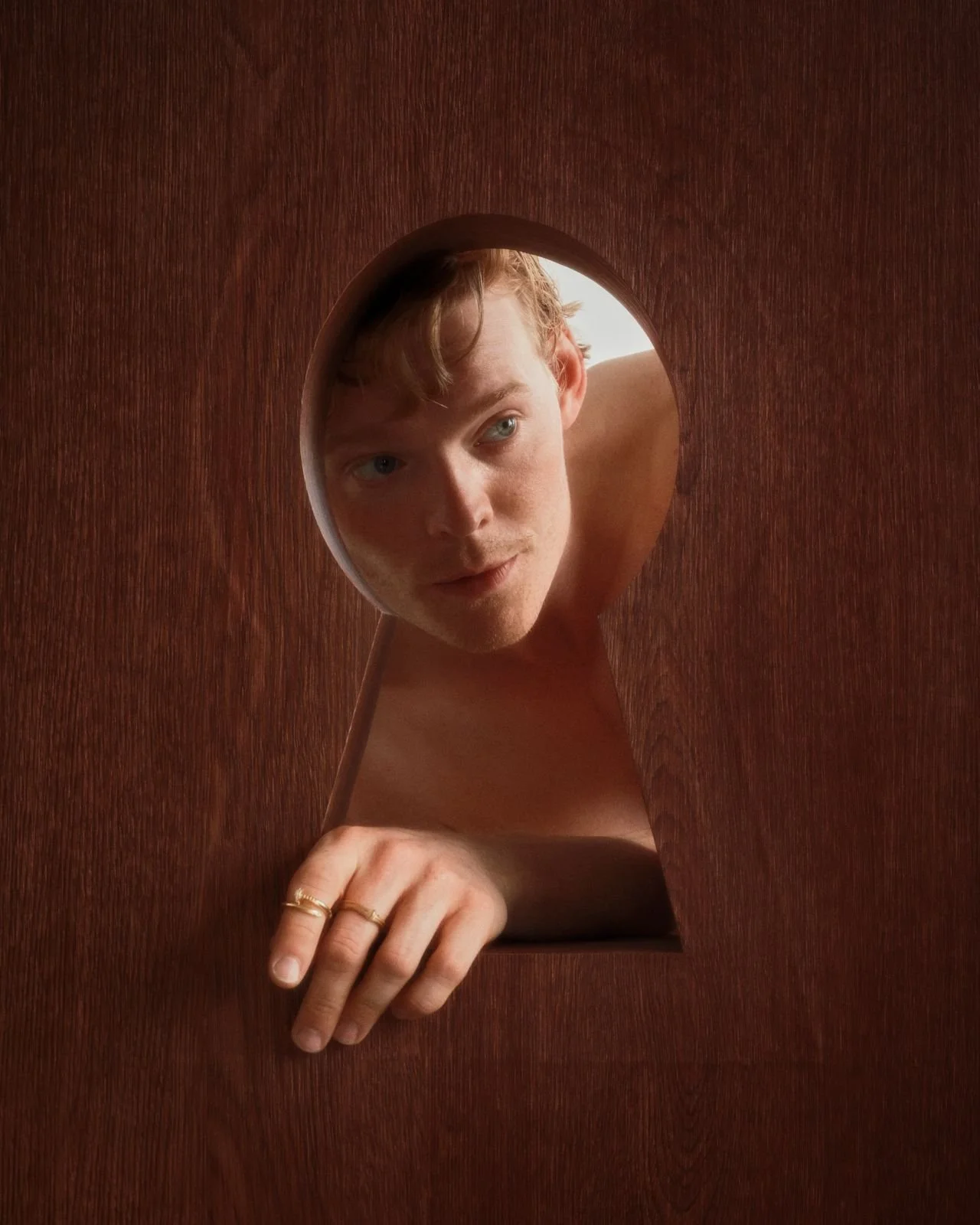
left
jewellery CARTIER (left) and OLE LYNGAARD COPENHAGEN (right)
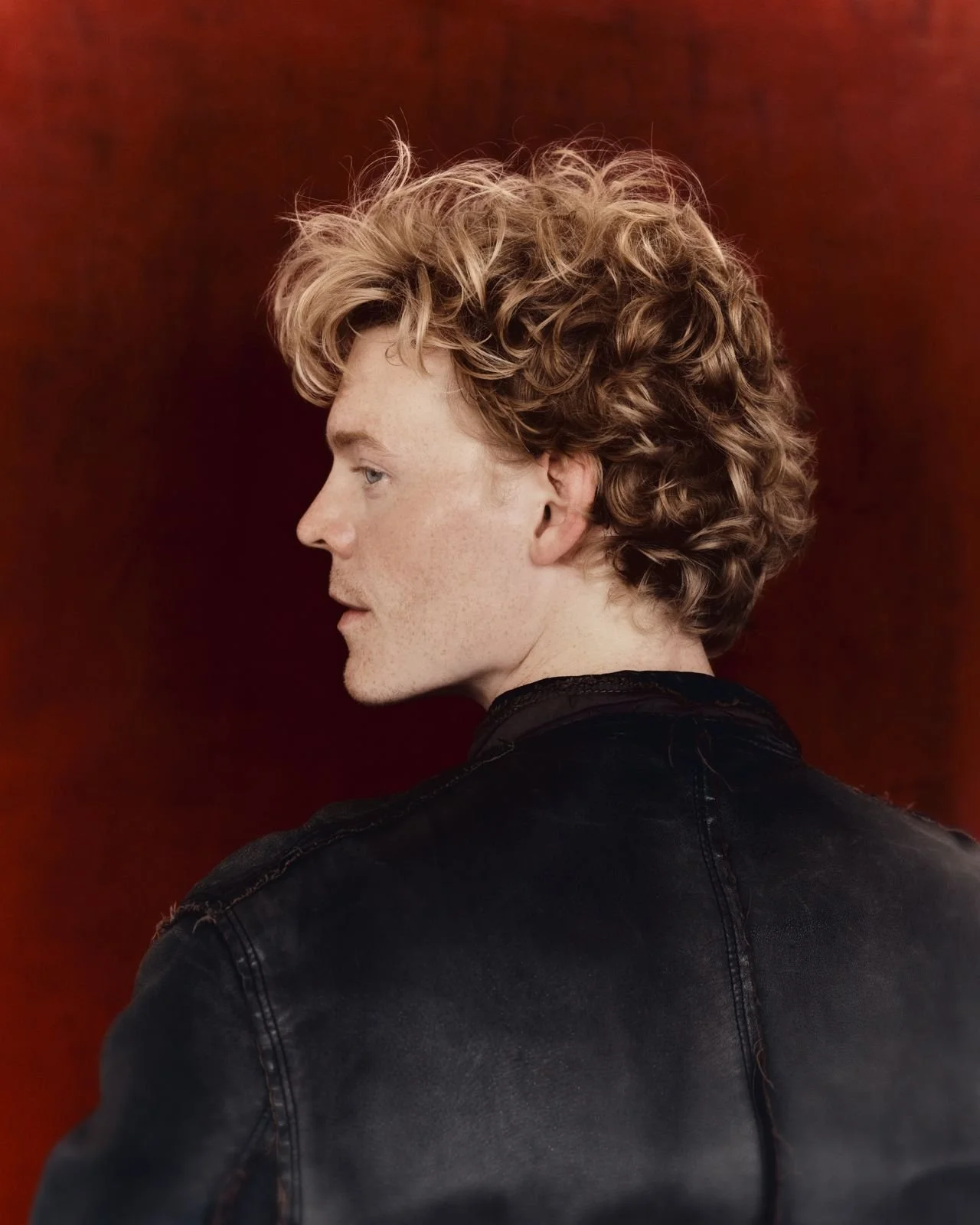
right
jacket COMME des GARÇONS via STRAND32 VINTAGE
MB
Did playing him change the way you think about creativity, ambition and success?
LLT
It reinforced something I’ve been thinking about a lot lately: don’t live 10 years ahead of yourself. Ask yourself why you’re doing what you do. Is it because you genuinely love the work, or because you want to appear successful in someone else’s eyes? If your motivation comes from external validation, you can easily end up chasing something that never feels enough. But if you love the work itself, the process becomes rewarding.
MB
Interestingly, your newest project, Hunden, seems to explore a very different stage of life. Rather than chasing success, it’s about family, responsibility and the fear of repeating the mistakes of previous generations. What can you tell us about it?
LLT
The film follows a young man who learns that he’s about to become a father. The problem is that he’s terrified of repeating the mistakes of his own father, so the story becomes a reflection on family, inheritance and whether we can break the patterns we grow up with. It explores how much our past shapes the people we become, and whether we can break the cycle or end up repeating it.
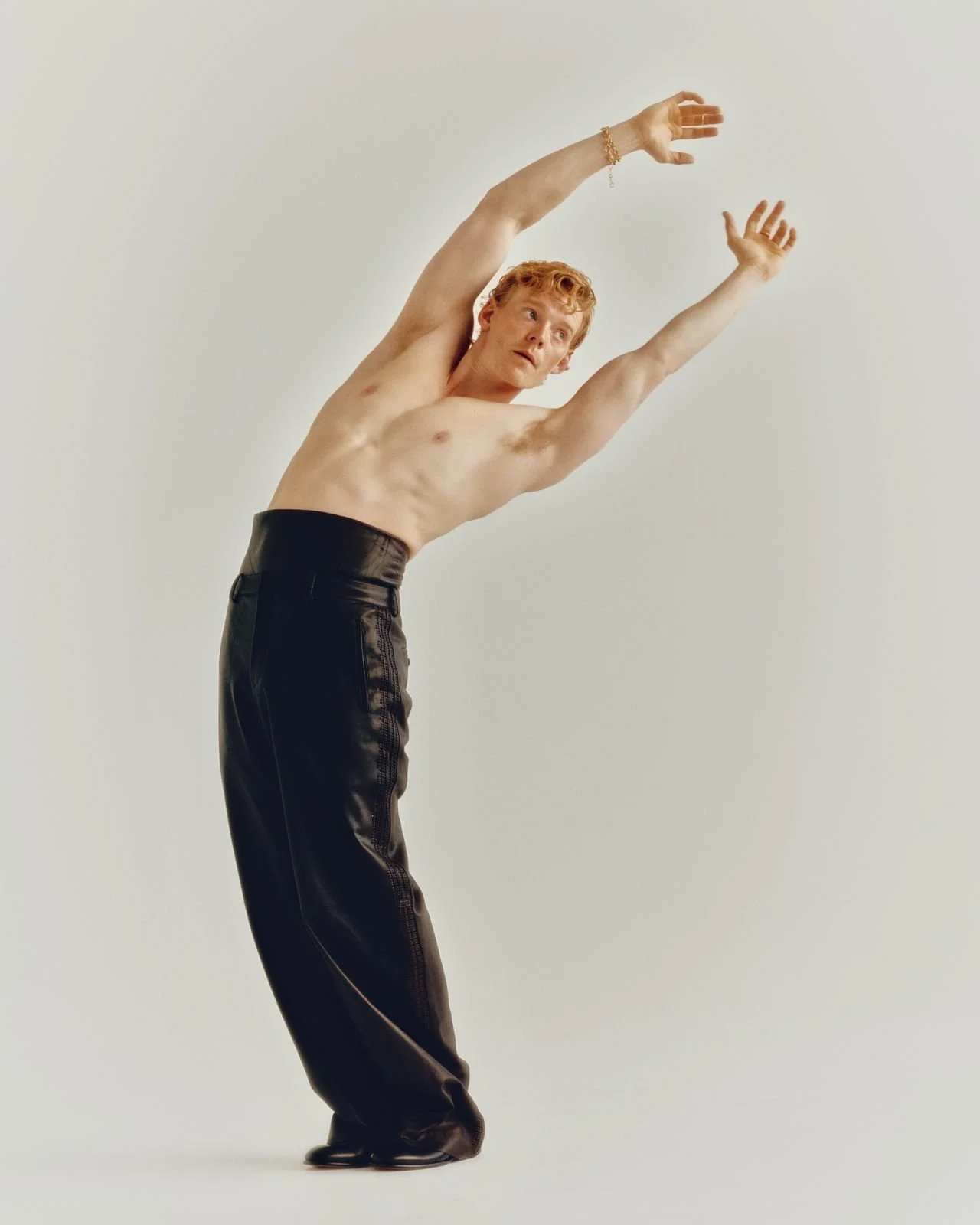

full look HÈRMES by VÉRONIQUE NICHANIA
shoes BOSS
jewelry OLE LYNGAARD COPENHAGEN
MB
Questions of inheritance seem to appear in different ways throughout your work. In Hunden, it’s family. In Desperate Journey (2025), it is history. What was it like stepping into the shoes of FREDDIE KNOLLER, a young Jewish man during World War II?
LLT
Playing Freddie was a completely new experience for me. I had never portrayed a real person before, so there was a real sense of responsibility. Freddie survived the Holocaust and lived to be 100 years old, which made it important to honour his legacy and tell his story with care.
I spent a lot of time watching his testimonies and archival footage. What struck me most was the spark in his eyes, even later in life, and I wanted to capture that on screen. The most rewarding part was meeting his daughter and grandson afterwards. They were incredibly moved and said it felt like they were watching him again.
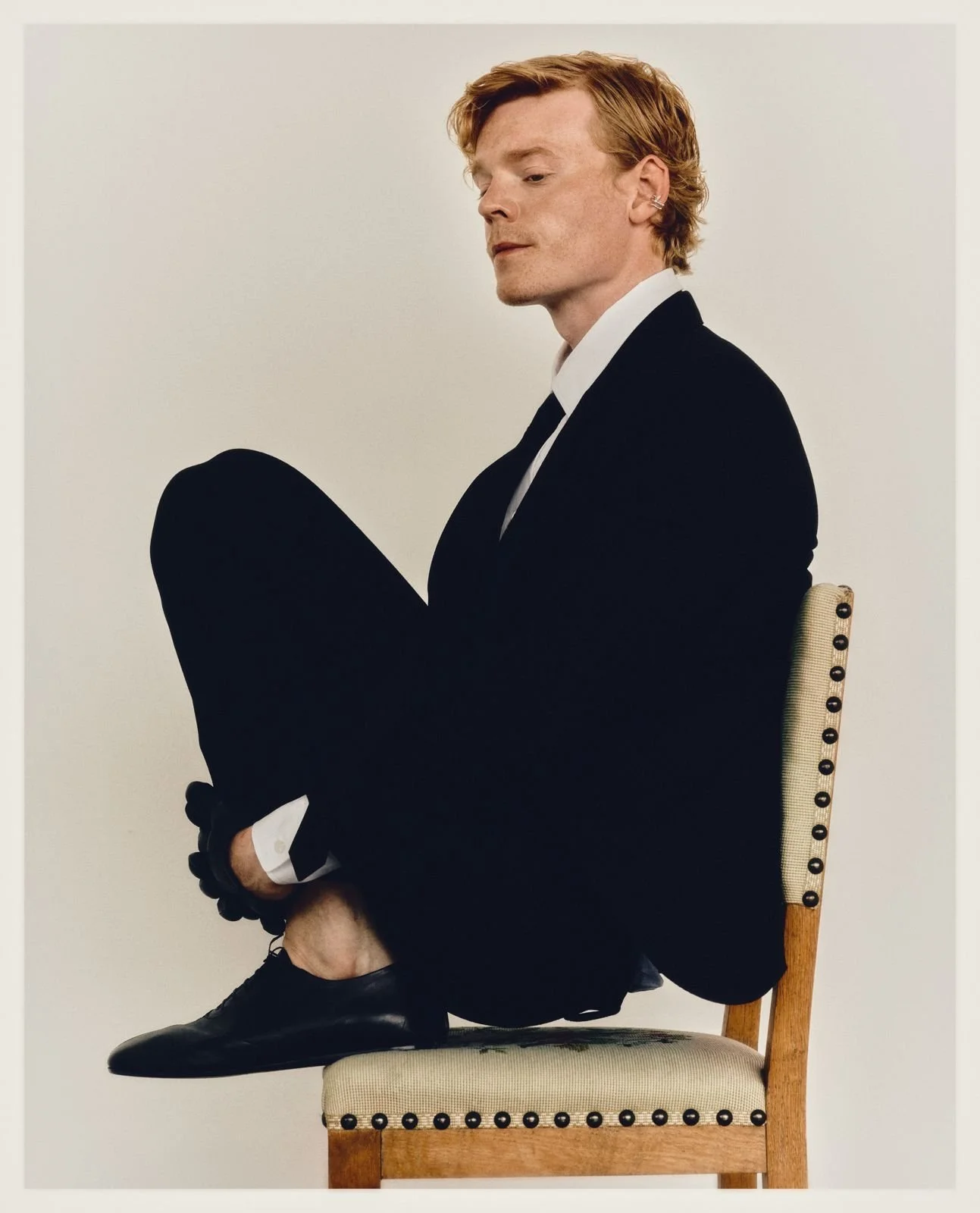
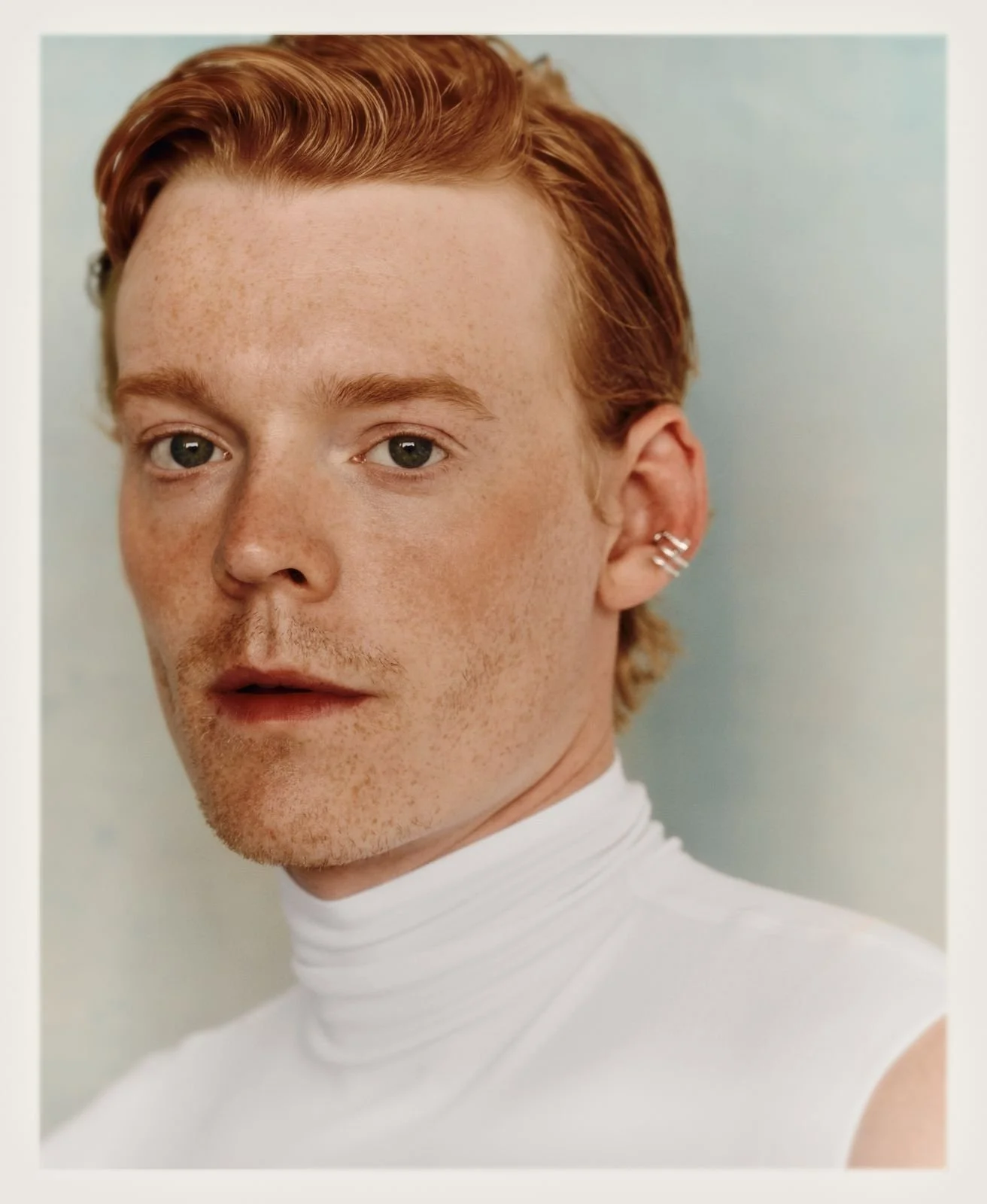
full look BALENCIAGA by PIERPAOLO PICCIOLI
earcuff CARTIER
shoes BOSS
MB
There have been countless films about World War II, yet audiences continue to return to them. What do you think Desperate Journey brings to that conversation?
LLT
What makes this film unique is its focus on Freddie’s personal journey and a side of the war that isn’t often explored. More than anything, though, the film is driven by character. We often talk about the war through large-scale events and statistics, but behind those are countless individual lives and stories.
These stories remain important because the world is still facing many of the same issues. People continue to lose their homes, families are displaced, and innocent lives are affected by conflict. These films remind us what can happen when we fail to learn from history.
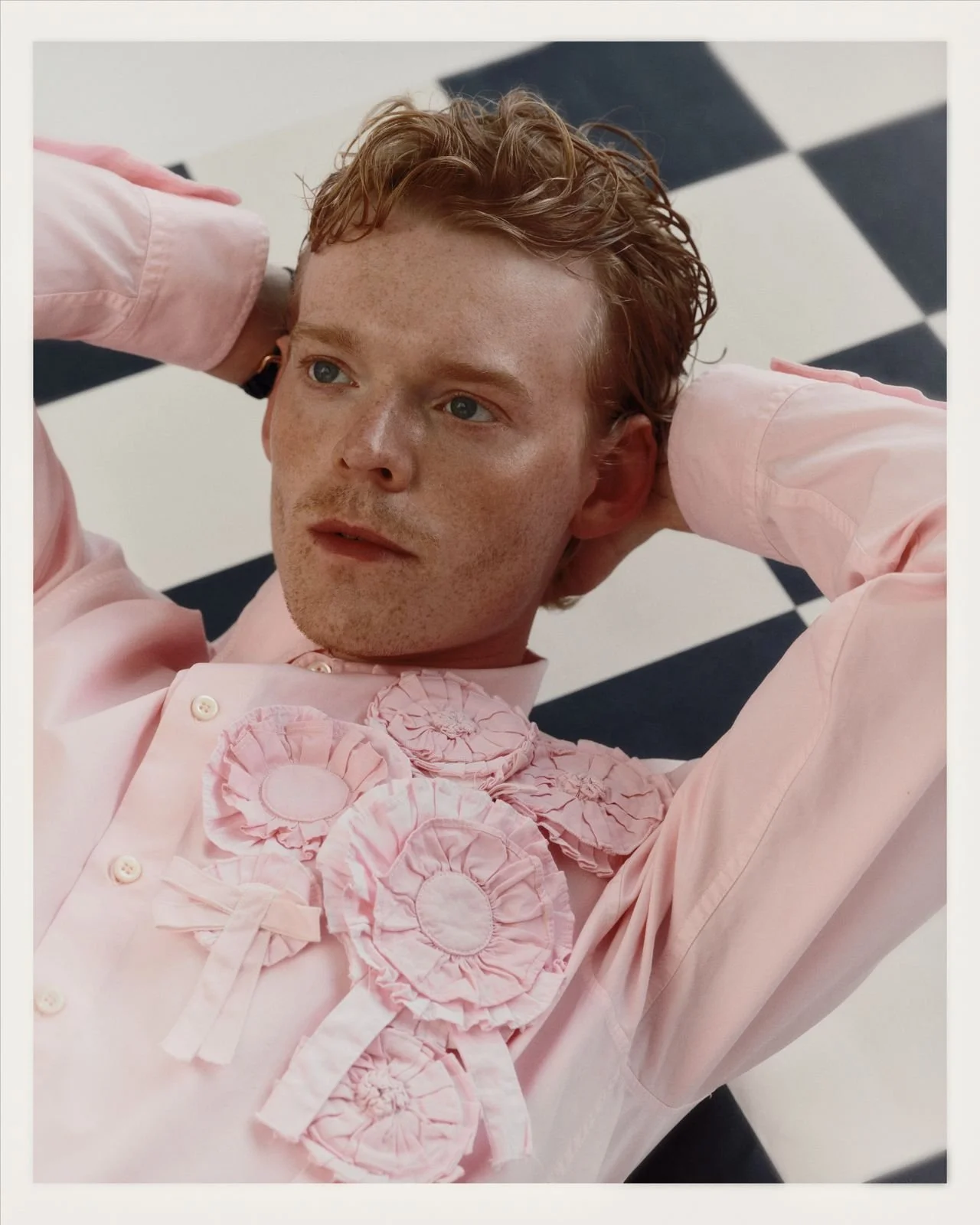
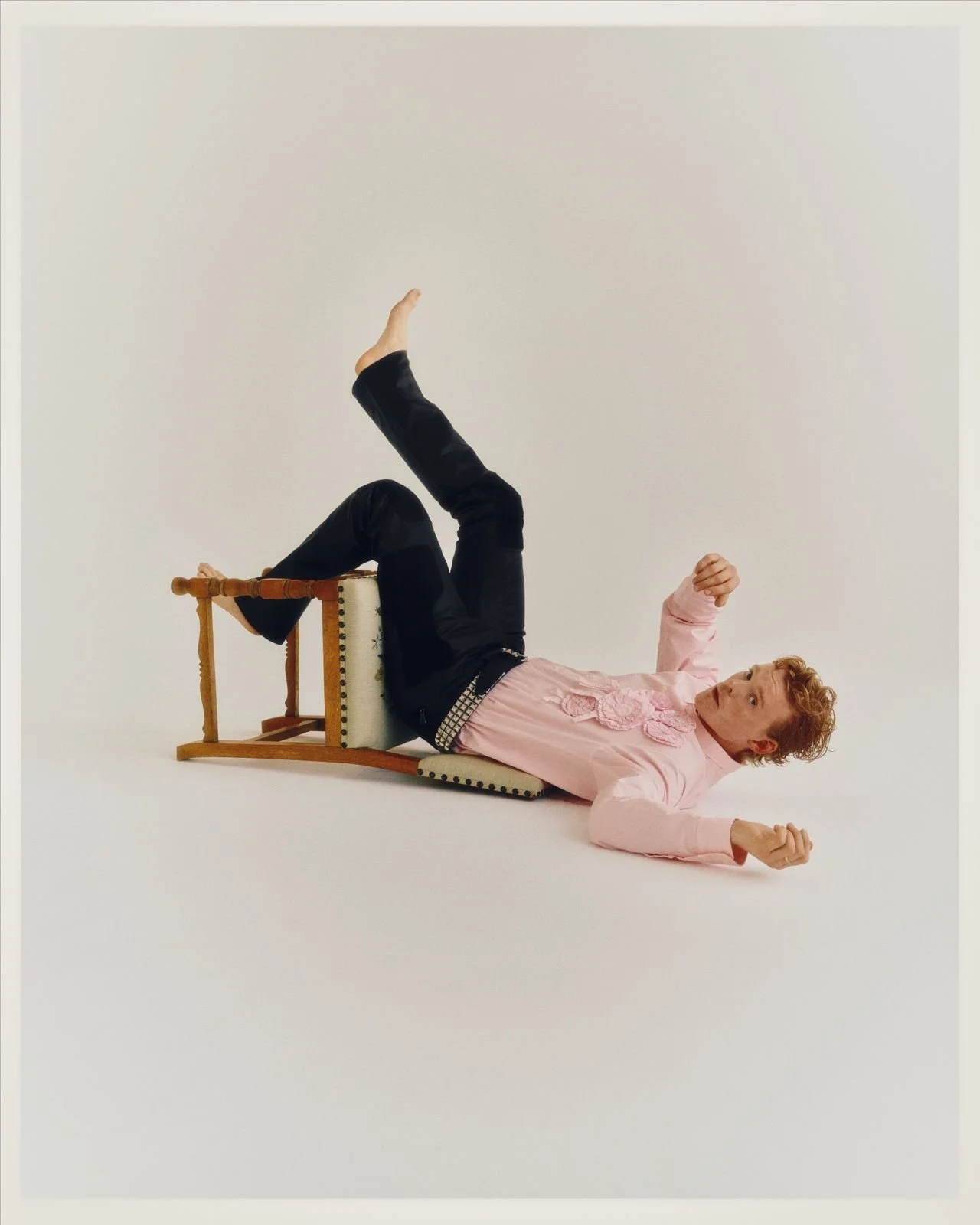
shirt and belt DSQUARED2
pants CALVIN KLEIN via STRAND32 VINTAGE
ring OLE LYNGGAARD COPENHAGEN
watch CARTIER
MB
Many of your projects explore the pressures people place on each other. Reckless (2025) shares such a story of young men and the lengths they’re willing to go to for peer approval. What was it like engaging so directly with themes of toxic masculinity and peer pressure in this film?
LLT
What surprised me most was how unfamiliar that world was to me. I was fortunate not to grow up in an environment where those dynamics existed, so discovering how common they can be was quite shocking. The film follows a group of boys who challenge each other to do something more extreme, and once you’re part of that culture, stepping away can mean being excluded. What felt important about the film was how it explored the pressure young men face to perform a certain version of masculinity. With social media amplifying those expectations, I think the conversation is more relevant now than ever.
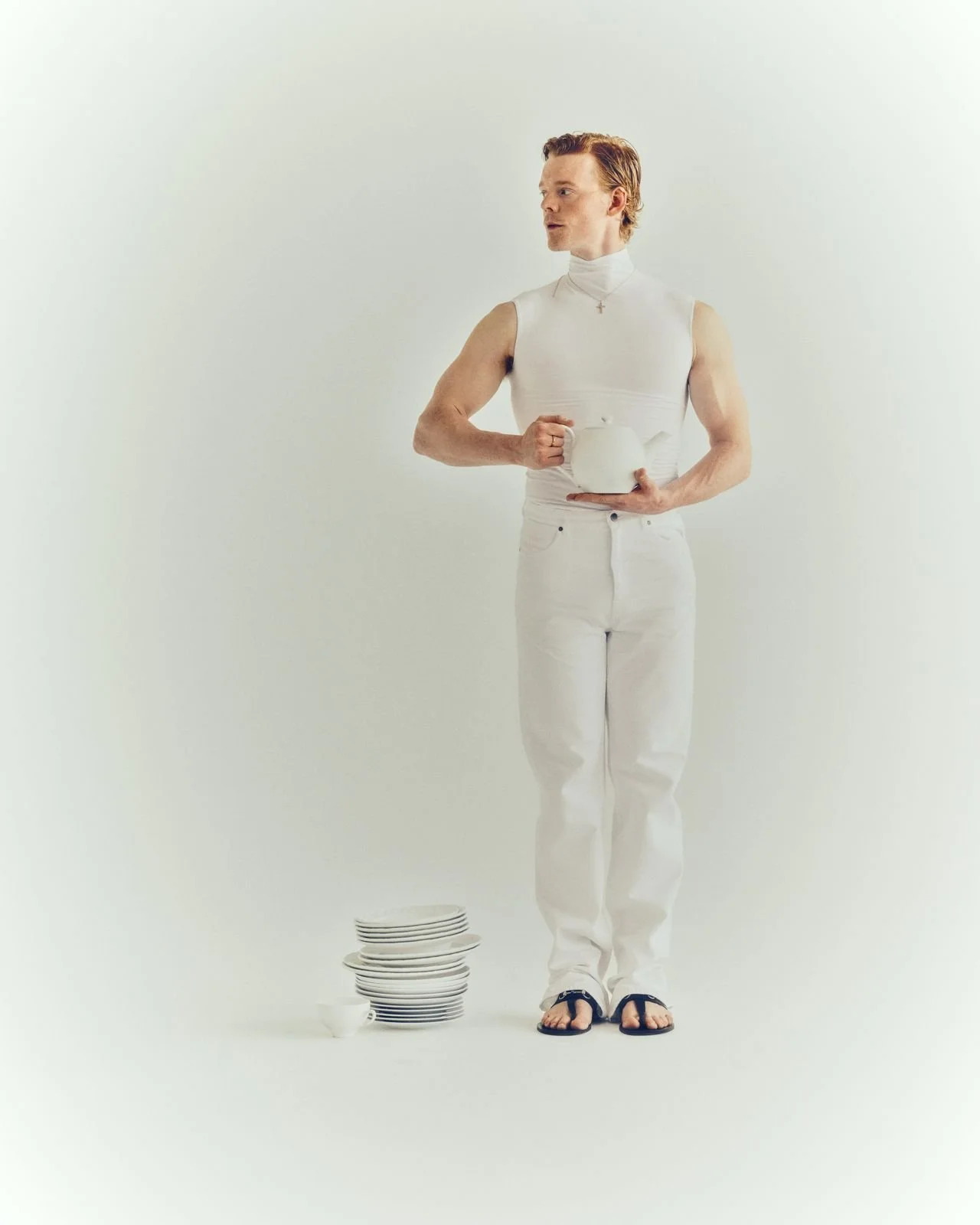
full look GUCCI by DEMNA GVASALIA
shoes GUCCI by TOM FORD via STRAND32 VINTAGE
jewelry OLE LYNGGAARD COPENHAGEN
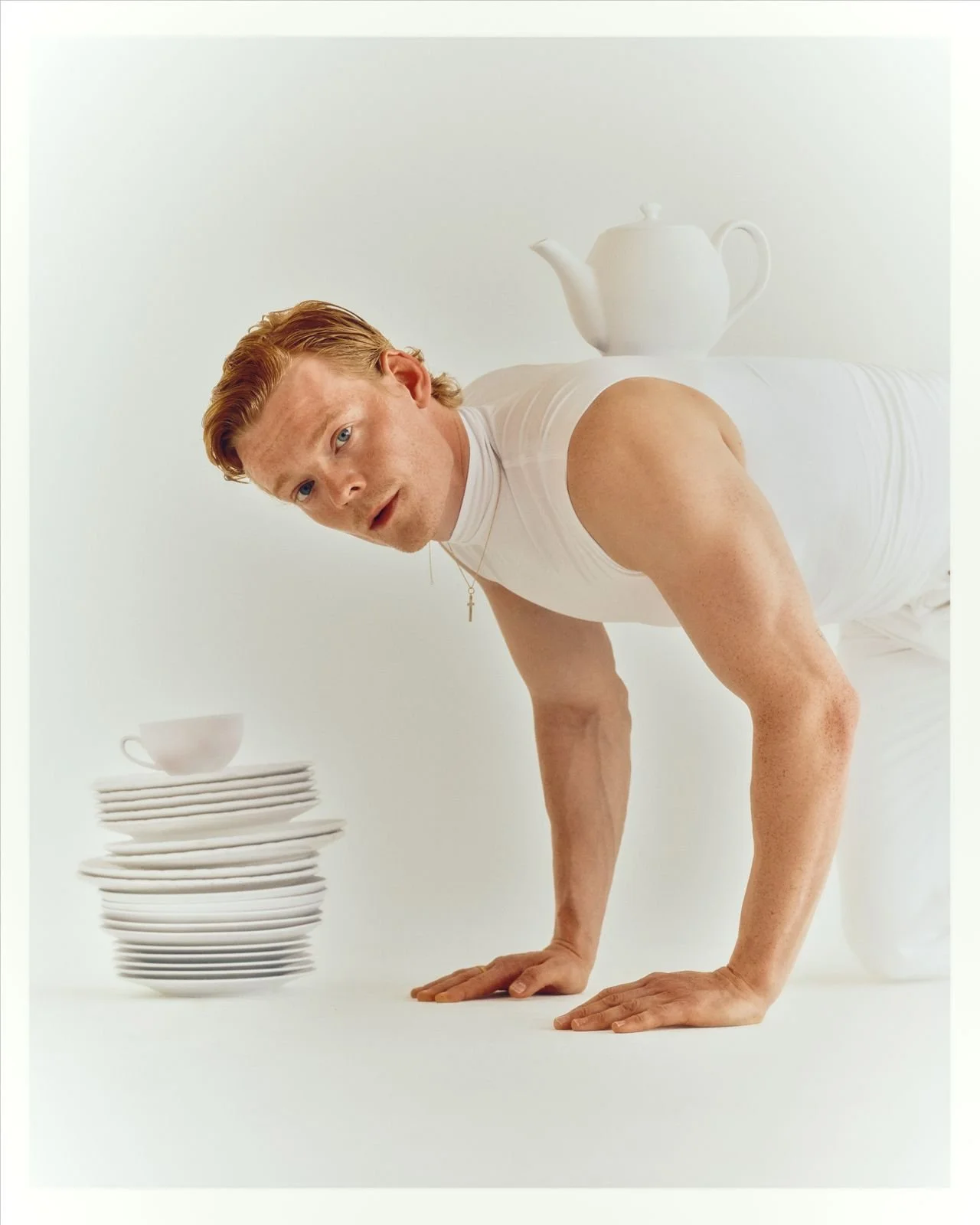
MB
A lot of the projects we’ve spoken about deal with difficult subjects, but they’re also deeply human stories. Do you think cinema is still one of the best ways of helping people understand experiences outside their own?
LLT
I think film and television have a unique ability to make these issues feel personal. You can read about them or see them discussed online, but stories tend to stay with people in a different way. What cinema does best is create dialogue. People leave a film and talk about it with their friends, partners or family members. A film may not solve a problem, but it can encourage people to engage with it, and I think that’s incredibly valuable.
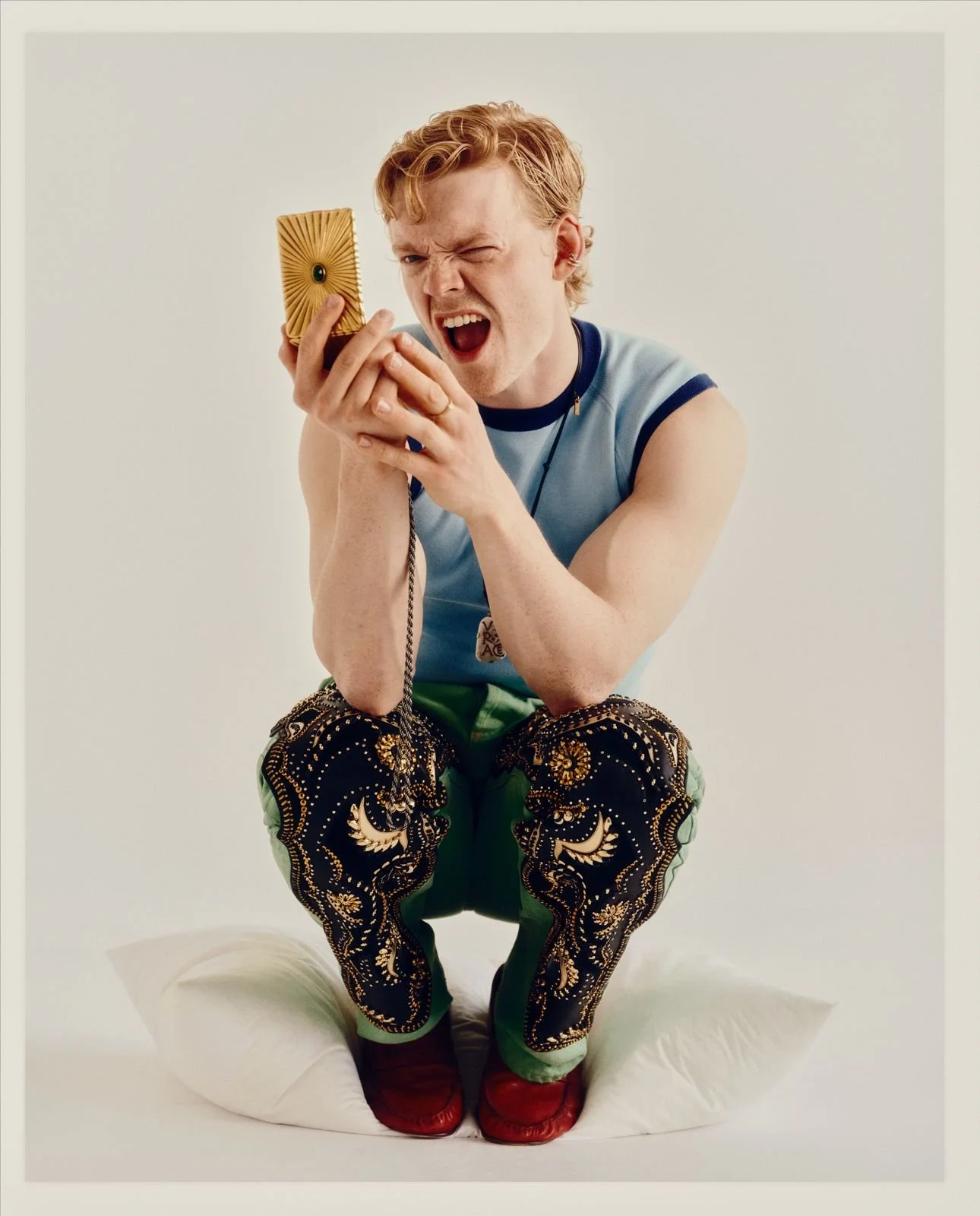
Full look VERSACE by DARIO VITALE
ring OLE LYNGGAARD COPENHAGEN
MB
You mentioned earlier that you’re increasingly drawn to stories about ordinary people navigating life. Is that also what draws you to Scandinavian cinema?
LLT
Maybe, but what I love about Scandinavian cinema isn’t necessarily the darkness. It’s the humanity. If you look at someone like JOACHIM TRIER and films such as The Worst Person in the World (2021), they deal with difficult subjects, but there’s always hope, warmth and recognition in them. Those stories remind us that other people are struggling with the same questions we are. Whether it’s uncertainty about life, complicated family relationships or the search for connection, they feel deeply human — and that’s the kind of cinema I’m drawn to.
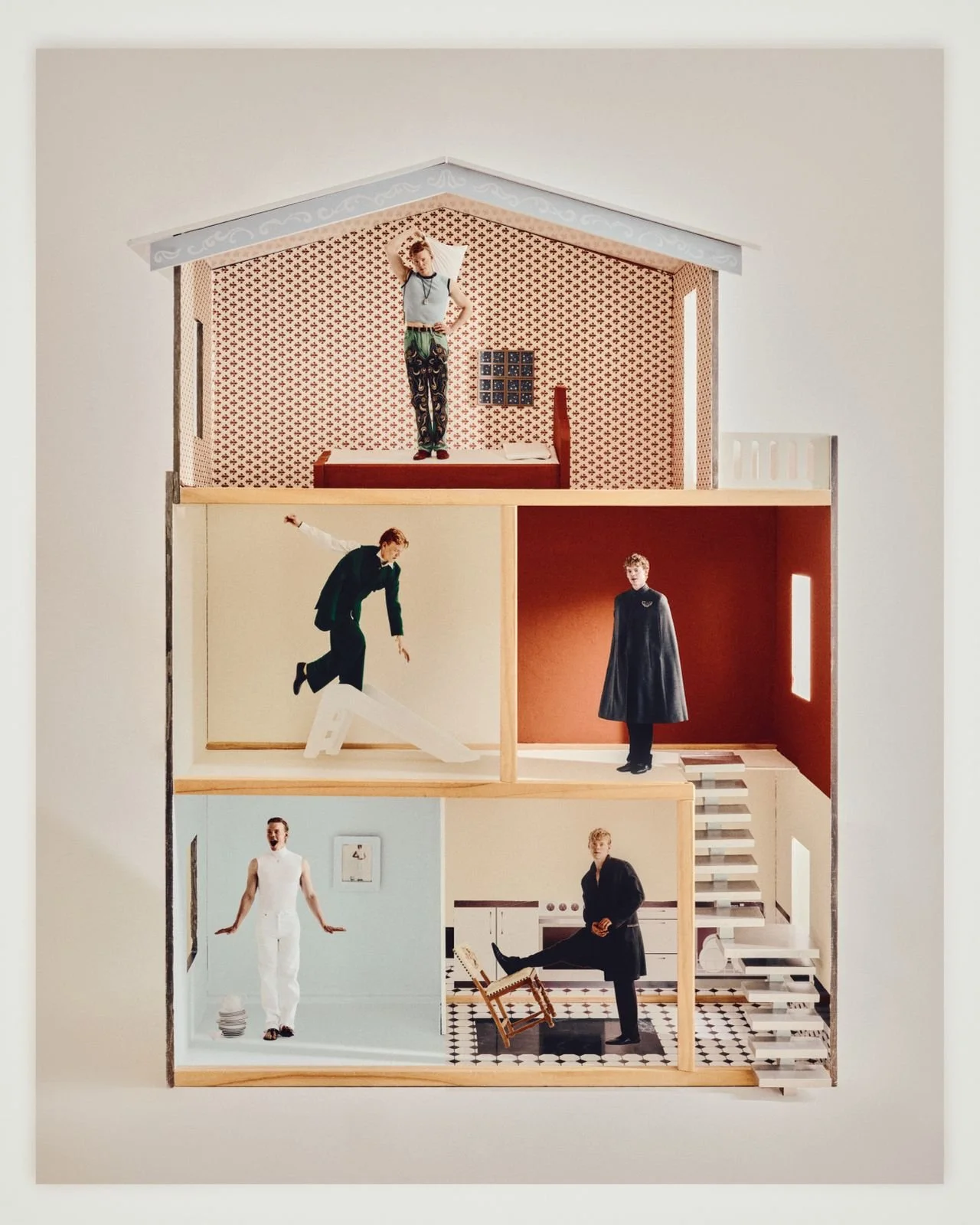
TEAM CREDITS:
talent LUCAS LYNGGAARD TØNNESEN
photography and art direction ANDREA BRANDT
styling KRISTIAN HINDØ-LINGS
grooming CAROLINE CAMILLE CULMSEE
movement direction ANTONIO RUSSO
photography assistant ROSE-MARIE MATHIESEN T. RASMUSSEN
styling assistant SOPHIE ATRO
editor and casting TIMI LETONJA
interview MAREK BARTEK
