
IN CONVERSATION WITH CELESTE
interview by ELIANA CASA
Whether you’ve watched her performing in the streets of London or listened to her moving performance at the BRIT AWARDS, in the end, it doesn’t matter how big or small the venue is, CELESTE’s raw, authentic voice and sound will reach the chords of your own being, without even realising it. After spending two days together during her LITTLE BIG TOUR in Amsterdam, we got to know a bit more about the artist behind Woman of Faces and dug deeper into the vulnerability and strength of womanhood, the freedom of breaking your own cages, and her undeniable charisma.
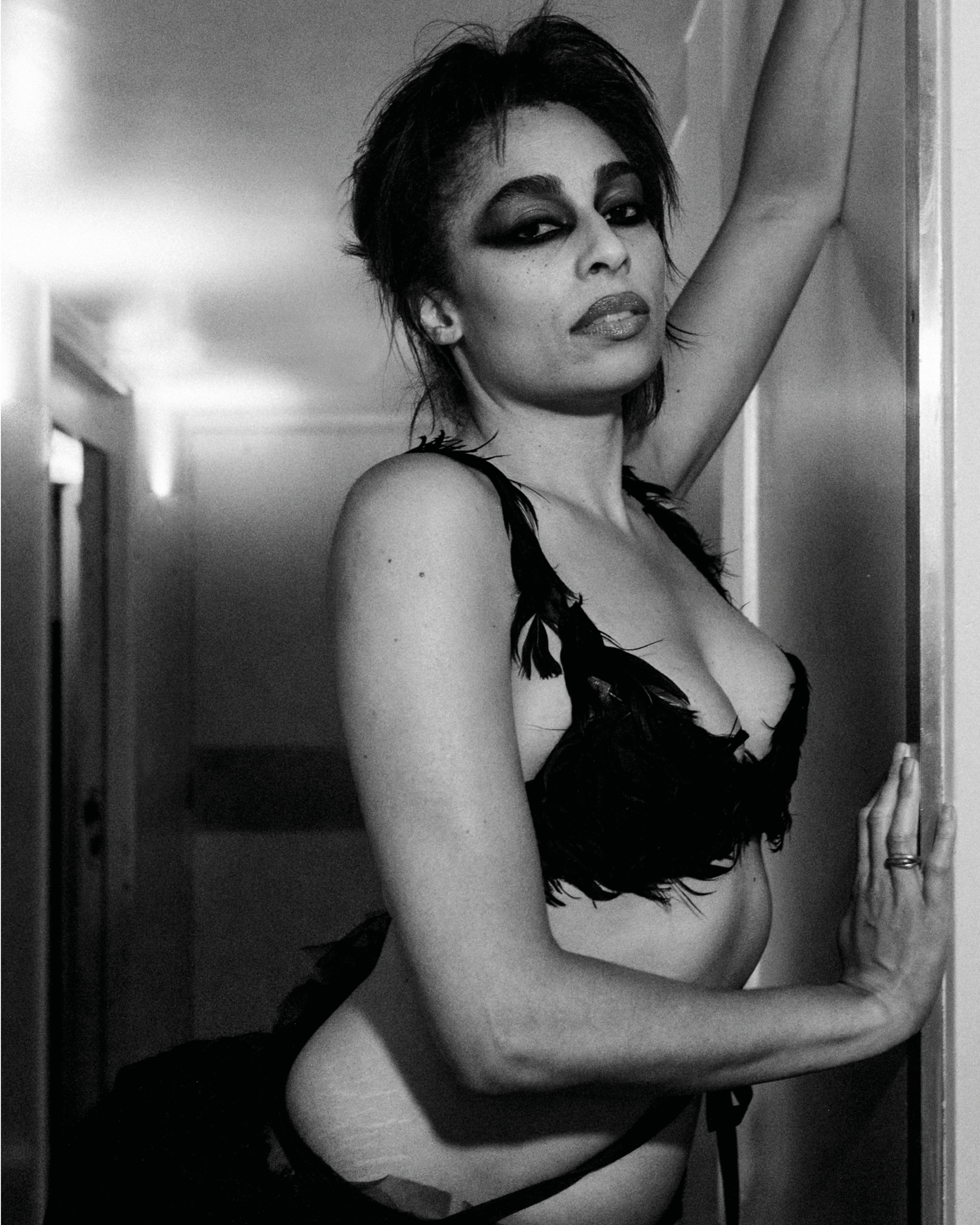
full look STASHA PIGKOU
Your show in Amsterdam really manifested the freedom and rawness we were trying to channel with this photo shoot. Which emotions are you trying to channel with the new album, Woman of Faces?
The music I’m making now is electronic, and it feels very freeing to produce and perform. It took so long to make Woman of Faces, and so much happened during that time. When there’s a big shift, the universe is telling you to make it happen, but you resist because there’s comfort in keeping certain situations around you. The real-life experience that influenced the music was no longer defining me. I felt like I could start again as myself, and I’m following that momentum still now. I just wanted to express what it means to feel freedom from within yourself.
What were you feeling in the moment that was reflected in the outfit?
I wore an ATSUKO KUDO look. She’s a Japanese fashion designer, and her work has been part of fetish art performances for a long time. The clothes need their own story and attitude to become part of the narrative I’m expressing through my show. Now, I’m trying to merge glamour, rawness and punk, but I’ve always been an artist who treads the line between escapism and stark realities. Even wearing my hair a bit messier, doing the makeup or hair myself. I don’t want to look too put together on stage. It’s about the feeling of being yourself.
You mentioned escapism, and it reminds me of when you were running along the beach on set. Is there a place where you can simply switch off?
I think I’ve gotten much better at giving myself a moment of quiet wherever I am. It’s tricky when you’re steering your own ship, because at the moment, I’m my own manager, makeup artist, creative director and everything else. Everyone finds their own ways of balancing and modifying things in their life to have a healthier relationship with all those responsibilities.
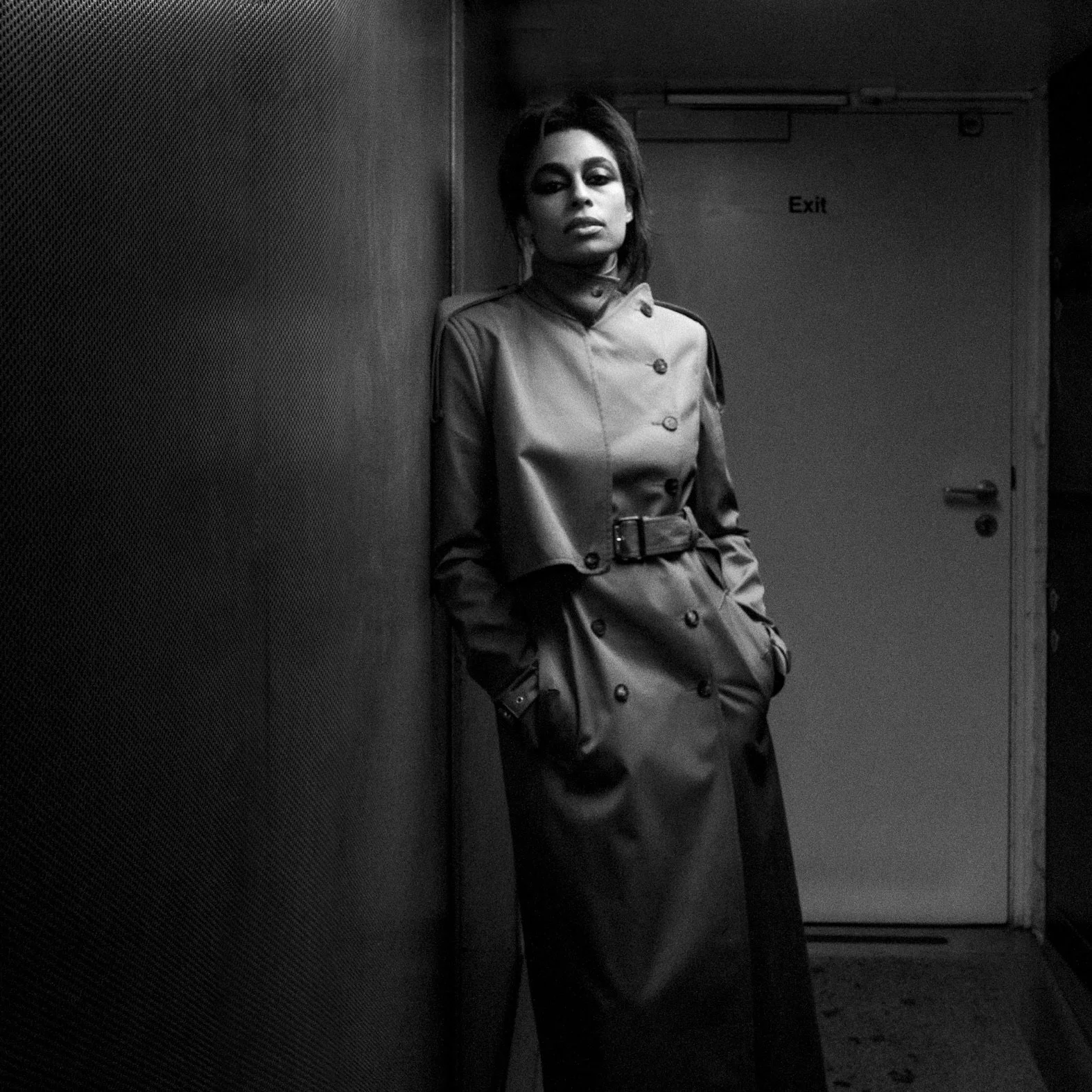
full look MCQUEEN
We also talked about moving to the countryside — but the city somehow keeps us there. Do you think if you did move, your art would suffer from not being in the city?
My friend was talking about DAVID BOWIE, who said the countryside inspired his heavier music, while the city pushed him towards calmer, more introspective sounds. The city is already chaotic, so nature and calmness become an antidote, allowing you to explore different parts of yourself. I’d love to create a studio in a windmill in the middle of nature to develop my next project, exploring a character I’ve been psychologically inhabiting called MACHINE FRIEND.
Going back a bit in time, how would you describe yourself as a child?
Friends from school have said, “You were never afraid of not fitting in. You just didn’t care.” That stayed with me into adulthood. I’ve always found it easier to keep my authenticity than to compromise it by being part of a group or thinking like one. I was an outgoing kid, who did crazy things to make people laugh. My mum would drive up to school, and I’d run in front of her car pretending she’d run me over. I was cheeky, but I wasn’t hugely disruptive. I also had moments of being melodramatic. I’d listen to a piece of music and create my own world in my room or have emotional outbursts about things I couldn’t yet rationalise. I think I’m still that way.
Was your family part of your musical growth? What were your main inspirations when you started playing?
My first musical inspiration came from what my grandparents played me — BILLIE HOLIDAY, ELLA FITZGERALD, ARETHA FRANKLIN, RAY CHARLES and all these incredible singers. Then when YouTube came out, I discovered ETTA JAMES, THELONIOUS MONK, CHARLES MINGUS, JOHN COLTRANE. My mum was going to raves in the 80s and always played me electronic music. I didn’t realise how significant it could be to me until I started producing that genre myself. It makes sense that the music she shared with me is what’s inspiring me most right now.
It’s a full-circle moment, like when you worked in a bar to support your music. What advice would you give to young musicians who are starting now?
When I started, laptop production was just becoming a thing. People offered me studios for free for the first couple of years, and even beyond that I was always lucky to work in other friends’ studios. I think the main thing that gets you somewhere is maintaining your determination, drive and self-belief. You must not compare yourself to other people. I also think it’s important to understand what your version of success is. For some, success is simply being able to continue making music and earn enough money that they don’t have to do anything else. You have to go towards the people who see you, make you feel seen and believe in what you’re doing, even if they’re a small number, in a small pocket.
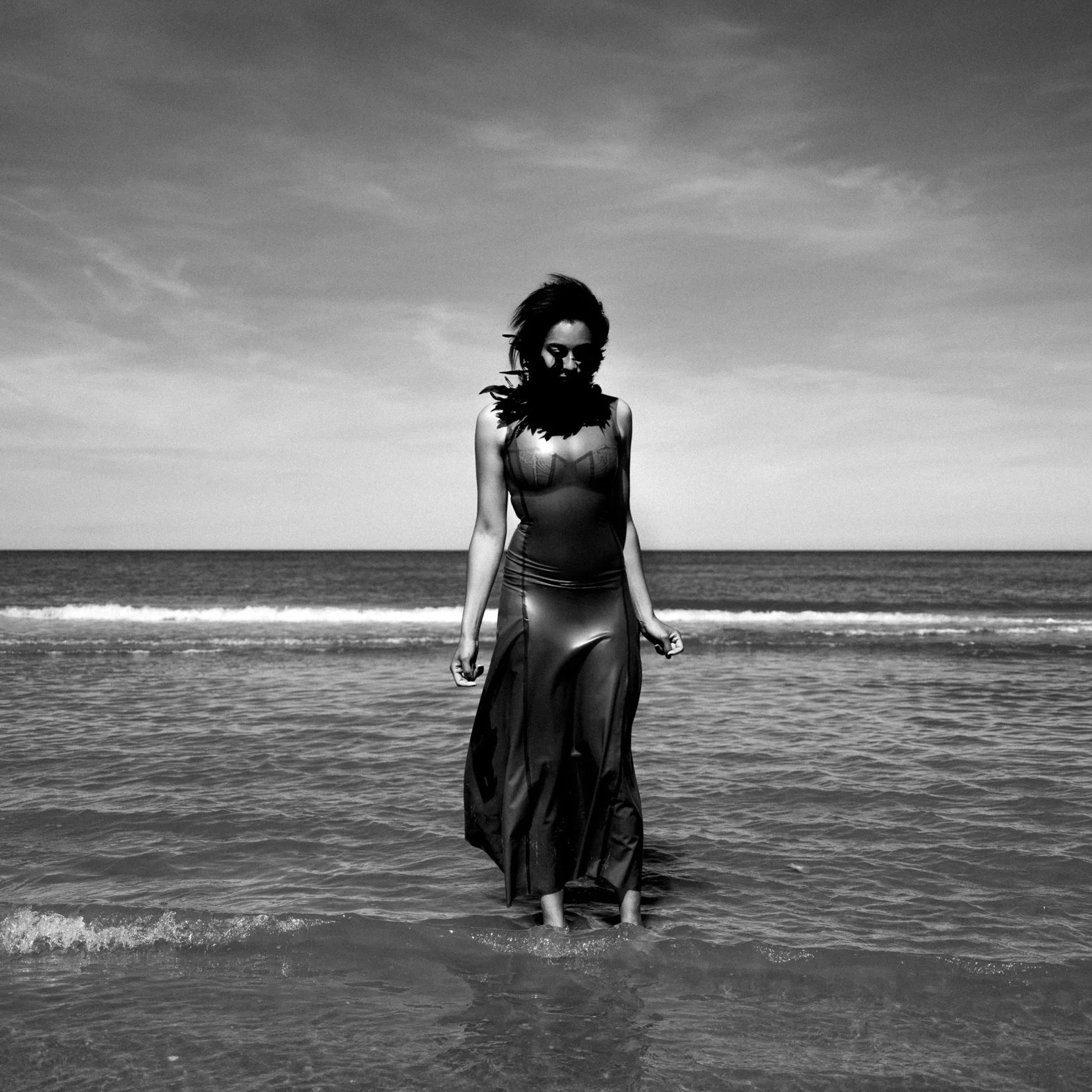
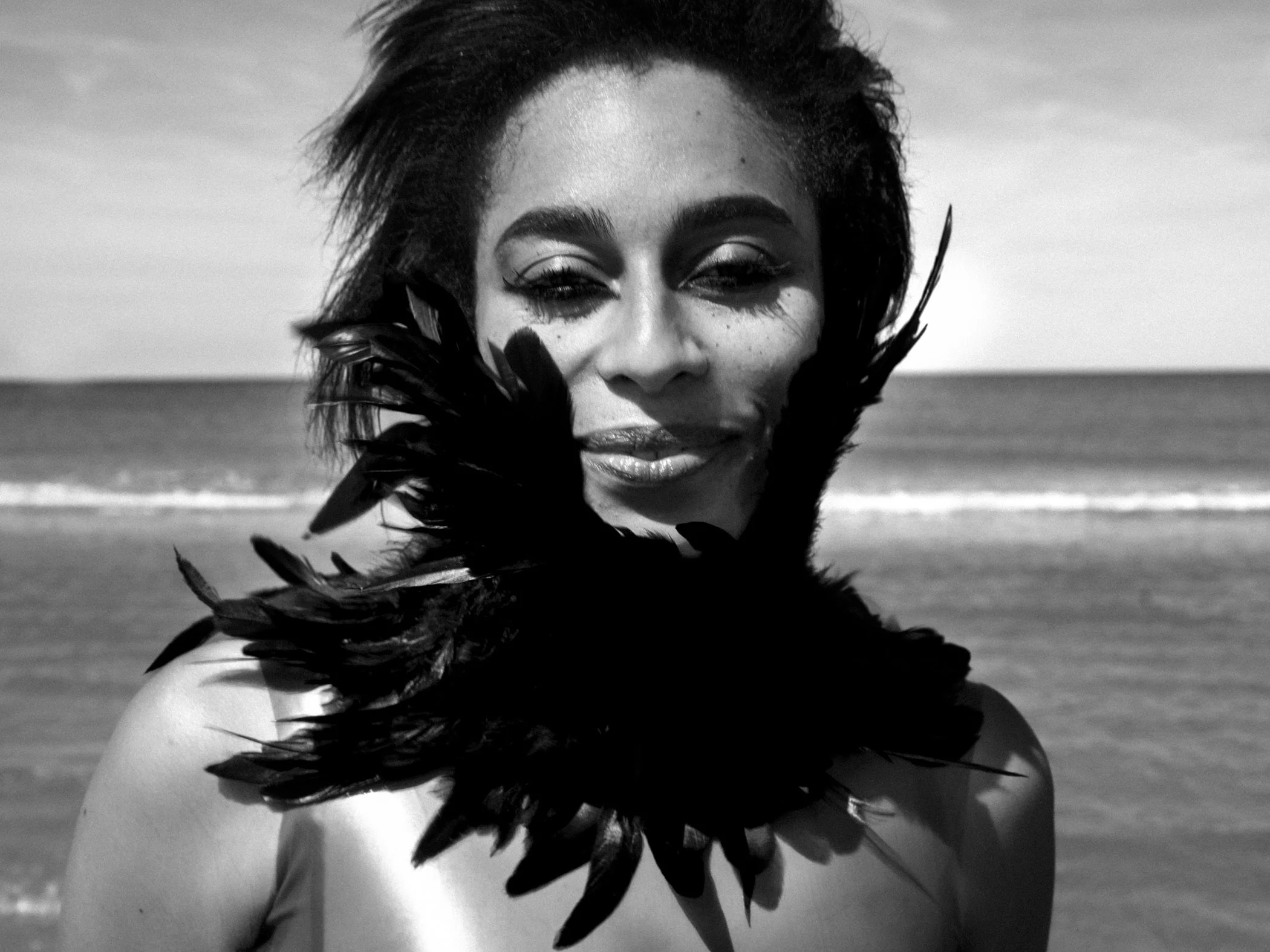
dress PACO FAUSSET LEROY THOMAS
neck piece STORM NIJHUIS and HELLION SIN
Meeting those people is also a form of success in your career…
Yes, absolutely. Relationships with other human beings are probably the biggest success in life. Sometimes in our pursuit of success, we can overlook one of the most important parts of life: being connected with others.
That feeling of not being enough though, Woman of Faces reflects that. What’s the biggest lesson you’ve learned since writing that song?
That specific song came from such an insular and lonely time in my life. It was about my observations of women’s lives and the weight of existing as so many things at once — and going unseen in this. Despite how much progression there has been for women in society, it felt, in the last few years, there were a few steps backwards. I only later realised that I was also writing about myself and from my own experiences of that balancing act. One of my closest friends heard it and said, “That’s the first song you’ve written about you.”
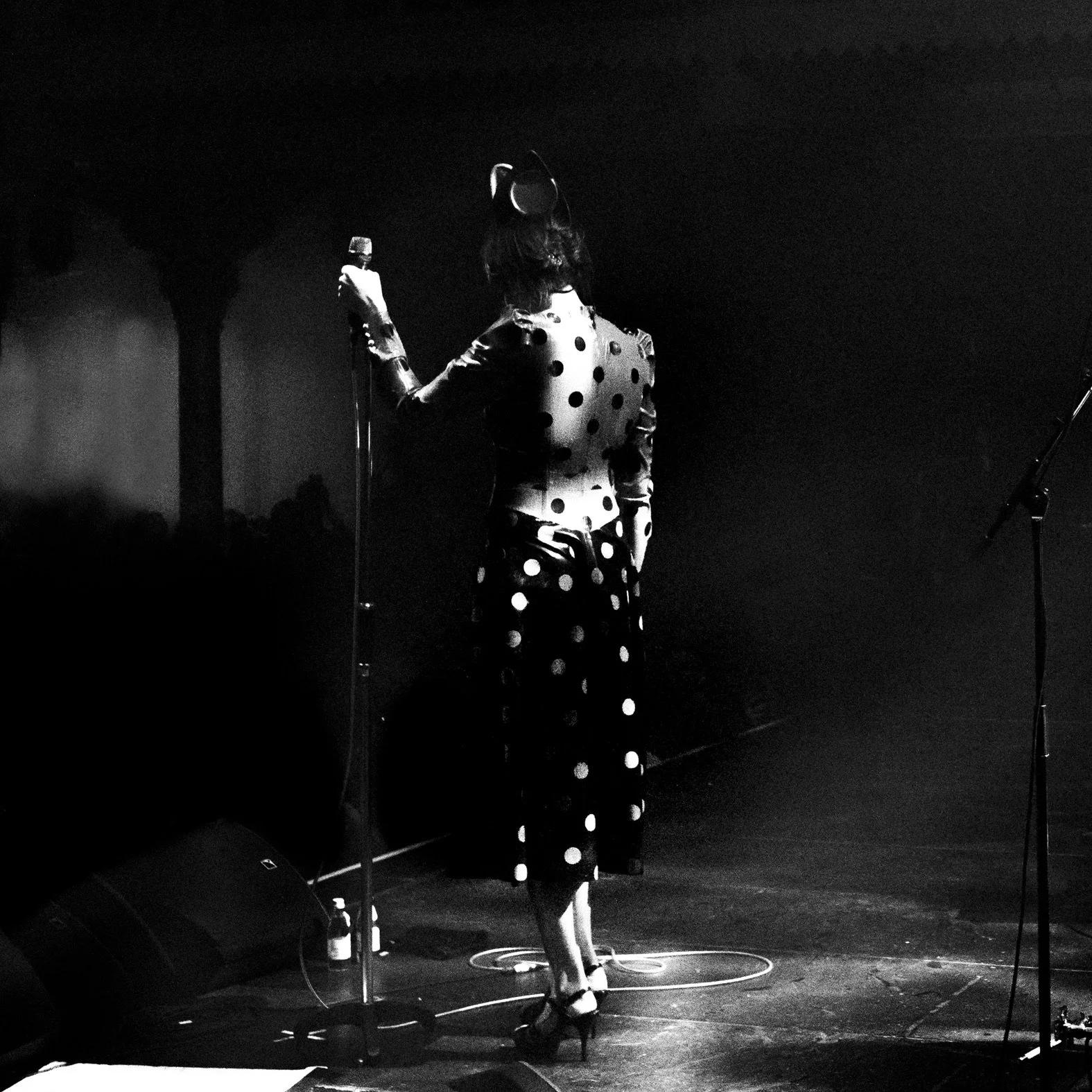
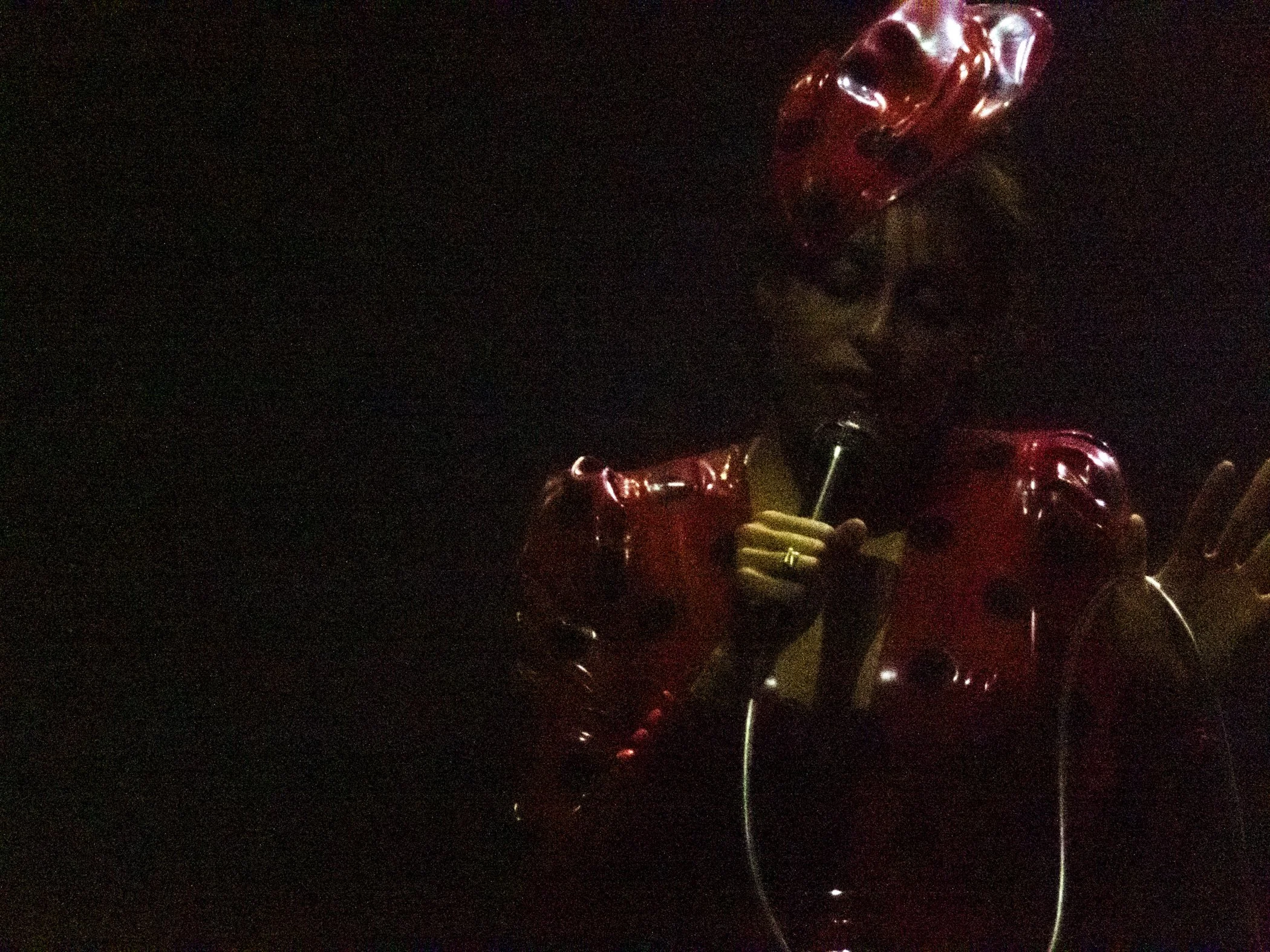
full look ATSUKO KUDO
I feel like Strange is the song where you reached the most people online. Did you ever feel misunderstood by letting that vulnerability to the world show as a female artist?
The audience thought Strange was about my own romantic relationship. It was actually inspired by observing others experience loss, drawing on my experience of losing my father. He passed away when I was a teenager and lived in Los Angeles. I only started going back there when I was about 23 to write music. I remember hearing about people losing their possessions in the fires on my way to the studio. I saw this huge plume of black smoke in the sky, and I wrote the song on the same day.
When you reveal your personal life through music as a female songwriter, you have to be sure of who you are. People will interpret things however they want, and once they see you as a vulnerable, broken female character, it’s easy for them to keep you in that narrative. I’ve experienced people using things I shared when I was younger to discredit my thinking and creative direction or comparing my art to others. You shouldn’t let people make your story for you. Make your own story.
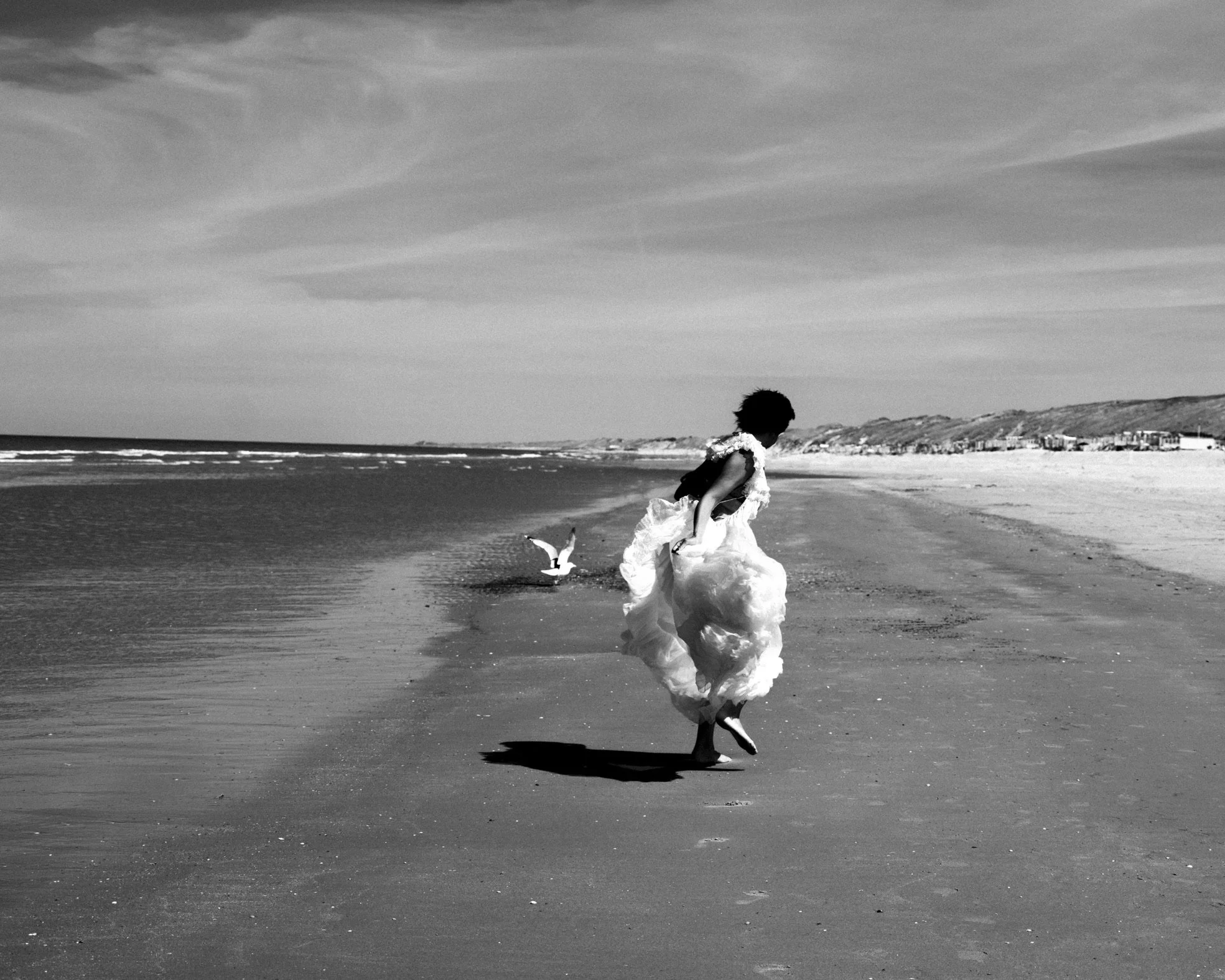
full look CHLOÉ
Do you remember the first time you felt seen by an audience?
I think it was when I first performed with my teenage band. Someone called us “Celeste and the Rest,” which I always found funny because it made it sound like I was completely disregarding everyone else. I was very shy at the time, but they were like, “You’re good at this, you should do it.” There were maybe 50 of our friends at the first gig.
I also feel seen just by meeting an individual person. Even meeting you, I thought, “I like this girl. She’s natural and herself.” After the MCQUEEN show, you said I was one of the few people who had kept my humanity intact despite this crazy world we work in. That means so much to someone like me who doesn’t always feel like they fit in.
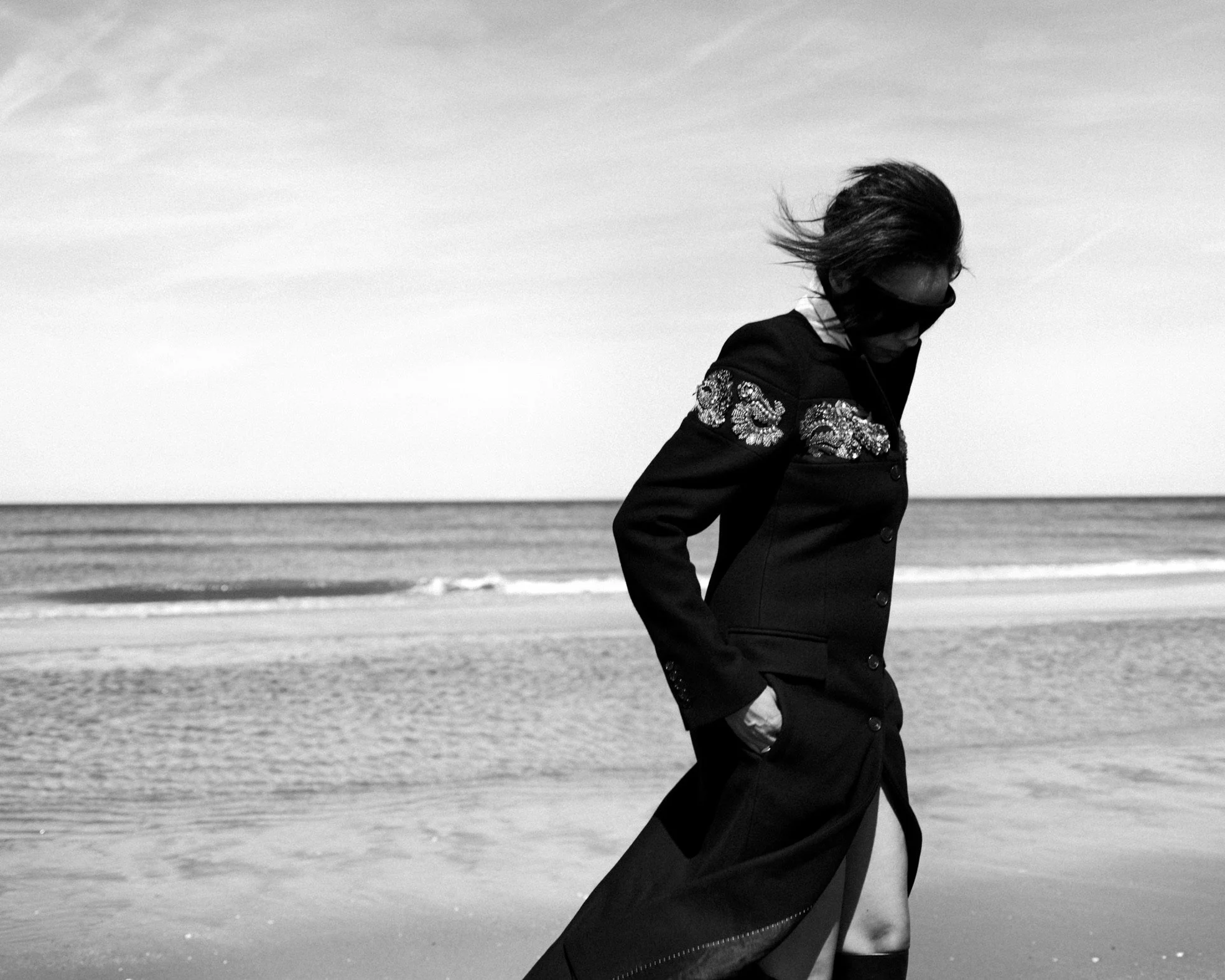
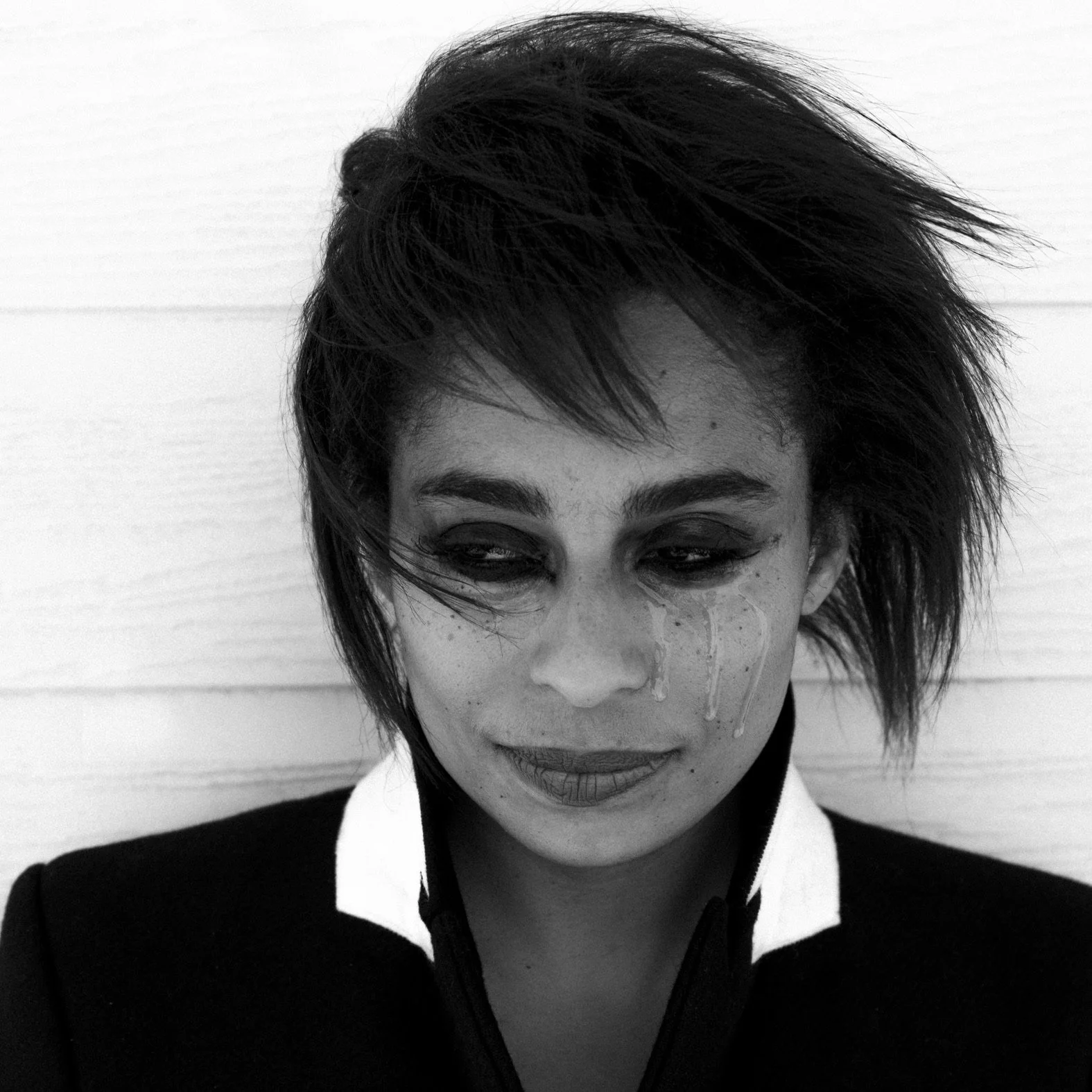
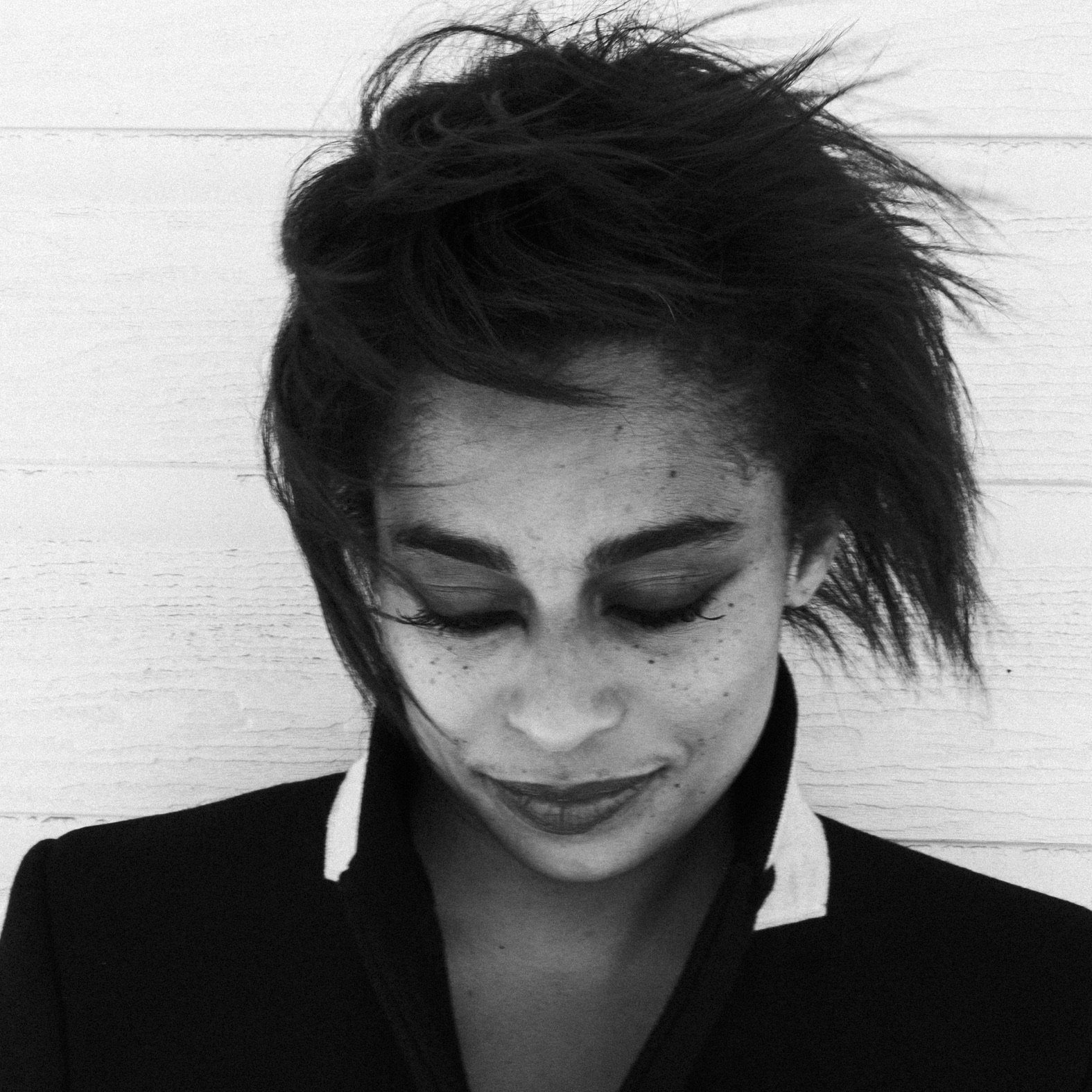
coat DRIES VAN NOTEN
head piece TIM CHRISTIANI
TEAM CREDITS:
talent CELESTE
photography YAËL TEMMINCK
styling and interview ELIANA CASA
hair and makeup VANNESSA CHAN at THE HOUSE OF ORANGE
production ANTONIA OCHS
editor TIMI LETONJA
