
IN CONVERSATION WITH CHARLOTTE ROSE
interview by JANA LETONJA
Self-taught artist Charlotte Rose is part of a new generation redefining the boundaries between pop culture, nostalgia, and critique. She merges the language of consumerism with painterly precision — exploring the seductive pull of branding and the cultural mythmaking behind it. Her visually rich, narrative-driven paintings, often referencing the advertising and iconography of the late 20th century, blur the line between desire and deception, exposing the glossy illusions that define modern consumption. With recent international exhibitions in Austin, Miami, and London, and collaborations with Gucci and Coach, Charlotte’s art continues to captivate collectors and critics alike, balancing irony, nostalgia, and raw emotional truth.
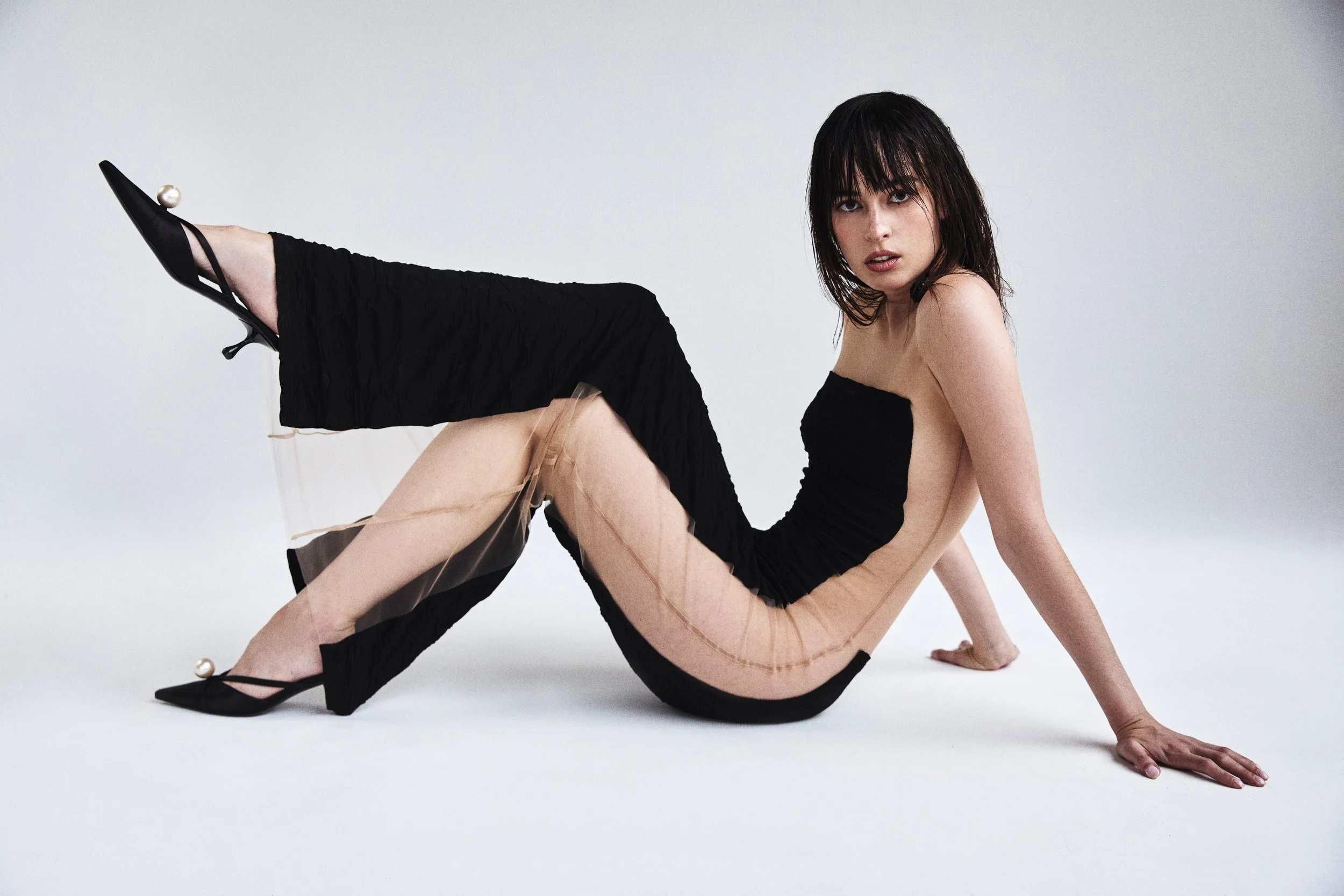
dress ROOM 24
shoes JIMMY CHOO
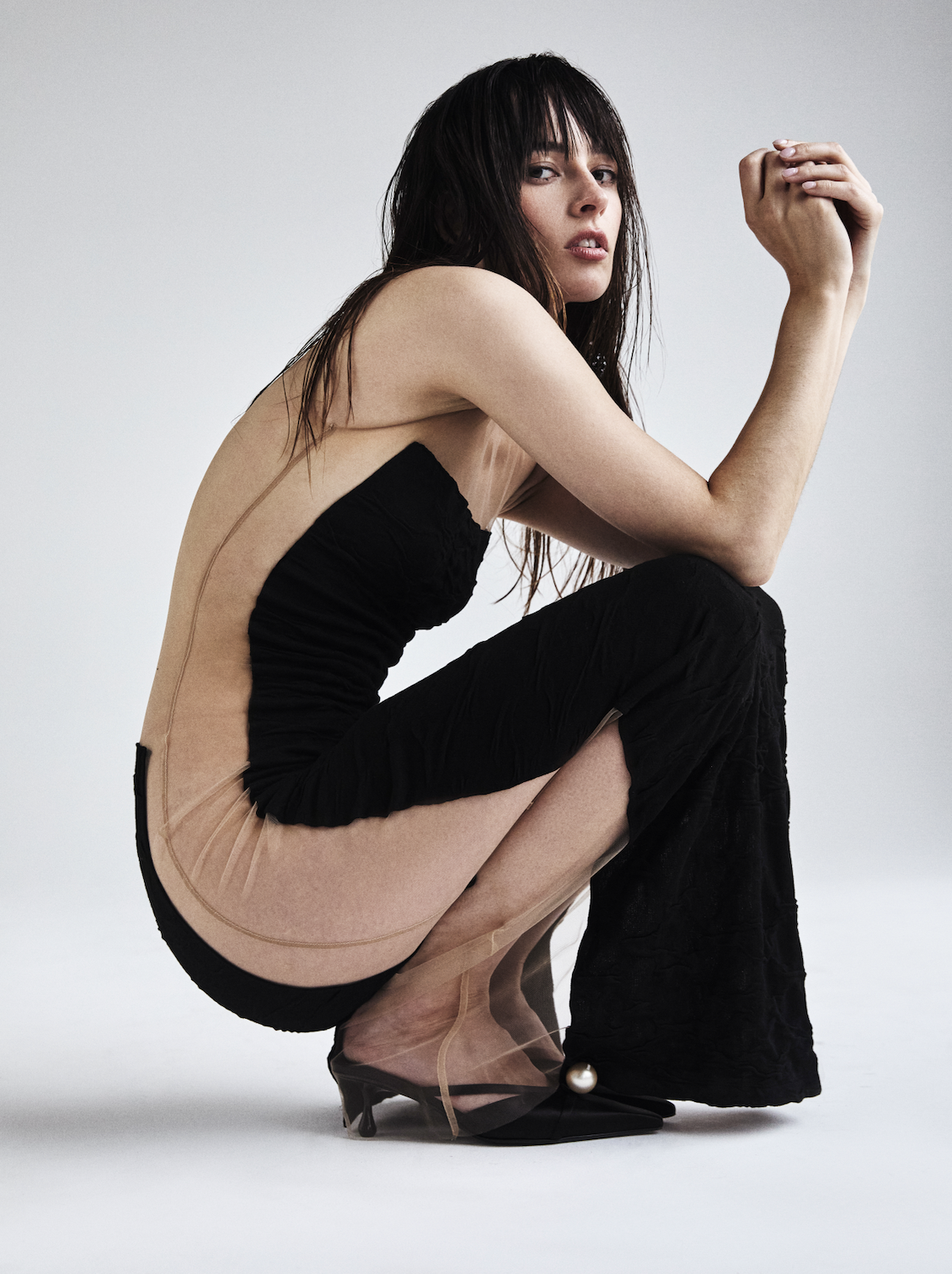
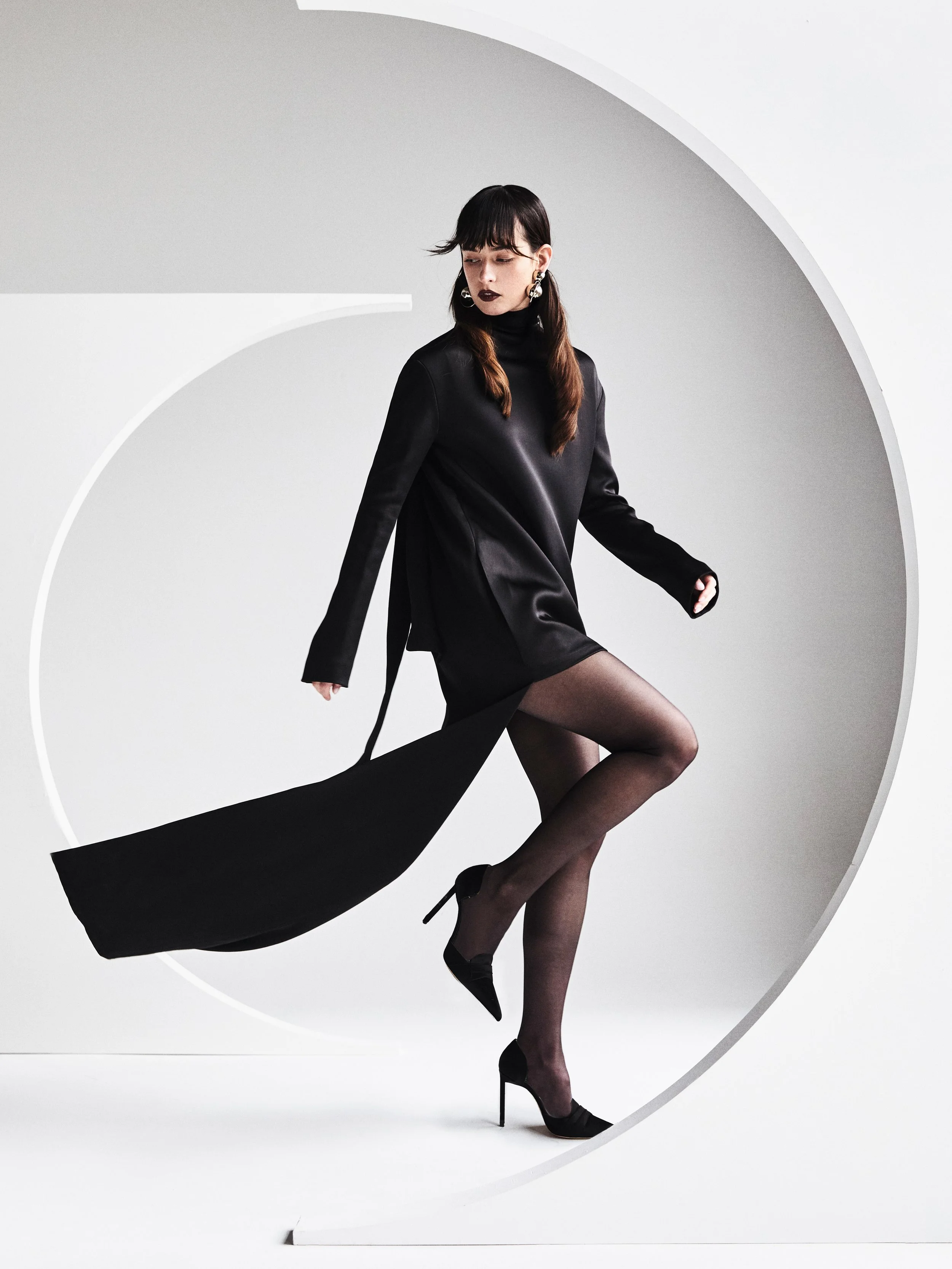
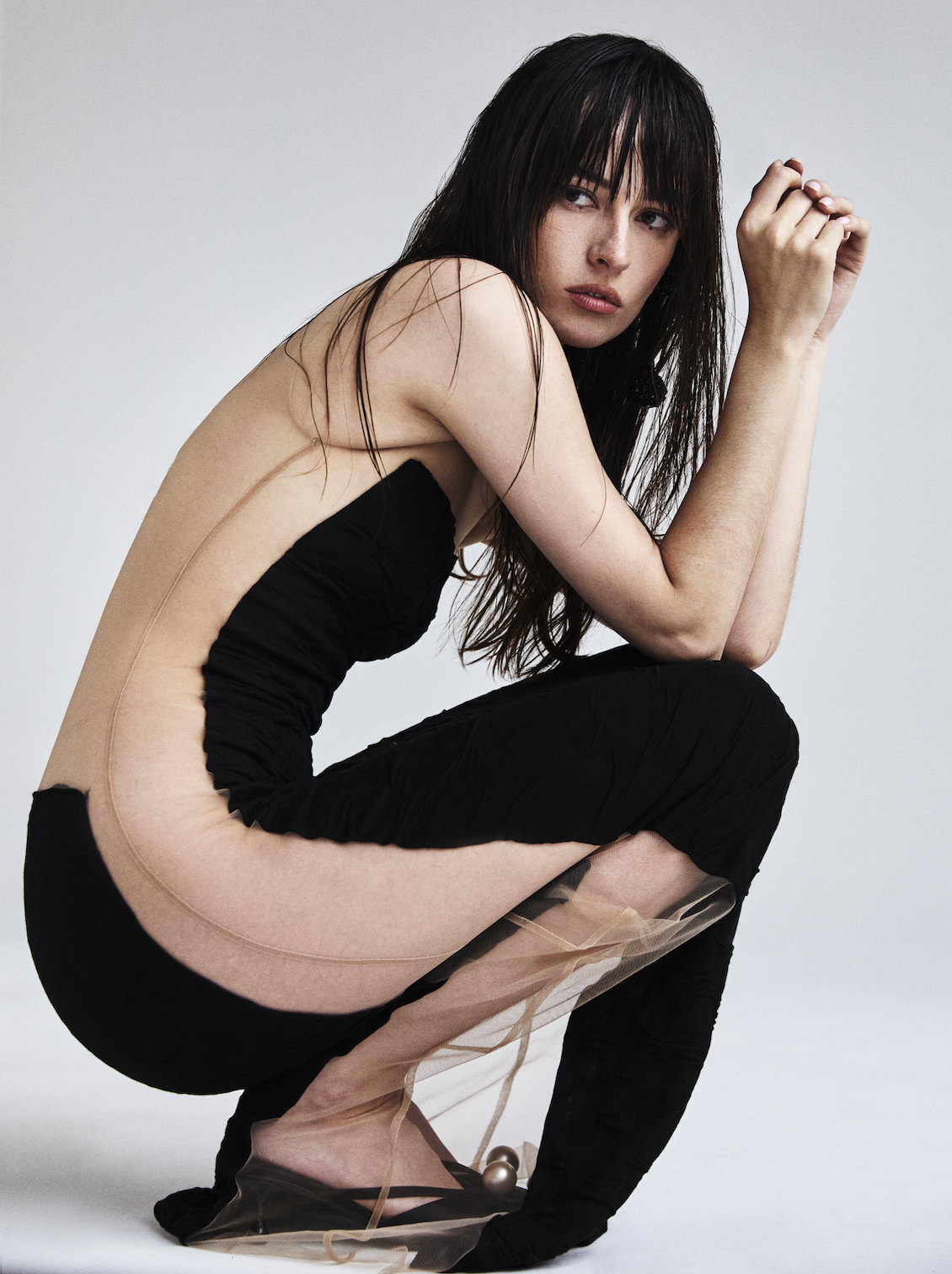
left:
dress ROOM 24
shoes JIMMY CHOO
right:
dress and shoes TOM FORD
tights WOLFORD
earrings FOUND AND VISION
You originally studied creative writing before pursuing painting. How does storytelling influence your visual work today?
Storytelling is important to me as a painter. My work explores how culture, consumerism and emotion intertwine. I approach each painting like a moment pulled from a larger story. Even though I’ve moved from words to images, I’m still building narratives.
You’re self-taught. What drew you to painting as your primary medium, and how did you develop your technique outside formal training?
I tried a lot of different mediums before settling on acrylic and oil painting. I think it’s important to maintain a close relationship with play, it’s how this all started, raw and joyful. I fumbled along gravitating towards things I enjoyed, experimenting until I saw a result that pleased me. When I found a style, I refined it, surrounded myself with talented people and asked them questions. I sat for an oil painter and picked her brain about mediums and what varnish to use. Painting started out solitary and ended up introducing me to a community of artists who helped me shape my practice.
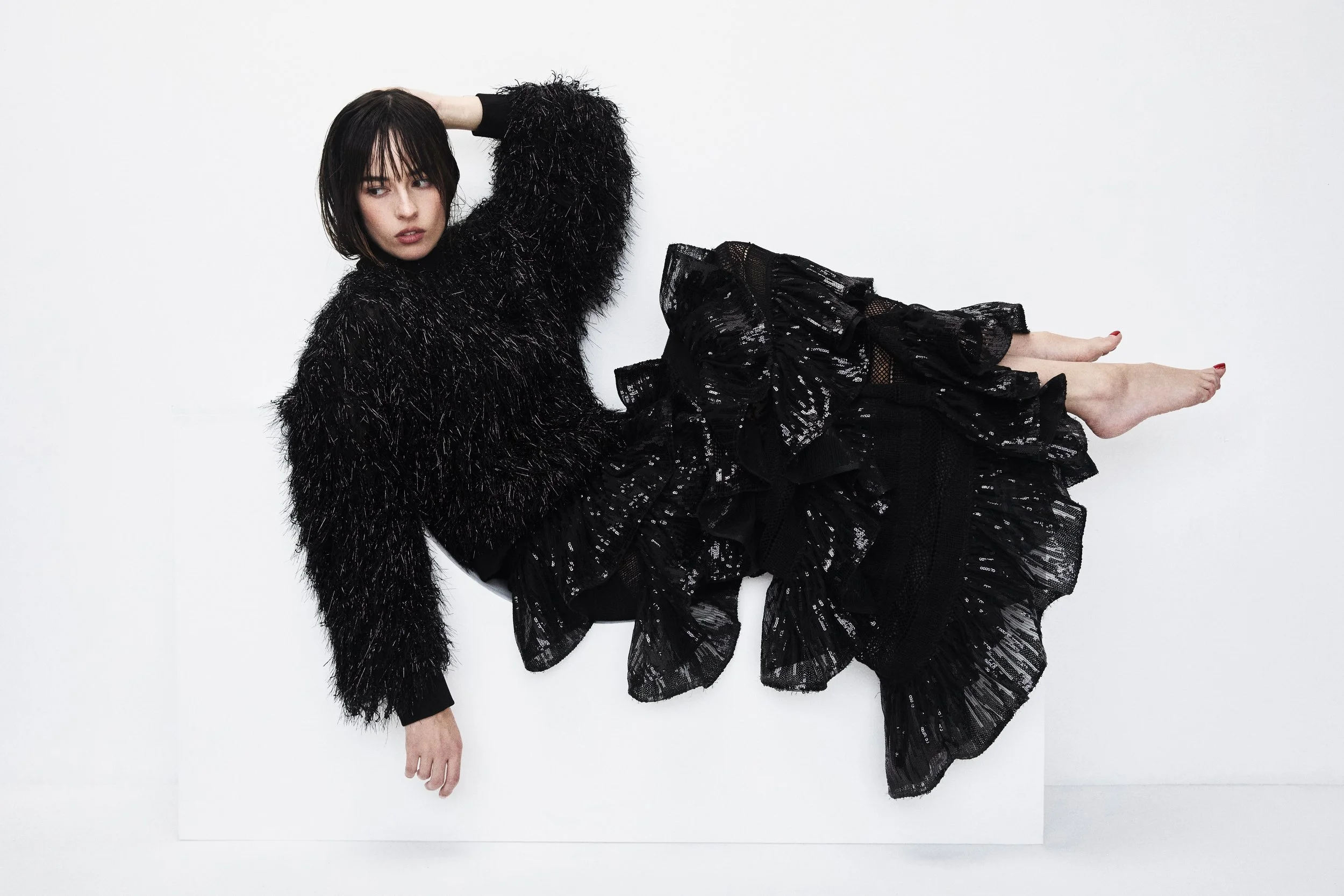
dress ELIE SAAB
Much of your work explores nostalgia and the aesthetics of late-20th-century advertising. What fascinates you most about that era?
I became interested in the performance of the American Dream and how advertising of that era helped construct it. We often look back on that period with a kind of cosy nostalgia, but in reality it was a society built on post-war ideology and carefully manufactured optimism. I’m fascinated by how those images sold a version of happiness, bright and aspirational, while masking the complexities underneath. Revisiting that visual language lets me question what we were taught to desire, and why.
When you begin a new piece, do you start with an image, a phrase, or an emotion?
I usually start with an idea. My notes app is full of half-formed thoughts and phrases typed with one eye open at 3 am. Those fragments often become the seed for a painting. The concept comes first, and the visual language follows.
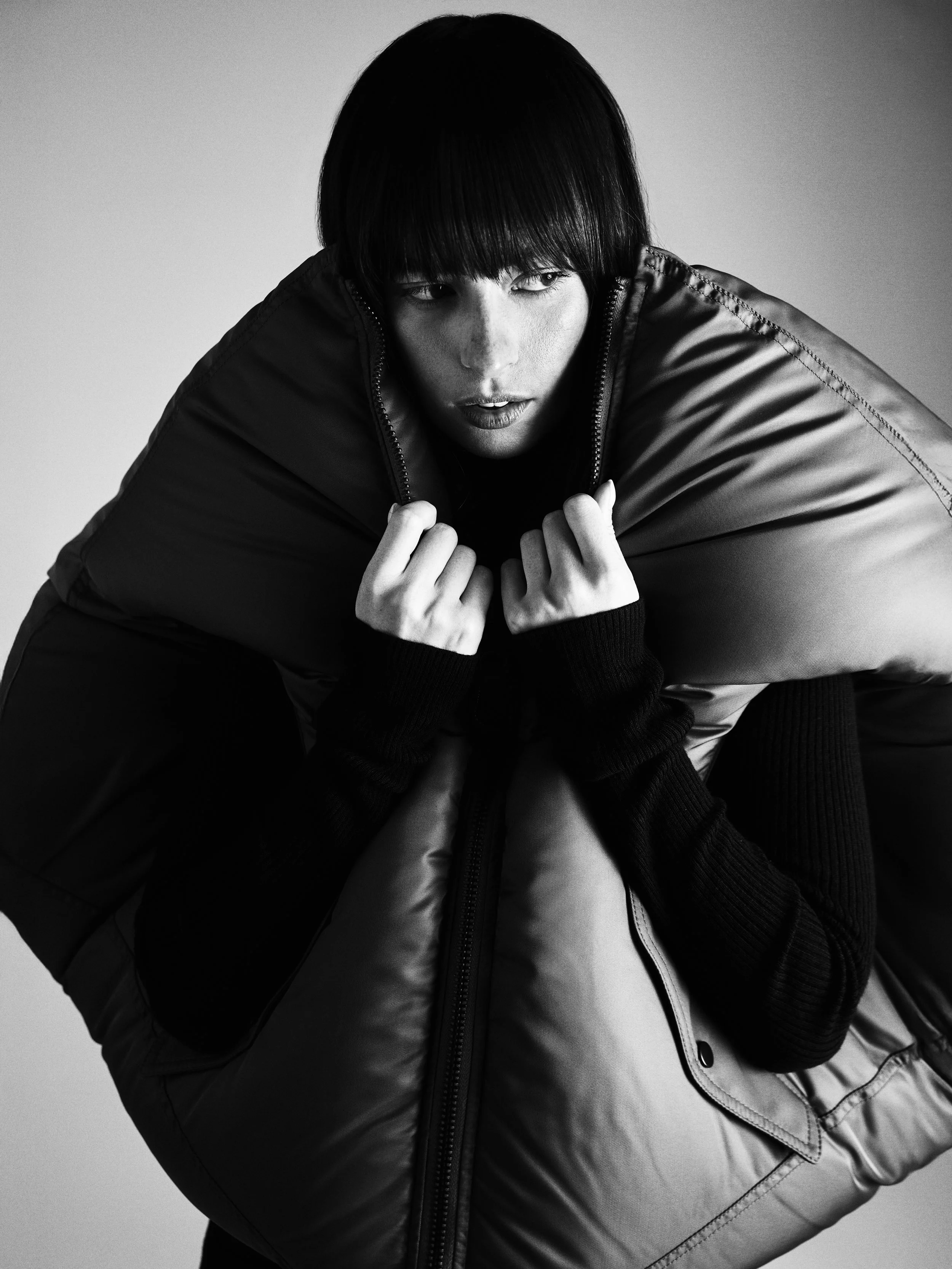
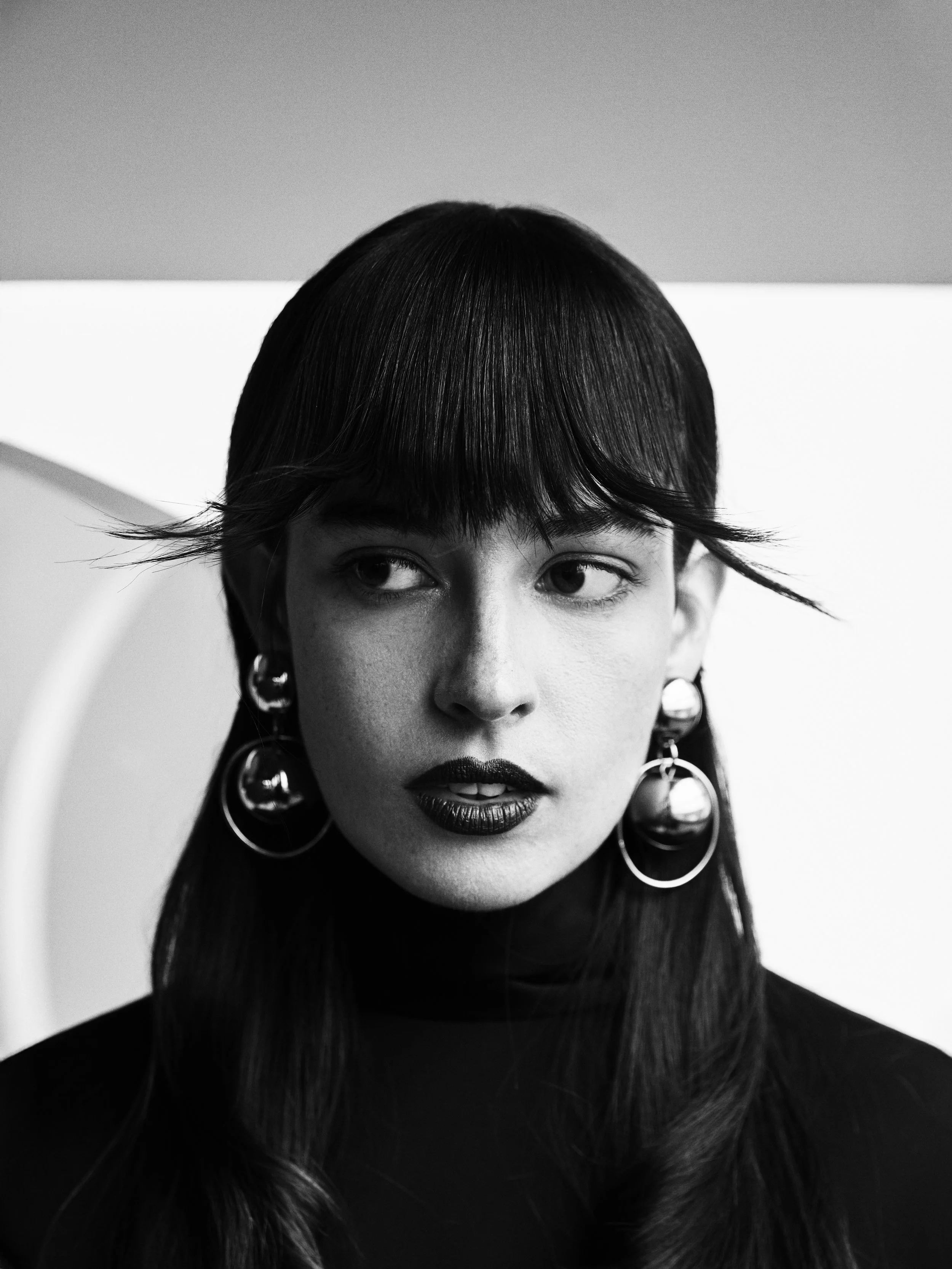
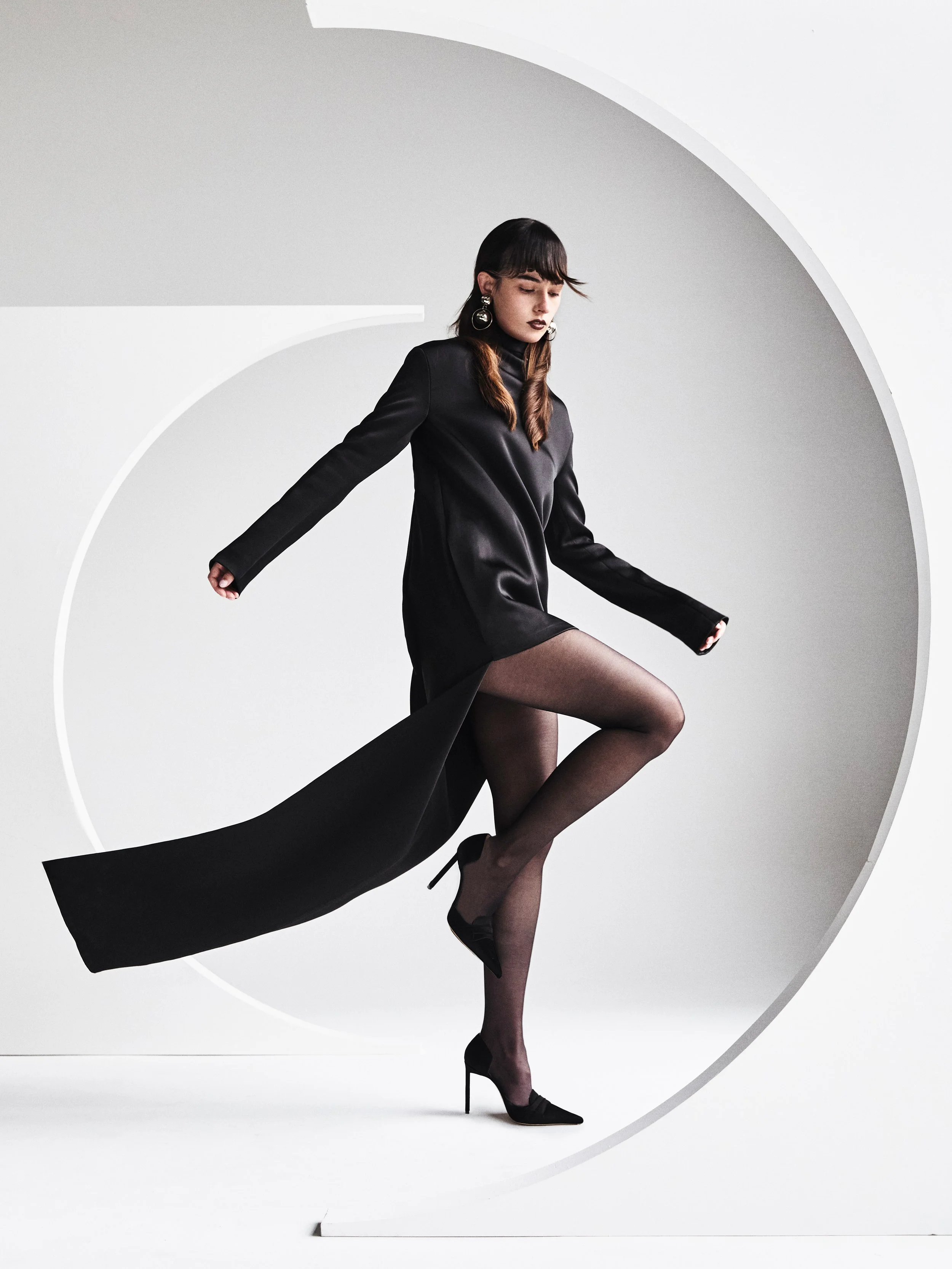
left:
jacket and turtleneck JUNYA WATANABE
right:
dress TOM FORD
earrings FOUND AND VISION
You’ve said there’s a “strange and unique bond” between people and corporations. Can you expand on that idea and how it shapes your art?
We grow up forming emotional attachments to things that were never meant to be emotional. Brands become markers of identity and nostalgia. We trust them, rely on them, remember them.
I’m interested in how those feelings are manufactured. In my work, I use familiar branding and advertising aesthetics to explore that tension, the warmth we project onto these symbols versus the cold, impersonal structures behind them. It’s the intimacy we feel toward something fundamentally transactional that I find so compelling.
Your work critiques consumer culture, but it also feels deeply empathetic toward the human desire for beauty and belonging. How do you balance those two impulses?
I don’t see critique and empathy as absolute opposites, they inform each other. I am critical of consumer culture, but I also understand why we’re drawn to it. The desire for beauty and belonging is deeply human, and corporations have learned to speak directly to those needs.
I’m not interested in judging people for being seduced by nice things or feeling nostalgic, I’m more interested in examining how those feelings are shaped, and how we project emotion onto objects and brands. I want to explore the vulnerability within the desire and the mechanisms that exploit it.
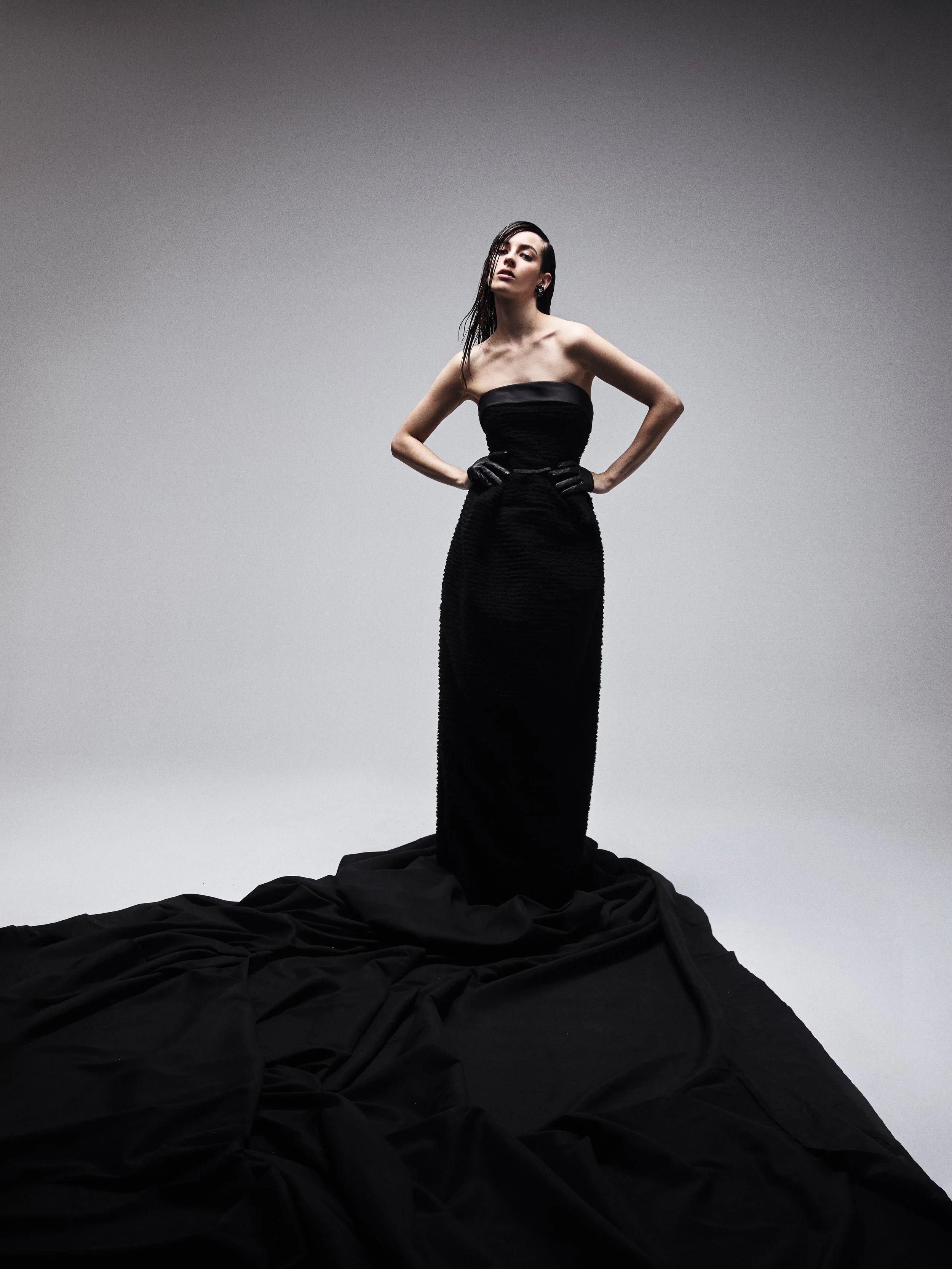
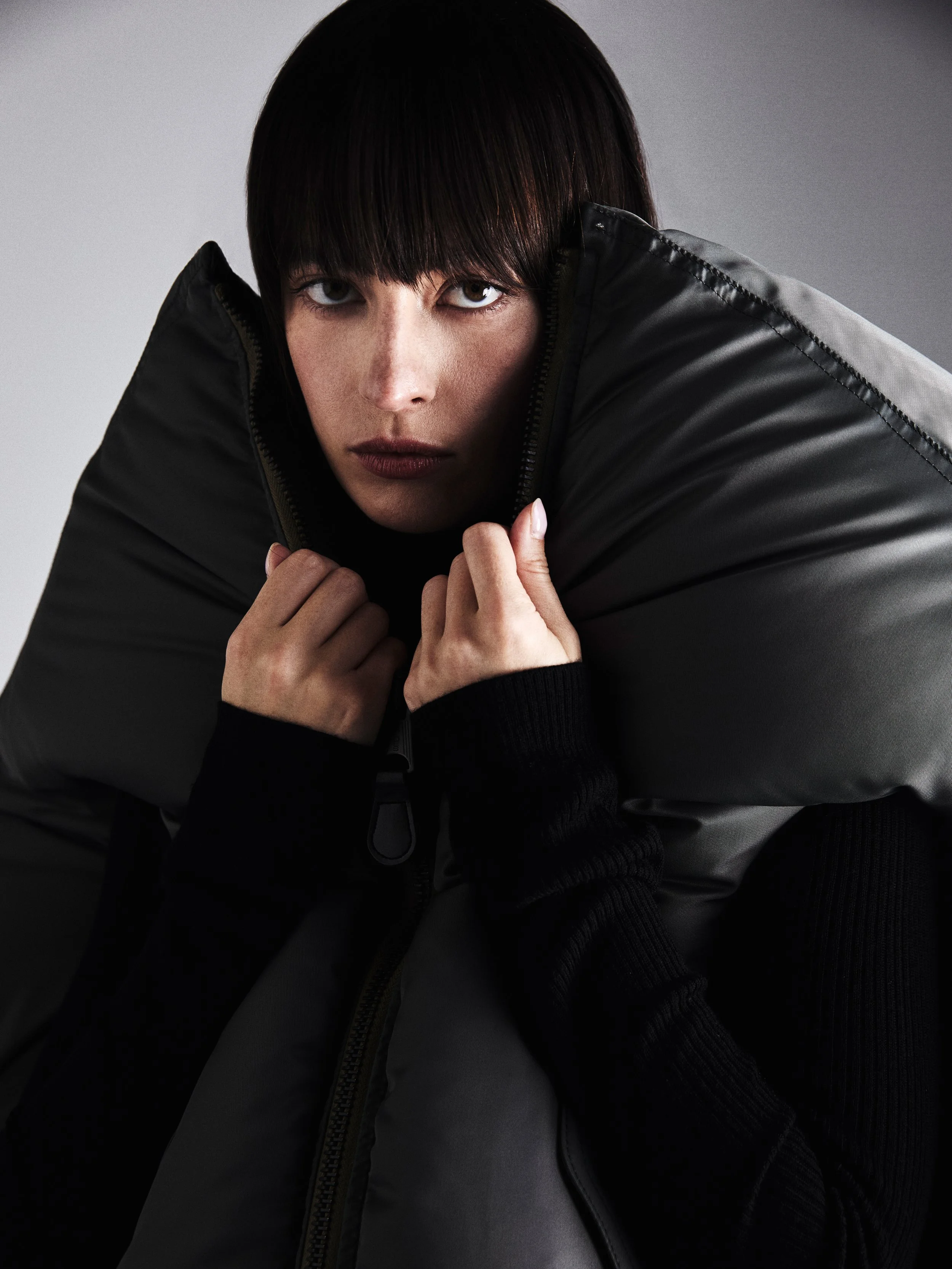
left:
gown VIKTOR&ROLF
gloves PAULA ROWAN
right:
jacket and turtleneck JUNYA WATANABE
How do you see the relationship between branding and identity evolving in our hyper-digital age?
With the advent of social media, we are constantly curating how we appear online, and in many ways we behave like brands ourselves. I’ve spoken openly about how the Charlotte Rose character is a hyper curated version of myself that mirrors the themes I am exploring throughout my work.
Brands are using social media to become more personal, more relatable, blending the lines between us and them. That overlap, people acting like brands and brands acting like people, is where I see the most dramatic shift. Identity has become a performance, and branding has become a form of intimacy.
Many of your works reinterpret the “dreams” that advertising sells. Do you believe we’re still chasing those same illusions today, or have they changed?
I think we’re still chasing the same illusions, but the packaging has changed. Advertising has always sold dreams, beauty, belonging and success, and those core desires haven’t gone anywhere. What has shifted is the delivery system. Instead of glossy magazines or TV commercials, those dreams now appear through influencers, curated feeds, targeted ads and algorithms that learn our insecurities in real time.
The promises are the same, but they’re more personalised and more pervasive. We’re no longer sold a universal ideal, we’re sold a customised one. In my work, I’m interested in exposing that continuity. The illusion hasn’t disappeared, but it has become harder to recognise.
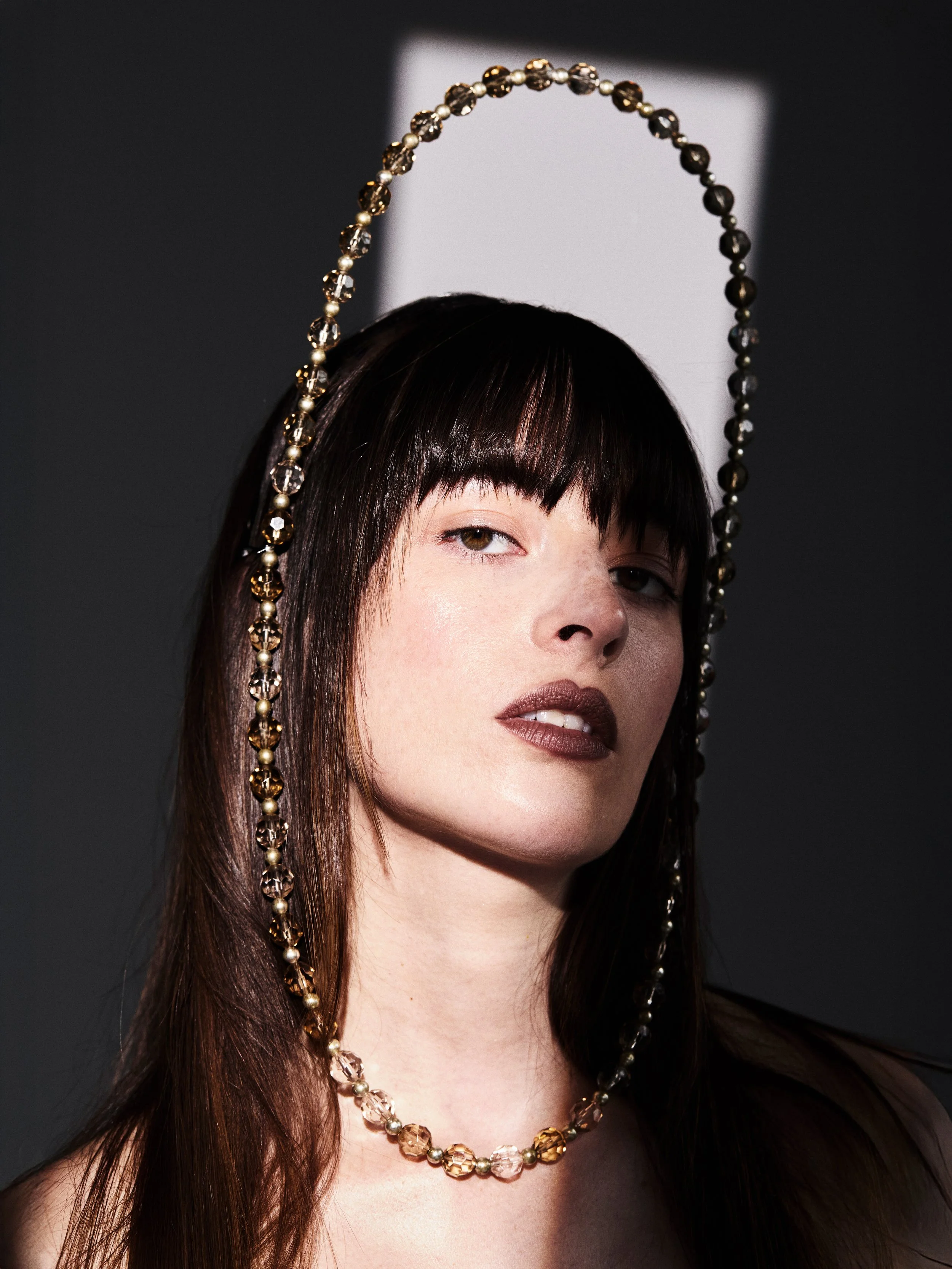
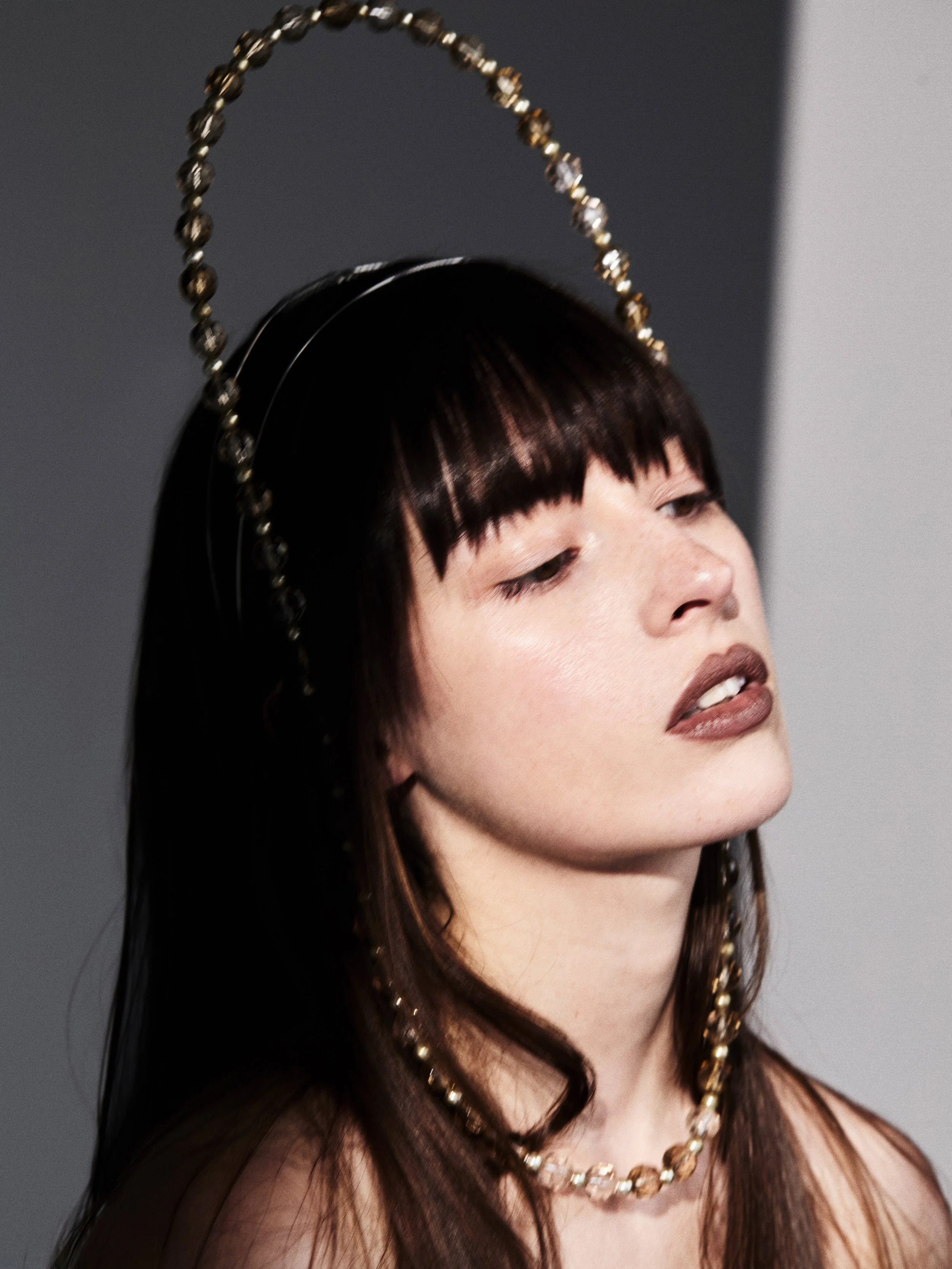
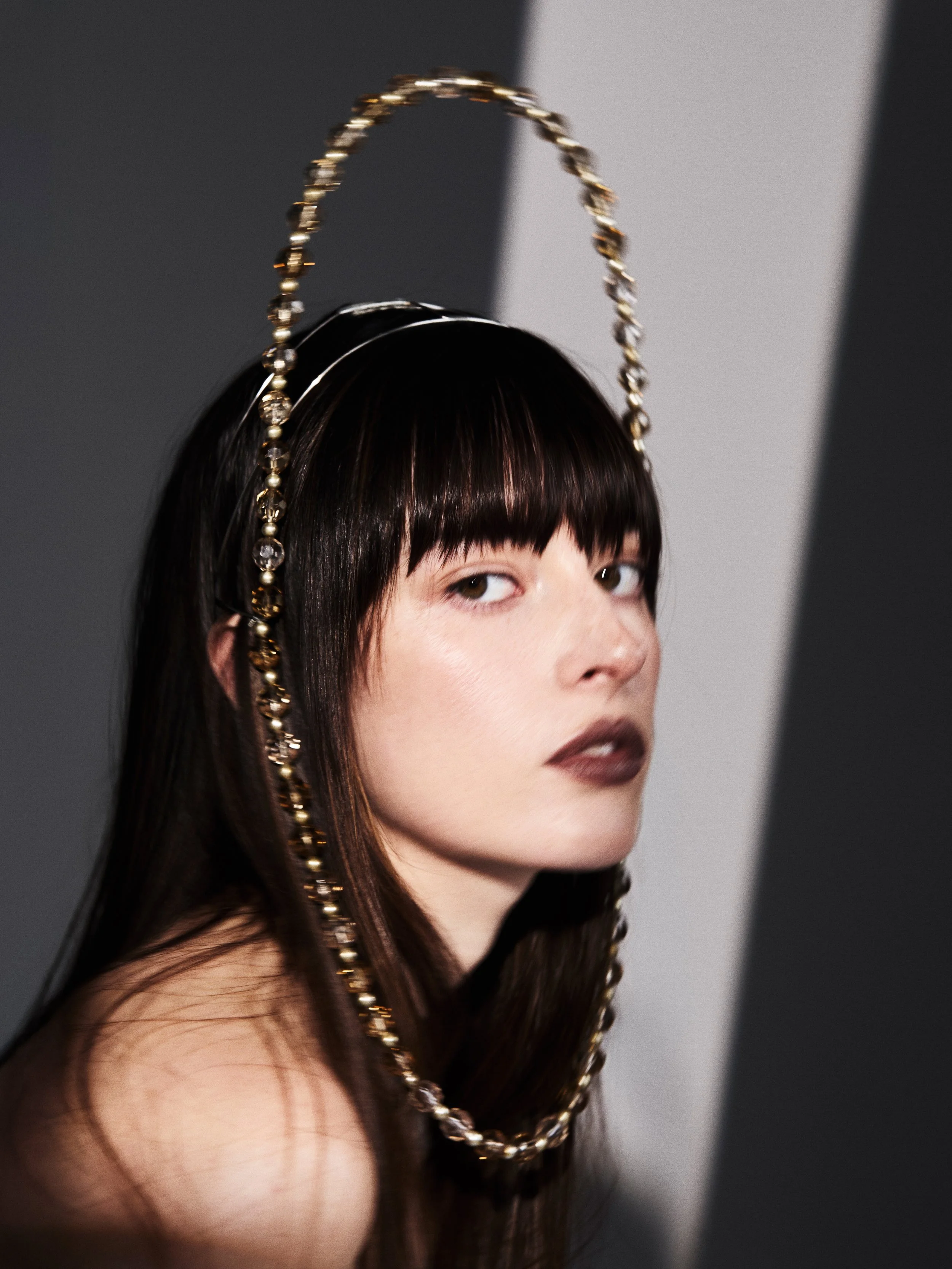
tiara headpiece STEPHEN JONES
Your work has already been exhibited internationally and collected globally. How do you process that kind of rapid recognition?
I don’t process it. It’s all completely out of body. I just focus on the work and the next project ahead of me.
As someone who has moved between the worlds of modeling, literature, and art, how do you see those disciplines intersecting in your practice?
Literature feeds directly into my practice. Many of my paintings carry references to books, or are shaped by the narrative instincts that come from reading widely, especially the classics. It gives the work a deeper context and a sense of storytelling beneath the surface.
Modeling connects to the idea of selling dreams. It gave me an insider understanding of how images are created. That awareness sits at the core of my work, which often critiques those very mechanisms.
And being around creative people, photographers, makeup artists, stylists is hugely inspiring. All of these experiences bleed into one another, shaping how I think about imagery, narrative and the performance of identity.
What’s next for you, conceptually or personally, as you continue to explore the relationship between art, memory, and the modern psyche?
I have some new ideas that are taking my work in a slightly different direction, and I’m excited to start exploring them and building a new collection of work for next year. Alongside that, I’m really looking forward to curating a group show for the charity Rethink Mental Illness, which I’m currently working on.
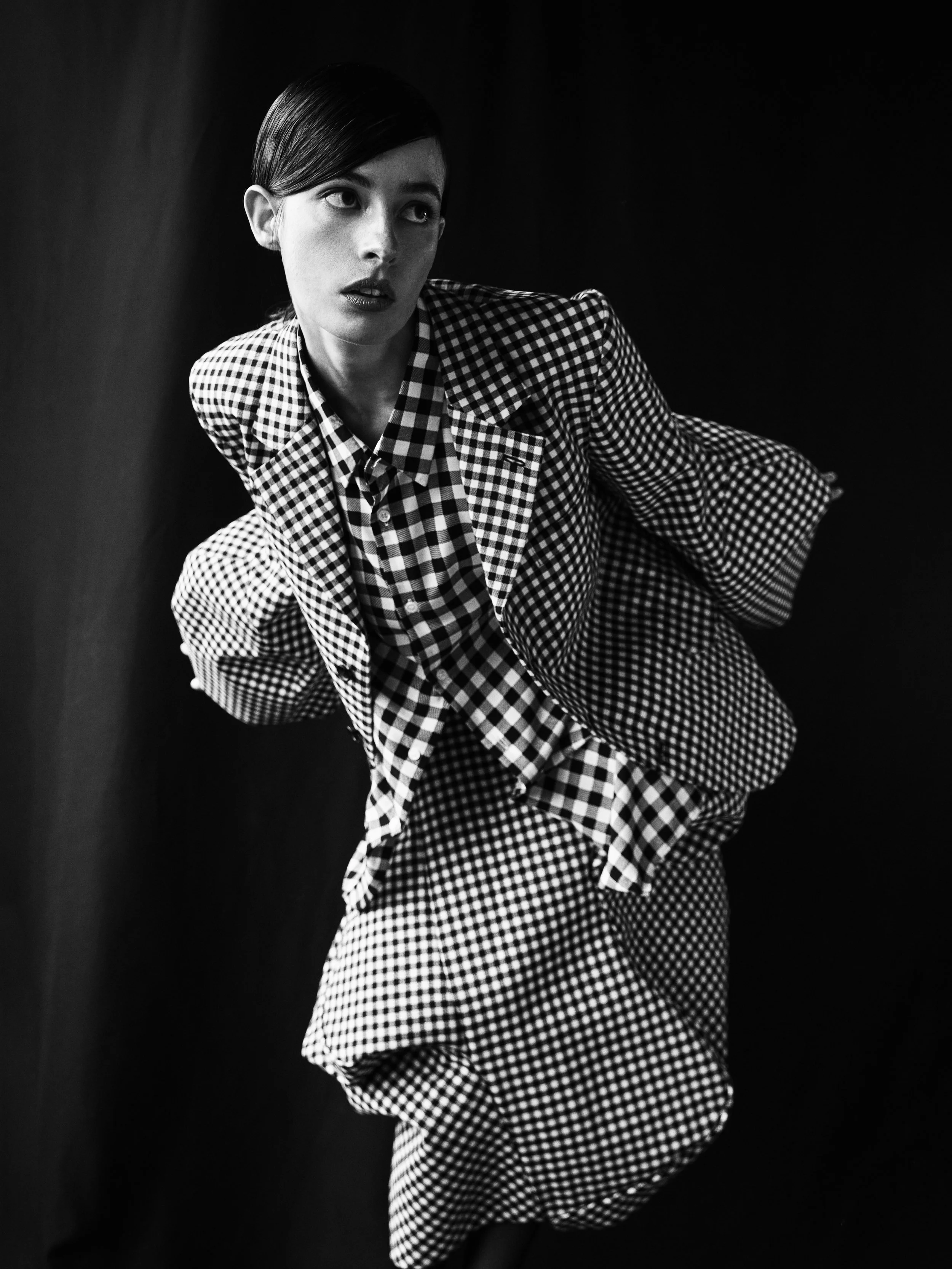
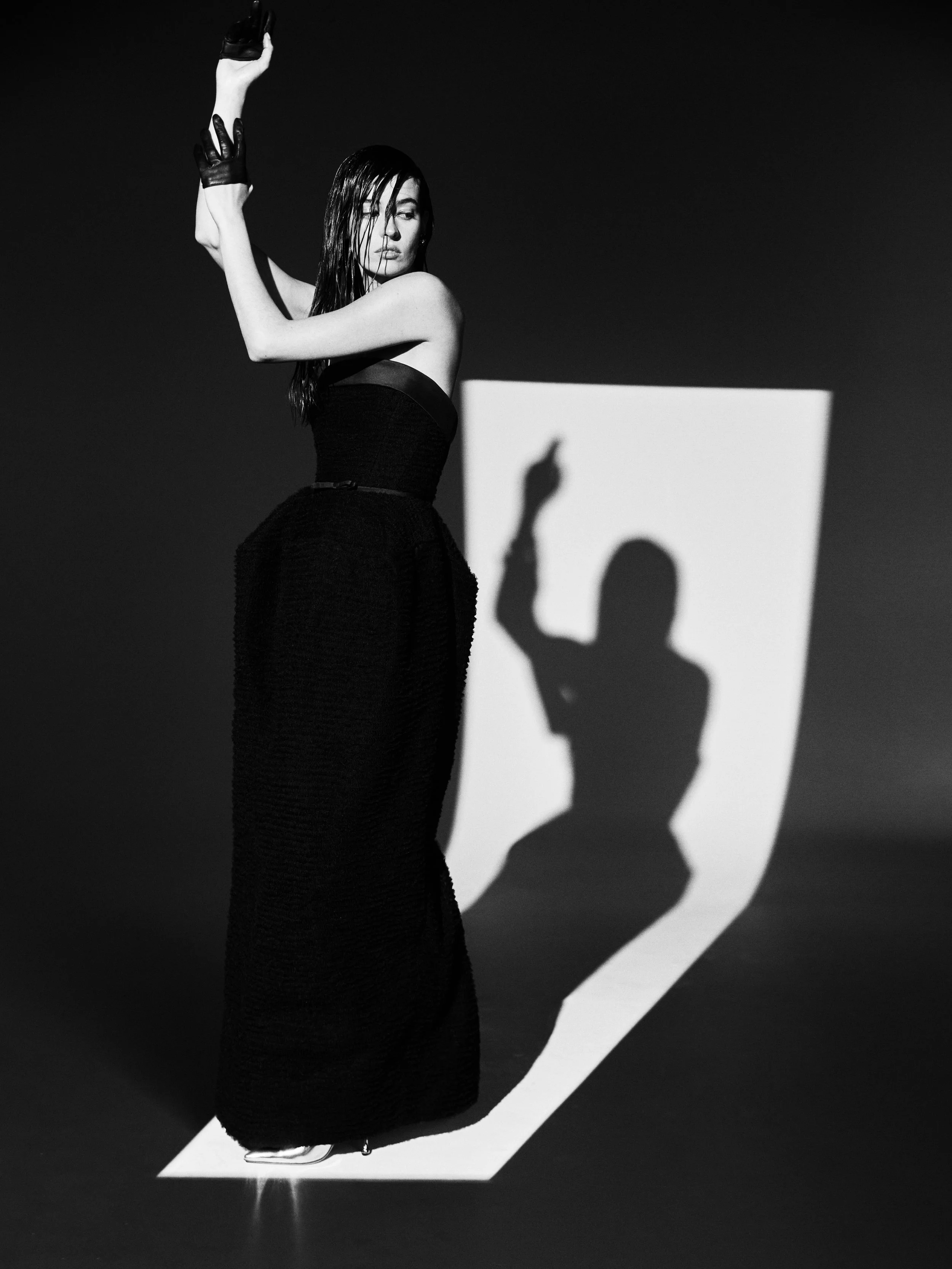
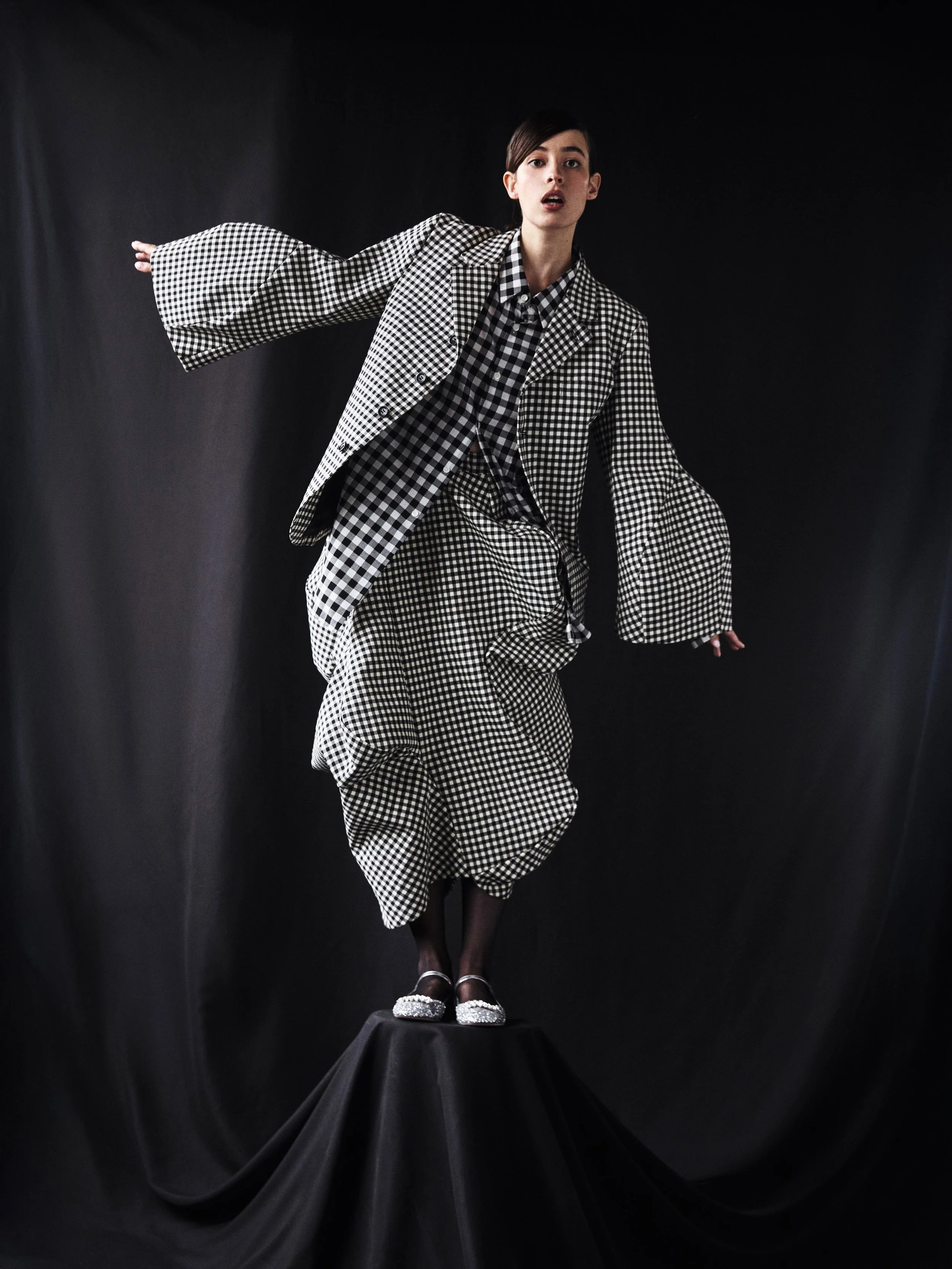
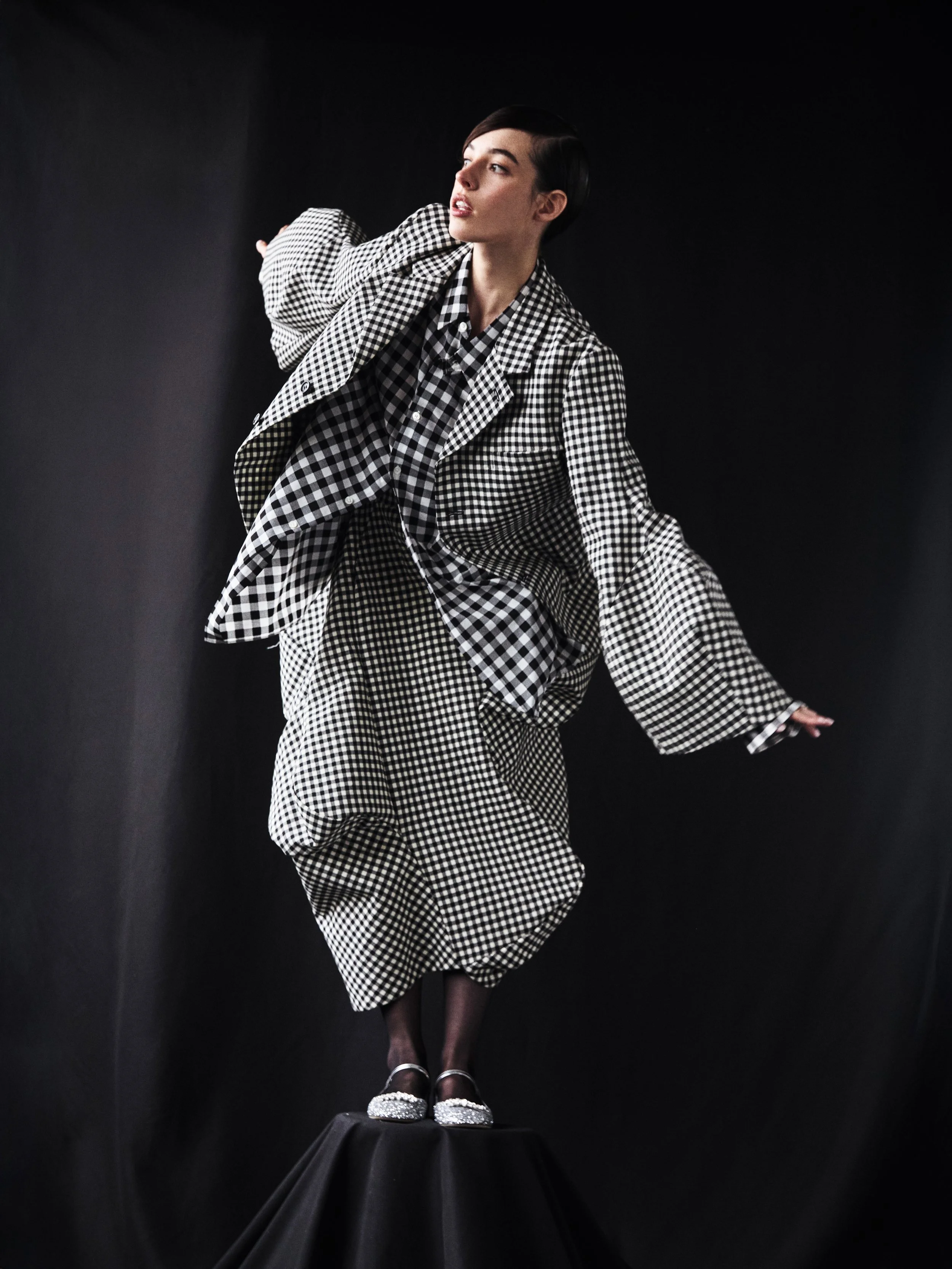
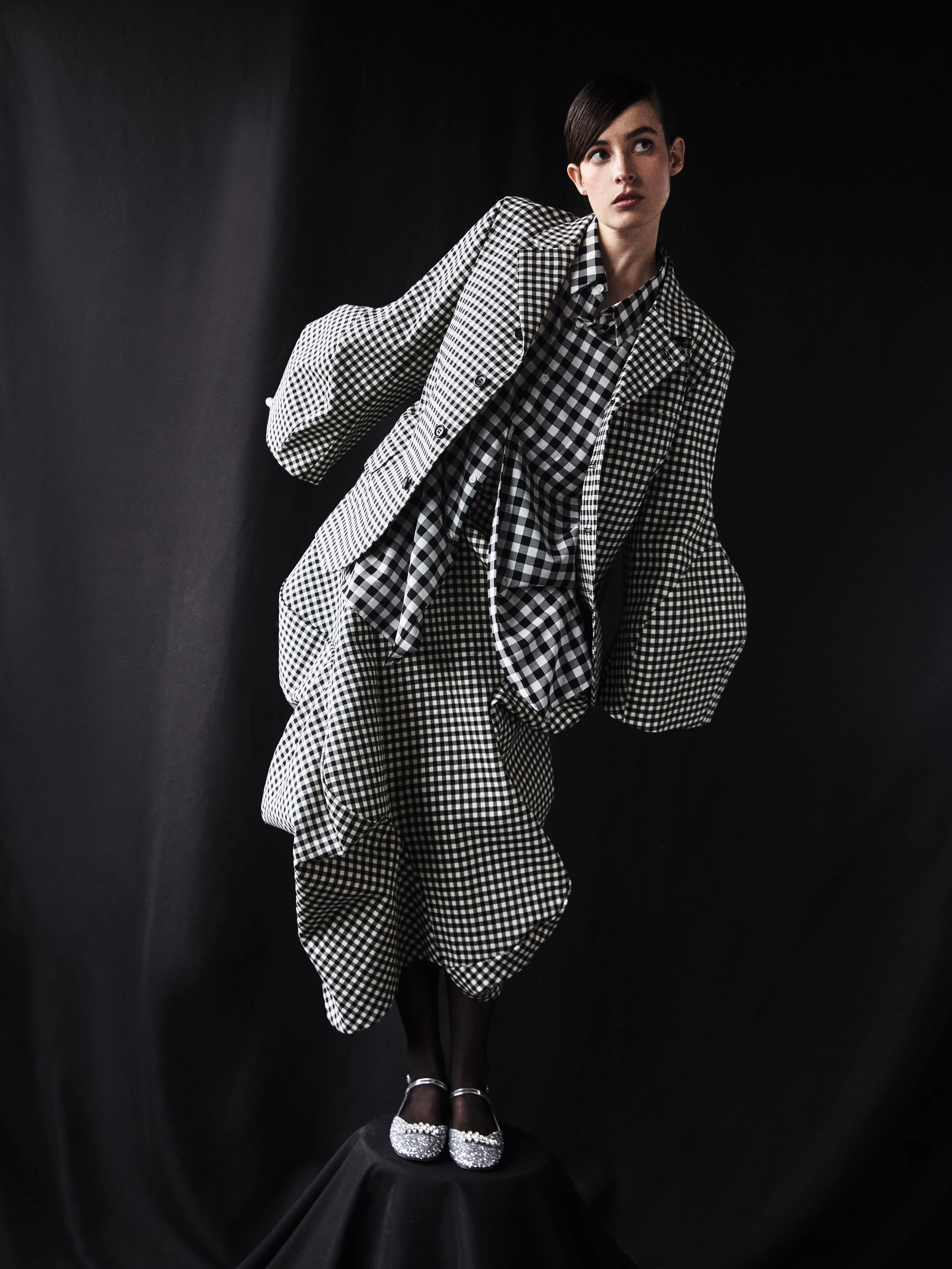
left:
jacket, shirt, and skirt COMME DES GARÇONS
shoes JIMMY CHOO
right:
gown VIKTOR&ROLF
gloves PAULA ROWAN
shoes JIMMY CHOO
left:
dress ROOM 24
shoes JIMMY CHOO
right:
dress and shoes TOM FORD
tights WOLFORD
earrings FOUND AND VISION
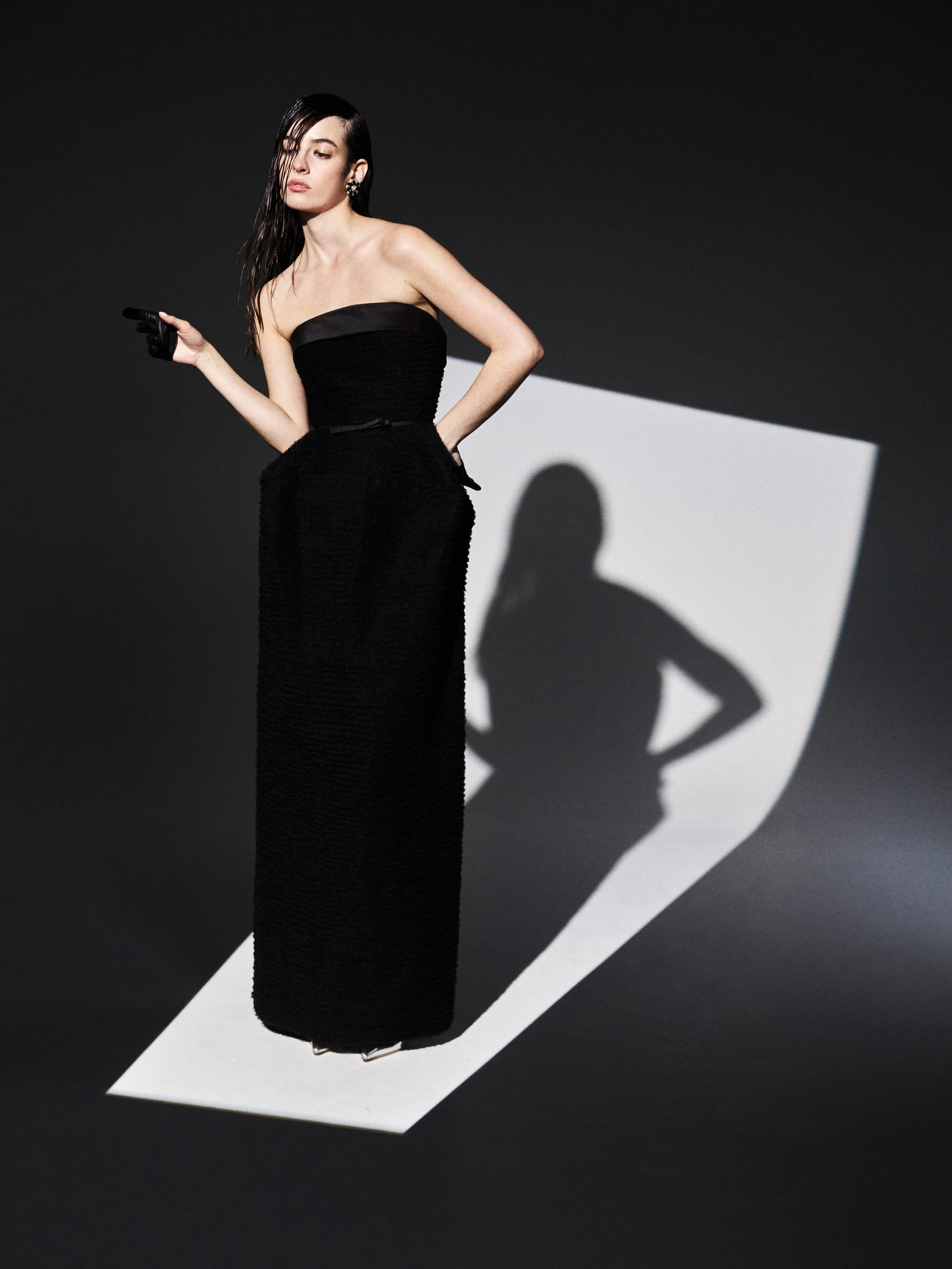
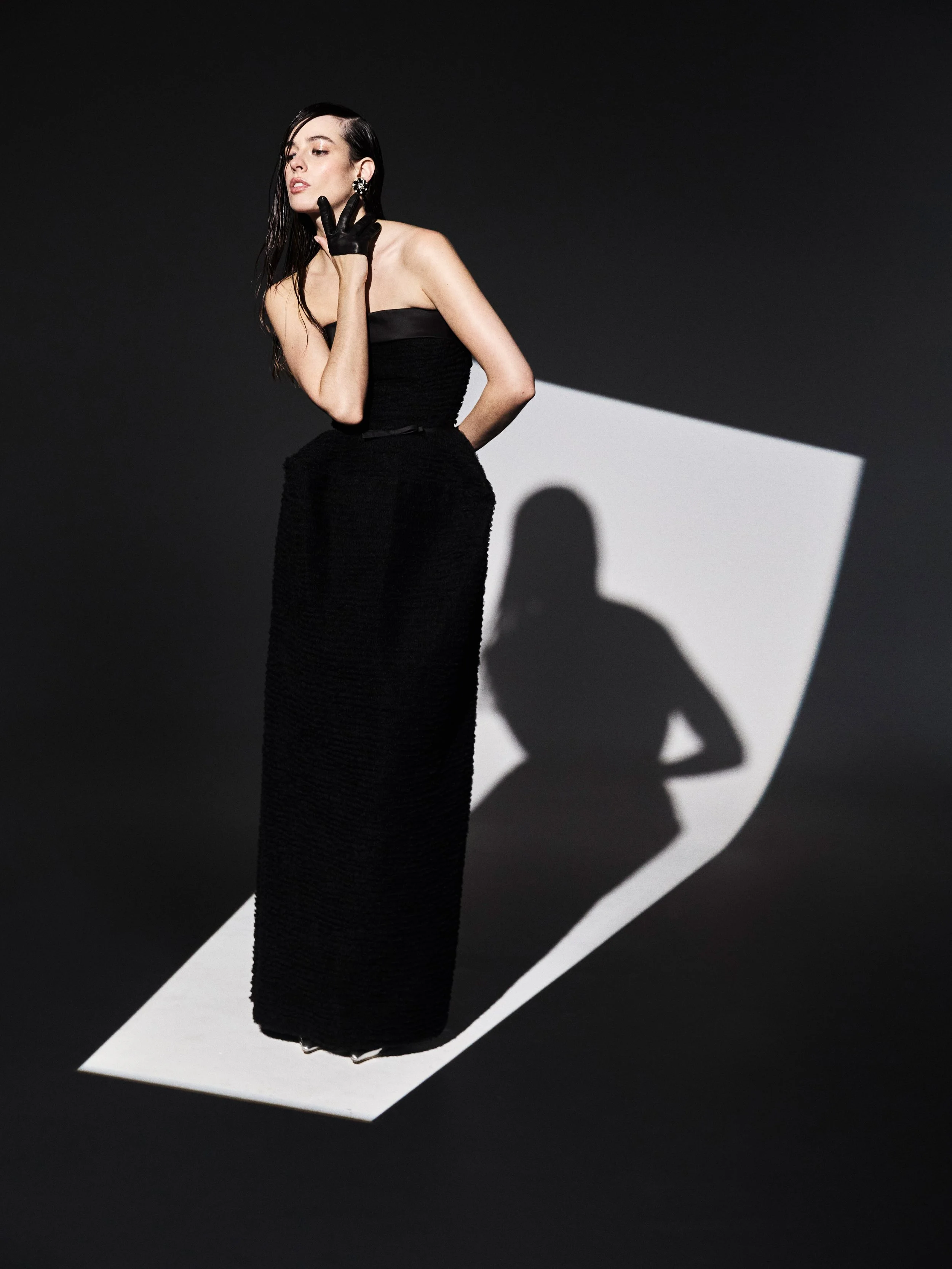
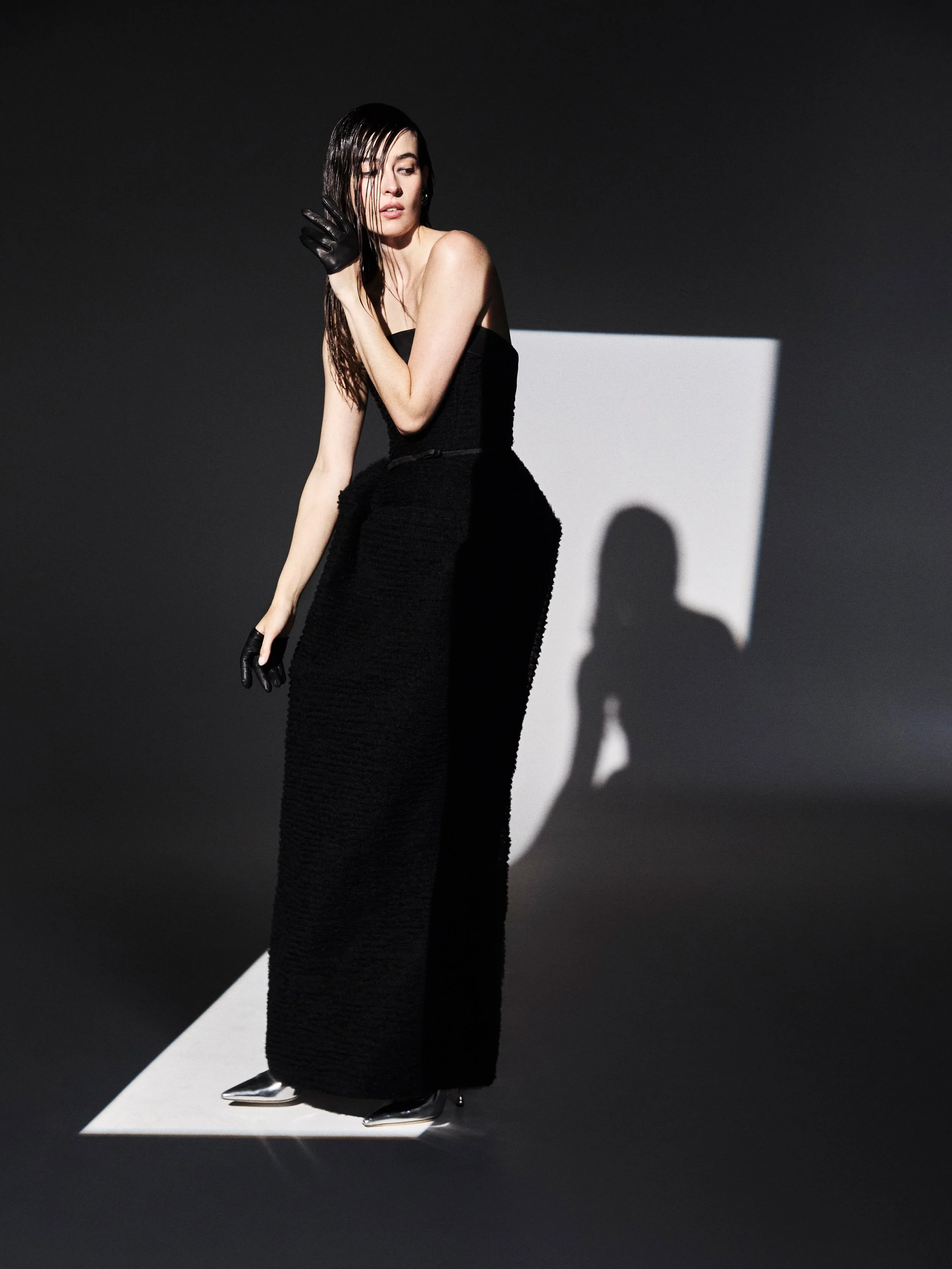
gown VIKTOR&ROLF
gloves PAULA ROWAN
shoes JIMMY CHOO
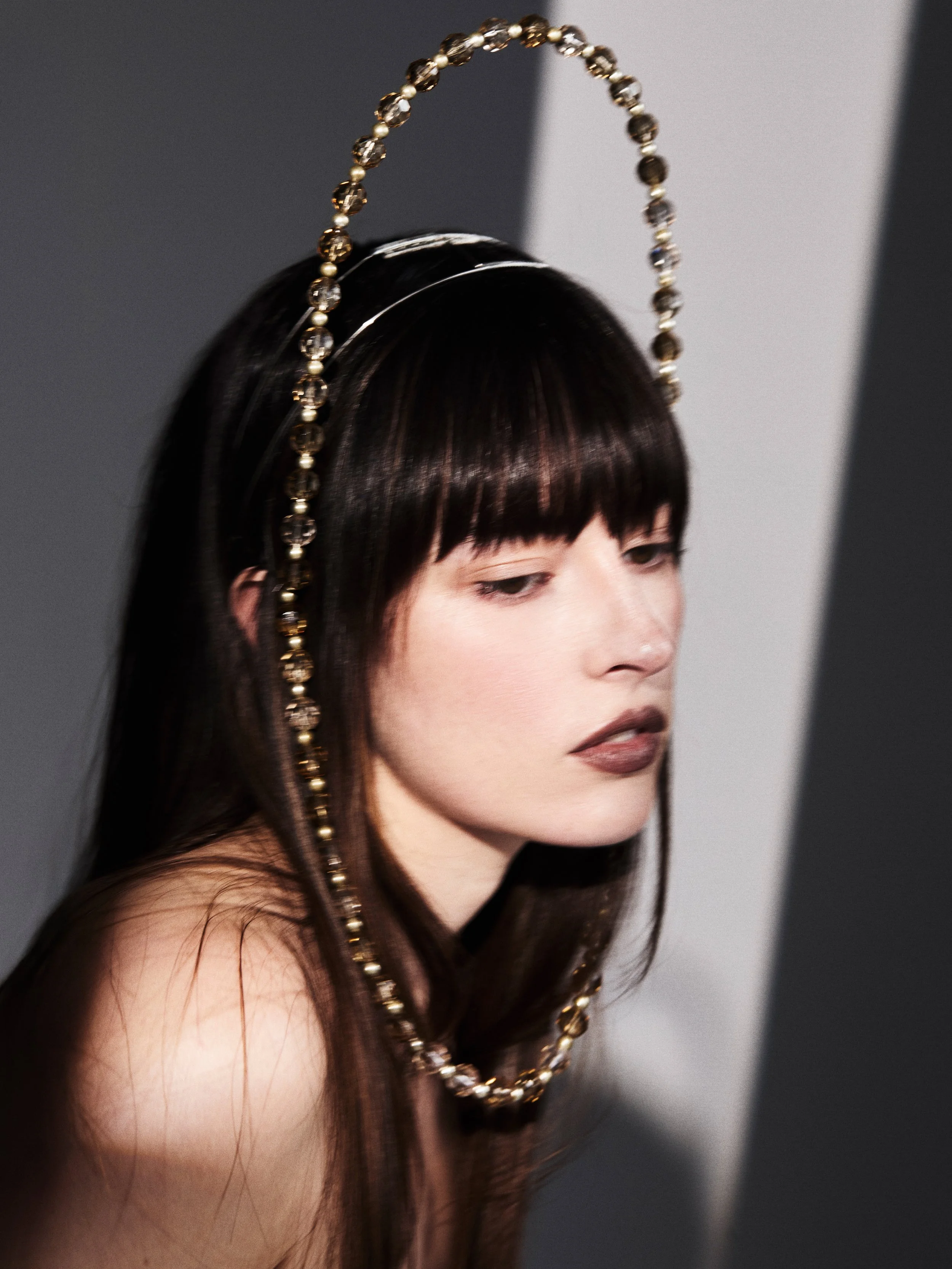
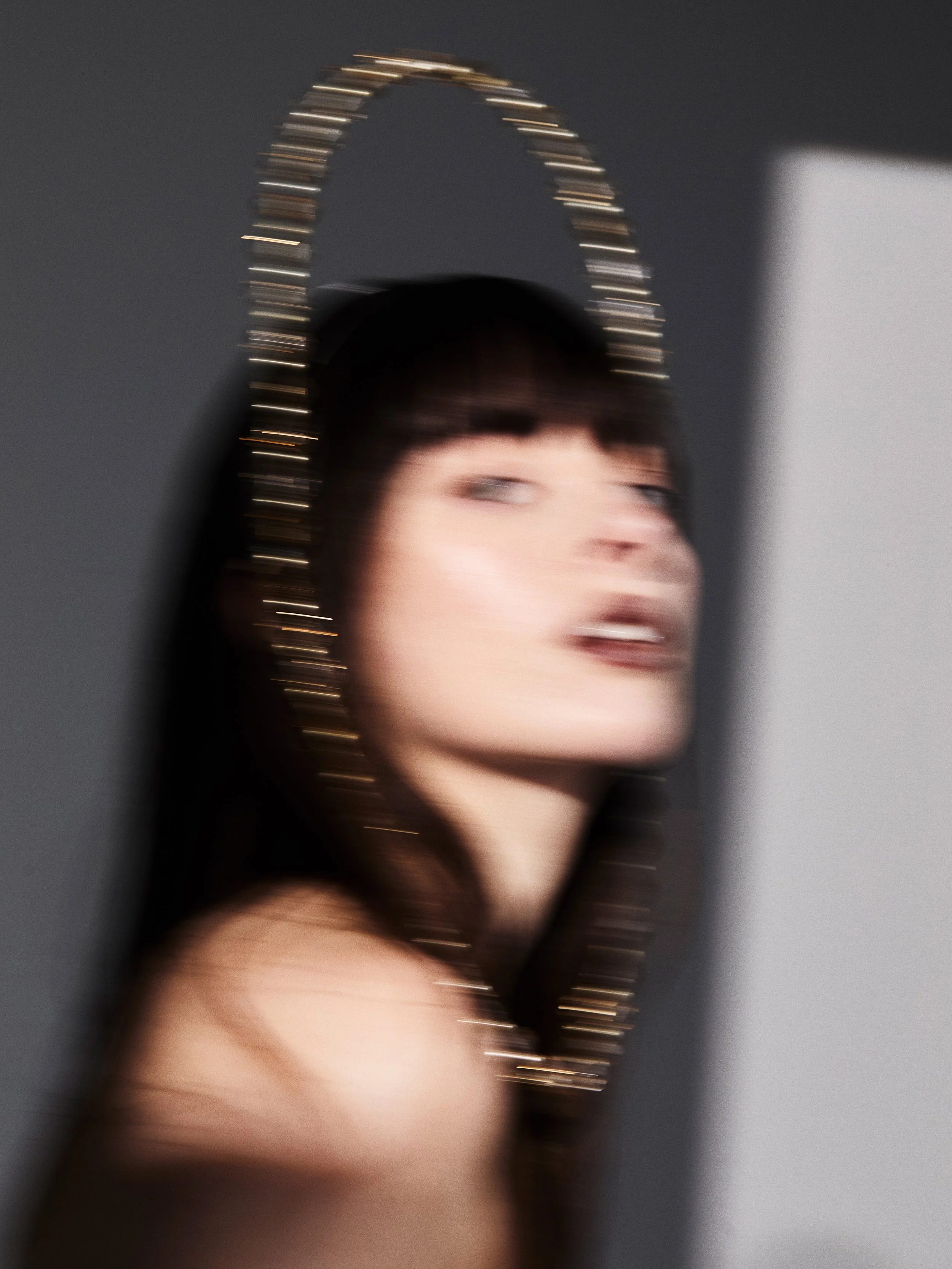
tiara headpiece STEPHEN JONES
jacket, shirt, and skirt COMME DES GARÇONS
shoes JIMMY CHOO
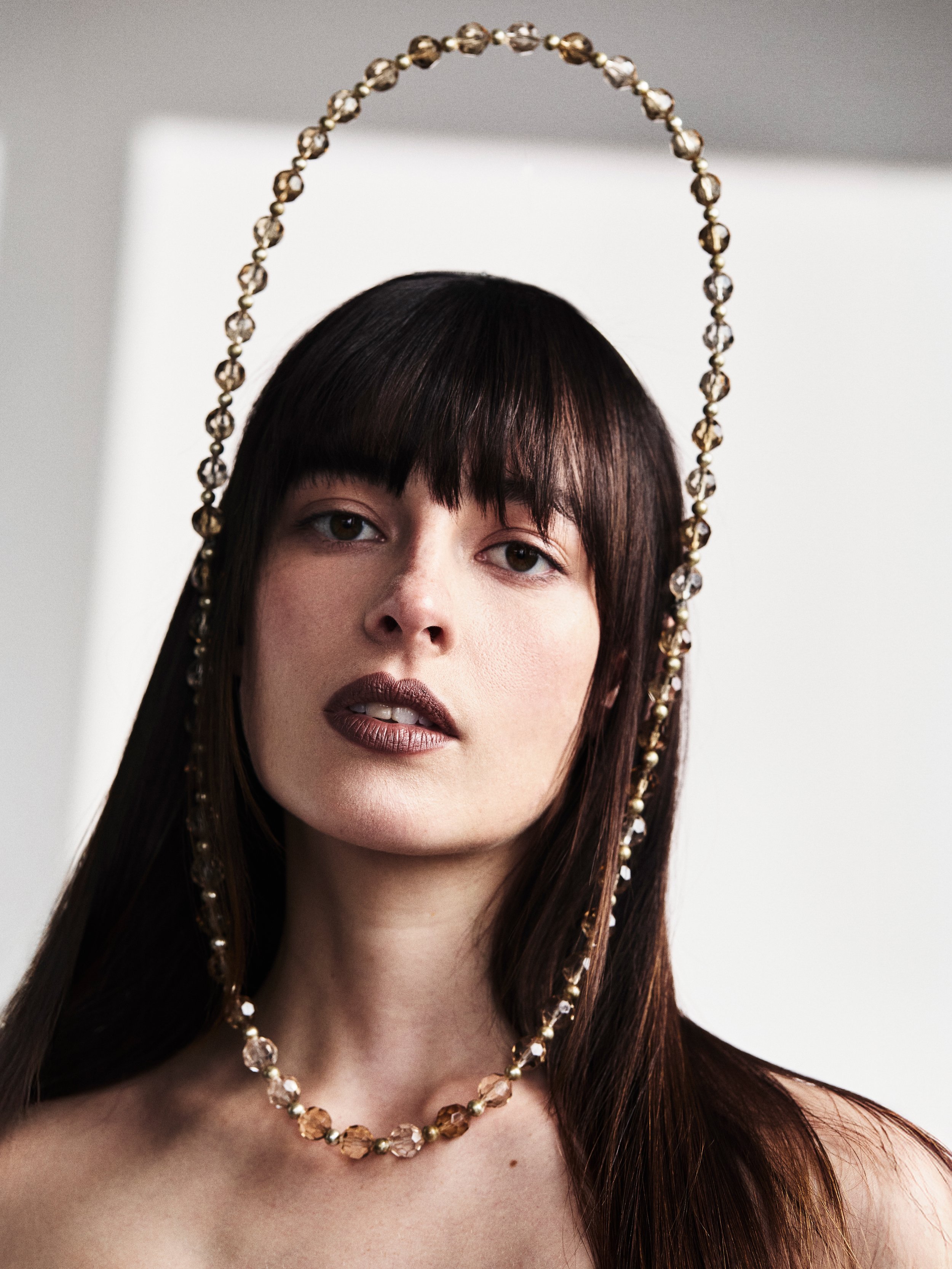
tiara headpiece STEPHEN JONES
TEAM CREDITS:
talent CHARLOTTE ROSE
photography DAVID REISS
styling CHLOE BEENEY
makeup TOM EASTO using Shiseido
hair MIGUEL PEREZ at Forward Artists
photography assistant STEFANIA CARLI
editor TIMOTEJ LETONJA
editorial director and interview JANA LETONJA
