
IN CONVERSATION WITH PACO RONCERO
interview by TIMOTEJ LETONJA
Three decades into his career, Paco Roncero shows no signs of slowing down. Ranked among the world’s 100 best chefs, he continues to move between haute cuisine, technology and performance with the same curiosity that first brought him into a kitchen. We sat down to look back at the moments that shaped him, and forward to what is transforming his next chapter.
You’ve spent over three decades at the summit of gastronomy, yet your name continues to appear among the world’s 100 best chefs. What sustains that level of ambition and renewal?
I am driven by the same curiosity I felt when I first entered the kitchen: the feeling that you can always go further. I don't see gastronomy as something I have achieved, but rather as a job that is constantly evolving. As long as there are enthusiastic teams and guests who are eager to be excited, I will continue to have reasons to reinvent myself.
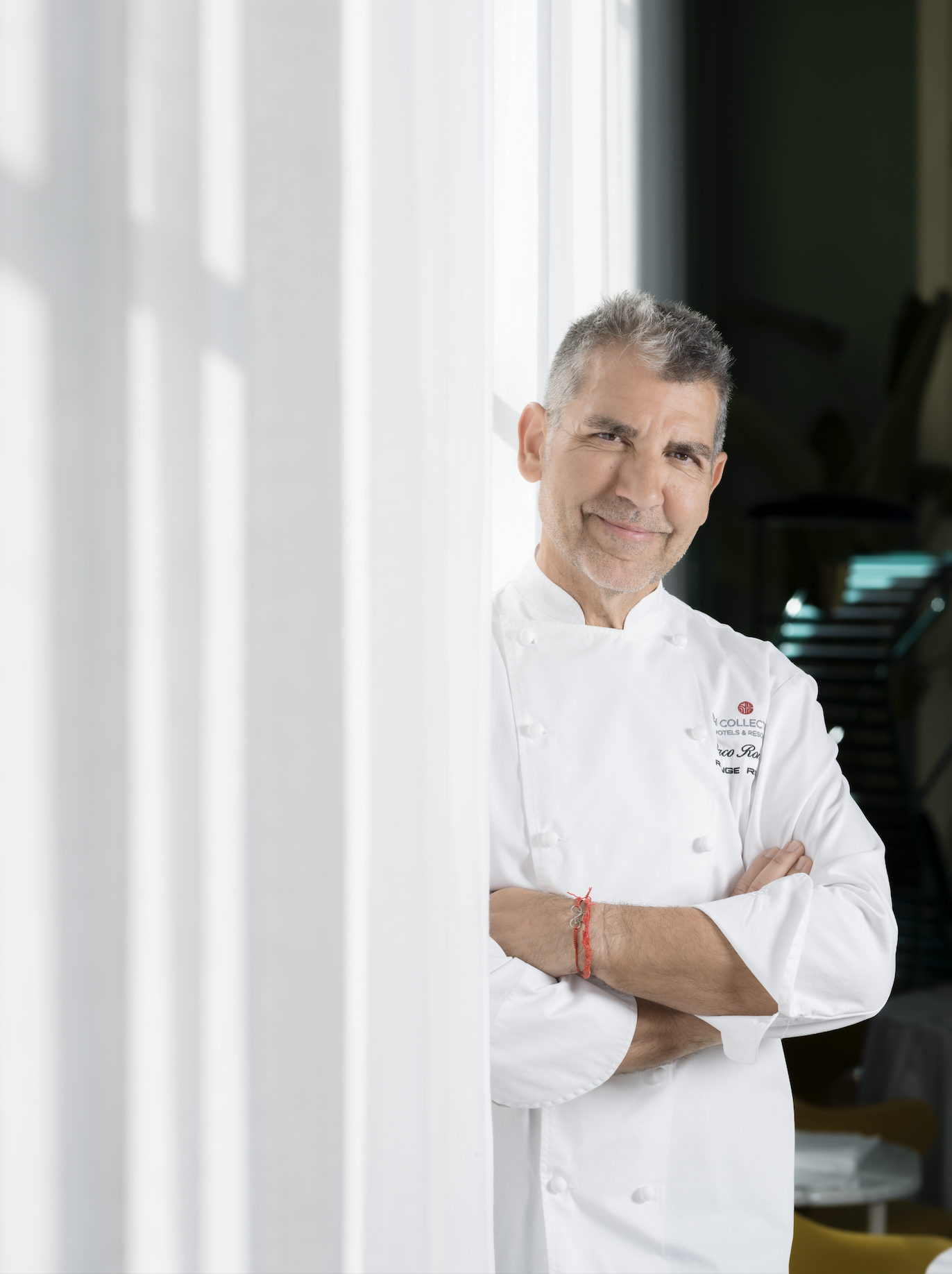
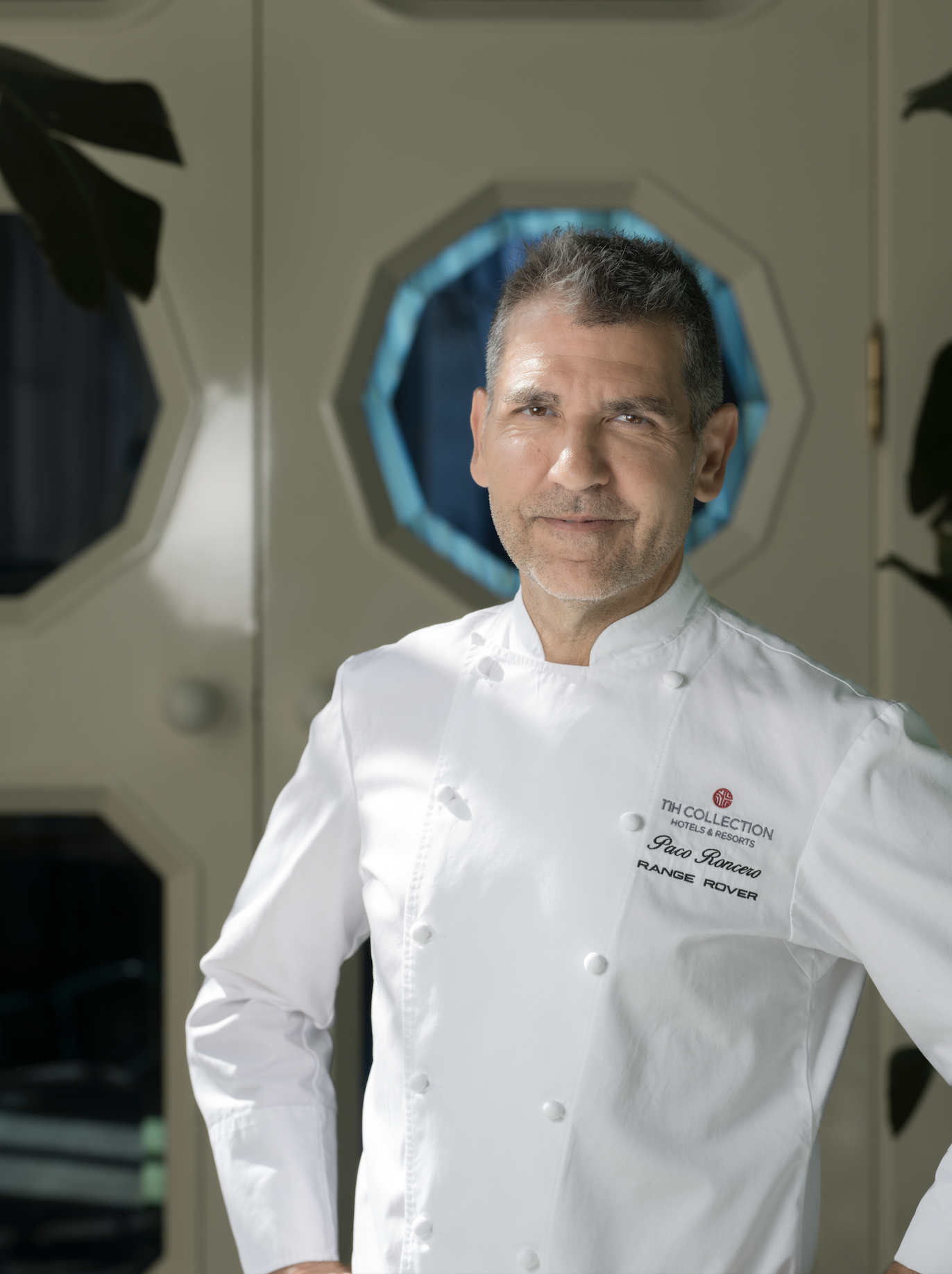
all images courtesy of NEW GESTION FOOD
When your second MICHELIN star arrived, it marked a turning point in your career. How did that moment reshape the way you approached creation and risk?
We earned our second MICHELIN Star in 2009, and it was like a mirror: it forced me to ask myself who I really was as a chef. It didn't make me more conservative; on the contrary, it pushed me to take more conscious and meaningful risks.
Sublimotion redefined the very idea of dining, transforming it into a fully immersive universe. At its core, what feeling or narrative has guided this project through its first decade?
Sublimotion was born from a very simple idea: to turn a dinner into a complete emotional journey. Technology and spectacle are at the service of something very human: sharing an unrepeatable moment around a table. Ultimately, it's about play, surprise and the ability to continue to be amazed like children.
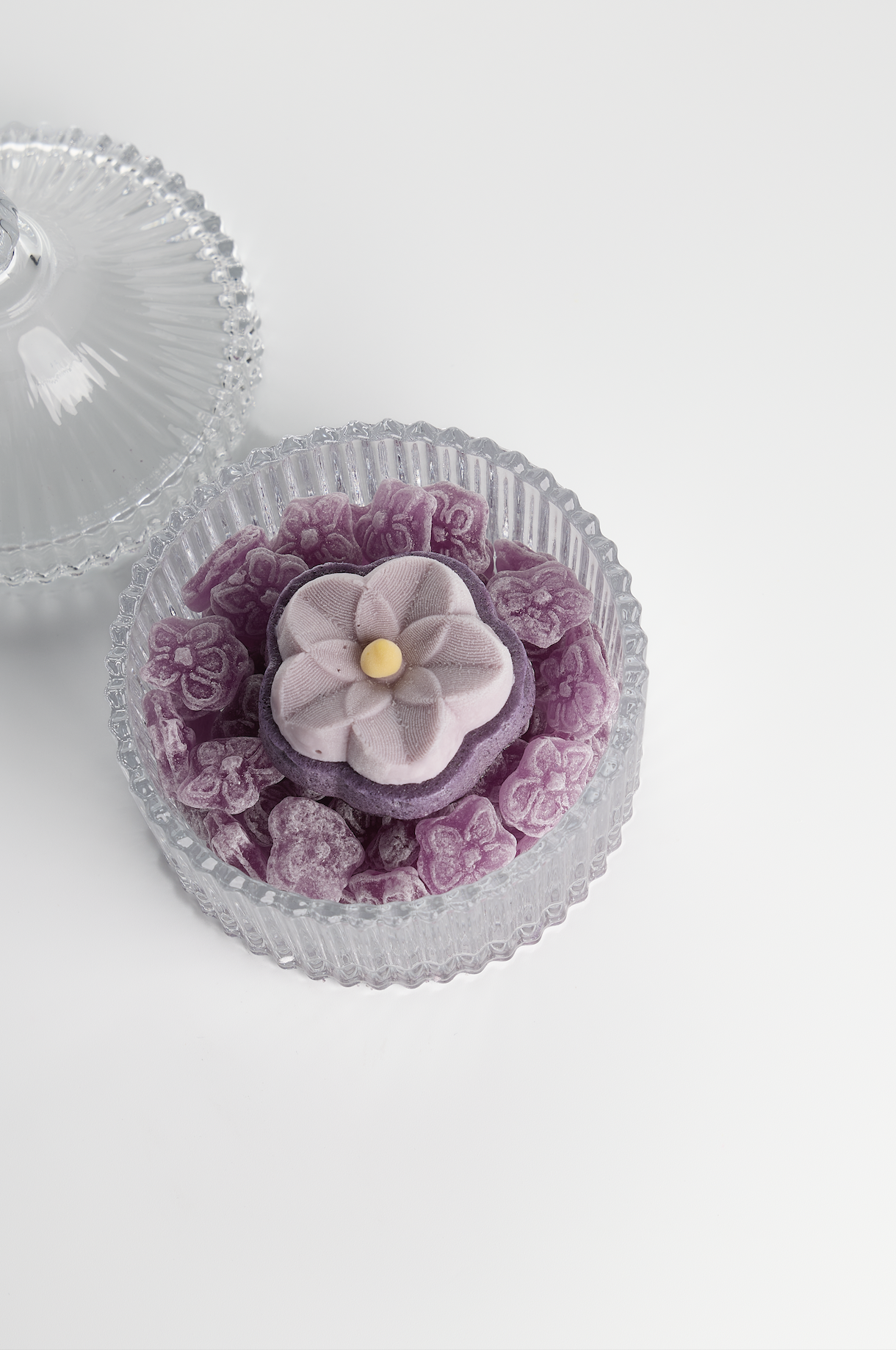
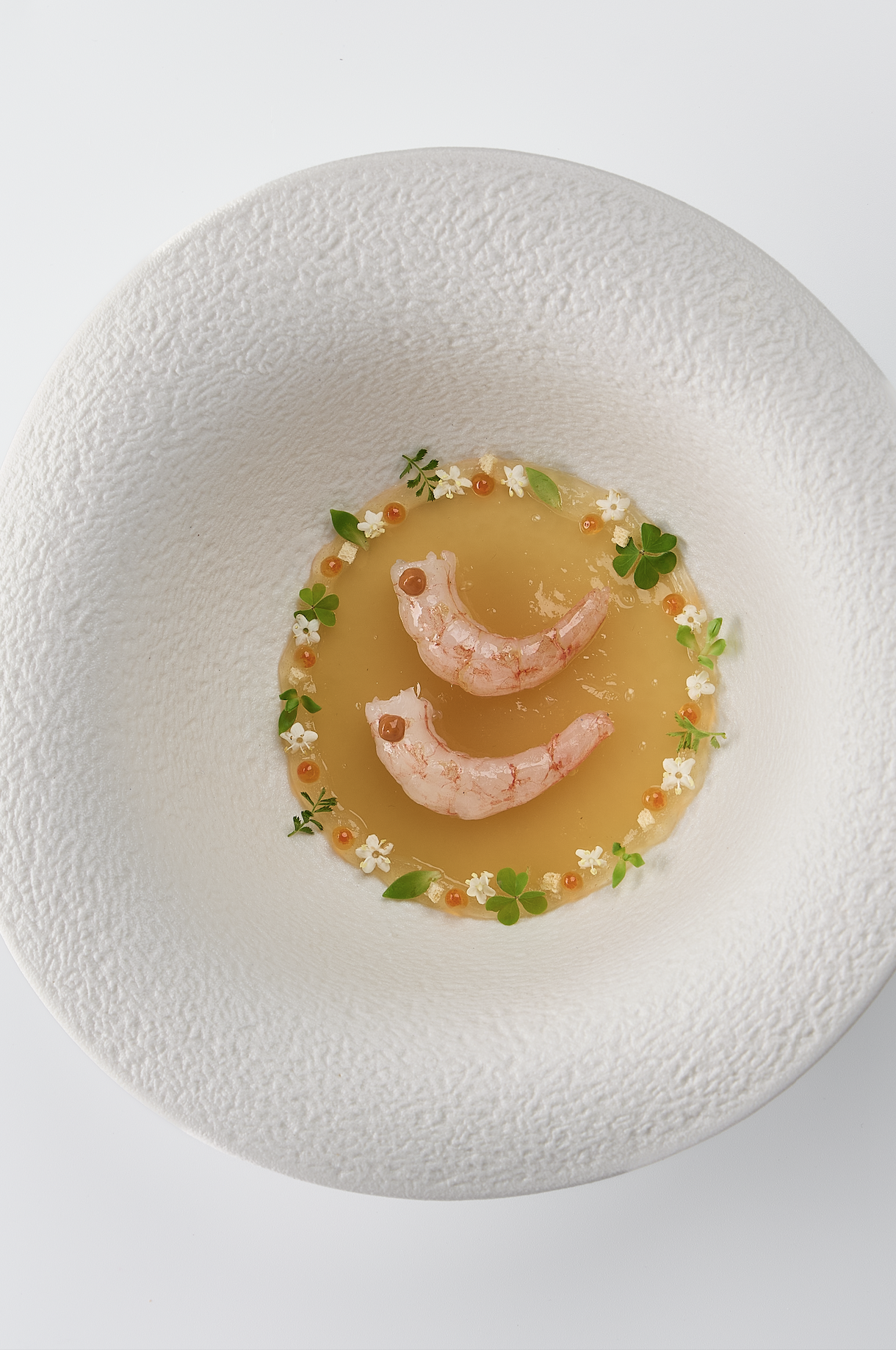
As Sublimotion prepares to land in Las Vegas, a city built on spectacle, how do you imagine translating your sensory world into that extraordinary landscape?
Las Vegas is an almost natural setting for our language, but it's not just about turning up the volume on the spectacle. My goal is to bring our way of understanding emotion there: precision, Mediterranean sensibility and flavour as the cornerstones. It will be a dialogue between the excessive energy of the city and a very detailed, European perspective.
Your experimental space, Paco Roncero Taller, fuses gastronomy with the kinds of technologies found in cinema and aerospace. How does innovation influence the way you dream up a dish today?
At Paco Roncero Taller, our creativity lab, innovation is an everyday tool, not a one-time trick. We think about each dish in terms of flavour, but also in terms of technique, ergonomics, sustainability and technology. The important thing is that all of this disappears from the diner's eyes and only the feeling of naturalness and coherence remains.
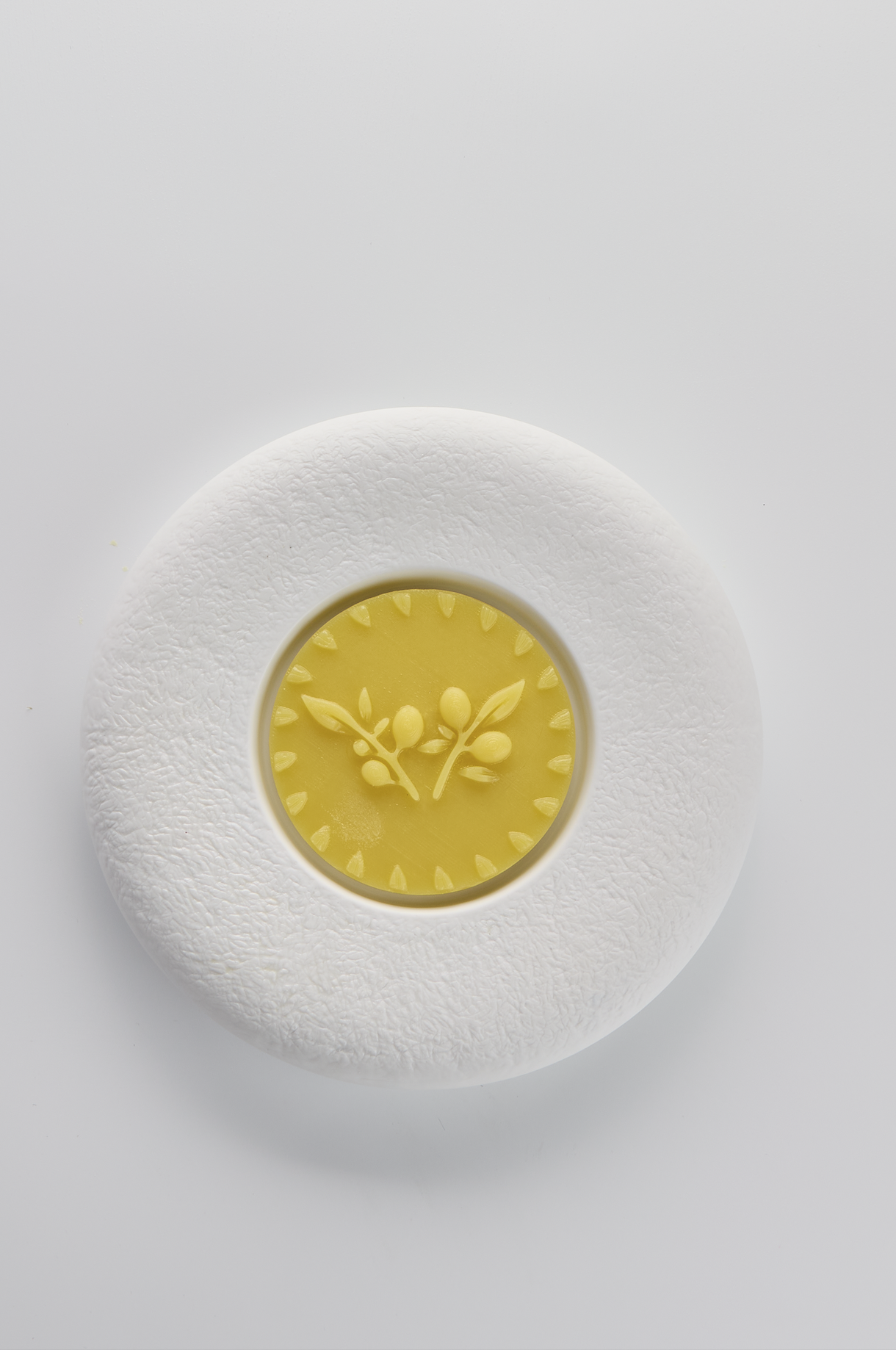
You’ve taken design into your own hands, crafting moulds and tableware through 3D printing. What does this hyper-personalisation allow you to express about your culinary identity?
3D printing allows me to design the canvas at the same time as the work. Each piece of tableware becomes a custom-made glove for each creation. This hyper-personalisation reinforces my identity.
From Top Chef España to Bake Off Celebrity, your presence on screen has become part of your cultural footprint. What does communicating through television reveal about you that a plate cannot?
Television shows something that a dish does not always reveal character. It shows how demanding you are, how supportive, how you handle pressure and mistakes. Cooking is about technique and sensitivity; the screen exposes the person behind the chef, with their virtues and quirks.
Cooking the gala dinner for the NATO Summit placed your work on a global diplomatic stage. What story did you want that menu to whisper about Spain?
I wanted that menu to be a statement of who Spain is today: a country with deep roots and a modern outlook. Produce, territory and contemporary technique walking hand in hand. The dishes told a story of respect for tradition and confidence in our present.
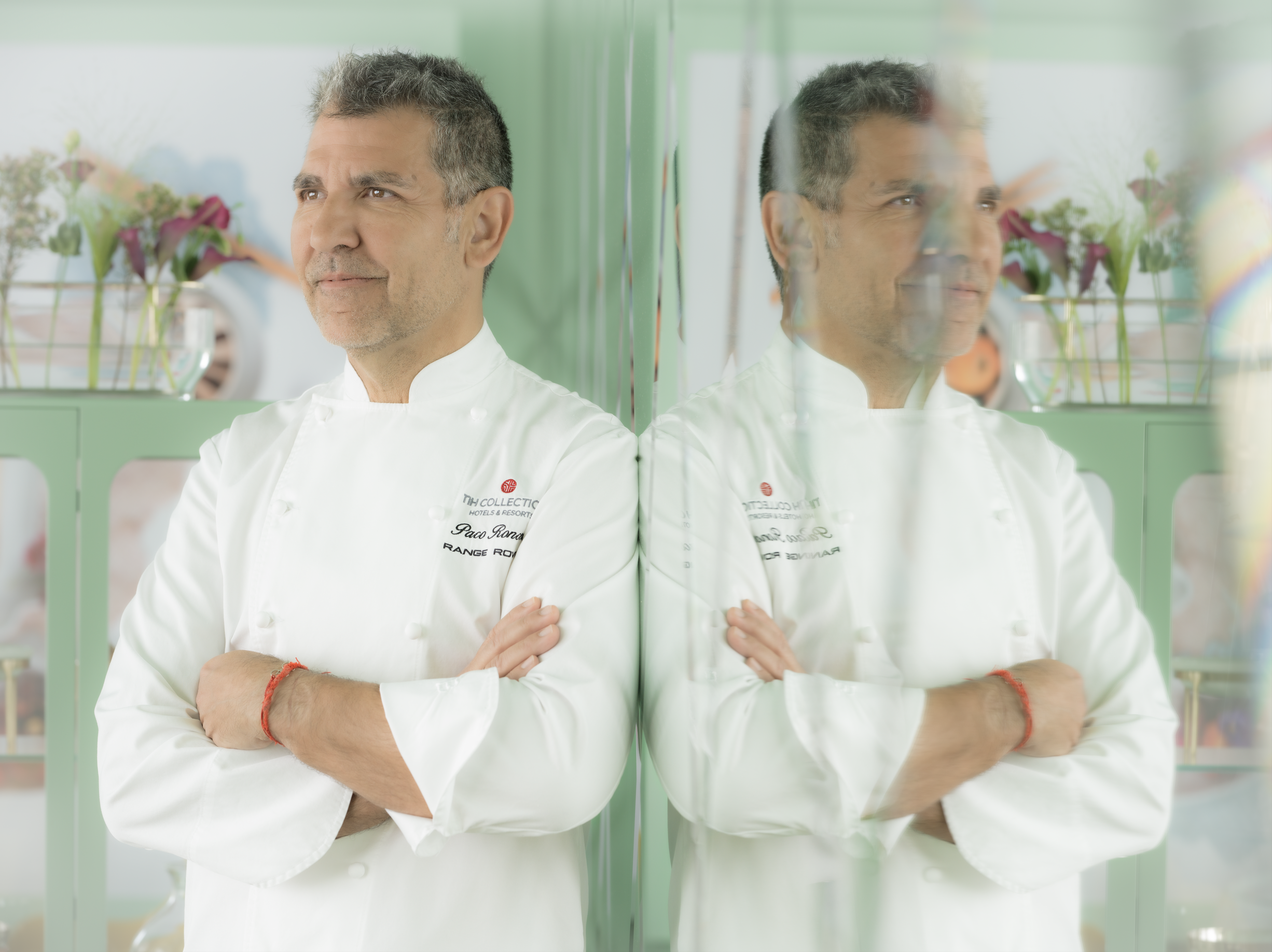
Your book The Silent Insurrection of the Chef feels like an intimate manifesto. What inner revolt does a chef confront after more than 30 years of creation?
The real insurrection is against routine and autopilot. After so many years, the danger is not failing, it is becoming complacent. The book talks about that internal struggle not to betray yourself, to remember that the protagonist is not you, but the diner, the team and the profession.
Your cuisine is inseparable from Madrid, its pulse, its texture, its soul. What does “cooking Madrid” mean to you at this moment in your journey?
Cooking Madrid means cooking a city that never stops traditional and cosmopolitan, popular and sophisticated at the same time. It means honouring the taverns, stews and markets, but expressing their current energy in a contemporary language. It is, ultimately, a way of saying thank you to the city that has shaped me as a person and as a chef.
You move fluidly between haute cuisine, technology, entertainment, and new concepts. As you open fresh chapters from software to nightlife to Las Vegas — what frontier still calls to you?
I am curious about the boundary between the physical and the digital: how technology can enhance the experience around the table without dehumanising it. From management software to new formats of gastronomic entertainment. And, on a personal level, I am interested in exploring how to balance such an intense profession with a more balanced life, in which continuing to create, train and share carry the same weight.