
IN CONVERSATION WITH CHASE DEMOOR
interview by JANA LETONJA
photography by DAVID CAVAN
Chase DeMoor is a modern crossover athlete whose career moves seamlessly between sports, entertainment, and digital culture. A former college football defensive lineman with professional experience, Chase first captured mainstream attention through Netflix’s ‘Too Hot to Handle’ and ‘Perfect Match’ before carving out a bold new lane in crossover boxing. Known for his imposing physicality, competitive edge, and headline-making matchups, Chase has become one of the most recognizable figures in influencer combat sports. With a massive online following and an unfiltered public persona, he represents a new generation of athletes redefining relevance beyond traditional arenas.
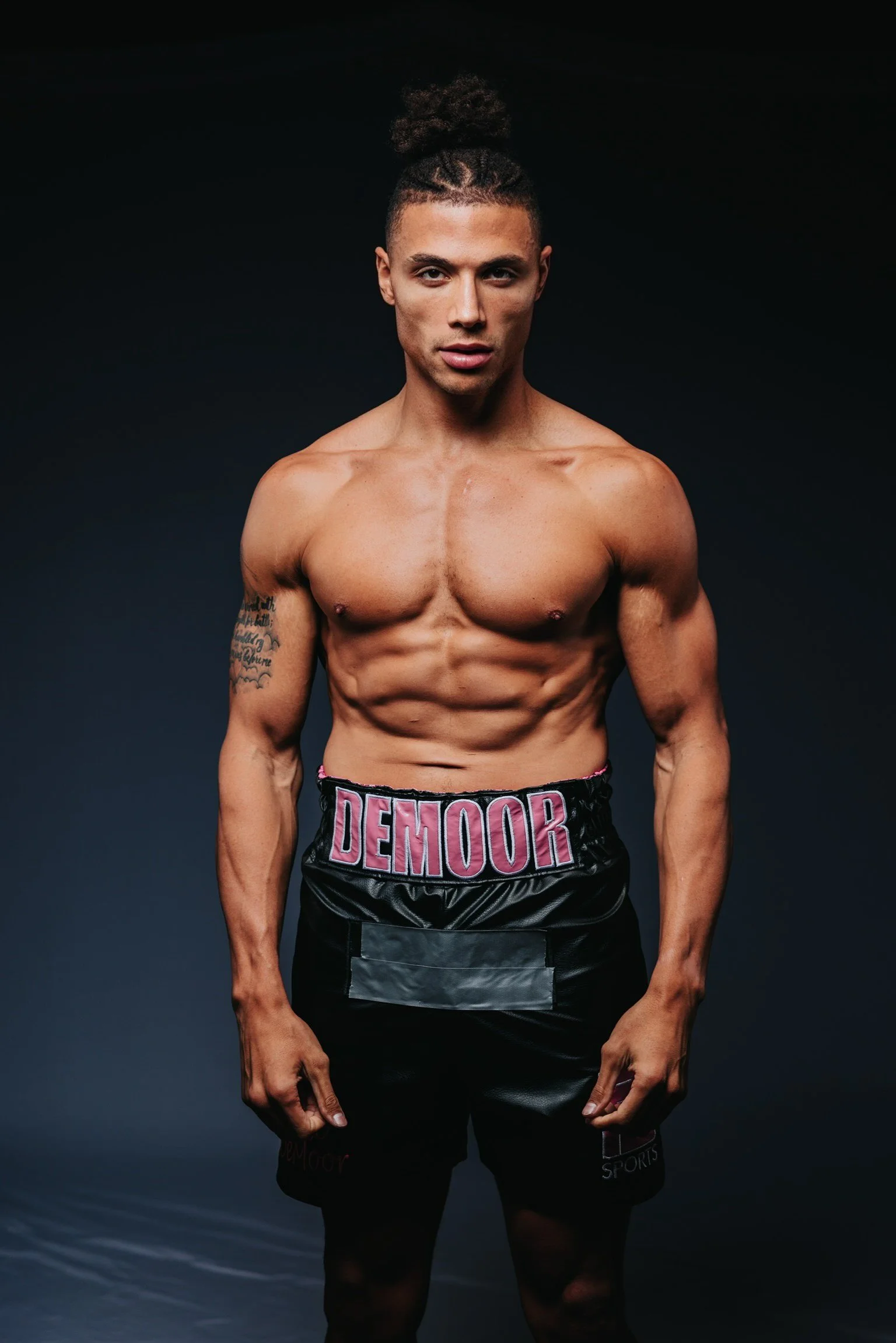
You began your career in traditional football. What mindset shifts were required to move from team sports into solo, high-stakes competition like boxing?
Transitioning from football to boxing required a fundamental shift in accountability. In football, responsibility is shared. Preparation, execution, and outcome belong to the collective. Boxing removes that buffer entirely. Success or failure rests solely on your preparation, discipline, and decision-making under pressure. That forced me to become far more self-aware, mentally resilient, and precise. There is no hiding in individual sport, and embracing that reality sharpened both my mindset and my work ethic.
How did your athletic foundation as a defensive lineman shape your approach to crossover combat sports?
My background as a defensive lineman gave me a strong foundation in leverage, explosiveness, and controlled aggression. Football taught me how to impose physicality while staying technically disciplined, traits that translate directly to boxing. I also came from an environment where preparation was non-negotiable, and that mentality carried over. While boxing requires refinement and finesse, my football roots gave me durability, mental toughness, and respect for structured training.
Reality TV introduced you to a global audience. What did you learn about yourself during ‘Too Hot to Handle’ and ‘Perfect Match’ that you didn’t expect?
Those shows taught me how adaptable I am under scrutiny. I didn’t expect to thrive in environments where perception, pressure, and personality are constantly evaluated. I learned that I could remain authentic while still being strategic, and that emotional intelligence is just as important as physical presence. Being on reality television forced me to confront how I communicate, how I react, and how I lead. Lessons that carried into business, sport, and life.
At what point did you realize entertainment could become a serious extension of your athletic career rather than a detour from it?
That realization came when I understood that modern athletes are not confined to one lane. Entertainment didn’t dilute my athletic identity, it amplified it. Once I saw that storytelling, audience connection, and performance could co-exist with elite preparation, it became clear that entertainment was not a distraction but a multiplier. It allowed me to control my narrative while expanding opportunities beyond the traditional athlete pathway.
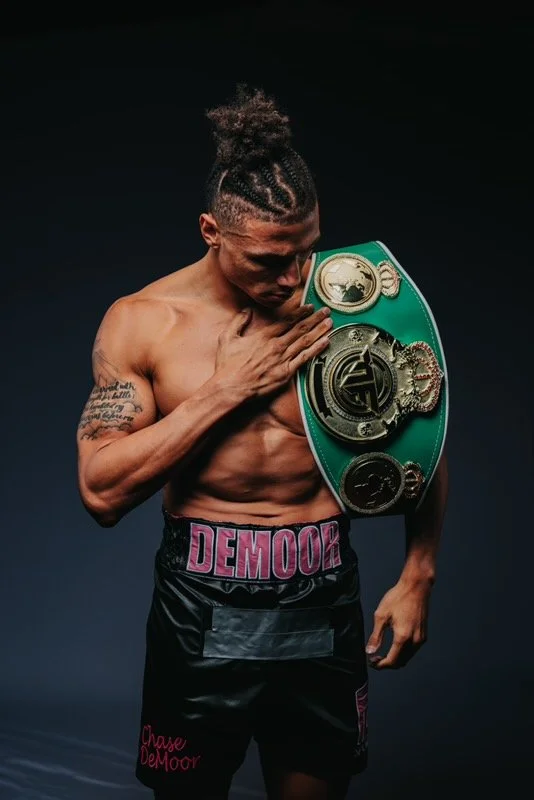
Your boxing match against Andrew Tate drew massive attention across sports and pop culture. What did that fight represent for you personally beyond the headlines and social media noise?
That fight represented validation. Not of public opinion, but of my belief in myself. It was the culmination of years of being underestimated, redirected, and challenged to prove legitimacy in unfamiliar spaces. Beyond the attention, it symbolized discipline over doubt and preparation over perception. It confirmed that I belong in high-pressure environments and that I can execute when the stakes are real.
Influencer boxing is often debated. How do you view its legitimacy within the larger combat sports world?
Like any emerging space, influencer boxing exists on a spectrum. When approached with professionalism — proper training, medical standards, and competitive integrity — it is legitimate entertainment and legitimate sport. It also brings new audiences into boxing, which benefits the ecosystem as a whole. The responsibility lies with the athletes to respect the craft and elevate the standard, not exploit the platform.
How do you balance showmanship with discipline when stepping into the ring?
Showmanship draws attention;,discipline delivers results. I separate the two intentionally. Promotion and personality belong outside the ropes. Inside the ring, discipline takes over completely. The audience may see confidence and presence, but what sustains performance is structure, repetition, and respect for the fundamentals. The balance comes from knowing when to perform and when to execute.
Social media plays a huge role in your career. How do you decide what parts of your life and training to share publicly?
I’m deliberate about what adds value versus what creates noise. I share moments that reflect work ethic, growth, and purpose. Not everything I do, but what aligns with my long-term vision. Privacy is a competitive advantage. Social media is a tool, not a diary, and I use it to communicate intention rather than impulse.
What’s the biggest misconception people have about you based on your reality TV persona?
The biggest misconception is that my personality defines my priorities. Reality television shows a fragment, often the most entertaining version, but it doesn’t capture the discipline, structure, and long-term planning behind the scenes. People are often surprised by how methodical and focused I am when the cameras are off.
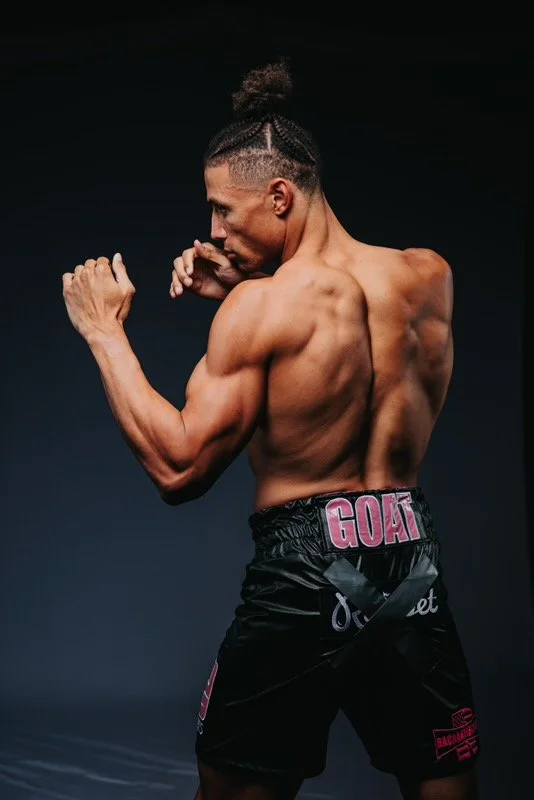
What is coming up next for you in 2026 and beyond?
The focus is expansion with intention. That includes higher-level boxing opportunities, continued growth in entertainment and media, and strategic business ventures that align with my brand. Long term, my goal is sustainability. Building a career that extends beyond competition while maintaining credibility in every space I enter.
