
IN CONVERSATION WITH CHIN HAN
interview by JANA LETONJA
With a career defined by quiet authority and magnetic restraint, Chin Han continues to command the global screen with roles that balance intellect and menace. This season, he returns as the iconic antagonist Shang Tsung in Mortal Kombat II, bringing a sharpened intensity to one of gaming’s most enduring villains. Expanding further into the world of epic storytelling, he also joins Avatar: The Last Airbender as Long Feng, a character defined by power, secrecy, and control. Moving seamlessly between blockbuster franchises and character-driven work, Chin Han occupies a rare space, where presence alone carries narrative weight.
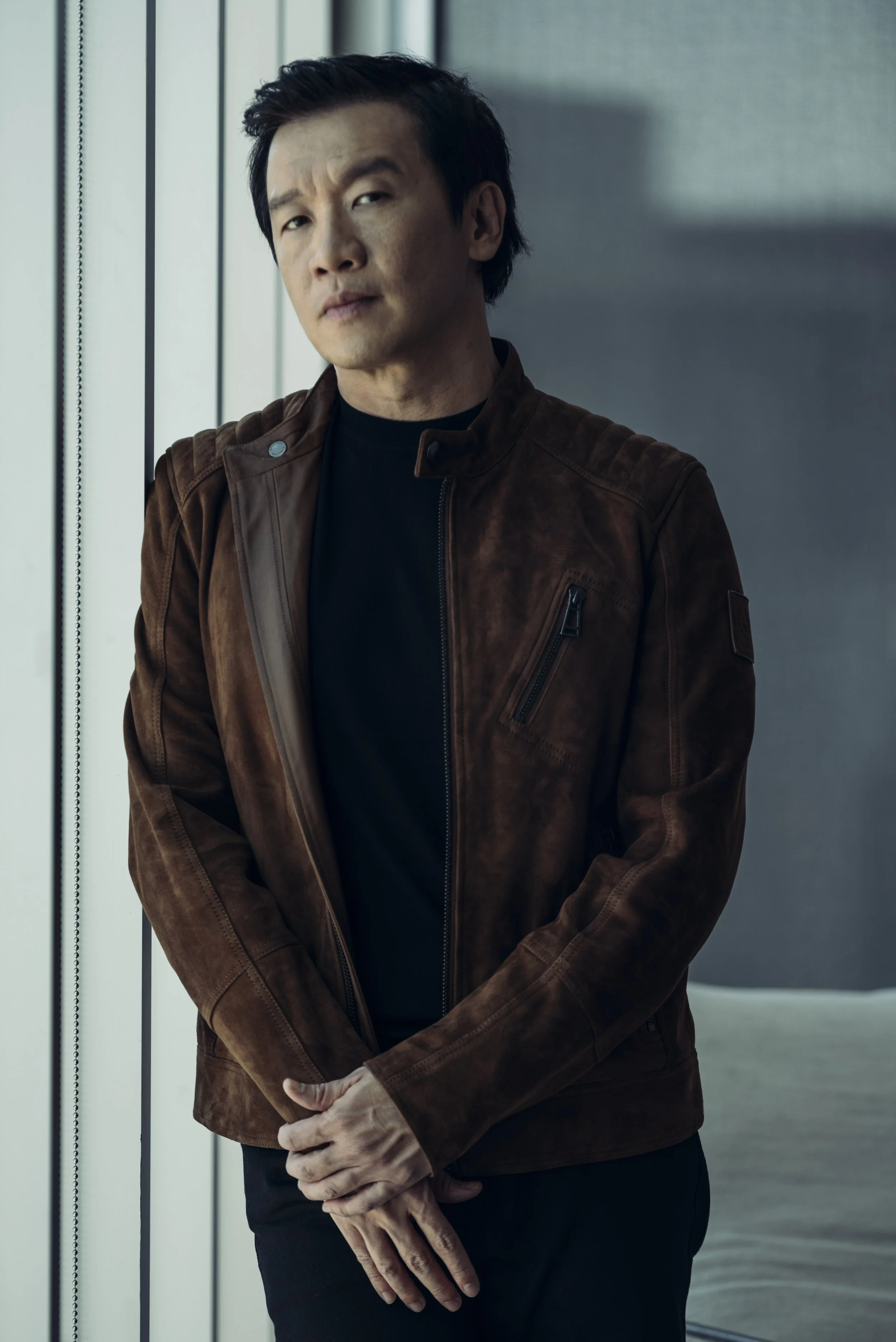
What drew you back to the role of Shang Tsung in Mortal Kombat II?
When we did the first Mortal Kombat, we were still figuring things out, from who the characters were and the story we were telling to the aesthetics of the world and the style of the fights. This time around, we had more time to consolidate our knowledge and put into action what we learned over the past few years. Fortunately, the first movie did well enough to warrant a second one, and being given another swing at anything is hard to say no to.
How does this version of Shang Tsung evolve from the 2021 film?
This version of Shang Tsung is more refined and constrained under the looming presence of Emperor Shao Kahn, who is now the big bad. So his intentions are more ambiguous, more opaque and hence more dangerous than ever before. He moves and lives in the shadows.
Shang Tsung is an iconic antagonist. How do you approach making him feel layered rather than purely villainous?
I think the first thing is to eschew the notion of him as a villain. Everyone is a hero in his own story. So, to Shang Tsung, winning Mortal Kombat is a heroic act to ensure the survival of Outworld. When you see it that way, his intentions become like yours or mine. How he decides to act on them however…
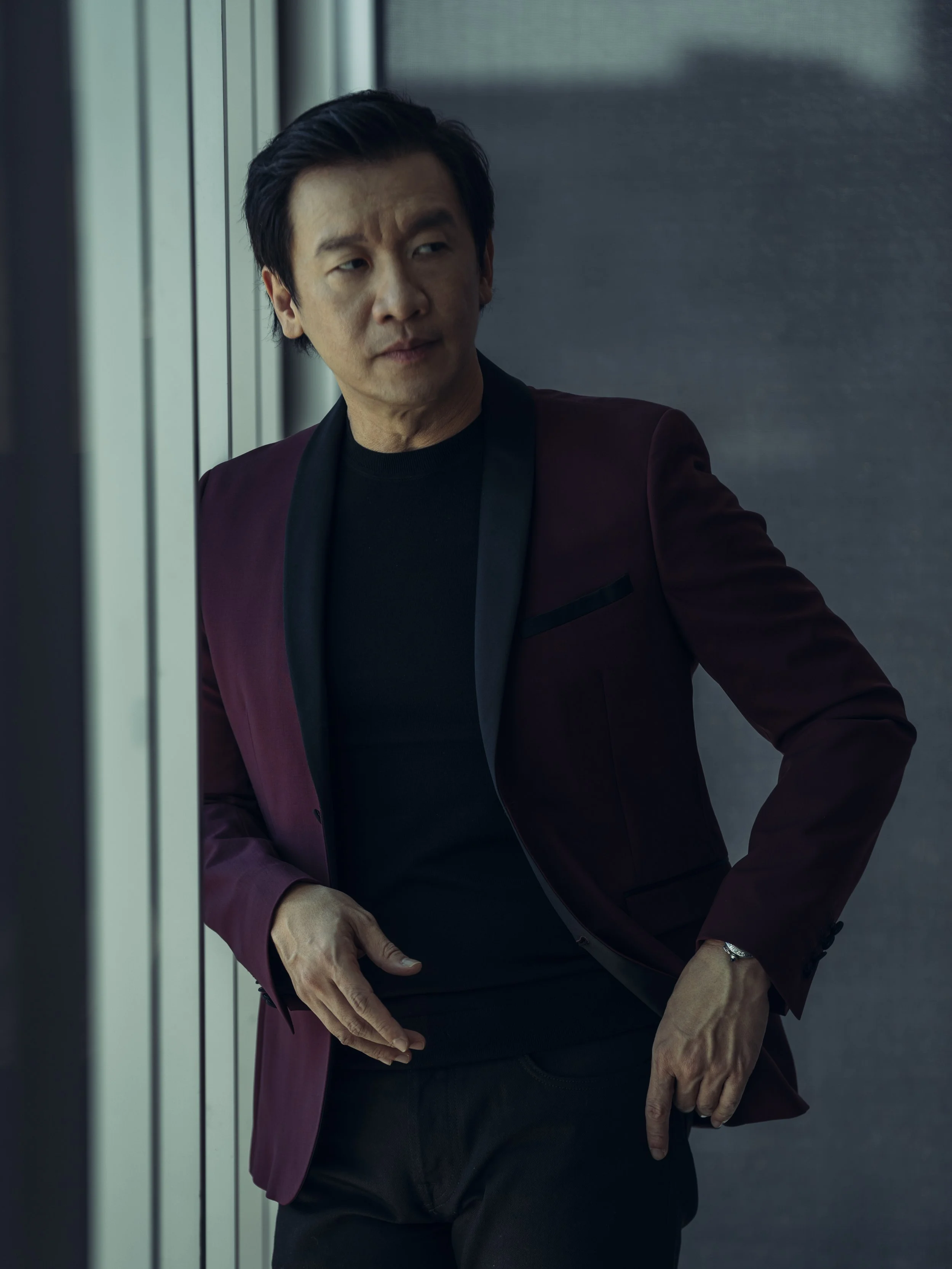
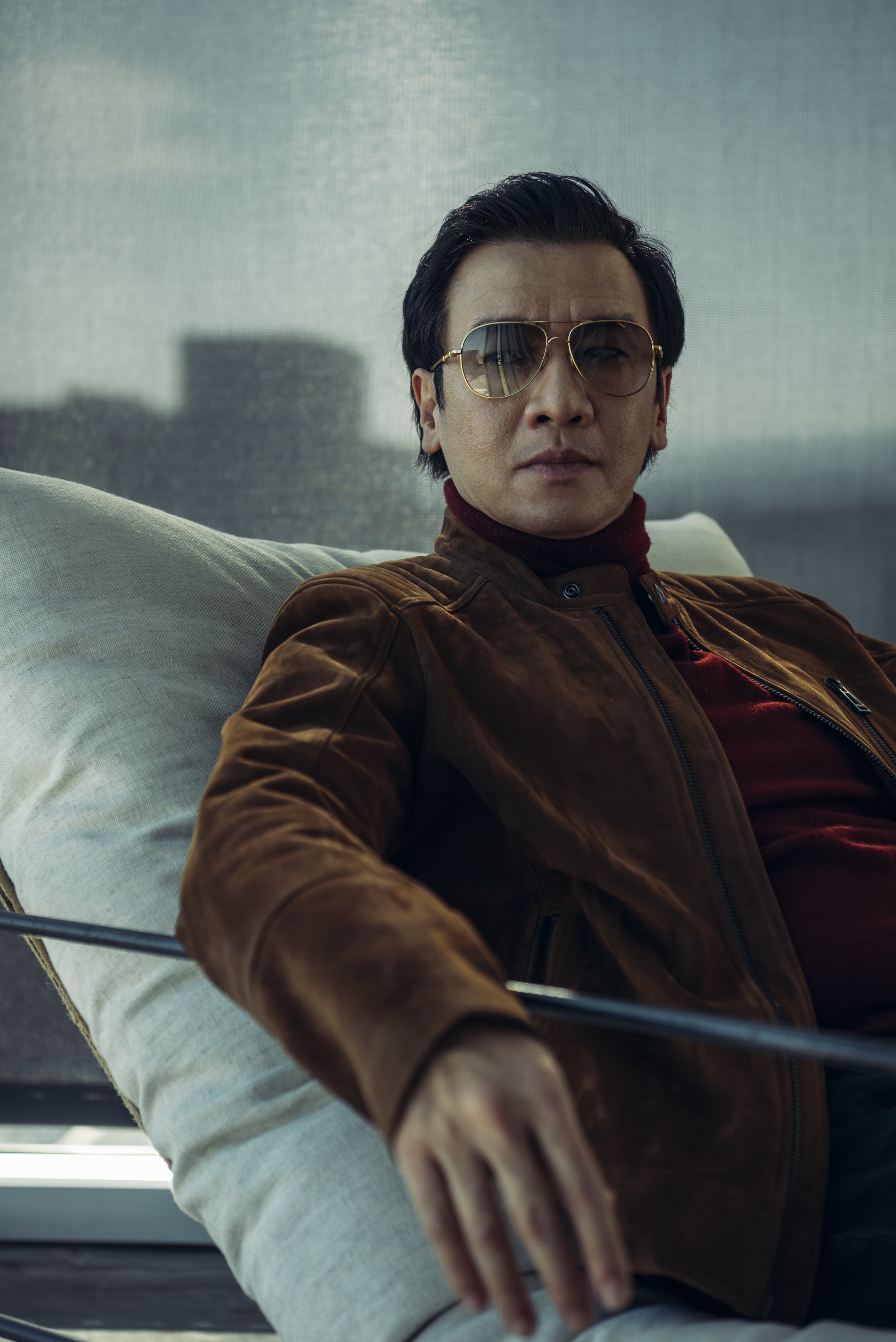
Do you see him as a figure driven by power, survival, or something more philosophical?
All of the above. Soul-stealing is definitely a matter of survival as he lives under a curse placed on him by the Gods. If he doesn’t do that, he will age and die. But his primary driver is power, as seen in his worn armor and the timbre of his voice in the first movie. In the second one, he is even more regal, with a more intricate, ornate look. As for his philosophy, I think he’s more hedonistic than stoic, preferring a steady diet of souls than fruit and salads. A little vampiric.
You’re also joining Avatar: The Last Airbender as Long Feng. What attracted you to this character?
Long Feng is another complex character whose motivations are not always clear. But he wields all the power in the Earth Kingdom as Grand Secretariat and does so by isolating his people from the rest of the world. He understands that information is power, and whoever controls its flow and nature, controls it all. And there are so many parallels in today’s world that make him a compelling study.
How do you approach portraying someone who operates through control and subtle manipulation?
It’s all about what you want and what you’re willing to do to get it. With a child, it could be as simple as wanting an ice cream and how that child goes about ingratiating himself with his parents. As we get older, the mechanisms and techniques become more sophisticated, but the impulse remains the same.
Both Mortal Kombat and Avatar have passionate global fanbases. How do you navigate that expectation?
Fans are very important to the life of these IPs, so there’s always care and consideration given to them. But that can be as helpful as it is stressful, hopefully in a healthy way, as the needs of audiences can vary from year to year, decade to decade and generation to generation.
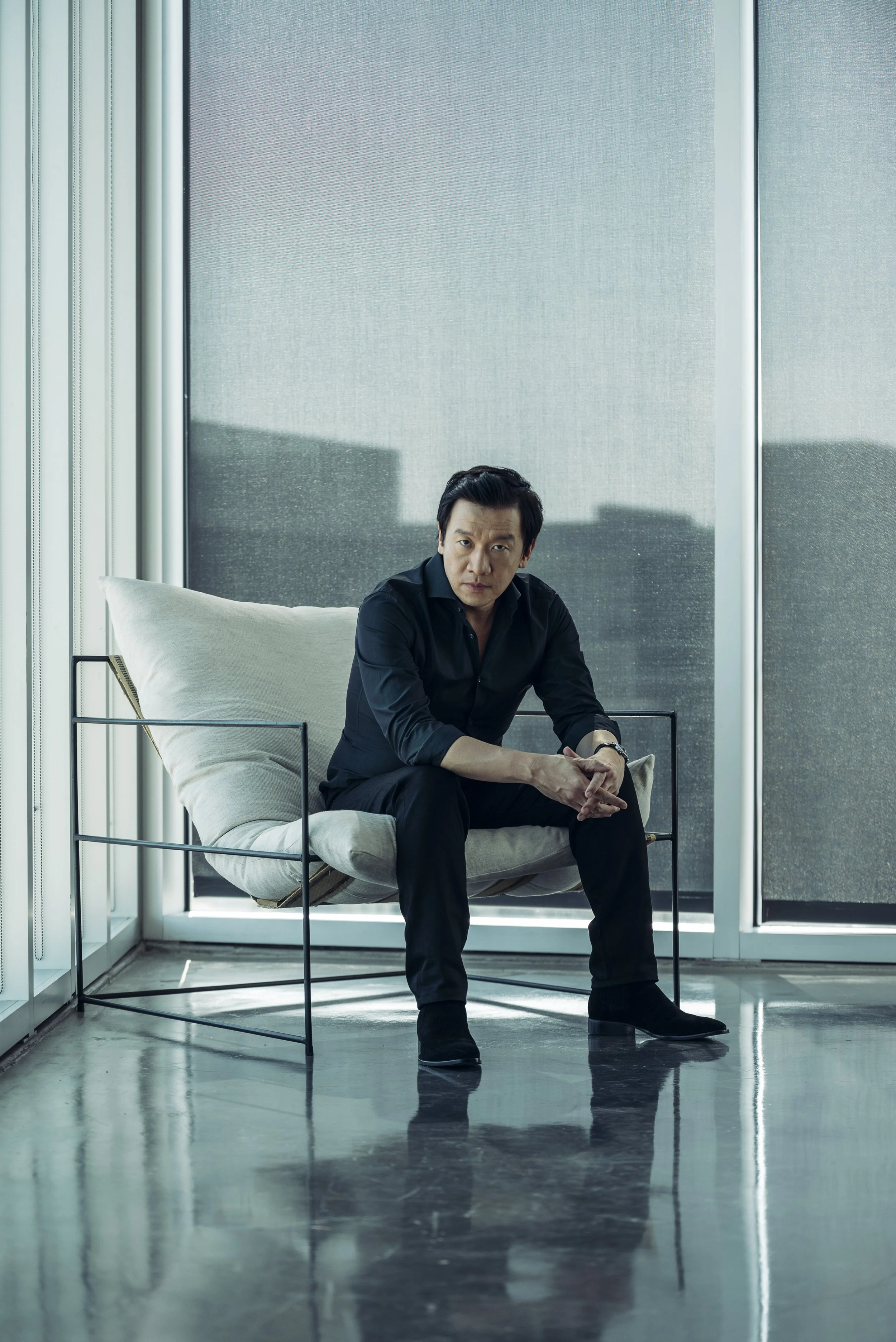
Your performances often rely on restraint rather than excess. How do you cultivate that on screen?
I’m quite a quiet person in real life, so it’s not that much of a stretch. And I personally like it when people slowly reveal themselves rather than all in one go.
You’ve moved between Hollywood, international cinema, and streaming. What draws you to a project today?
It’s funny these days, a filming location? Always a director, a writer, a co-star. Also, whatever is preoccupying me at the moment. Case in point, I’m fascinated by country music right now, so I’m thinking I might be open to any scripts set in Nashville at the moment.
You’ll soon begin work on The Big Fix. What can you share about that project?
Ah, that project has two of my favorite subjects. Soccer, which I’ve loved since childhood, and true crime. It’s like one of those old-fashioned thrillers about an international crime syndicate, and we will be traveling all over the world to film it.
After such a diverse body of work, what continues to challenge or surprise you as an actor?
I actually believe that the more we know about humans individually or collectively, the more we realize the unknowability of the human condition. It is a mystery wrapped in an enigma that continues to challenge me.
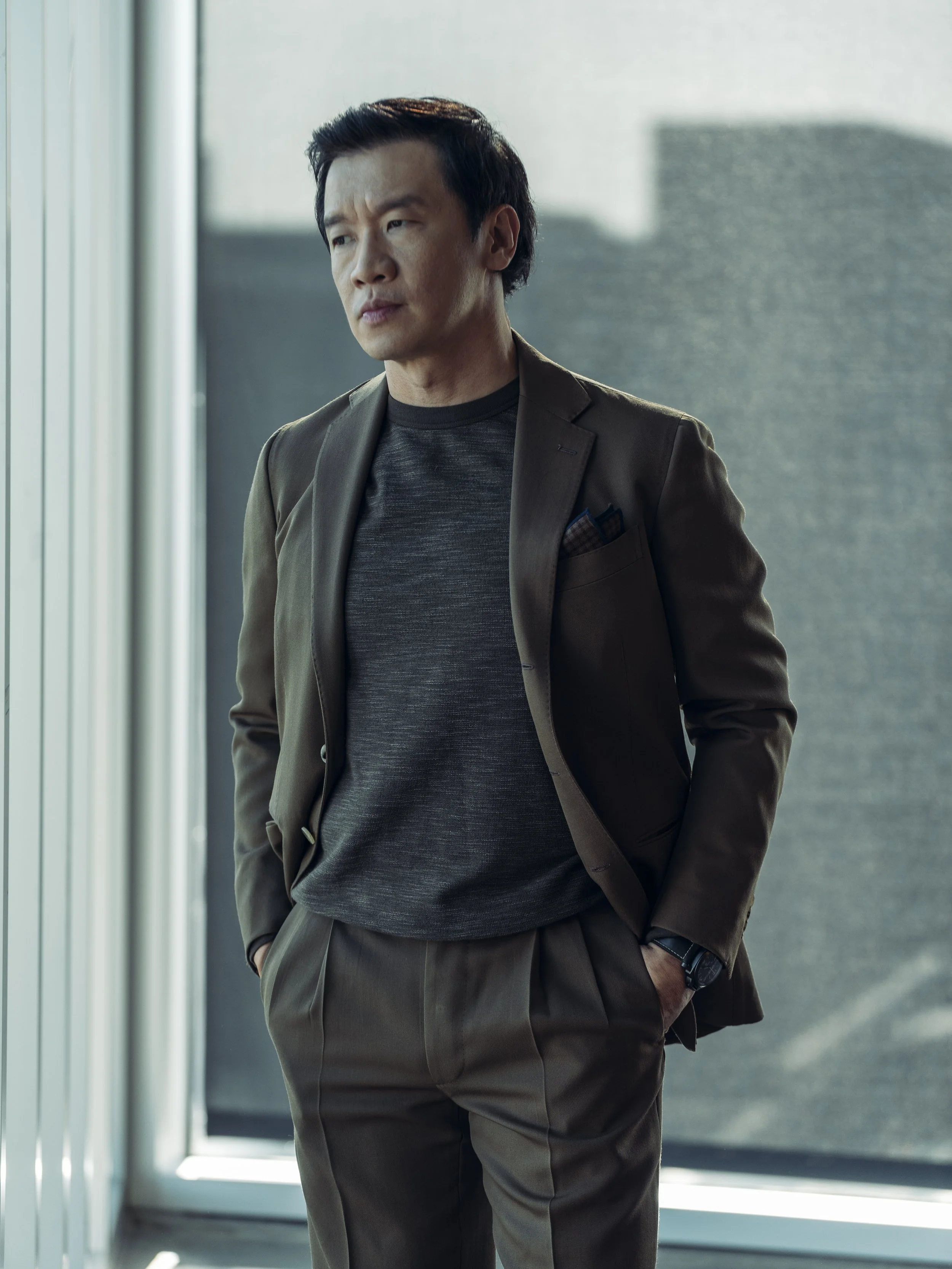
TEAM CREDITS:
photography RETO STERCHI
