
IN CONVERSATION WITH DORTE W. HØGH & EMILIE LEBECH KAAE
interview by SONNY NGO
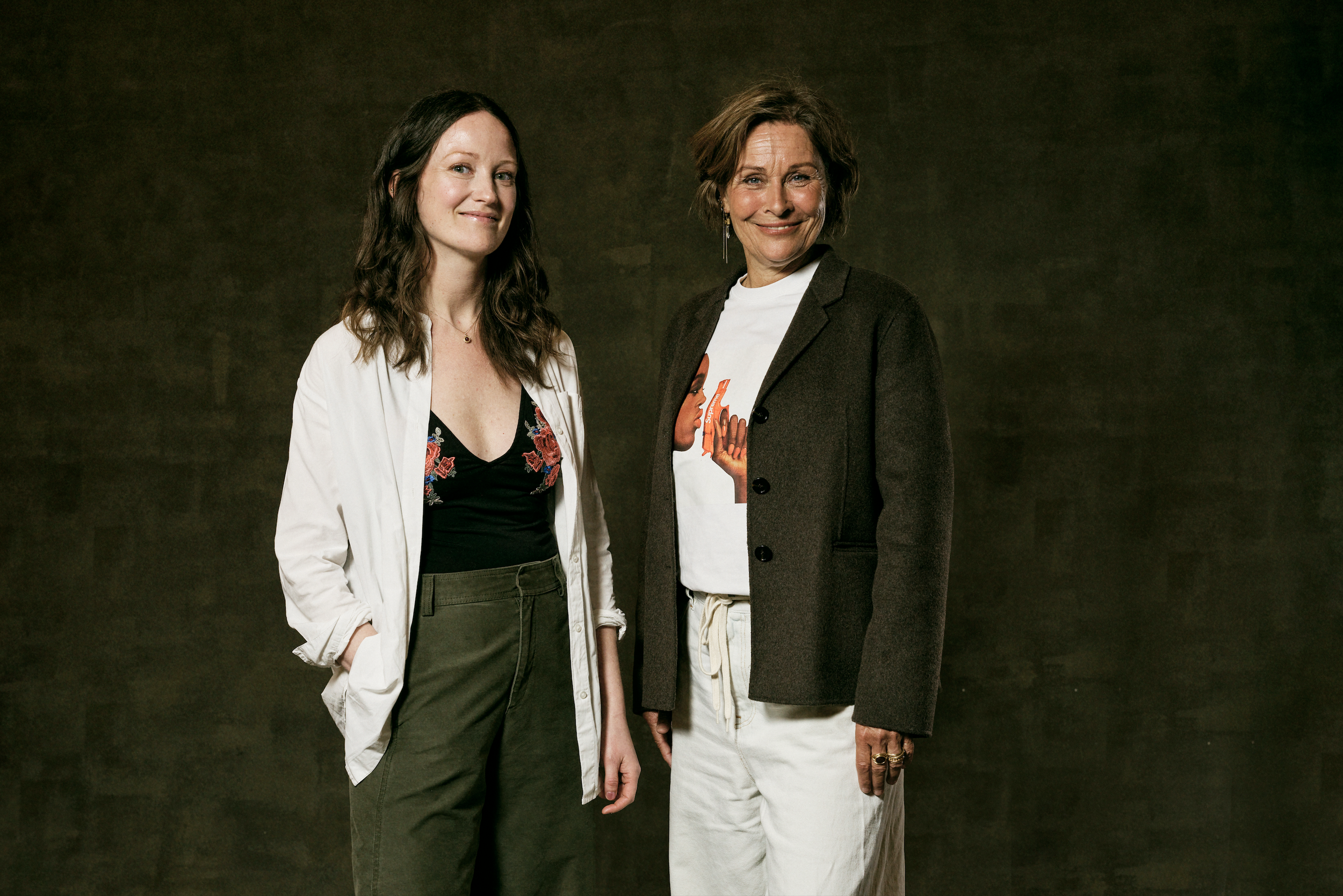
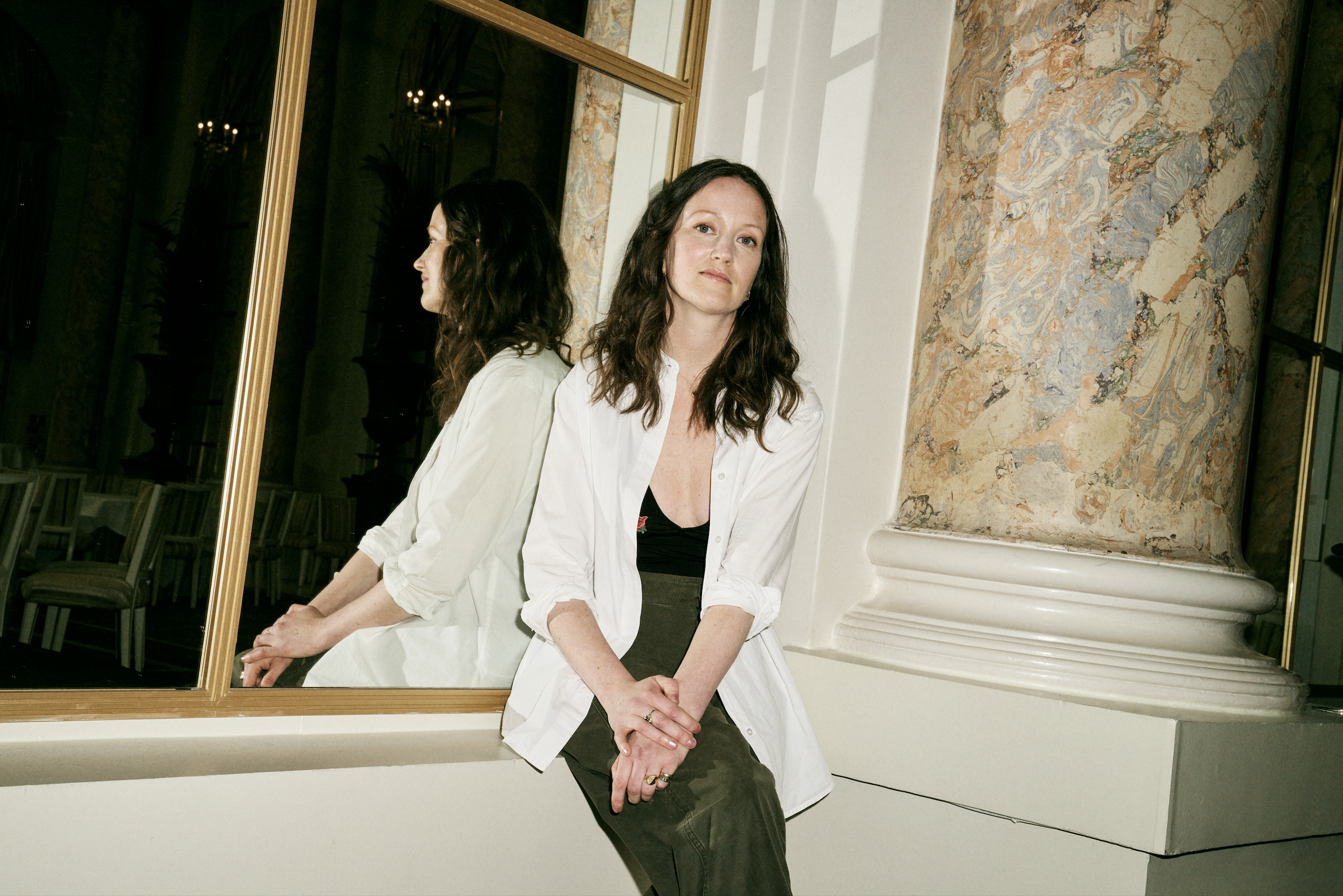
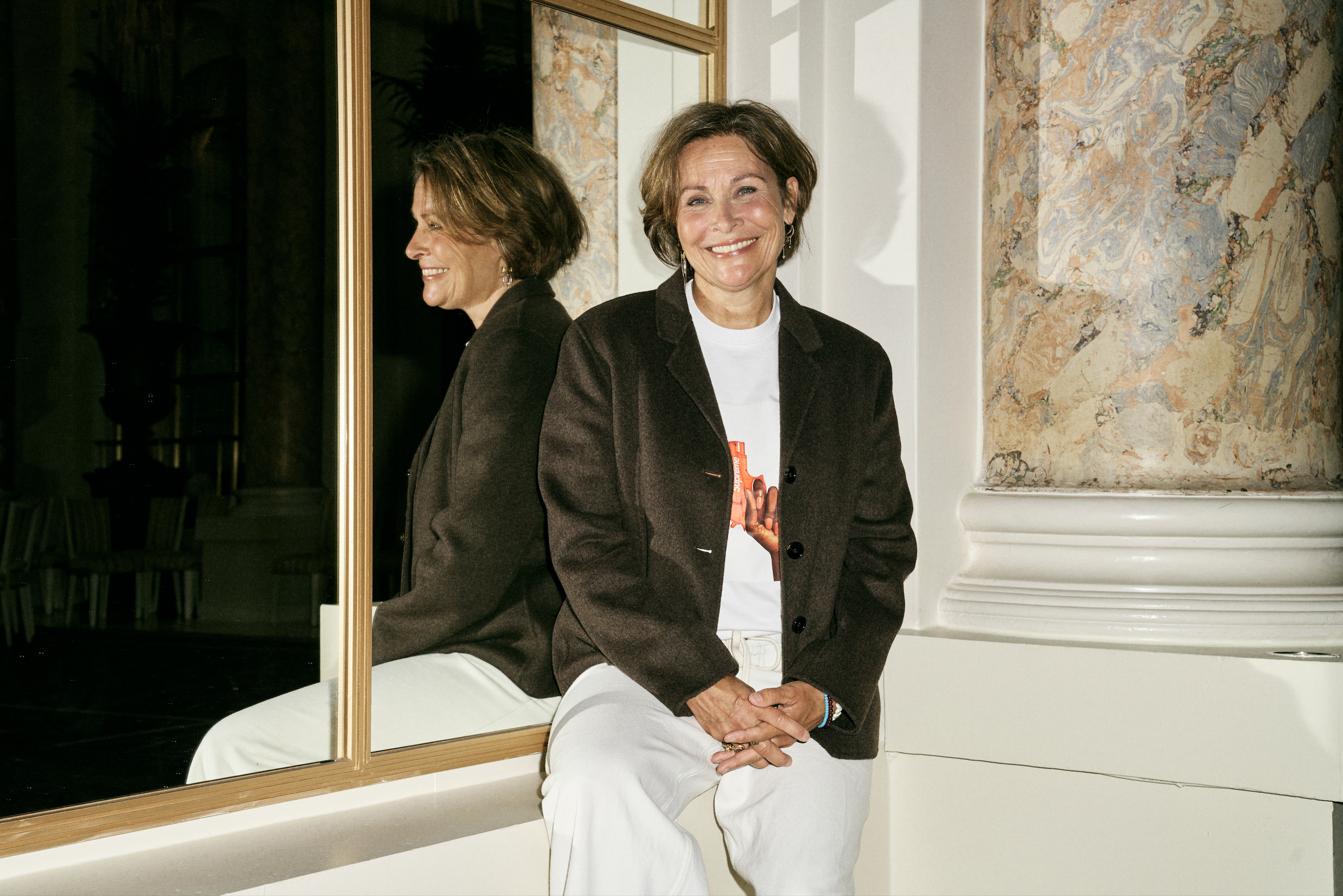
For the second season of the critically acclaimed Nordic hit series The Chestnut Man: Hide and Seek, Danish writers Dorte W. Høgh & Emilie Lebech Kaae return to the dark and psychologically thrilling world that captivated global audiences. Together, they reflect on their close creative collaboration, the intricate writing process, and the challenging decisions they had to make.
What was it like returning to The Chestnut Man after the success of the first season?
Dorte W. Høgh: It’s a nervous place to be in. There’s a lot of pressure, not so much by your surroundings, but very much within yourself. In my mind, it’s a lot of pressure anyway. But of course, it’s been fun, interesting, and lovely to come back to these characters and this little universe we can call our family.
Emilie Lebech Kaae: I was part of the development of the storylines in the first book, so I knew the entire world and the character quite well. But doing the actual writing this time was a different thing – to figure out how they talk and what kind of words to use and stuff like that. It’s been a really fun job and privilege to work within the universe. I really like it.
all images courtesy of NETFLIX
What was it like working together in the writing room?
DWH: It’s very close, because everyday it’s just the two of us. Sometimes it’s just us talking all the time.
ELK: It’s a bit like a work marriage. We spend a lot of time together and sometimes if I have a bad day, there she is. But I think we are quite good at focusing on the project and the ideas, and then finding the best idea. If we have that focus all the time then it’s quite a pleasure.
DWH: Indeed it’s a great pleasure, because the thought of being on your own with this enormous puzzle…Six episodes is a huge amount of scenes, action, storylines, and characters – my mind would explode. So we share it, which is very important to me.
Do you each focus on individual parts or is it a collaborative moment from the start?
DWH: We storyline the whole thing together and then we write every second episode. We actually split it up and we also have very different writing processes. I start from the beginning and I need to write chronologically.
ELK: And I do all the easy scenes first (laughs). I think I am much more focused on the plot all the time and Dorte often asks “but what do these characters feel?” And I don’t care as much, because we need to focus on the plot! I think combined we get there. The first drafts are really difficult plot wise and that is when we really lean on each other to make sure the plot is right. Afterwards, when we add the feelings it’s a different vibe.
DWH. And then something else happens in the room. It’s two different ways of thinking, because the plot has a lot to do with math. Of course, you need to find the bad guy. Why is the bad guy doing the bad things? You need some kind of psychological journey, but apart from that the whole way of figuring out who dunnit is mostly mathematics. And it’s difficult because you sometimes have to send your characters in the wrong direction. In a way, everybody knows it's the wrong direction, because we’re only two episodes in and we know we aren’t going to find the bad guy already. But people do not want to be bored, so they have to feel that even if they are going in the wrong direction they are actually getting some vitamins in a sense.
ELK: At least, they get something different from what they were looking for, which points to the next plotline.
Hide and Seek focuses on stalking and the role of technology. What drew you into this aspect?
DKH: It’s very scary even though we are all addicted to it. I think the scary part is that, mainly in Denmark, this year there’s been a lot of crimes within families and relationships where men stalk women and kill them. There is a lot of severity behind all this stalking, because it gets so crazy to the point where people have a hard time letting go of each other.
ELK: It’s everywhere at different scales, because we follow each other on social media so we know what’s going on in each other's lives. Of course it’s not to the same extent as stalking, but if you see an ex on Instagram you can always follow each other since all of us are on our phones all the time.
DWH: And it’s scary because the police – actually everybody – can see what you are doing at all times. I’m not sure we realise how dangerous that actually is, but this new season gives a little peek into it.
How do you see the dynamic between Naia and Mark evolve from the first season?
ELK: This season we tried to make it more of a love story. It’s a crime story of course, but it’s also about the difficult love between the two of them. We know what happened to them in the first season, but there’s been some years between then and the start of the second season. As a viewer, you don’t really know what happened to them, but you know something happened. It’s been really interesting to work with that and place that in the plot.
DWH: We have sort of skipped the part where they actually had a good time together and where they had a working relationship. We go straight to them being exes in a way, and by the second season they have a bit of a problem communicating and telling each other about their feelings.
Halfway through the season there is a major turning point. Without giving anything away, what did that moment mean to you and how did it come about?
ELK: That was really difficult to write. The story is based on a really popular book, and we wanted to give something else to the audience when they watched the show. The director walked in the door and came up with this idea and we were all like, “No, no, no!,” but once we discussed it, it made sense. It really turns the plot around and makes it a lot more personal, since the detectives are getting personally involved from that point on.
DWH: It marks a shift in tone and tempo within the six episodes, since it is the middle point. From there on, it changes the series quite a lot in terms of action, drama, and speed. We made changes that we are now stuck with, so it’s going to be different. It was quite a difficult thing to do – a good thing, but a difficult one.
If you take away the crime elements of the series, what does the story emotionally mean to you?
DWH: To me, there is a theme about divorce as well. It’s also about someone leaving you, finding another family, and remaining with questions about the children and those left behind.
ELK: And creating families based on that scenario, and with people who’ve been married before, possibly with kids. That element is top of mind for both of us.
What are you looking for next after finishing this season?
DWH: We would really like to make a third season. We actually already got an idea, but I think what’s in our minds right now is if we could do it and if anybody would want it.