
IN CONVERSATION WITH SIMON HELBERG
interview by JANA LETONJA
Simon Helberg enters a compelling new chapter with The Audacity, AMC’s Silicon Valley–set drama from Jonathan Glatzer, which premiered this April. Known for his remarkable range—moving effortlessly between comedy, drama, and auteur-driven cinema, Simon continues to redefine his career well beyond his iconic role as Howard Wolowitz on The Big Bang Theory. From Golden Globe–nominated work in Florence Foster Jenkins to standout performances in films by Leos Carax and the Coen Brothers, he has become one of his generation’s most unpredictable and quietly daring actors.
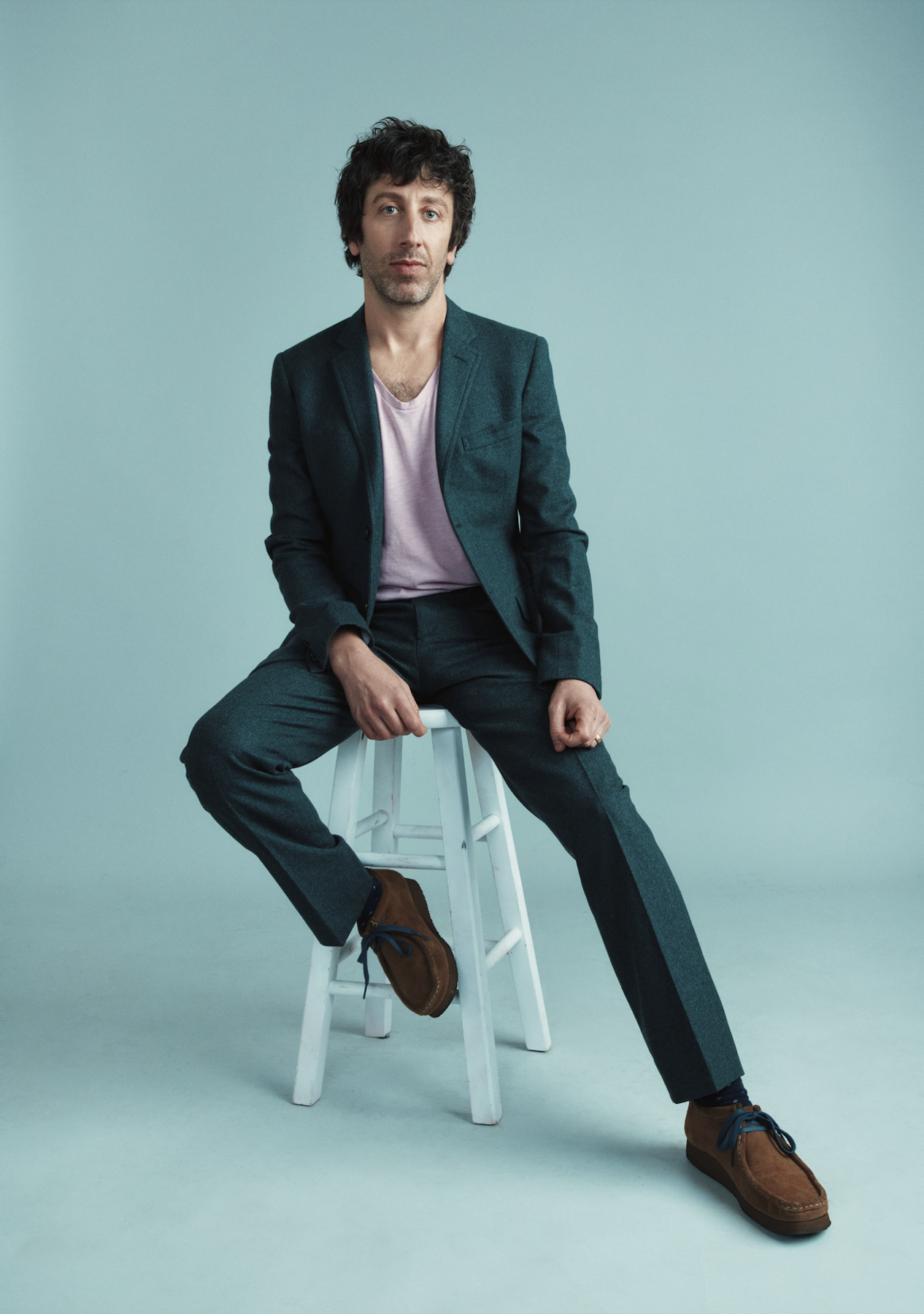
The Audacity marks a return to long-form drama. What initially drew you to this project and to Jonathan Glatzer’s vision?
Everything begins with the writing. If you're lucky, once in a while, you read a script that jumps off the page. Words that beg to be spoken aloud. Before the story even starts, Jonathan laid out the characters in a preface, delineated by family, like you would see in a Shakespearean tragedy with all the incestuous overlap. Lots of hyphens.
How would you describe the world of ‘The Audacity’ and where your character fits within it?
The world exists within this tiny bubble, literally a little valley with a handful of people who are currently determining the fate of humanity. My character, Martin Phister, is a bit of an island unto himself, a pariah. He's holed up in his garage working on his masterpiece, an AI companion for alienated teenagers, all the while ignoring his own teenage daughter. Relative to the other Silicon Valley archetypes, his interests are less power centric and more altruistic. Of the two Steves, he'd be the Woznaiak.
Silicon Valley has been mythologized on screen many times. What feels different or sharper about this series?
We really get to feel the small town, day-to-day existence of these titans. The love affairs, the therapy sessions, the dinner table. There is an urgency to everything and a wonderfully soapy quality to this world because the stakes are so impossibly high. That sets the scene for a kind of dark comedy that I just love, where if you weren't laughing you'd be crying.
Your career has balanced comedy and dramatic intensity. How does The Audacity challenge or expand that balance for you?
What's beautiful about Jonathan's writing is that it allows for equal parts drama and comedy. Often in the same scene. It's an incredibly funny show, but I'm never focused on landing a joke in the way I might be if I was doing a sitcom or a sketch. And that's incredibly liberating, because it allows for more dimension. The cast is so brilliant and everything is played totally grounded with as much humanity as possible.
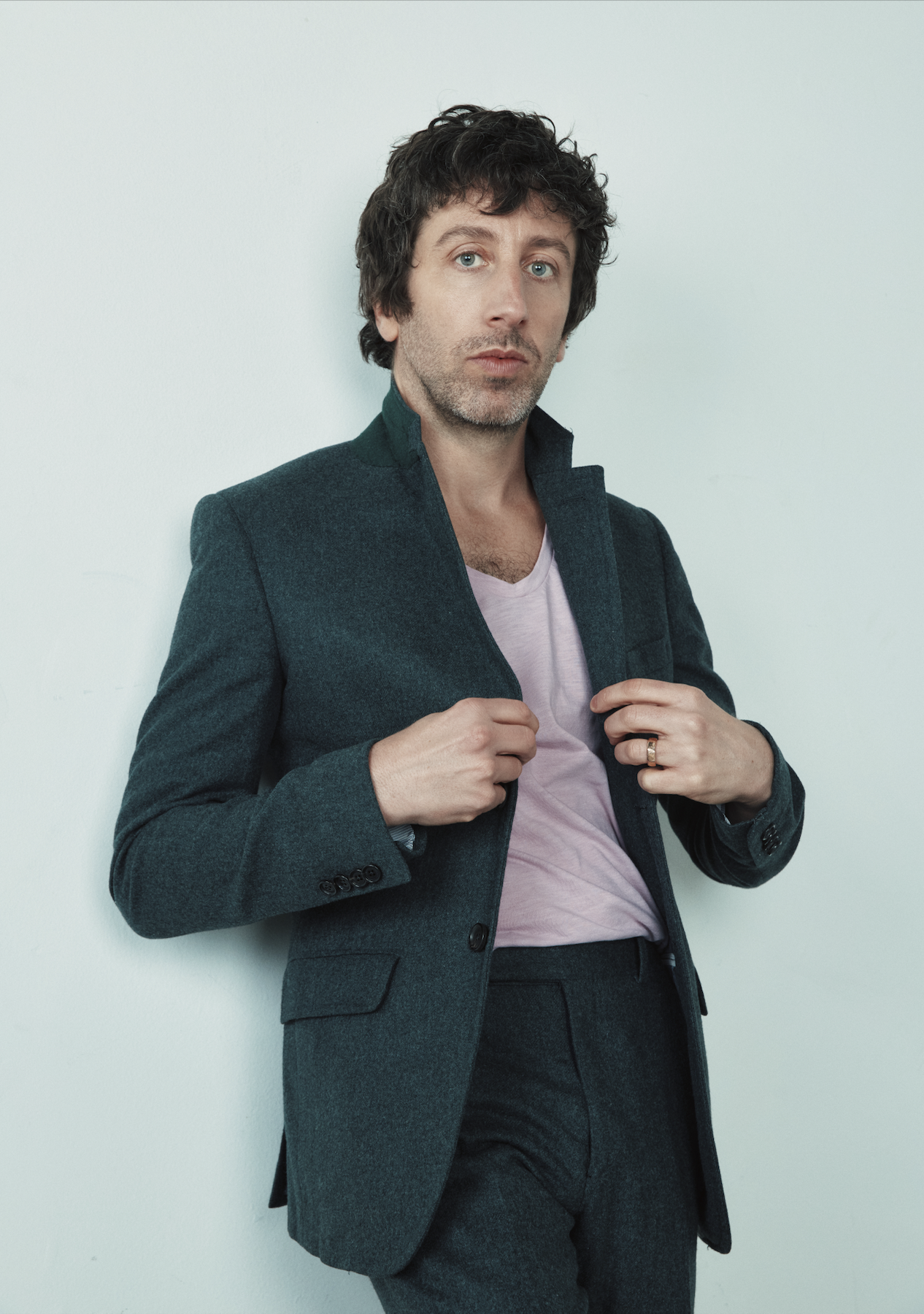
What excited you most about telling a story rooted in tech culture, power, and modern ambition?
It feels like we are truly at the tipping point. We have completely given up any semblance of privacy and are all unilaterally addicted and beholden to technology. How did this happen? This show isn't going to solve these problems, but I think there is something cathartic and maybe constructive that comes from playing it out, from laughing, from venting together.
You recently reprised FBI Agent Luca Clark on Poker Face. What keeps drawing you to morally complex or offbeat characters?
We are all so many things. We all have so many blind spots and I think there is always this rub between sticking to our values and being corrupted by self-interest. That's what makes us human and those types of characters are the most compelling to me.
Looking back, how do you feel The Big Bang Theory continues to inform, or contrast with, the choices you make today?
I was on the last ship out. The Big Bang Theory was the end of an era. Network television that people would gather around with their families to watch every week, for 12 years. That allows for audiences to invest, to grow with you. It also means that there is a deep association out there with me as the character I played on the show, so I'm conscious of making hard left turns and always looking to play different kinds of people.
Your Golden Globe–nominated performance in Florence Foster Jenkins was deeply human and restrained. Do you see echoes of that sensibility in your newer roles?
I'm always hoping to find more restraint, more grounding. I think with more recent roles, I've been lucky to play a real variety of people and that gives me the opportunity to show a wider spectrum of colors. The character of Martin in The Audacity is introverted, he doesn't have many tools in his emotional toolbelt, there's no subtext with him, and he's incapable of participating in any kind of social contract. So he's naturally restrained.
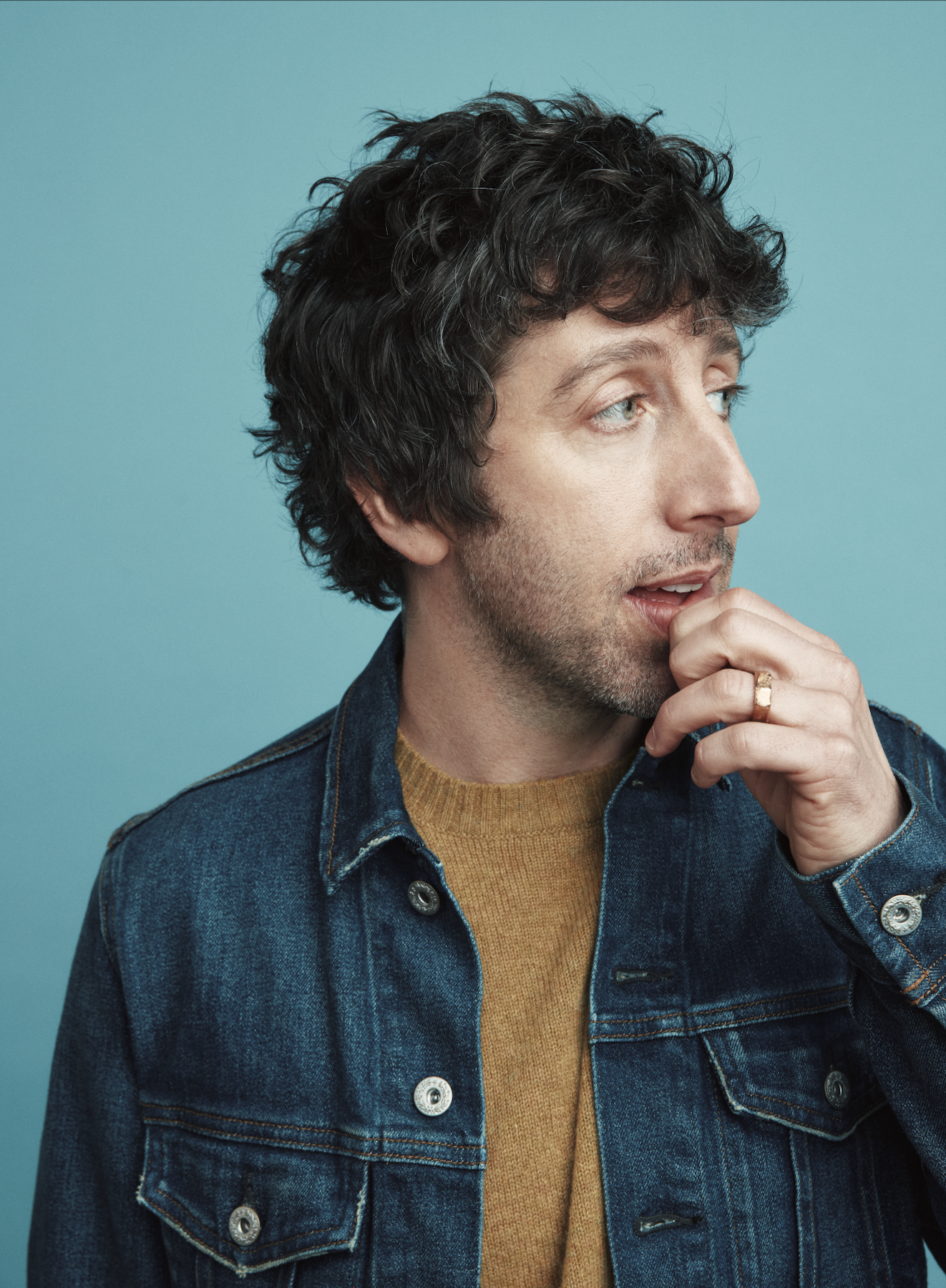
What themes in The Audacity feel especially timely or unsettling to you right now?
All of them. There's a kind of reverence around power and success, particularly in America, and I think we ultimately lose the plot of why we're all here on this planet. The life part of life. If it's all just an arms race to get to the top, to be more efficient, more wealthy etc., then we're going to become so alienated that we'll miss out on the human experience.
How has your relationship with risk changed as your career has evolved?
I can afford to take more risks. To be more choose-y. Sometimes the risk is how you know it's right. But I also generally have to fight for the roles I want so by the time I get the part, I'm just so happy that I get the opportunity to take that risk.
What excites you most about where storytelling on television is headed right now?
I'm excited by the prospect of artists creating their own content. It feels like as corporate interest move towards fully commandeering the ship in Hollywood and the music industry, it also paves a way for people to get scrappy. And technology, with all its faults, has also made it possible to shoot movies on our phones, and record albums in our bedroom, so I'm hopeful that this dynamic will put the power back into the hands of artists.
When you look ahead, what kind of projects feel essential for you creatively, not just professionally?
I'm finishing my first album. I am so thrilled to share this music with people. It feels vulnerable and risky, but that means it's right. And in all the doomsday tech stories we focus on in The Audacity, how lucky are we that we live in the time of Logic, where you can record a big album in small rooms.
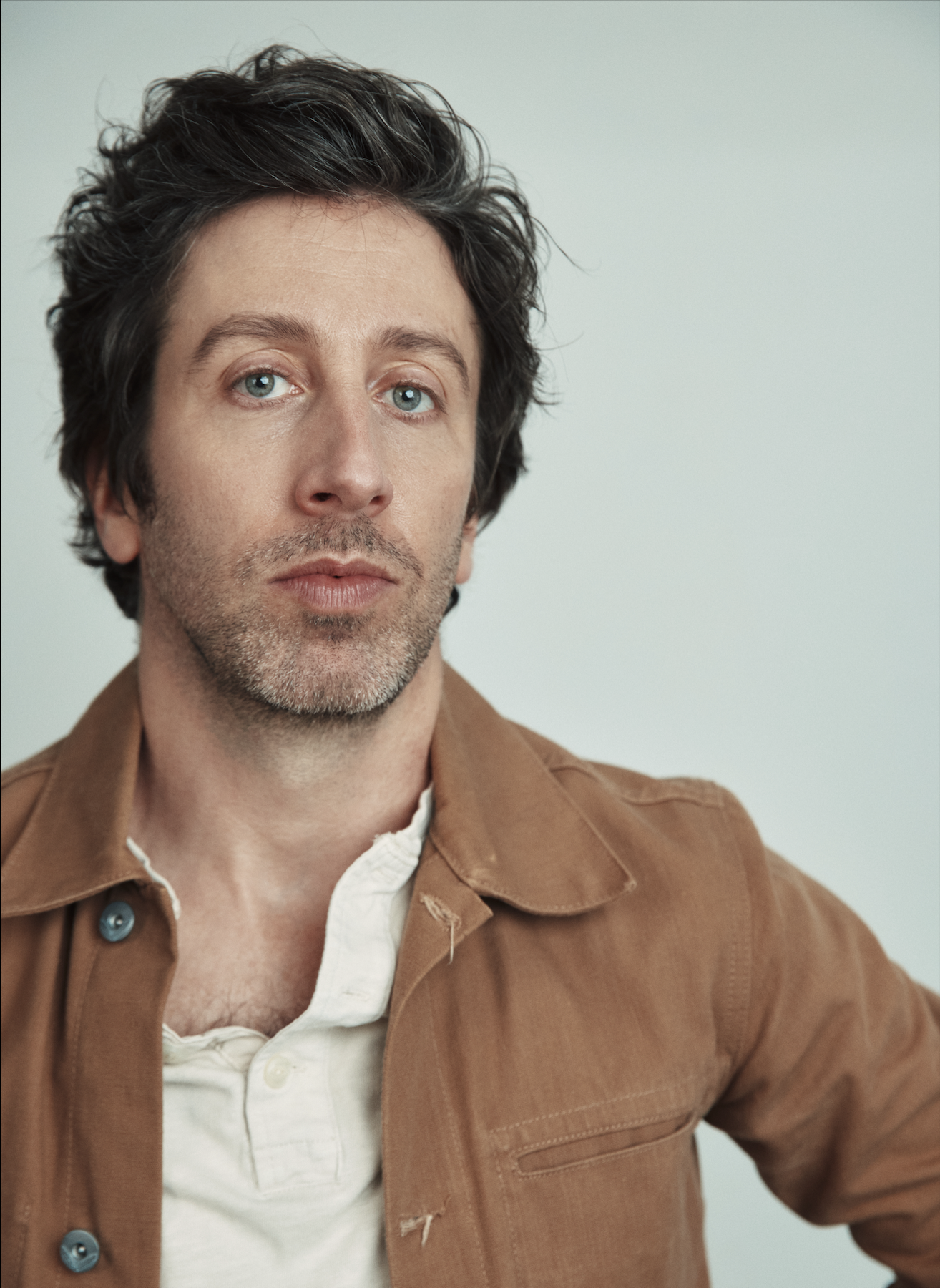
TEAM CREDITS:
photography SELA SHILONI
styling ANNIE PSALTIRAS
hair and makeup KIKI HEITKOTTER
