
IN CONVERSATION WITH LEE CHAEYEON
interview by JANA LETONJA
Lee Chaeyeon returns with her highly anticipated fourth mini album Till I Die, a project that dives into the emotional complexity of life in the spotlight, balancing vulnerability, resilience, and self-discovery. Formerly a member of IZ*ONE, she has evolved into a confident solo artist under DayOneDream, known for her performance strength and distinct musical identity. Led by the retro-inspired dance-pop track No Tears On The Dancefloor, the release blends cinematic sound with introspective storytelling, marking a new chapter in her artistic growth.
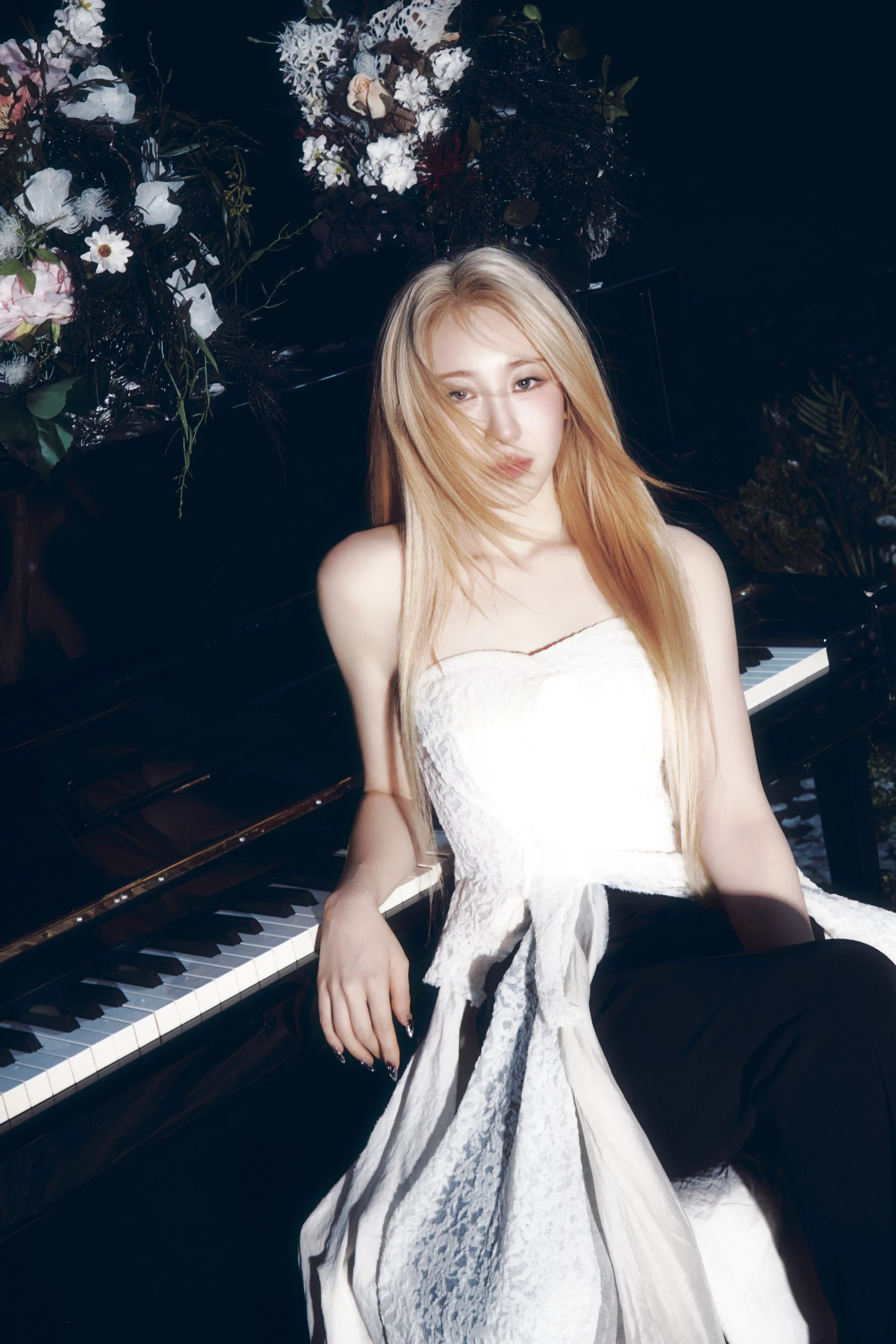
Till I Die feels deeply personal. What was the starting point for this album?
Since it had been a while since my last comeback, I found myself thinking more deeply about this album. It started from a desire to honestly express the emotions I’m feeling now, the situation I’m in, and the message I want to share. Rather than showing a polished or curated version of myself, I wanted this album to reflect who I truly am at this moment.
What does the title Till I Die represent to you?
The title carries the meaning of “wanting to stay on stage until the day I die.” It also represents the way I continue to live through the stage without stopping, no matter what happens. It’s a title that reflects both my mindset and my determination.
How does this project differ from your previous releases?
I think I became much more honest compared to my previous albums. Through both the music and the performances, I spent a lot of time thinking about what truly feels like Lee Chaeyeon, and I tried to express my own color more clearly.

Can you tell us about the inspiration behind No Tears On The Dancefloor?
It started from a desire to keep moving forward, even during difficult moments. On stage, no matter what emotions I may be carrying, I always want to transform them into energy, and those feelings naturally became the foundation of the song.
What drew you to the retro Nu-Disco sound for the focus track?
I thought it was important to have a rhythm and energy that matched the performance well. I was especially drawn to the unique groove of Nu-Disco because I felt it could be expressed in a more free and lively way on stage.
How do you balance vulnerability and strength in your music?
I think the most important thing is not hiding my emotions as they are. While expressing honest feelings, I also wanted to show the strength that allows me to lift myself back up.
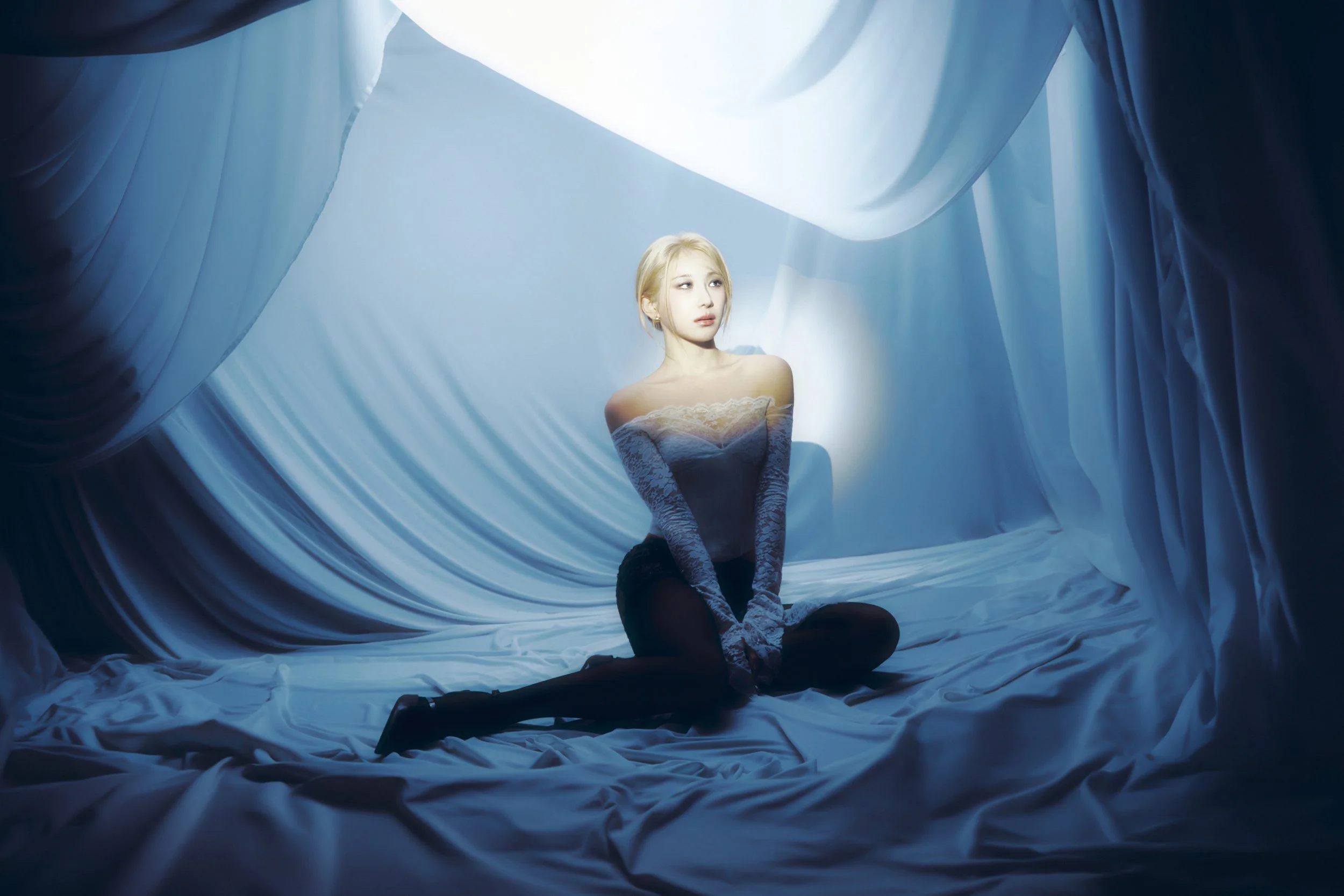
How has your journey since IZ*ONE shaped your identity as a solo artist?
Through various experiences, I think I’ve come to understand myself much more deeply. All of those moments shaped who I am today and helped me become more certain about my direction as a solo artist.
How do you approach storytelling through both music and choreography?
I try to naturally connect the emotions I want to express in the lyrics with the choreography. I believe that when music and performance come together as one, the message can be delivered in a much more genuine way.
How do you handle the pressures of being in the spotlight?
I can’t say there’s no pressure at all, but I try to see it as an opportunity to grow even more. I focus on myself and try to take things one step at a time.

In what ways have you grown personally and artistically since your debut?
I think I understand myself much better now than before. Emotionally and artistically, I feel like I’ve become stronger and more grounded, both as a person and on stage.
What inspires you creatively outside of music?
I think the small emotions I experience in everyday life often become the biggest inspirations. I’m also greatly influenced by films, performances, and my experiences with other people.
What’s next for you following Till I Die?
I want to continue showing different sides of myself moving forward. My biggest goal is to keep meeting fans with an even more grown and evolved version of myself on stage.

TEAM CREDITS:
talent LEE CHAEYEON
photography DayOneDream
editorial director and interview JANA LETONJA
