
IN CONVERSATION WITH CLOONEE
interview by JANA LETONJA
British-born, LA-based DJ and producer Cloonee has gone from underground favorite to global headliner at serious speed. From Beatport chart-toppers and viral records to sold-out headline shows and festival stages including Coachella, EDC Las Vegas and Lollapalooza, he’s become one of house music’s fastest-rising names. Along the way, he’s built HELLBENT RECORDS into a label and brand of its own, while continuing to push his sound beyond the club. Now, with a major new chapter ahead, we caught up with Cloonee to talk about the rise, the records, life on the road and what comes next.
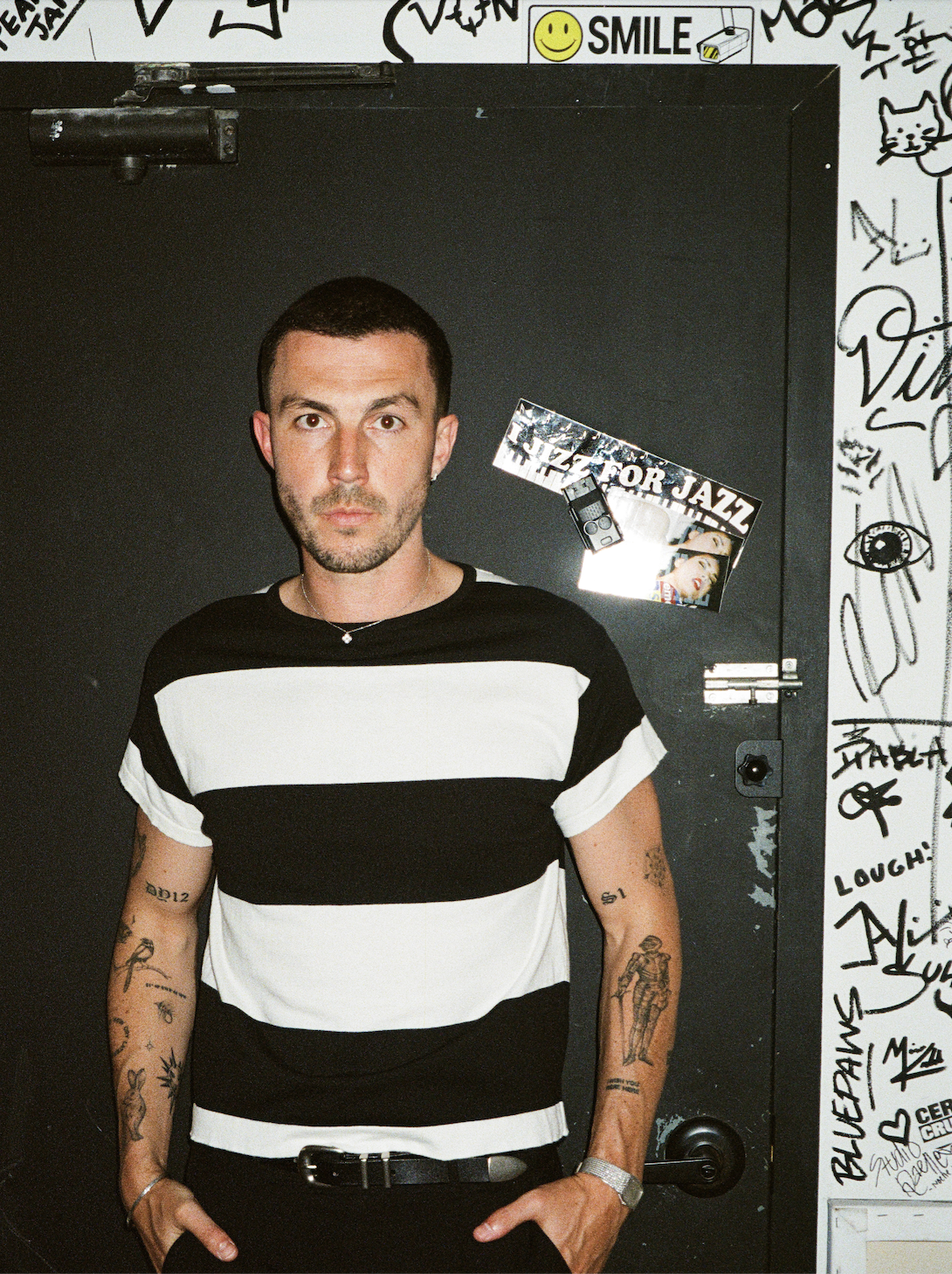
photography by ANTHONY ANDRE
It feels like your career has gone into another gear recently. From your perspective, what has changed the most over the past year?
I would say from a numbers perspective, the streaming figures have far exceeded any aspirations I could have imagined for myself, which is an incredible position to be in and something I’m extremely proud of.
On a more personal level, I think day to day interactions with fans is a daily occurrence now this year. Again, something that I’m extremely grateful for.
Was there one particular show, record or moment when you realized, “This has become much bigger than I expected”?
It’s funny because I always joke that this is a hobby that's gone too far as it were. So for me, my goals of thinking this is bigger than I expected were achieved years and years ago when I was able to quit my full time job. That to me was an unthinkable moment. In this year though, selling out Red Rocks was a highlight and a stage that I think is a bucket list for many.
You’ve gone from being an underground favorite to selling out venues like Red Rocks. How do you protect the things people originally connected with as the scale gets bigger?
I’ve been heavily involved in charitable work within Los Angeles the past 2 years. I think that's been great for the obvious reasons, but then to also stay connected with my local community and core fan base. We do a lot of in person events now outside of live shows and having the human interaction just helps me stay grounded and helps the fans see there's a real human here. It’s probably the thing I'm most proud of.
You’ve played everything from Coachella and EDC to Ibiza clubs. Does your approach to a set change when you’re playing a huge festival stage versus a packed club at 2 a.m.?
Yes of course, with the stages growing and records crossing over, it’s inevitable that the audiences you play will differ at times. Festivals are a balancing act as you’re going to have random fans come to your stage who might not be entirely familiar with you. Therefore, I try and make my set more inclusive whilst remaining at my core the same. At club shows, you’re safer to bet 100% of the people are there for you and you can really delve a bit deeper.
Tracks like Sippin’ Yak and Stephanie traveled well beyond the traditional house audience. Has that crossover changed the way you think about making records?
Not at all no, I still make music for the clubs as that's what I’m comfortable doing. If I changed that mindset, I would be doing myself and my fans a disservice.
When you’re in the studio now, are you thinking about where a track might live—a club, festival, radio, streaming—or do you have to shut all of that out?
I always make my records with a club or dancefloor in mind, purely because I find that easiest and I tour so consistently that I want to play the records that weekend. Therefore, they’re structured and created for live audiences as opposed to being cut for streaming or social media.
House music can be very trend-driven. What makes a track feel unmistakably “Cloonee” to you?
I’m probably not the best person to ask as my production characteristics are second nature to me now so I might not really pay attention to them that much. However, at their core, I think Cloonee records are structured a certain way. The vocals usually come in and loop in a similar way also. I’m heavy on using vocals as their own instrument and love chopping and looping them to create new moments within a song.
I tend to follow a less is more approach, a big kick and simple catchy bassline with crunchy drums. I think this simplistic approach with my style of using vocals makes incredibly replayable and memorable records that appeal to a larger audience.
HELLBENT has grown from a record label into something closer to its own world, including fashion. What was the original vision for it, and how much bigger do you want that world to become?
It started off as me wanting to do tour T-shirts. I was raised on metal and rock, my dad would take me to countless metal gigs and I’d always buy a tour T-shirt as soon as I walked into the venue.
I wanted to recreate this experience for fans, and from there it grew and grew until my business partner and I were producing full collections. It’s been fully built from the ground up by us with no outside help. We’re incredibly proud.
When you sign or support an artist through HELLBENT, what are you looking for beyond simply hearing a great track?
Nothing else. I think when you start to look beyond the music, you tend to make decisions that aren’t music based. I have a strong distaste for how the major industry works now and wanted to do something completely different. Something that is simply music forward. I don’t care about followers, where you’re from, engagement or what you look like. If the record is good, then I’m signing it.
You’re now in a position where younger producers are looking at your career as the blueprint. Does being able to give other artists a platform change how you view your own success?
My mindset has definitely changed as I’ve gotten older. I think now this is something I would love to be remembered for, somebody who left a positive impact on the scene and his fanbase. Hopefully somebody who inspired many people. To me now, that is more valuable than my own personal greed.
You’ve released music at a relentless pace. Do you feel like you’re entering a period where you want to show people a broader or more complete picture of who Cloonee is as an artist?
I think I’m definitely trying to show people that I can be taken more seriously than a DJ with a few big records you know. But to be honest, I’m not going to change anything about the music I make or my process. I think with time, the respect follows, and also to artists who stick to their guns.
Without giving away anything you’re not ready to reveal, what can you tell us about the music you’ve been making recently and where your sound is heading next?
The next single out after the album, I believe is a collab with Omar+. I really like it and I’m at the point now where I’ve made so much music, and as you say released at a relentless pace, that I’m kind of open to working with whoever, and I think the fans will be excited to listen to whatever I’m doing. Very blessed.
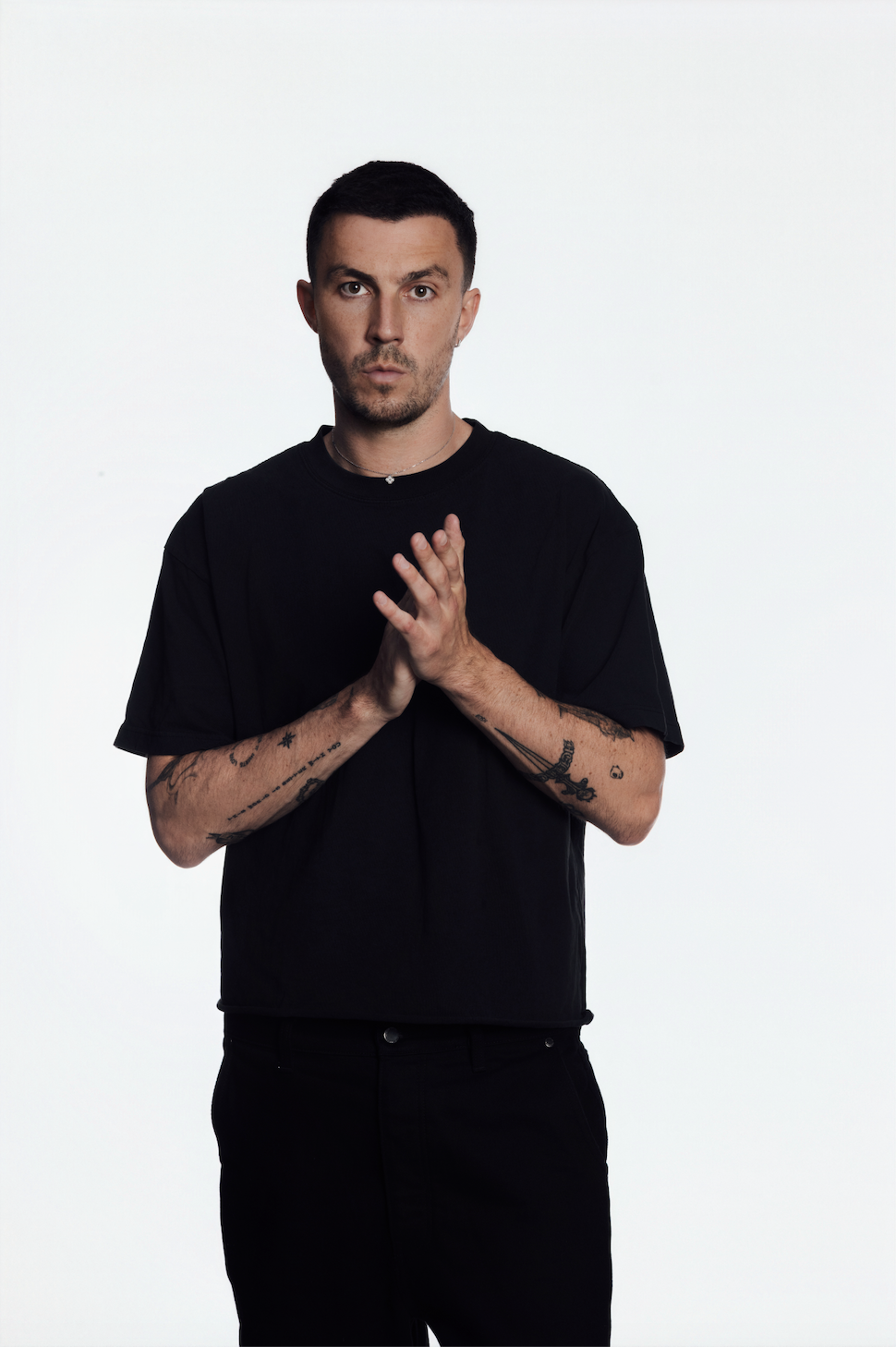
photography by THOMAS DANG
